

Does solar increase home value in California? I get why you’re asking.
You’ve probably seen solar panels going up all over your neighborhood and started wondering if it’s actually worth it when you sell.
I’ve looked into this closely, and the answer might surprise you.
In this post, I’ll break down how much value solar actually adds, what California buyers really think, and when solar helps and when it doesn’t.
I’ve spent time going through real data and California-specific numbers so you don’t have to.
Why Solar Panels Matter in California’s Housing Market

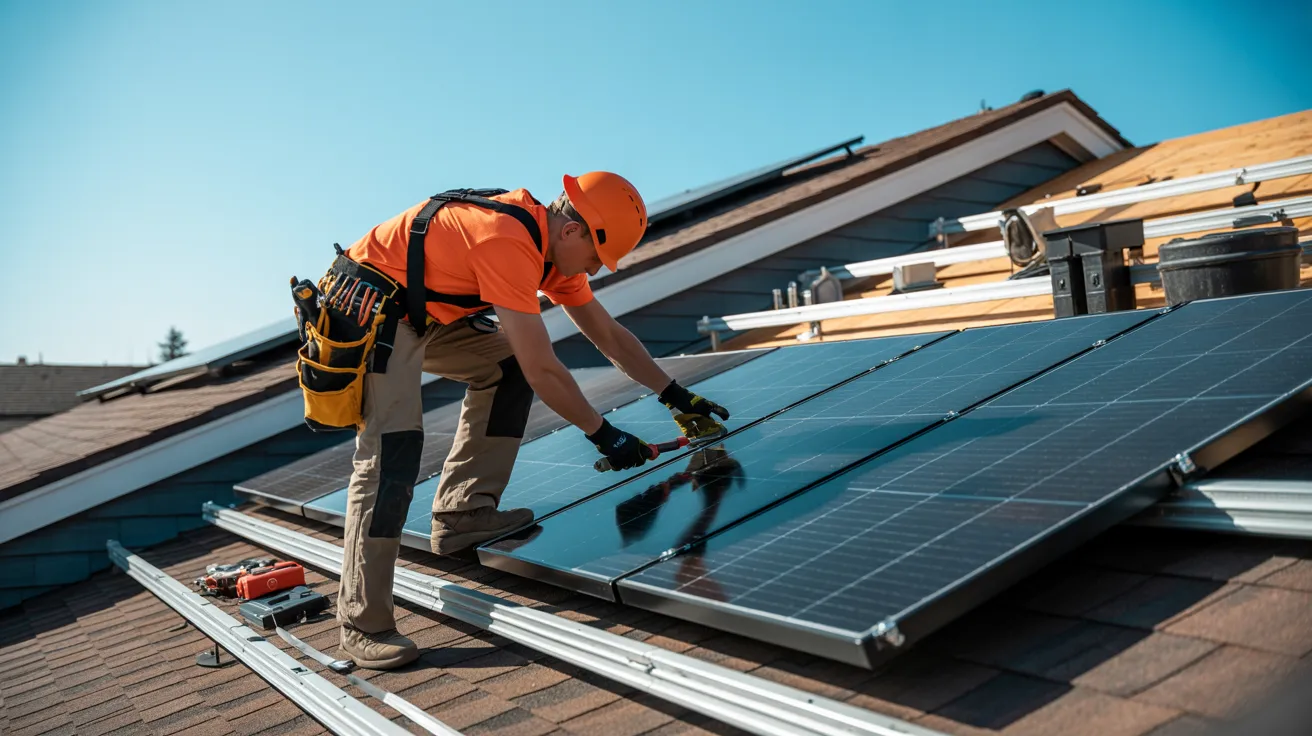
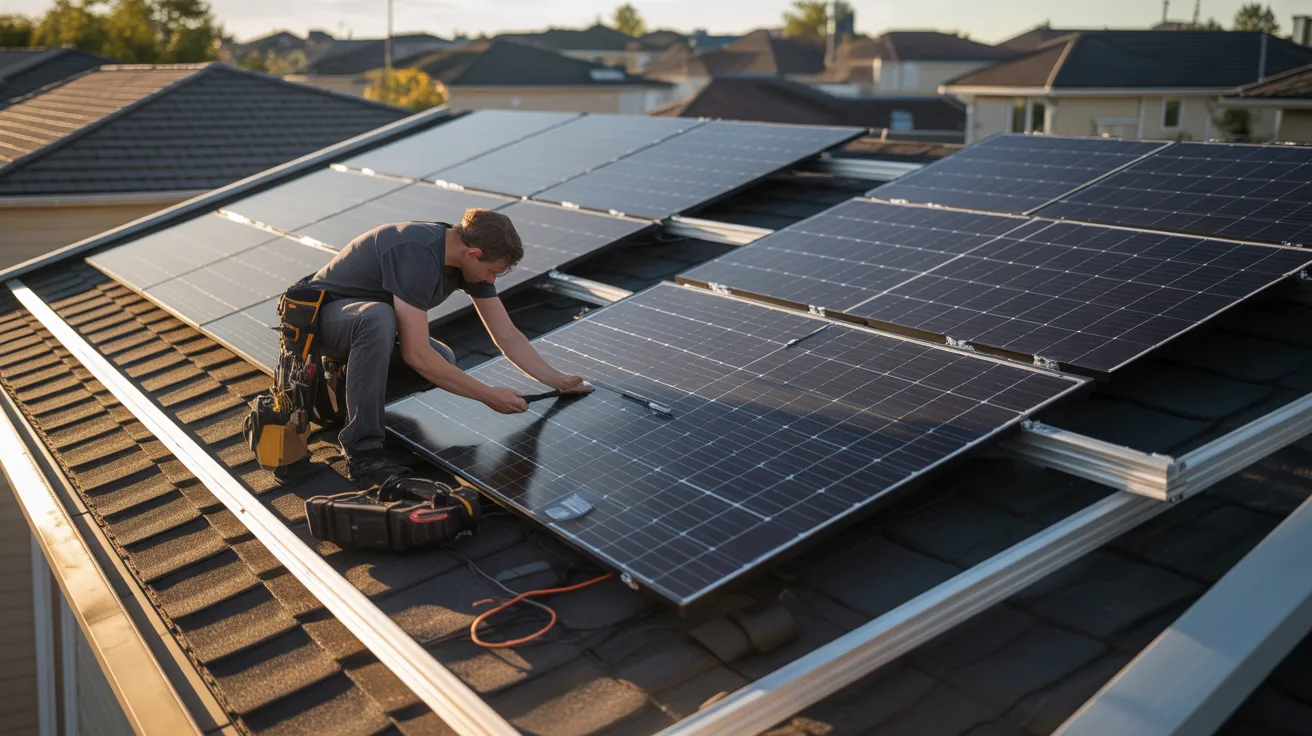
California is one of the sunniest states in the country. That alone makes solar a practical choice for most homeowners here.
But it goes beyond just the weather. California has some of the highest electricity rates in the US. Many homeowners pay well over $200 a month on energy bills.
Solar cuts that down significantly. That saving is a big deal for buyers looking at long-term costs.
The state also pushes hard for clean energy. Policies like the solar mandate for new homes show that solar is not going away.
In many markets, a home without solar can feel behind compared to one that has it.
How Much Does Solar Increase Home Value in California?
This is the number most people want to know.
Studies show that solar panels can add around 4% to a home’s value in California. On a $700,000 home, that works out to roughly $28,000. That is a solid return for most homeowners.
The exact number depends on your location, system size, and local buyer demand. Homes in areas with high electricity costs tend to see a bigger boost. A fully owned system adds more value than a leased one.
Key Factors That Impact Solar Home Value
Not all solar systems add the same value. Here’s what actually moves the needle.
1. System Size and Energy Production
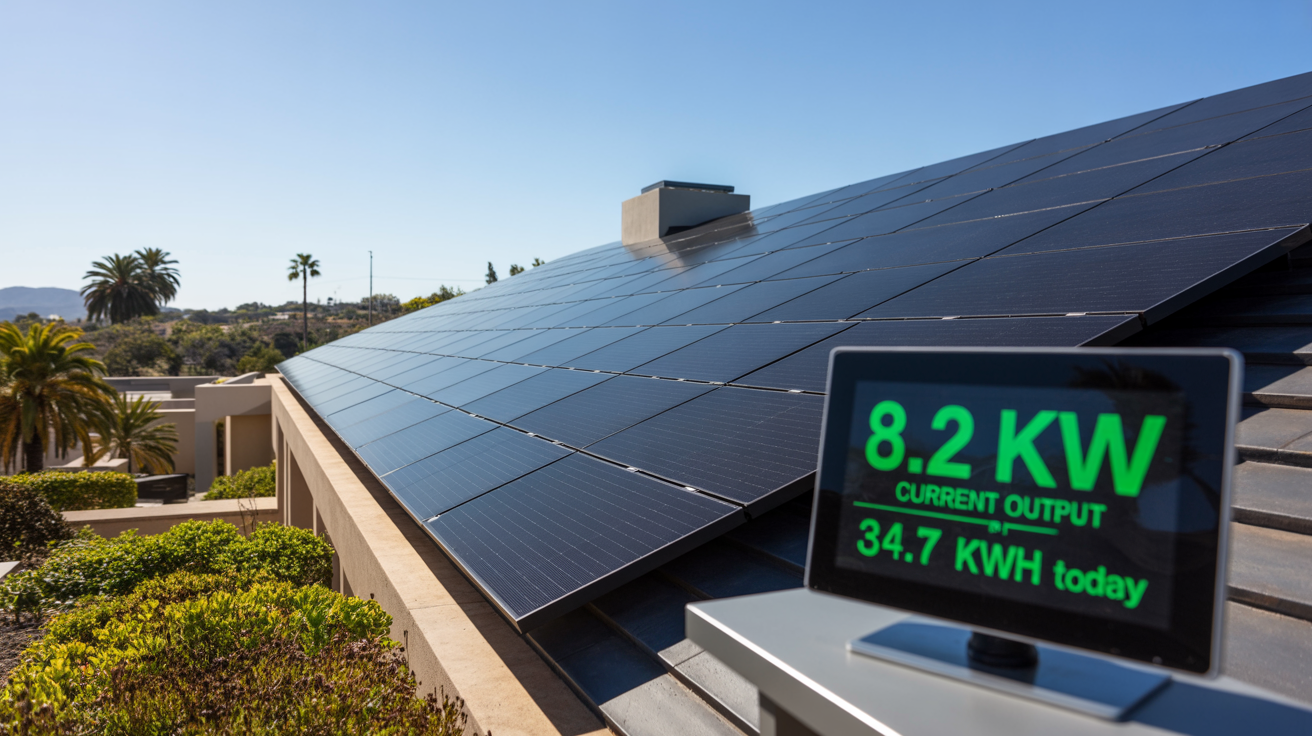
A system that covers most of the home’s energy use is far more attractive to buyers. Bigger output means more perceived value. Size it right for the home’s actual consumption and buyers will take notice.
2. Solar Panel Age and Condition
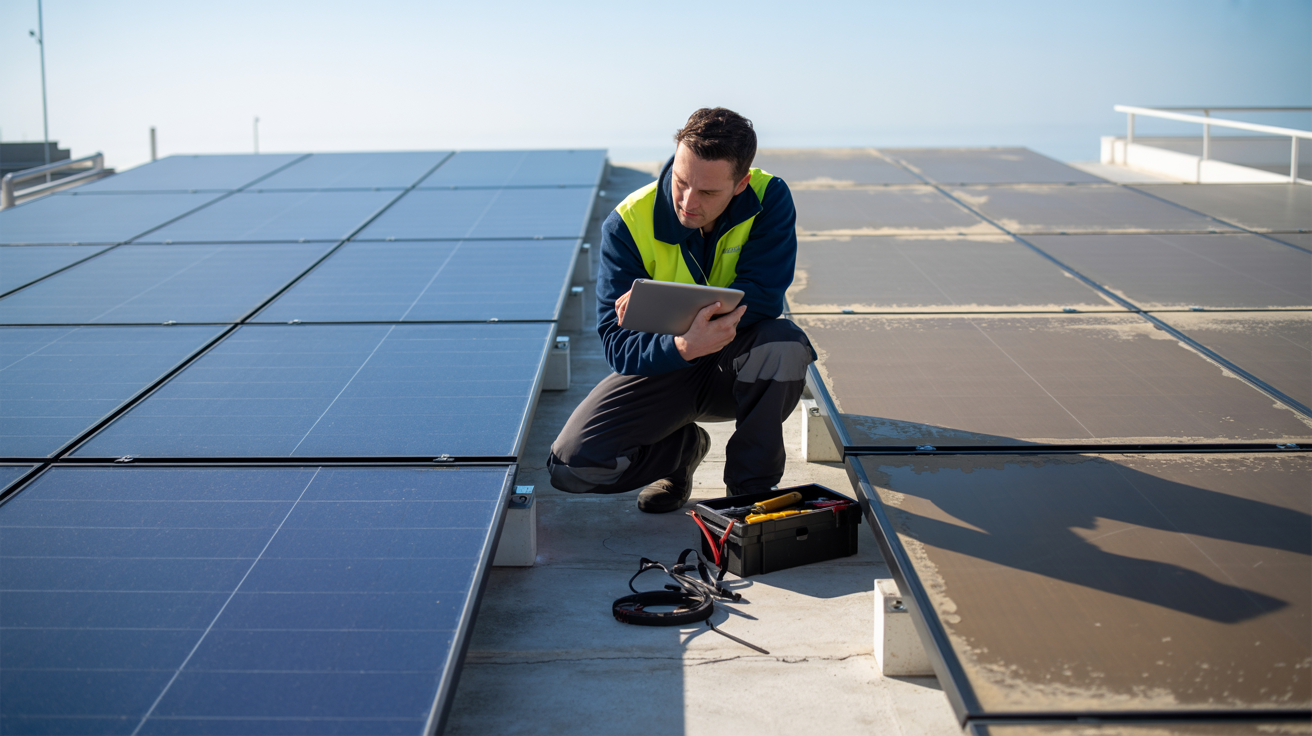 Newer panels in good shape are a strong selling point. Older systems raise questions about performance and replacement costs. Clean, well-maintained panels with proper documentation make the sale smoother.
3. Owned vs. Leased Solar Systems

An owned system transfers cleanly with the home. A leased system comes with contracts the buyer has to take over, and many won’t want that. Ownership wins every time when it comes to resale.
4. Battery Storage and Backup Power
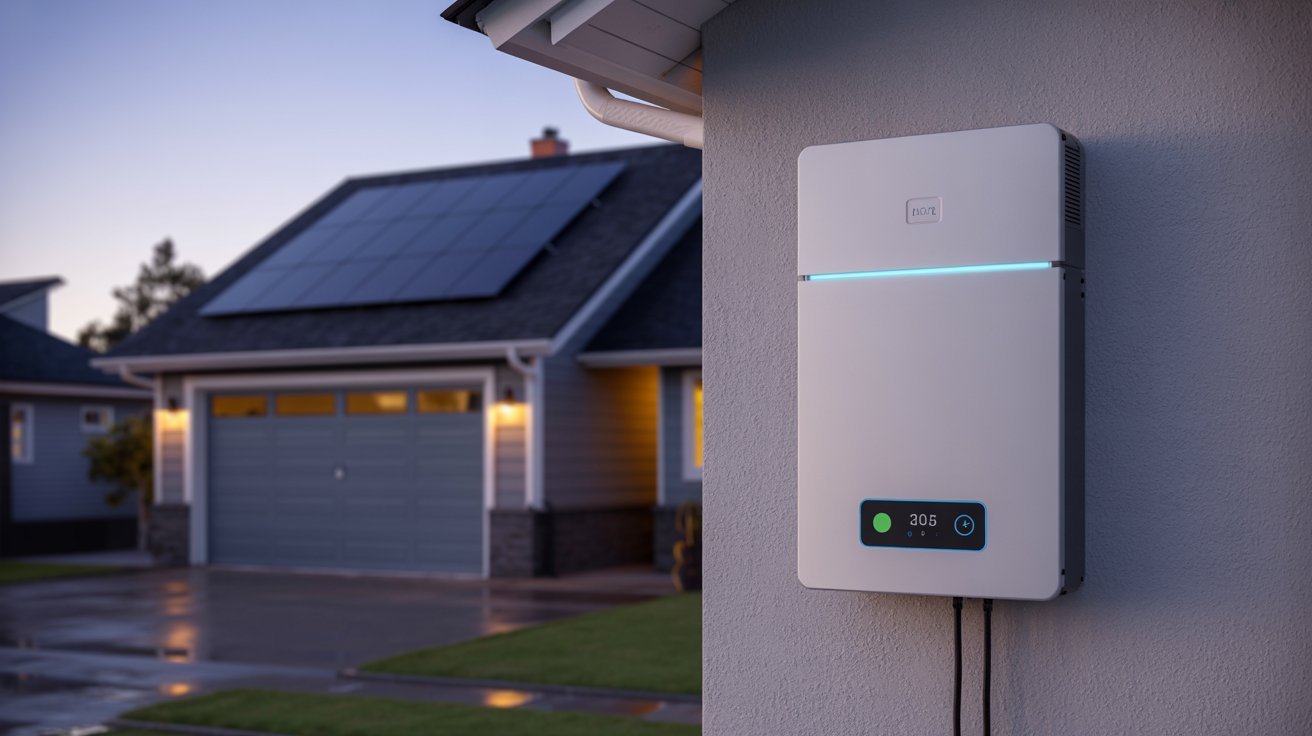
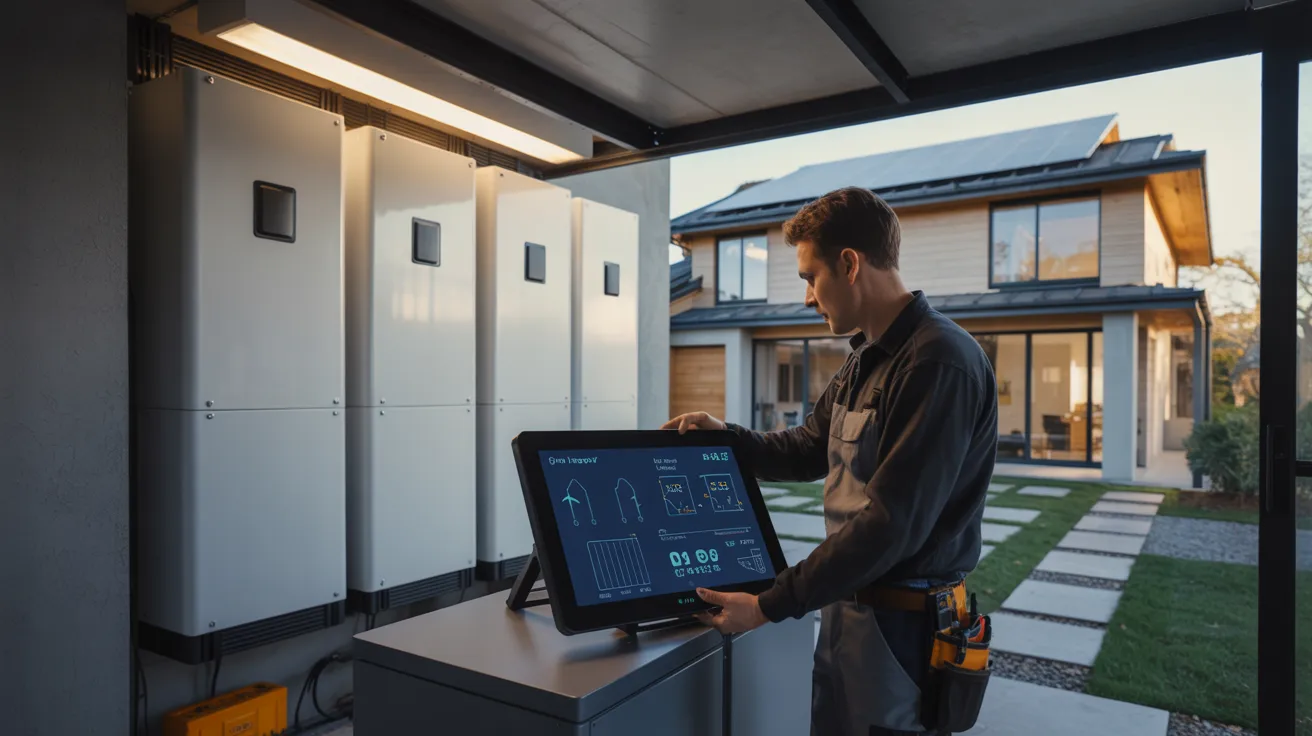
A solar system paired with battery backup stands out in California’s market. Grid outages are real here. Buyers in wildfire-prone areas especially value the reliability that battery storage brings.
5. Local Real Estate Market Trends
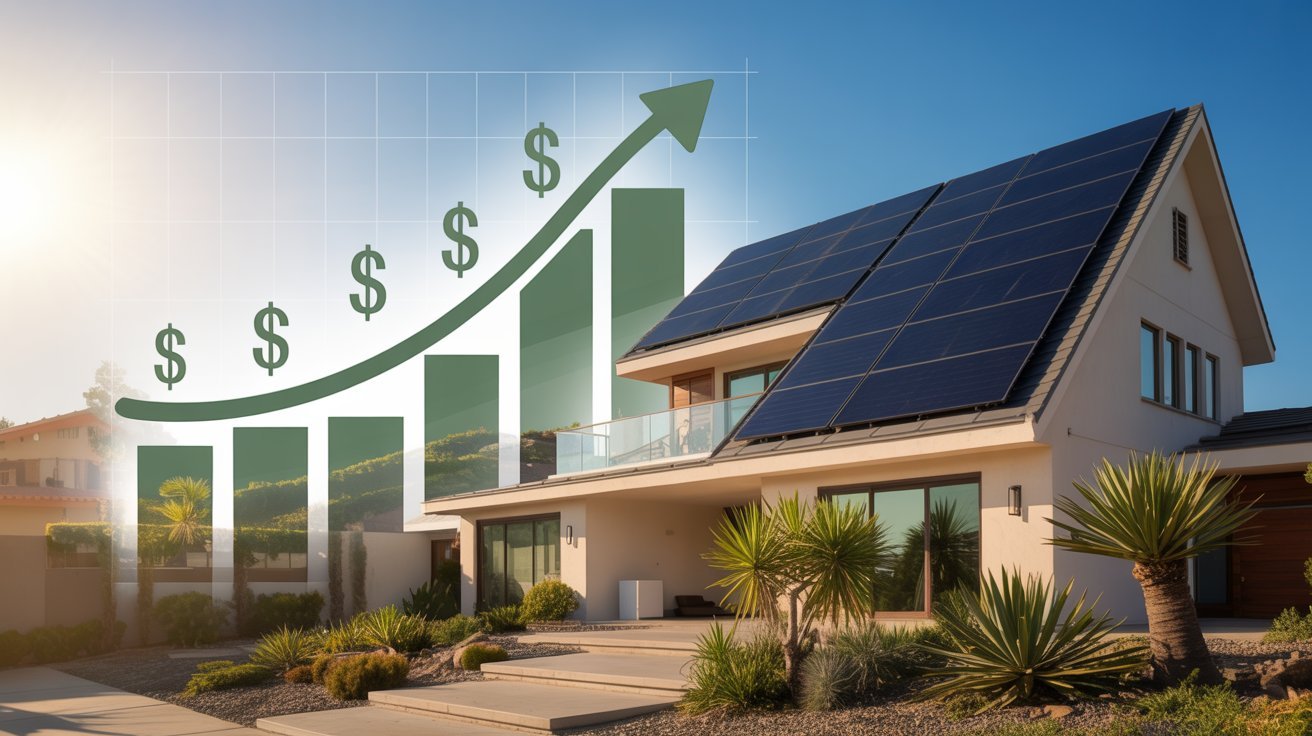
Solar adds more value in high-demand markets like LA, San Diego, and the Bay Area. In slower markets, the premium is smaller. Your local market conditions will largely determine how much solar moves your sale price.
Why Buyers Prefer Homes With Solar
Solar isn’t just a green feature anymore. It’s a practical one that saves money and adds convenience from day one.
Lower Monthly Utility Costs
California electricity rates are among the highest in the country. Buyers know this. A home with solar means lower bills right away, and that’s a real financial benefit they can see on paper. It’s one less cost to worry about every month.
Faster Home Sales and Stronger Buyer Interest
Solar homes in California tend to sell faster than those without. More buyers shortlist them, and fewer price negotiations drag the process out. When a home already has solar, buyers feel they’re getting more for their money.
Appeal to EV Owners and Remote Workers
EV ownership is growing fast in California. Buyers with electric cars love the idea of charging at home without worrying about a spike in their electricity bill. Remote workers also spend more time at home, which means higher daily energy use. Solar makes that cost manageable. Both groups actively look for homes that already have it set up.
Does Owned Solar Add More Value Than Leased Solar?
Yes, and the difference matters more than most sellers expect. Here’s why.
Benefits of Owned Solar Systems
Owning solar is clean and simple. It transfers with the home, no contracts, no monthly obligations passed to the buyer.
Buyers see it as an asset. Lower utility bills from day one, no third party involved, and full control over the system. That makes the home easier to sell and often at a higher price.
Challenges Buyers See With Solar Leases
Leased systems come with baggage.
Here’s what puts buyers off:
- The buyer has to qualify for and take over the lease
- Monthly payments add to their ongoing costs
- Contract terms can be long and hard to exit
- Limited control over the system is a real concern
- Heavy paperwork alone can kill a deal
Even if the system works great, most buyers don’t want the strings attached.
Which Option Offers Better Long-Term Return
Owned solar wins on return. You build equity, avoid monthly lease fees, and command a higher sale price.
Leased systems save money upfront but cost you at resale. If long-term value matters to you, buying the system outright is the smarter financial move.
Solar and California Utility Costs
California has some of the highest electricity rates in the country. That’s exactly why solar hits harder here than most other states.
| Factor | Details |
| Average CA electricity rate | Around 28 to 32 cents per kWh, well above the national average |
| Potential monthly savings | Solar can cut bills by 50% to 100% depending on system size |
| Net Metering (NEM 3.0) | Credits for excess power sent to the grid are lower now than before |
| Battery storage impact | Stores excess daytime power for evening use, maximizing savings |
| Buyer perception | Lower utility bills are a real number buyers factor into monthly budgets |
| Best markets for savings | LA, San Diego, Bay Area see the highest utility costs and strongest solar ROI |
NEM 3.0 changed the credit structure, but solar still makes strong financial sense in California. Pairing it with battery storage makes it even stronger.
Lower utility bills are a tangible, ongoing benefit. Buyers can factor that into their budget from day one.
Ways to Increase the Value of a Solar-Powered Home

Solar alone is a good start. But a few smart moves can push that value even further.
Keep Your System Well Maintained
Clean panels perform better and signal to buyers that the system has been cared for. Dust, debris, and bird droppings can cut energy output more than most people realize.
Schedule a cleaning once or twice a year and keep a simple log of it. When buyers see a maintained system, they feel confident they’re not inheriting a problem.
Add Battery Storage
A backup battery makes your solar setup more complete and more appealing, especially in areas with frequent outages.
California’s grid issues are well known, and buyers factor that in. A battery means the home keeps running when the grid goes down.
It also maximizes savings under NEM 3.0 by storing excess daytime power for evening use instead of sending it back at lower credit rates.
Own, Don’t Lease
If you’re still in a lease, look into buying out the system before listing. It removes friction from the sale. Leased systems scare off buyers and slow down closings.
An owned system is a clean asset that transfers with the home. That simplicity alone can make your listing more attractive and your negotiation smoother.
Document Everything
Keep records of installation, warranties, performance data, and any maintenance done. Buyers and their agents will ask.
Having a complete file ready shows you’ve been responsible with the system. It also helps appraisers assign proper value to it. Missing paperwork can raise doubts, even when the system itself is in great shape.
Work With a Solar-Savvy Agent
Not every real estate agent knows how to present solar value properly. Find one who does. It makes a real difference in how your home is priced and marketed.
A good agent will know how to highlight energy savings in the listing, explain the system to buyers clearly, and push back if an appraiser undervalues it.
The right agent turns your solar investment into a strong selling point.
Is Now the Right Time to Install Solar in California?
Incentives are still strong, energy costs keep climbing, and buyers increasingly expect solar. The timing makes a solid case for acting sooner rather than later.
California has some of the highest electricity rates in the country. That means solar saves you more here than in most other states.
The federal tax credit still gives you 30% back on installation costs. That can save thousands, but policy shifts can change that anytime.
California also moved to NEM 3.0, which pays less for excess energy sent back to the grid. Pairing solar with battery storage now makes more financial sense than ever before.
If you plan to stay in your home for at least five to seven years, the math works. You’ll recover costs through savings and likely see a price bump when you sell.
The window is open. It just won’t stay that wide forever.
Conclusion
So, does solar increase home value in California?
From everything I’ve seen, yes, it genuinely does. And in a state with sky-high electricity bills, it makes even more sense.
If I were selling a home here, solar would be one of the first things I’d sort out before listing. Owned system, battery backup, clean paperwork. Done.
If this helped you, drop a comment below or share it with someone thinking about going solar. I’d love to hear your thoughts.
Frequently Asked Questions
How much does solar increase home value in California?
Studies show solar can add around 4% to a home’s value in California. On a $700,000 home, that’s roughly $28,000 added to the sale price.
Does a leased solar system add value to my home?
A leased system can actually slow down your sale. Buyers have to take over the lease contract, and many choose to walk away instead.
Do solar panels help sell a home faster in California?
Yes, solar homes in California tend to sell faster than those without. Buyers see lower utility bills as a real financial benefit and are more motivated to close.
Is battery storage worth adding to a solar system?
Battery storage makes your solar setup more appealing, especially in wildfire-prone areas with frequent outages. It also maximizes savings under California’s NEM 3.0 policy.
What is the best time to install solar before selling in California?
Installing at least five to seven years before selling gives you time to recover costs through savings. You’ll also benefit from the 30% federal tax credit if it’s still in effect.