
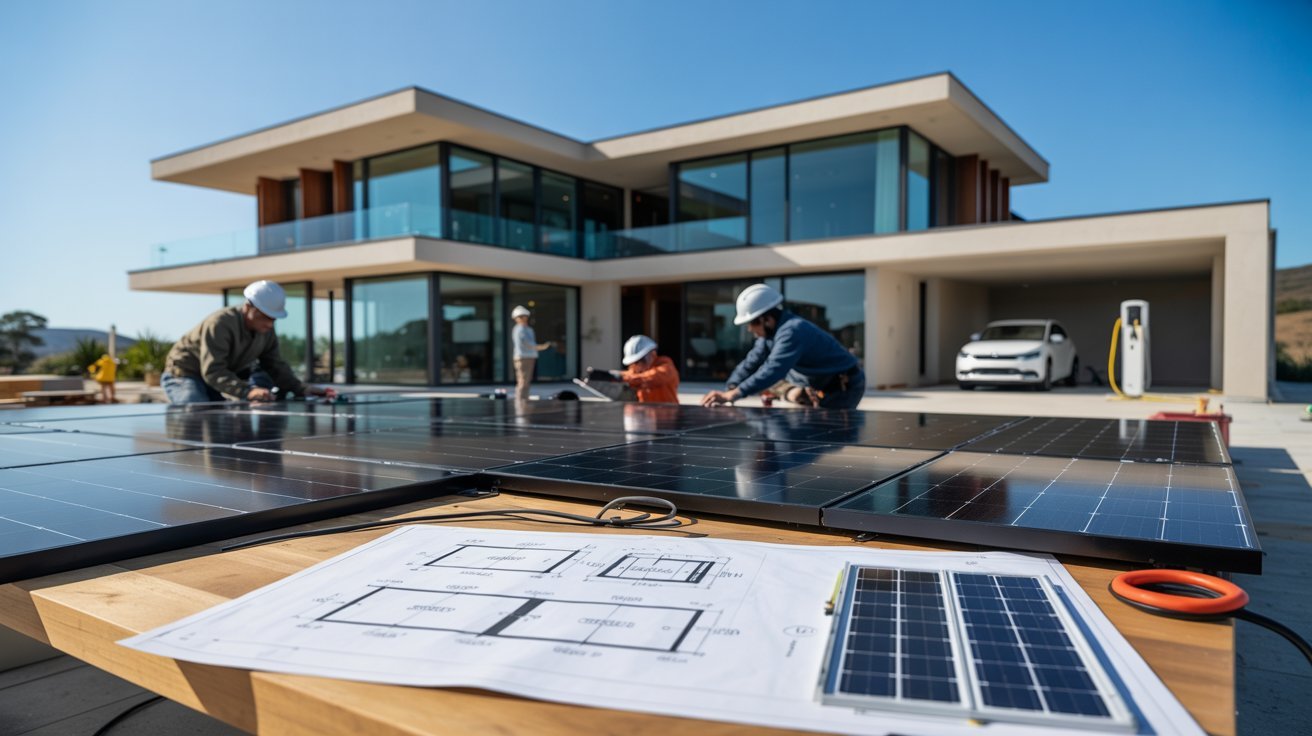
Solar batteries don't last forever, but how you maintain them decides how long they actually last.
I've seen well-maintained batteries run strong the past few years and neglected ones fail in three.
In this guide, I'll walk you through how long each battery type lasts, what charge cycles do to battery health, how to slow down degradation, and the best habits for long-term efficiency.
The goal is simply to help you get the most years out of your solar battery without the guesswork.
Why Solar Battery Maintenance Matters
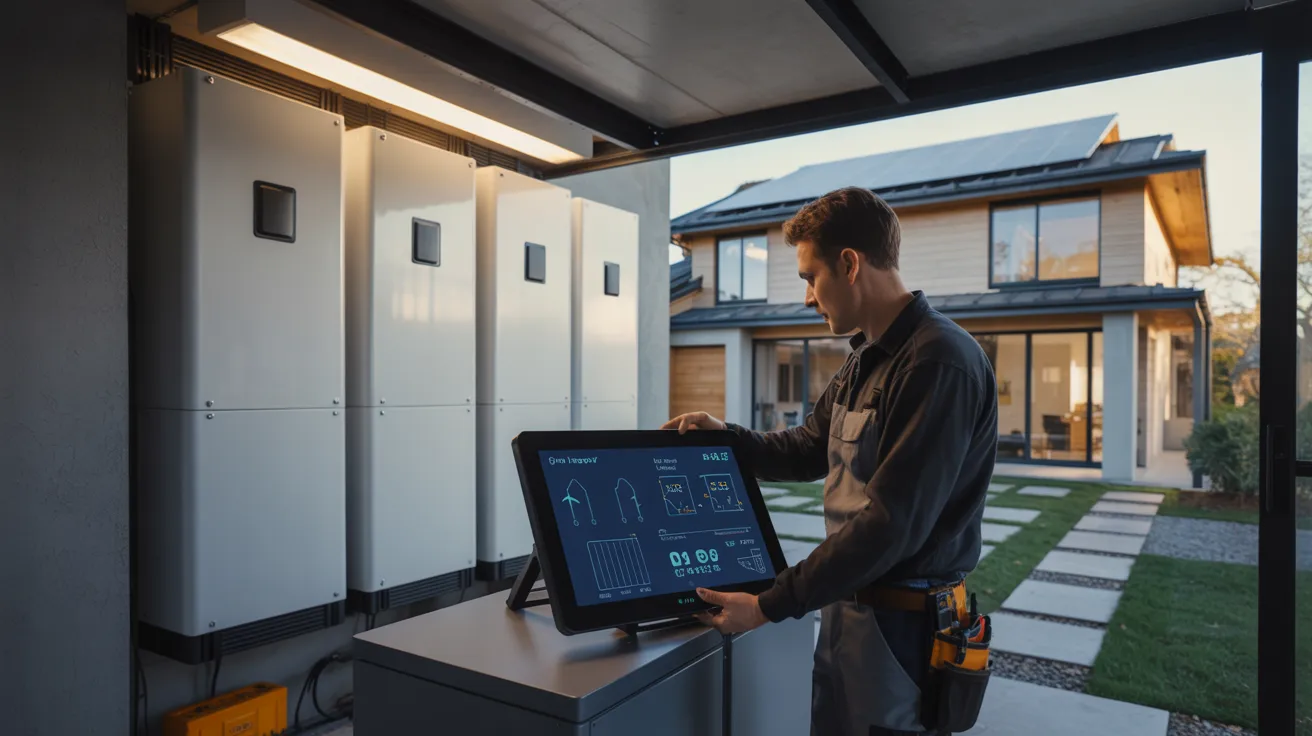
Most people install solar batteries and forget about them, but regular maintenance is important for long-term performance.
A well-maintained battery can last 10 to 15 years, while poor upkeep can cut that lifespan in half.
Keeping terminals clean, connections secure, and charge settings properly managed improves efficiency and reduces energy loss.
Common causes of battery degradation include overcharging, deep discharging, extreme temperatures, moisture, and skipped inspections.
Simple maintenance habits help prevent costly repairs and early battery replacement.
Solar Battery Maintenance Tips
Good solar battery maintenance is simple. These practical tips help your battery last longer and perform better every day.
Monitor Battery Performance Regularly
Check voltage, charge levels, and discharge cycles often. Most solar systems have a monitor or app for this.
Use it weekly. If the battery drains faster than usual, catch it early before it turns into a bigger problem.
Keep Battery Terminals and Connections Clean
Corrosion on terminals reduces efficiency fast. Check them every few months.
Clean any buildup with baking soda and water, then apply terminal grease to slow future corrosion.
Always disconnect the battery before cleaning.
Avoid Overcharging and Deep Discharging
Overcharging causes heat damage. Draining too low wears out the cells.
A good charge controller handles overcharging automatically.
For most batteries, try not to drop below 50% regularly.
Maintain Proper Ventilation Around the Battery
Batteries release gases while charging. Without airflow, those gases build up and become a safety hazard.
Leave space around the battery and make sure the storage area has some ventilation.
Protect Batteries from Extreme Temperatures
Heat speeds up wear. Cold kills performance. Keep batteries between 50°F and 80°F when possible.
Avoid direct sun exposure and insulate the storage area in harsh climates.
Solar Battery Maintenance Tasks DIY Homeowners Can Handle
Keeping your solar battery system in good shape does not require a technician every time. Several maintenance tasks are simple enough to handle yourself with basic tools and some attention to detail.
Regular upkeep helps your battery last longer, perform better, and stay safe. Skipping it can lead to early failure or safety risks at home.
How to Safely Inspect Your Solar Battery System
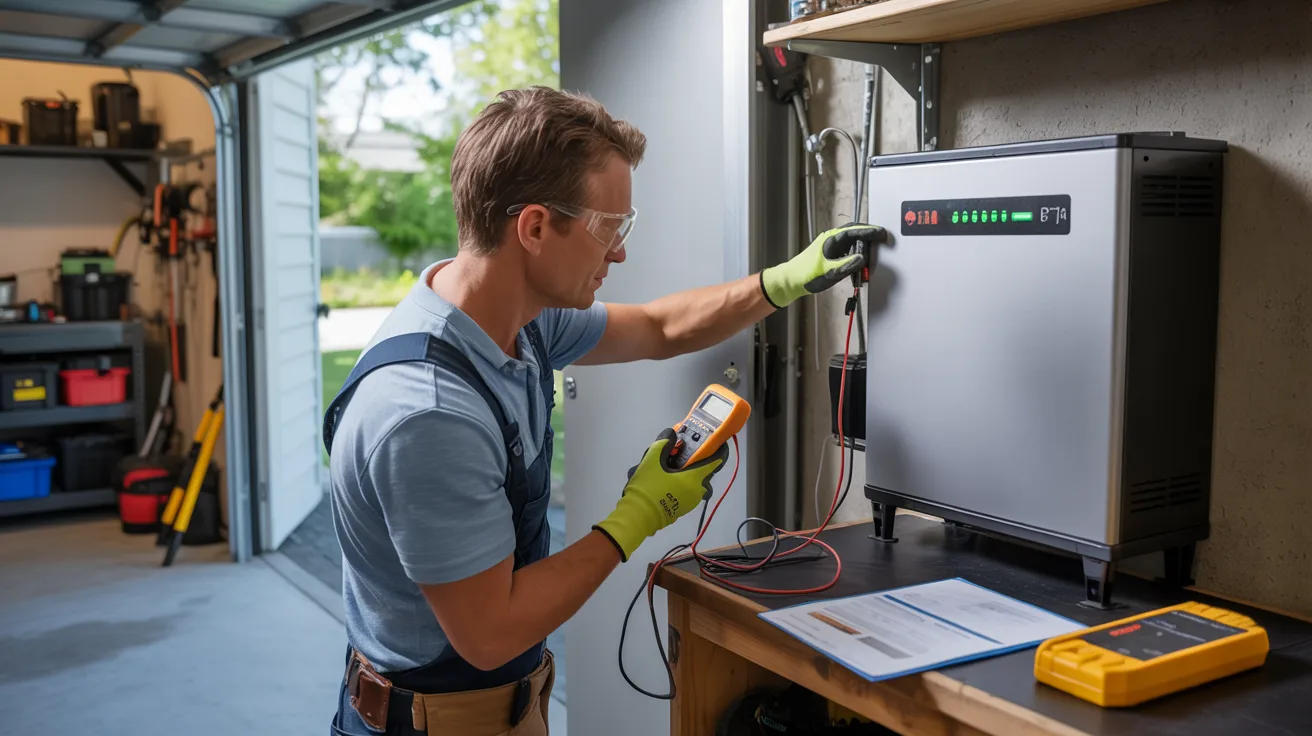
Start with a visual check before touching anything. Look for cracks, swelling, or discoloration on the battery casing. Check for moisture or water pooling nearby.
Smell matters too. A sulfur smell near lead-acid batteries or any burning odor near lithium batteries means stop and call a pro.
Do this check every one to three months. It takes under ten minutes.
Cleaning Dust, Dirt, and Corrosion Around Batteries
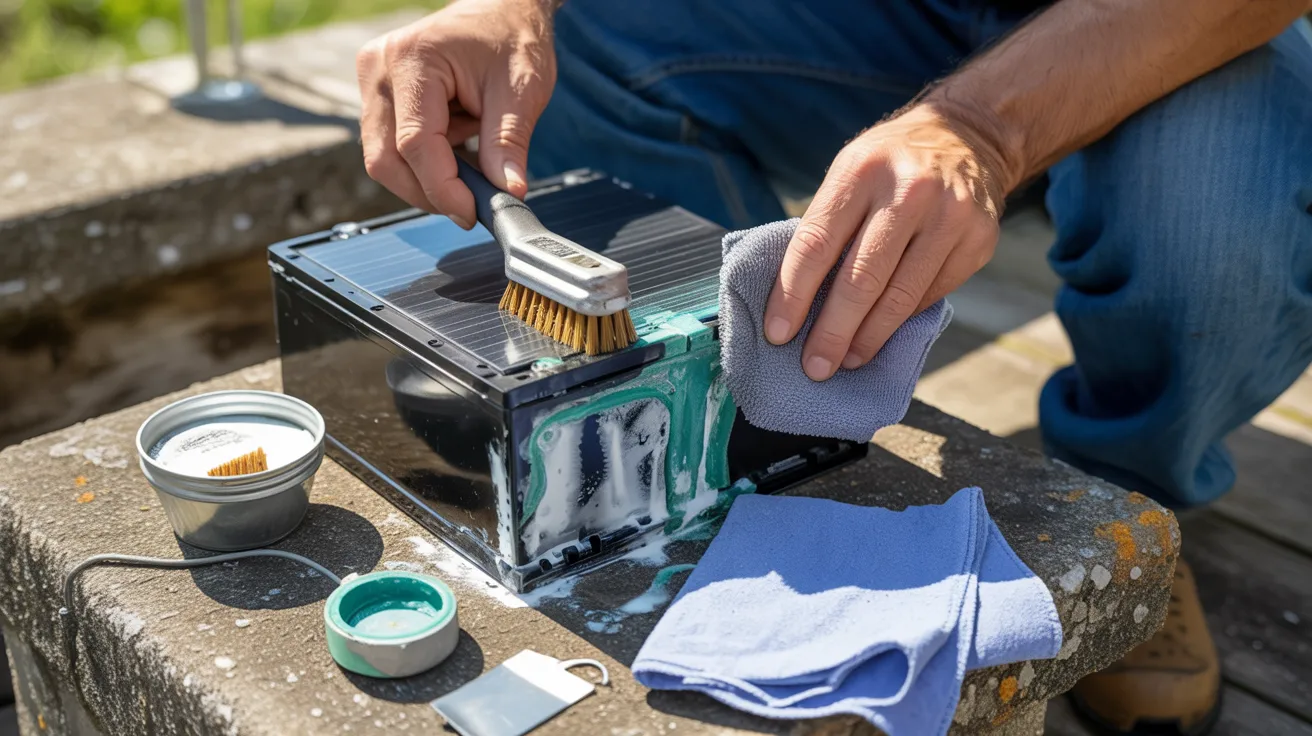
Wipe down the battery casing with a dry cloth. For terminal corrosion, apply a baking soda and water mix with an old toothbrush, let it fizz, then wipe clean.
Always wear gloves and safety glasses. Keep vents clear and remove anything leaning against the battery unit.
Checking Battery Voltage and Warning Indicators
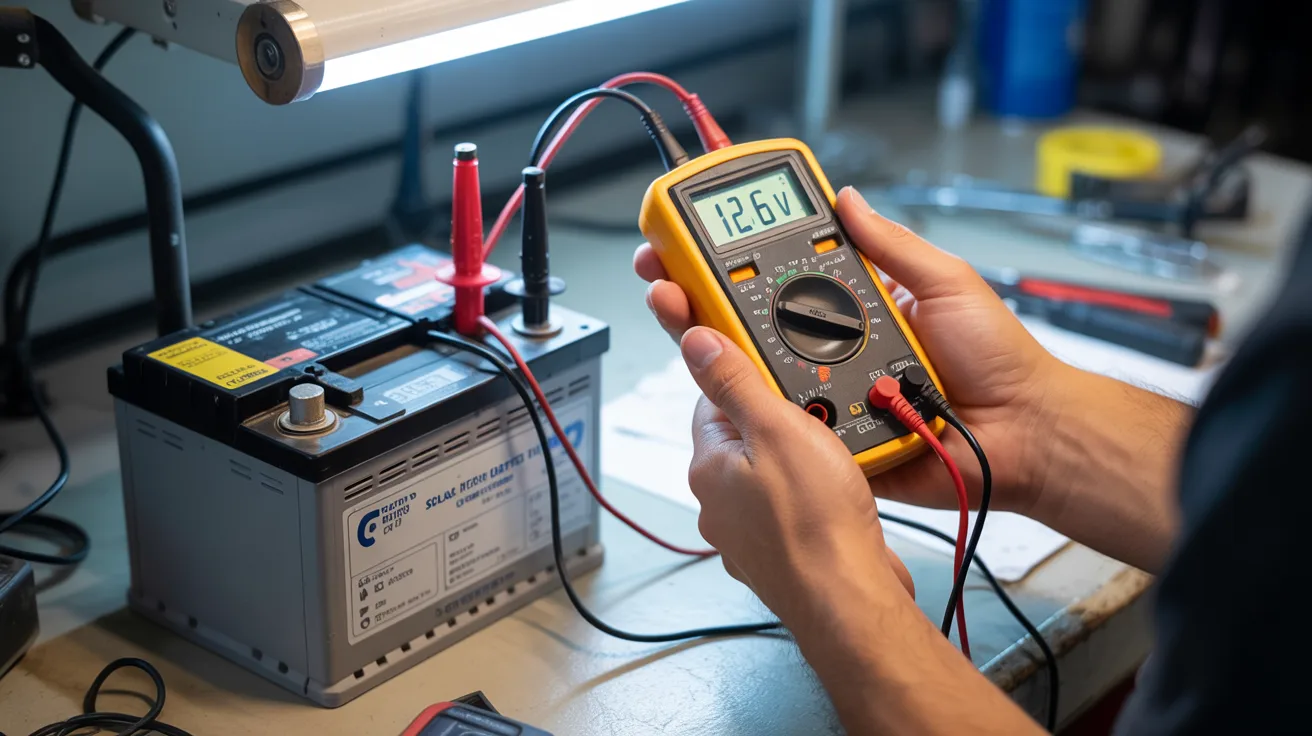
A basic multimeter is all you need. Turn off the system, connect the probes, and check the reading. A healthy lead-acid battery reads 12.6 volts or above when fully charged.
Check your manual for lithium battery ranges.
Also check your system's app or display panel for error codes or alerts you do not recognize.
Inspecting Cables, Wiring, and Battery Connections
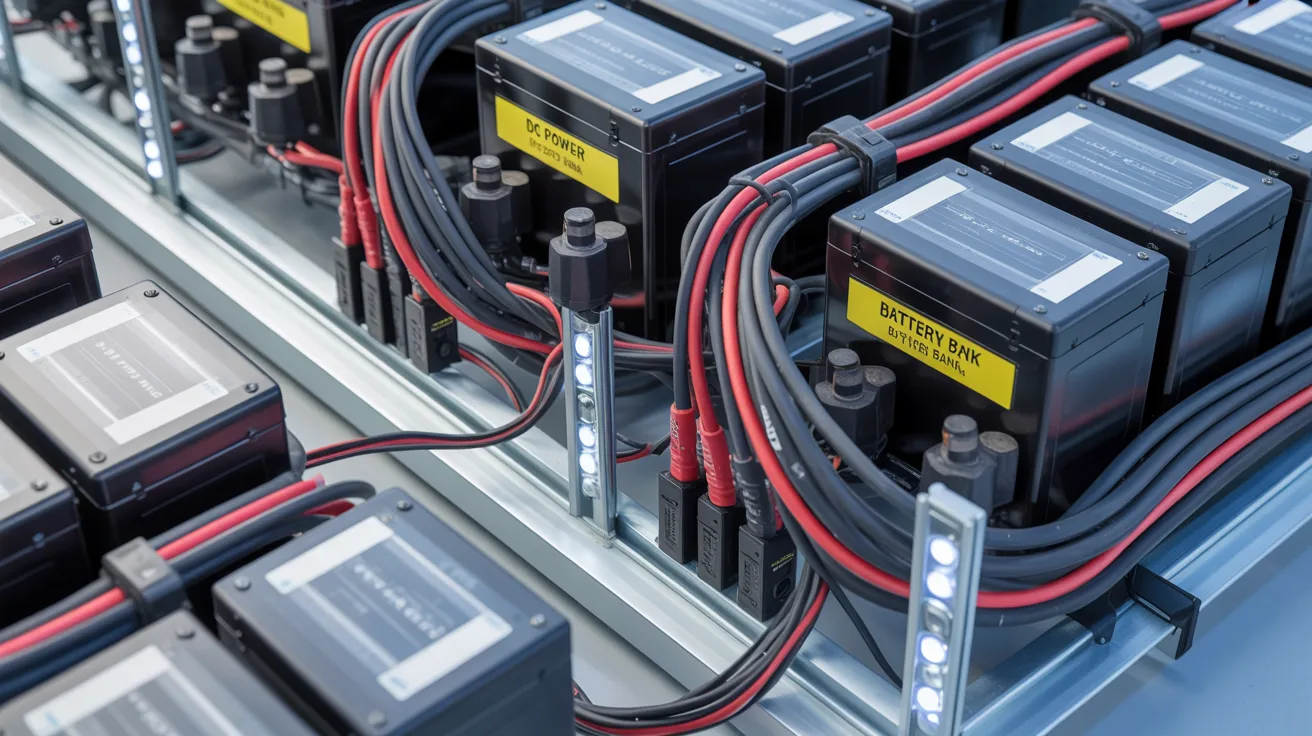
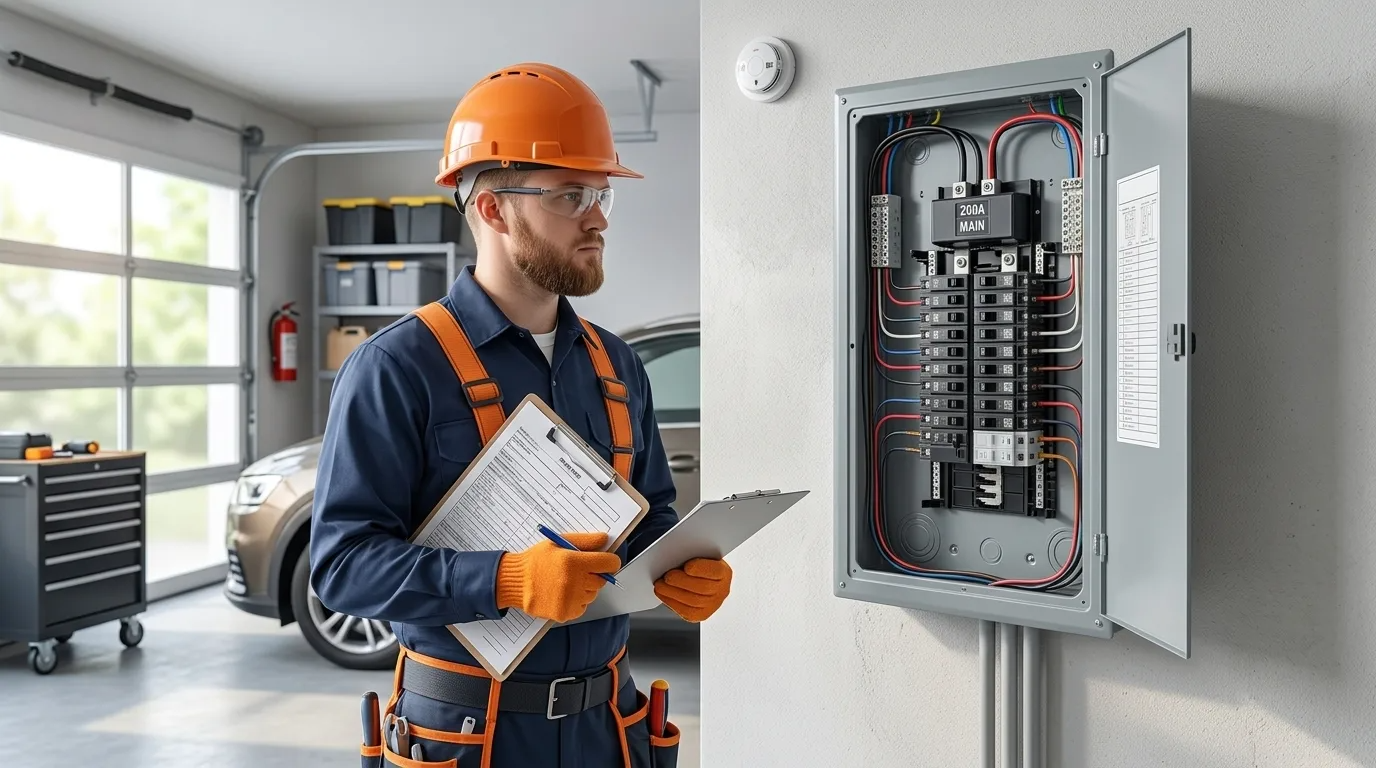
Look for fraying, cracking, or exposed wires. Do not touch damaged cables. Call a licensed electrician instead.
Check that all connections are snug. Loose terminals can cause arcing, which is a fire risk. Look for any burn marks or discoloration near connection points.
Creating a Simple DIY Maintenance Schedule
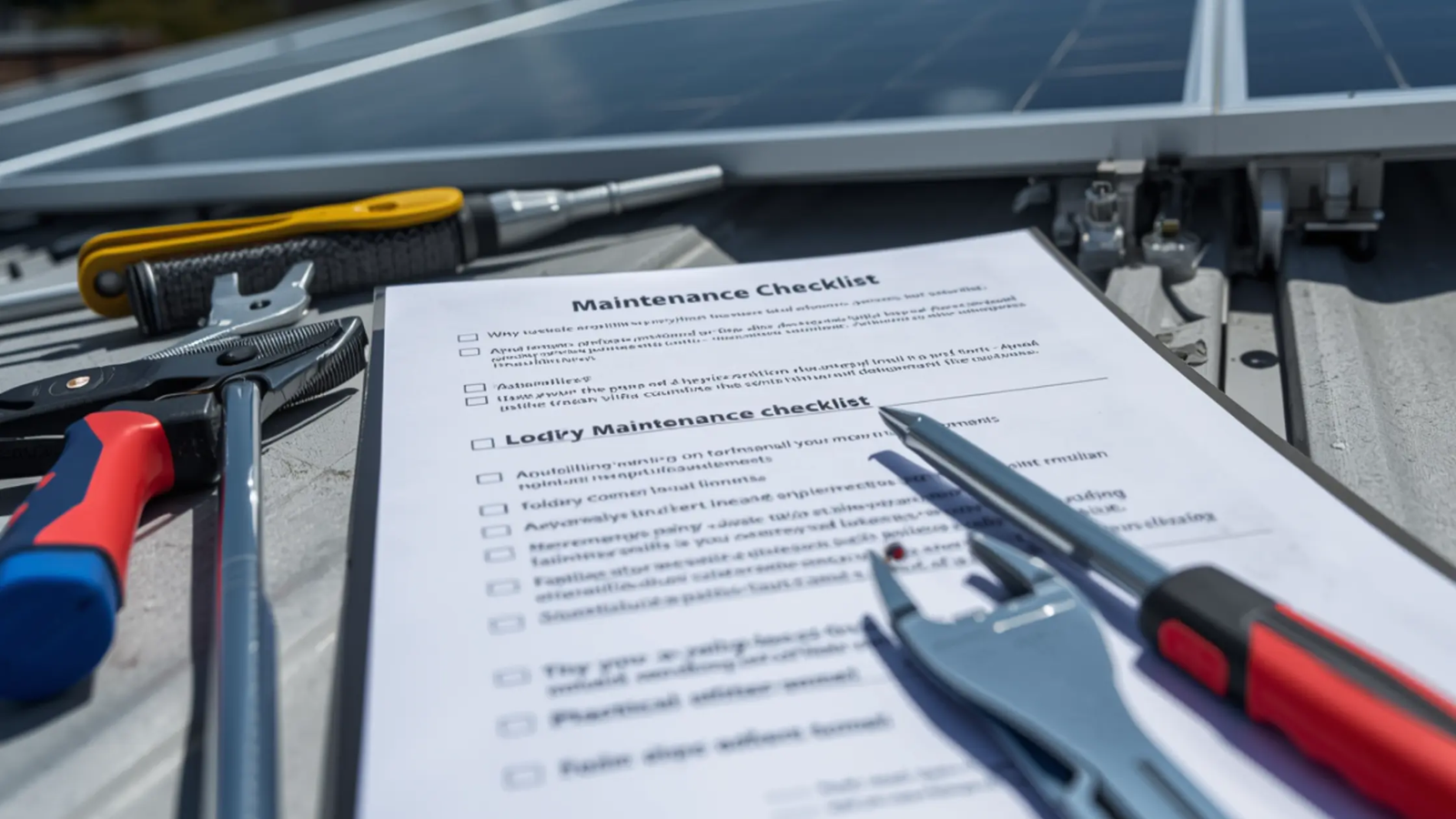
Monthly: Check app alerts and battery charge levels.
Every 3 months: Visual inspection of casing, cables, and connections. Clean dust and corrosion.
Every 6 months: Test voltage and review system performance data.
Once a year: Book a professional inspection to catch what you might miss.
Set phone reminders. Consistency is what keeps the system running long-term.
Important Safety Tips Before DIY Maintenance
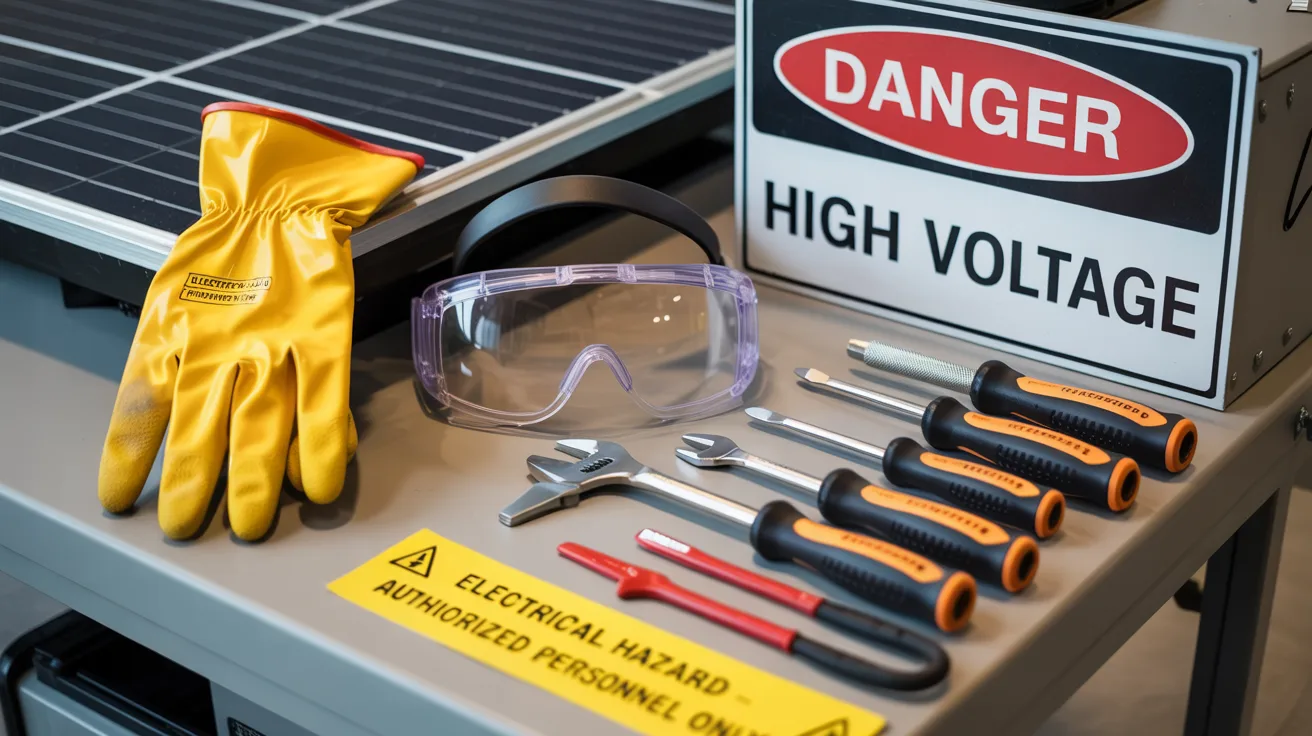
Turn off the system at the inverter before starting anything. Wear insulated gloves and safety glasses every time.
Work in a ventilated space. Keep water and metal tools away from terminals. Never attempt repairs on damaged parts.
DIY maintenance covers observation and cleaning only. If something looks wrong, call a professional.
Solar Battery Maintenance Requirements for Long-Term Performance
A little regular care keeps your solar battery running strong for years without costly replacements.
Ideal Temperature and Storage Conditions
Keep your battery between 50°F and 77°F. Extreme heat or cold shortens its life fast.
Avoid direct sunlight on the casing. If storing it off-season, leave it at around 50% charge.
Proper Charging and Discharge Settings
For lithium batteries, stay between 20% and 80% charge. For lead-acid, do not drop below 50% regularly. Check your charge controller defaults.
Many are not set for long-term battery health out of the box.
Ventilation and Moisture Protection Requirements
Lead-acid batteries release gases while charging. Keep the space ventilated. Moisture causes terminal corrosion quickly, so use a weatherproof enclosure outdoors.
A silica gel pack inside helps in humid areas.
Recommended Maintenance Frequency
Monthly: Check charge levels and look for swelling or leaks. Every 3 to 6 months: Clean terminals and tighten connections.
Annually: Run a capacity test. A drop over 20% means replacement is near.
Battery Monitoring System Requirements
A BMS tracks voltage, temperature, and charge cycles in real time. Pick one that matches your battery type. Built-in systems should be active and logging.
It catches problems early before they cost you.
Choosing the Right Solar Battery Maintenance Charger
A solar battery maintenance charger helps keep batteries healthy by supplying a small, steady charge when they are not in use, preventing drainage, sulfation, and voltage loss.
Unlike standard chargers, smart chargers automatically adjust charging levels and switch to float mode to avoid overcharging and battery damage.
When choosing a charger, look for the right wattage, built-in charge control, reverse current protection, weatherproofing, and compatibility with your battery type, whether lead-acid or lithium-ion.
Using the correct maintenance charger improves battery lifespan, efficiency, and overall system performance.
Seasonal Solar Battery Maintenance Checklist
A quick season-by-season guide to keeping your solar battery healthy and ready when you need it most.
Winter Solar Battery Maintenance Tips
Cold weather drains batteries faster and slows charging. Here is what to do:
- Keep the battery above 20% charge during cold spells
- Check terminals for corrosion or looseness, cold contracts metal
- Clear snow off panels quickly to maximize charging time
- Confirm the battery stays within its safe temperature range
Summer Battery Protection and Cooling Tips
Heat degrades batteries faster than almost anything else. Stay ahead of it:
- Check enclosure temps on hot afternoons, shade it if needed
- Add ventilation to prevent hot air buildup
- Lower your max charge to 90% during heat waves to reduce cell stress
- Monitor your app for any drop in capacity or charging speed
Preparing Your Battery System for Storms and Power Outages
Do not wait for the storm warning. Prep early:
- Charge to 100% as soon as severe weather is forecast
- Test backup mode before storm season starts
- Confirm your critical appliances are on the backup circuit
- Seal any gaps in outdoor enclosures against wind and rain
Common Solar Battery Maintenance Mistakes to Avoid
Small habits can quietly damage your solar battery over time. Here are the mistakes worth knowing about.
Ignoring Temperature Control Requirements
Most solar batteries perform best between 50°F and 77°F. Regular exposure to extreme heat or cold causes permanent cell damage and faster capacity loss.
Store your battery in a climate-controlled or well-insulated space.
Letting the Battery Fully Drain Too Often
Deep discharges stress the cells. Most batteries have a recommended depth of discharge around 80–90%. Going past that repeatedly cuts years off the lifespan. Set a low-battery cutoff on your inverter to avoid this.
Using the Wrong Charger or Settings
A charger built for lead-acid batteries can overcharge a lithium system. Always match the charge voltage and current to your battery's specs.
If you upgraded your battery but kept the old charge controller, check the settings again.
Skipping Routine Inspections and Cleaning
A ten-minute monthly check can catch problems early. Look for terminal corrosion, loose cables, or casing swelling.
Clean dirty terminals with baking soda and water to keep resistance low.
Blocking Airflow Around the Battery System
Trapped heat shortens battery life. Keep the recommended clearance on all sides and never stack items against the unit.
Good airflow is simple to maintain and easy to overlook.
Signs Your Solar Battery Needs Immediate Attention
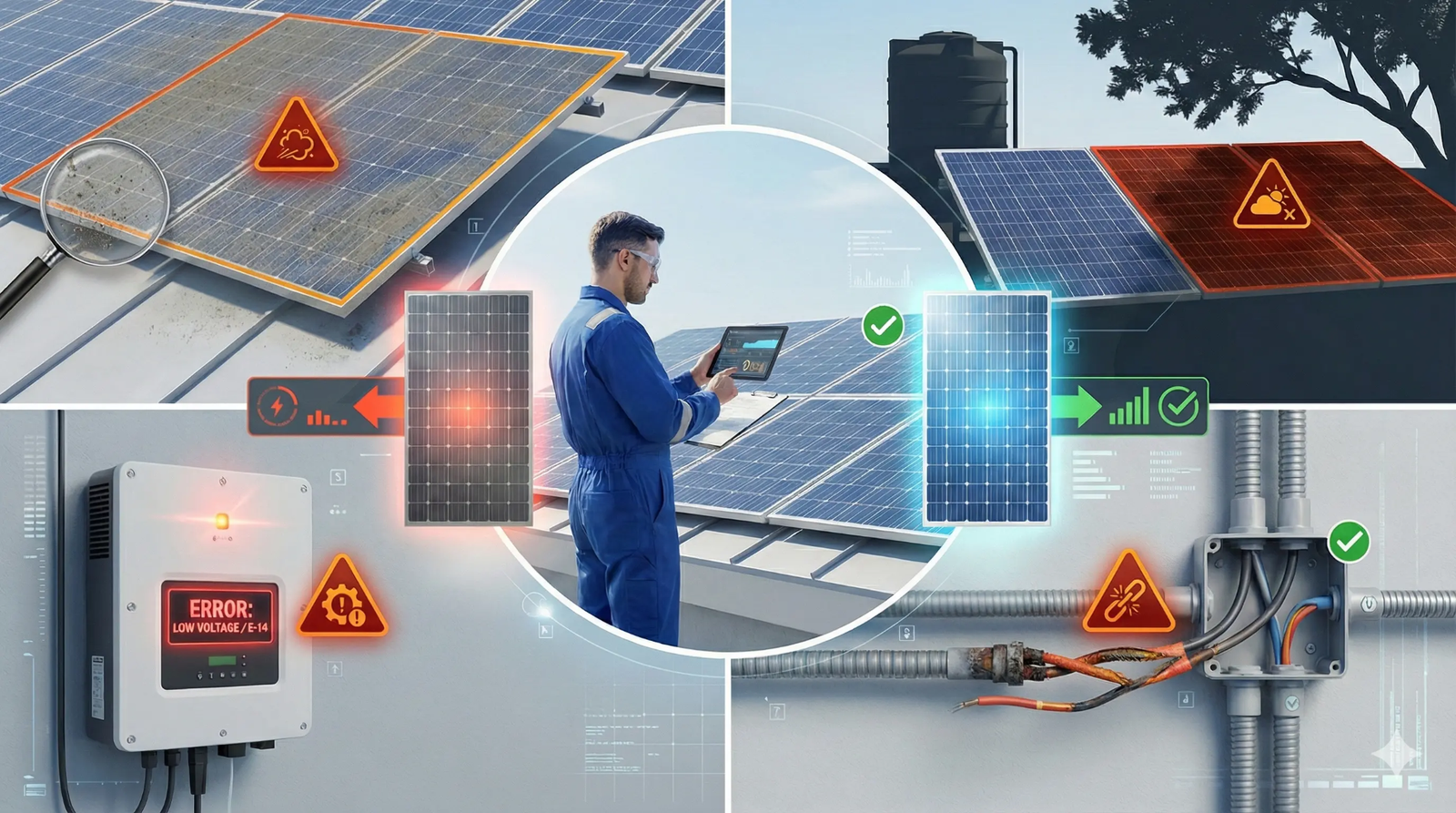
Learn the early warning signs that your solar battery is failing before it causes bigger and costlier problems at home.
- Reduced Battery Capacity and Slow Charging
- Sudden Voltage Drops or System Shutdowns
- Corrosion, Swelling, or Leaking Batteries
- Unusual Sounds, Smells, or Heat Buildup
- When to Call a Solar Battery Professional
How Proper Maintenance Extends Solar Battery Lifespan
Good maintenance habits help solar batteries last longer, improve efficiency, and reduce replacement costs.
Battery lifespan depends on the type you use.
Lead-acid batteries typically last 3 to 7 years, while lithium-ion and saltwater batteries can last 10 to 15 years.
Flow batteries may last over 20 years but are mostly used in commercial systems.
Charge cycles also affect battery health, as every charge and discharge slowly wears the battery down. Lithium batteries handle far more cycles than lead-acid batteries, which is why they generally last longer.
To reduce battery degradation, avoid deep discharges, prevent overcharging, keep batteries in moderate temperatures, and inspect terminals regularly for dust or loose connections.
Maintaining charge levels between 20% and 90%, using a quality MPPT charge controller, and checking your monitoring app weekly can also improve long-term performance.
Following the manufacturer’s maintenance schedule keeps your battery efficient, extends its lifespan, and protects your investment over time.
Conclusion
Maintaining your solar battery is not a big task. It is just small, consistent habits done right.
I started tracking my battery health two years ago and honestly, it changed everything.
My system runs better and I have not had a single issue since.
You can get the same results. Set your limits, monitor regularly, and follow the basics covered here.
Got questions or tips of your own? Drop them in the comments below. And if this helped, share it with someone going solar soon.
Frequently Asked Questions
How Often Should Solar Batteries Be Maintained?
Most solar batteries need a basic check every 3–6 months, though lithium-ion types need far less attention than lead-acid ones.
Can I Perform Solar Battery Maintenance Myself?
Yes, basic tasks like cleaning terminals, checking connections, and monitoring charge levels are easy to do on your own.
Do Lithium-Ion Batteries Require Maintenance?
Lithium-ion batteries are largely low-maintenance; just keep them within the right temperature range and avoid consistently overcharging or deep-discharging them.
What Is the Best Temperature for Solar Batteries?
Most solar batteries perform best between 50°F and 77°F (10°C–25°C), and should be kept away from extreme heat or freezing conditions.
Is a Solar Battery Maintenance Charger Necessary?
It is not always required, but a maintenance charger helps keep the battery at an optimal charge level during long periods of low use, which extends its overall lifespan.