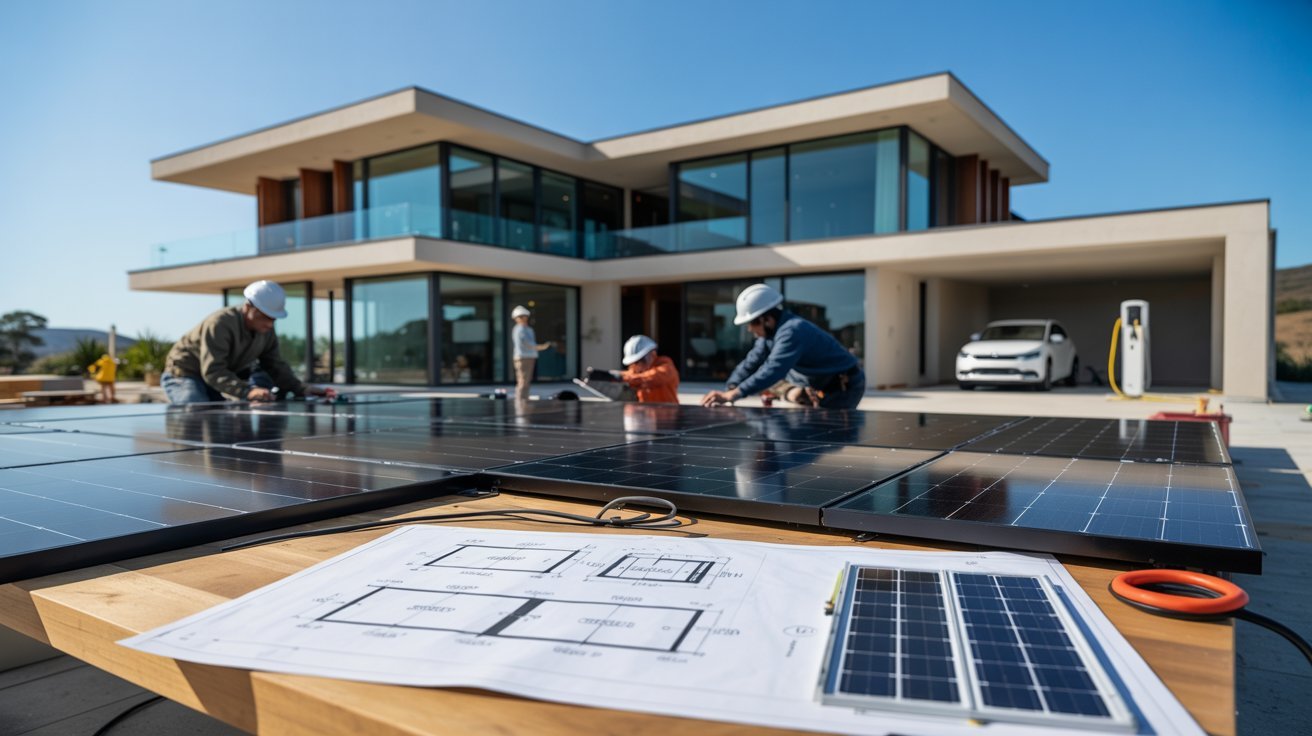
When I first got solar panels installed, I assumed they would pretty much take care of themselves. If the inverter light looked normal, I thought everything was working exactly as it should. But after noticing my energy savings slowly dropping,
I realized I had been ignoring small maintenance issues that actually mattered. That experience changed the way I look at solar care completely.
In this Solar Panel Maintenance Checklist for Homeowners, I’ll walk you through the simple routine I now follow myself, including cleaning tips, seasonal maintenance checks, common warning signs, performance monitoring, and when it’s smart to call a professional before a minor issue turns into an expensive repair.
Why Solar Panel Maintenance Is Important
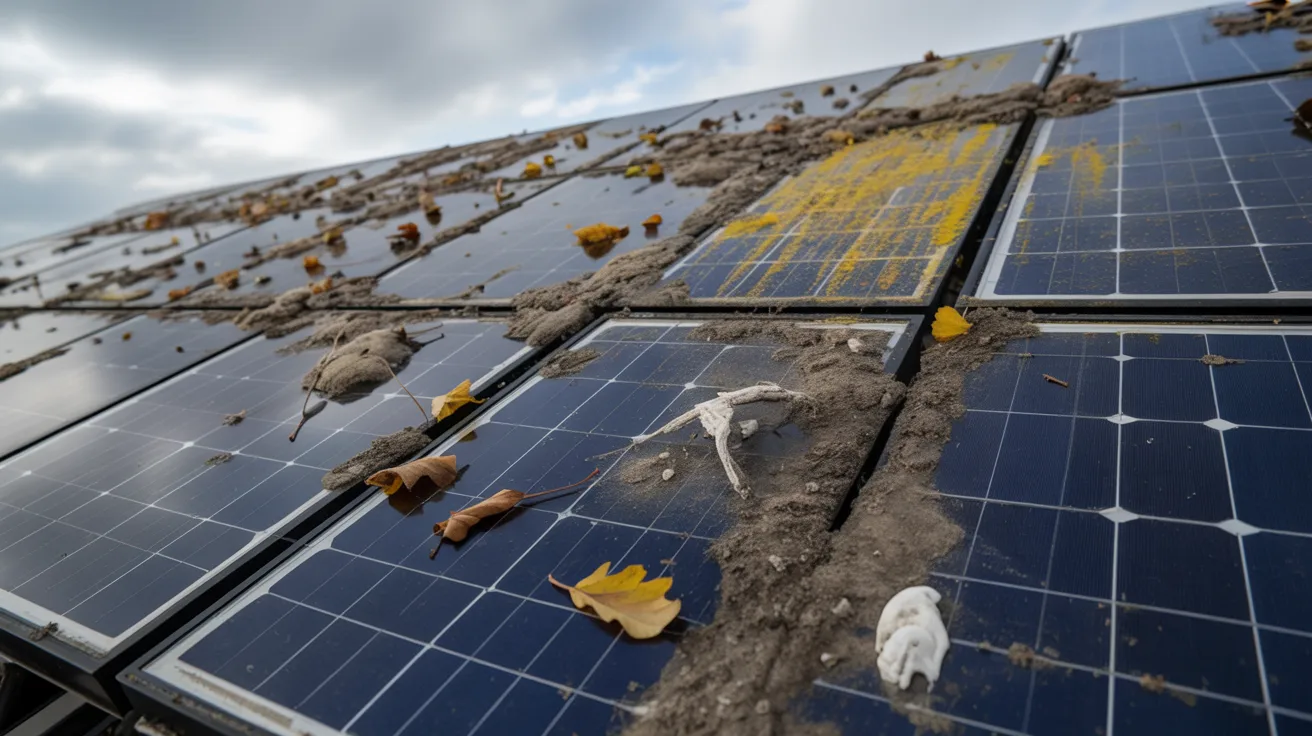
Dirty panels, loose wiring, and small unnoticed faults can slowly reduce your system’s performance over time.
Regular maintenance helps your solar panels absorb maximum sunlight, improves energy efficiency, and extends the lifespan of the entire system. It also helps you catch small issues early before they turn into expensive repairs.
A well-maintained system delivers better long-term savings, protects your investment, and may even help keep your warranty valid if proof of maintenance is required by the manufacturer.
How Often Should Homeowners Maintain Solar Panels?
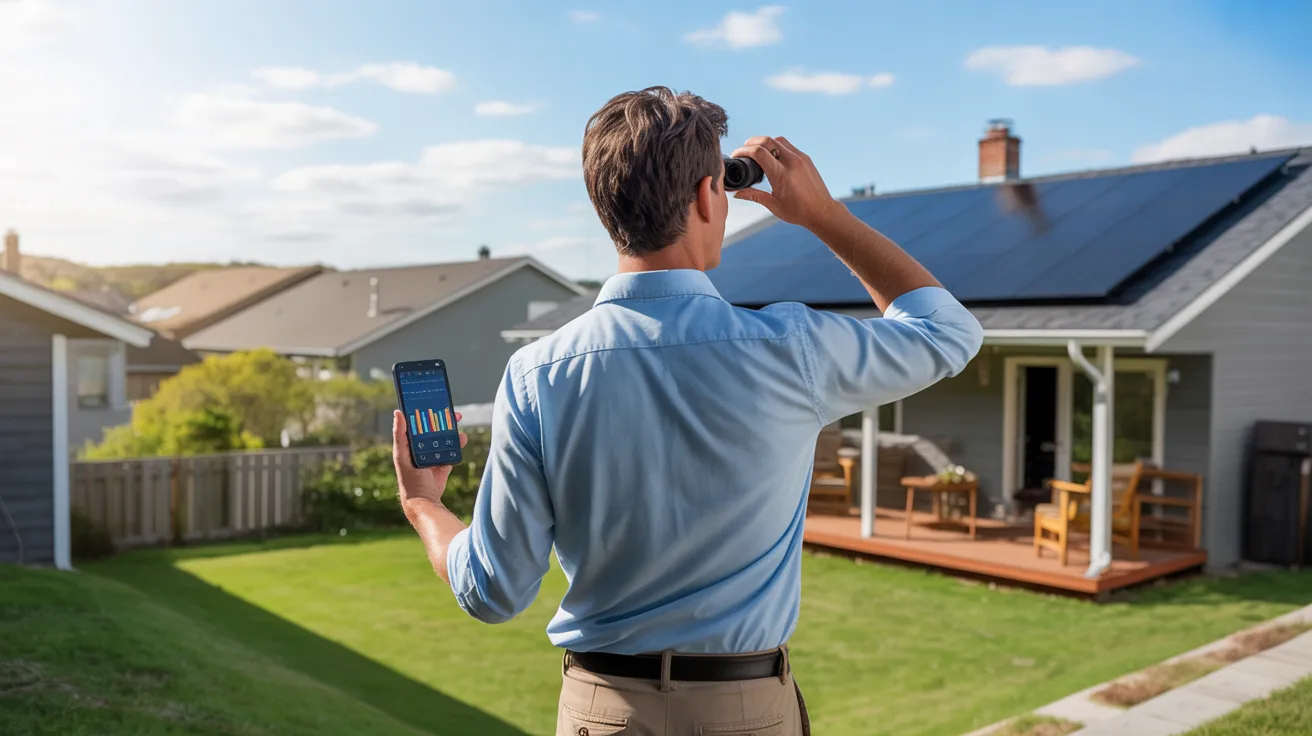
Monthly Solar Panel Checks
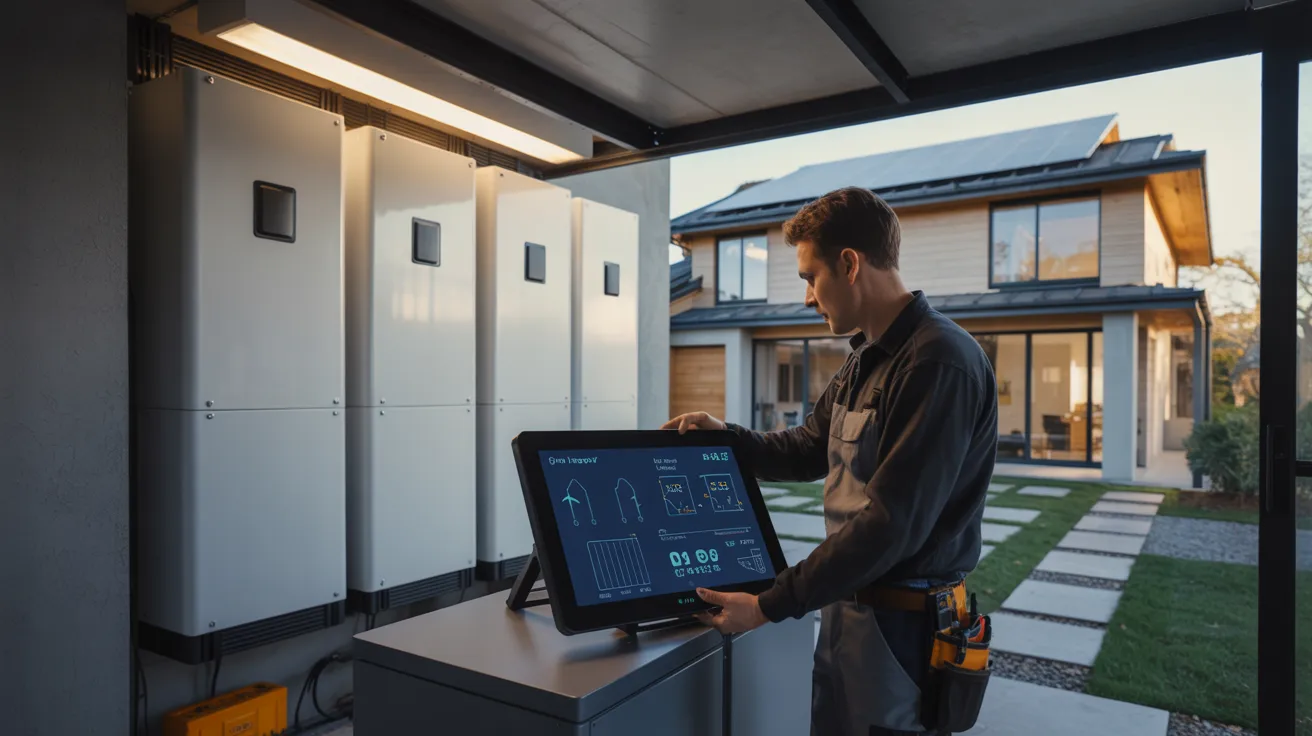
Once a month, take a quick look from the ground. Check for obvious dirt build-up, debris, bird activity, or new shading from nearby trees. Also glance at your inverter display or monitoring app to confirm output figures look normal.
Seasonal Maintenance Tasks
Every three months, do a slightly closer inspection. Look for debris caught around panel edges, check for any new shading from growing branches, and make sure mounting brackets still look secure after any storms or strong winds.
Annual Professional Inspections
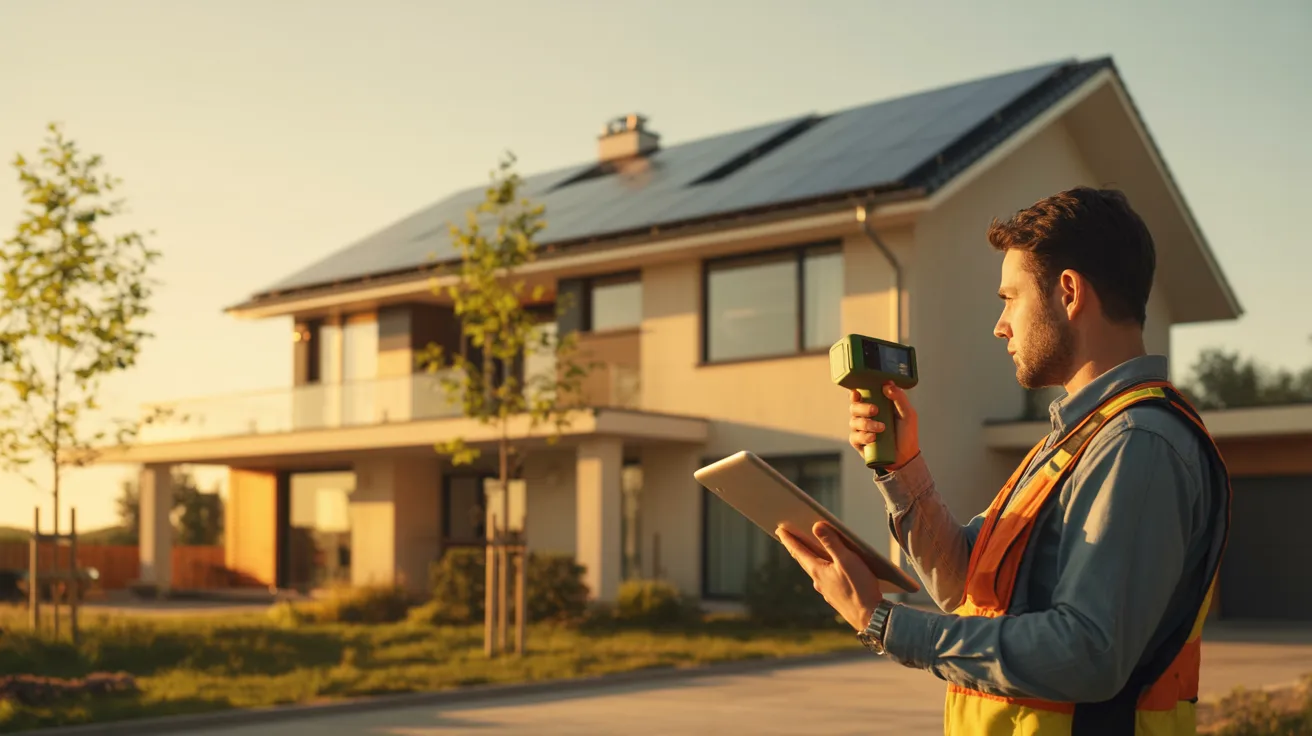
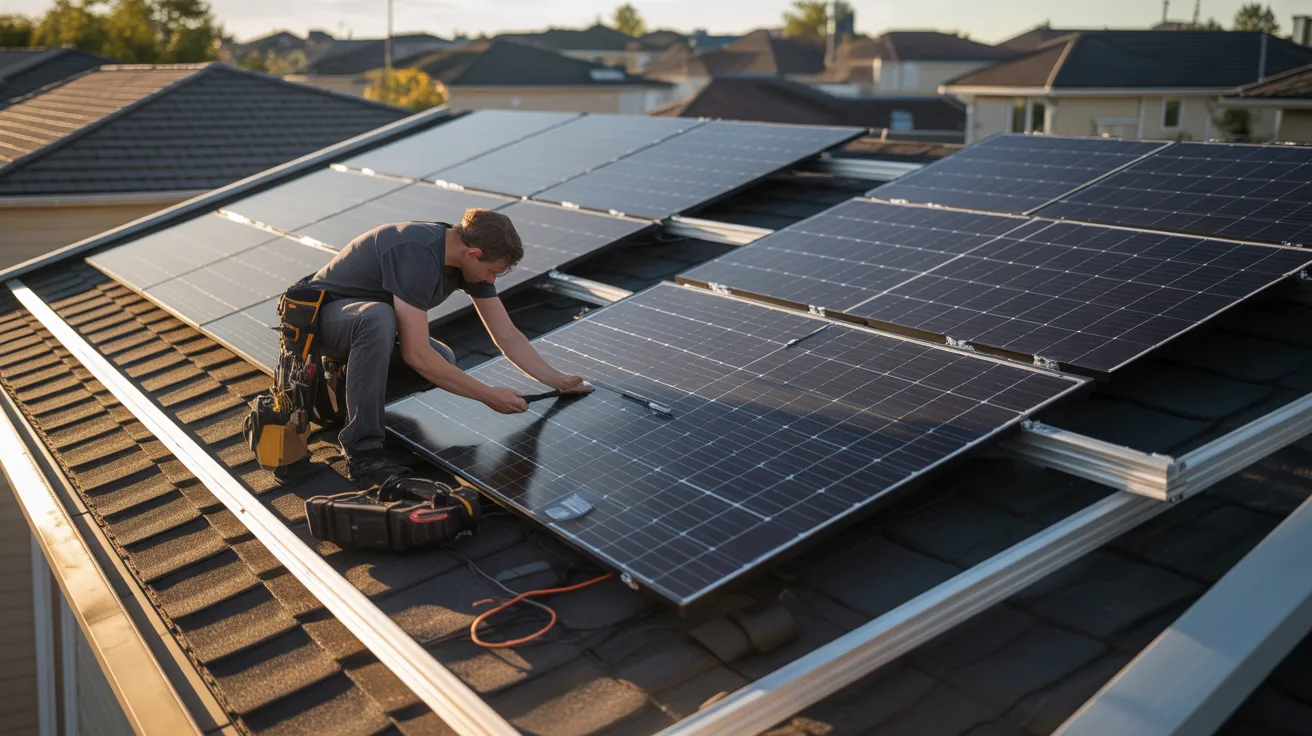
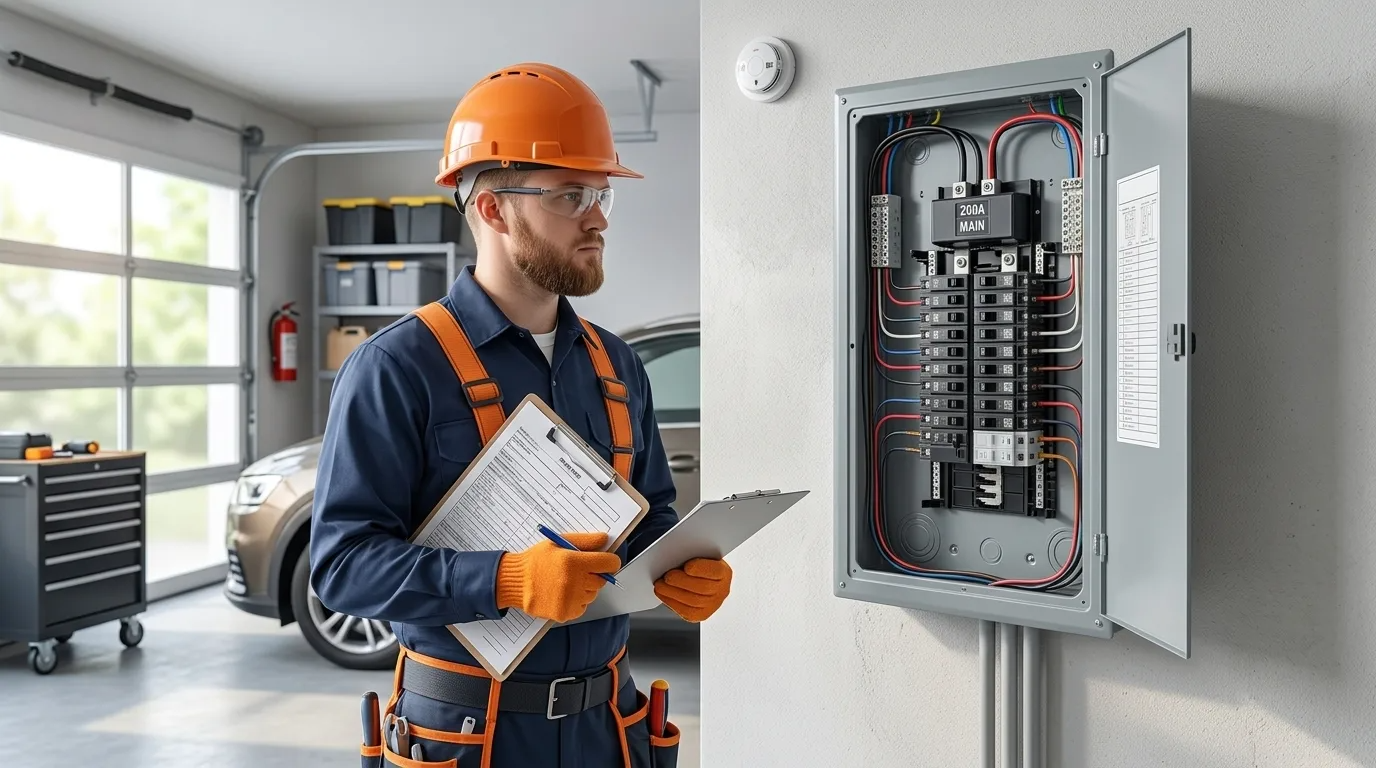
Book a qualified technician once a year. They will test the wiring, inspect all electrical connections, measure actual output, and check the inverter. A professional will catch problems that are simply not visible from the ground.
Warning Signs Your Solar System Needs Attention
Do not wait for the annual check if you notice a sudden drop in output, error codes on the inverter, visible cracks on any panel, burning smells near the electrical components, or water getting into junction boxes.
Complete Solar Panel Maintenance Checklist for Homeowners
Work through this list regularly and you will stay ahead of most common problems before they grow. Inspect Solar Panels for Dirt and Debris.
Clean Solar Panels Safely
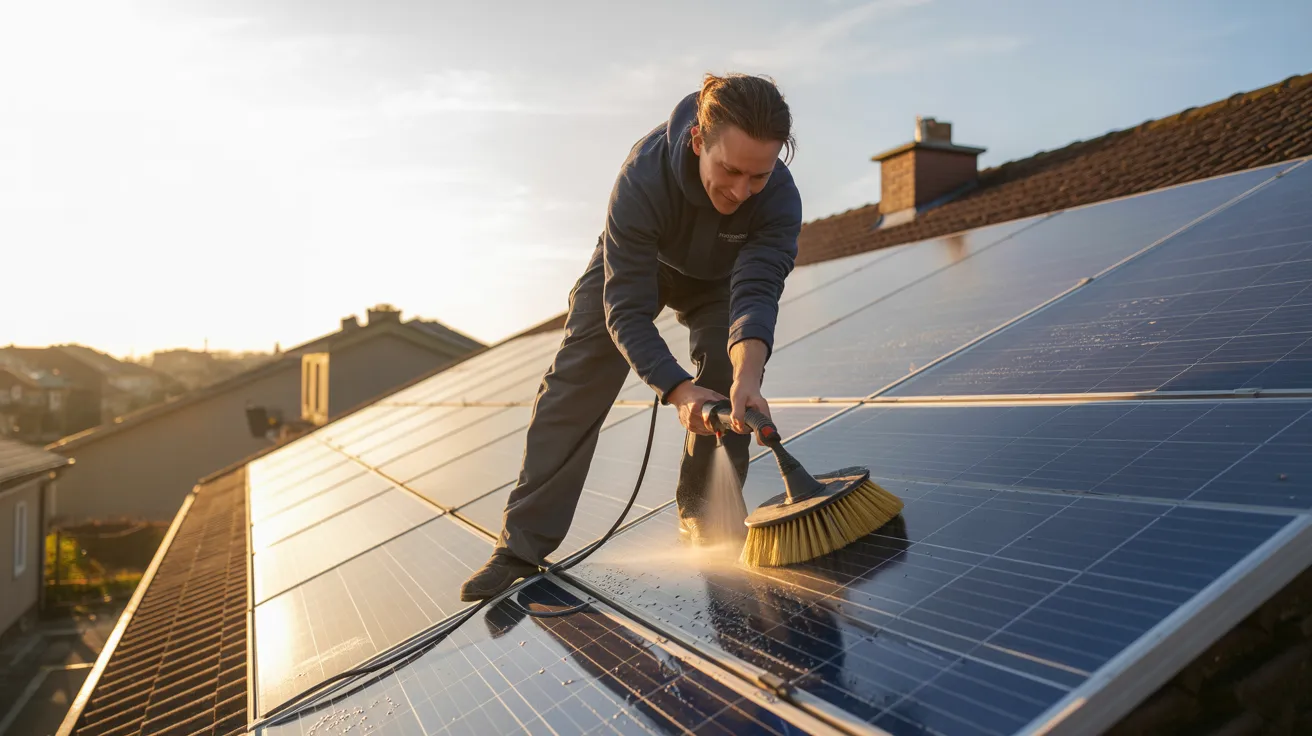
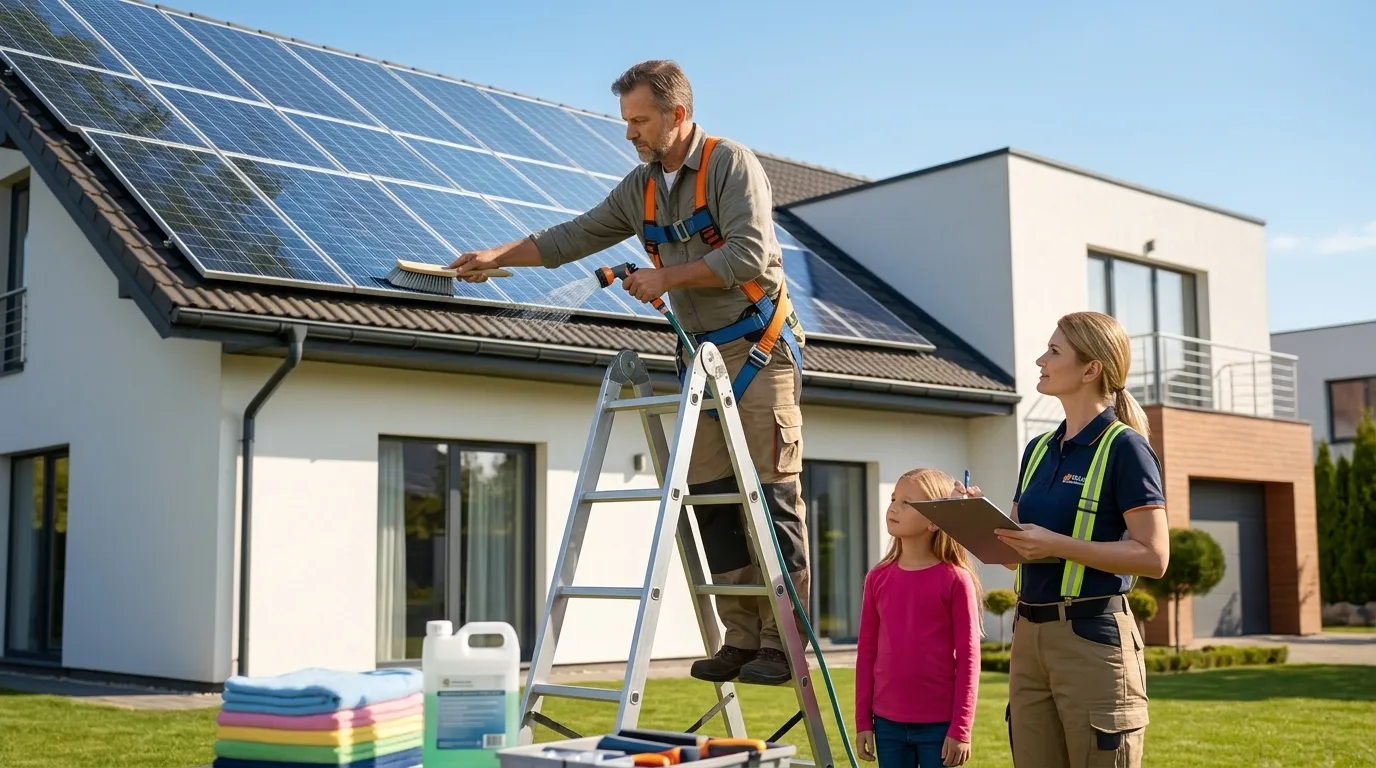
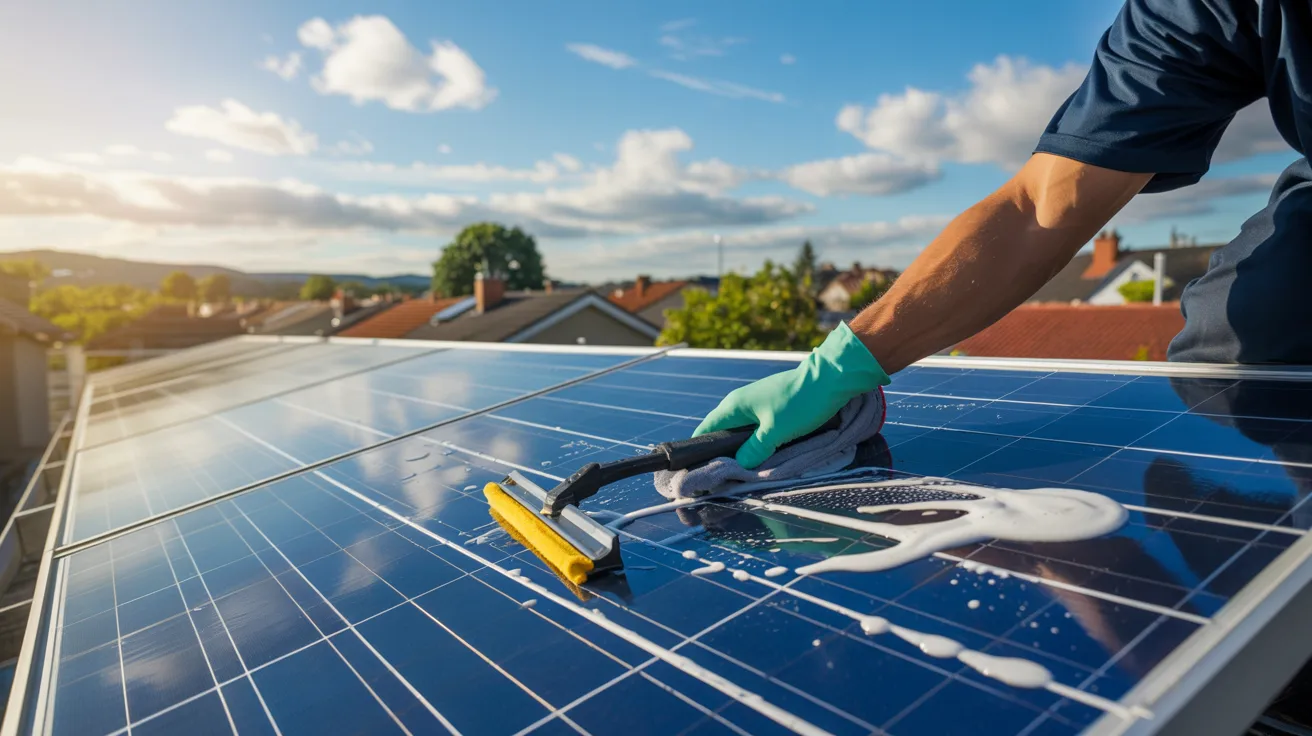
Use a soft cloth, microfiber pad, or soft-bristle brush with clean low-pressure water. Never use a pressure washer, abrasive scrubber, or harsh chemical cleaner.
Always clean panels in the early morning or evening when the glass is cool.
Check for Cracks or Physical Damage
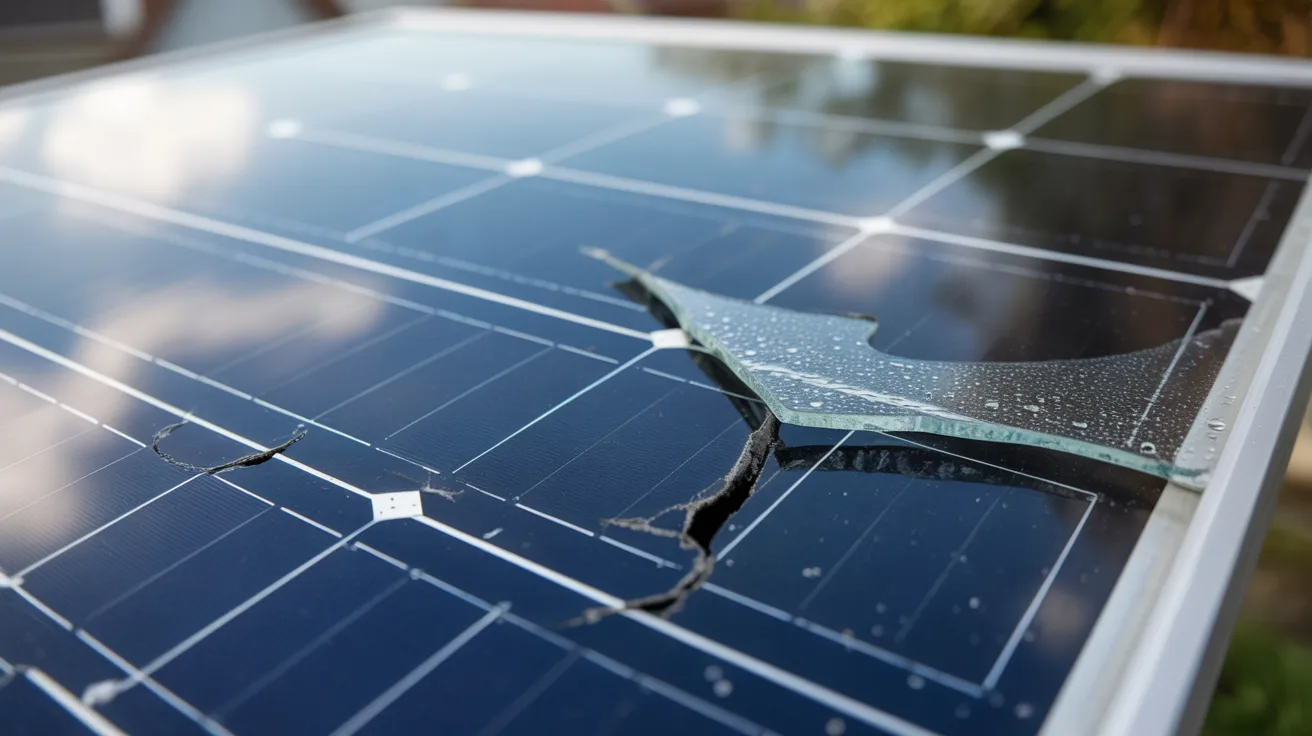
Look closely at the glass surface of each panel. Small cracks can allow moisture inside over time, leading to internal damage that spreads slowly.
Contact your installer if you spot any cracking or chipping.
Monitor Solar Energy Output
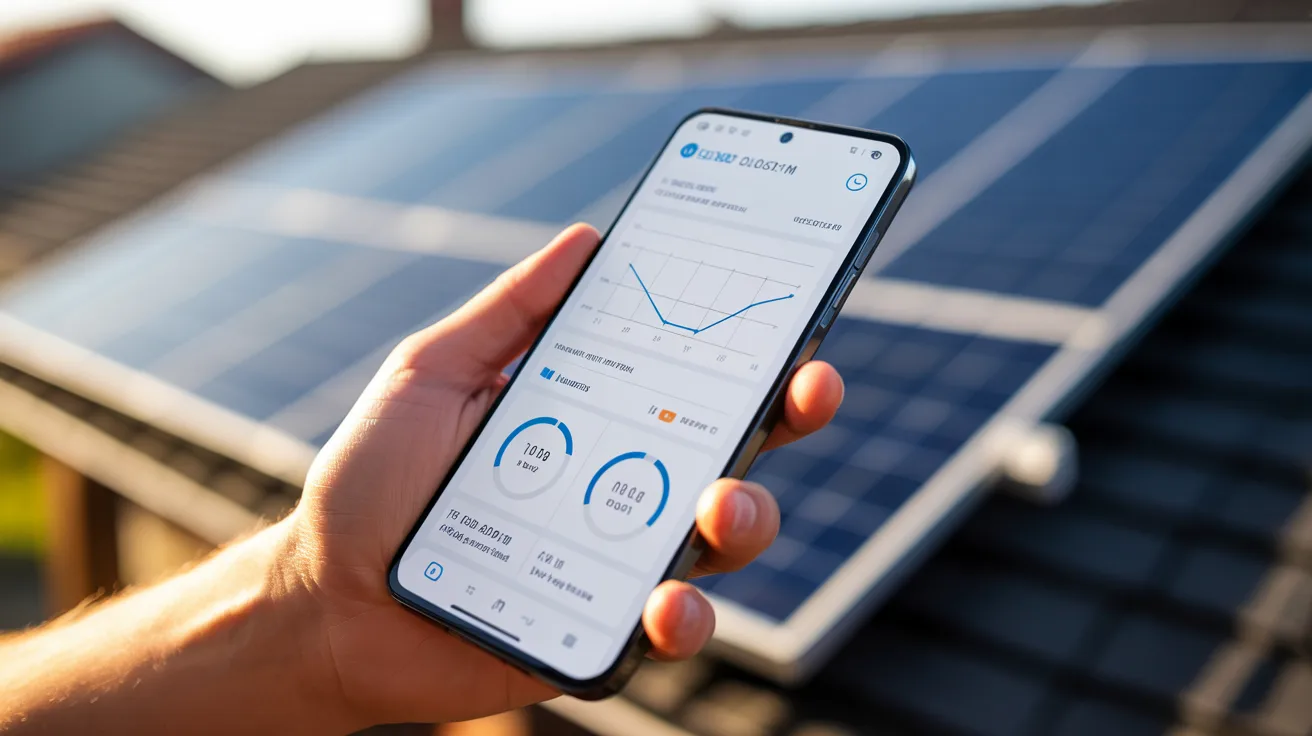
Compare your current output figures to previous months and seasonal averages.
A consistent unexplained drop in numbers is a reliable sign that something needs to be looked at sooner rather than later.
Inspect the Inverter for Errors
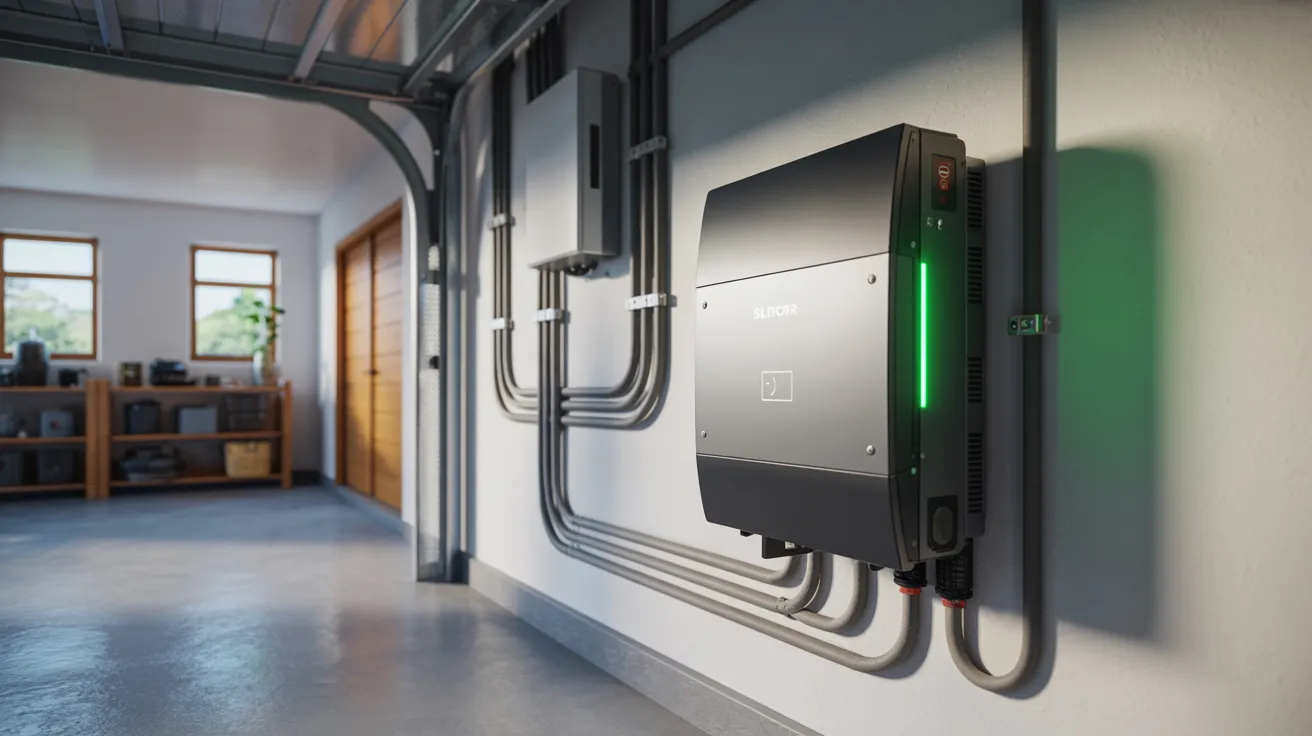
Check your inverter display for warning lights, error codes, or unusual sounds.
Many solar performance problems begin with inverter faults rather than the panels themselves, so keeping an eye on this is important.
Examine Mounting Hardware and Roof Attachments
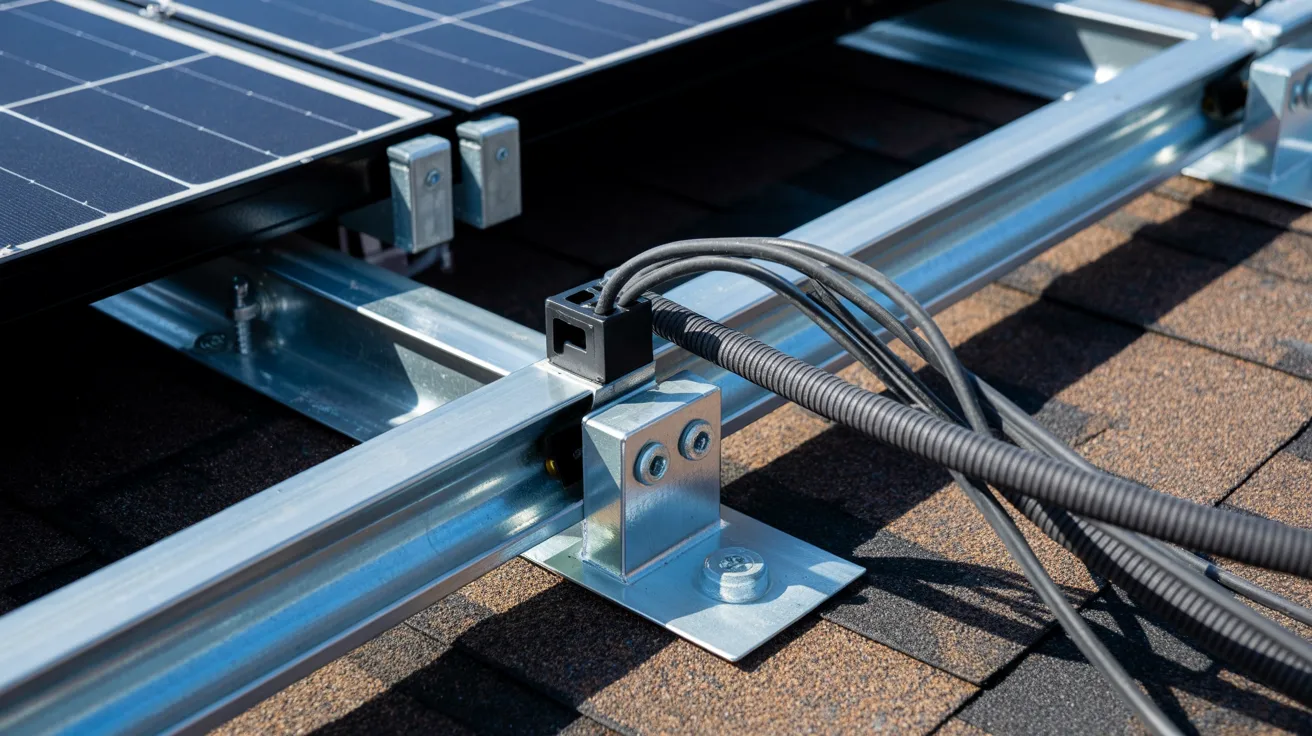
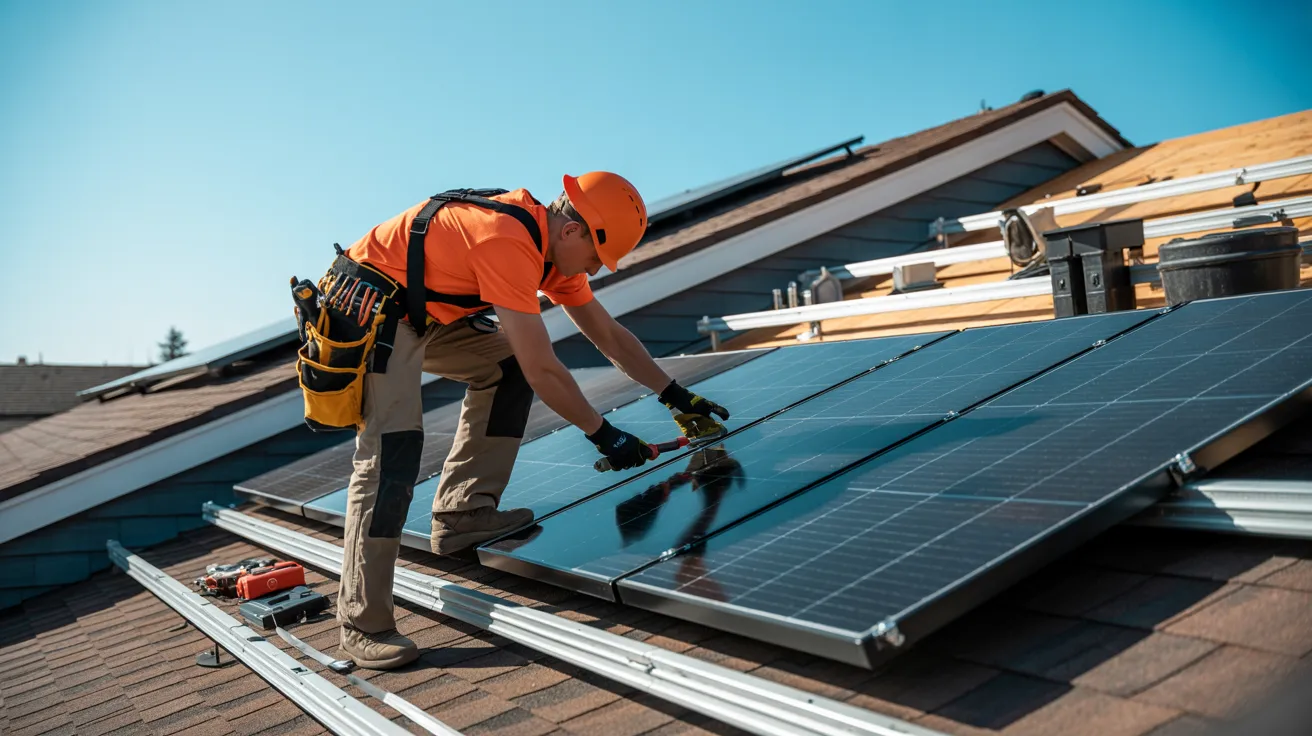
Check that all brackets and rails look secure and properly aligned. Make sure panels have not shifted and that roof penetrations are still fully sealed.
Loose mounts become an expensive problem if left unattended.
Look for New Shading Around Panels
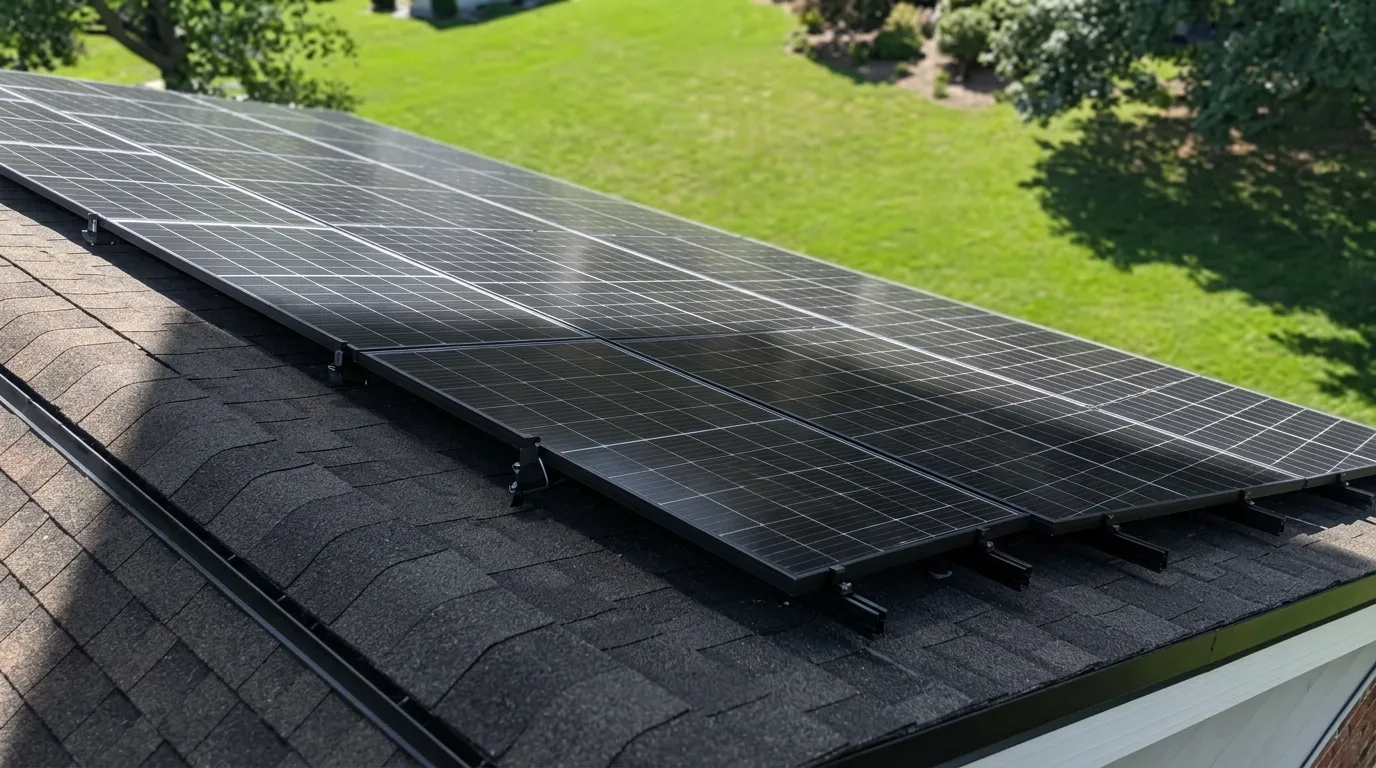
Trees grow quickly. A branch that was not shading your panels last year might now be blocking afternoon sun across a full row.
Even partial shading on one panel can reduce the output of the entire string.
Inspect for Water Damage or Corrosion
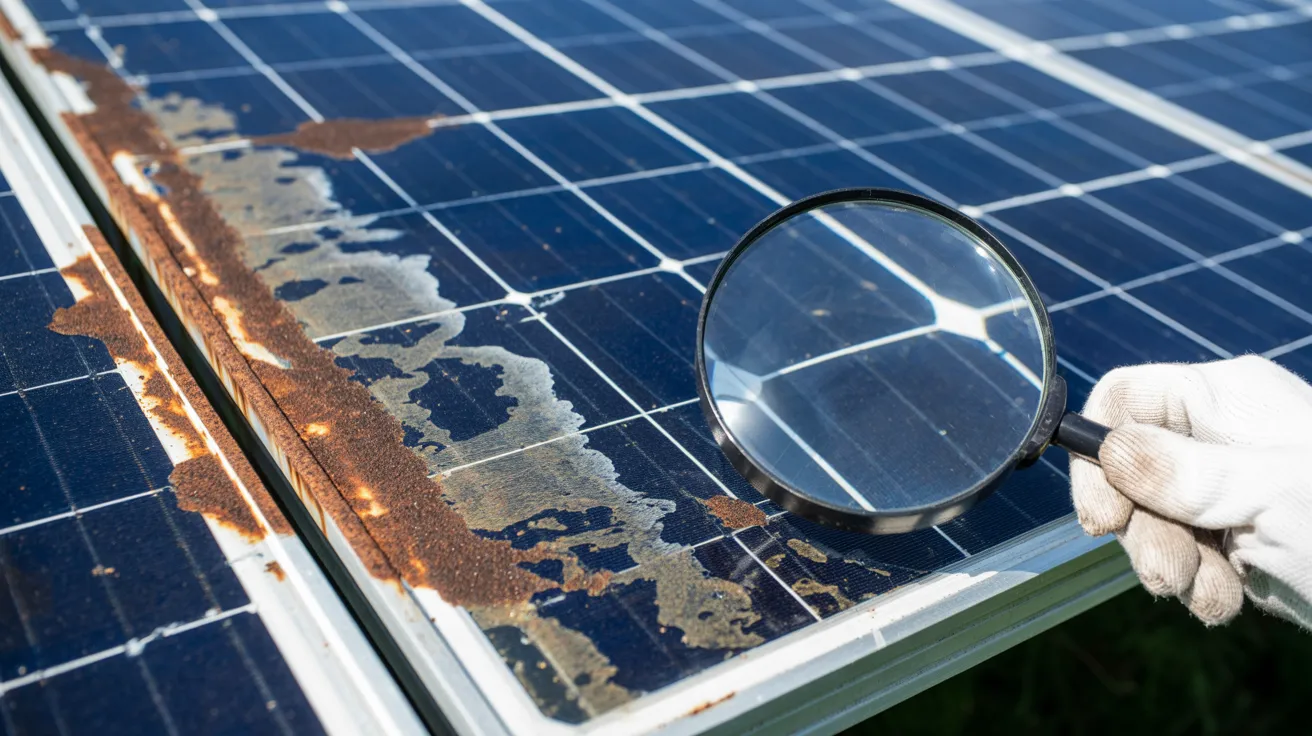
Look for rust, discolouration, moisture marks, or corroded metal parts around the frame edges and junction boxes.
Catching corrosion early is far cheaper than dealing with it after it has spread through the system.
Check for Pest or Bird Nest Activity
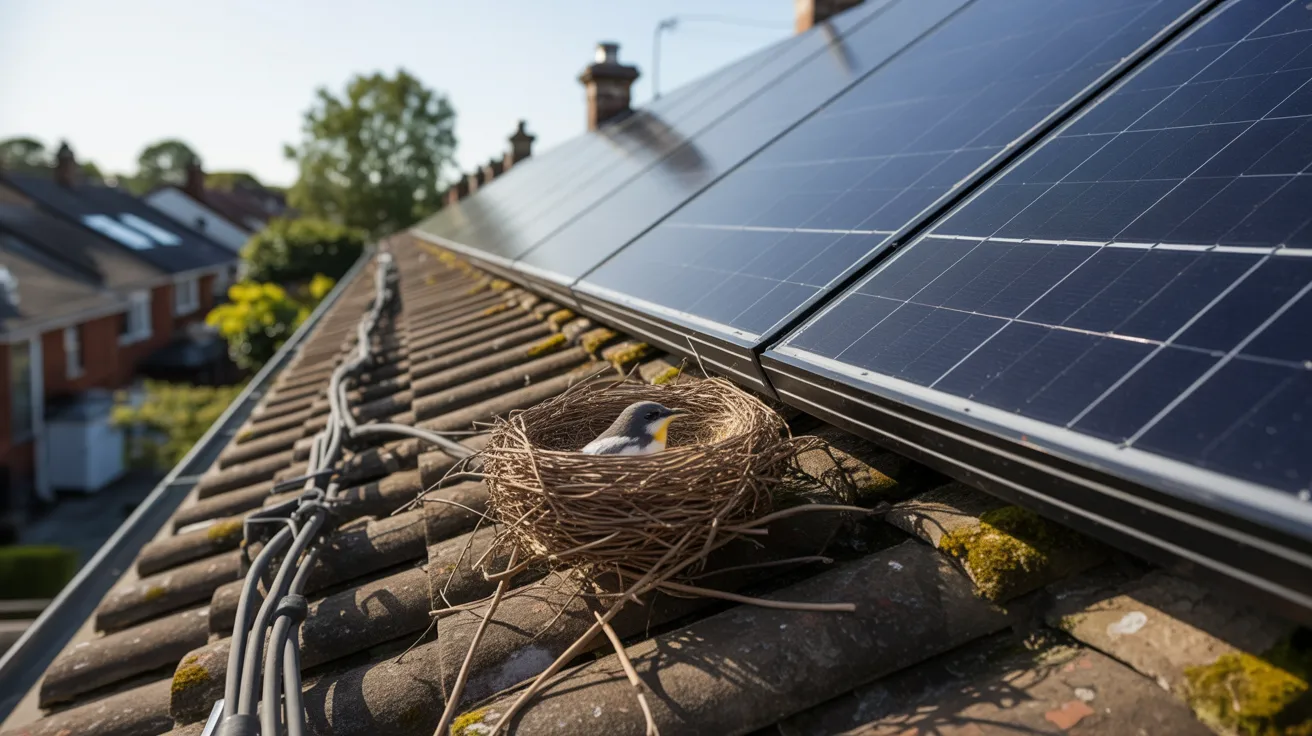
Birds frequently nest under solar panels, causing wiring damage and blocking airflow beneath the array.
If nesting is a recurring problem on your roof, fitting a pest guard mesh around the panel edges is a cost-effective fix.
Solar Panel Cleaning Best Practices
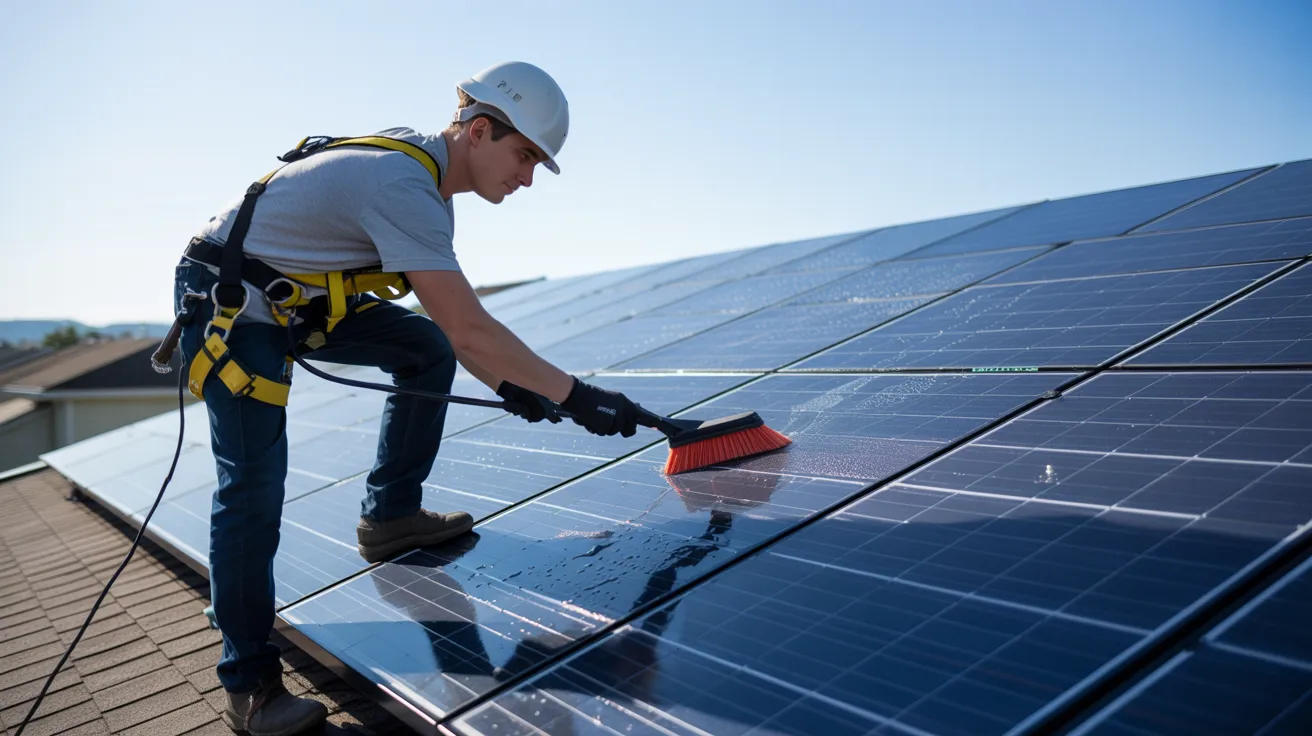
Cleaning is straightforward when done correctly. The wrong approach can cause more harm than the dirt itself.
Best Time to Clean Solar Panels
Clean panels in the early morning or late evening when the glass is cool. Panels that have been in direct sun all day are hot, and cold water poured on them can cause thermal shock and crack the glass.
Safe Tools to Use on Solar Panels
Use a soft cloth, a rubber-edged squeegee, or a soft-bristle brush on an extendable handle. Low-mineral or deionised water is the best choice to avoid leaving limescale deposits on the panel surface after cleaning.
Cleaning Mistakes Homeowners Should Avoid
Avoid using a pressure washer on solar panels because the strong force can crack the glass or force water into the seals. Stay away from bleach, harsh detergents, or abrasive cleaning products that may damage the panel surface.
It’s also important not to place heavy objects against the panels or walk directly on them, as this can lead to cracks and long-term damage.
When to Hire Professional Solar Panel Cleaners
If your panels are installed on a steep roof, covered with stubborn dirt or bird droppings, or difficult to access safely, hiring a professional cleaner is usually the best option.
Professional services are often affordable and help prevent accidents or accidental panel damage during cleaning.
Seasonal Solar Panel Maintenance Tip
- Summer Solar Panel Care: Inspect panels more often during summer since dust and pollen build up faster. Make sure airflow under the panels stays clear and monitor energy output during extreme heat.
- Winter Solar Panel Maintenance: Remove snow carefully with a soft roof rake and check for ice buildup around mounting hardware or roof drainage areas.
- Storm and Heavy Wind Inspections: After storms, inspect for cracked panels, loose mounting bolts, shifted panels, or debris resting on the array.
- Managing Leaves and Pollen Build-Up:Clear leaves from panel edges in autumn and wash away heavy pollen buildup after spring to maintain strong performance.
- Safe Cleaning Practices:Avoid metal tools, abrasive materials, or harsh chemicals that could scratch the glass surface or damage panel coatings.
Professional Solar Panel Maintenance
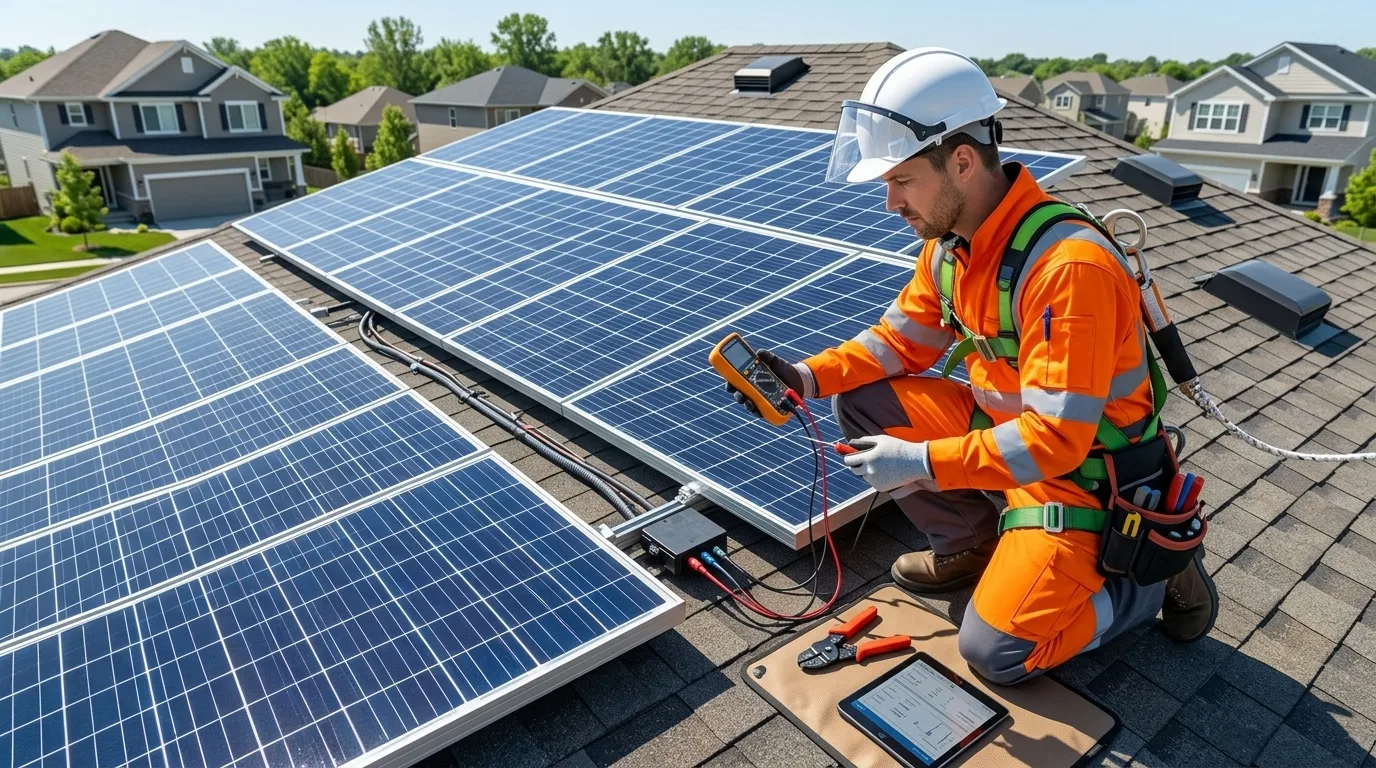
What a Professional Inspection Includes
A technician will check all wiring and connections, test the inverter, measure actual panel output with specialist equipment, inspect roof fixings, and look for signs of degradation that are not visible during a standard visual check.
How Often to Schedule Professional Service
Once a year is the standard recommendation for most home systems.
If your system is over ten years old or has had previous faults, scheduling two inspections per year gives you better coverage and earlier fault detection.
Questions to Ask a Solar Technician
Ask what specific tests they will carry out, whether they provide a written report after the visit, and what their process is if a fault is found.
Also confirm they hold accreditation from a recognised industry body in your area.
Average Solar Panel Maintenance Costs
A professional inspection typically costs between $100 and $300. A combined clean and inspection usually falls between $150 and $400 depending on system size and roof access.
These costs are small compared to the savings a healthy system delivers.
Is Solar Panel Maintenance Worth It?
From my experience, regular solar panel maintenance is absolutely worth it. A well-maintained system keeps producing strong energy output, which means lower electricity bills and better long-term savings.
Since solar is a major investment, simple maintenance helps protect it from early wear and expensive repairs. I’ve also learned that small problems like dirt buildup, bird droppings, or ignored inverter warnings can slowly reduce performance over time.
With a basic maintenance routine and occasional professional inspections, you can keep your system running efficiently, protect your warranty, and avoid bigger issues later.
Conclusion
I ignored my panels for nearly two years before I noticed the drop in output. Once I started following a proper solar panel maintenance checklist for homeowners, the difference showed up in my bills within months.
You do not need to spend much time or money on this. A quick monthly check and one professional visit a year is genuinely enough.
Start this week. Check your panels, glance at your inverter, and drop a comment below if you have any questions.
Frequently Asked Questions
How often should solar panels be cleaned?
Clean your panels two to four times a year depending on local dust, pollen, and bird activity levels. Areas with higher soiling may need more frequent cleaning to maintain steady output.
Can homeowners clean solar panels themselves?
Yes, basic cleaning is safe for most homeowners using soft cloths and clean water. Always clean when panels are cool and avoid pressure washers or abrasive tools that can cause surface damage.
Do solar panels require yearly maintenance?
A professional inspection once a year is strongly recommended. A technician will test wiring, check the inverter, and spot faults that a standard visual check from the ground will not catch.
What reduces solar panel efficiency the most?
Dirt build-up, shading from nearby trees, and physical damage are the top causes of reduced output. Even partial shading on one panel can noticeably affect the performance of the full array.
How long do solar panels last with proper maintenance?
Most solar panels last between 25 and 30 years with regular care. Good maintenance helps them hold close to their original output levels throughout that lifespan and sometimes beyond it.