When I first started researching solar, I was focused entirely on the panels going on the roof. Nobody told me how important the electrical panel was until a potential issue almost delayed my installation.
That experience made me realize how confusing an electric panel upgrade for solar can feel for homeowners.
In this guide, I’ll walk you through upgrade costs, panel size requirements, safety concerns, and the signs your current setup may need attention.
I’ve spent years learning about this process, and my goal is to help you avoid the same confusion and feel more prepared before going solar.
Understanding Electrical Panels Before Going Solar
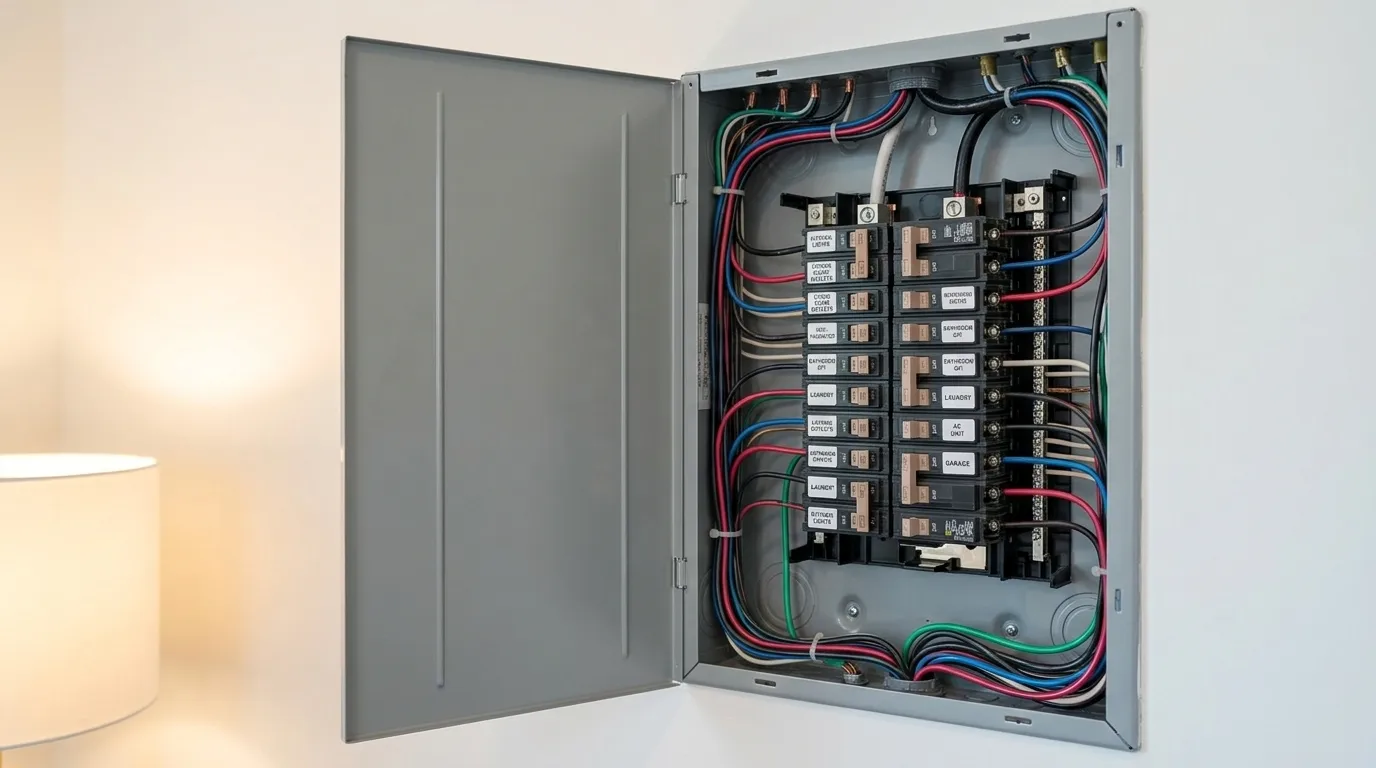
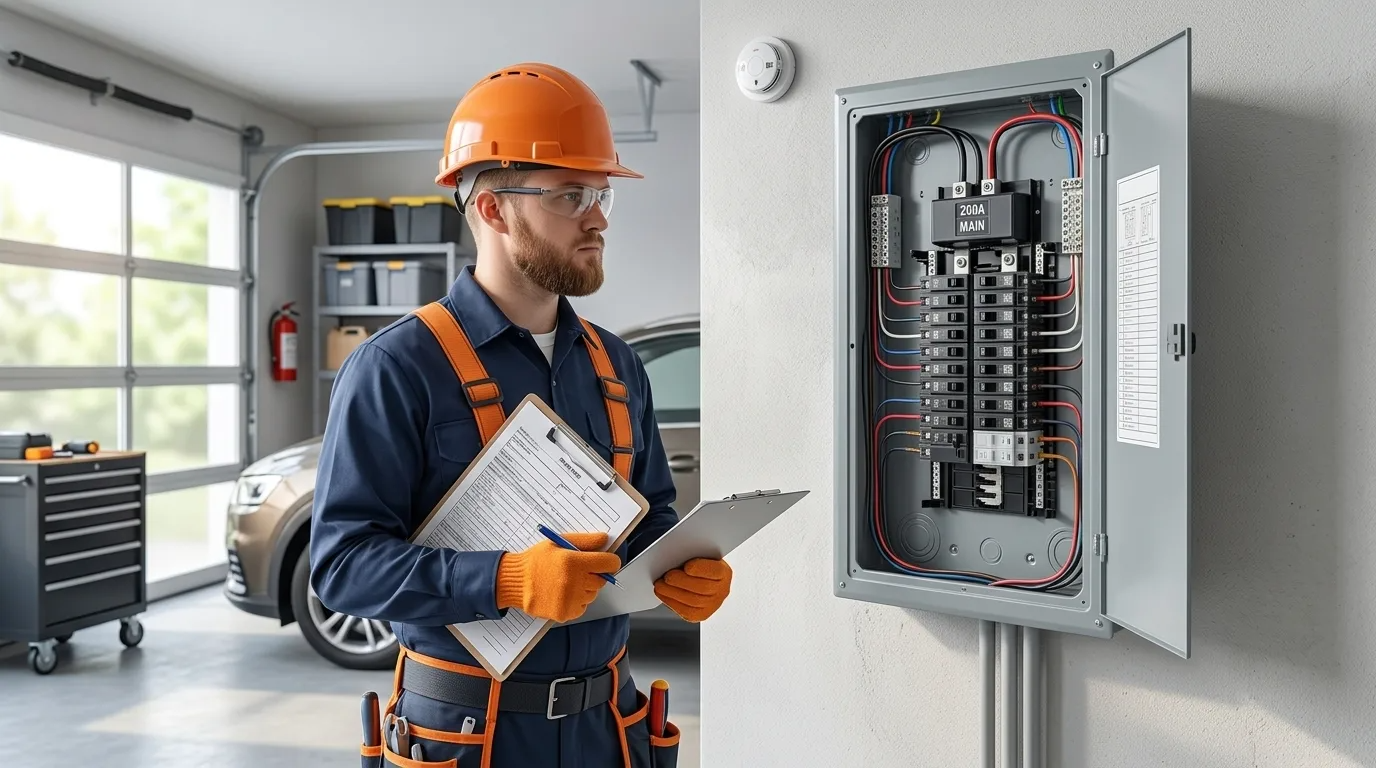
Your electrical panel is one of the most important parts of a solar installation. Before solar panels can safely power your home, the panel must have enough capacity to handle the added electrical load.
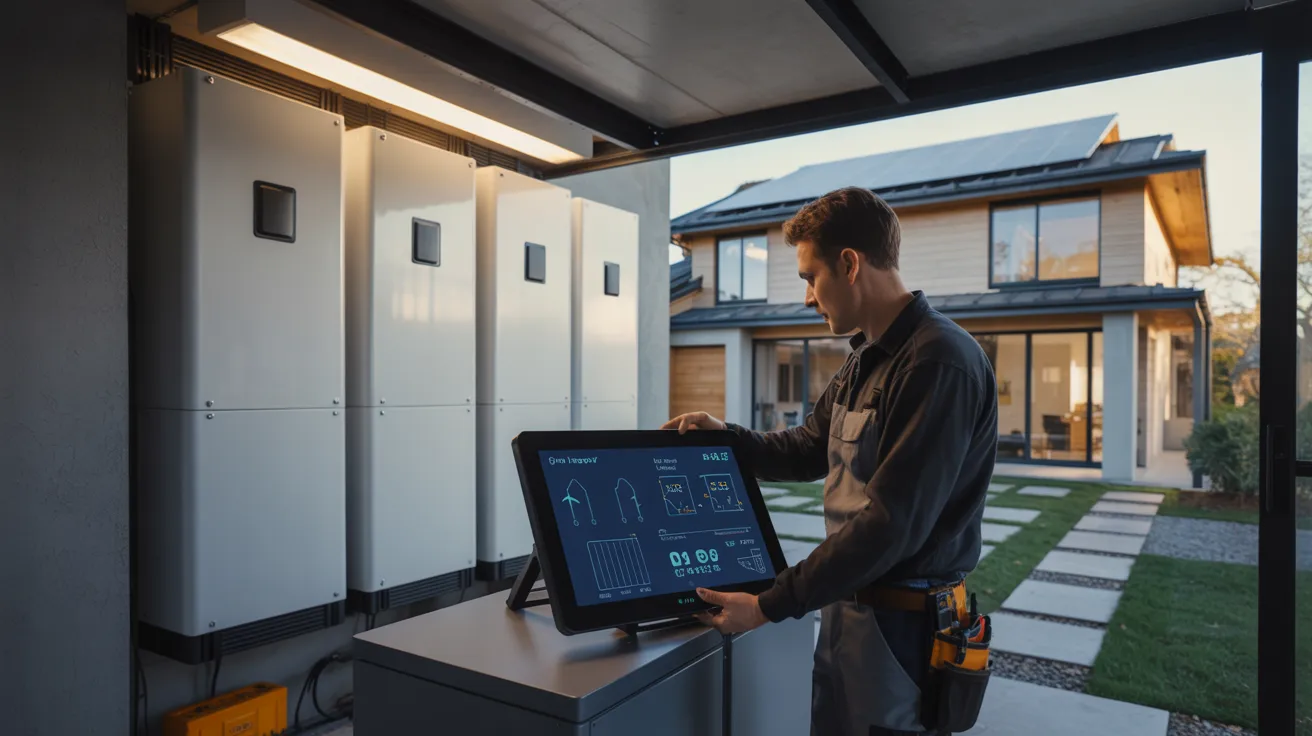
It manages electricity from the grid, your solar system, and your household circuits all at the same time.
If the panel is already near its limit, adding solar can lead to safety and performance problems. I’ve seen many homeowners focus only on rooftop panels without realizing the electrical setup inside the home matters just as much.
Most homes use 100A, 150A, or 200A panels, with 200A usually being the best option for solar, EV chargers, and future upgrades.
Why an Electric Panel Upgrade for Solar May Be Necessary
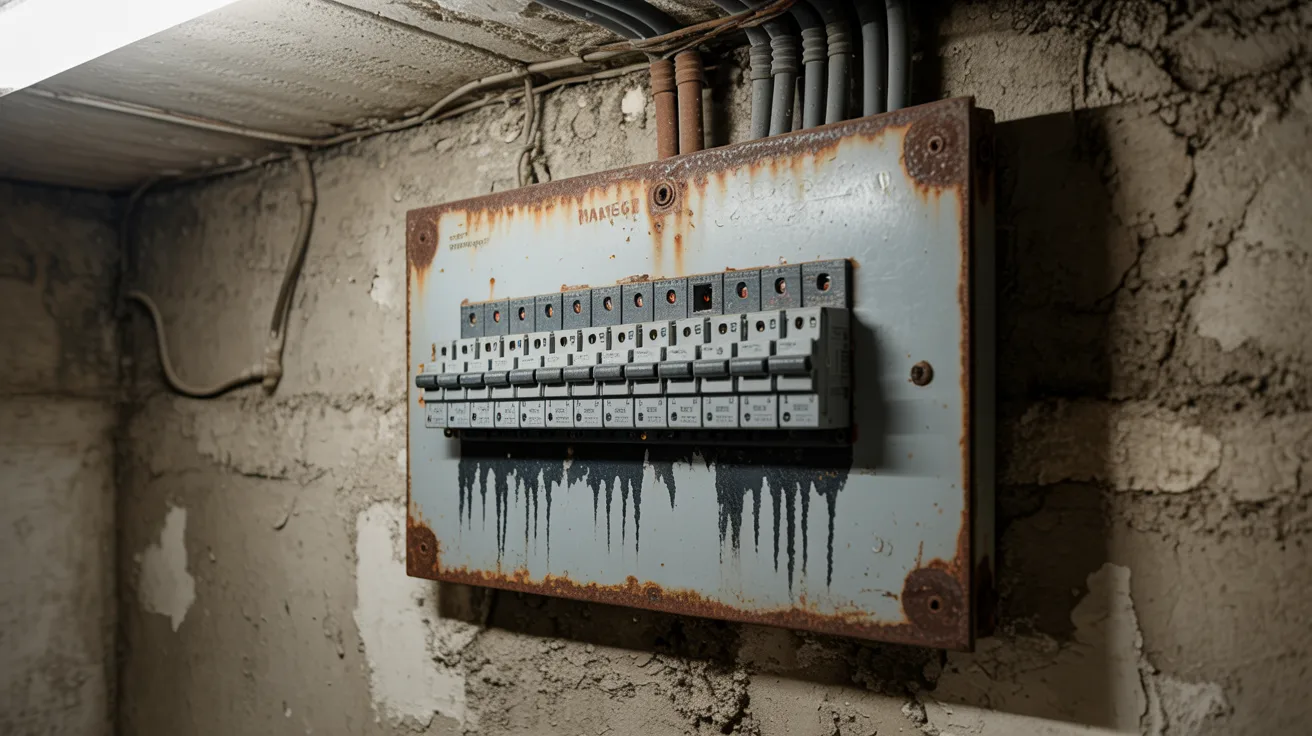
Not every home needs an upgrade, but many do. Knowing the warning signs early saves time and money later.
Signs Your Existing Panel Is Outdated
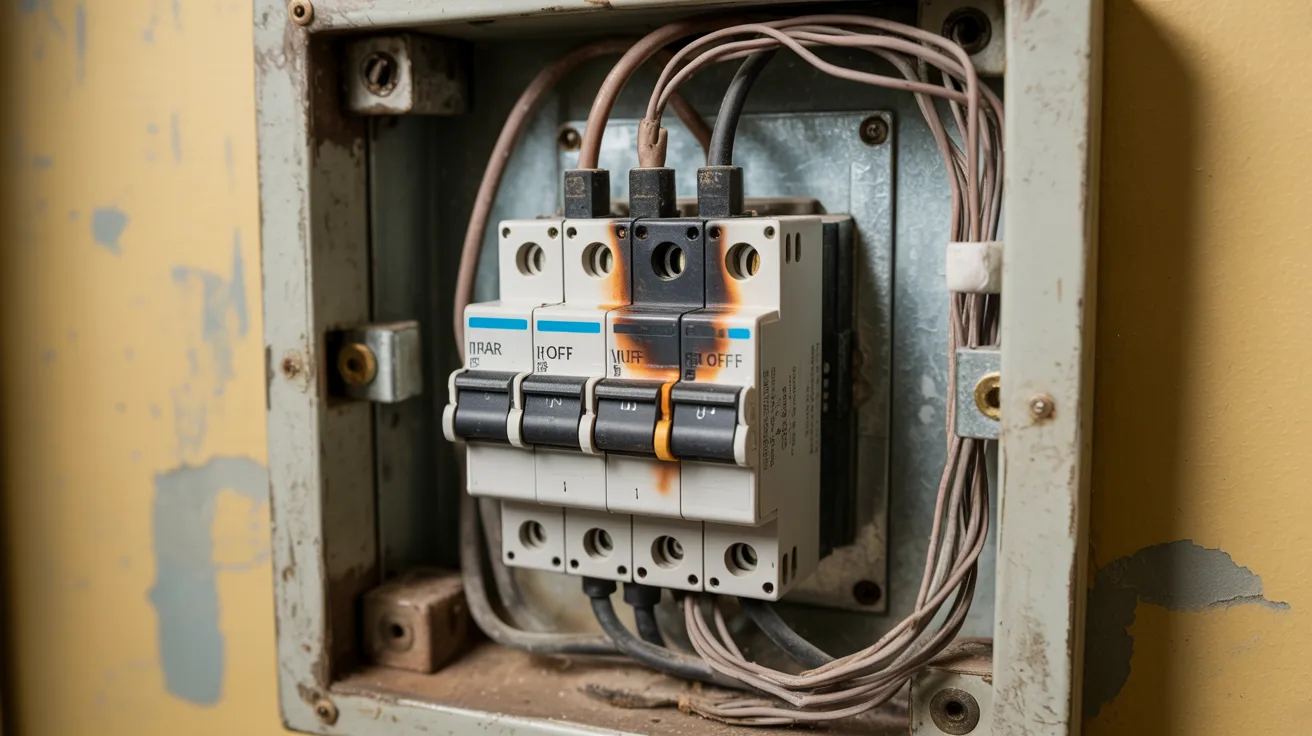
Breakers that trip regularly, lights that flicker when appliances kick on, a panel that feels warm to the touch, visible rust or a burnt smell near the breakers, and no open slots for new breakers are all signs worth taking seriously.
Any one of these means your system is already under stress before solar even enters the picture.
Safety Risks of Older Electrical Panels
A panel that's 30 to 40 years old wasn't designed for today's electrical demands. Breakers wear out and may not trip when they should.
Two brands have well-documented safety issues. Federal Pacific Electric panels have a history of breaker failures. Zinsco panels are known for overheating and fusing in place.
If your home has either, replacement is strongly recommended before any solar work begins. Most electricians will tell you the same thing without hesitation.
How Modern Energy Demands Affect Older Homes
Today's households run air conditioners, EVs, smart appliances, and battery storage systems. A panel rated for the 1970s wasn't built to handle all of that.
When you add solar on top, the gap between what the panel can do and what it's being asked to do grows fast.
Expert Insights on Solar Panel Capacity Requirements
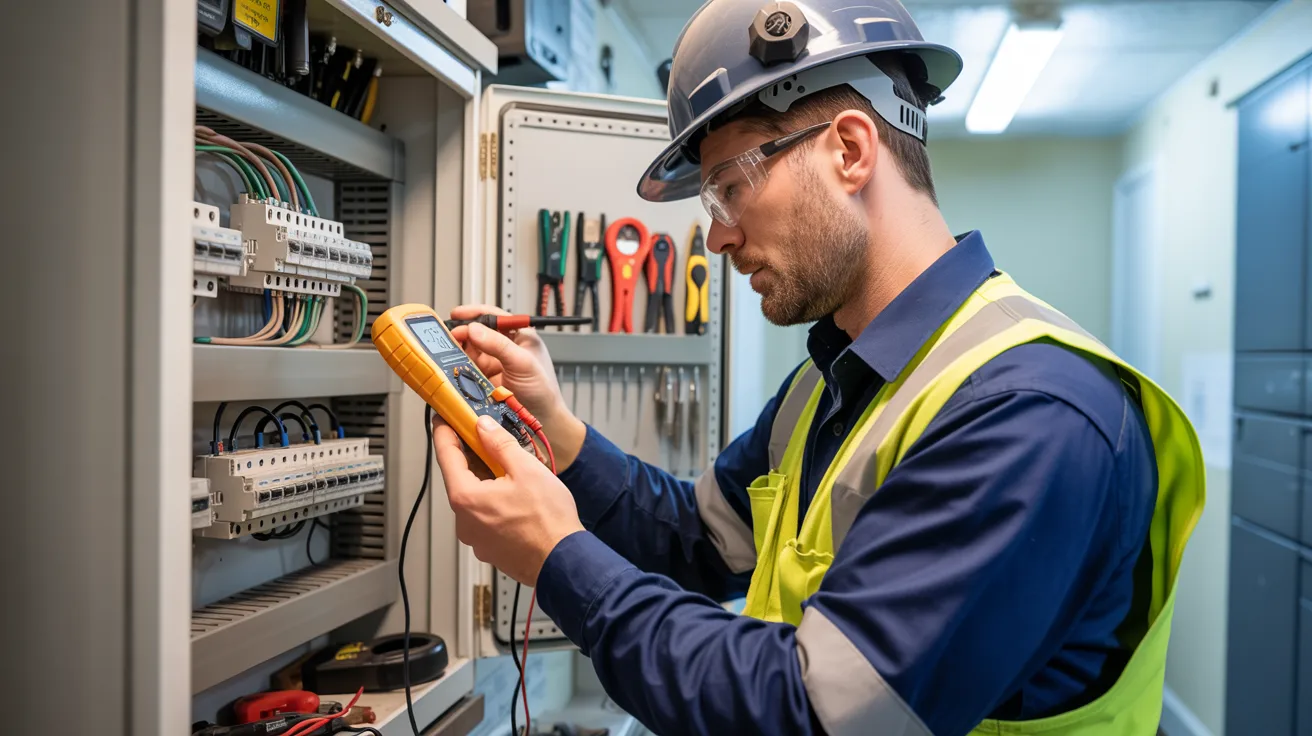
When a 100A Panel Needs an Upgrade
A 100A panel almost always needs upgrading before solar. There's not enough available capacity to support household load and solar input at the same time.
In most cases, local code requires the upgrade before solar can be approved anyway.
Can a 150A Panel Support Solar?
Sometimes, but you can't assume either way without a proper load calculation. A 150A panel may work for lower-energy homes with smaller solar systems.
Don't skip the assessment and assume you're fine.
Why 200A Panels Are the Preferred Standard
If you're upgrading anyway, going to 200A just makes sense. The cost difference between 150A and 200A is usually small, but the long-term flexibility is worth it.
A 200A panel handles solar, EV chargers, battery backup, and future upgrades without running out of room.
How Solar System Size Impacts Panel Upgrade Decisions
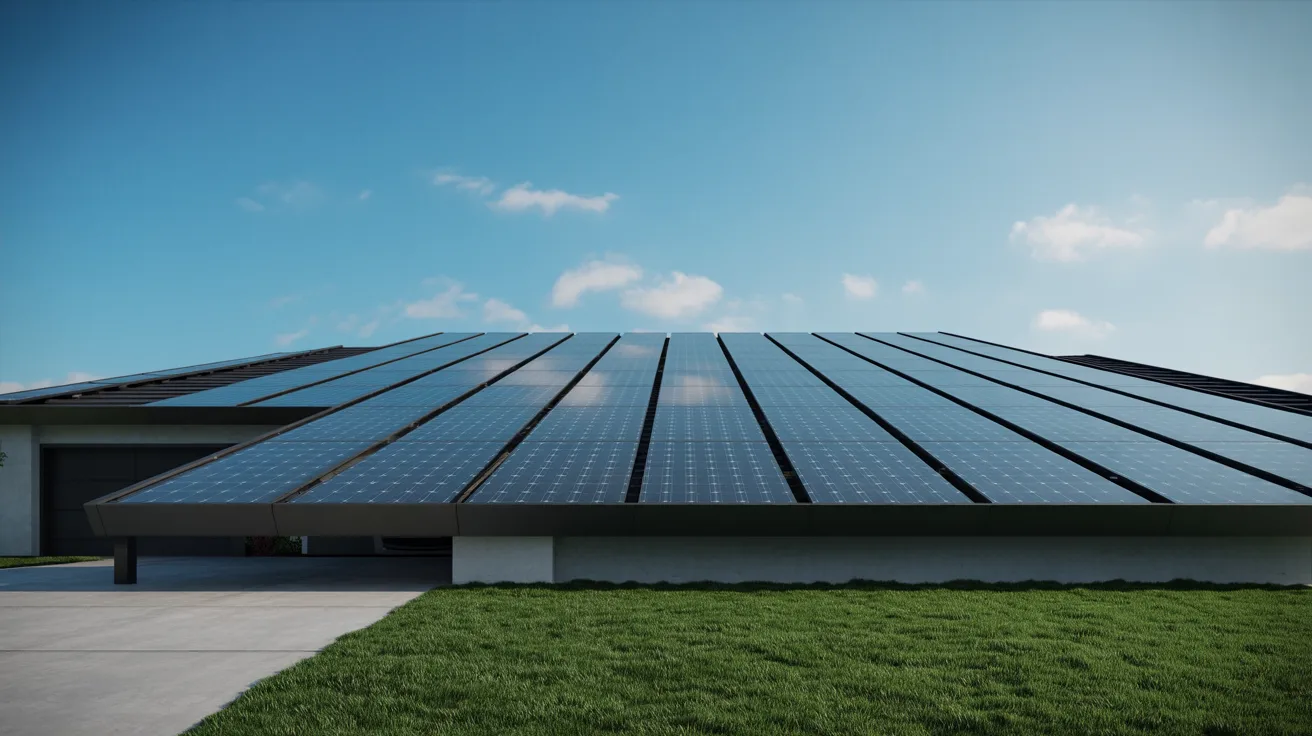
Small vs Large Solar Installations
A small 4kW to 5kW system puts modest demand on your panel. Many homes handle this range without upgrades. A large 10kW to 15kW system is a different story.
I've talked to homeowners who didn't realize this until their installer flagged it mid-project, which is a stressful place to find out.
Understanding the 120% Rule
The National Electrical Code's 120% rule limits the combined load of all breakers, including the solar breaker, to 120% of your panel's rated capacity. If adding solar pushes you past that limit, an upgrade becomes a code requirement.
This is one of the most common reasons homeowners discover they need an upgrade mid-installation.
Utility and Local Code Requirements
Some utilities require updated panels before approving solar interconnection. Others need new disconnect switches or updated grounding.
Skipping permits can affect your insurance, complicate a home sale, and leave safety issues unaddressed. It's not worth the shortcut.
The Electric Panel Upgrade Process Explained
Initial Inspection and Load Calculation
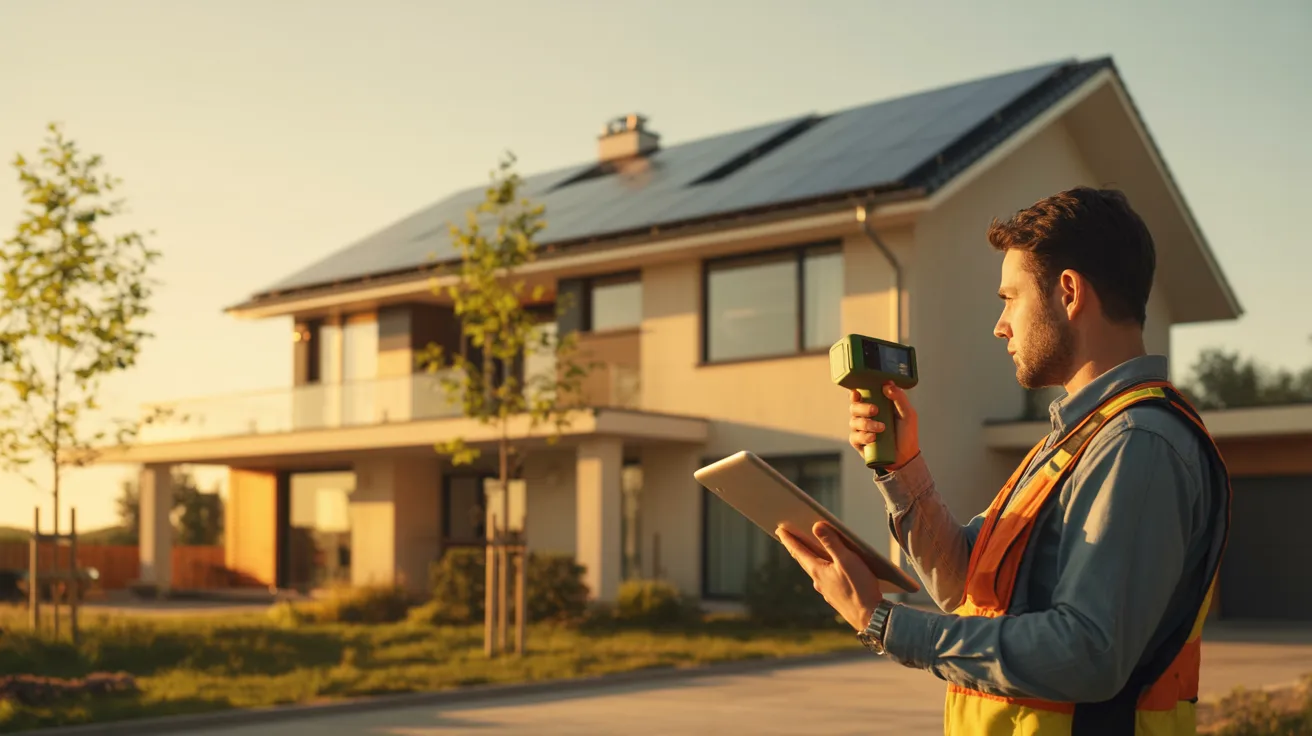
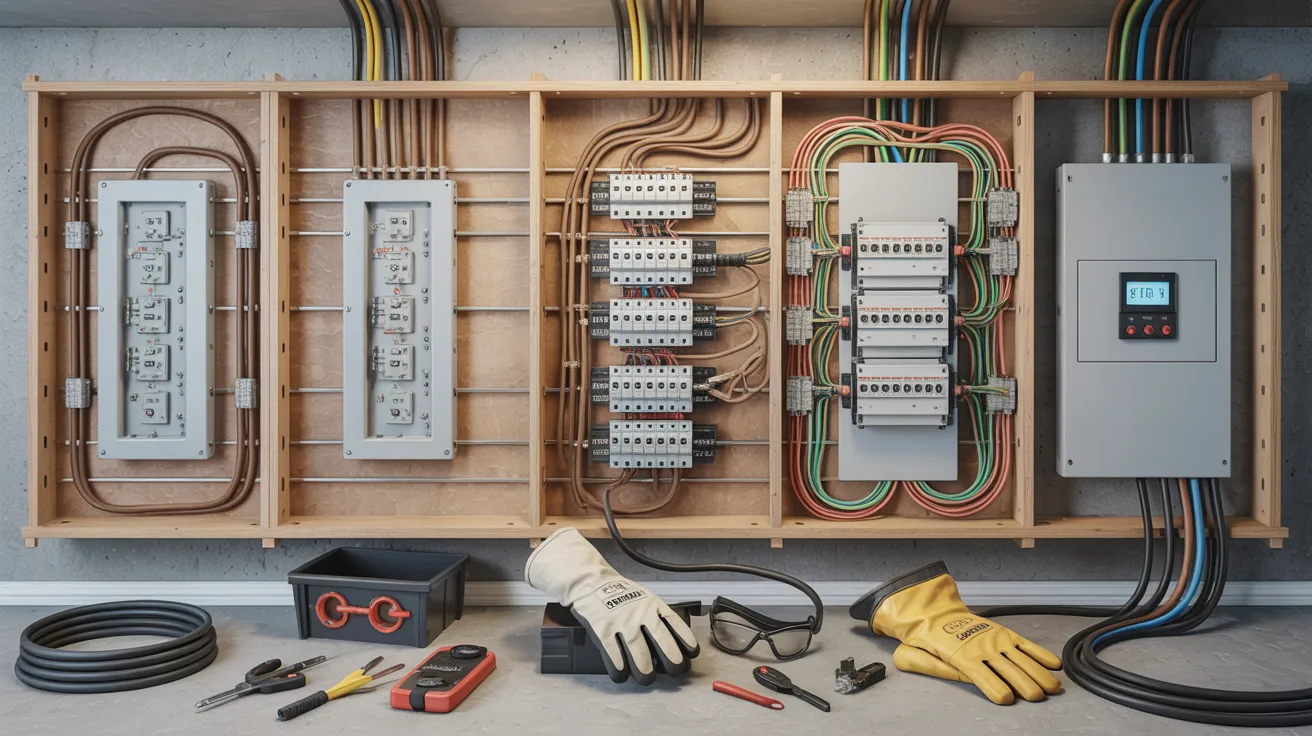
A licensed electrician checks your panel's age, amp rating, condition, and daily electrical demand. Then they run a load calculation to determine whether your panel can support solar.
Every home is genuinely different and the numbers don't always go the way you'd expect.
Replacing the Existing Panel
Power gets shut off temporarily while the old panel is removed, the new one is installed, and existing circuits are reconnected. Most upgrades are completed within a single day.
Older homes may take longer. Your utility may also need to disconnect and reconnect service from the street, which is scheduled in advance.
Connecting the Solar System Safely
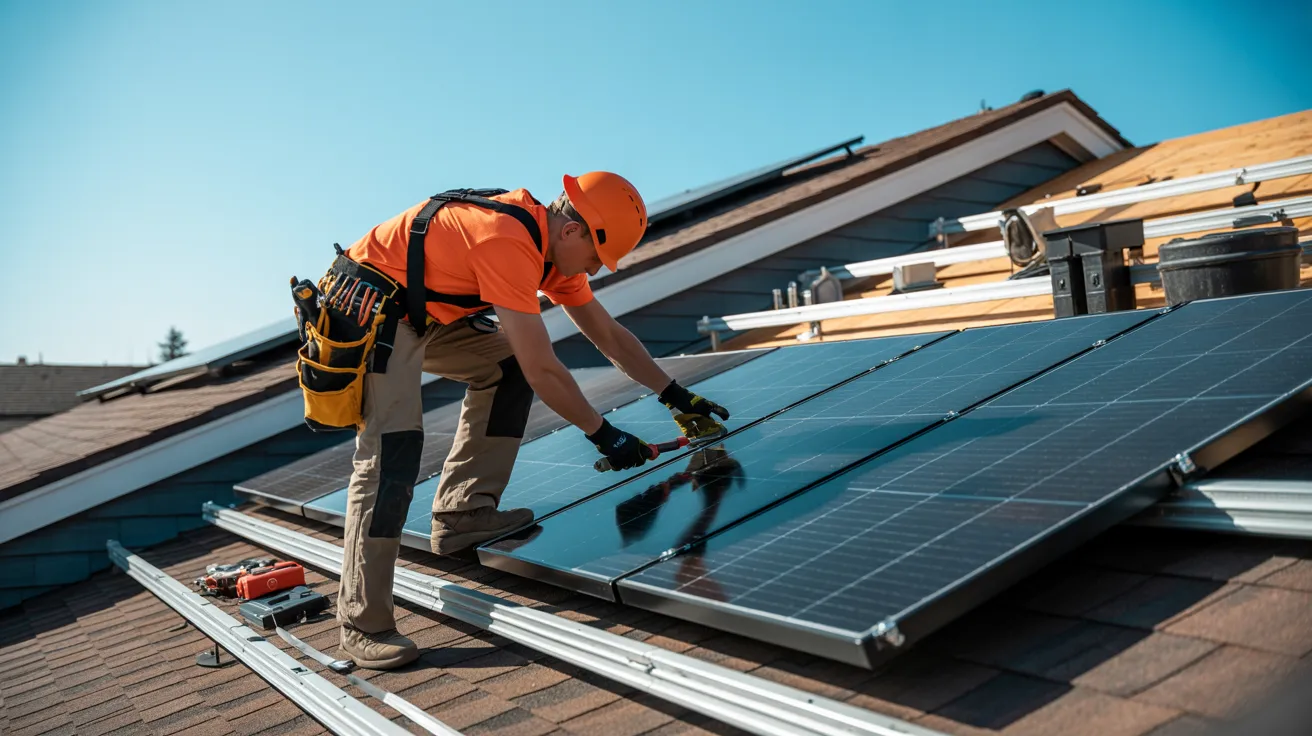
The solar installer connects the inverter to a dedicated solar breaker in the new panel. Proper grounding and bonding protect your home from electrical faults and surges.
A final inspection confirms everything meets local code before the system goes live. It feels slow at the moment but matters a lot down the line.
Cost of an Electric Panel Upgrade for Solar
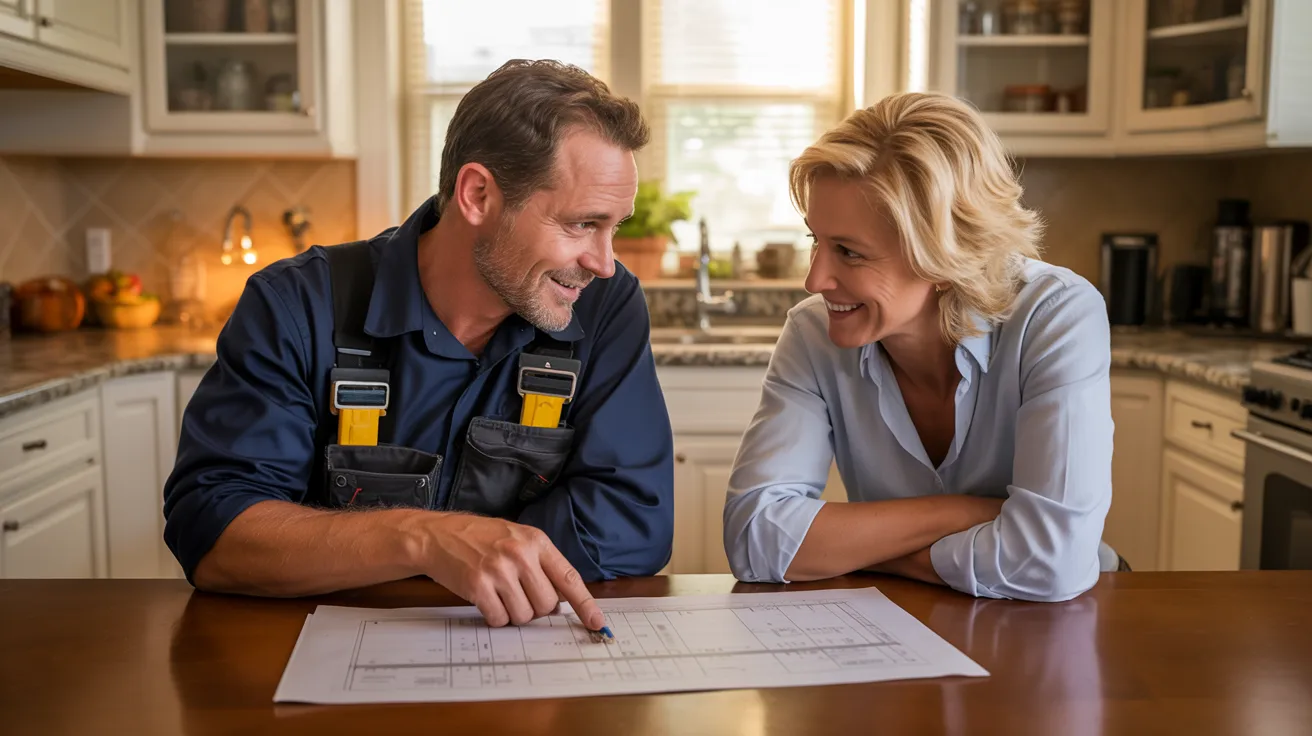
Most homeowners pay between $1,500 and $4,000 for a residential panel upgrade. Costs depend on panel size, local labor rates, existing wiring condition, and permit requirements.
Older homes fall toward the higher end because electricians often uncover outdated wiring during the process.
Beyond the panel itself, you may also pay for permit fees, utility disconnect charges, meter upgrades, or service line replacements. Ask for a complete written estimate before work begins. A good electrician won't hesitate to give you one.
For most homeowners the upgrade is worth it. The homeowners I've seen regret it are the ones who tried to cut corners and ended up paying twice.
Risks of Skipping a Necessary Panel Upgrade
Breaker Trips and Overloaded Circuits
An undersized panel running beyond capacity will trip breakers regularly. Appliances shut off, solar production stops during peak hours, and breakers wear out ahead of schedule.
The problem rarely fixes itself. It just gets worse.
Electrical Fire Hazards
Overloaded panels cause wiring to overheat, connections to loosen, and arc faults to develop. In the worst cases, fires start inside walls where they're hard to detect.
Solar is safe when installed correctly, but adding it to a struggling panel speeds up existing problems fast.
Reduced Solar System Performance
An undersized panel may throttle your solar output to stay within safe limits. You end up paying full price for a system that never performs at full capacity.
A proper panel upgrade would have prevented that entirely.
Choosing the Right Panel for Future Energy Needs
Planning for EV Chargers and Batteries
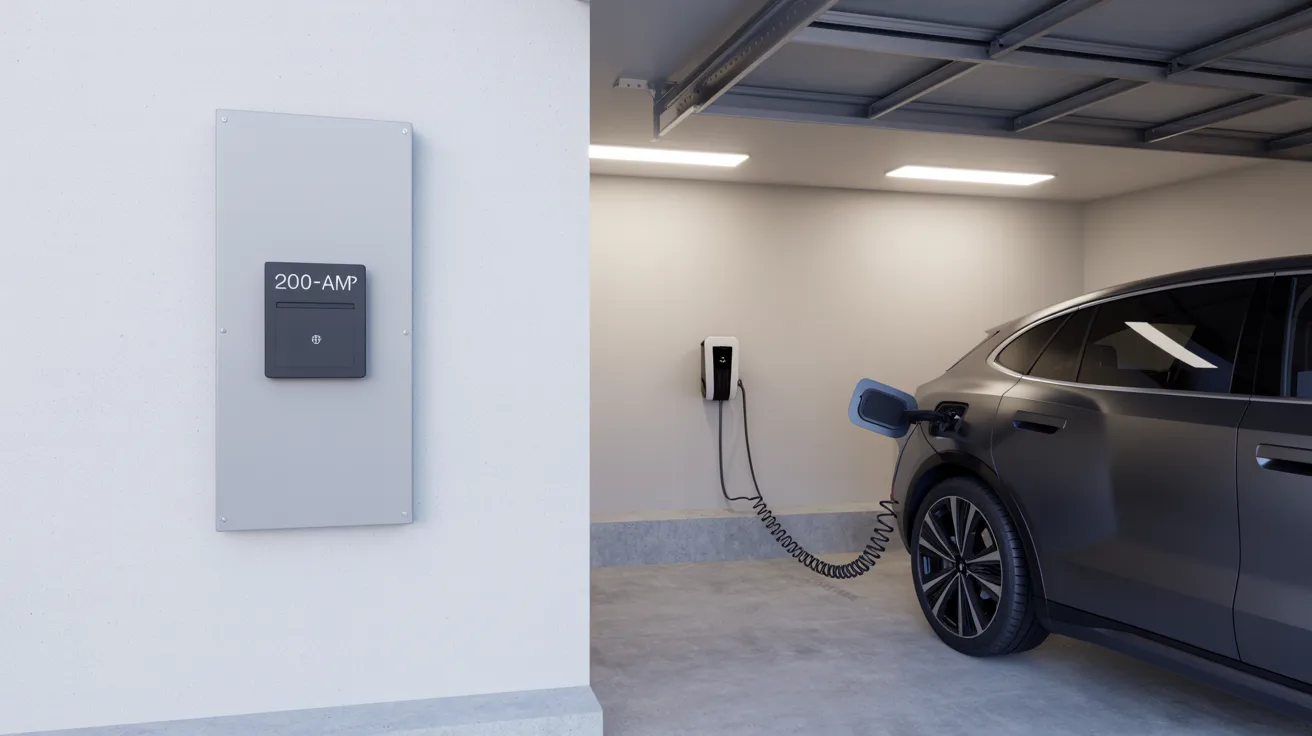
A Level 2 EV charger needs a 50A dedicated circuit. Battery storage systems need their own connections too.
I've seen homeowners skip the upgrade, add an EV charger two years later, and end up doing the whole thing again. Upgrading to 200A now avoids that situation completely.
When 400A Service Makes Sense
Some larger homes are moving toward 400A service, which splits into two 200A panels. It's not necessary for most homes, but if you're running multiple EVs, a large solar system, and whole-home battery backup, it's worth discussing with your electrician.
Expert Tips Before Installing Solar
- Ask your installer about your current electrical panel’s amp rating before signing any solar contract.
- Confirm whether your panel has available breaker slots for a solar connection.
- Request a proper load calculation to see if your existing panel can safely support solar.
- Check whether your utility company requires panel upgrades or electrical changes before approving interconnection.
- Work with licensed electricians who understand local codes and provide permitted work that protects your home and insurance coverage.
Conclusion
I know an electric panel upgrade for solar can feel frustrating when you are already excited about switching to solar. I remember thinking the panels themselves were the hardest part, but the electrical setup matters just as much.
Taking the time to get your panel checked now can save you from bigger problems and unexpected delays later.
A safe, properly sized panel helps your solar system run smoothly for years. If you are planning your own installation, ask questions, get a professional assessment, and do not rush the process.
Feel free to share your experience in the comments or explore our other solar guides for more help.
Frequently Asked Questions
Do I always need an electric panel upgrade for solar?
No, not always. Homes with a modern 200A panel in good condition may not need an upgrade, but a professional load calculation is always recommended before installation begins.
What size panel is best for solar installations?
A 200A panel is the best option for most homes. It supports solar production, daily household demand, and leaves capacity for future additions like EV chargers or battery storage.
How much does a solar panel upgrade cost?
Most homeowners spend between $1,500 and $4,000. Final costs depend on panel size, local labor rates, permit fees, and the condition of existing wiring in your home.
How long does an electrical panel upgrade take?
Most residential panel upgrades are completed within one day. Older homes or those requiring utility coordination may take slightly longer depending on complexity.
Can an old electrical panel safely support solar?
In most cases, no. Older panels rated at 100A or from brands like FPE or Zinsco are not reliable enough to support a modern solar installation safely.