Starting seeds in a greenhouse sounds simple, but small mistakes can set you back fast.
I have grown seedlings long enough to know that the basics matter more than anything else. Getting soil moisture right, rotating trays, managing heat, and staying organized can make or break your results.
In this guide, I will walk you through exactly what works. You will learn when and how to water correctly, how to stop uneven growth, ways to keep seedlings from overheating, and simple tricks to stay organized.
Let us get your seedlings off to a strong start.
Why Start Seeds in a Greenhouse?
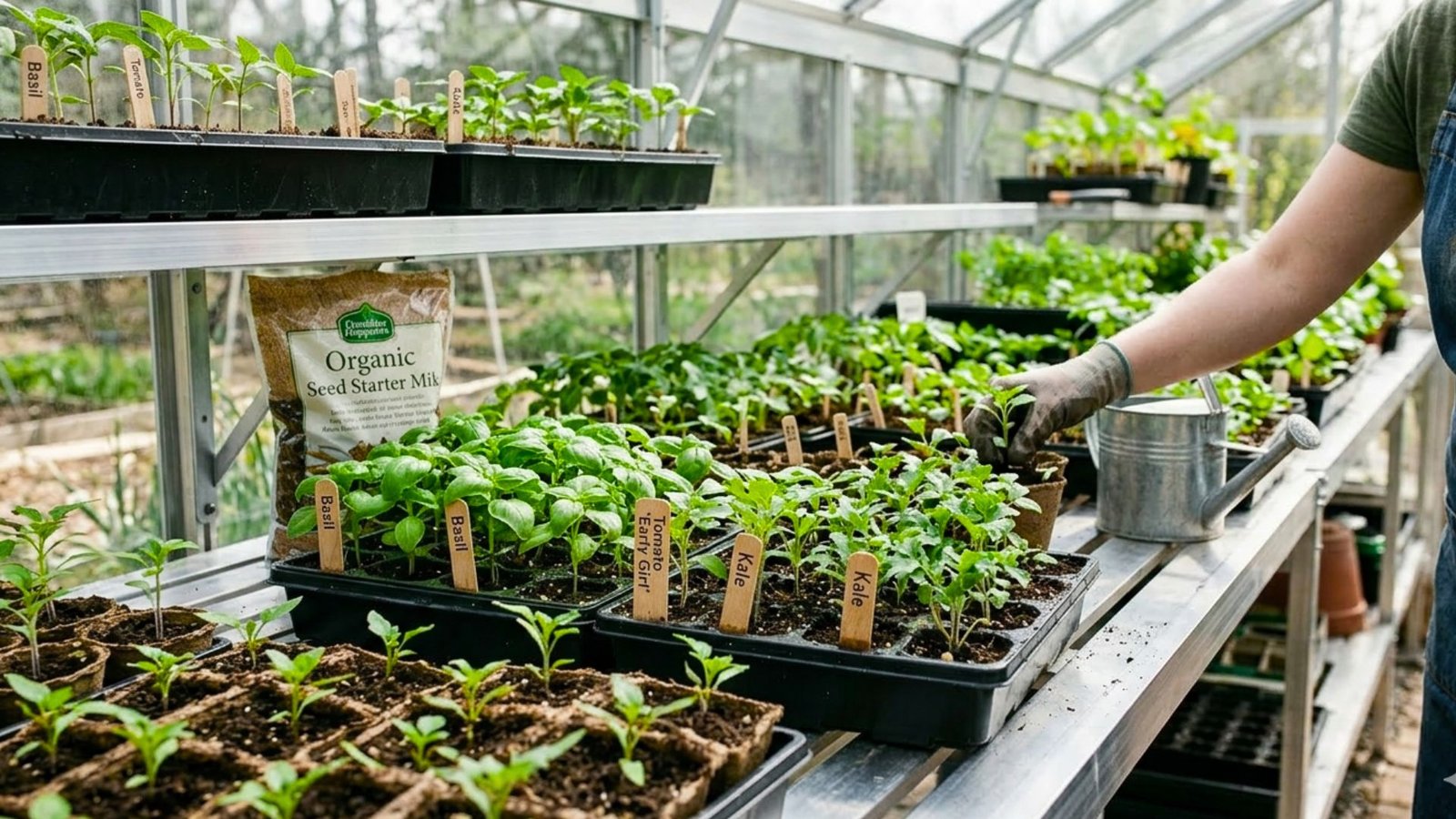
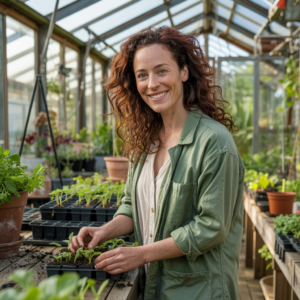
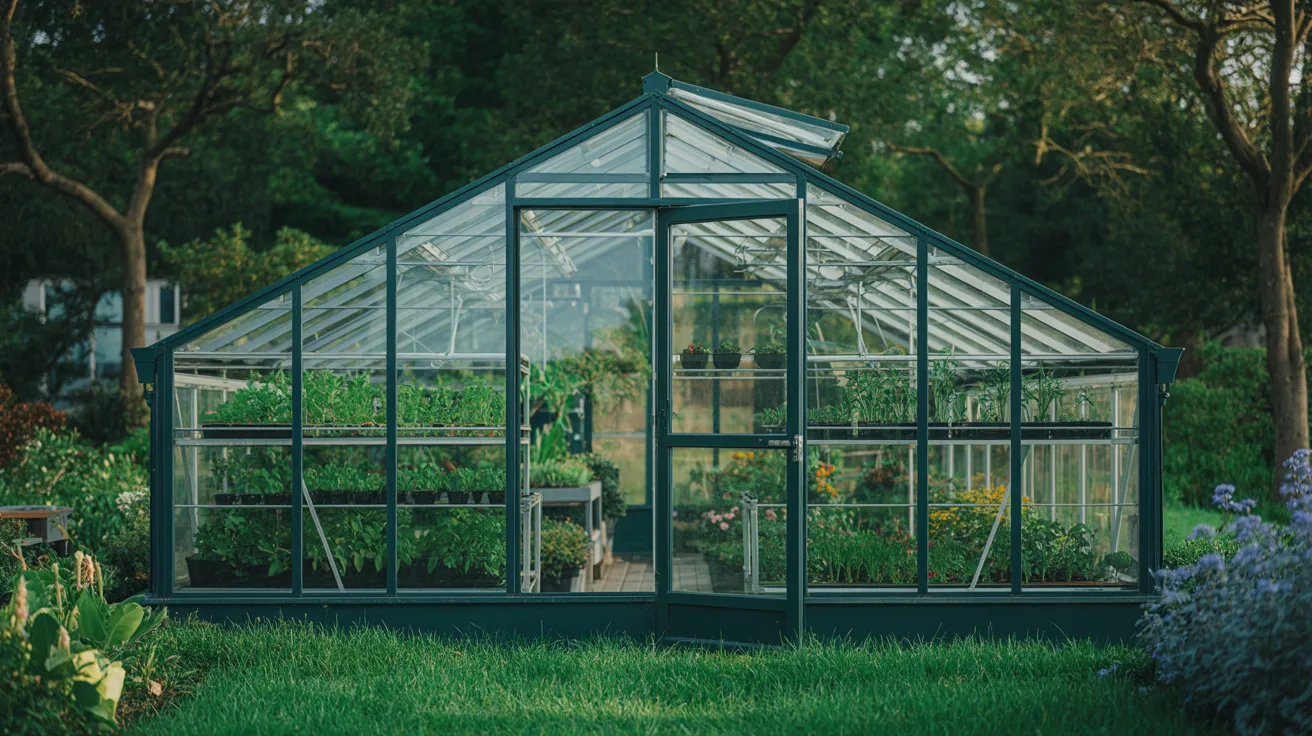
Starting seeds in a greenhouse gives your plants a safe, controlled space to grow strong before facing outdoor conditions.
A greenhouse keeps young seeds warm, protected, and away from unpredictable weather. Late frosts and cold snaps cannot reach them there.
Seedlings are fragile in their early days. A greenhouse shields them from wind, rain, and pests when they need it most.
You also get a longer growing season. Seeds started early in a greenhouse are ready to go in the ground weeks ahead of schedule. That usually means a better harvest in the end.
Why Starting Seeds in a Greenhouse Works So Well?
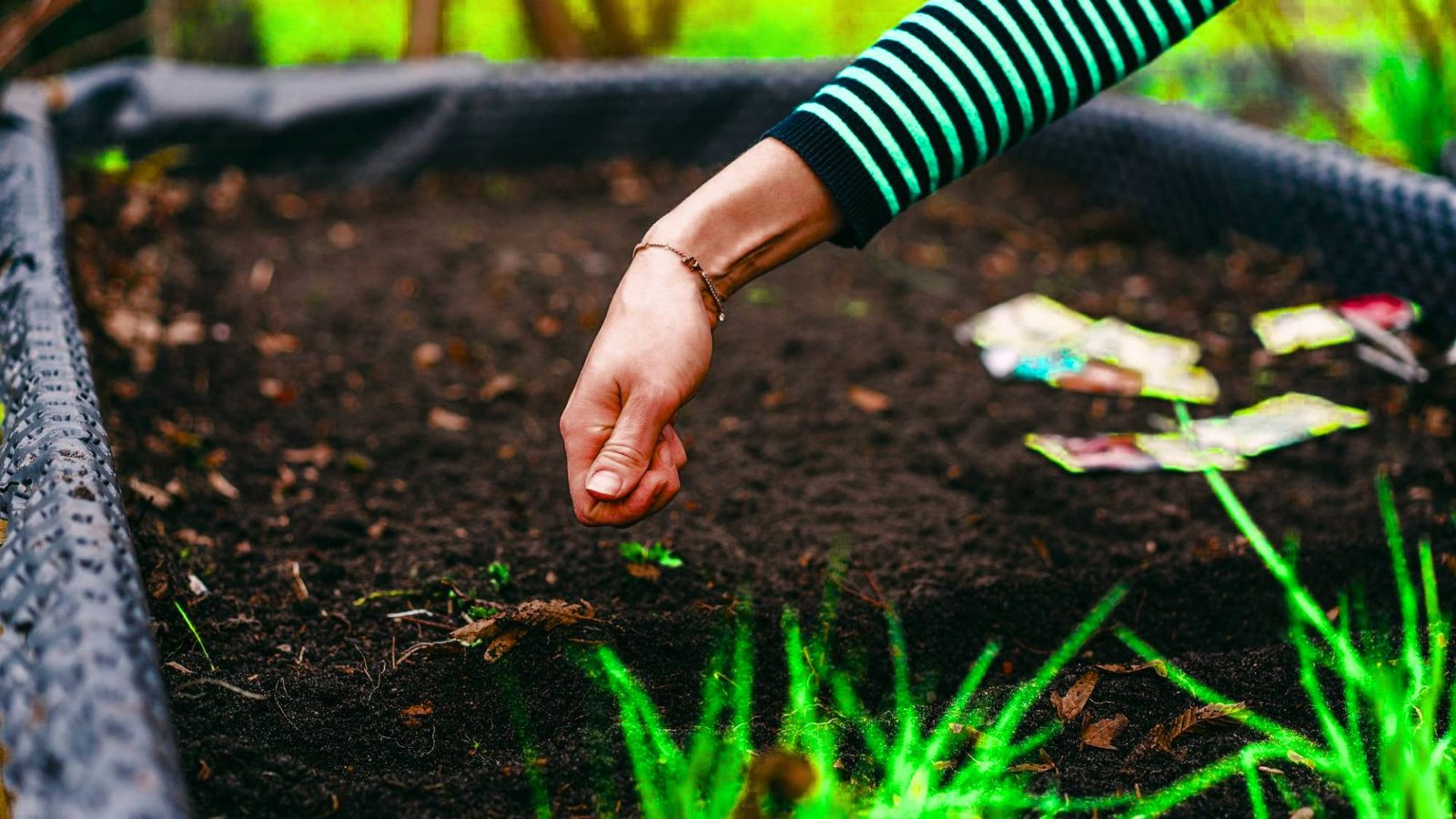
A greenhouse gives seeds the right conditions to sprout and grow strong before going outside.
Benefits of Starting Seeds in a Greenhouse
A greenhouse keeps temperatures steady and protects young plants from frost. You also lose fewer plants because there are fewer pests, less wind, and no sudden cold snaps.
Greenhouse vs Indoor Seed Starting
Indoor starting falls short on light and steady warmth. A greenhouse holds heat evenly and lets in far more natural light, giving you stronger, faster-growing seedlings.
Best Seeds for Beginner Greenhouse Growers
Start with tomatoes and peppers for steady heat, cucumbers and squash for quick growth, and herbs like basil and parsley for easy, fast results. Pick seeds you will actually use and keep it simple.
When to Start Seeds in a Greenhouse
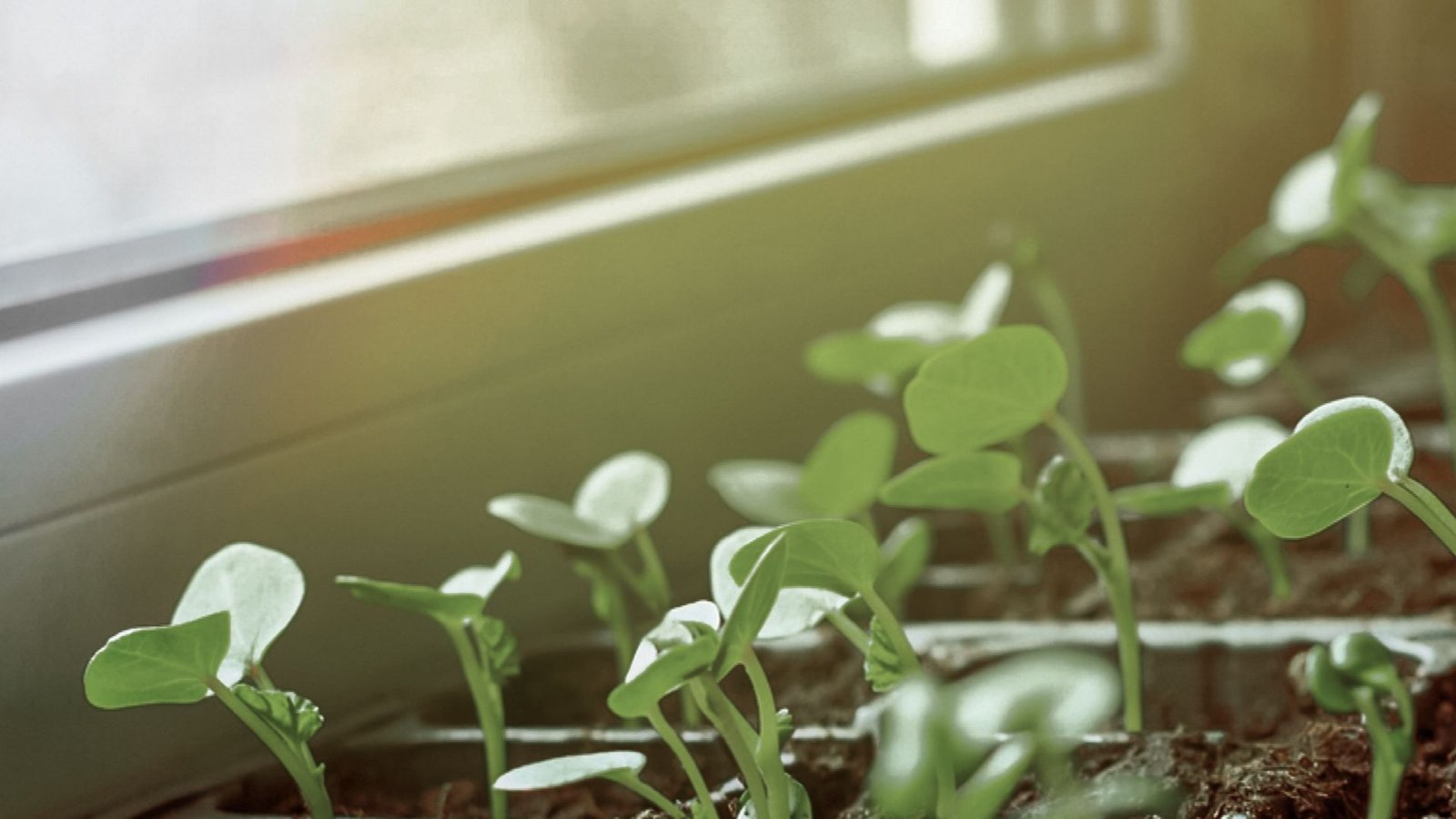
Starting seeds at the right time helps your plants grow strong and healthy through every season.
Starting Seeds Before the Last Frost
A greenhouse lets you begin growing before outdoor temperatures are safe. Most gardeners start seeds six to eight weeks before the last frost date.
Cool-season crops like lettuce can go in earlier, while warm-season plants like tomatoes need added heat or grow lights.
Best Seasons for Greenhouse Seed Starting
Late winter and early spring are the best times for most seeds. Late summer works well for fall crops like kale and chard.
Midsummer is the hardest season, so good ventilation matters most then.
Adjusting Planting Times by Climate Zone
Cold zones (3 to 5) should start in January or February. Moderate zones (6 to 7) can begin in late February or March. Warm zones (8 to 10) focus more on fall planting.
Tropical zones plan around wet and dry seasons instead of frost dates. A simple planting calendar helps you track what works best over time.
What You Need Before Starting Seeds in a Greenhouse
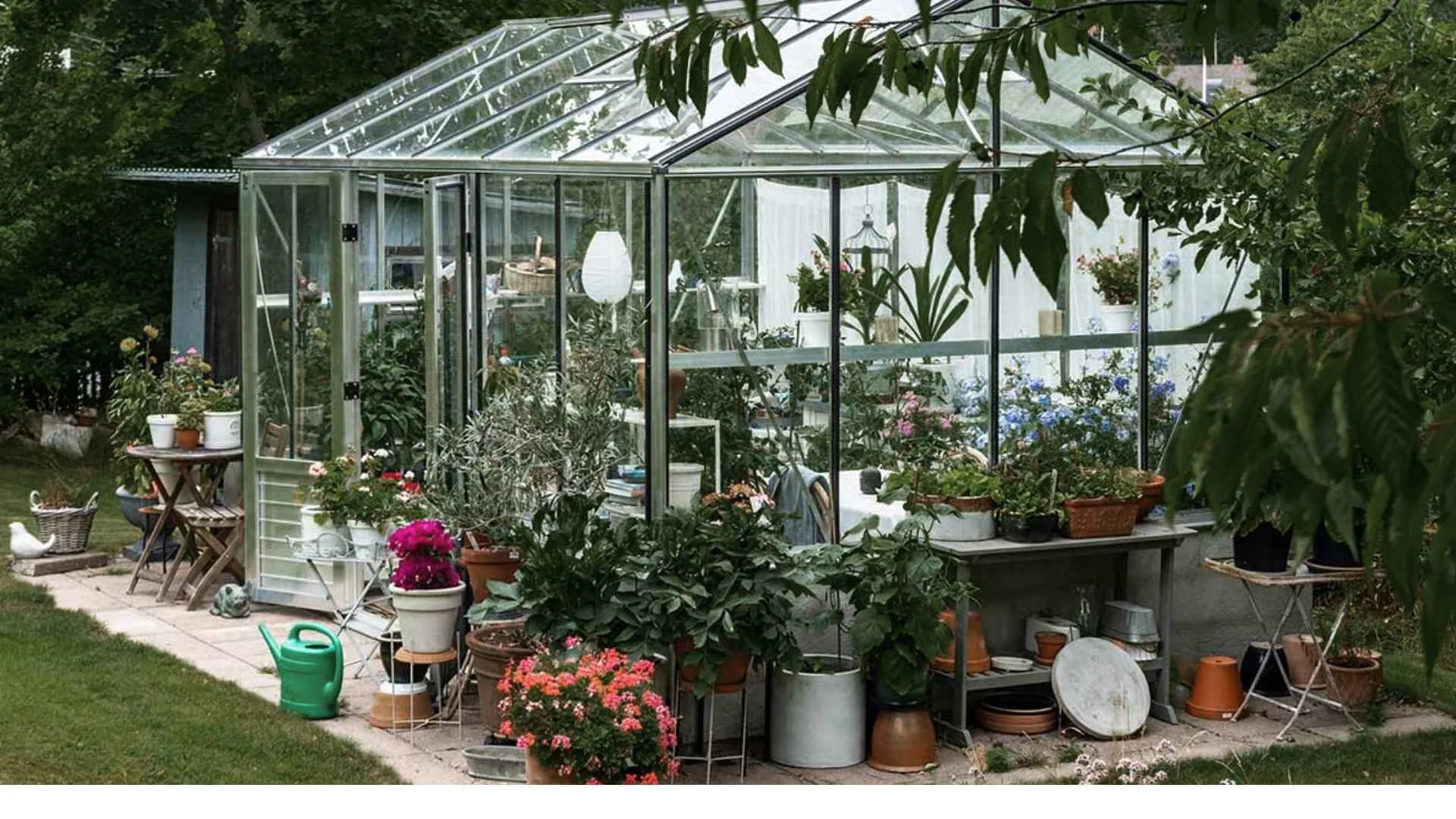
Getting your greenhouse ready with the right tools makes seed starting easier and more successful from day one.
Choosing Seed Trays and Containers
Plastic cell trays work well for most seeds. Use smaller cells for fast growers like lettuce and larger ones for tomatoes or peppers.
Always choose containers with drainage holes as sitting water kills seedlings quickly.
Best Seed Starting Mix for Strong Seedlings
Skip regular garden soil. It is too heavy and carries disease. Use a light mix with coco coir or peat moss and perlite. Avoid heavy fertilizer blends since young roots burn easily.
Equipment for Beginners in the Greenhouse
You only need a few basics. Seed trays with clear domes hold warmth and moisture. A fine-rose watering can water gently. Waterproof labels and a marker keep things organized.
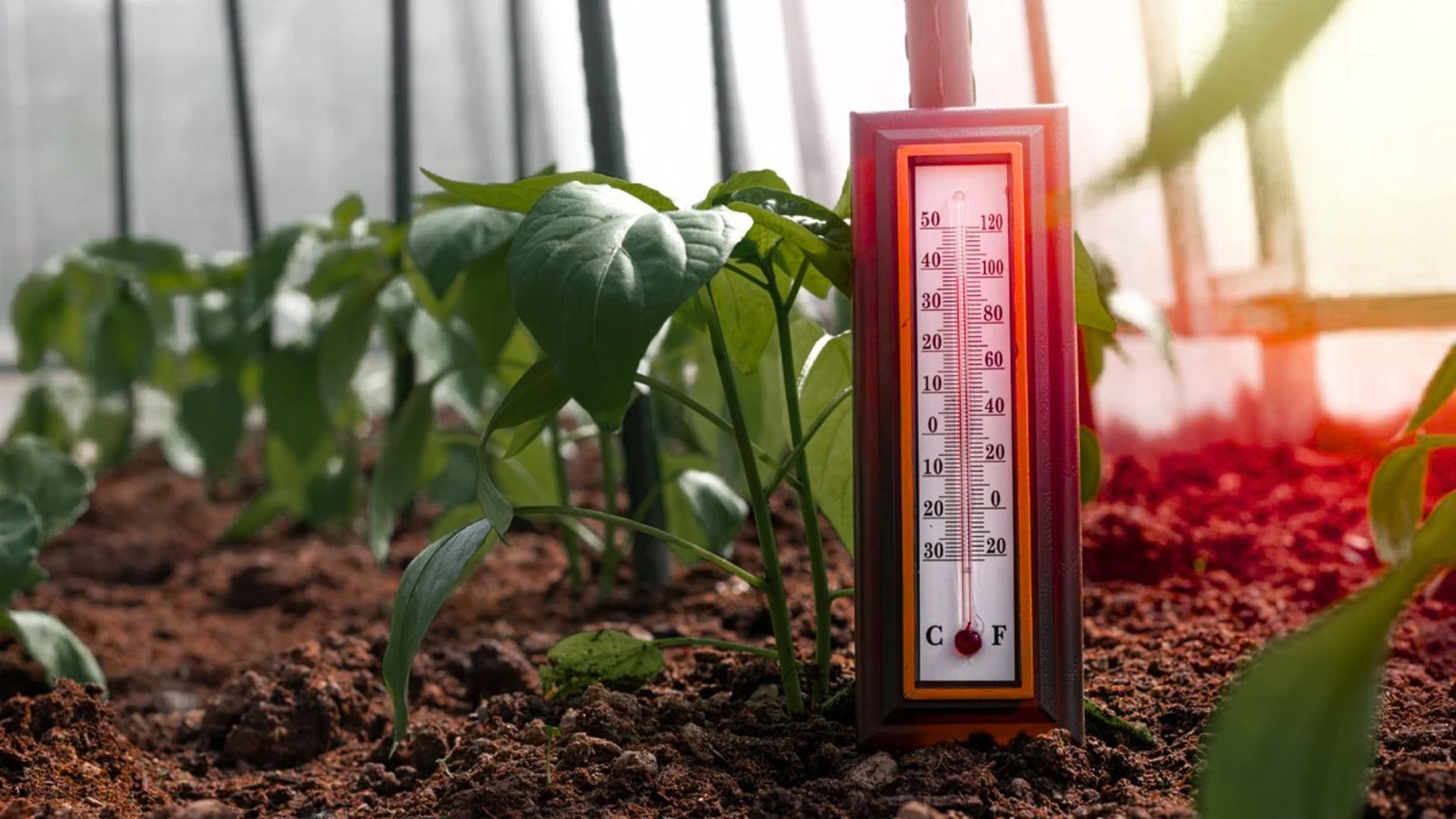
A thermometer helps you track temperature inside the greenhouse.
Are Grow Lights and Heating Mats Necessary?
Heating mats warm soil from below and speed up sprouting. Most seeds do best when soil stays between 65°F and 75°F.
Grow lights help in winter when daylight is short, as seedlings need around 14 to 16 hours of light daily. In late spring or summer, you may not need either.
Best Temperature for Starting Seeds in a Greenhouse
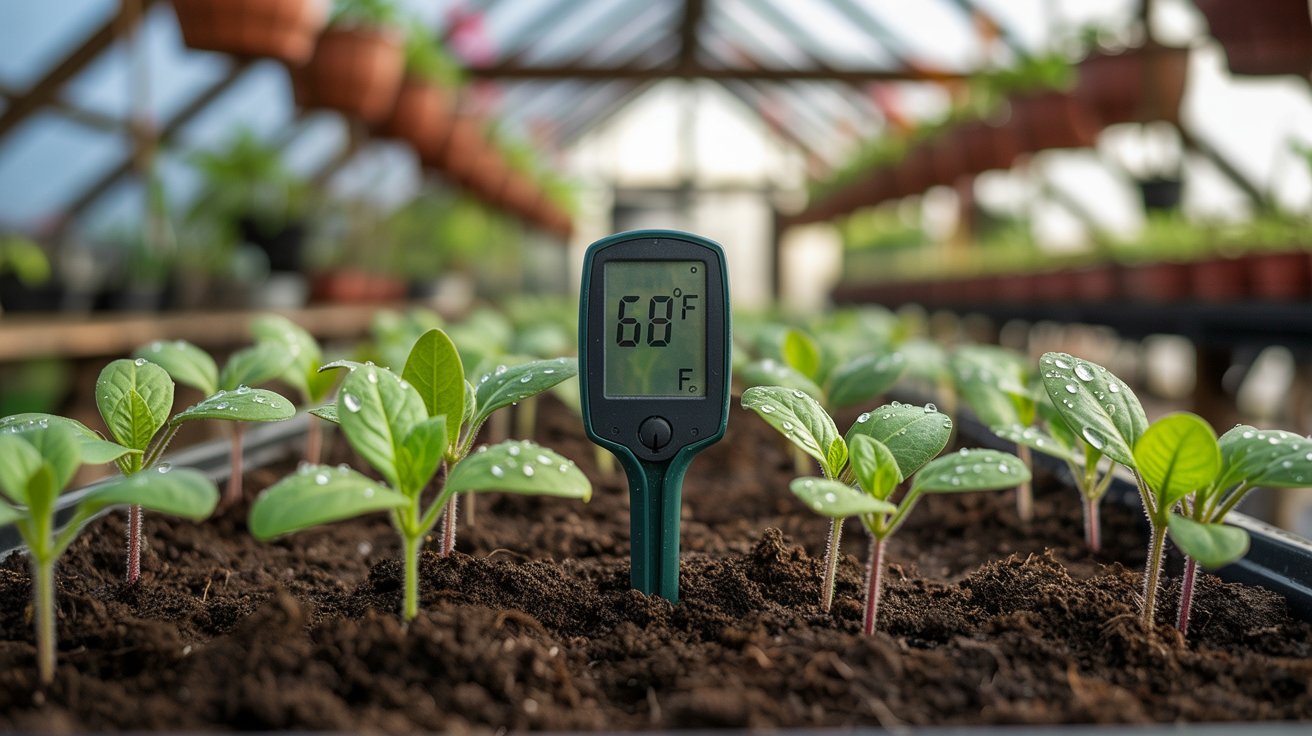
Getting the temperature right gives your seeds the best possible start for healthy, strong growth.
Ideal Soil Temperature for Germination
Soil temperature matters more than air temperature. Most seeds do best when soil stays between 65°F and 75°F.
Warm-season crops like peppers and tomatoes prefer closer to 75°F to 85°F. Cold soil slows or stops germination, so use a soil thermometer before sowing.
How Warm Should a Greenhouse Be for Seedlings?
Daytime temperatures between 65°F and 70°F work well for most seedlings. Keep nights above 50°F to avoid stressing young plants.
Avoid letting heat climb above 80°F as seedlings stretch and grow weak in high temperatures.
Preventing Temperature Swings in Early Spring
Big temperature swings slow growth and stress seedlings. Place dark-colored water containers inside to absorb daytime heat and release it slowly at night.
A propagation mat under seed trays keeps roots warm after sunset.
Using Fans and Ventilation for Airflow
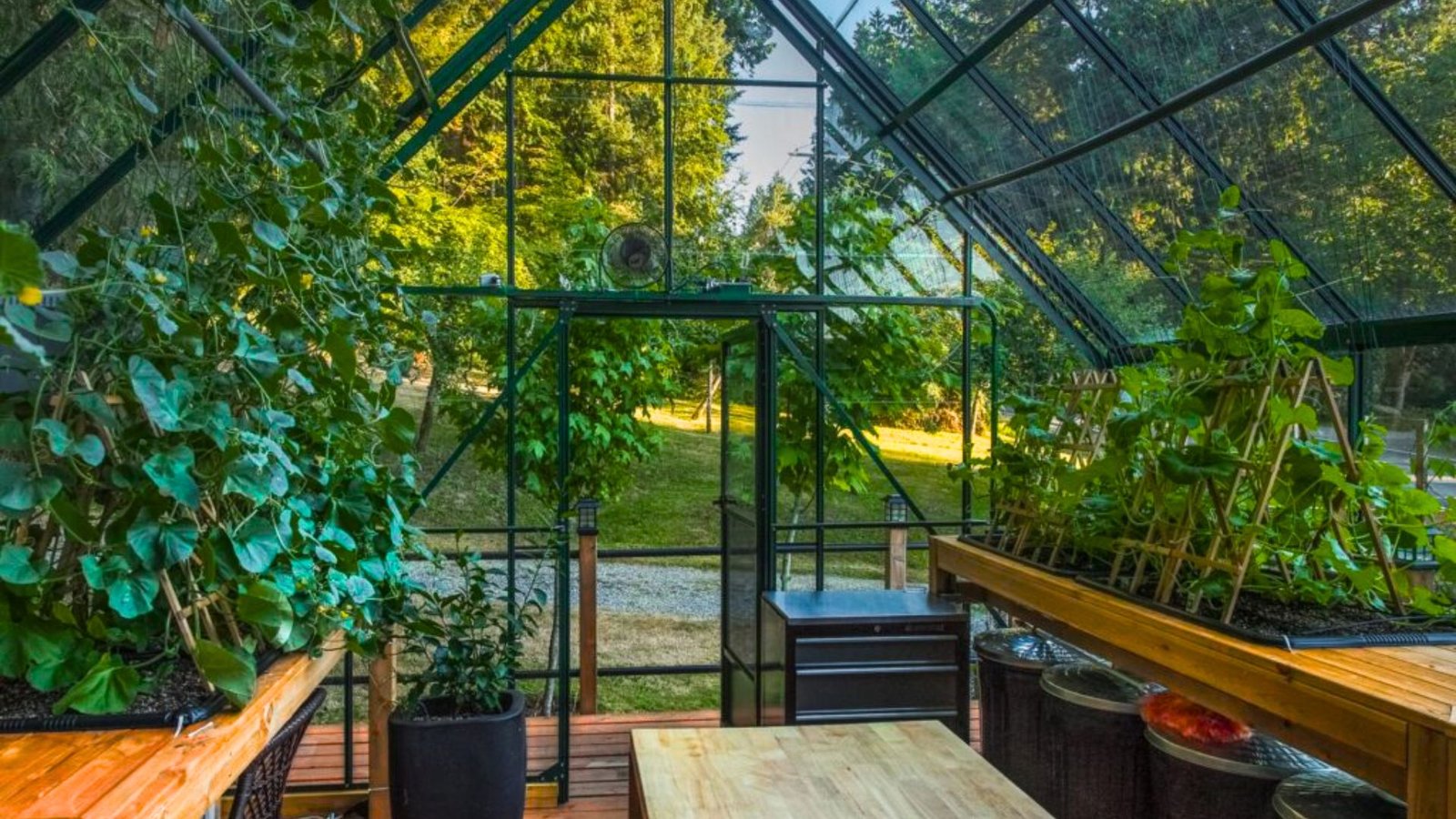
A small fan set to low keeps air moving, strengthens stems, and reduces mold risk. Open roof vents or side panels on bright days to stop heat from building up.
Check temperatures morning and afternoon so you can act before seedlings suffer.
Step-by-Step Guide to Starting Seeds in a Greenhouse
Starting seeds in a greenhouse gives your plants a strong, healthy head start before the outdoor season begins.
Step 1: How to Fill and Prepare Seed Trays
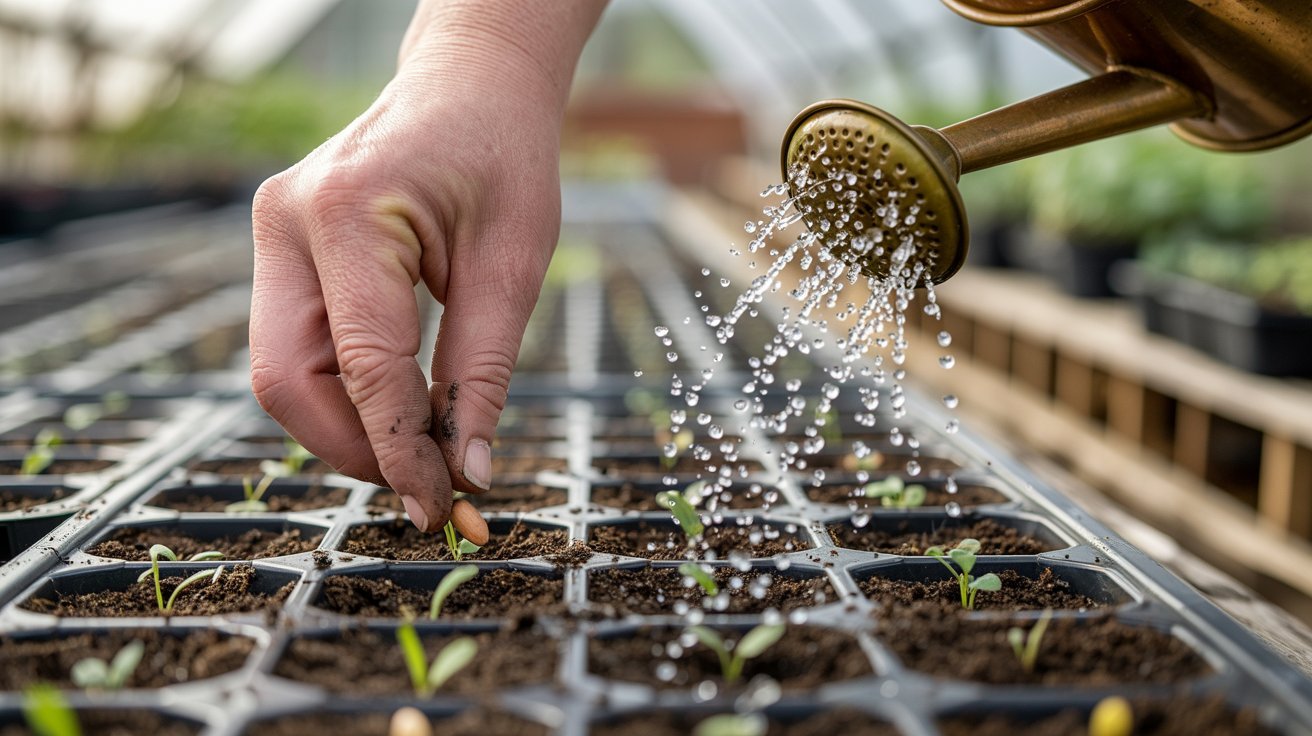
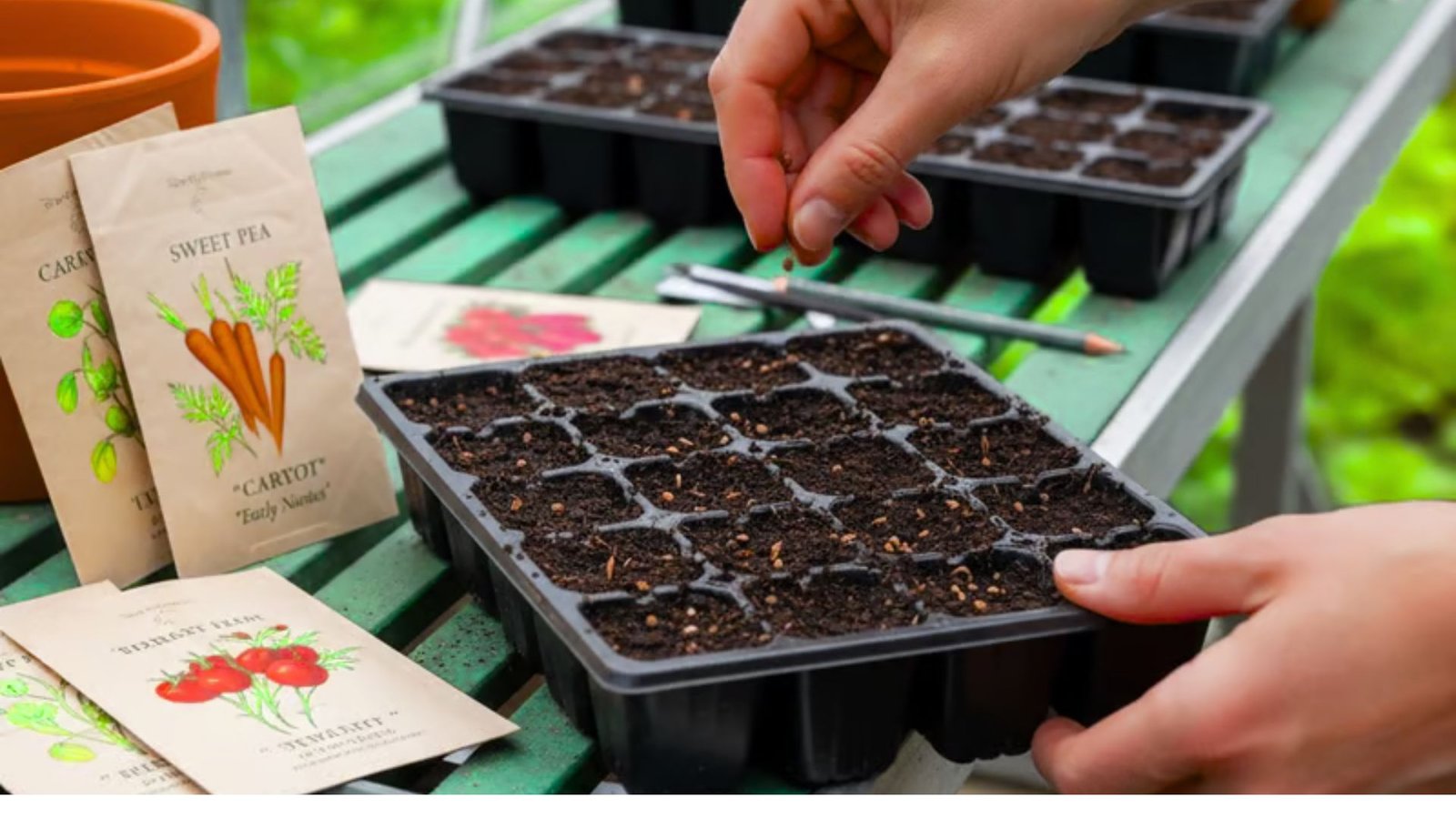
Wash your trays with warm soapy water, then fill each cell with a light seed-starting mix. Press it down gently to remove air pockets and fill just below the rim.
Label your trays before planting so you always know what is growing where.
Step 2: Planting Seeds at the Correct Depth
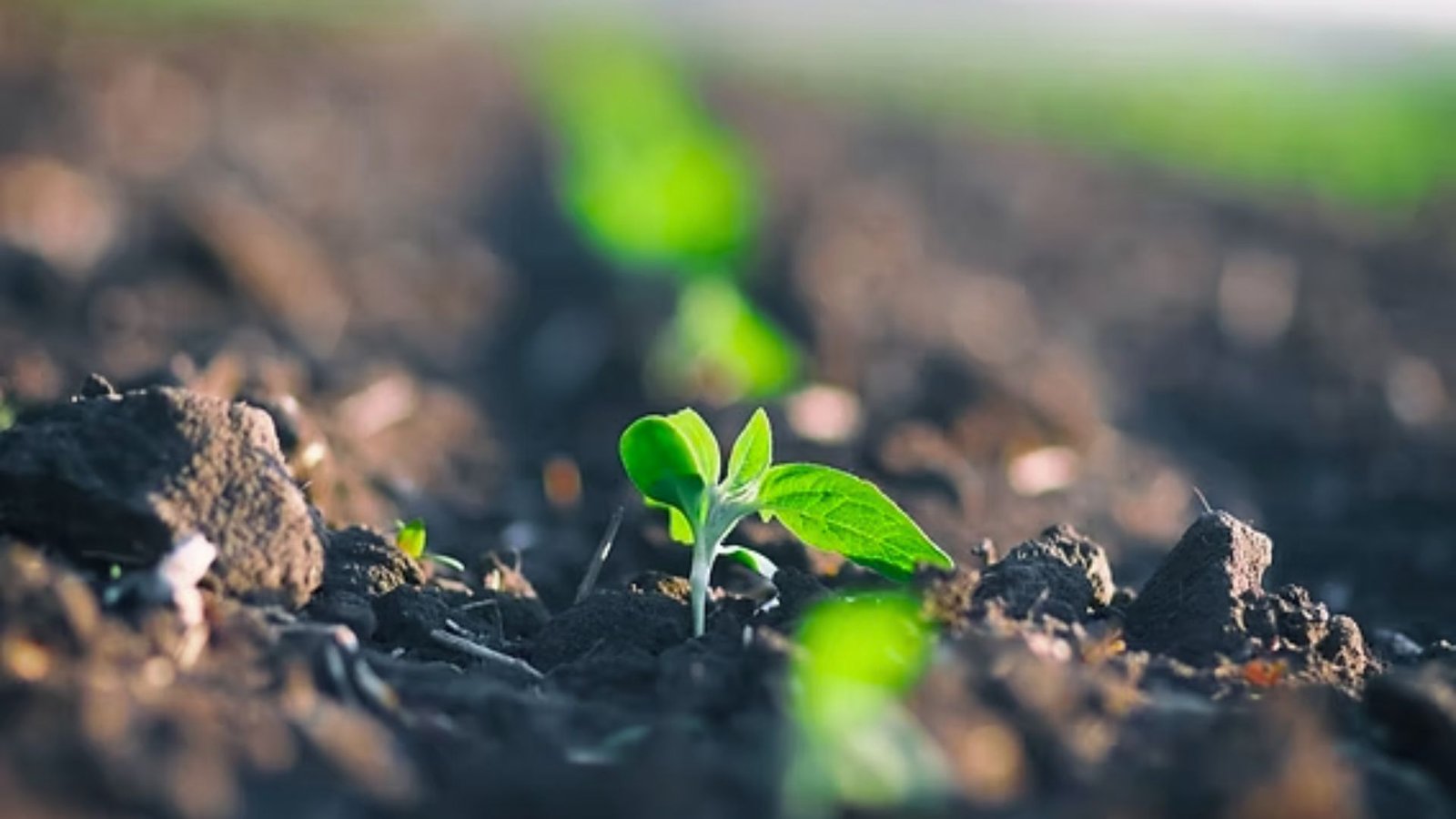
Plant seeds at a depth equal to two times their width. Tiny seeds like basil need only a thin soil covering, while larger seeds like beans go a bit deeper.
Press each seed gently into the mix for good soil contact and check your seed packet for exact depth numbers.
Step 3: Watering Seeds the Right Way
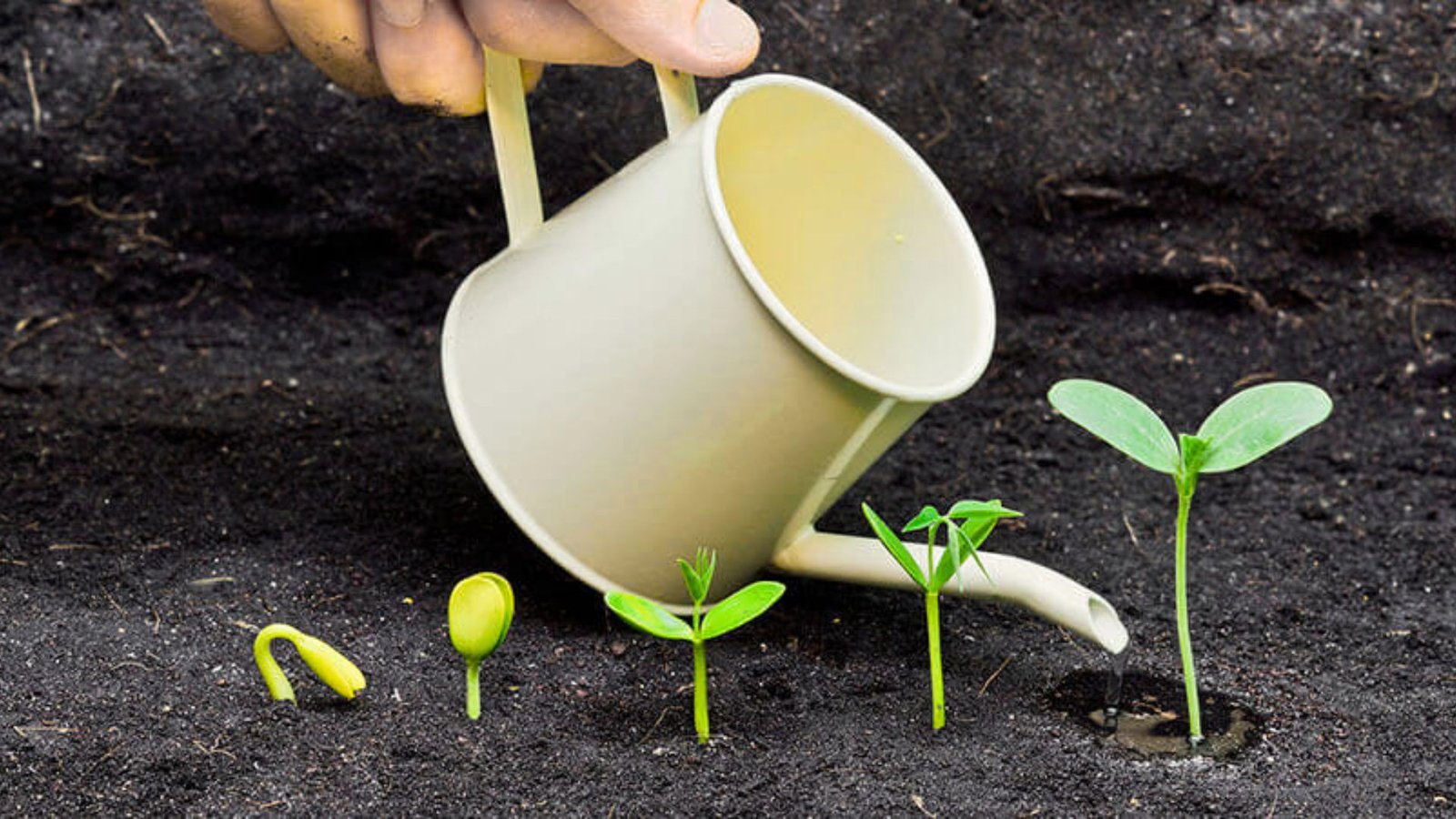
Use a misting bottle or fine-rose watering can so seeds do not shift or wash away. Keep the mix moist but never soaking wet, and check moisture daily by pressing a finger into the soil.
Cover trays with a clear dome to hold moisture during germination, then remove it once sprouts appear.
Step 4: How Much Light Seedlings Need Each Day
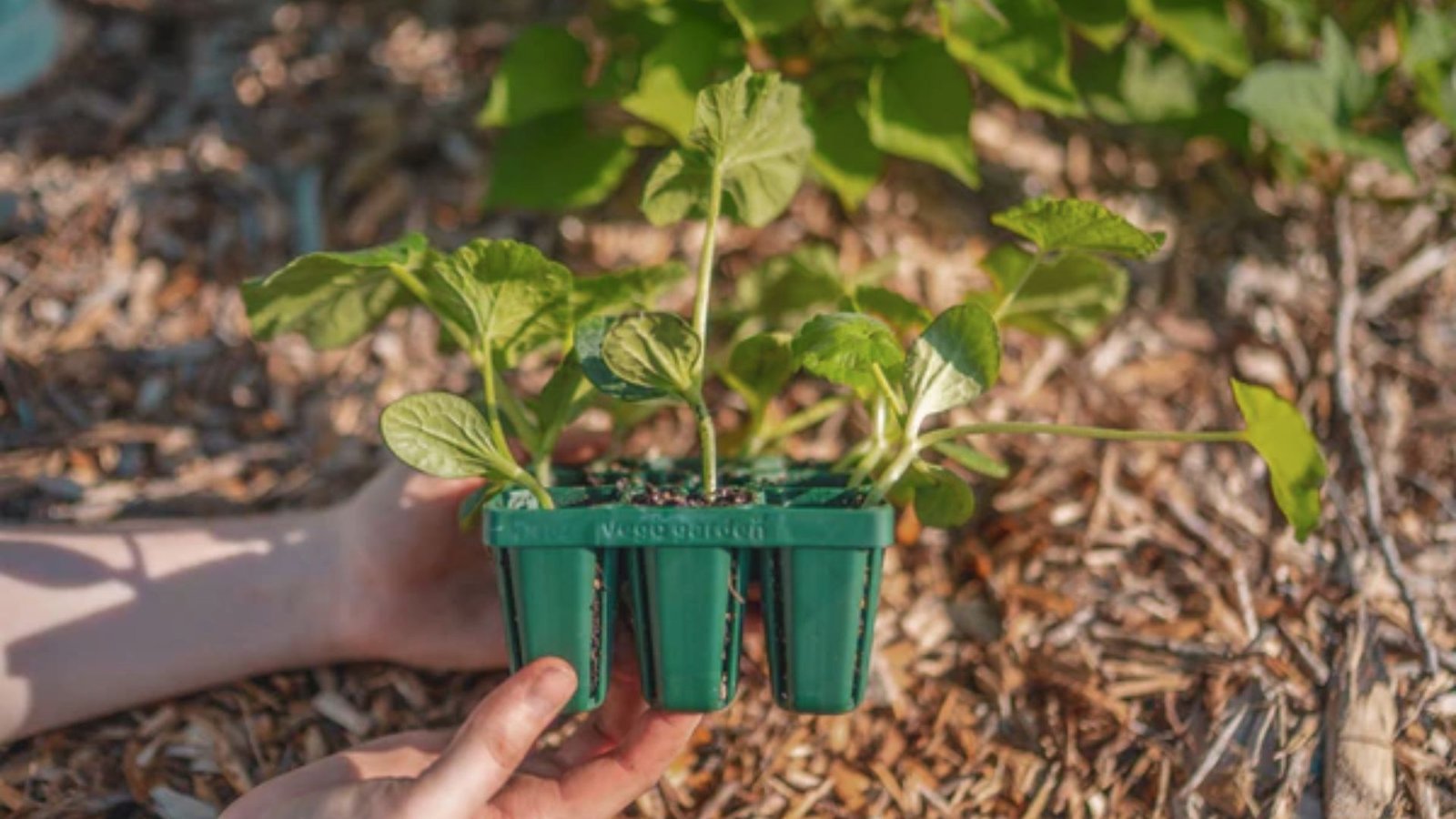
Most seedlings need 14 to 16 hours of light each day. On cloudy days or in winter, add LED grow lights placed a few inches above the trays and put them on a timer for a steady daily schedule.
Rotate trays every few days so all seedlings grow evenly without leaning to one side.
Potting Up and Transplanting Greenhouse Seedlings
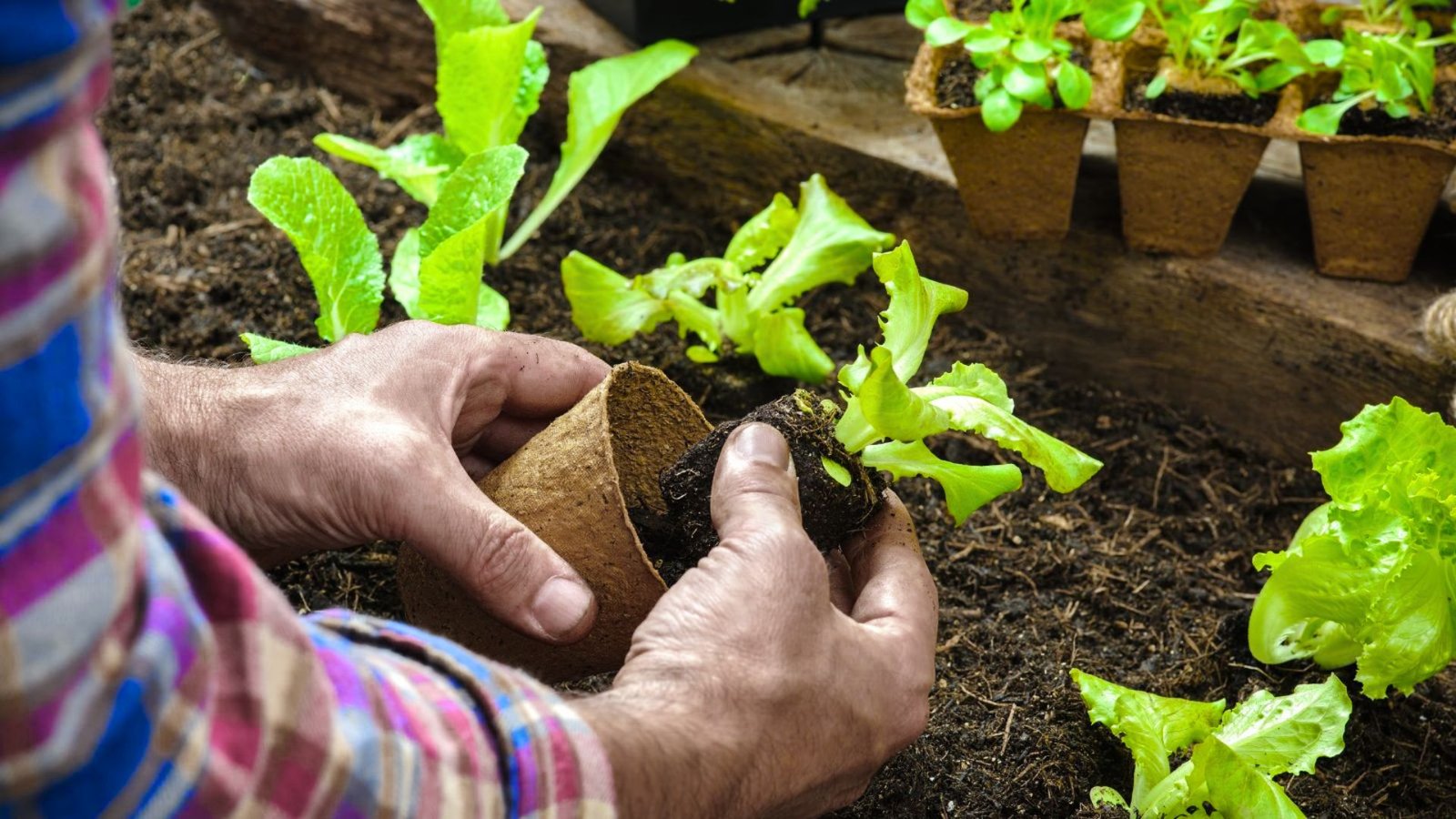
Moving seedlings into bigger pots at the right time keeps them growing strong and stress-free.
When Seedlings Are Ready for Larger Pots
Roots poking out of drainage holes mean the plant needs more space. A sudden slowdown in growth is another sign it is root-bound.
When potting up, go only one or two sizes larger to avoid excess moisture and root rot.
Using Grow Bags for Healthy Root Growth
Grow bags are made from fabric, so air passes through the sides and naturally stops root growth at the edges.
The plant then pushes out more side roots, improving water and nutrient intake. They drain well, fold flat, and store away easily at the end of the season.
How to Harden Off Seedlings Properly
Moving seedlings straight outside from a greenhouse can stress or damage them. Start with one to two hours outdoors on the first day and add more time each day over one to two weeks.
Bring them back inside if frost or strong winds are expected. Once done, they will settle into outdoor conditions without much trouble.
Tips for Starting Seeds in a Greenhouse Successfully
Small daily habits lead to stronger seedlings and a much better growing season.
- The soil should feel damp, not wet. Too much water pushes air out of the soil, and roots need that air to grow.
- Overwatering leads to damping off, where seedlings rot at the base and collapse.
- Turn trays 180 degrees every two to three days to give all sides equal light and keep growth upright.
- A 30 to 50 percent shade cloth placed above the trays reduces direct sun without blocking the light plants need.
- Write the plant name and sowing date on a waterproof label using a permanent marker so nothing gets mixed up.
Conclusion
Starting seeds in a greenhouse is one of those things that gets better the more you do it. I remember forgetting to rotate my trays once and ending up with the most lopsided seedlings. Small mistakes teach you a lot.
Stick to the basics, stay consistent, and your seedlings will reward you.
Got a tip that works really well in your greenhouse? Drop it in the comments below. I would love to hear what is working for you this season. And if this helped, share it with a fellow gardener!
Frequently Asked Questions
What is the best time to move seedlings to a bigger pot?
Move seedlings when roots start coming out of the drainage holes or growth slows down. Going up one or two pot sizes at a time works best.
Why are my greenhouse seedlings leaning to one side?
Seedlings lean because they grow toward the strongest light source. Rotating your trays every two to three days keeps growth straight and even.
How often should I water seeds in a greenhouse?
Check the soil daily by pressing a finger an inch deep. Water only when it feels dry at that depth, not before.
Do I really need to harden off seedlings before moving them outside?
Yes, skipping this step can shock or damage young plants. A slow introduction to outdoor conditions over one to two weeks gives them the best chance.
What is the easiest way to keep greenhouse seedlings organized?
Use waterproof labels with the plant name and sowing date written in permanent marker. Keeping a backup note on your phone helps if any labels get lost or moved.