



What is sustainable furniture, and why should you care about how your sofa or dining table was made?
I’ve spent years studying how furniture is designed and produced, and the truth is, most of it quietly harms the environment. But there’s a better way.
In this guide, I’ll break down exactly how eco-friendly furniture is designed and manufactured, what materials are worth your attention, and how to make smarter choices when shopping.
We’ll cover sustainable materials, green manufacturing methods, and practical tips to help you choose better furniture for your home and the planet.
What Is Sustainable Furniture?
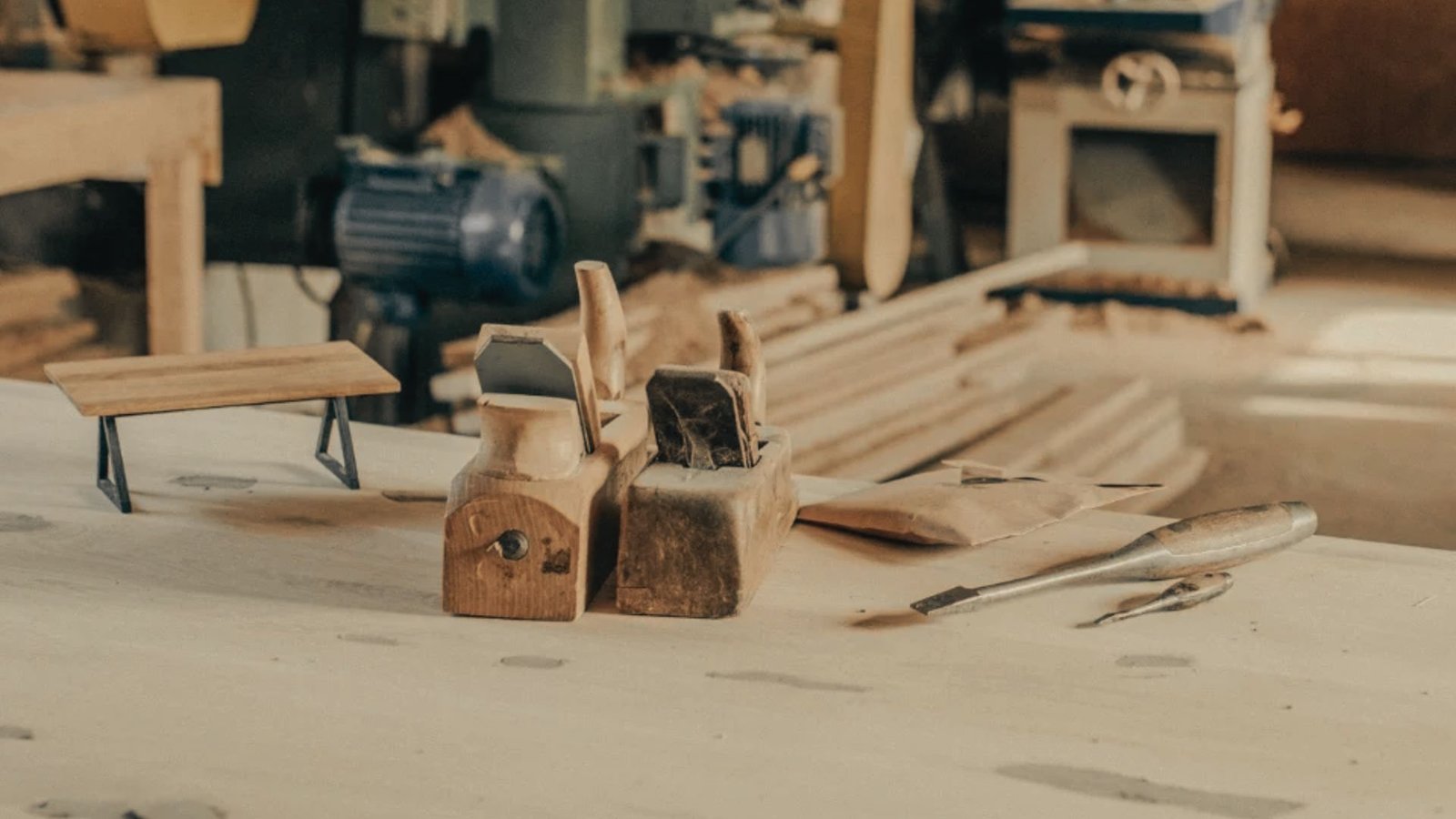
Sustainable furniture is made with materials that are responsibly sourced, processes that cut down waste, and designs built to last. It causes less harm at every stage, from raw material to finished product.
Most conventional furniture relies on virgin wood, toxic finishes, and cheap materials that break down fast. This creates more waste, more pollution, and puts pressure on natural resources.
Choosing sustainable furniture is not just good for the planet. It is a smart, long-term investment for your home too.
Key Features of Sustainable Furniture
Sustainable furniture is built with care for both people and the planet.
Here are the key features that set it apart:
- Renewable and Natural Materials: It starts with what the furniture is made from. Wood from certified forests, bamboo, and cork are common choices. These materials grow back over time and put far less pressure on natural resources.
- Long-Lasting Construction: Sustainable furniture is built to last years, not months. Strong joints and solid craftsmanship mean you replace pieces far less often, which directly cuts down on waste.
- Non-Toxic Components: Many regular furniture pieces contain glues and paints that release harmful chemicals over time. Sustainable options use water-based finishes and natural adhesives that are safer for your home and the environment.
- Responsible Sourcing: It is not just about the materials. It is also about how they are gathered. Responsible sourcing means no illegal logging, fair treatment of workers, and a cleaner supply chain. Look for certifications like FSC (Forest Stewardship Council) as a reliable sign.
How Sustainable Furniture Is Designed

Sustainable furniture design is about making smart choices from the very start, before a single piece of wood is cut or a nail is placed.
Focus on Durability
Good sustainable furniture is built to last. Designers choose strong materials that hold up over years of daily use. The idea is simple: the longer a piece lasts, the less waste it creates.
A well-built chair that lasts 20 years is far better for the planet than a cheap one replaced every three years. Strength, quality joints, and reliable finishes are all part of this thinking.
Functional and Practical Design
Sustainable design skips the extras that add no real value. Every part of a piece serves a purpose.
Clean, no-fuss designs tend to use fewer materials and create less waste during production.
They also stay useful longer because they don’t go out of style quickly. Practical furniture solves real problems without overcomplicating things.
Repair-Friendly Furniture Design
Some furniture is made to be thrown away. Sustainable furniture is made to be fixed.
Designers plan for repairs by using standard screws, replaceable parts, and materials that are easy to work with.
If a leg breaks or a cushion wears out, you can swap it rather than toss the whole piece. This thinking keeps furniture out of landfills.
Space and Transportation Considerations
Flat-pack and compact designs use less space during shipping. Less space means fewer delivery trucks, which means lower carbon emissions.
Designers also think about how furniture fits into smaller living spaces. A piece that works in a studio apartment or a family home gets more use and stays relevant longer.
Sustainable Furniture Manufacturing Process
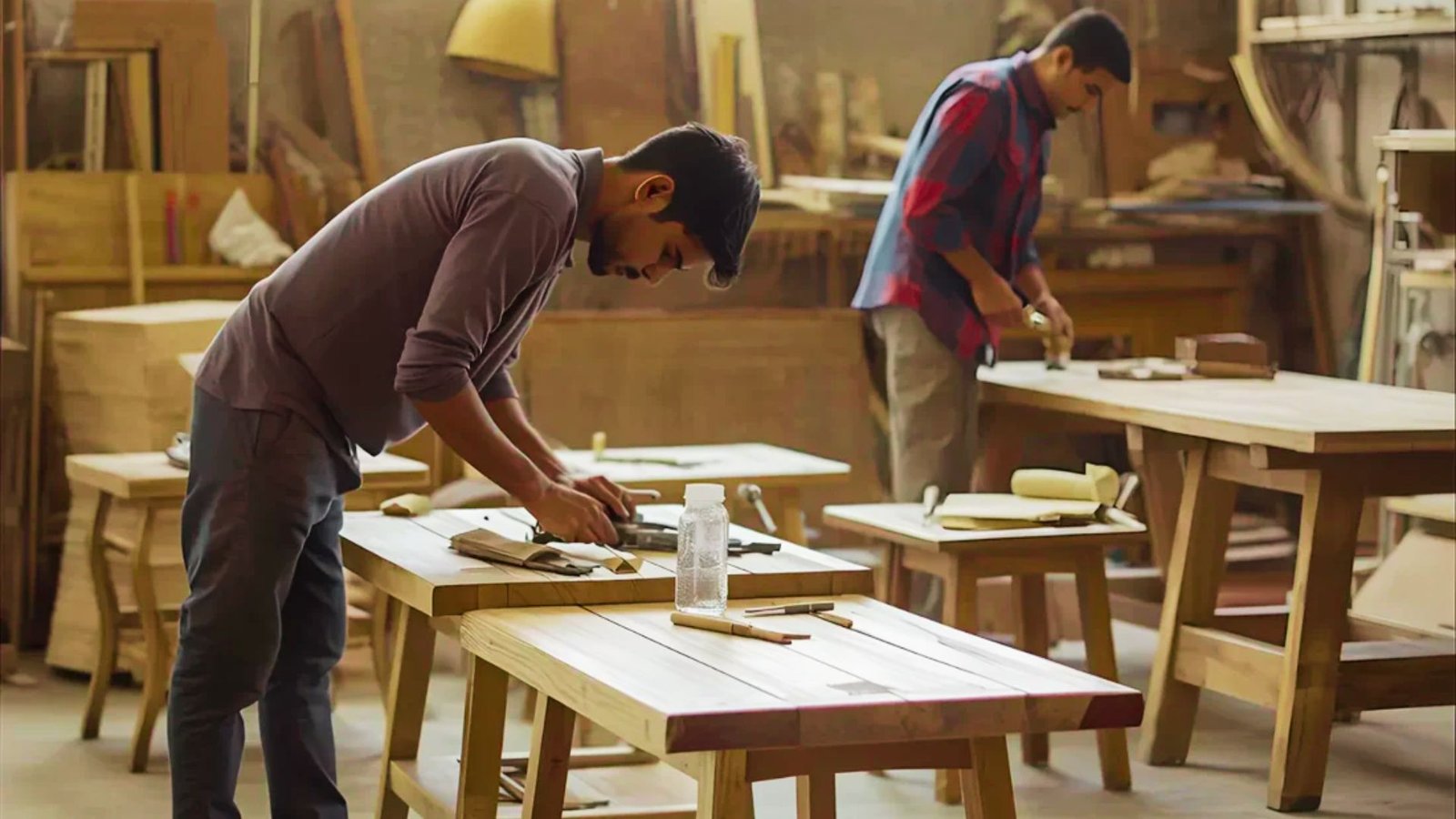
Sustainable furniture manufacturing is about making smart choices at every step, from the raw materials used to the way workers are treated on the factory floor.
Eco-Friendly Material Selection
The process starts with what goes into the furniture. Manufacturers who take sustainability seriously choose materials that are responsibly sourced, recycled, or rapidly renewable.
Think certified wood, bamboo, recycled metal, and natural fabrics. These materials reduce pressure on forests and cut down on harmful chemicals. Choosing the right material from the start means less damage at every stage that follows.
Waste Reduction During Production
A lot of traditional furniture production generates significant waste, and most of it ends up in landfills.
Sustainable manufacturers plan their cutting, shaping, and finishing processes carefully to use as much of the raw material as possible.
Leftover wood gets repurposed. Fabric scraps get reused. Some factories even send waste to composting or recycling programs. Less waste means lower costs and a smaller environmental impact.
Energy-Efficient Manufacturing
How a factory runs matters just as much as what it produces. Sustainable furniture brands invest in energy-efficient machinery, LED lighting, and renewable energy sources like solar power.
Some facilities track their carbon output and set clear targets to reduce it year over year. Small changes in how energy is used during production can add up to a significant difference over time.
Ethical Labor Practices
Sustainability is not only about the planet. It’s about people too. Responsible manufacturers pay fair wages, provide safe working conditions, and treat workers with respect.
Many certified sustainable brands are regularly audited to make sure these standards are actually being met, not just promised. When you buy furniture from a company that values its workers, you’re supporting a production model that’s better for everyone involved.
Best Materials for Sustainable Furniture
The materials used in furniture making tell you a lot about its environmental impact. Choosing the right ones means less waste, fewer harmful chemicals, and better use of natural resources.
- Teak wood: It is naturally strong, moisture-resistant, and lasts for decades with little maintenance. When sourced from FSC-certified forests, it is a responsible and long-lasting choice. It also needs minimal chemical treatment, which keeps toxic finishes out of your home.
- Bamboo: It grows much faster than traditional hardwood, making it a highly renewable option. It requires no pesticides or fertilizers and is naturally durable. Always check that the brand uses low-VOC or formaldehyde-free adhesives for a truly clean product.
- Reclaimed wood: This wood comes from old buildings, barns, and factories. It reduces the need to cut new trees and keeps good material out of landfills. Every piece carries its own character without any added environmental cost.
- Recycled metal and glass: These are strong, low-waste alternatives to newly manufactured materials. Recycled steel, for example, uses far less energy to produce than virgin steel, making it a smart option for frames and structural parts.
- Linen and organic cotton: These are worth considering for upholstered pieces. These natural fabrics are grown without harmful pesticides and break down far more easily than synthetic alternatives at the end of their life.
Environmental Benefits of Sustainable Furniture
Choosing sustainable furniture is one of the simplest ways to reduce your impact on the planet, one piece at a time.
Reduced Carbon Footprint
Conventional furniture production burns through energy fast, from sourcing raw materials to global shipping.
Sustainable brands use low-energy methods, local sourcing, and recycled inputs to cut emissions at every stage. The result is furniture that gets made with far less harm to the atmosphere.
Forest Conservation and Reforestation
Cheap furniture often comes at the cost of irresponsible logging. Sustainable furniture uses wood from FSC-certified forests, where trees are replanted after harvesting.
Buying certified wood directly supports forest protection and responsible land management.
Less Landfill Waste
Most low-cost furniture ends up in a landfill within a few years. Sustainable furniture is built to last, using durable materials and solid construction.
Many brands also design for disassembly so parts can be reused or recycled. Less throwaway furniture means less pressure on already overcrowded landfill sites.
Social and Economic Benefits
Sustainable furniture goes beyond protecting the environment. It also creates positive change for workers, communities, and cultural traditions.
Supporting Ethical Manufacturing
Ethical manufacturing puts people first. Sustainable furniture brands ensure workers receive fair wages, safe conditions, and decent hours.
When you choose these brands, you support a system that values human wellbeing over cutting costs.
Helping Local Communities
Many sustainable brands source materials and labor locally. This keeps money within the community, creates jobs, and reduces emissions from long supply chains.
It is a simple choice that benefits real families.
Preserving Traditional Craftsmanship
Sustainable furniture often comes from skilled craftspeople using age-old techniques. Mass production pushed these methods aside, but sustainable brands are bringing them back.
Each handcrafted piece carries genuine skill and helps keep these traditions alive.
Maintenance Tips for Sustainable Furniture
Good furniture deserves good care. Looking after your sustainable pieces properly helps them last longer, saving you money and reducing waste at the same time.
- Follow Care Instructions: These are written specifically for the materials used, whether that is reclaimed wood, bamboo, or recycled fabric. Ignoring them can cause cracking, fading, or warping over time.
- Clean Regularly: Dust and dirt settle into wood grain and fabric fibers faster than you think. Use mild, natural products with a soft cloth to prevent long-term damage and keep things looking good.
- Repair Before You Replace: Most sustainable furniture is built to last and can be fixed easily. Tightening a loose joint or applying a natural wood oil can bring a worn piece back to life without sending it to a landfill.
- Control Sun and Moisture Exposure: Too much sunlight fades natural finishes, and excess moisture causes wood to swell or crack. Small changes in furniture placement can make a big difference over time.
- Use Protective Pads and Covers: Felt pads under legs prevent floor scratches, and fabric covers protect surfaces from spills and daily wear. These small steps help your furniture stay in good shape for years.
Conclusion
Now you know what sustainable furniture is and how every material, design choice, and manufacturing step plays a role in protecting the planet.
When I first started looking closely at how furniture is made, I was surprised by how much impact one simple purchase can have.
It changed how I shop completely. Start small. Pick one piece made with certified or recycled materials.
Care for it well. Have questions or thoughts? Drop them in the comments below and let’s talk about it.
Frequently Asked Questions
Is sustainable furniture more expensive?
Sustainable furniture can cost more upfront because it uses better materials and safer production methods. However, it usually lasts much longer, which can save money over time.
How can I tell if furniture is sustainably made?
Check for certifications like FSC-certified wood and low-VOC finishes. You should also look for brands that clearly explain their sourcing and manufacturing practices.
What materials are commonly used in sustainable furniture?
Common materials include reclaimed wood, bamboo, teak, recycled metal, organic cotton, and linen. These materials reduce waste and lower environmental impact.
Is bamboo furniture a good sustainable option?
Yes, bamboo grows quickly and requires very little water or chemicals to grow. It is also durable enough for many types of furniture when processed correctly.
Why is durable furniture better for the environment?
Furniture that lasts longer reduces the need for constant replacement. This cuts down landfill waste, lowers resource use, and reduces manufacturing emissions over time.