Geothermal heating can feel like a big, confusing decision. I get it. I have been there myself, trying to figure out if it is actually worth it.
This guide breaks it all down for you. We will cover how geothermal systems work, what it costs, and whether your home is a good fit.
I have researched this topic closely and spoken to real homeowners who made the switch. That experience shapes everything I share here.
By the end, you will know exactly what to expect and how to make the right call for your home.
Let’s get into it.
What Is a Geothermal Heating System?
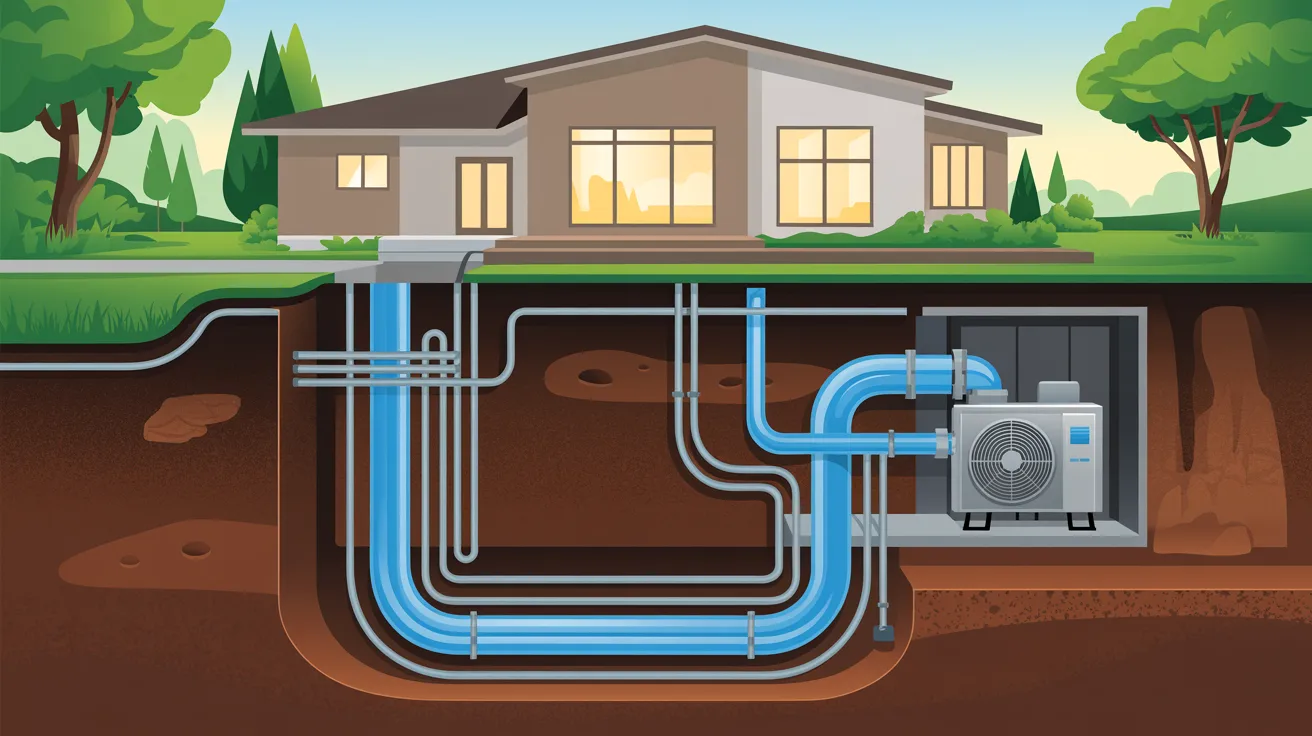
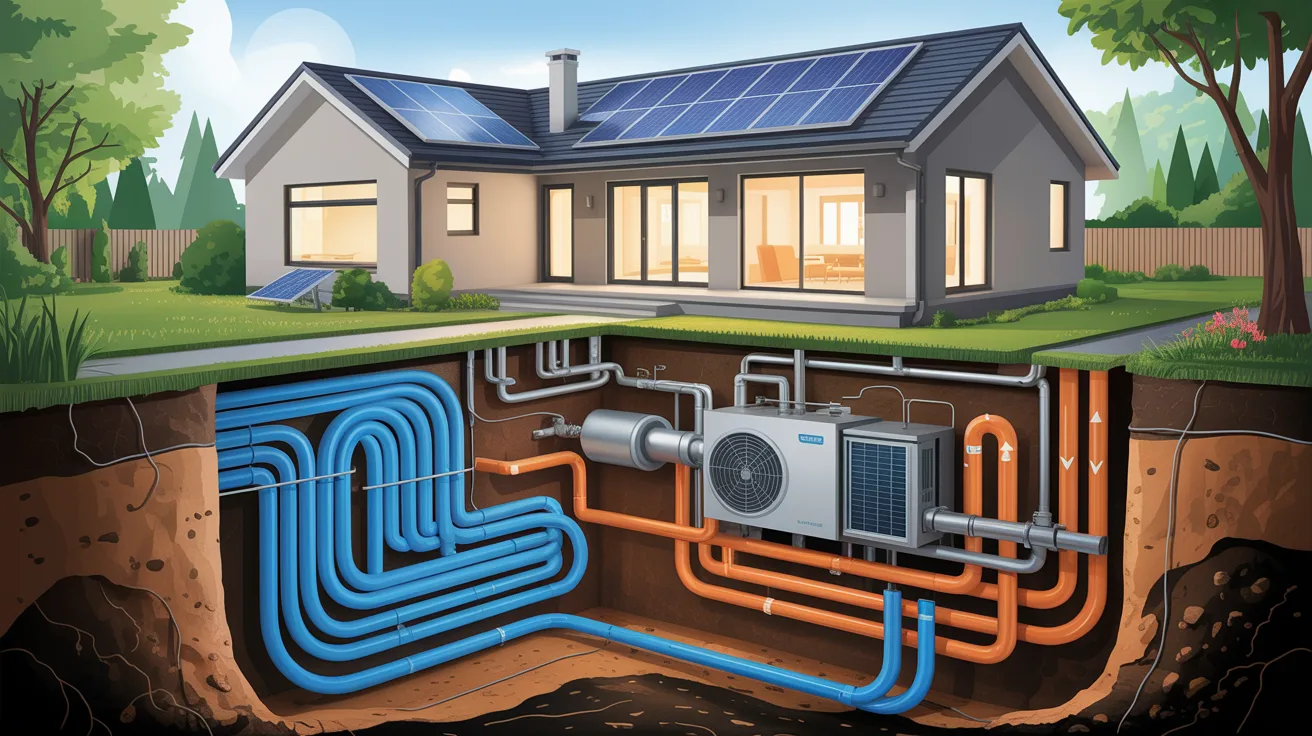
A geothermal heating system pulls natural heat from the ground beneath your home and moves it indoors using a loop of buried pipes and a heat pump.
The ground stays at a steady temperature all year, which makes this process reliable in every season. In summer, the system runs in reverse and pushes heat out of your home to cool it down.
Since it moves existing heat instead of burning fuel to create it, it delivers three to five units of energy for every one unit of electricity it uses.
That means lower bills and less energy waste compared to a standard furnace or electric heater.
Main Components of a Geothermal System
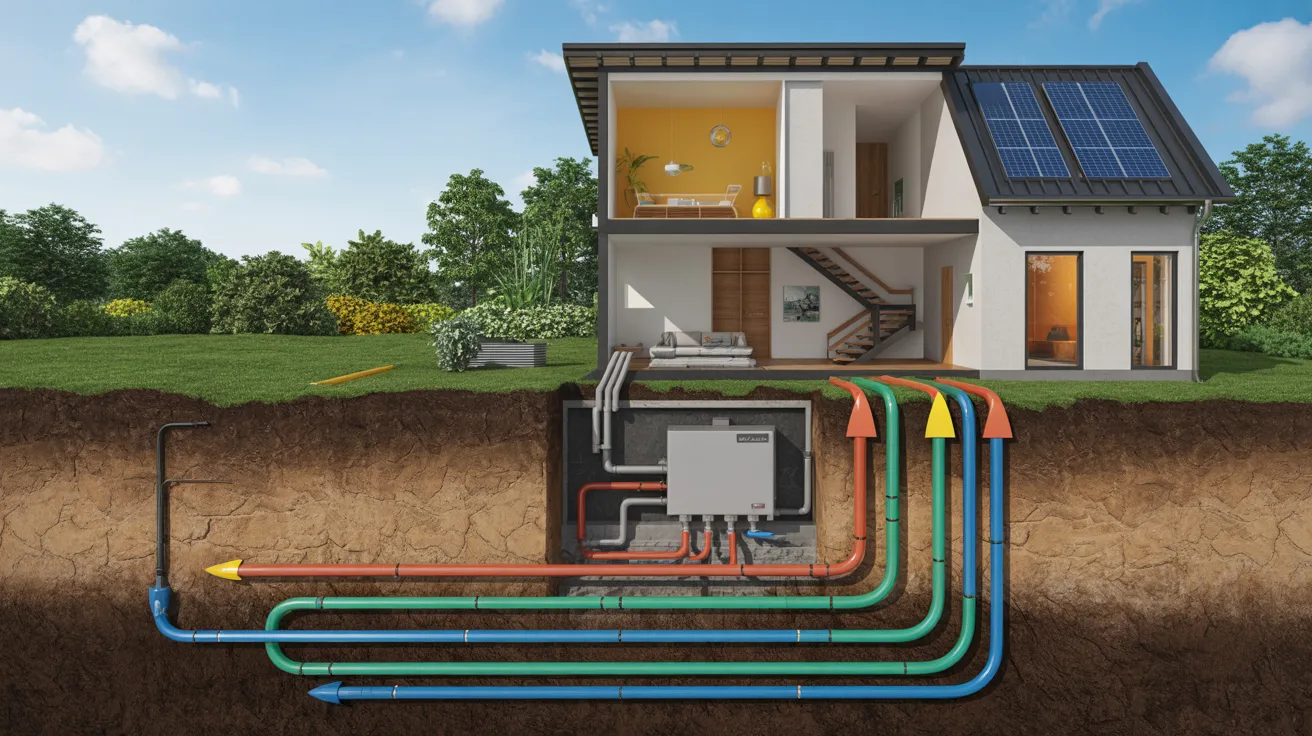
A geothermal system has three main parts that work together to heat and cool your home using energy stored underground.
Ground Loops
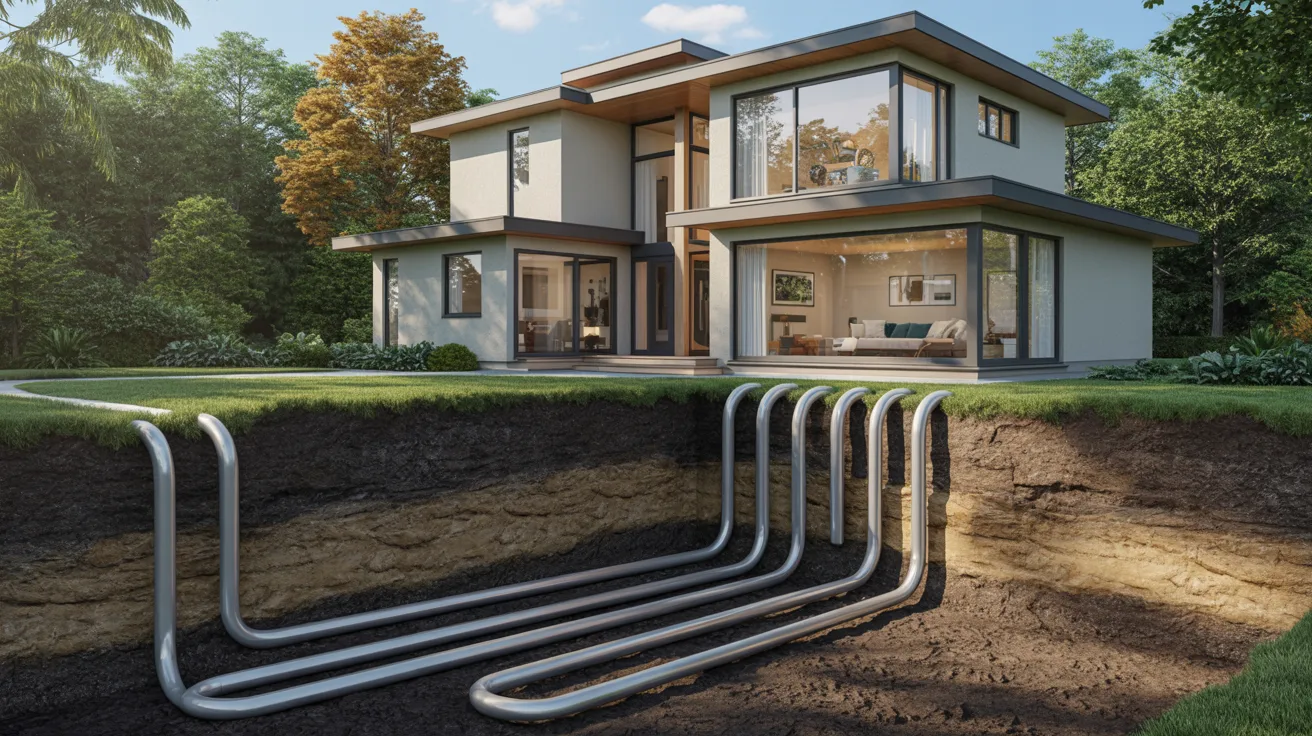
This is a network of pipes buried in the ground near your home. The pipes carry a water-based fluid that absorbs heat from the earth in winter and releases heat back into the ground in summer.
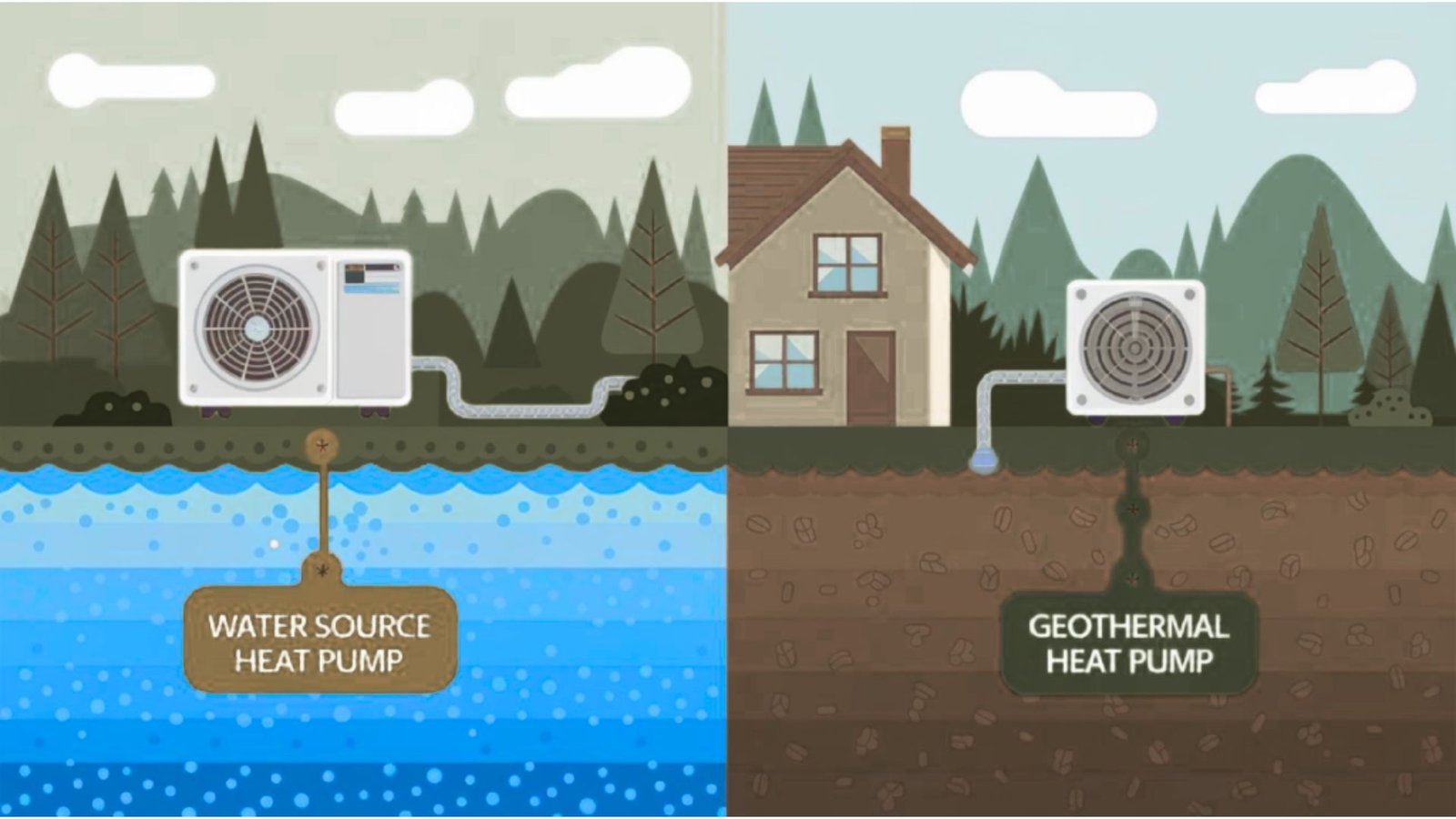
You can install them horizontally in trenches, vertically in drilled boreholes, or submerged in a nearby pond.
The right setup depends on your land size and local soil conditions.
Geothermal Heat Pump
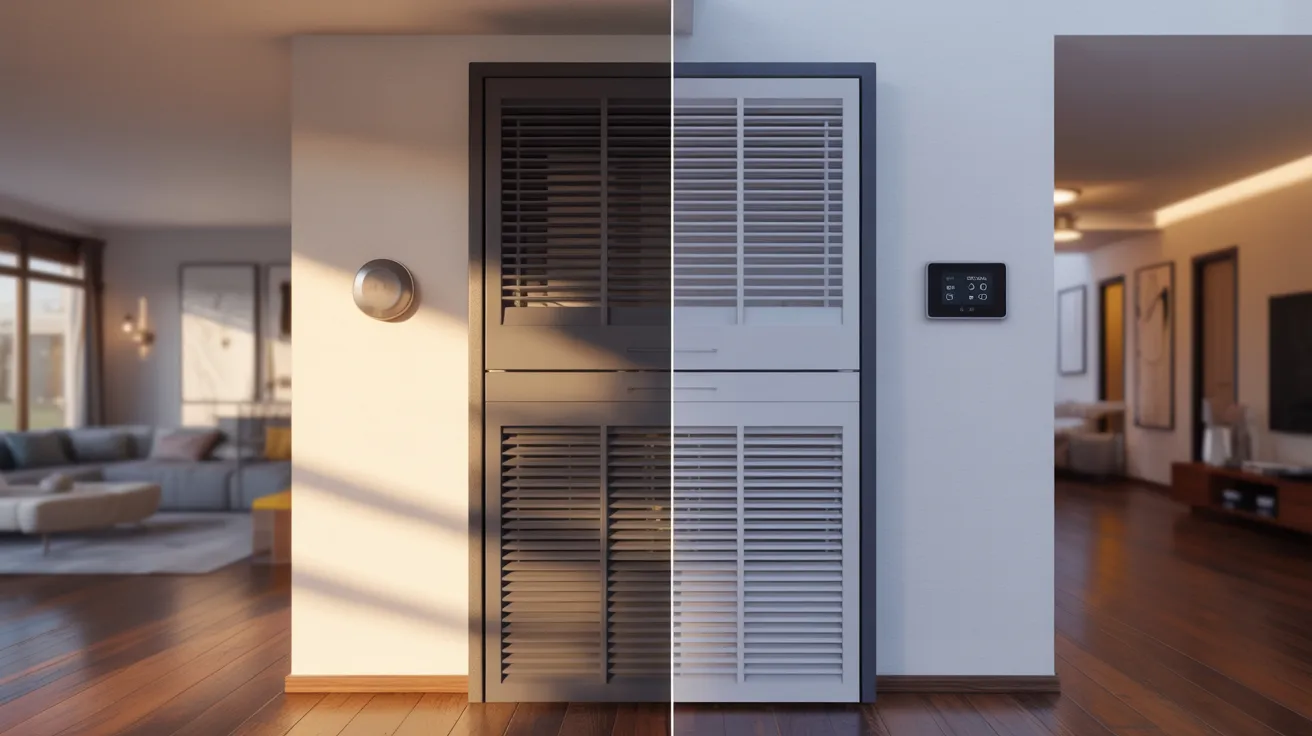
This unit sits inside your home and does the heavy lifting. It pulls the heat collected by the ground loop and concentrates it for use indoors.
In summer, it runs the process in reverse, pulling heat out of your home and sending it back underground. It runs on electricity, but it moves heat rather than creating it, which makes it far more efficient than a traditional furnace or AC unit.
Air Handling System
This is the indoor side of the setup. Once the heat pump processes the heat, the air handling system distributes it through your home using ductwork or a radiant system.
It works just like a standard forced-air system, so in most cases it connects directly to existing ducts.
Types of Geothermal Heating Installation
Choosing the right installation type can make or break your geothermal system. Here is a quick look at the two most common options.
Vertical Loop Installation
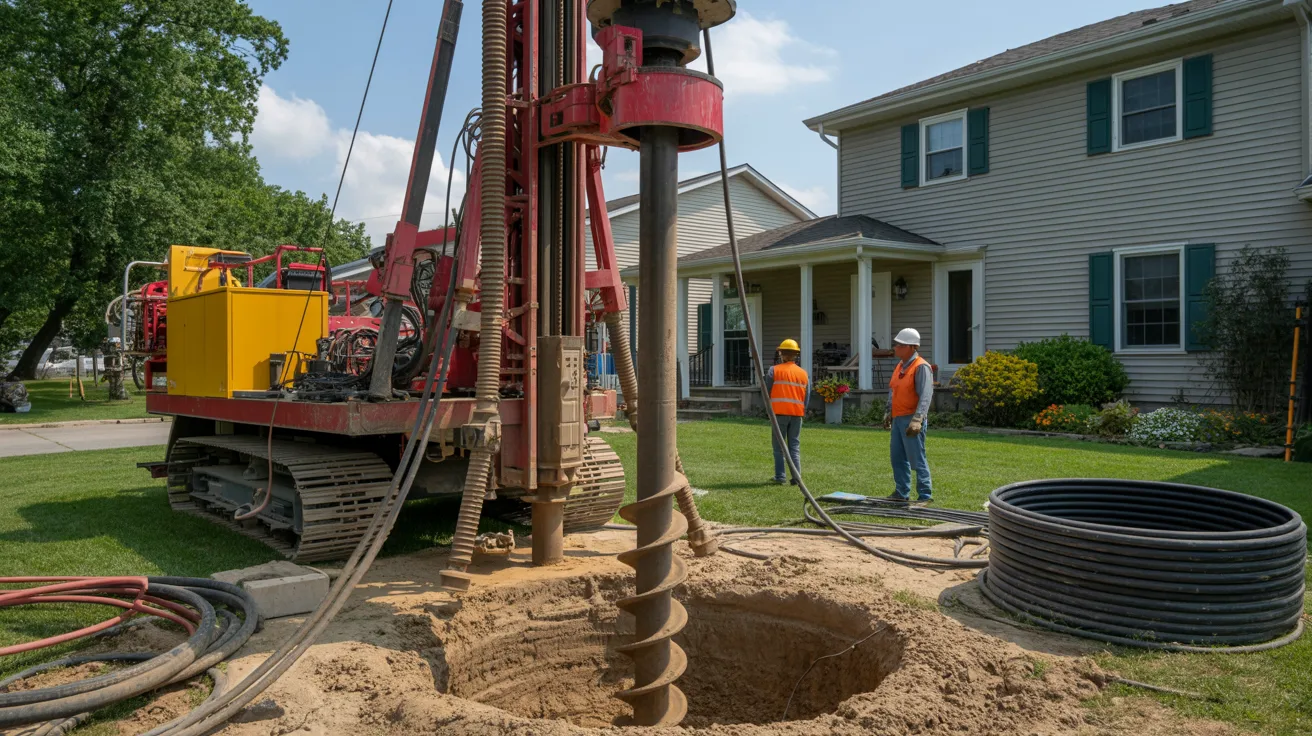
This method works by drilling deep boreholes straight down into the ground, usually between 100 and 400 feet deep. Pipes are inserted into these holes, and a fluid inside them absorbs heat from the stable temperatures found far below the surface.
Vertical loops are a solid pick when you do not have a lot of land to work with. Urban homes and smaller properties use this setup often because it takes up very little yard space.
The drilling process does cost more upfront compared to other methods. But the energy performance tends to stay consistent year-round since deep ground temperatures barely change with the seasons.
Horizontal Loop Installation
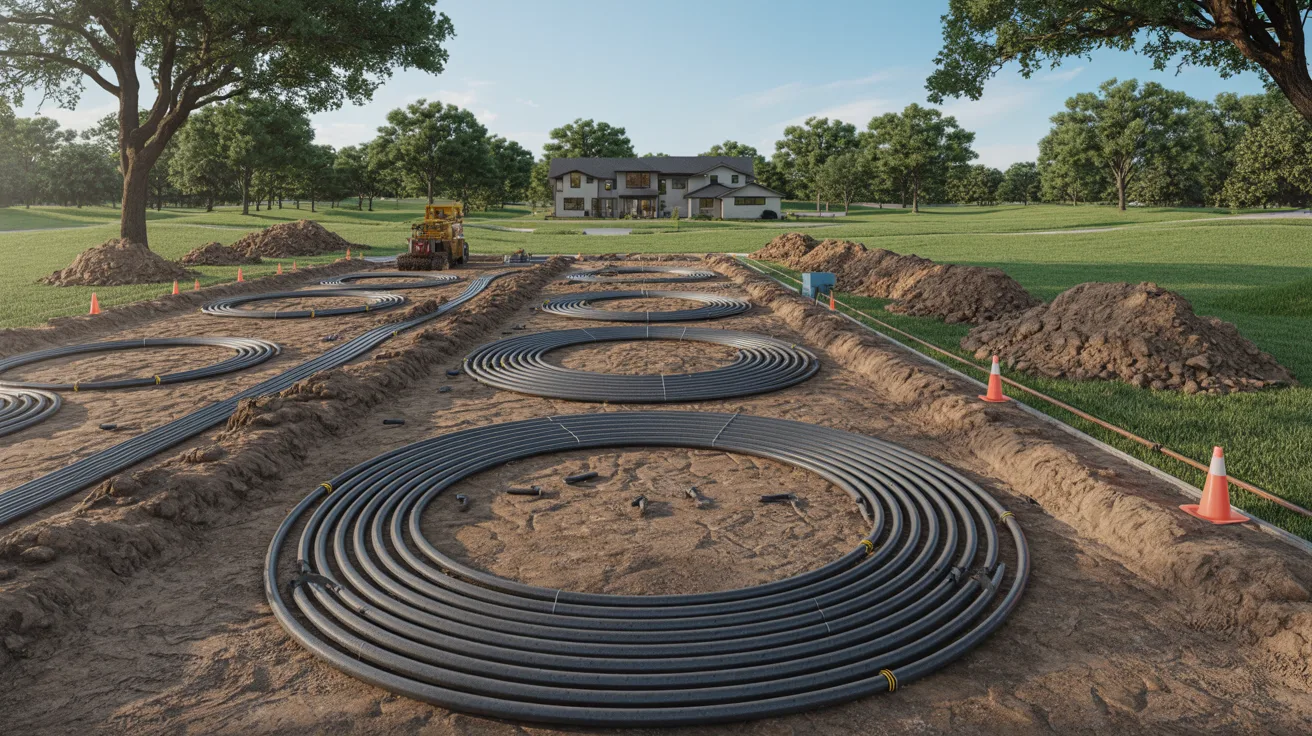
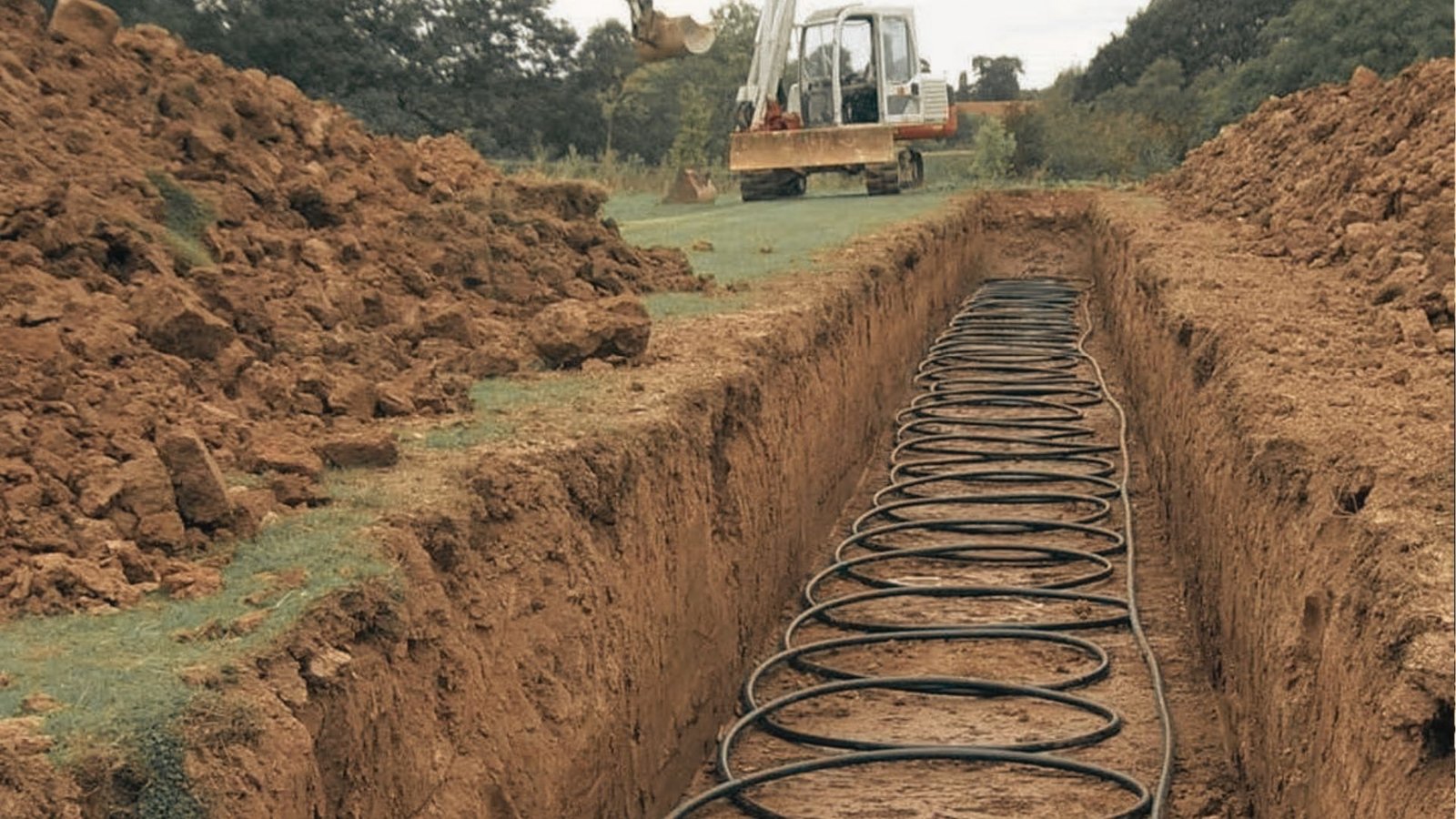
With horizontal installation, trenches are dug across your yard at a depth of around four to six feet. Pipes are laid in these trenches in a looped pattern before being covered back up.
This option is generally cheaper to install since trenching equipment costs less than deep drilling. You will need a decent amount of open land for this to work well.
It is a popular choice for rural homes and new builds where yard space is not an issue.
Step-by-Step Geothermal Heating Installation Process
Getting geothermal heating installed is not something you do over a weekend. It takes planning, groundwork, and the right team. Here is how the process typically goes from start to finish.
System Design and Home Analysis
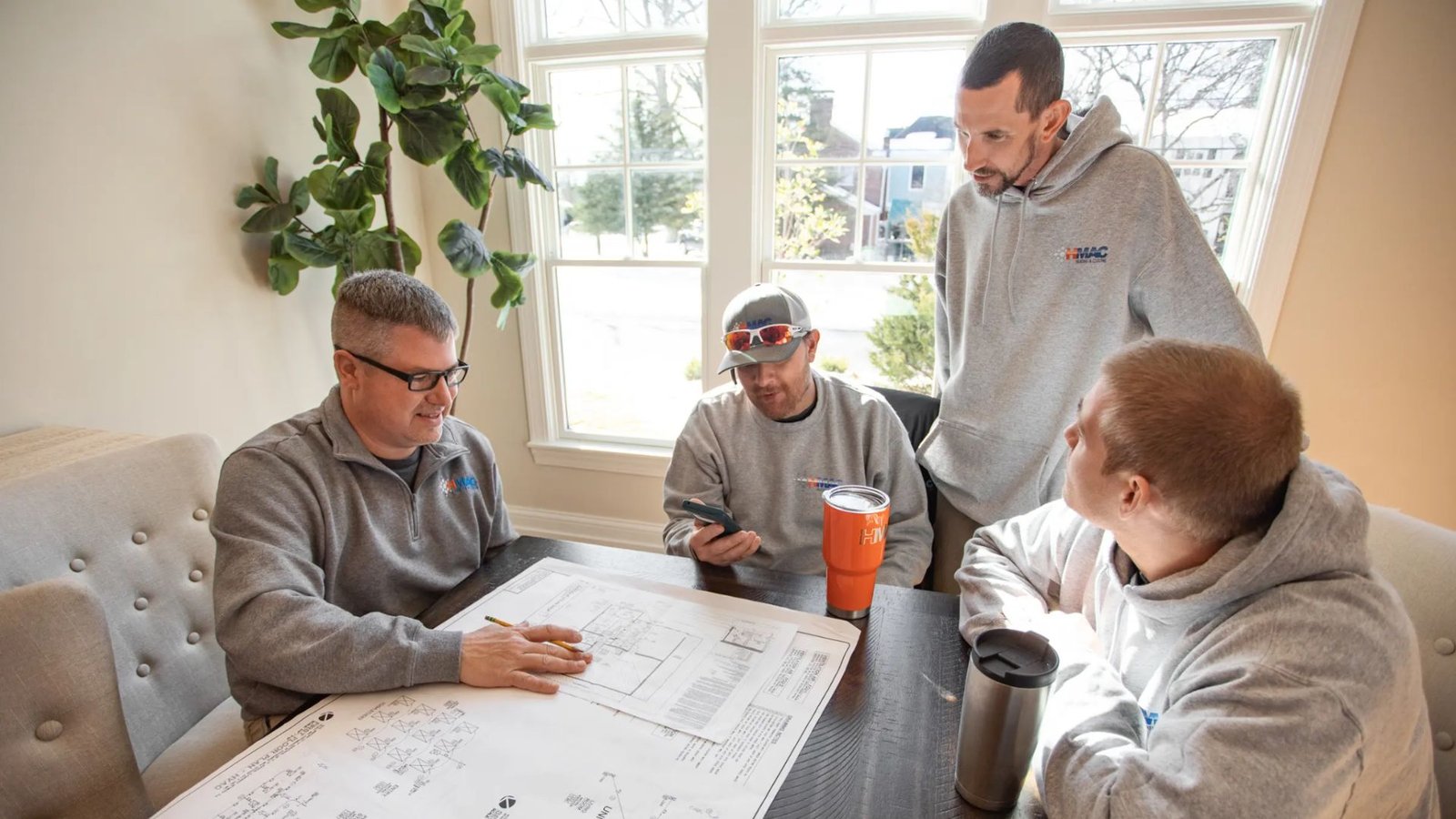
Before anything gets dug up or installed, a contractor will assess your home. This step matters more than most people realize.
They look at your home’s square footage, insulation levels, existing ductwork, and heating and cooling load. All of this helps them figure out the right system size for your space.
A system that is too small will struggle to keep up. One that is too large wastes money. Getting this part right saves you from problems down the road.
They also check your land. The size of your yard, soil type, and local geology all affect which type of ground loop will work best for your property.
Ground Loop Installation
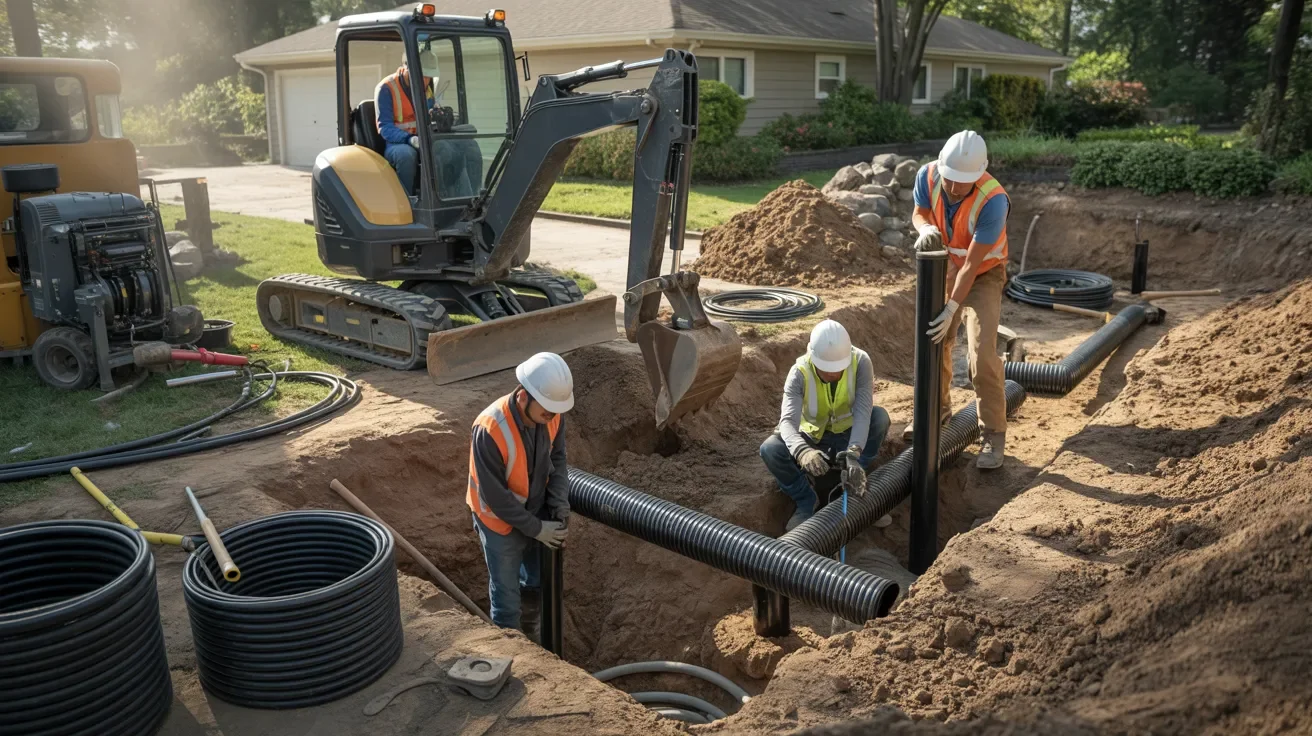
This is the most labor-intensive part of the whole project.
Crews will either dig trenches across your yard or drill vertical boreholes, depending on the space available. Horizontal loops need more land. Vertical loops go deeper and work well on smaller plots.
Pipes are laid into the ground and connected to form a closed loop. A water and antifreeze mix circulates through these pipes, pulling heat from the earth and sending it into your home.
The ground is then backfilled, and your yard gets restored as much as possible.
Heat Pump Setup and Testing
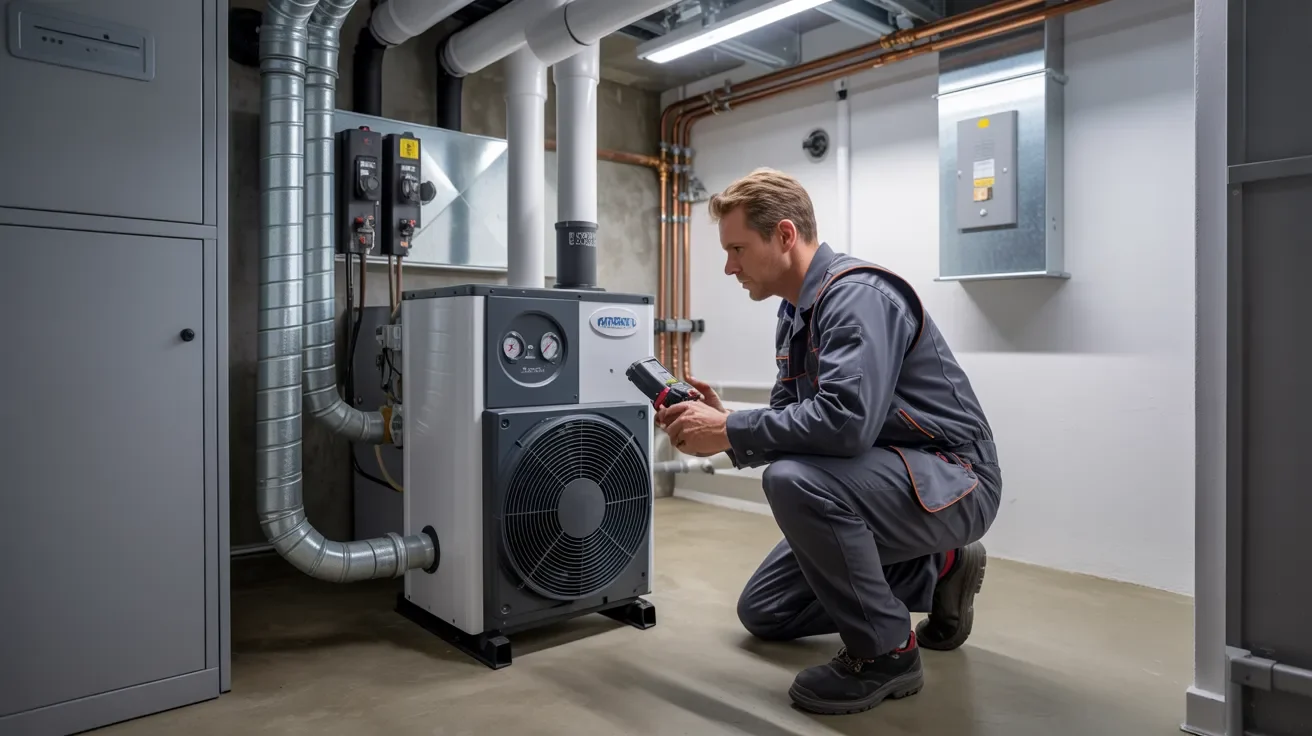
Once the ground loops are in place, the indoor heat pump unit gets connected. This unit pulls heat from the loop fluid and distributes it through your ductwork or radiant floor system.
After installation, the technician runs a full system test. They check refrigerant levels, fluid pressure, thermostat settings, and airflow. Any issues get fixed before the job is called complete.
Most installs take two to five days from start to finish, depending on loop type and home size.
How Long Does a Geothermal System Last?
Geothermal systems are known for their long lifespan and reliability. The underground loop system can last over 50 years, while the indoor heat pump usually runs efficiently for 20 to 25 years.
Since most of the system is protected underground with few moving parts, there is less wear and fewer breakdowns compared to traditional HVAC systems. Regular maintenance helps keep it running smoothly for decades.
How Much Does Geothermal Heating Installation Cost?
Geothermal heating costs more upfront, but the long-term savings make it worth a closer look.
Average Installation Cost
Most homeowners spend between $10,000 and $30,000 for a full geothermal system. The average falls around $12,000 to $20,000, depending on home size and system type.
A few things drive the cost up or down:
System type: Closed-loop systems are the most common, ranging from $10,000 to $25,000. Open-loop systems can cost less if your property has a reliable water source.
Loop installation: This is the biggest expense. Vertical loops require drilling, which can cost $15 to $40 per foot.
Home size: Bigger homes need larger systems, which means more materials and labor.
The upfront cost is high, but most systems pay for themselves within 5 to 10 years.
Tax Credits and Energy Savings
The federal tax credit covers 30% of your total installation cost, which can save you thousands right away.
Many states also offer extra rebates on top of that.
On the savings side, geothermal systems cut energy bills by 30% to 70% compared to traditional HVAC. Over 20 years, that can add up to $15,000 or more in savings.
The numbers make a strong case for it.
Is Geothermal Heating Right for Your Home?
Geothermal heating pulls warmth from the ground to heat your home. It is efficient and reliable, but not the right fit for everyone.
Your lot size, soil type, and budget all matter here. Upfront costs are higher than a regular HVAC system, but lower energy bills help you break even within 5 to 10 years.
Ground temperature stays steady year-round, so these systems work well in most climates. Larger properties can use horizontal loops, while smaller lots may need vertical drilling.
Get a certified installer to assess your space before deciding. That is the best way to know if it is worth it for your home.
Conclusion
Geothermal heating is one of those investments I genuinely think pays off over time, not just in savings but in peace of mind.
Once you stop worrying about rising energy bills, it feels like a weight off your shoulders.
If you are thinking about making the switch, start by talking to a local installer. You might be surprised at what is possible for your home.
Have you looked into geothermal heating before? Drop your thoughts in the comments. I would love to hear what you are considering.
Frequently asked questions
How does geothermal heating actually work?
It pulls heat from the ground through buried loops and moves it into your home using a heat pump.
Is geothermal heating worth the high upfront cost?
Yes, most homeowners recover the cost through lower energy bills within 5 to 10 years.
Can geothermal systems work in cold climates?
Absolutely, ground temperature stays stable year-round, so cold weather above ground does not affect performance.
How much land do I need for a geothermal system?
It depends on the loop type, but even smaller lots can work with a vertical drilling setup.
How long does a geothermal system last?
The indoor unit typically lasts around 20 to 25 years, and the ground loops can last over 50 years.