Picking the right thermostat can feel confusing, especially when terms like “single stage” and “two stage” get thrown around.
I have spent time researching and testing both types, and I am here to make this simple for you.
In this article, I will break down exactly how each thermostat works, how they differ, and which one fits your home best. You will also learn how each type affects your energy bills and comfort levels.
No complicated technical jargon. Just clear, honest information you can actually use.
By the end, you will know precisely what to look for before making your next thermostat decision.
What Is a Single Stage Thermostat?
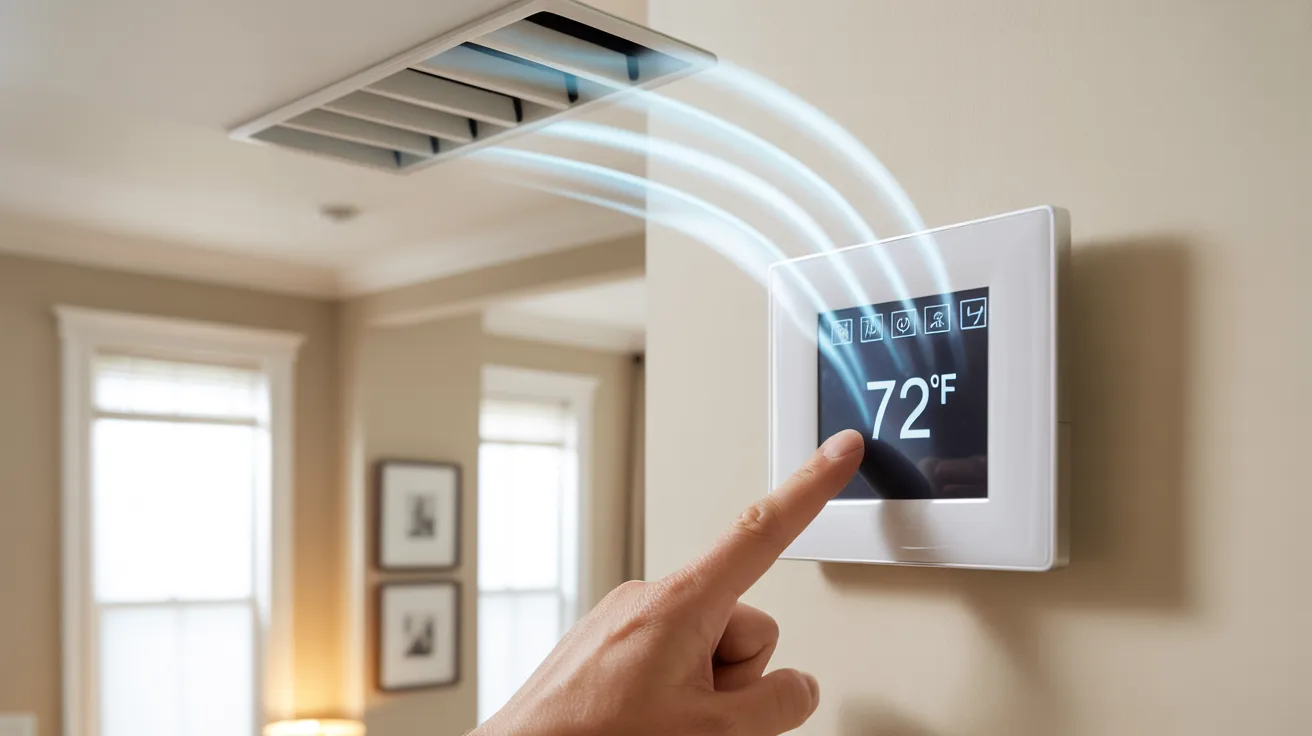
A single stage thermostat controls your heating or cooling system in one simple way: it’s either fully on or fully off. There’s no middle ground, no partial output.
How It Works
The thermostat reads the room temperature and compares it to your set point. Once the temperature drops below (or rises above) that point, it sends a signal to your HVAC system to turn on at full power.
It runs until the room hits the target temp. Then it shuts off completely.
That’s the whole cycle. On. Off. Repeat.
Most older homes still use this setup. It works with a basic two-wire system and connects to standard heating and cooling equipment without any complicated wiring.
Pros and Cons
Pros:
- Very affordable to buy and install
- Works with most older HVAC systems
- Simple to replace if something goes wrong
- Easy for any HVAC tech to service
Cons:
- Can cause temperature swings in the room
- Runs at full blast every single time, which uses more energy
- Not ideal for larger homes where even heating matters
- Less control over comfort compared to multi-stage options
What Is a Two-Stage Thermostat?
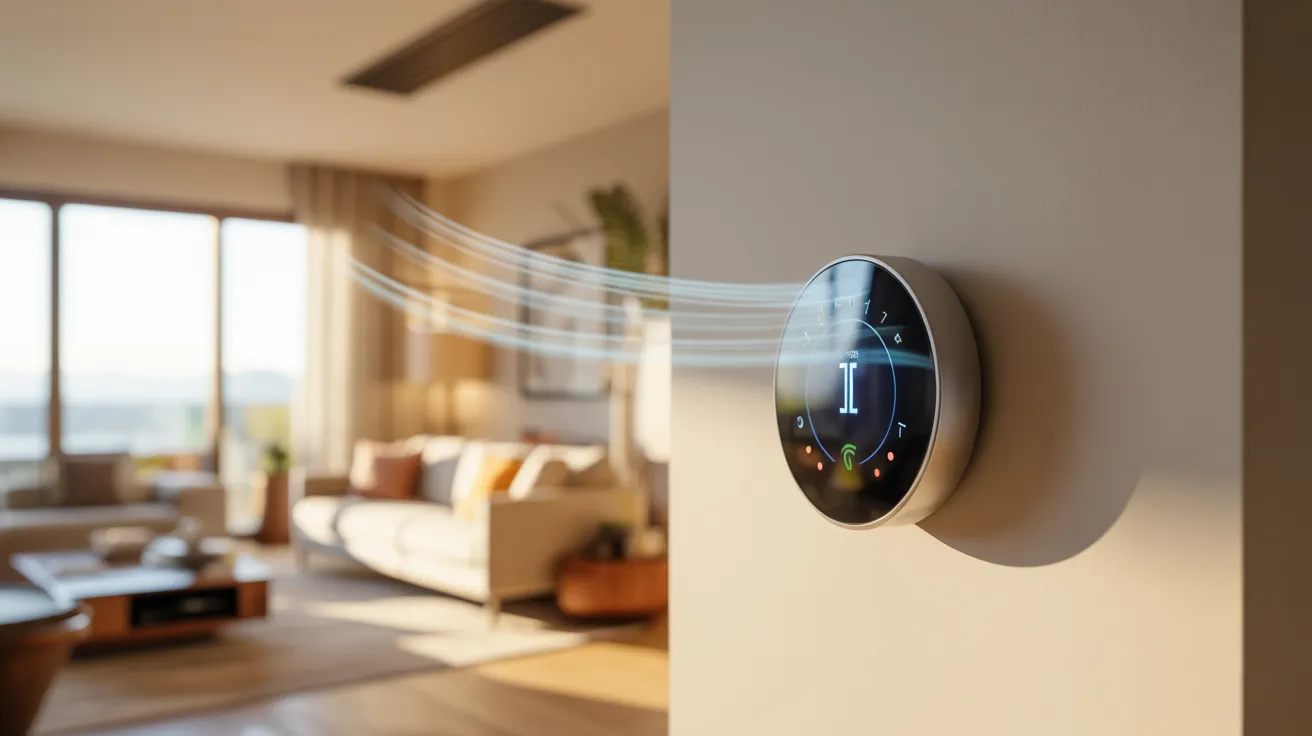
A two-stage thermostat gives your heating and cooling system two levels of operation instead of just one.
How It Works
A regular thermostat only knows two modes: fully on or fully off. A two-stage thermostat adds a middle setting.
On mild days, it runs at the first stage, which is around 65–70% capacity. This keeps your home comfortable without going full power. When the temperature drops sharply or the demand is higher, it kicks into the second stage and runs at 100%.
The system checks the indoor temperature and decides which stage fits the moment. It does not jump straight to maximum every time. That means fewer hard starts and more consistent temperatures across your home.
Pros and Cons
Pros:
- Runs at lower capacity most of the time, so energy bills tend to drop
- Fewer temperature swings since it adjusts gradually
- Quieter operation during the first stage
- Longer equipment life because it avoids constant on/off cycling
Cons:
- Costs more upfront than a single-stage thermostat
- Requires a compatible two-stage heating or cooling system
- Installation can be more involved and may need a pro
- Savings depend on your climate and how often you run your system
Single-Stage vs Two-Stage Thermostat
Choosing the right thermostat type can change how your home feels and what you pay each month.
|
Factor |
Single-Stage Thermostat |
Two-Stage Thermostat |
|
Energy Efficiency |
Runs at full power every cycle, leading to more energy waste from constant hard starts and stops |
Runs at a lower setting most of the time, reducing energy waste and cutting yearly heating/cooling costs |
|
Comfort and Temperature Control |
Causes noticeable temperature swings as the room overshoots before the system kicks back on |
Keeps temperatures more consistent with longer, steadier low-stage operation |
|
Upfront Cost |
Lower upfront cost, making it budget-friendly to install |
Higher installation cost, but worth it for long-term savings |
|
Maintenance |
Fewer parts, so repairs are simpler and cheaper |
More components, but gentler cycling puts less strain on equipment overall |
|
Longevity |
More wear over time due to hard on/off cycling |
Tends to last longer because it does not push the system to full capacity every time |
|
Humidity Control |
Shorter cycles mean less moisture pulled from the air |
Longer low-stage runs remove more humidity, keeping indoor air more comfortable in summer |
|
Noise Levels |
Fires up at full blast every cycle, which can be disruptive in a quiet home |
Runs quietly during low-stage operation, making it a better fit for noise-sensitive spaces |
Which Thermostat Is Best for Your Home?
Picking the right thermostat is not as simple as grabbing the cheapest one off the shelf. The size of your home, your daily routine, and your budget all play a role in what works best.
A small apartment has very different needs than a four-bedroom house.
Below, I break it down by home size and budget so you can make a clear, informed choice.
Best for Small Homes and Tight Budgets
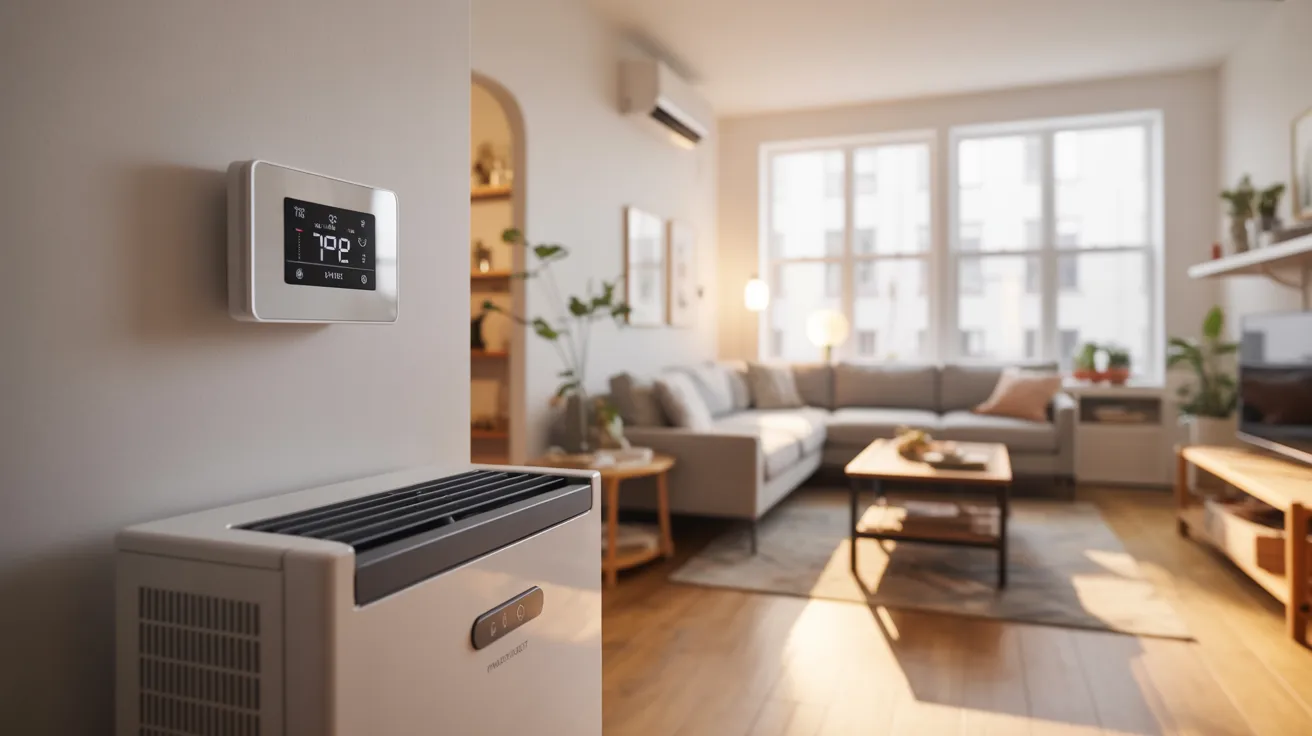
If you are working with limited square footage or a smaller budget, you do not need to spend a lot to get reliable temperature control.
A basic programmable thermostat does the job well. You can set schedules, avoid heating or cooling an empty home, and keep your energy bill in check.
Look for models in the $20 to $50 range. They are easy to install, simple to use, and do not require a subscription or app.
Best for Larger Homes and Better Comfort
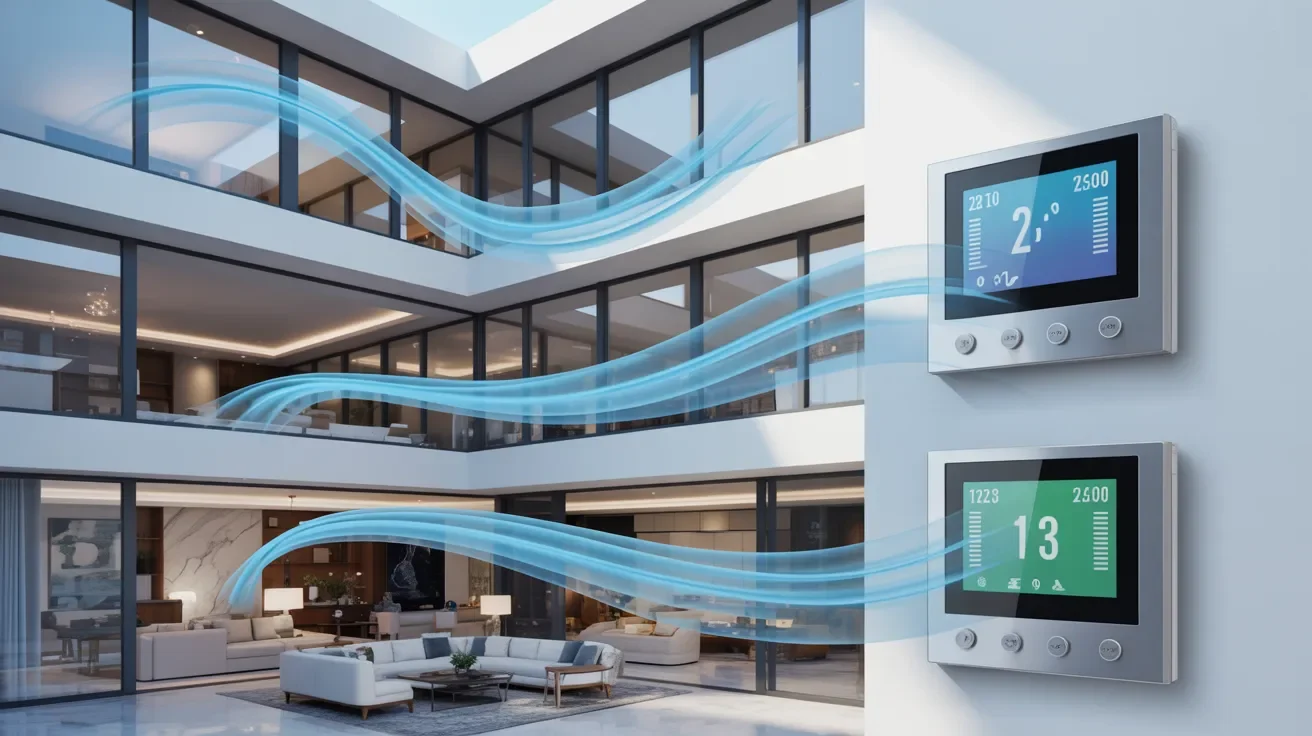
Larger homes need more from a thermostat. A smart thermostat with zoning support or multi-room sensors gives you better control over which areas stay warm or cool.
Brands like Ecobee or Google Nest work well here. They learn your schedule, adjust automatically, and can cut energy costs over time.
How to Choose the Right Thermostat
Picking the right thermostat can save you money and keep your home comfortable all year long.
HVAC Compatibility
Before you buy a thermostat, you need to know what type of HVAC system you have. Not every thermostat works with every system.
Some homes run on a single-stage furnace, while others use heat pumps, multi-stage systems, or radiant heating. Installing the wrong thermostat can cause your system to malfunction or not work at all.
Check the wiring in your current thermostat. Most smart and programmable thermostats need a common wire (C-wire) to power up properly. If your home does not have one, you may need an adapter or a different model.
Always check the product compatibility list before purchasing. Most brands let you enter your system details on their website to confirm it will work.
Climate and Energy Needs
Where you live plays a big role in which thermostat makes sense for you. If you are in a place with harsh winters or hot summers, you need a thermostat that handles wide temperature swings well.
Think about how often people are home. A programmable thermostat works well if your schedule is consistent.
A smart thermostat is better if your routine changes often, since it can adjust automatically based on your habits.
Also look at your energy bills. If they are high, a thermostat with energy tracking and scheduling features can help you cut costs over time without sacrificing comfort.
Conclusion
When I first heard the terms single stage thermostat vs two stage, I had no idea what either meant.
After digging into it, the difference became crystal clear and it genuinely helped me make a smarter choice for my home.
Now you have the same knowledge. Look at your HVAC system, think about your climate, and pick what works for your budget and comfort.
Have questions about single stage thermostat vs two stage? Drop them in the comments below. I would love to hear what you decide!
Frequently asked questions
What is the main difference between a single stage and two stage thermostat?
A single stage thermostat runs your system at full power only, while a two stage thermostat can run it at low or high power depending on the need.
Which thermostat is better for saving energy?
A two stage thermostat is generally more energy efficient because it runs on low power most of the time and only kicks into high gear when needed.
Can I replace a single stage thermostat with a two stage thermostat?
Only if your HVAC system supports two stage operation, so check your system specs before making any changes.
Is a two stage thermostat worth the extra cost?
If you live in an area with extreme temperatures and high energy bills, the long term savings usually make it worth it.
Do all HVAC systems work with a two stage thermostat?
No, only HVAC systems with two stage compressors or furnaces are compatible, so always verify your system type first.