
Planning a build without the right information is stressful. I have been there, and I know how overwhelming it can feel.
This guide makes it simple. I have spent time researching and testing what actually works so you do not have to figure it out alone.
Here you will learn how to choose the right location, pick the best materials, and <u>check your local building rules before you start.
These are practical steps that save you time, money, and headaches.
Let's get straight to it.
What is a Conservatory?
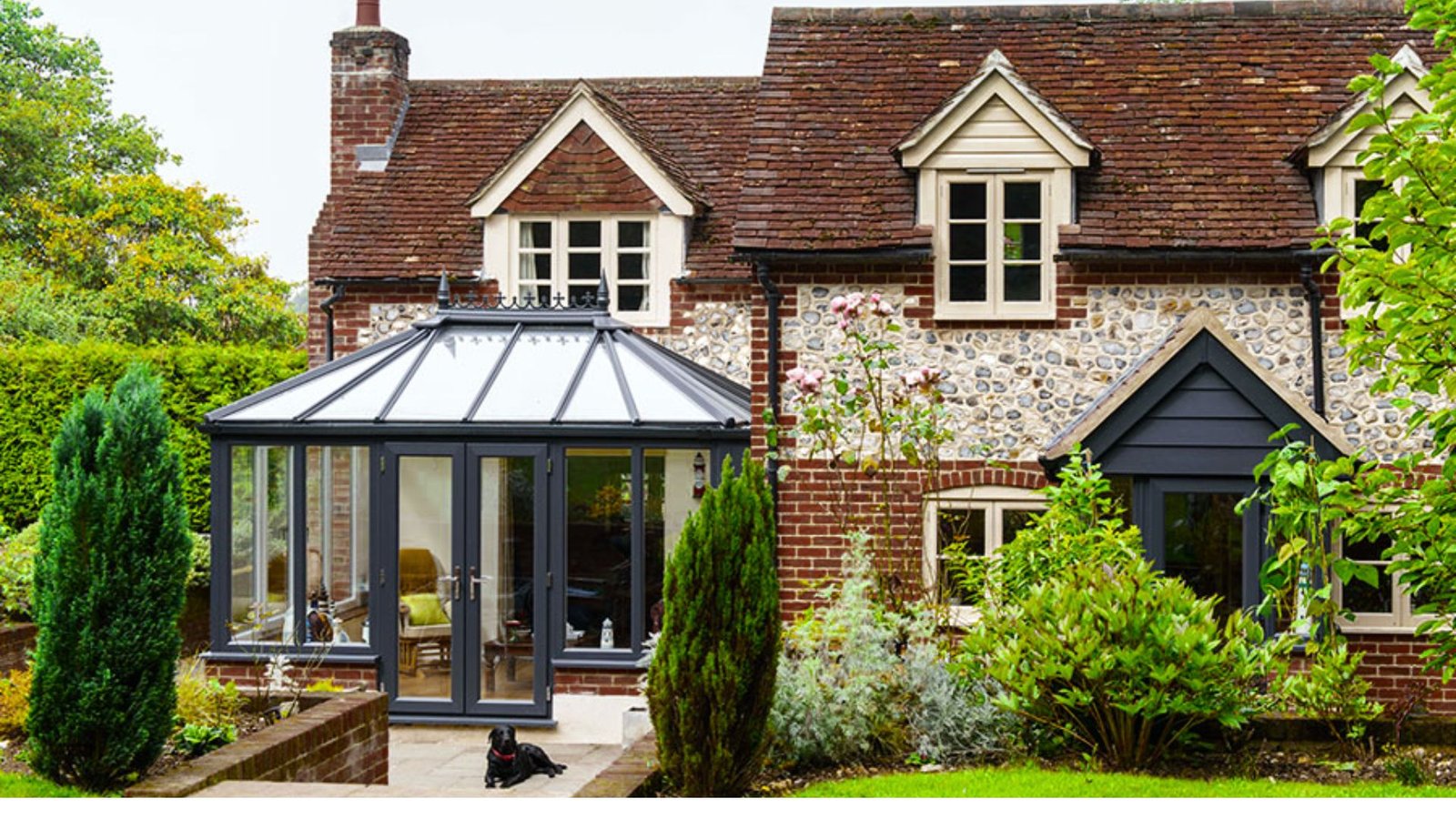
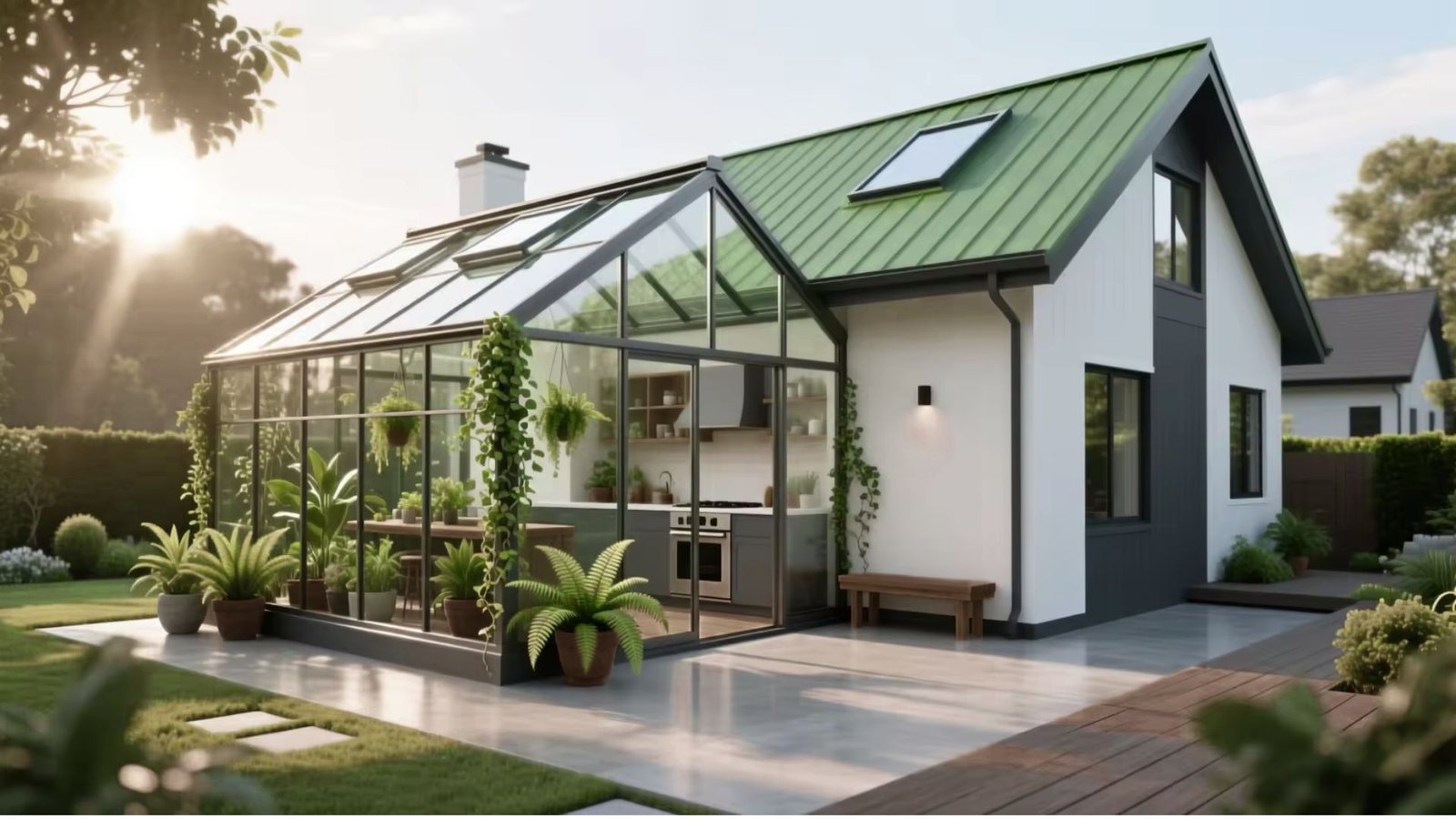
A conservatory is a glass-enclosed room attached to a house. It lets in natural light while giving you a sheltered space to enjoy the outdoors.
Originally built to protect exotic plants in cold weather, conservatories have shifted into everyday living spaces. People use them for reading, dining, working from home, or simply relaxing.
The structure features glass walls and a glass roof, often with insulation and heating for year-round use. They come in various sizes and styles to suit different homes and budgets.
A conservatory adds extra living space to your home and can also increase its overall value.
What is a Greenhouse?
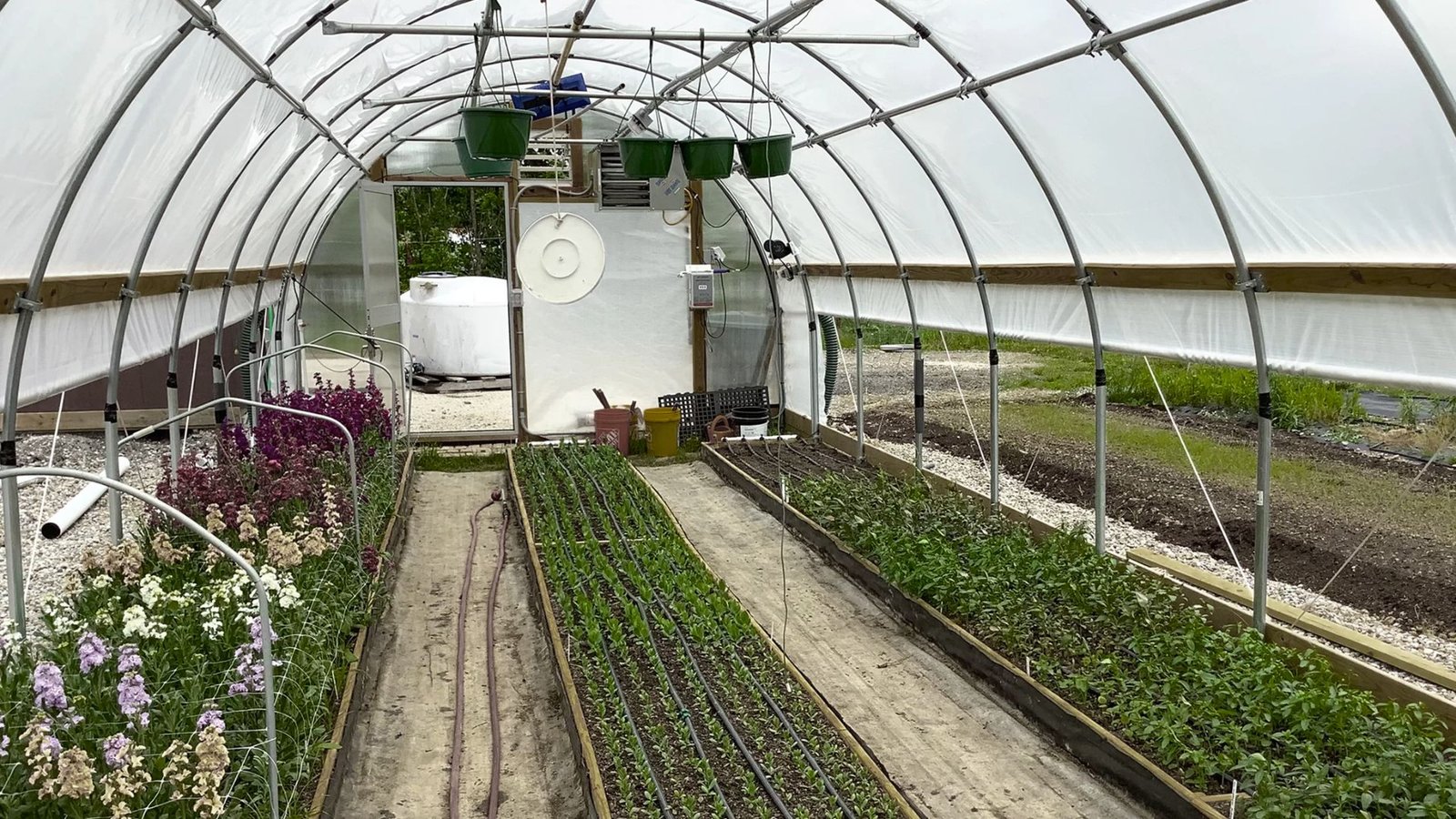
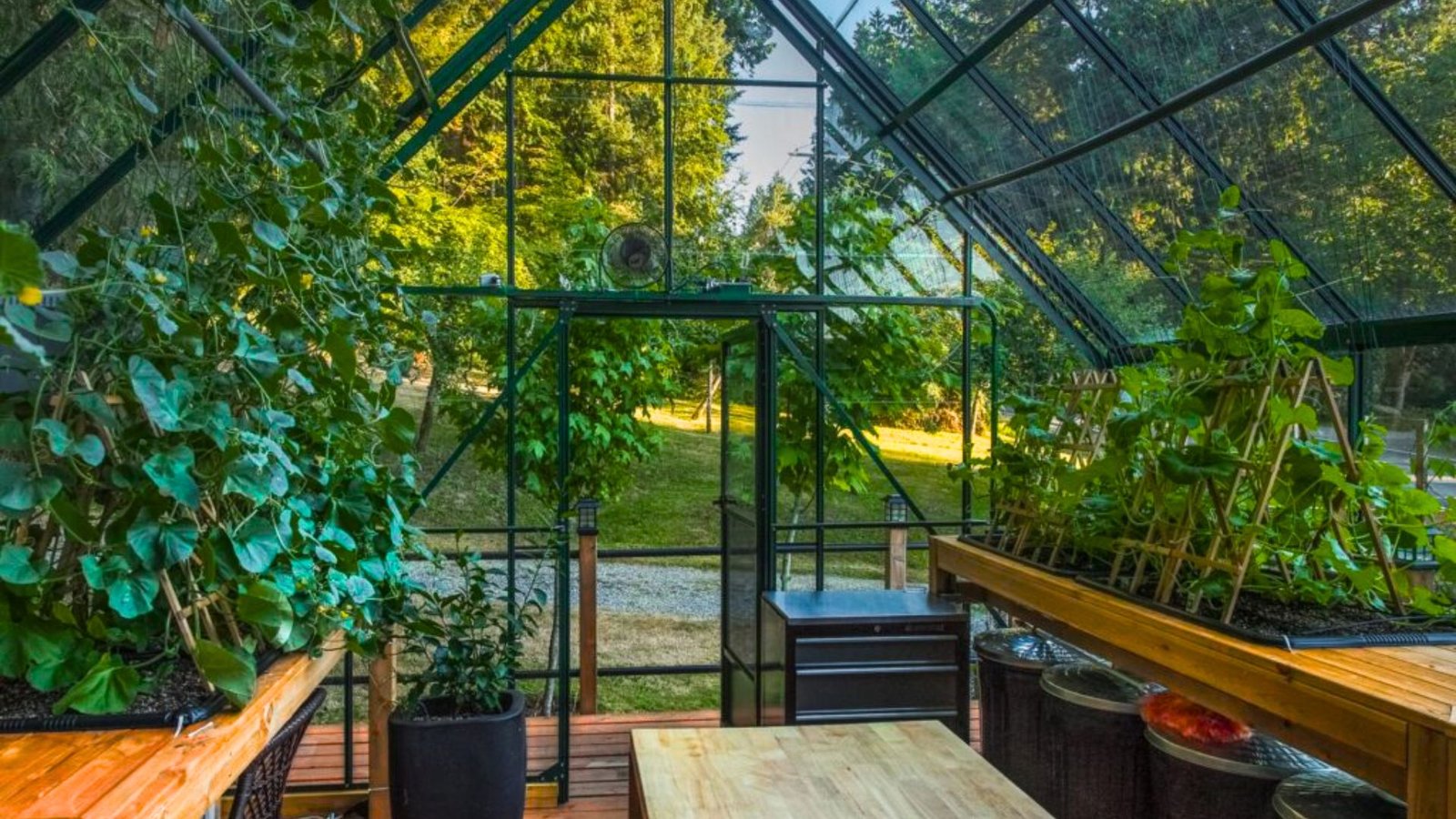
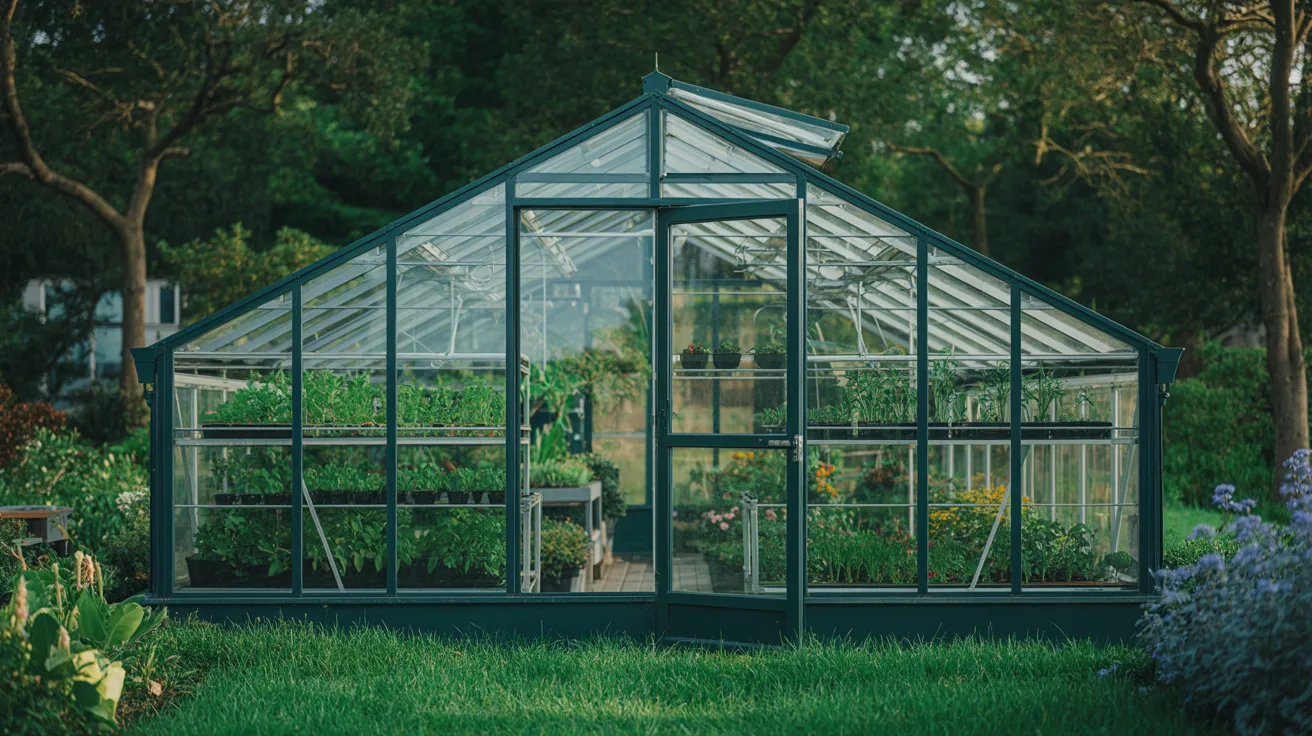
A greenhouse is a structure made of glass or plastic that creates a warm, controlled space for growing plants. It traps sunlight and heat, allowing crops to grow in any season or climate.
Inside, temperature, humidity, and light are kept at the right levels. This protects plants from frost, pests, and bad weather while helping them grow faster and healthier.
Greenhouses are used by home gardeners and large farms alike. They make it possible to grow fruits, vegetables, and flowers even in regions where the outdoor climate is not suitable.
Conservatory vs Greenhouse: Key Differences
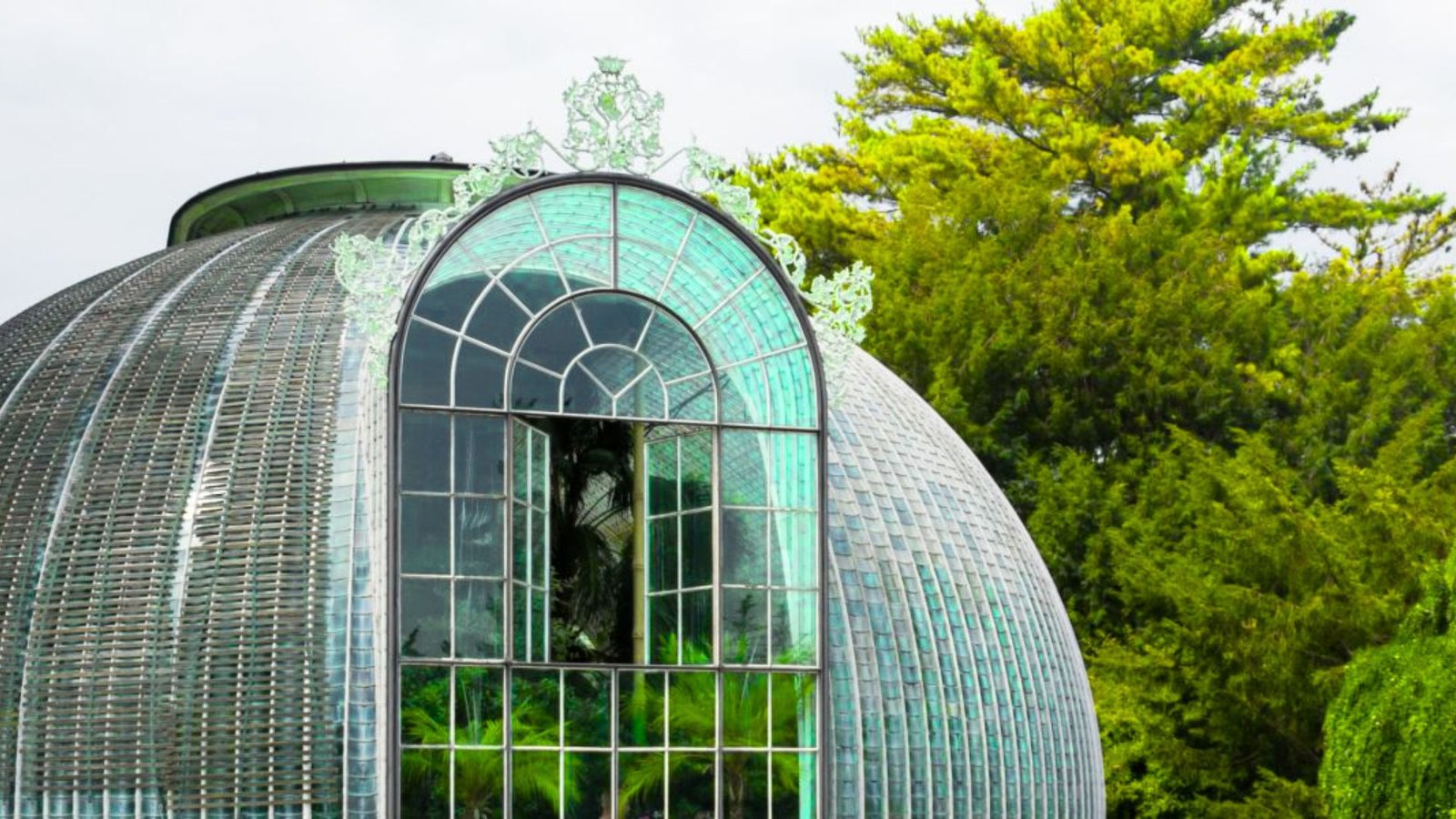
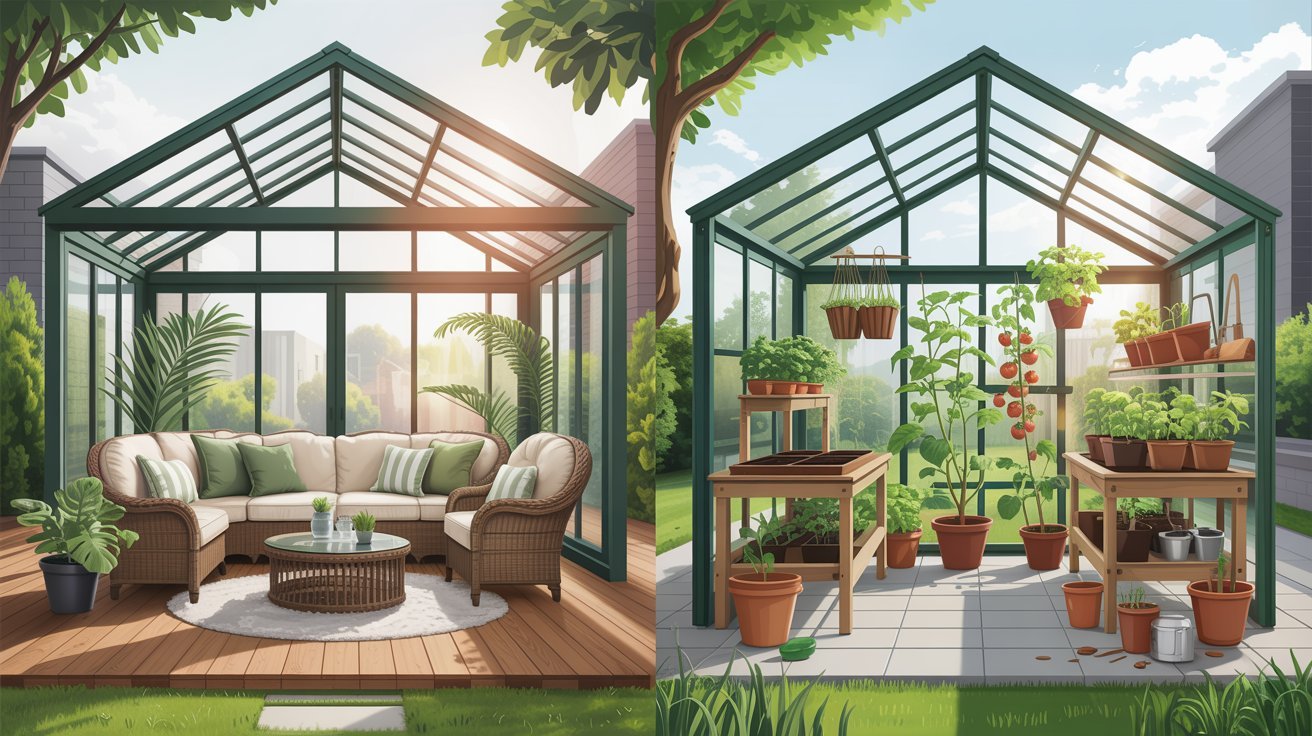
A conservatory is built for people, while a greenhouse is built for plants.
| Factor | Conservatory | Greenhouse |
| Purpose | Living and relaxing space | Growing plants year round |
| Design | Finished look, matches home | Simple, built for light and airflow |
| Plant Growing | Holds houseplants only | Built for serious growing |
| Climate Control | Uses home heating system | Needs separate heating and ventilation |
| Cost | Higher upfront cost | Cheaper to build |
| Maintenance | Less ongoing upkeep | Regular upkeep needed |
Conservatory vs Greenhouse vs Solarium
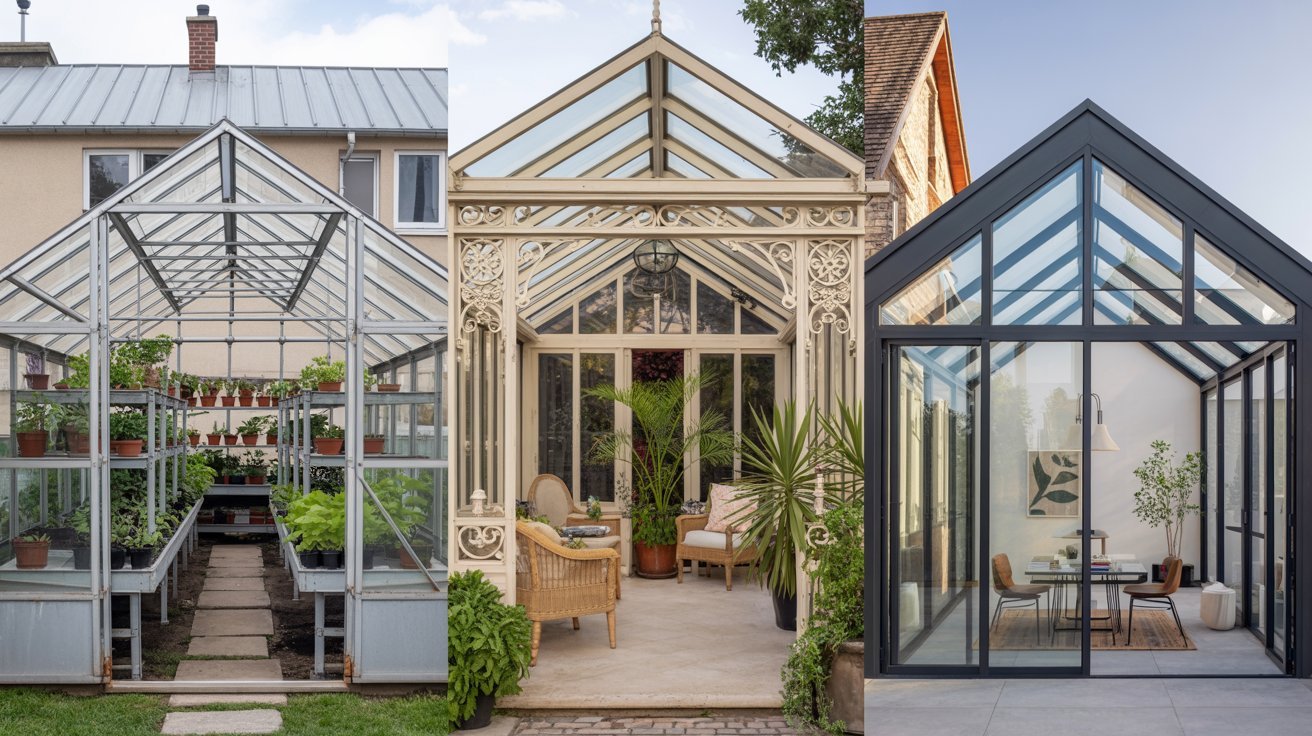
A quick guide to help you tell these three structures apart and pick the right one.
What Is a Solarium?
A solarium is a glass-enclosed room built for people, not plants. It is fully insulated, climate-controlled, and works like a regular living space with plenty of natural light.
Main Differences Explained
A greenhouse is built for growing plants in controlled heat and humidity.
A conservatory works for both plants and people. It sits between a greenhouse and a solarium in terms of comfort and design.
A solarium is fully insulated and built for year-round living. It feels like a proper room extension with glass walls and roof.
Which Option Is Best for Your Home?
Choose a greenhouse for plant growing. Pick a conservatory for a mix of greenery and living space. Go with a solarium for a fully comfortable, light-filled room.
Think about your budget, climate, and how you plan to use the space before deciding.
Orangery vs Conservatory vs Greenhouse
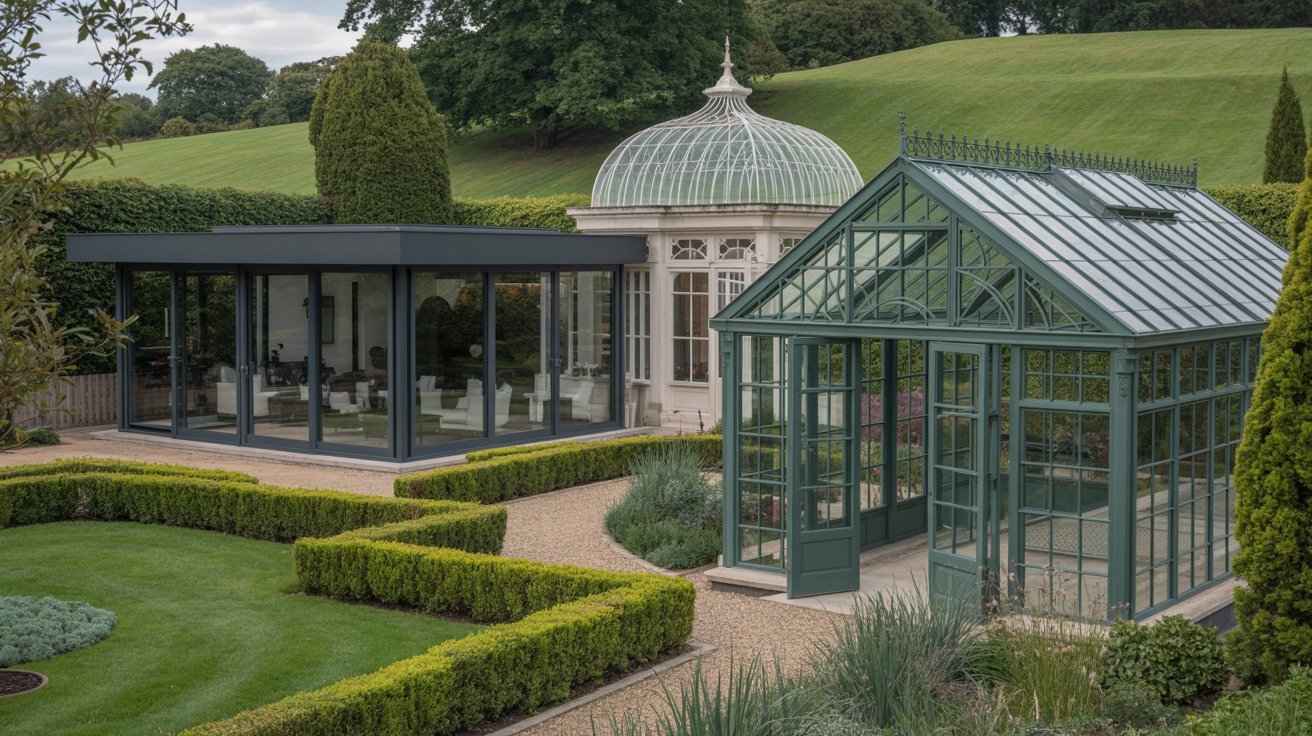
A simple breakdown of three popular garden structures to help you choose the right one for your home.
What Is an Orangery?
An orangery is a brick or stone extension with large windows and a part-glazed roof. Originally built to grow citrus trees, today it works as a dining room, lounge, or kitchen extension.
It holds heat better than a conservatory and feels more like a permanent room.
Which Structure Adds More Style and Value?
An orangery adds the most value. It looks like a proper extension and blends well with the main house.
A conservatory adds good living space and works well for families who want a bright, open room.
A greenhouse adds little resale value but serves a clear purpose for keen gardeners.
Best Choice for Modern Homes
A conservatory with slim frames and large glass panels suits modern builds well. It keeps the space open and bright.
An orangery adds bold character without looking out of place on solid, traditional homes.
A greenhouse works best in larger gardens, kept separate from the main house.
Think about how you plan to use the space before making your final choice.
Pros and Cons of Each Option
Compare the key pros and cons of conservatories, greenhouses, and solariums to find the best fit for your needs.
| Conservatory | Greenhouse | Solarium | |
| Best For | Extra living space | Growing plants | Sunlit lounge area |
| Pros | Adds home value, great natural light | Year-round growing, weather protection | Bright, open, comfortable feel |
| Cons | Can overheat, high build cost | Needs upkeep, limited other uses | Can overheat, costs more |
Which One Should You Choose?
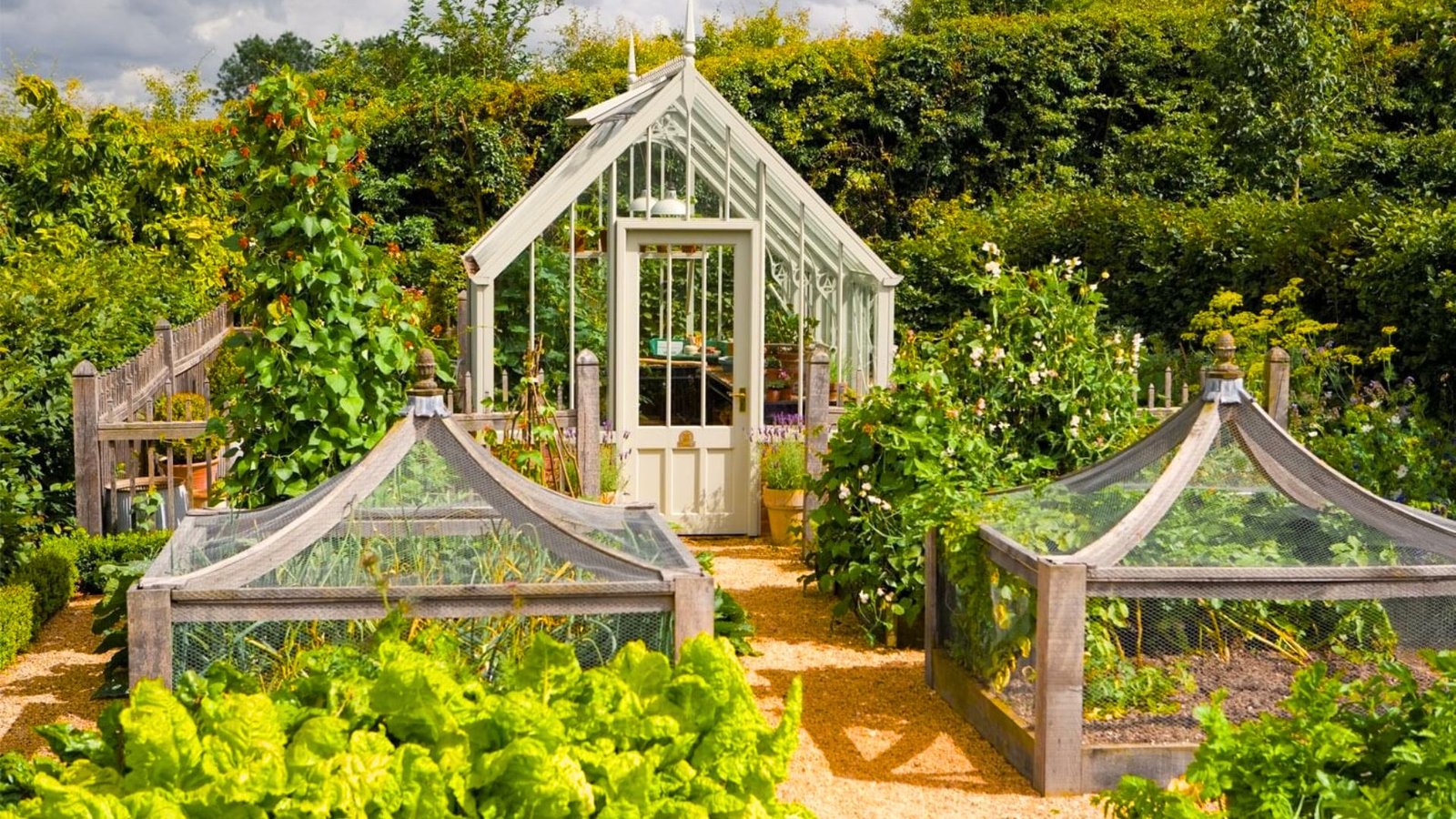
Find the right greenhouse option based on your goals, lifestyle, and budget with these simple and helpful tips.
Choosing the right greenhouse comes down to what you actually need it for. Here is a simple breakdown to help you decide.
Best for Gardening
If growing plants is your main goal, focus on maximum light and good airflow. Glass or polycarbonate panels work well for plant growth.
Make sure the structure gets enough sunlight throughout the day. Ventilation is important to control heat and humidity inside.
Best for Relaxation and Living Space
If you want a space to sit, read, or spend time in, comfort matters more. Look for double-pane glass to keep the temperature steady.
Good insulation and proper flooring make the space feel more like a room. Natural light is a plus, but shade options help on hot days.
Best for Budget and Long-Term Use
If cost is a big factor, polycarbonate panels are a smart pick. They are cheaper than glass and still hold heat well.
Vinyl or fiberglass frames need less upkeep over time. Spending a little more upfront on quality materials saves money on repairs later.
Think about how you plan to use the space most. That one question will point you in the right direction fast.
Tips Before You Build
Smart planning before you build saves time, money, and stress. These tips help you start on the right foot.
- Pick a spot that gets good sunlight throughout the day. Avoid areas with heavy shade or poor drainage.
- Make sure the ground is level and stable. An uneven surface can cause structural problems later.
- Keep the location close to a water source and power supply. This saves extra work during and after the build.
- Not all materials work well in every climate. Pick ones that handle your local weather conditions.
- Every area has its own building codes and permit rules. Contact your local council or planning office early to avoid fines or forced removals.
Conclusion
When I first started planning a build, I skipped the prep work. It cost me more time and money than I expected.
That experience taught me one thing. A little planning goes a long way.
Now you have the tips to choose the right location, pick smart materials, and check your local rules before you build. Do not rush the process. Take it one step at a time.
Found this helpful? Drop a comment below or share it with someone planning their own build!
Frequently Asked Questions
What should I check before starting a building project?
Start by checking your local building codes and permit requirements. Also look at the location, ground stability, and access to water and power.
How do I choose the right location for my build?
Pick a spot with good sunlight, level ground, and proper drainage. Make sure it is close to water and power sources for easy access.
Which building materials work best for outdoor structures?
Vinyl and fiberglass are good options since they handle weather well. Always choose materials that suit your local climate and fit your budget.
Do I really need a permit before I start building?
Yes, most areas require permits before any construction begins. Skipping this step can lead to fines or having to tear down your work.
How can I avoid costly mistakes during the building process?
Plan everything before you buy materials or break ground. Checking rules, picking the right spot, and choosing quality materials saves time and money later.