Solar energy storage can feel confusing at first, but it does not have to be.
This guide covers everything you need to know: battery types, system sizing, maintenance, and the storage methods that actually work in real life.
Whether you are just starting out or looking to upgrade your current setup, you will find clear, practical steps to store solar power smarter and more efficiently.
We have spent years helping homeowners make the switch to solar, so we know exactly what works and what wastes money.
Let this be your go-to resource for making the most of every hour of sunlight your panels capture.
What Are Solar Energy Storage Methods?
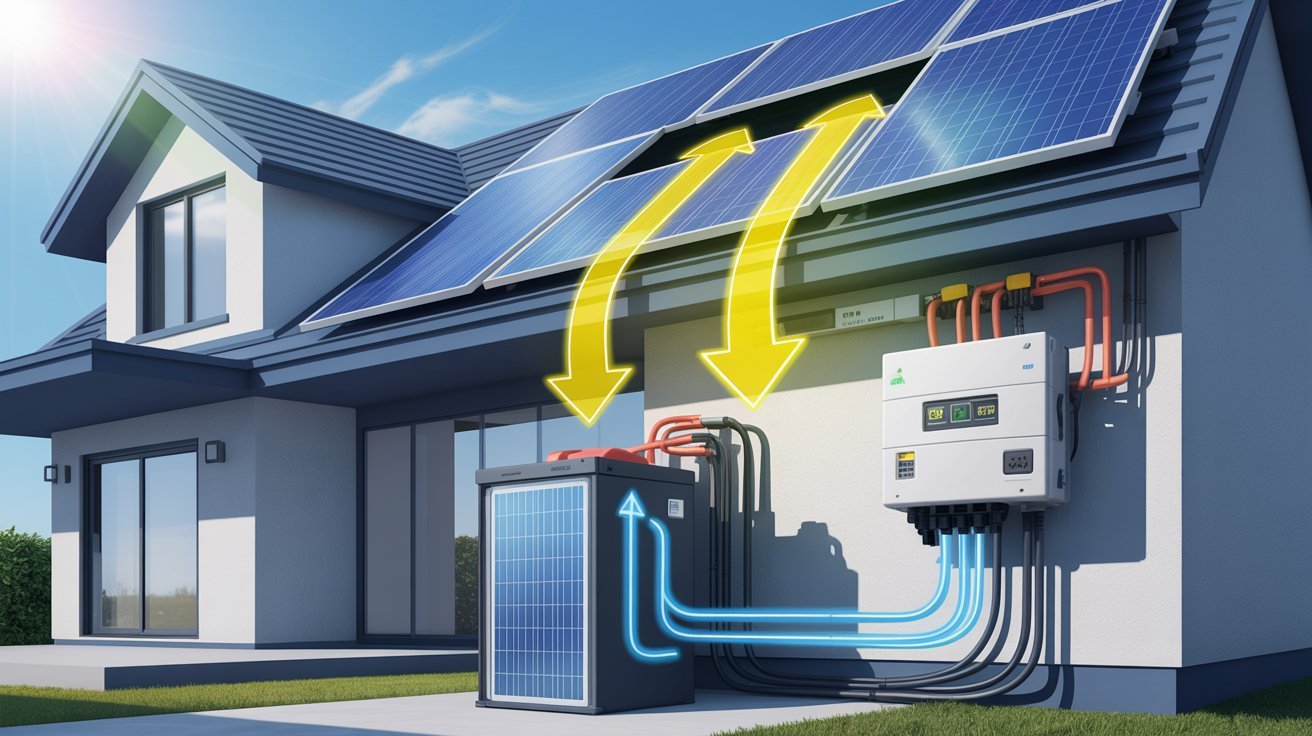
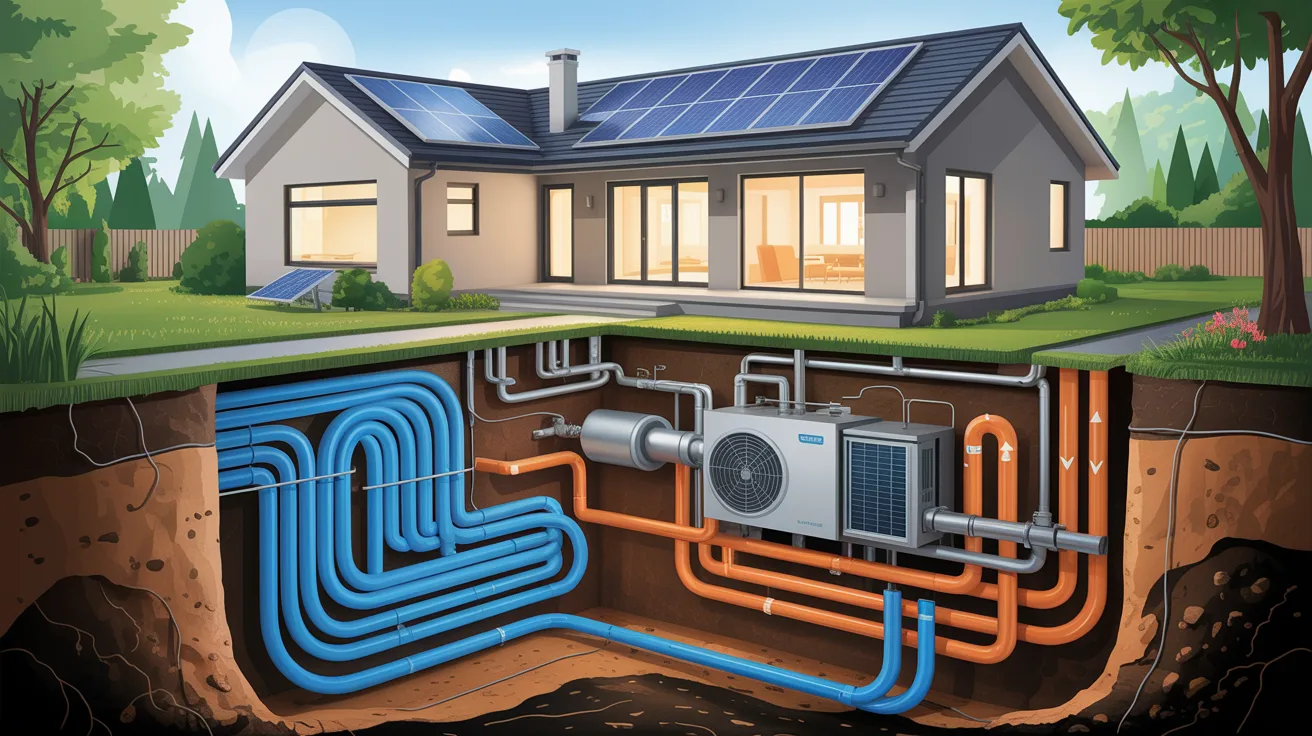
Solar panels produce electricity during the day, but that power needs to be saved for later use. Batteries are the most common way to store solar energy at home.
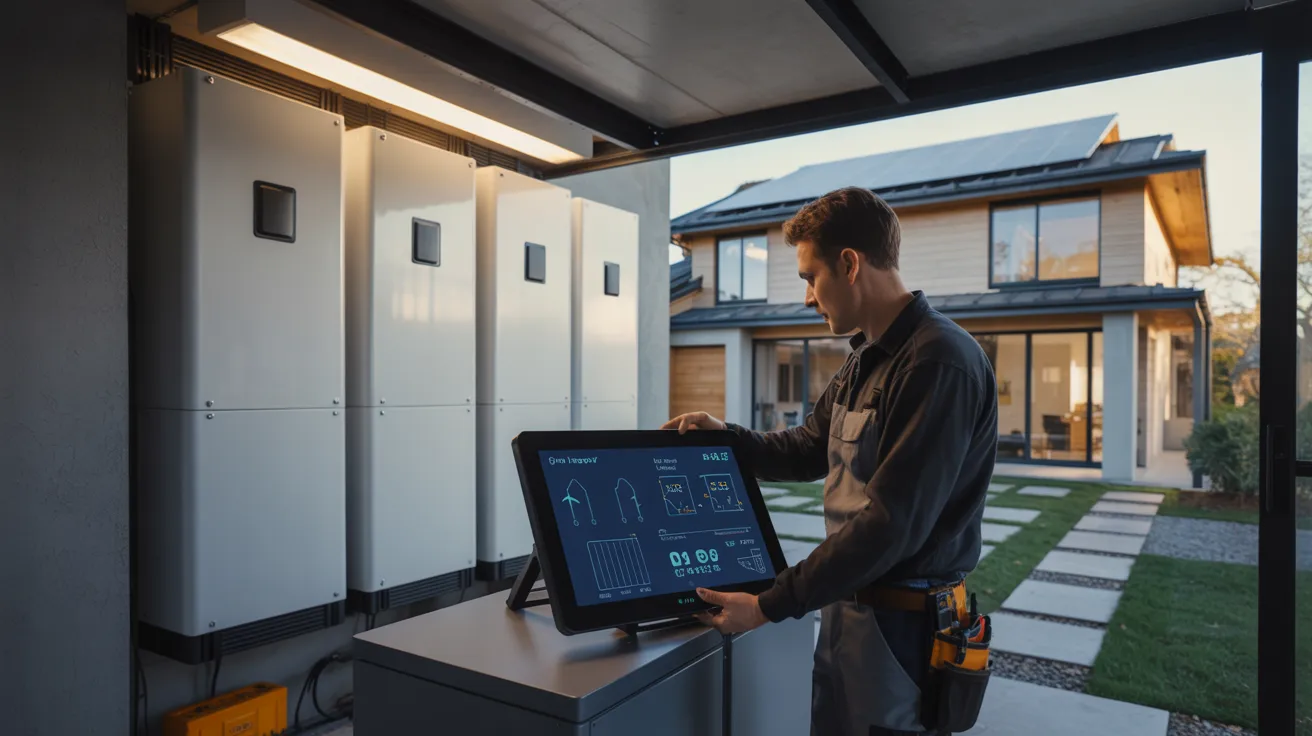
They charge automatically whenever your panels produce more power than your home is using, giving you a ready backup supply even after sunset.
Larger systems use pumped hydropower, thermal storage, or flywheels to hold and release power when needed. Each method suits different scales and energy demands, from residential setups to large commercial projects.
Hydrogen storage is also growing as a promising option for the future. Excess solar power splits water into hydrogen through electrolysis, which is then stored and used later in a fuel cell to generate clean electricity on demand.
These methods make solar energy reliable even when the sun is not out, covering a wide range of needs across homes, businesses, and utility-scale projects.
How Solar Energy Storage Works?
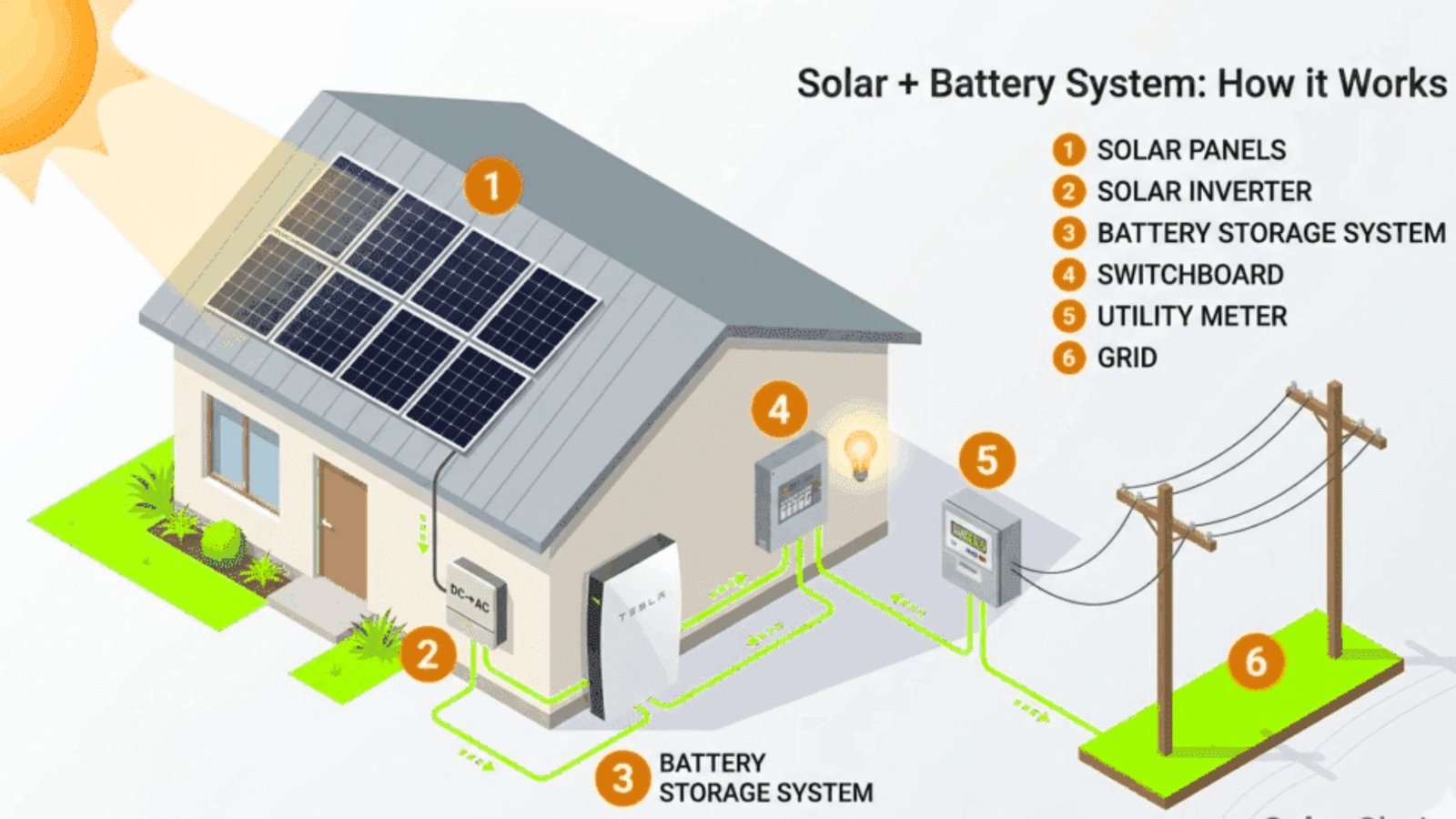
Solar panels only produce power when sunlight is available. When your panels generate more power than you need, the surplus gets stored in a battery for later use.
At night or on cloudy days, you pull from that stored energy instead of the grid, keeping your home powered without interruption.
A charge controller manages the flow between your panels and battery, while an inverter converts stored DC electricity into usable AC electricity for your home. A battery management system monitors temperature and charge levels to keep everything running safely and efficiently
Types of Solar Storage Systems
Battery Storage: The most common option for homes. Lithium-ion batteries are efficient and long-lasting. Lead-acid batteries cost less but need more upkeep.
Pumped Hydro Storage: Extra energy pumps water to a higher level. Water flows back down to generate electricity when needed. Best for large-scale use.
Thermal Storage: Solar energy heats water or molten salt. That stored heat later produces electricity or warms buildings.
Flywheel Storage: Solar power spins a flywheel at high speed. The kinetic energy releases when needed. Best for short-term demands.
Hydrogen Storage: Solar power splits water into hydrogen through electrolysis. That hydrogen is stored and used later in a fuel cell to generate electricity.
Benefits of Solar Energy Storage Methods
Solar energy storage helps you save money, stay powered during outages, and rely less on the grid.
Lower Energy Bills
Stored solar power means you buy less electricity from your utility company. You can also avoid peak-hour rates by pulling from your own battery instead. The savings add up over time.
Backup Power and Reliability
A solar battery keeps your home running when the grid goes down. No fuel, no noise, no waiting. It powers your lights, fridge, and devices automatically.
For families with medical needs or home offices, this is a real advantage.
Energy Independence
With stored solar power, you rely less on your utility company. You control your own supply and stay protected from rising energy prices.
Most homeowners stay grid-connected as a backup but draw from it far less.
Battery Solar Energy Storage Methods
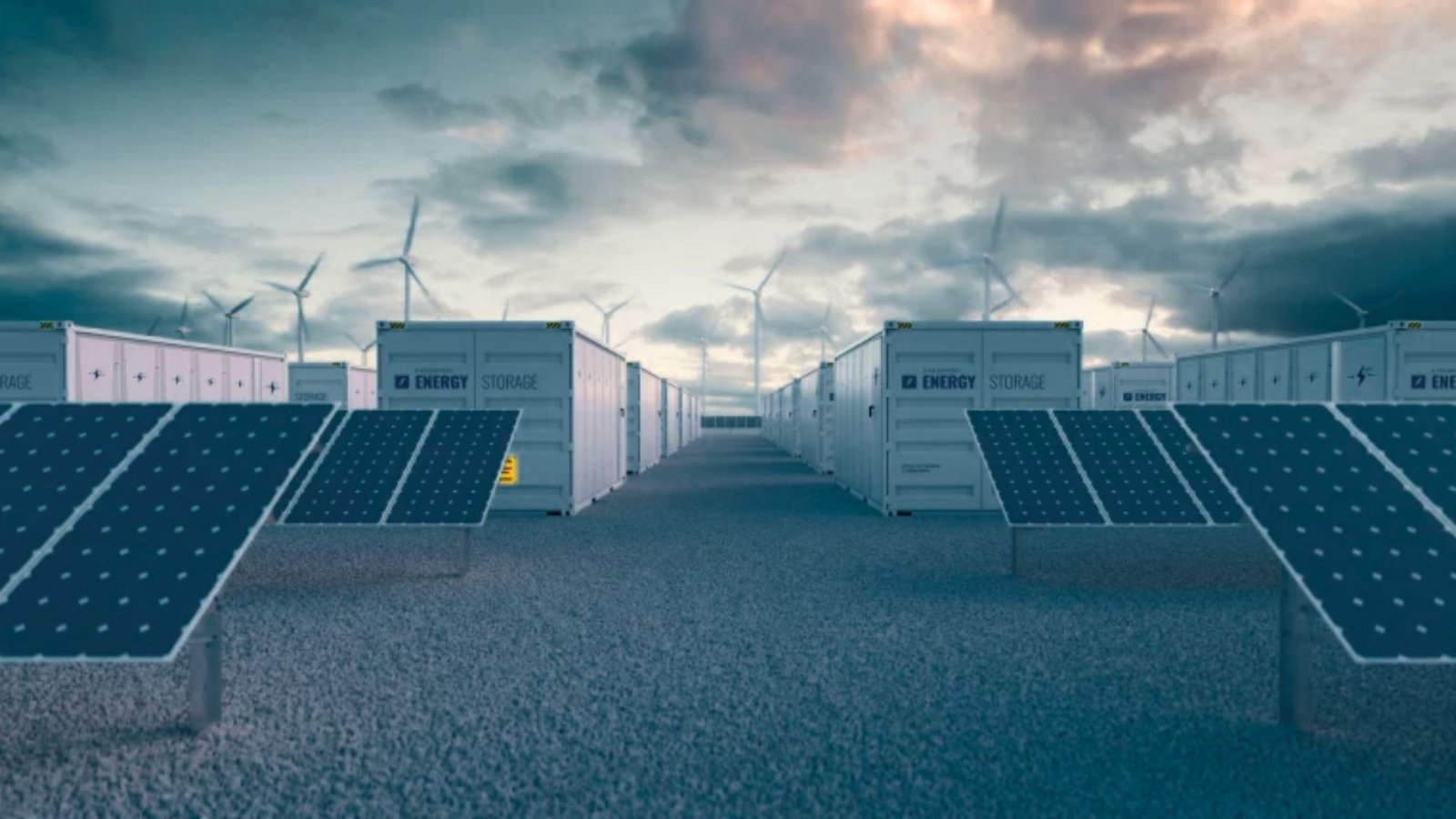
Solar energy storage keeps your power running even when the sun is not out.
Lithium-Ion Batteries
Lithium-ion batteries are the most common choice for home solar systems. They are compact, charge fast, and need little maintenance. They cost more upfront but their long life makes them worth the investment.
Lead-Acid Batteries
Lead-acid batteries are affordable and easy to find. They are heavy and need regular upkeep but still work well for basic or backup solar systems on a tight budget.
Flow Batteries
Flow batteries store energy in liquid form and last through thousands of charge cycles. They are mostly used in commercial projects but may grow more common as costs drop.
Thermal Solar Energy Storage Methods
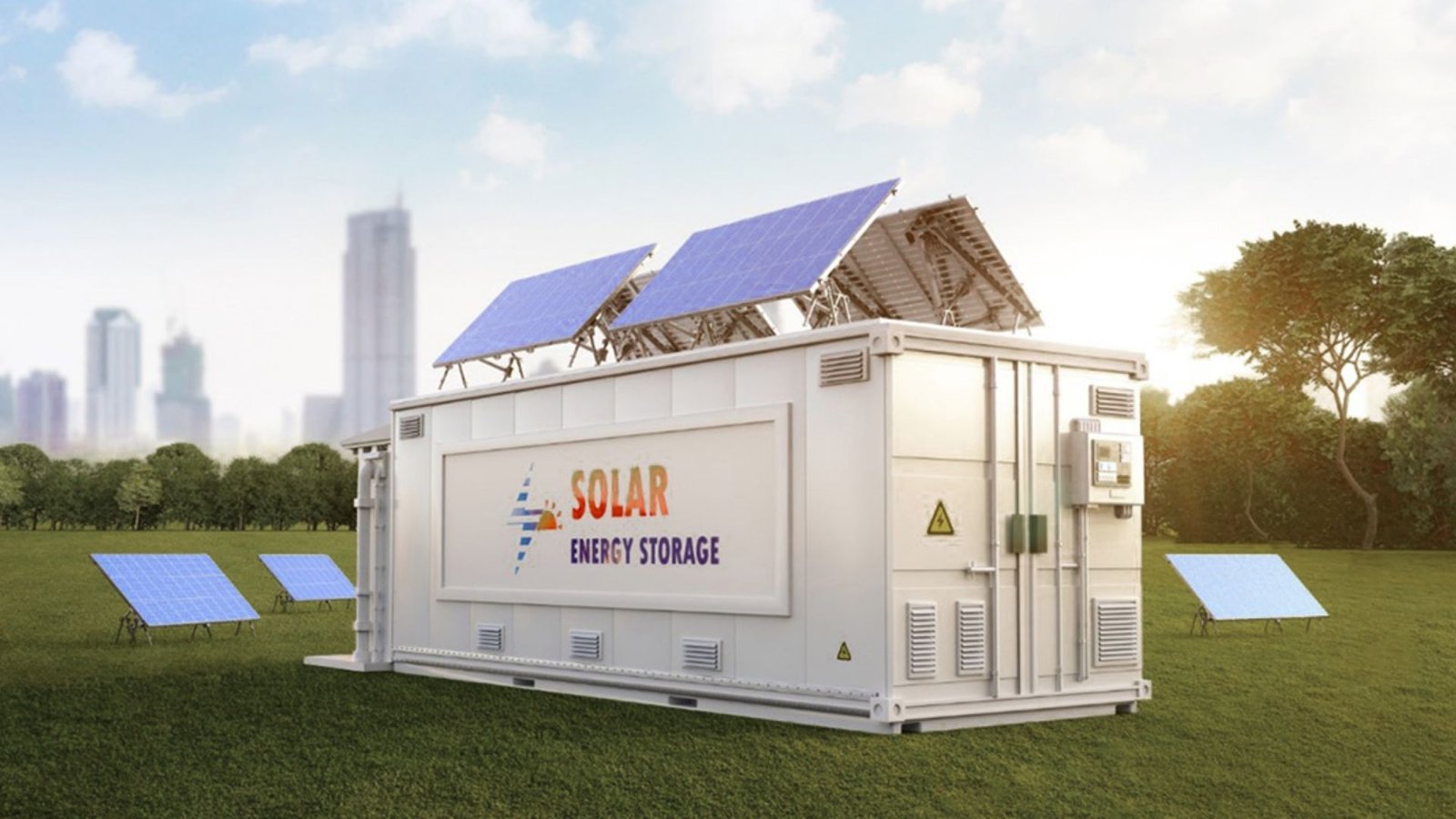
Solar energy can be stored as heat using different methods to keep power available when the sun is not out.
Molten Salt Storage
Molten salt storage heats a salt mixture during the day and holds it in insulated tanks. That heat later produces electricity through steam-driven turbines.
It can store heat for up to 10 hours, and output adjusts based on demand.
Water-Based Thermal Storage
Solar collectors heat water and store it in insulated tanks until needed. This method works well for homes and small buildings for daily hot water use.
It is affordable and easy to maintain but loses heat faster than molten salt.
Mechanical Solar Energy Storage Methods
Mechanical solar energy storage keeps power available by converting sunlight into physical energy that can be released when needed.
Pumped Hydropower
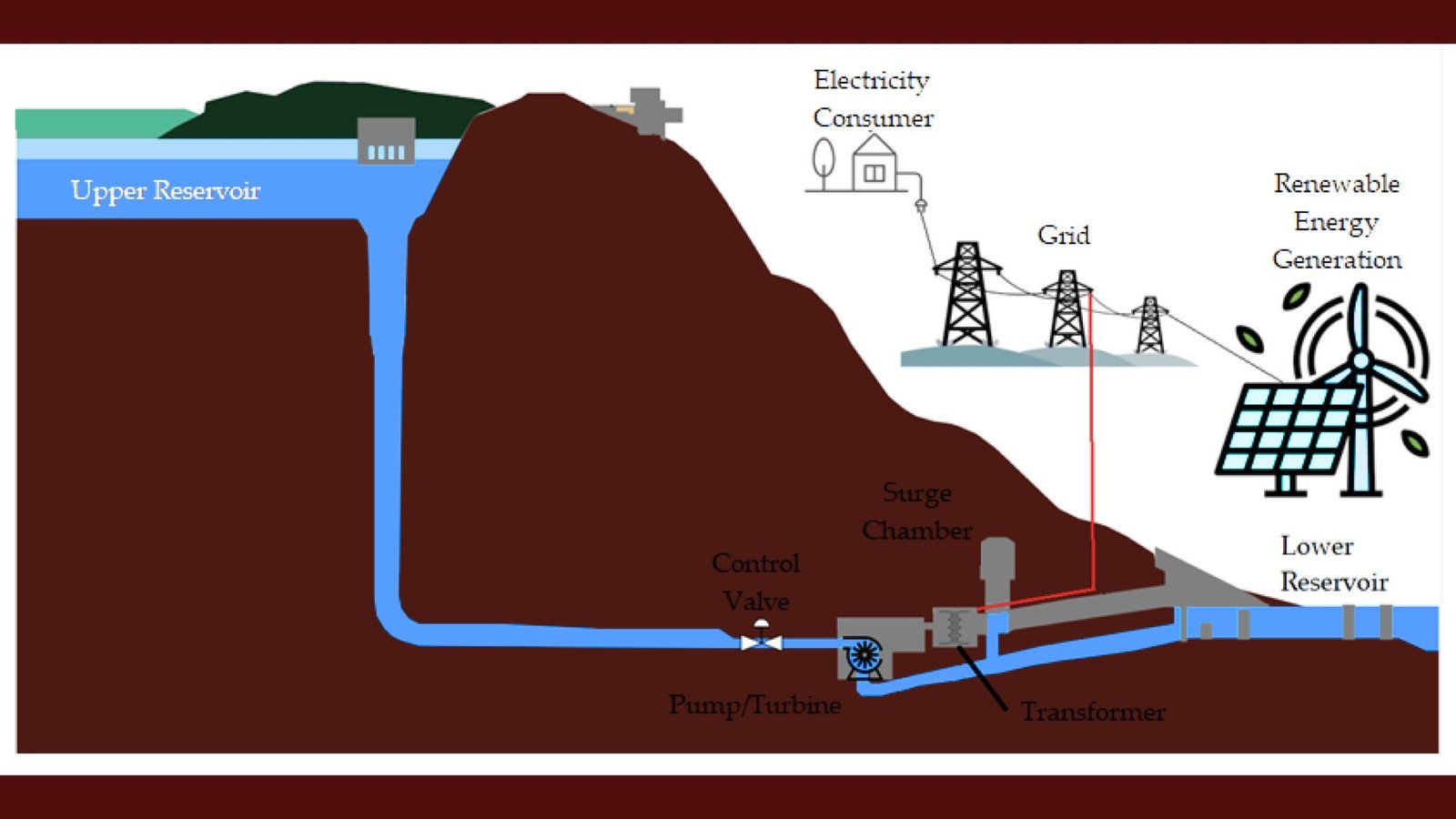
Extra solar electricity pushes water uphill to a higher reservoir. When power is needed, water flows back down through turbines to generate electricity.
It stores large amounts of energy but requires two water bodies at different heights.
Flywheel Storage
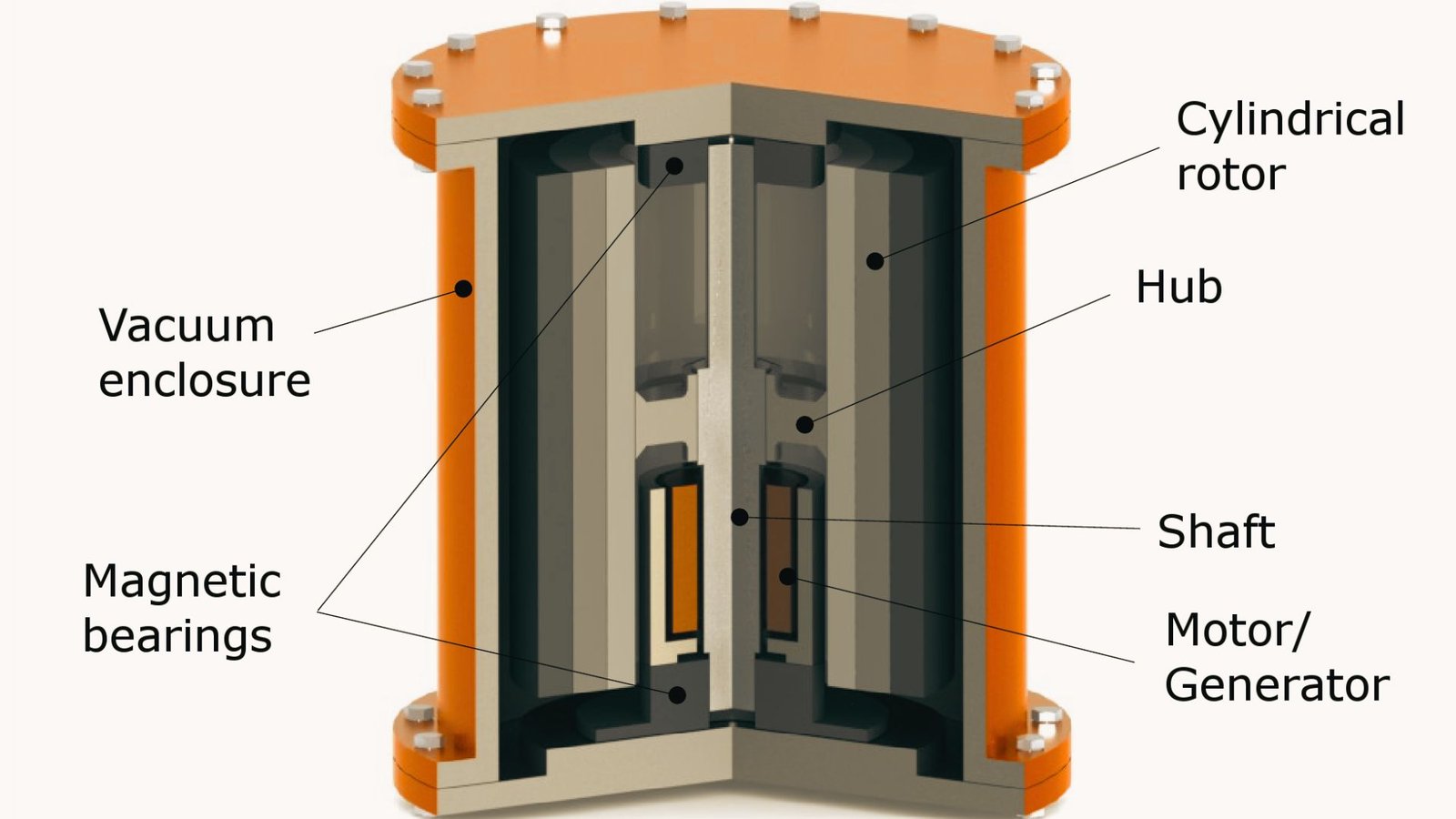
Solar power spins a heavy wheel at very high speeds. When electricity is needed, the spinning wheel drives a generator. Flywheels respond within milliseconds but work best for short-term use only.
Compressed Air Energy Storage
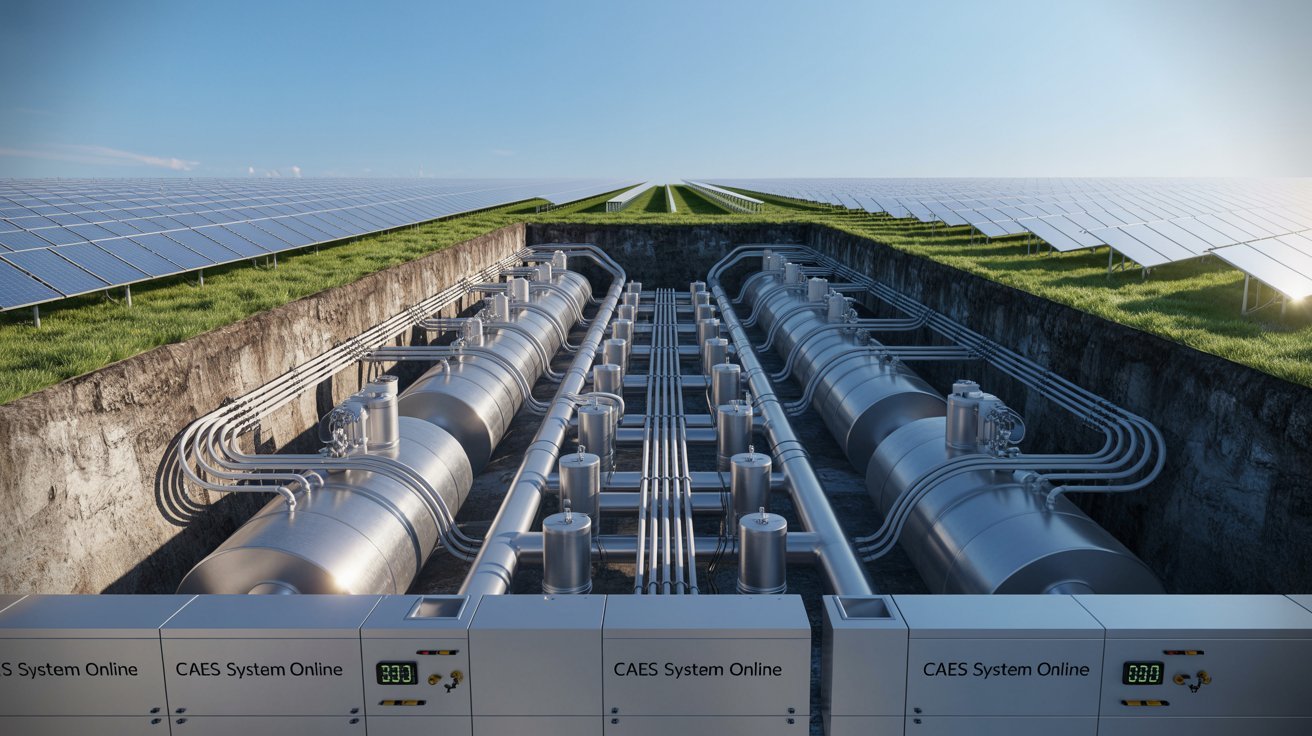
Extra electricity compresses air into underground caves or old mines. When power is needed, the air releases through a turbine. It works well for large-scale, longer-duration storage.
Comparing Solar Energy Storage Methods
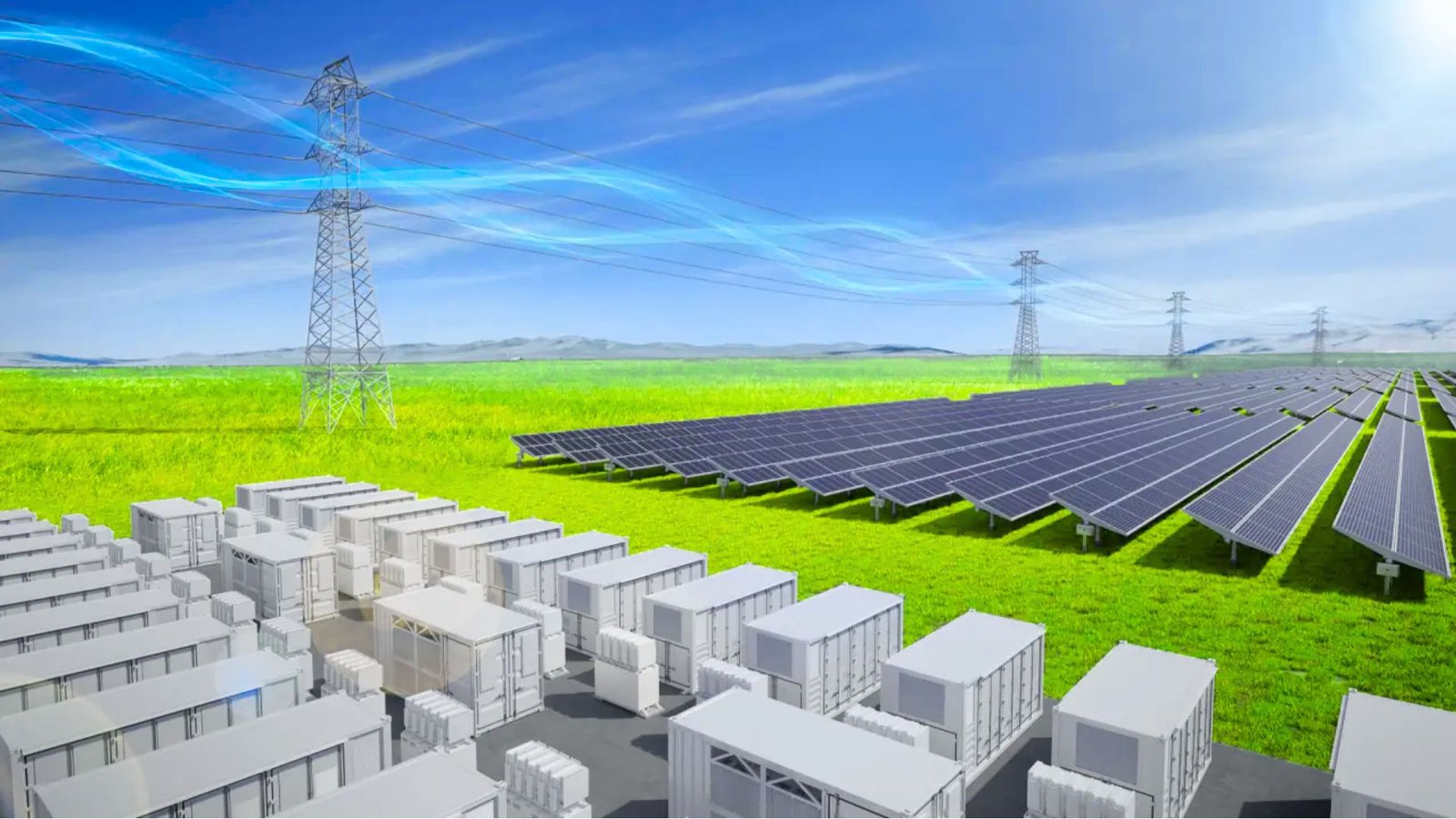
Not all solar storage works the same way. Here is a quick look at how different methods compare in cost, efficiency, and real-world use.
Efficiency and Cost
Lithium-ion batteries are efficient and reliable but cost more upfront. Lead-acid batteries are cheaper but wear out faster. Flow batteries last longer but remain expensive.
Thermal storage works best for heating. Pumped hydro is highly efficient but needs specific land and geography.
Best Storage for Homes
Lithium-ion batteries are the top pick for most homes. They are compact and pair well with rooftop solar. Lead-acid works for off-grid setups on a tight budget.
For cutting hot water costs, thermal storage is a simple and affordable option.
Best Storage for Businesses
Businesses need storage that handles bigger loads. Flow batteries suit commercial buildings due to their long lifespan and scalability.
Lithium-ion systems with commercial inverters work well for standard grid-tied setups. An energy audit first helps avoid overspending on capacity.
How to Choose the Right Solar Energy Storage System
Picking the right solar storage system can save you money and keep your home powered when you need it most.
Storage Capacity and Power Needs
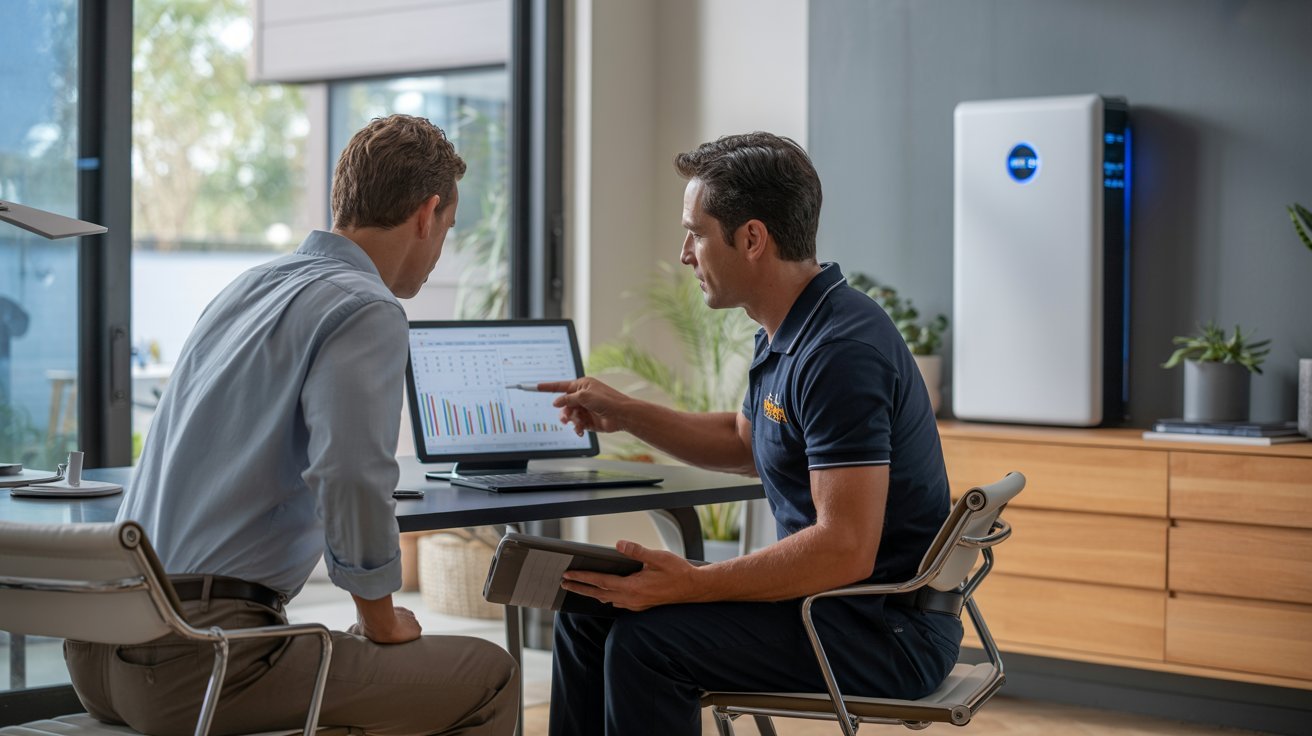
Start by checking your electricity bills to find your average daily usage in kilowatt-hours (kWh). Match your battery size to that number, not the biggest option on the market.
Also check the power output rating. A battery needs enough continuous power (kW) to run your most important appliances, not just enough storage capacity.
Grid-Tied vs Off-Grid Systems
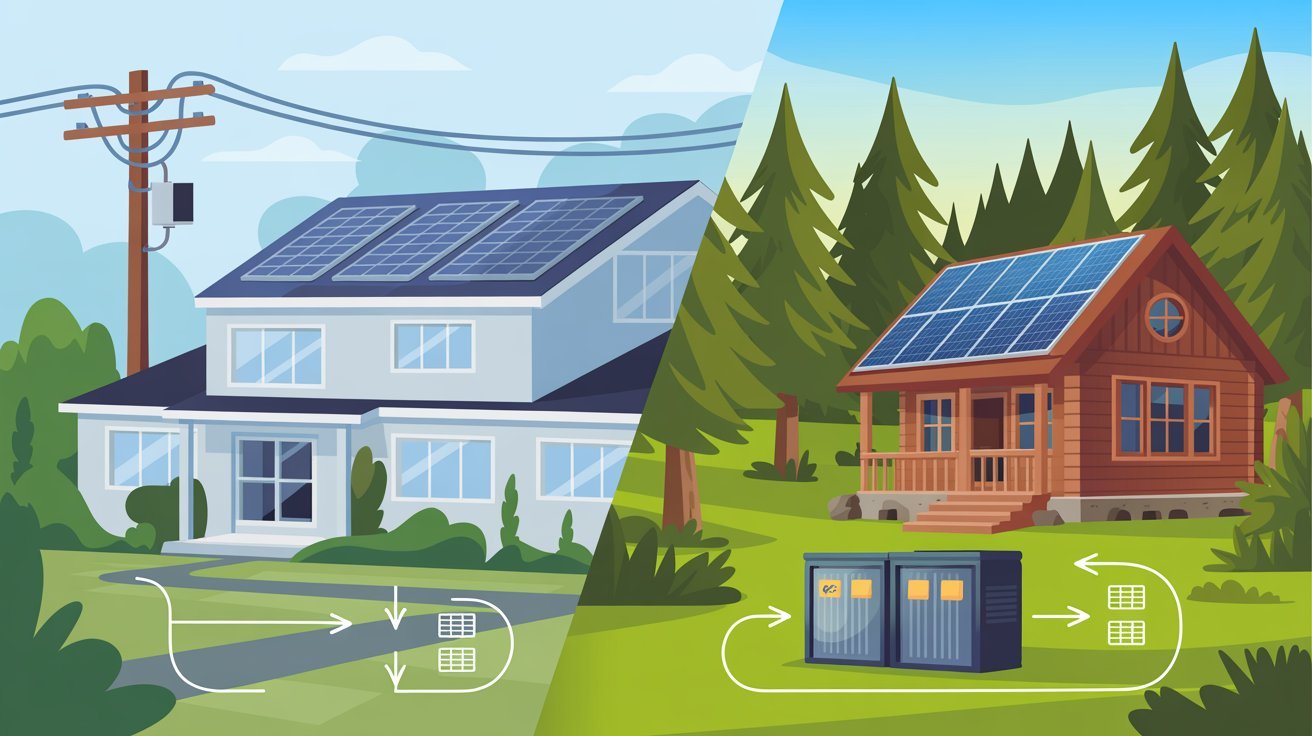
Grid-tied systems stay connected to the utility grid, while off-grid systems run completely on stored solar power with no grid connection.
|
Feature |
Grid-Tied |
Off-Grid |
|
Grid Connection |
Yes, stays connected to utility network |
No, fully independent |
|
Best For |
Most homes in cities and suburbs |
Remote areas with no grid access |
|
Cost |
More affordable to set up |
Higher upfront investment |
|
Power Backup |
Grid fills gaps when solar drops |
Relies fully on battery storage |
|
Battery Size Needed |
Smaller |
Larger |
|
Cloudy Day Planning |
Less critical |
Very important |
|
Energy Independence |
Partial |
Full |
Tips in Solar Energy Storage Methods
Good storage keeps your solar power available when the sun is not out. These five tips help you build a system that works.
- Choose the right battery. Lithium-ion batteries last longer and charge faster than lead-acid options. They cost more upfront but save money over time.
- Size your system correctly. Match your battery capacity to your average daily energy use. Too small and you run out. Too large and you overspend.
- Add a battery management system. A BMS controls charging, monitors temperature, and prevents damage. It extends battery life significantly.
- Use a hybrid inverter. It connects your panels, battery, and grid in one place and switches between power sources automatically.
- Maintain and store batteries properly. Keep batteries between 15°C and 25°C and do a quick check every six months.
Conclusion
Switching to solar energy storage was one of the best decisions I have seen homeowners make again and again. It brings real peace of mind knowing your power does not stop when the sun goes down.
Start small, pick the right battery, and build from there. You do not need a perfect setup on day one.
If this helped you, drop a comment below and share your thoughts on solar energy storage methods. Share this post with someone who is planning to go solar soon.
Frequently Asked Questions
What is the best battery type for solar energy storage?
Lithium-ion batteries are the most popular choice for home solar systems. They last longer, charge faster, and need very little maintenance compared to lead-acid batteries.
How long do solar energy storage batteries last?
Most lithium-ion batteries last between 10 to 15 years with proper care. Regular maintenance and keeping them at the right temperature helps extend their lifespan.
Can I store solar energy without a battery?
Without a battery, excess solar power is sent back to the grid instead of being saved. A battery storage system lets you keep that energy for use at night or during outages.
How much storage capacity do I need for my home?
This depends on your average daily energy use and how many hours of backup power you want. A certified solar installer can review your usage data and suggest the right capacity for your home.
Is solar energy storage worth the cost?
Yes, for most homeowners the long-term savings on electricity bills outweigh the upfront cost. A good storage system also gives you energy independence and protection during power outages.