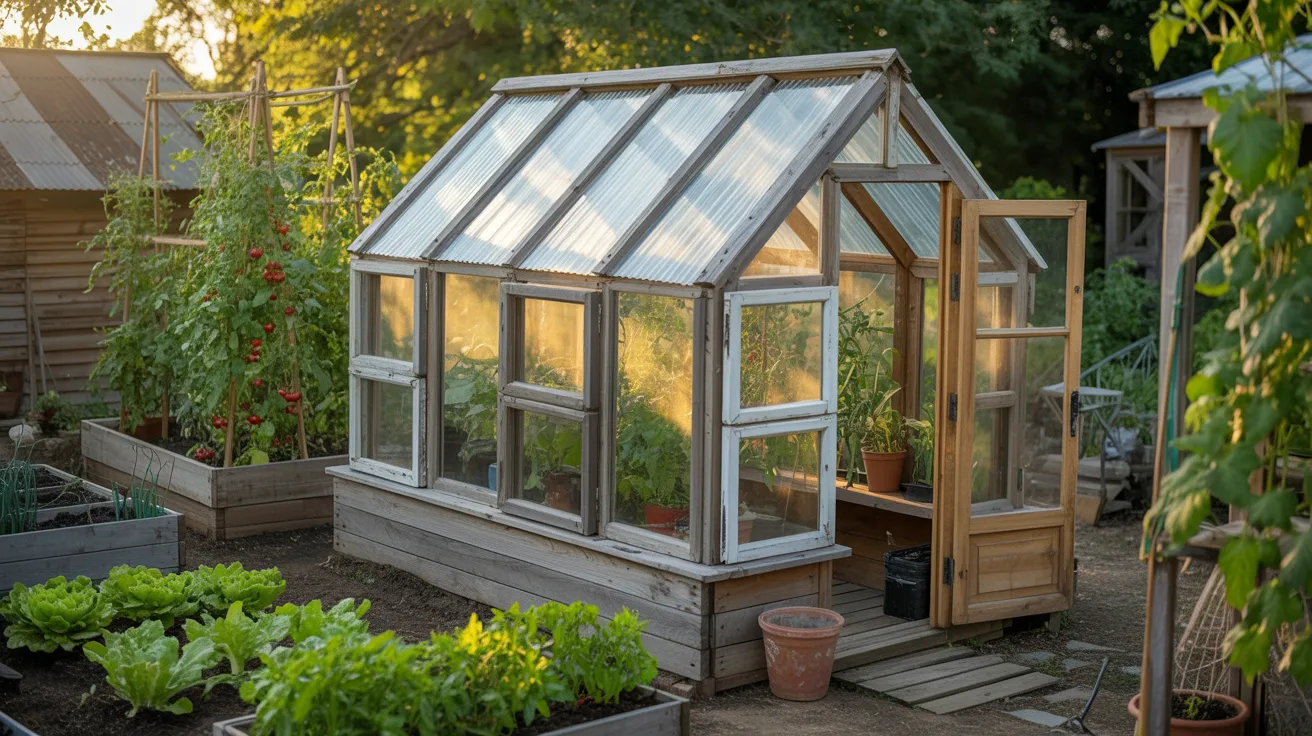
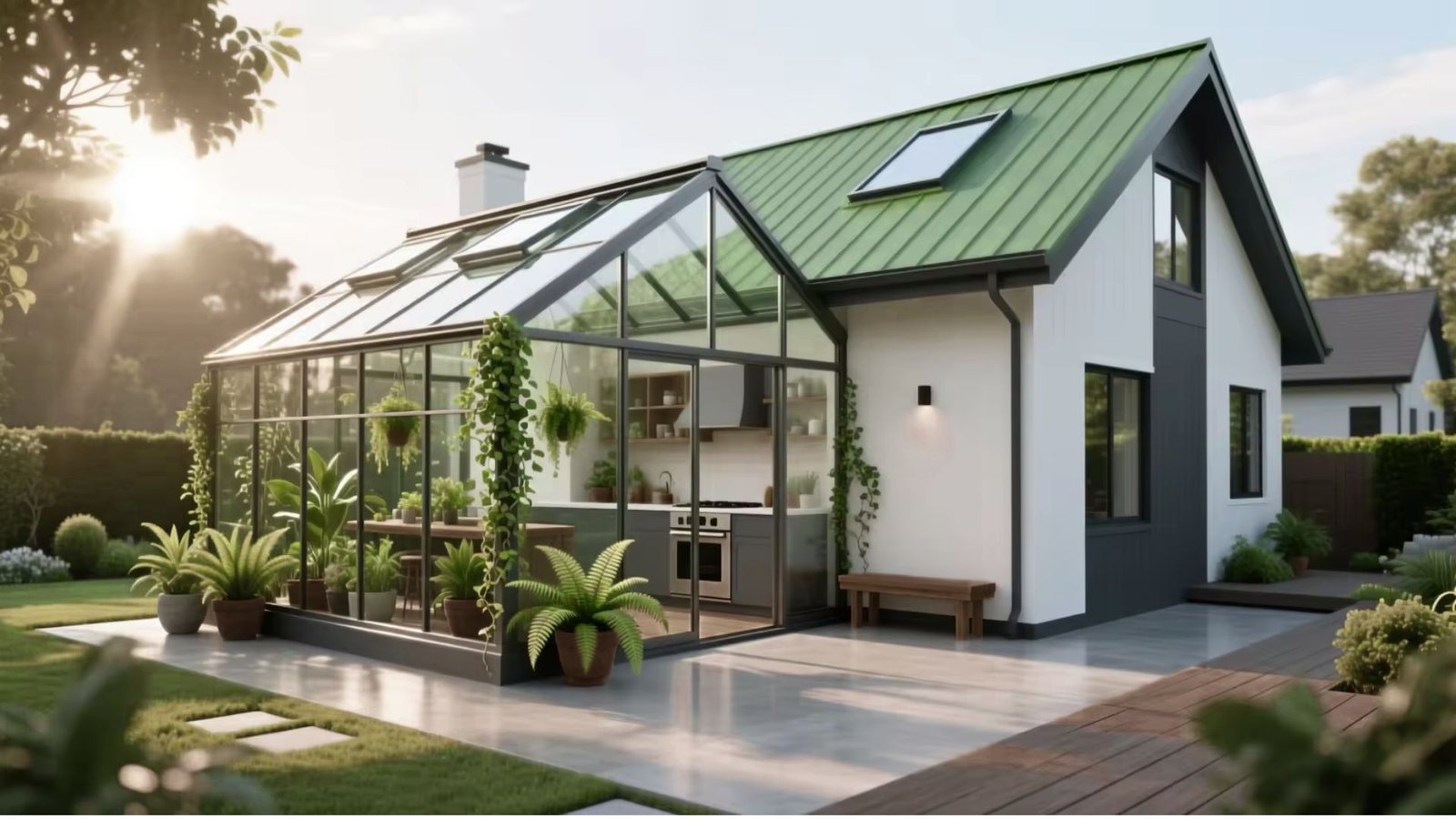
I still remember building my first greenhouse from a stack of old windows that someone was about to throw away. It was not perfect, but it taught me how simple and affordable this project can be with the right steps.
In this guide, you’ll learn how to build a greenhouse from old windows, choose strong materials, plan the layout, build the frame, and seal everything properly for year-round growing. I’ll also help you avoid common mistakes that can waste time and money.
I’ve spent years working on DIY garden projects, and these are the same practical steps I’d recommend to any beginner starting today.
Why Build a Greenhouse From Old Windows?
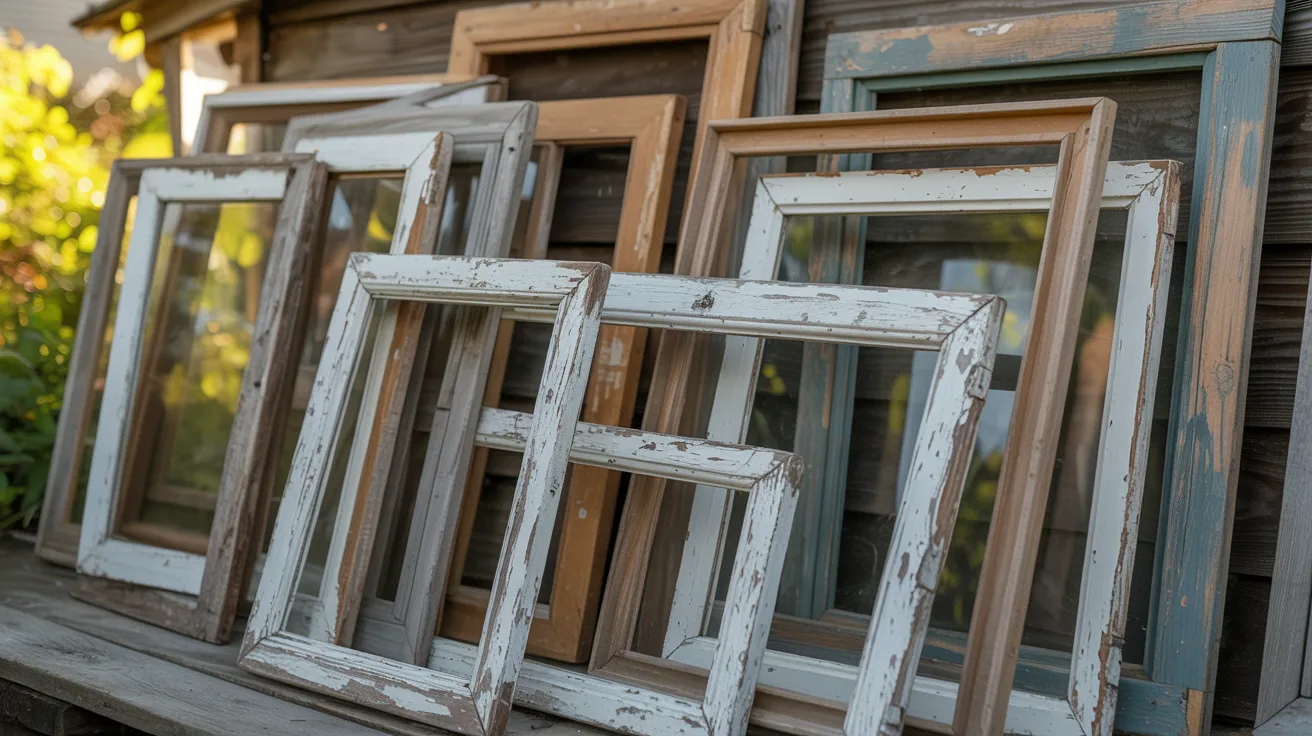
Reusing old windows makes good sense on every level. You skip the high cost of new glazing, reduce waste, and end up with a structure full of character that a flat-pack kit simply cannot match.
Money savings are real. A ready-made greenhouse can cost several hundred dollars. A window greenhouse built with salvaged materials can come in under $150, sometimes far less.
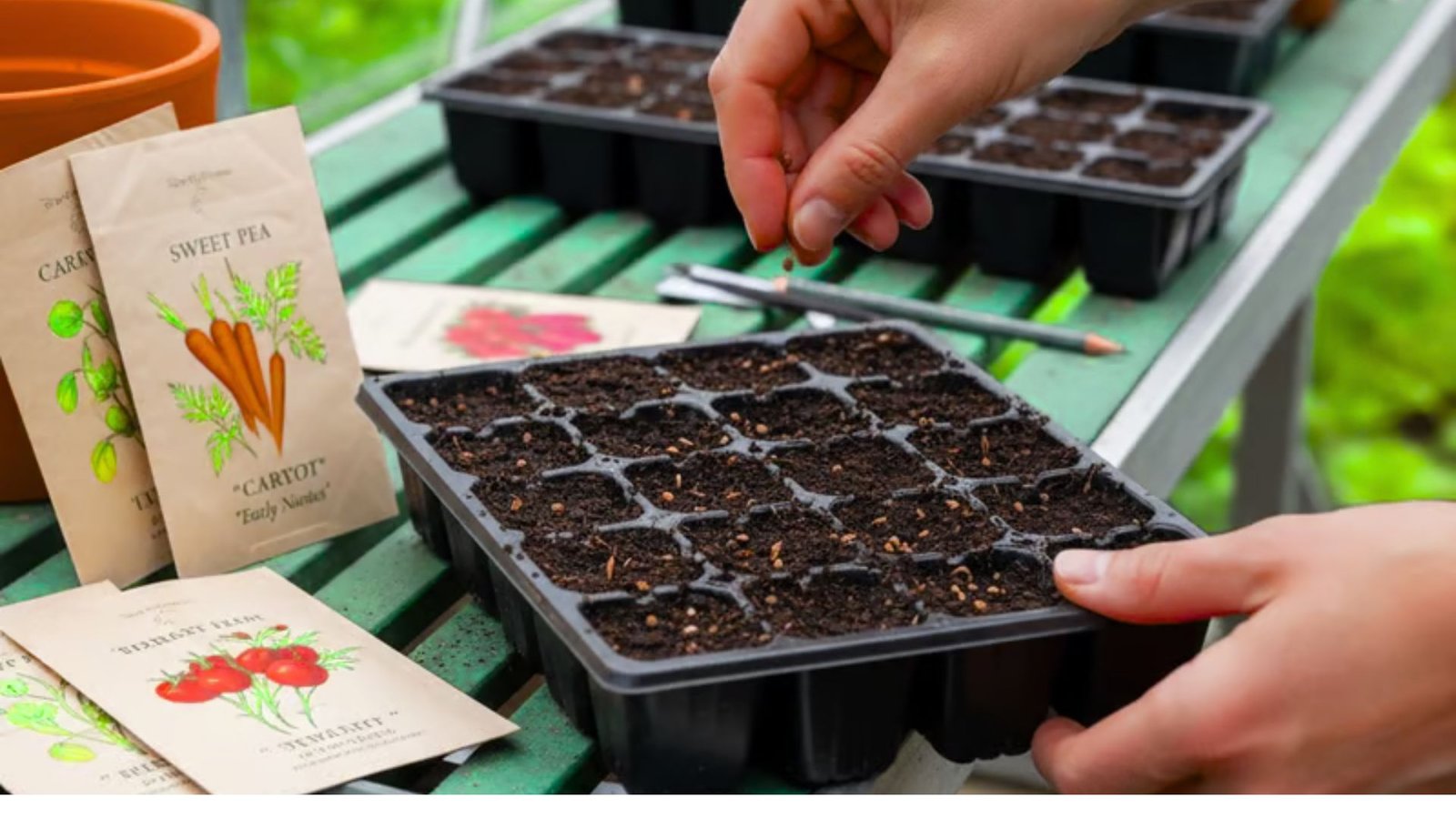
Great plants to grow inside include: tomatoes, cucumbers, peppers, basil, coriander, and early seedlings for your outdoor garden. Even in a small space, you can grow enough to make a genuine difference to your food bill.
Things to Know Before You Start
A little preparation saves a lot of frustration later.
Location matters most. Pick the sunniest spot in your garden, ideally south-facing. Keep the greenhouse away from large trees where falling branches or heavy shade could cause problems.
Choose windows carefully. Look for solid frames and uncracked glass. Avoid anything with soft, rotten timber or broken panes. Single-pane glass is perfectly fine and much easier to work with than heavy double-glazed units.
Avoid these common mistakes:
- Skipping the foundation (the structure will shift and gaps will open)
- Forgetting ventilation (a sealed greenhouse overheats fast in summer)
- Not measuring twice before cutting timber
Check local building rules. Most small greenhouses are classed as permitted structures and need no planning permission, but rules vary. A quick check with your local authority takes five minutes and saves potential headaches.
Tools and Materials You Will Need
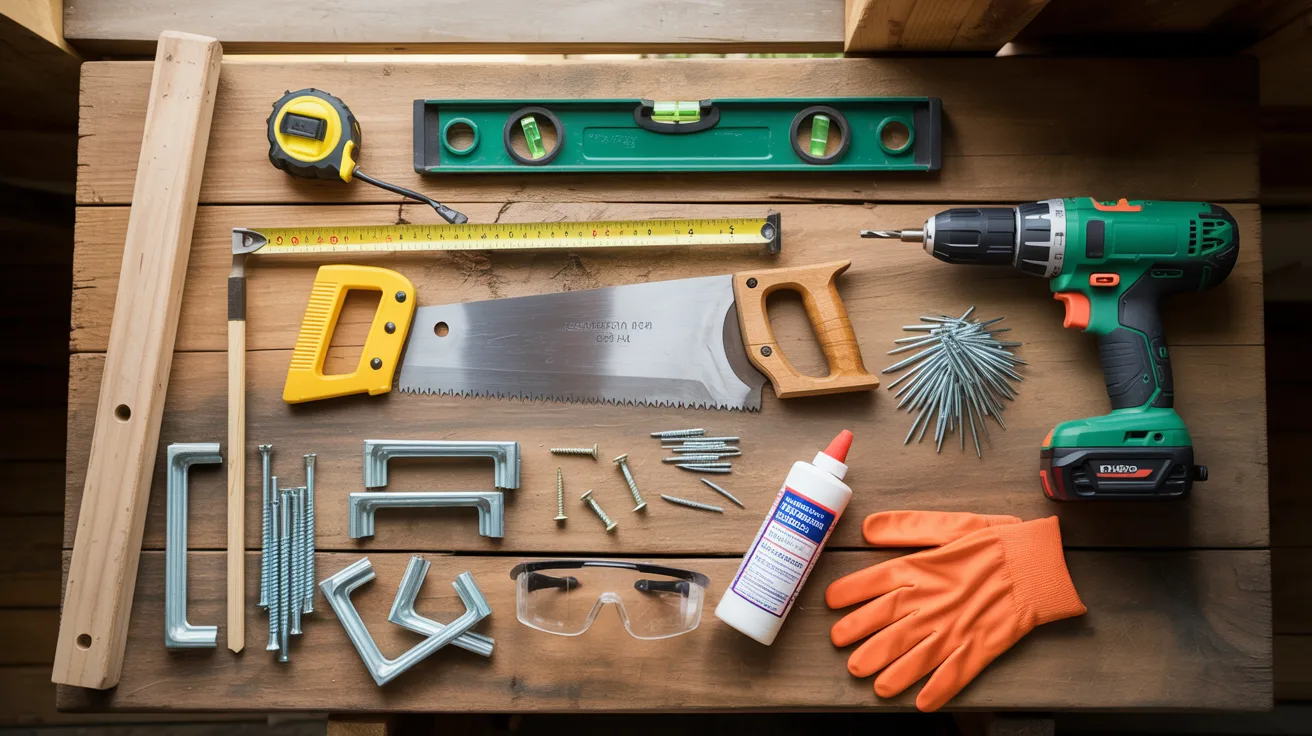
You do not need specialist equipment for this build.
Basic tools:
- Tape measure and spirit level
- Circular saw or hand saw
- Power drill and screwdriver bits
- Hammer and wood chisels
- Safety gloves and glasses
Key materials:
- Pressure-treated timber for the frame
- Concrete blocks or treated timber for the base
- Corrugated polycarbonate sheets for the roof
- Exterior wood screws and corner brackets
- Waterproof silicone sealant and exterior wood paint
Optional but useful: automatic vent openers, louvre side vents, and weatherstrip foam tape for door seals.
How to Design Your Greenhouse From Old Windows
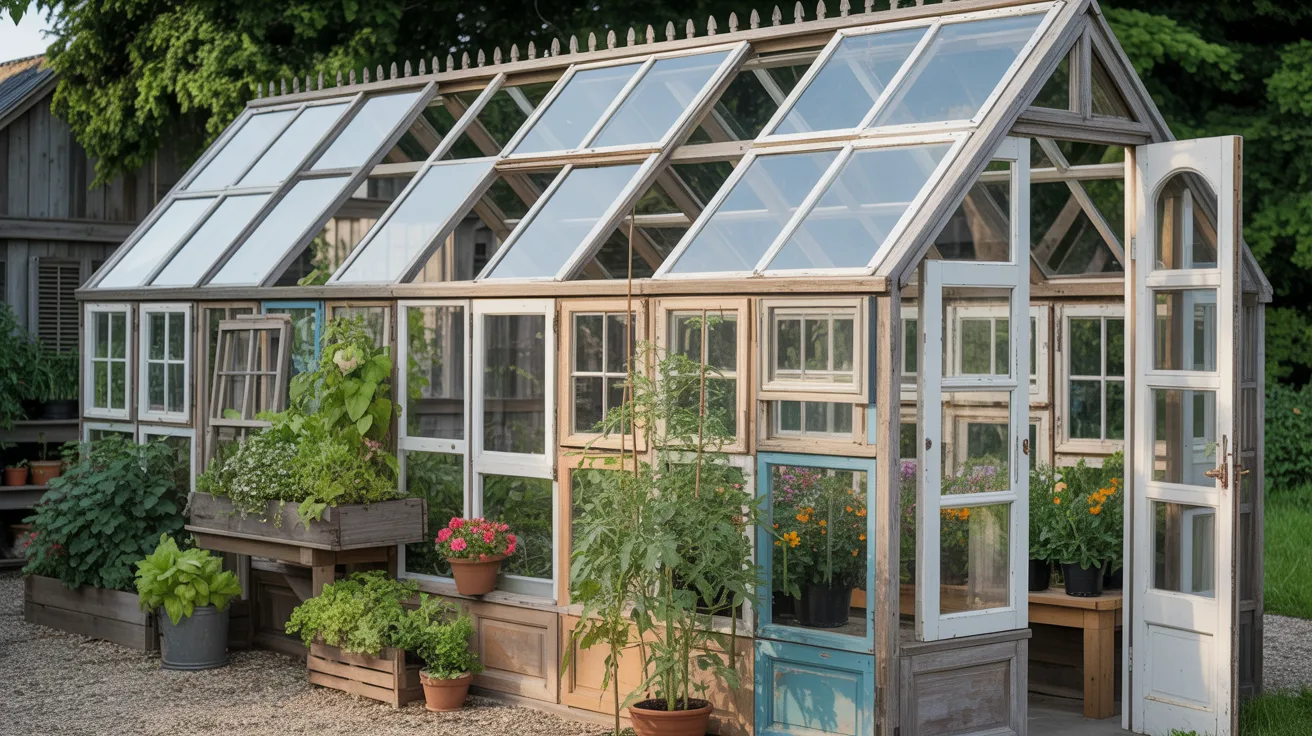
Sketch your layout on paper before you buy a single piece of timber. A simple rectangle with a pitched roof is the easiest design and works well with most window sizes.
For small backyards, aim for a greenhouse between 6 and 10 feet long and around 6 feet wide. This gives you room for two rows of shelving and comfortable access down the middle.
Mixing different window sizes is fine. Group similar sizes on the same wall where you can. Fill gaps between different-sized windows with timber offcuts, then seal and paint them to match the frame.
Plan your door and roof vents early. Put the door on the sunniest side. Include at least one roof vent, ideally two, to allow hot air to escape at the top. Make sure the roof pitch sends rainwater away from the door.
Step-by-Step Guide to Build a Greenhouse From Old Windows.
Turn old windows into a charming DIY greenhouse with this simple step-by-step building guide.
Step 1: Prepare and Clean the Windows
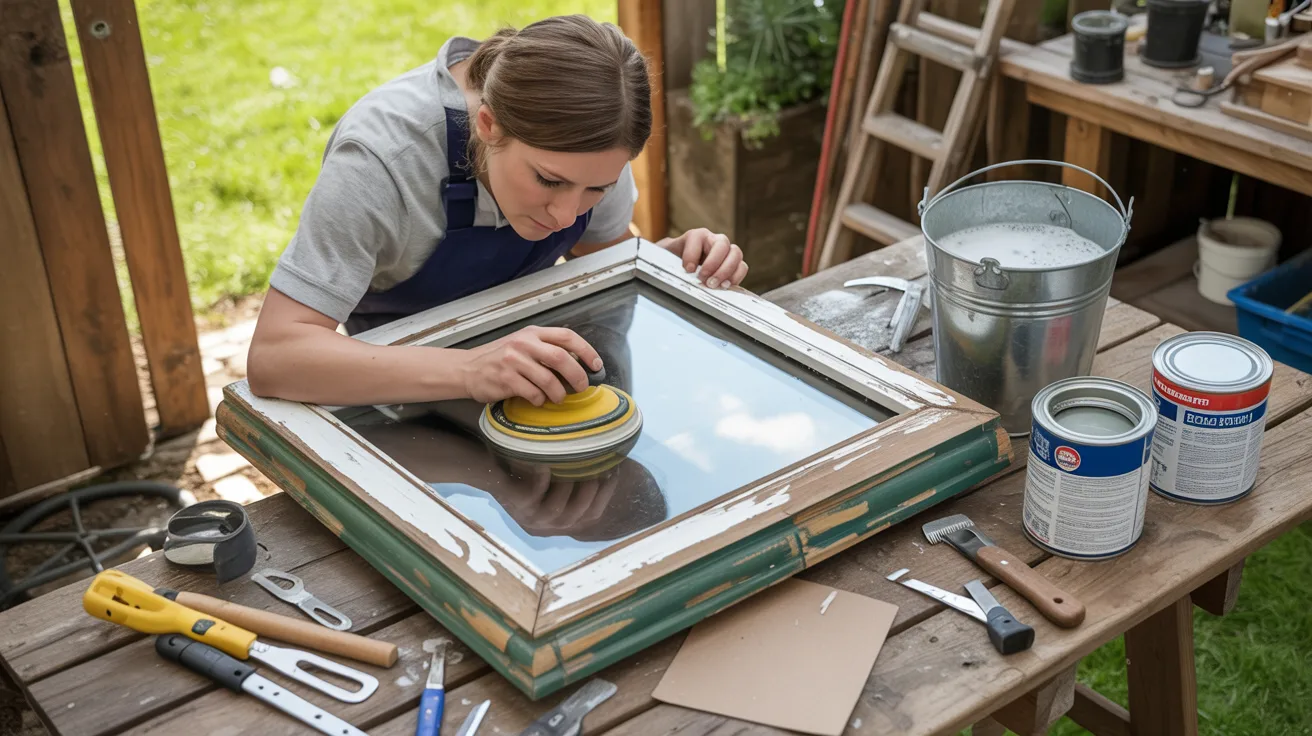
Wash every window with warm soapy water. Sand back any flaking paint and apply a coat of exterior primer. Replace any cracked panes before you start building.
A crack that looks small now will spread with temperature changes.
Step 2: Build the Base Foundation
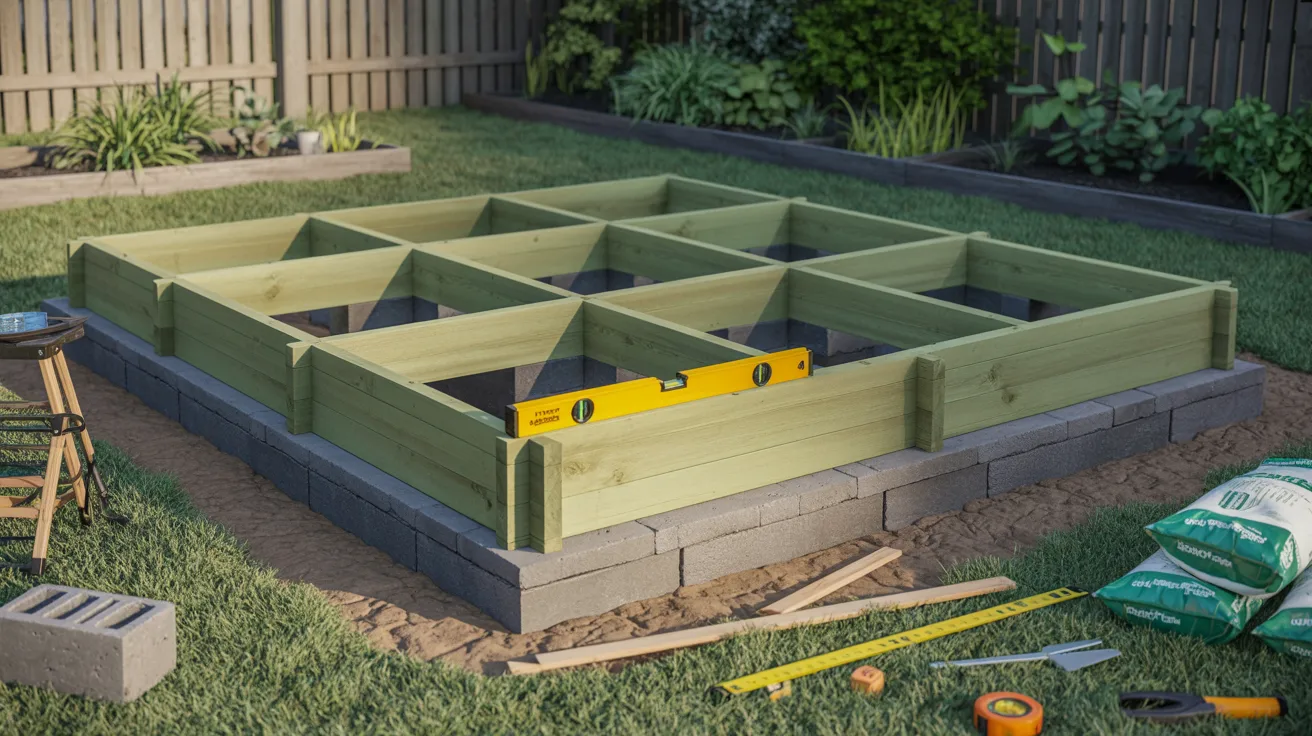
A level base is the most important part of the whole build. Use pressure-treated timber fixed to the ground with metal stakes, or lay concrete blocks around the perimeter.
Check the base with a spirit level across the full width and length before moving on.
Step 3: Construct the Wooden Frame
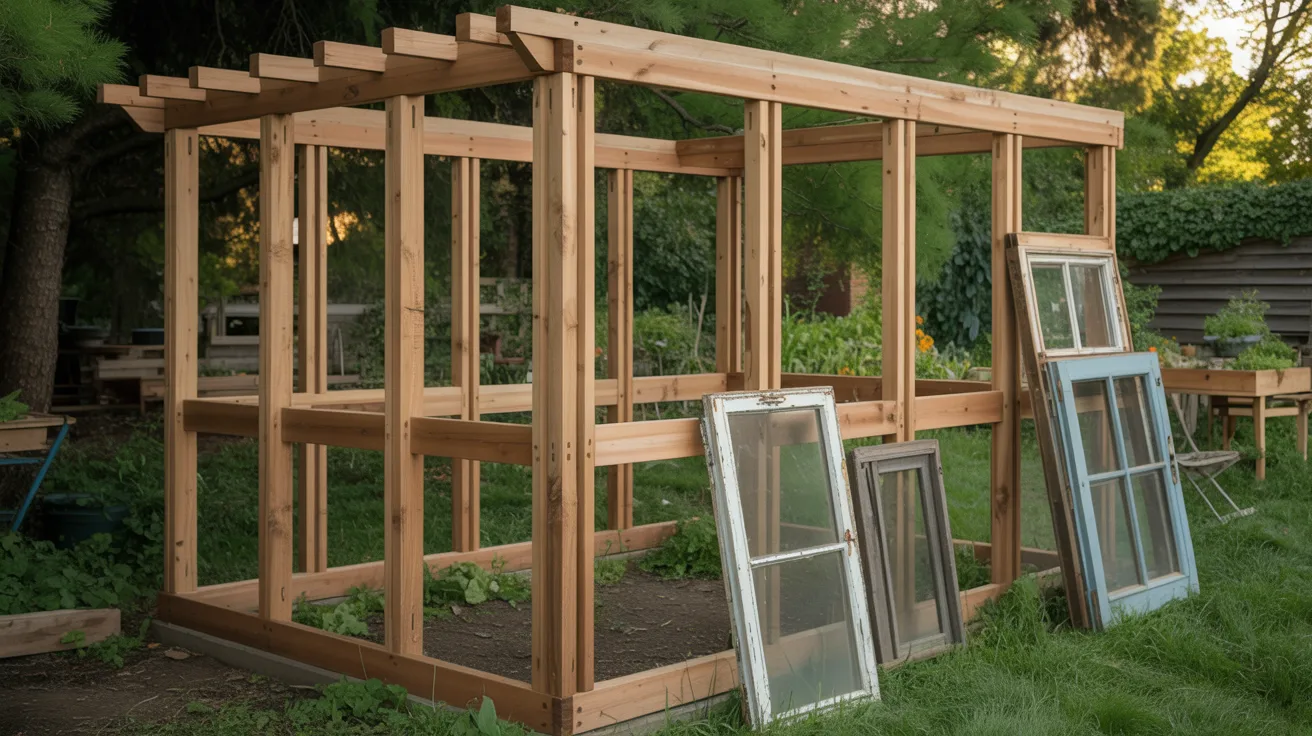
Cut timber uprights to match your window heights and fix them to the base using corner brackets and exterior screws. Add horizontal rails at the top and middle of each wall.
Measure diagonally from corner to corner to check the frame is square. Both measurements must match.
Step 4: Attach the Old Windows Securely
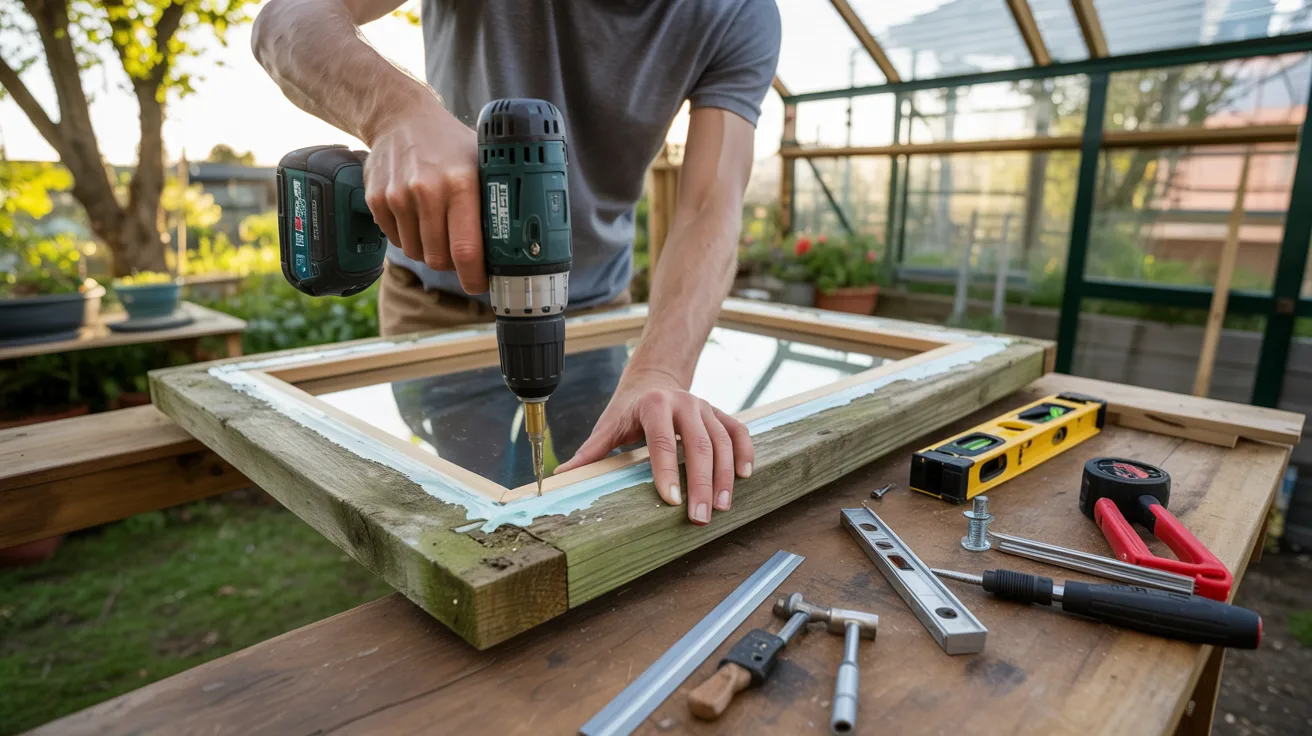
Set each window in place, using timber packers to level them where needed. Pre-drill holes and fix the windows to the frame with screws.
Apply a bead of silicone sealant between each window frame and the timber before screwing it in. This holds the window steady and starts the weatherproofing at the same time.
Step 5: Add the Roof Structure
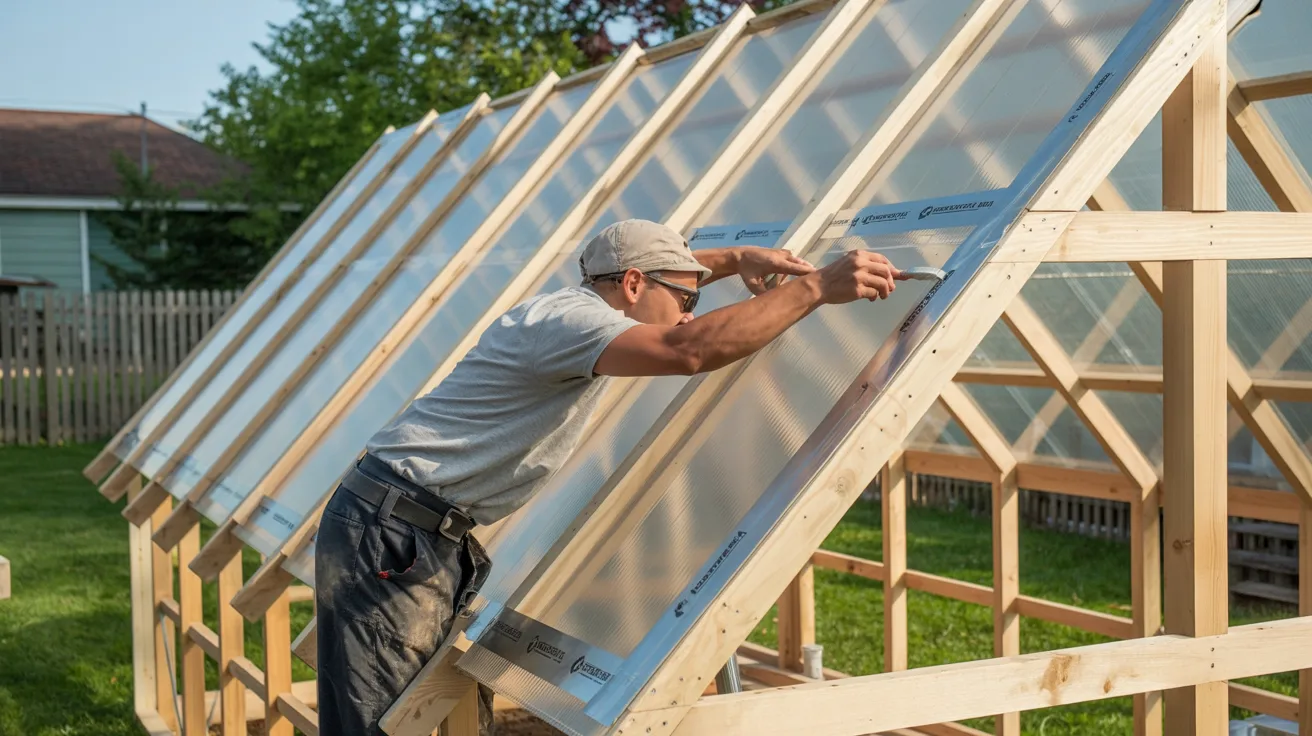
Build a simple rafter frame with a ridge beam at the top. A roof pitch of at least 15 degrees is enough for water to run off cleanly.
Fix polycarbonate sheets to the rafters, overlapping them slightly. Seal all joints and edges with flashing tape or silicone sealant. The roof takes the most rain, so spend extra time here.
Step 6: Install a Door and Ventilation
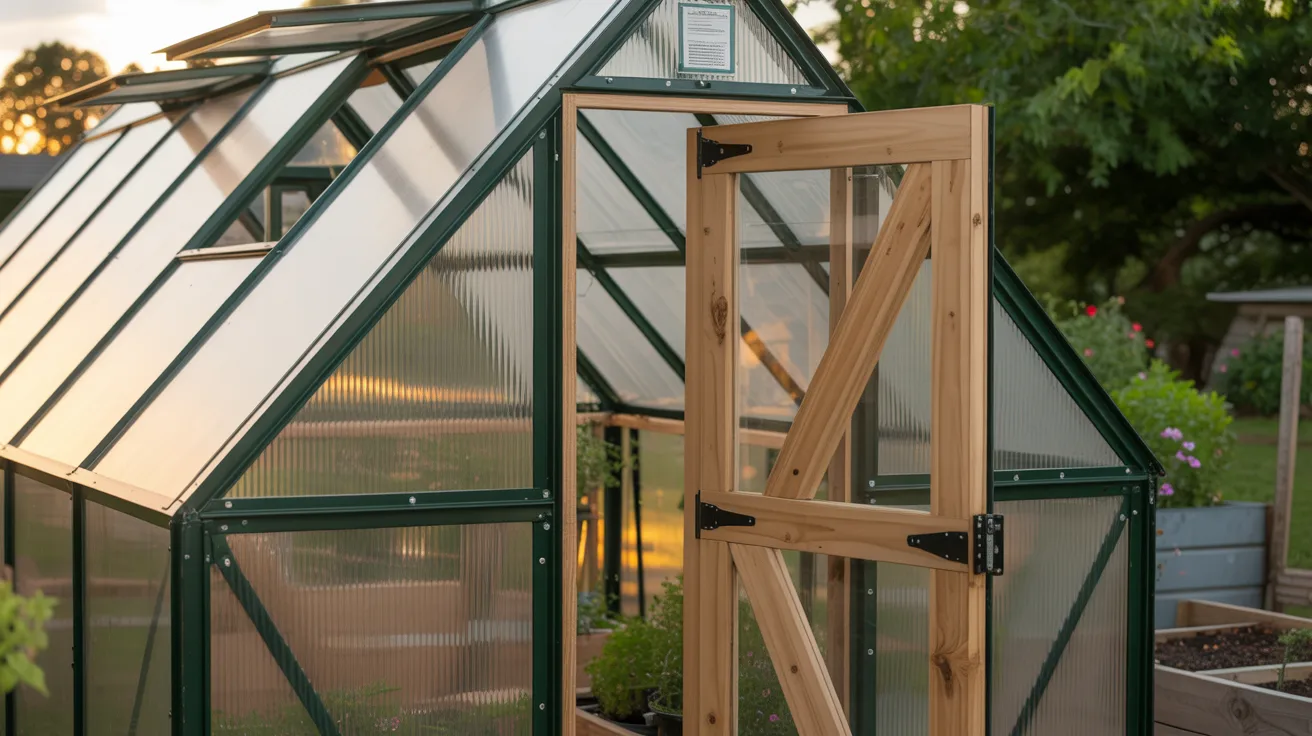
Hang the door on two sturdy hinges fixed to an upright. It should swing freely and close snugly. Add a latch to keep it shut in the wind. Fit your roof vent at the highest point of the greenhouse.
A simple prop rod lets you hold it open at different angles.
Step 7: Seal Gaps and Weatherproof
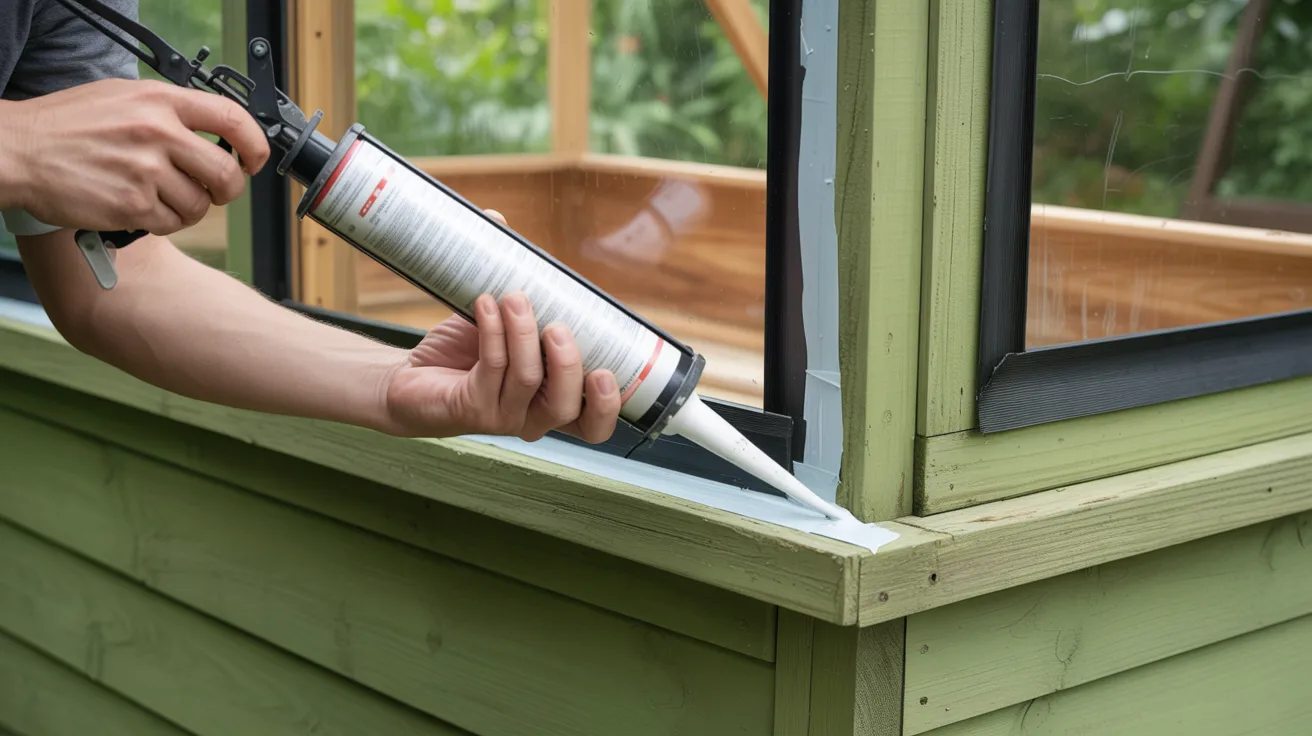
Go around the entire outside with clear silicone sealant. Fill every gap between windows and along the base. Use weatherstrip foam tape on the inside of the door frame.
Finish by painting all exposed timber with exterior wood preservative. This step protects your whole build from the weather.
Best Flooring Options
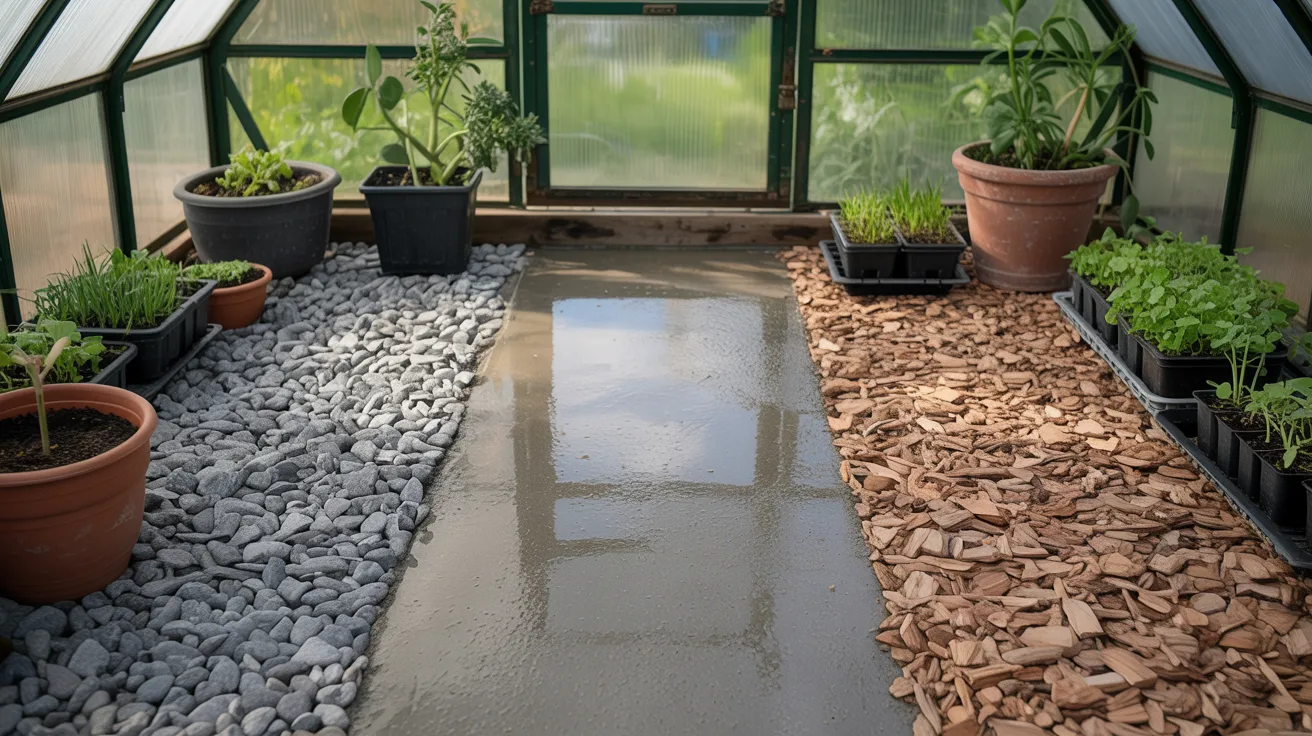
Gravel
Gravel drains well and costs very little. It is the most popular choice for greenhouse floors.
Concrete
Concrete is easy to sweep and suits a very tidy setup, but it needs a drain channel since water does not pass through it naturally.
Wood Chips
Wood chips feel comfortable underfoot and break down slowly into organic matter. They need topping up every year or two.
Drainage Tip
Whatever flooring you use, lay a sheet of landscape fabric underneath to stop weeds pushing up through the surface. On clay soil, dig a simple gravel-filled soakaway just outside the greenhouse to carry excess water away from the base.
Keeping Your Greenhouse Warm and Cool
Ventilation in Summer
Open the roof vent and door together. Cool air enters low, warm air exits high. Open vents before the inside gets too hot rather than after.
Slightly open vents overnight help cool the structure down for the next day.
Heating in winter
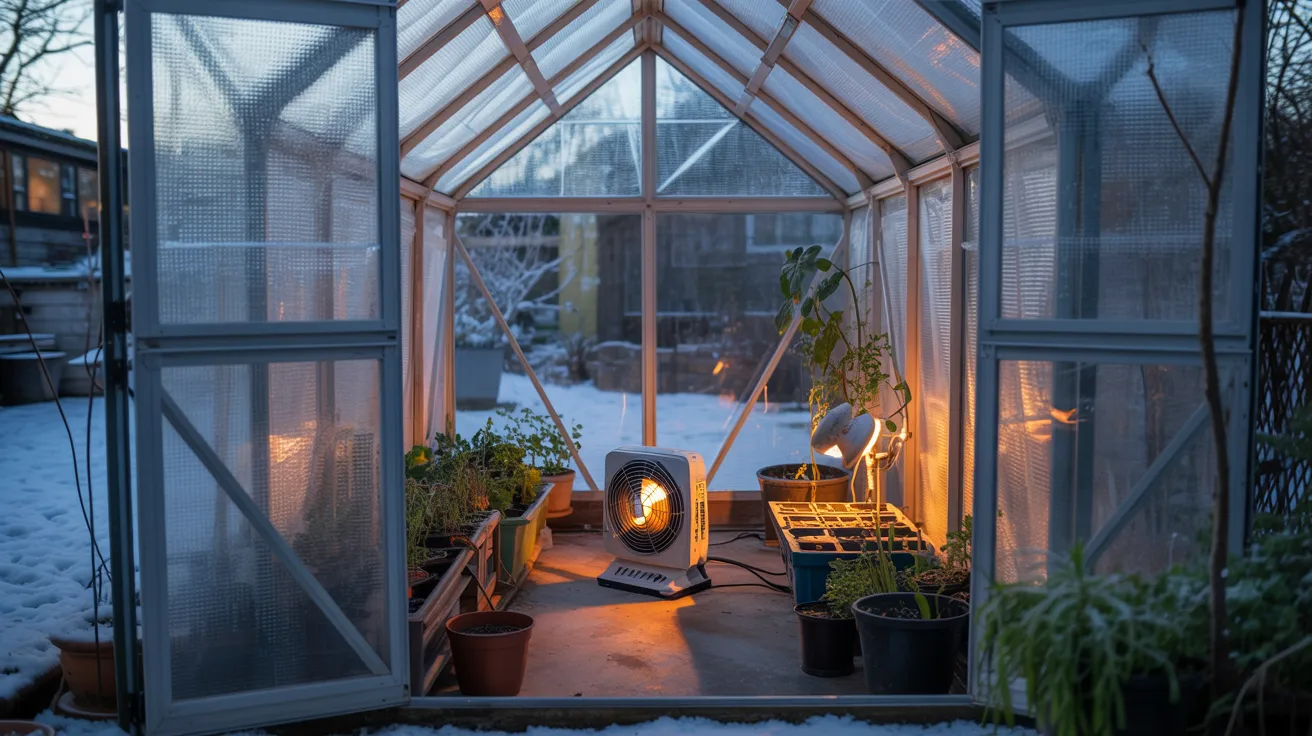
A small electric fan heater on a thermostat set to around 5 degrees Celsius is the simplest solution.
Bubble wrap fixed to the inside of the windows adds free insulation without blocking much light.
Placing water-filled containers inside also helps since water absorbs heat during the day and releases it slowly overnight.
Shade in summer
A shade cloth rated at 30 to 50 percent cuts harsh sun without blocking all light. Shading paint applied to the glass in spring and washed off in autumn is another low-cost option.
How Much Does It Cost?
If you source windows for free, here is a rough cost breakdown:
| Item | Estimated Cost |
| Treated timber for framing | $40 to $80 |
| Base blocks or timber | $20 to $50 |
| Polycarbonate roof sheets | $30 to $60 |
| Screws, brackets, fixings | $15 to $30 |
| Sealant, paint, weatherstrip | $20 to $40 |
| Door and vent hardware | $15 to $25 |
| Total | $140 to $285 |
Where to find free windows: Facebook Marketplace, Freecycle, and Gumtree are your best starting points. People replacing windows often give the old ones away to avoid skip fees. Salvage yards and tip shops also stock windows at very low prices.
Maintenance Tips
- Clean greenhouse glass panels twice a year, ideally during spring and autumn, to maintain clear sunlight exposure.
- Use warm soapy water with a soft cloth for regular cleaning to avoid scratching the glass.
- Remove algae safely with diluted white vinegar without damaging timber frames or sealants.
- Inspect sealant and timber frames every spring for cracks, gaps, or soft spots that may signal early rot.
- Keep soil away from the wooden base and add a gravel border around the greenhouse to reduce moisture buildup and decay.
Quick seasonal checklist:
- Spring: clean glass, reseal joints, paint bare timber
- Summer: check ventilation daily, monitor for pests
- Autumn: clear out dead plants, check roof after storms
- Winter:check heating, clear snow from roof if needed
Is a Greenhouse From Old Windows Worth It?
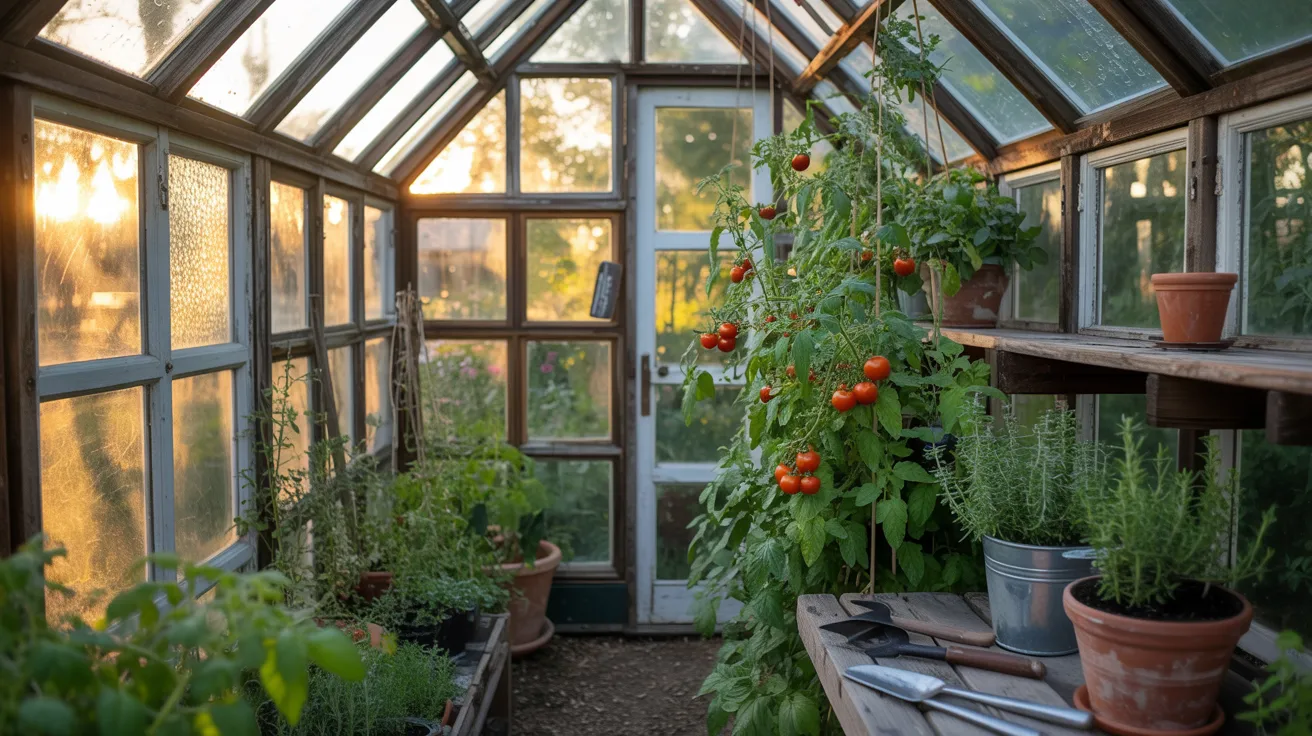
For most home gardeners, yes, absolutely.
It works best for people who: enjoy hands-on building projects, want to grow food year-round on a tight budget, and are comfortable with basic woodwork.
The honest downsides:old windows are heavy and awkward to move alone, single-pane glass holds less heat than modern glazing, and the build takes more planning than assembling a kit.
But for anyone willing to put in the time, the results are genuinely satisfying.
Conclusion
I still remember building my first lean-to greenhouse using six old windows a neighbour was about to throw away. At the time, I had no idea if it would actually work, but once I started gathering materials, the whole project slowly came together.
That little greenhouse is still standing today, and honestly, it became one of my favourite DIY garden projects.
If you have been thinking about building a greenhouse from old windows, my advice is simple:start collecting windows first and take it one step at a time.
If you have questions, drop a comment below or share this guide with another gardening enthusiast.
Frequently Asked Questions
Can old windows be used for a greenhouse?
Yes, old windows work very well. Check each pane for cracks and make sure the frames are solid and free from rot before you start building.
What is the best frame material for a DIY greenhouse?
Pressure-treated timber is the top choice for beginners. It is affordable, easy to cut, and holds up well outdoors when properly sealed and painted.
How do you keep a greenhouse warm in winter?
A small electric fan heater on a thermostat is the simplest fix. Adding bubble wrap to the inside of windows provides extra insulation at almost no cost.
Do I need a foundation for a small greenhouse?
Yes, a foundation is strongly recommended. Even a simple treated timber base or a row of concrete blocks keeps the structure stable and extends its life significantly.
Where can I find old windows for free?
Check Facebook Marketplace, Freecycle, and local salvage yards. People replacing their windows frequently give the old ones away free to avoid disposal costs.