Growing your own food inside a greenhouse sounds exciting, but knowing where to start can feel confusing.
I have spent time figuring out what actually works, and I want to save you that trouble.
This blog covers simple planning tips, ways to grow through every season, and answers to the most common greenhouse questions.
No complicated advice. Just clear, practical steps you can use today.
Whether you are a beginner or already growing, this guide will help you move forward with confidence.
What Is an Attached Greenhouse Solarium?
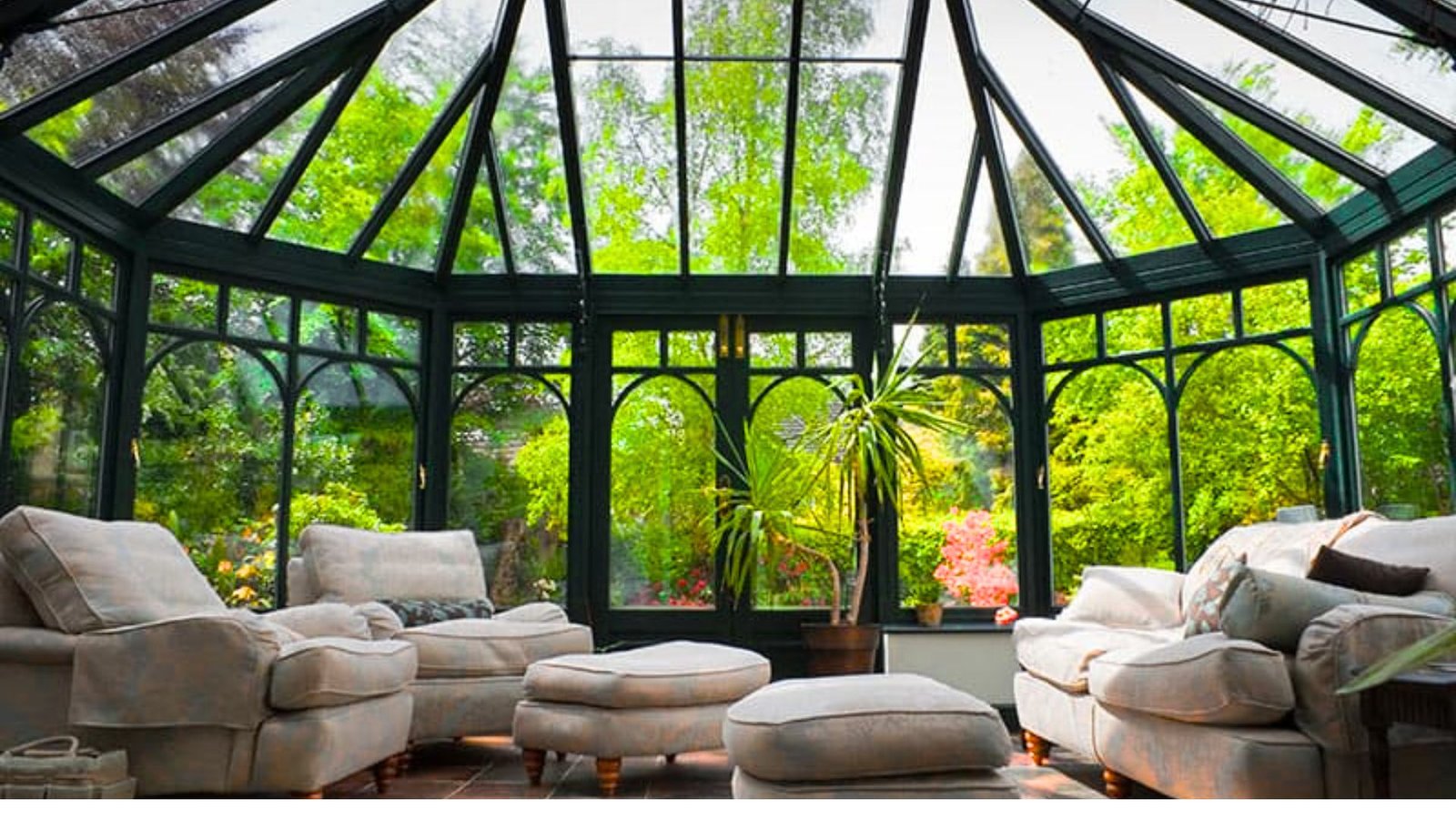
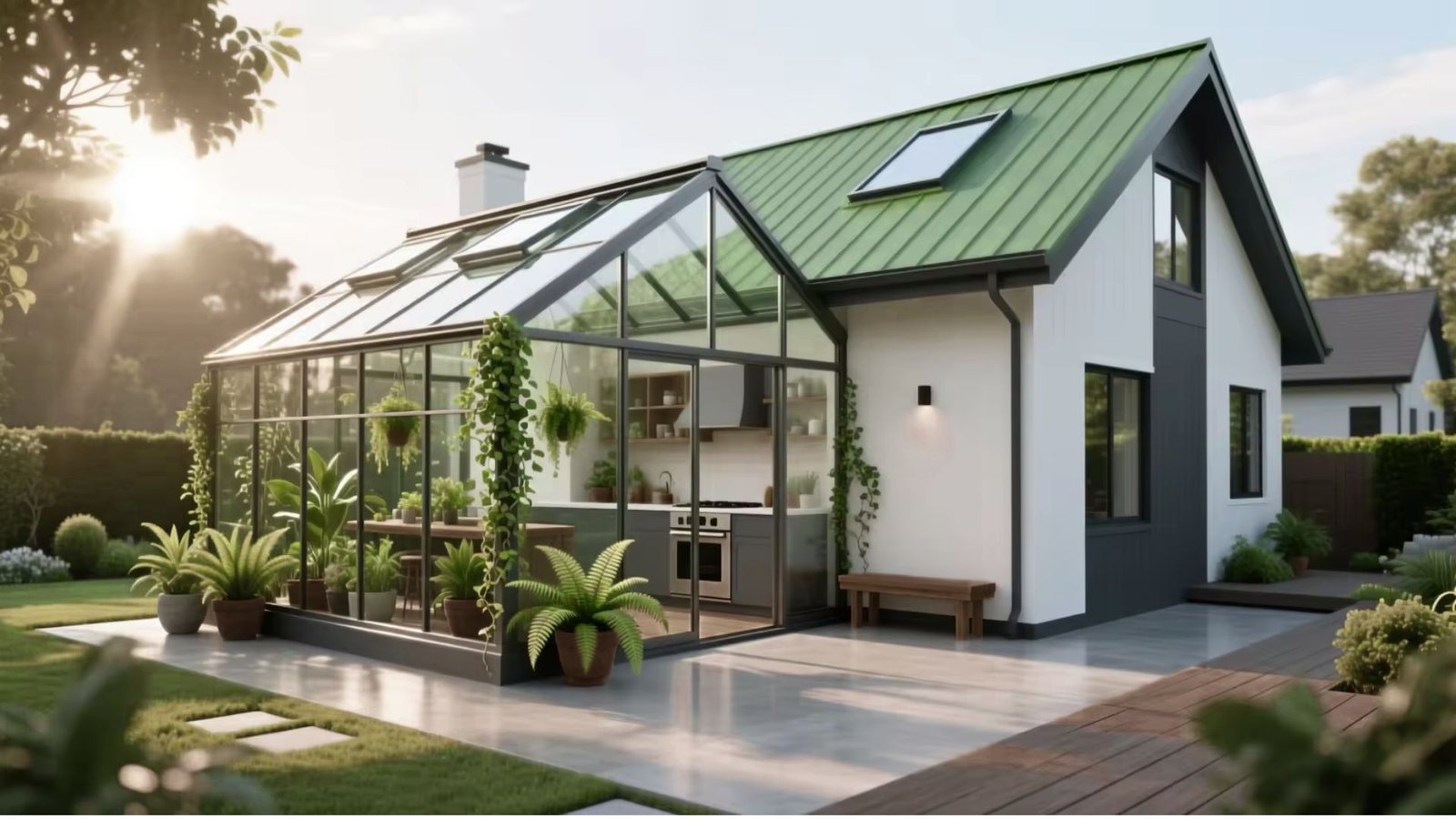
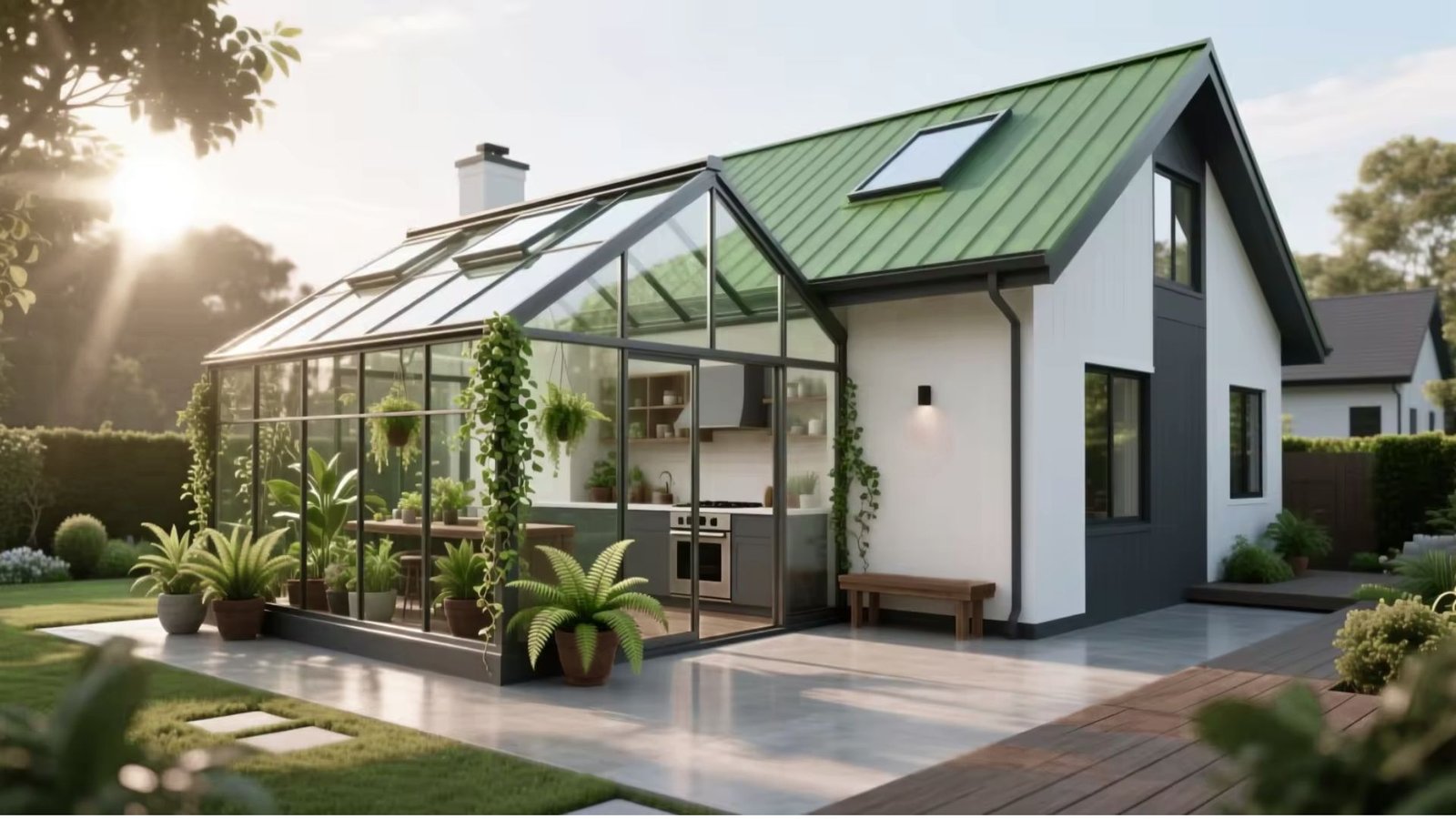
An attached greenhouse solarium is a glass-enclosed structure built onto your home's exterior wall. It connects to your home through a shared wall, with glass or polycarbonate panels on the roof and sides to let sunlight in all day.
Heat builds up naturally inside and can flow into your home, helping lower heating costs in winter. Roof vents and operable windows keep the temperature in check.
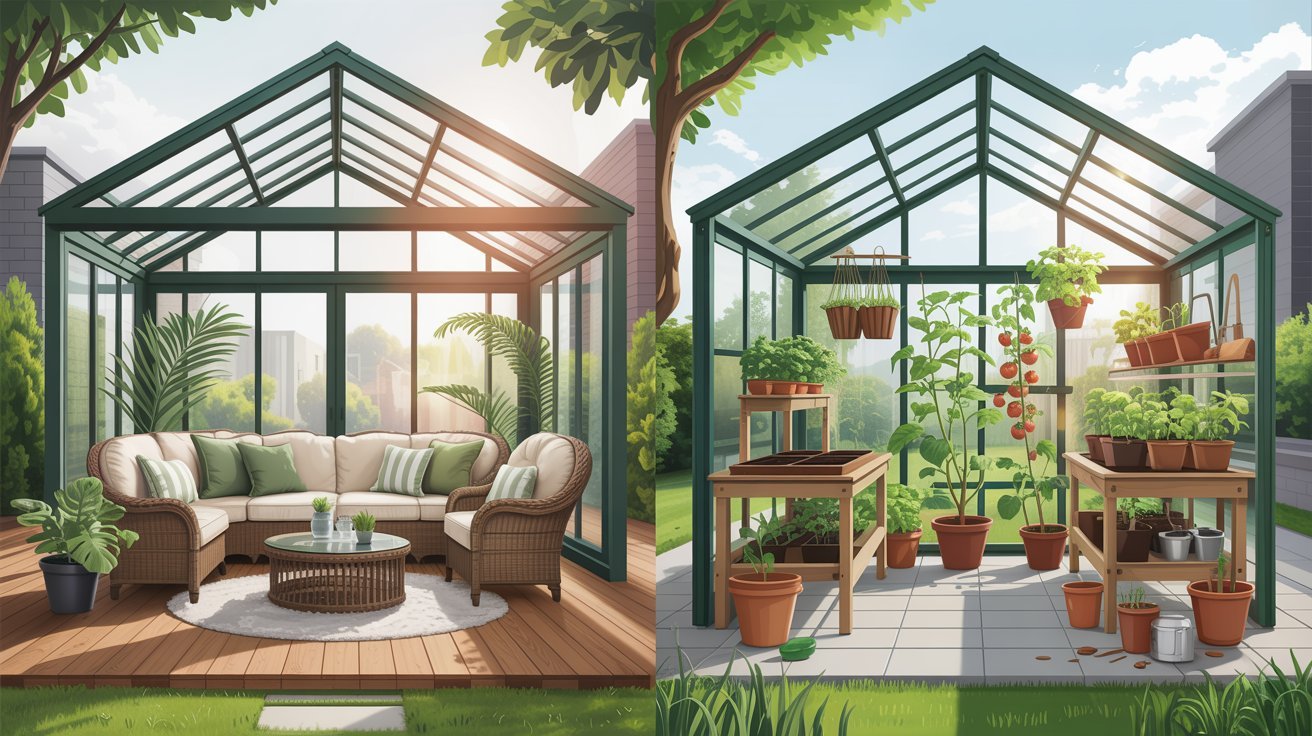
The glass walls allow you to grow herbs, vegetables, and flowers even in cold months. It also works as a sitting room or hobby space without needing a full home addition.
Choosing the Best Location
Picking the right spot is the first step to growing a healthy and productive garden.
Importance of Sunlight Exposure
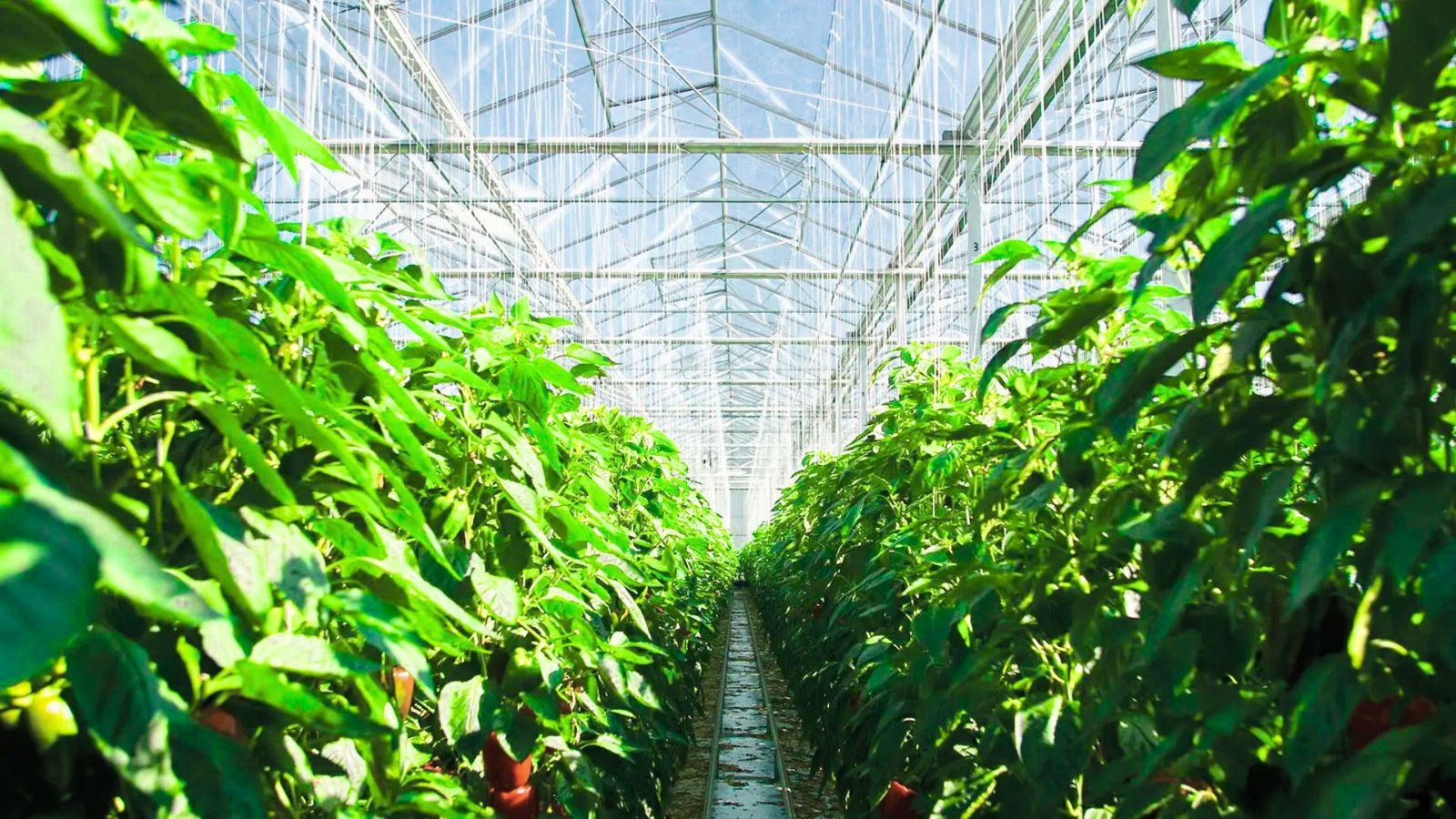
Most plants need six to eight hours of direct sunlight daily. Before planting, watch how sunlight moves across your yard throughout the day.
South-facing spots usually work best for vegetables, herbs, and flowering plants.
Avoiding Trees and Shade
Trees block sunlight and their roots compete for water and nutrients underground. Keep your garden a few feet away from large trees.
An open area with clear sky above gives your plants the best growing conditions.
Planning the Solarium Design
Good planning saves time, money, and stress. These are the key decisions to get right before you build.
Roof Style Options
The roof affects how much light comes in and how the space holds up through different seasons.
Lean-to roofs are simple and low-cost. They slope gently and attach directly to your home's wall.
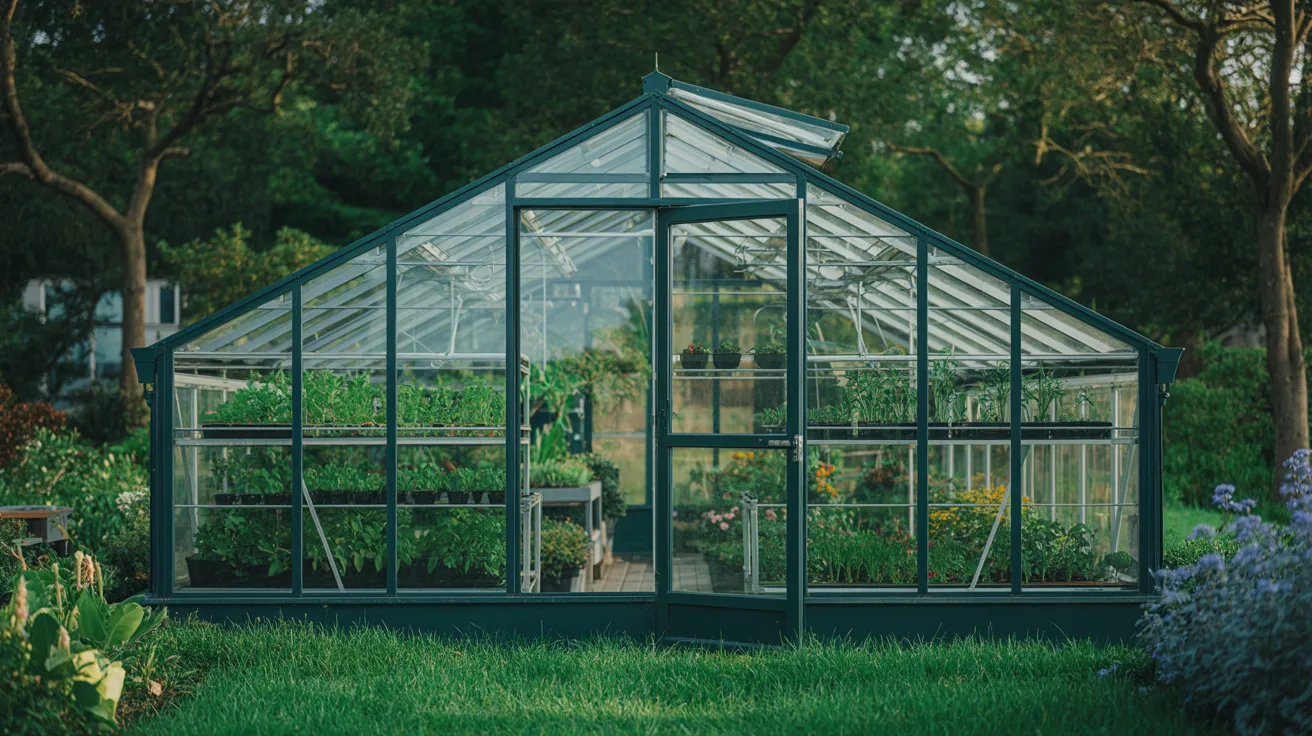
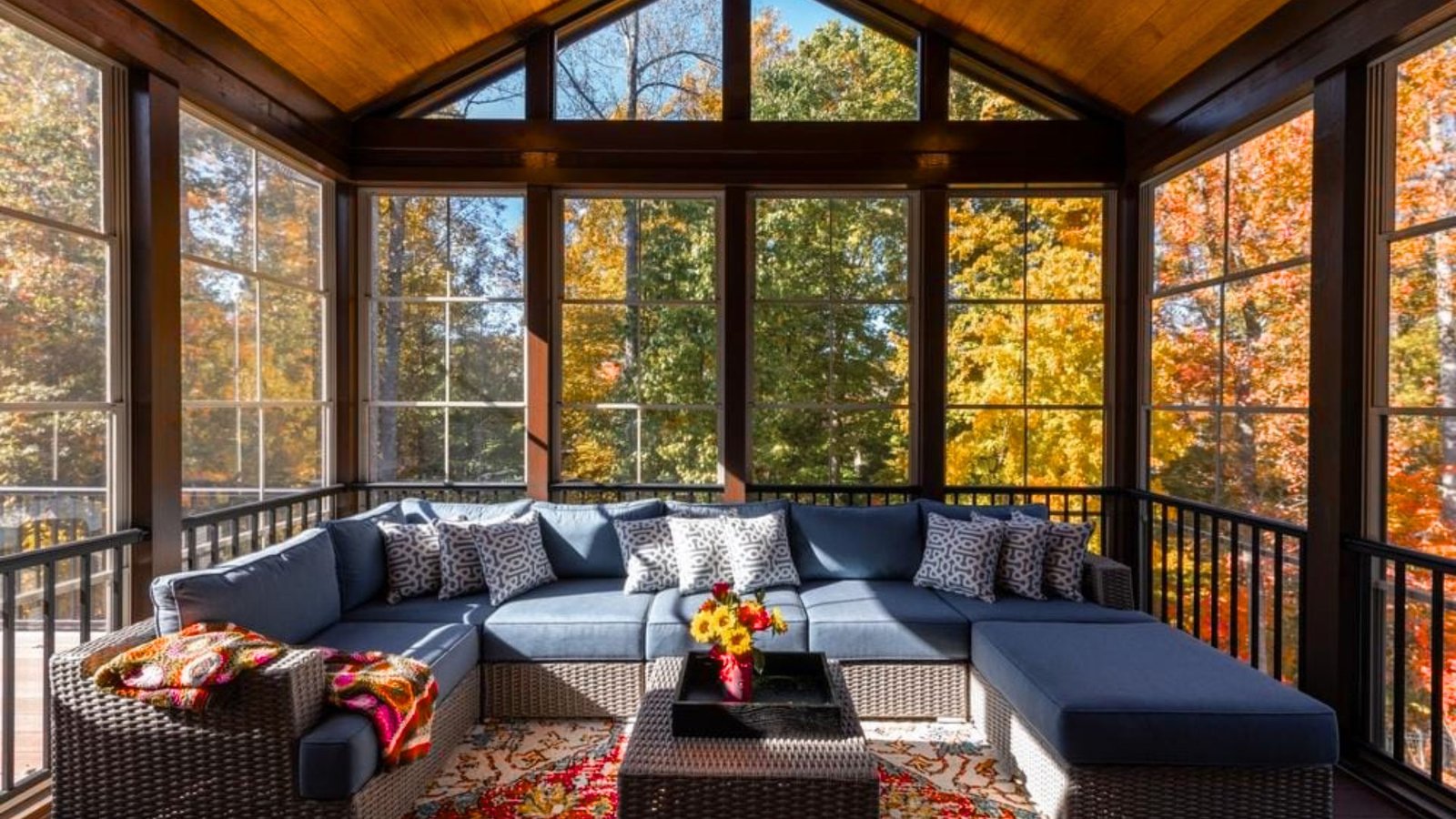
Gable roofs have two angled sides meeting at the top. They bring in more light and give the room a spacious feel.
Curved or lantern roofs add height and pull in light from above. These work well where extra brightness is needed.
Match your roof choice to your local weather. Steeper slopes handle snow and rain better. Flatter styles suit milder climates.
Choosing the Right Size and Layout
Think about how you will use the room daily. A reading nook needs less space than a dining area or workspace.
Sunlight direction matters. South-facing rooms stay warm and bright most of the day. East-facing ones suit morning use. West-facing rooms are better for evenings.
Keep the layout simple. A rectangular shape is easier to build and cheaper to heat. Make sure the room connects naturally to the rest of your home.
Check local planning rules early. Many areas have size limits or boundary setback requirements that will shape your final design.
Foundation and Flooring Basics
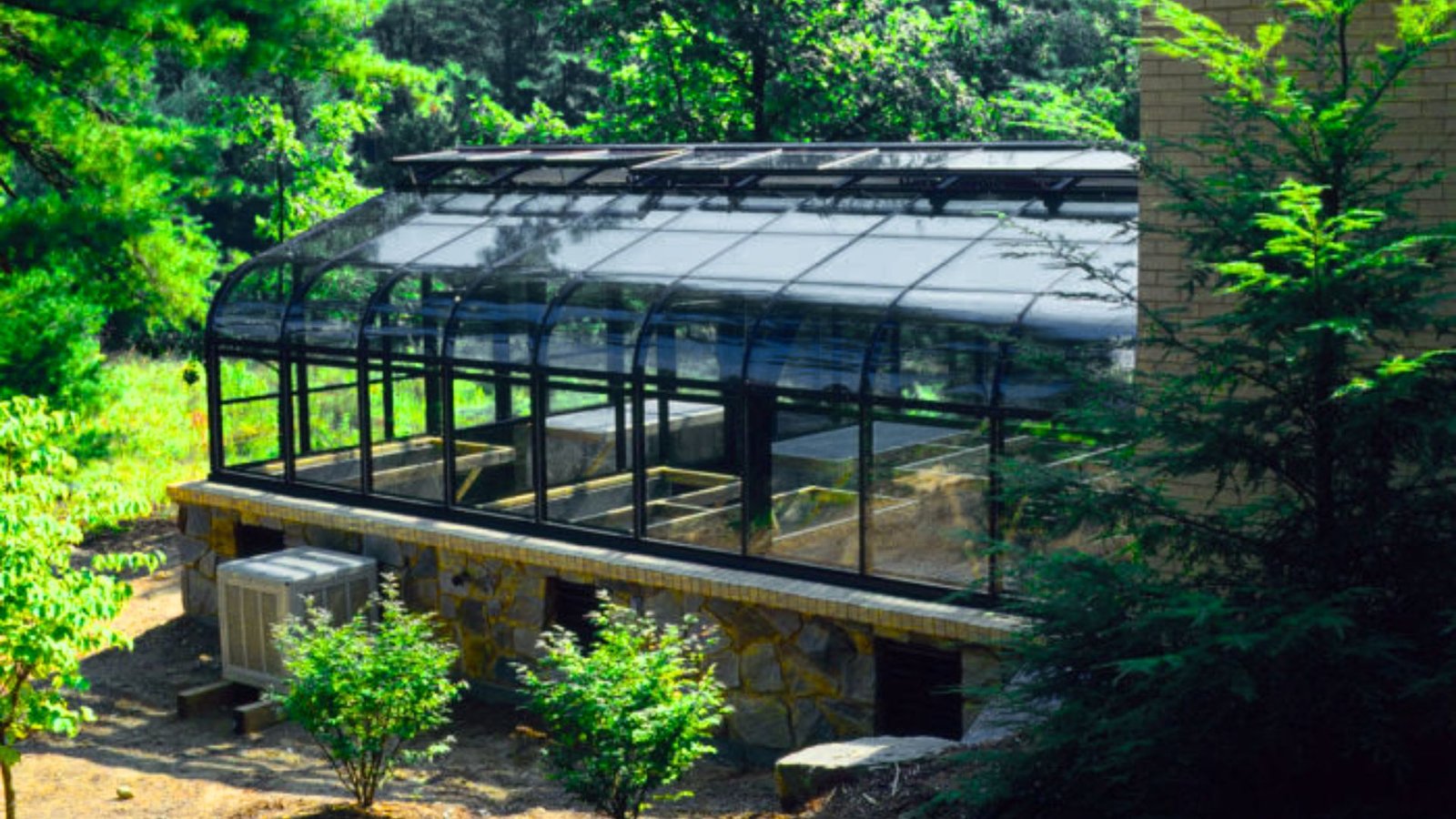
Good flooring starts from the ground up. The right base and materials keep your floor strong for years.
Why Drainage Matters
Water damages floors faster than anything else. Without proper drainage, moisture builds up under the floor and causes rot, mold, and cracks.
A good drainage system moves water away from the base. This keeps the subfloor dry and stable, especially in basements and ground-level rooms.
Best Flooring Materials
Picking the right material saves you time and money in the long run.
- Concrete works best for garages and basements. It handles heavy use and moisture well.
- Ceramic or porcelain tiles suit kitchens and bathrooms. They are waterproof and easy to clean.
- Vinyl flooring fits most indoor spaces. It is budget-friendly and water-resistant.
- Hardwood is great for living areas but needs sealing to stay protected.
- Rubber flooring is ideal for gyms and utility rooms. It absorbs impact and lasts long.
Match your material to the space, the moisture level, and your budget.
Heating, Cooling, and Ventilation

Managing temperature and airflow at home keeps your space comfortable and your energy bills low.
Maintaining the Right Temperature
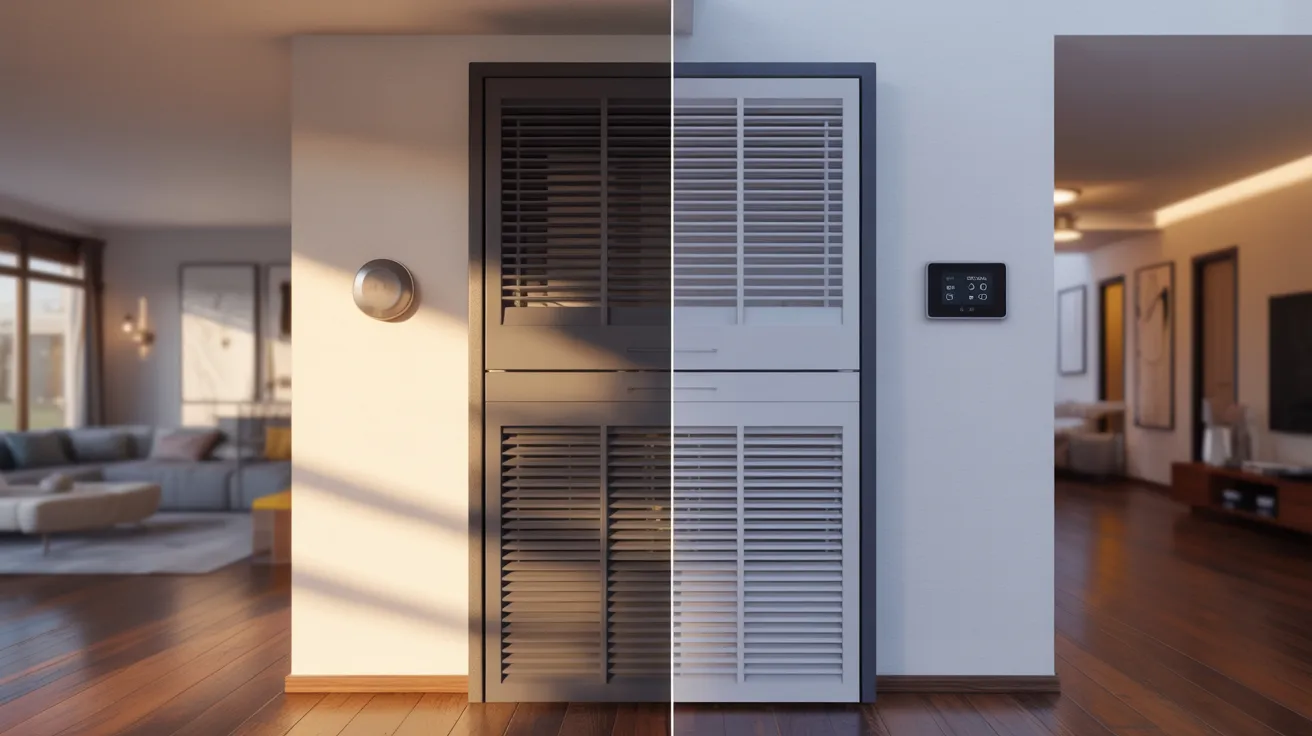
Use a programmable thermostat to set different temperatures throughout the day. It saves energy without losing comfort.
Seal gaps around windows and doors. This stops heat from escaping in winter and entering in summer.
Change your HVAC filter every one to three months. It keeps air clean and the system running efficiently.
Using Vents, Fans, and Shades
Open vents in rooms you use and close them in unused rooms. This balances the temperature across your home.
Run ceiling fans counterclockwise in summer to push cool air down. Switch to clockwise on low in winter to redistribute warm air.
Close curtains on west and south facing windows in the afternoon. This keeps rooms cooler without any extra cost.
Open windows on opposite sides of your home for a natural cross breeze. It cools your space without running the AC.
Choosing the Right Glass and Materials
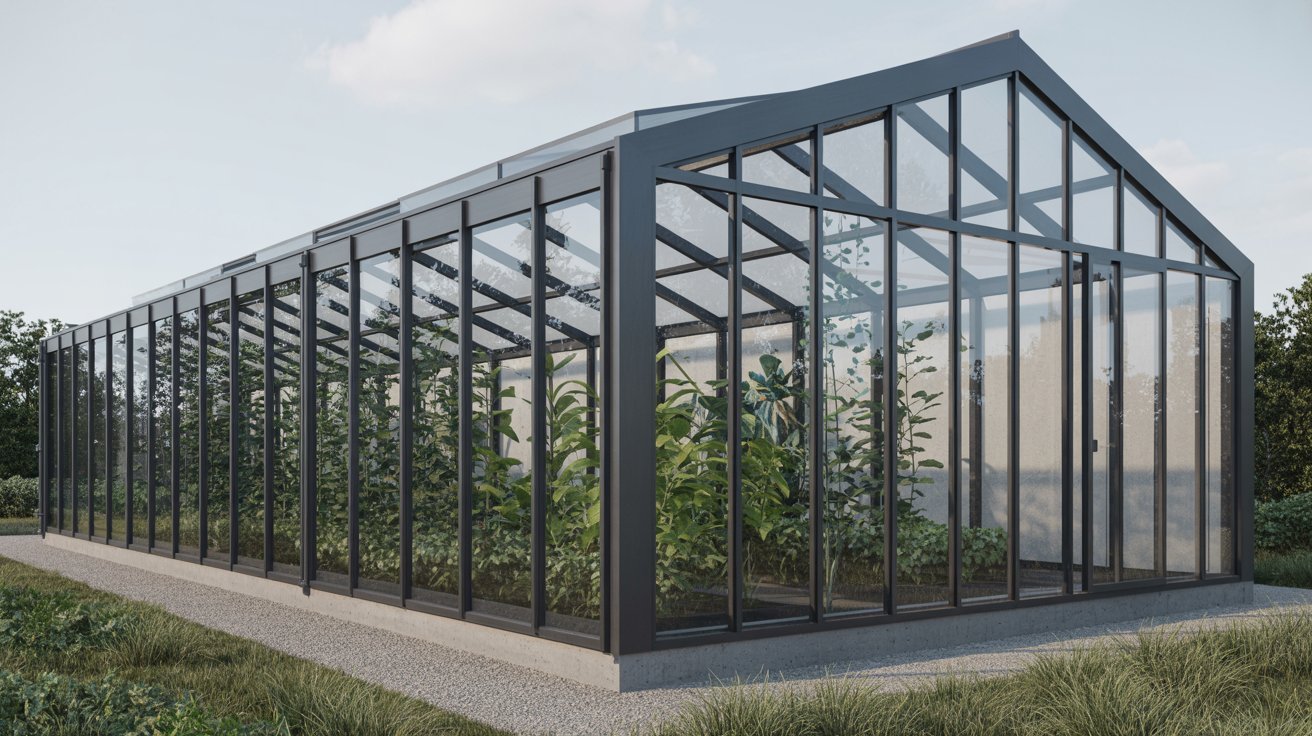
Picking the right glass and framing materials affects how your windows perform for years to come.
Double-Pane Insulated Glass
Single-pane windows let heat and cold pass through easily. Double-pane glass uses two layers with a gas-filled gap in between.
That gap is filled with argon or krypton gas. This slows heat transfer and keeps your home comfortable year-round without overworking your HVAC.
It also cuts outside noise and reduces condensation. A low-E coating adds more by reflecting heat in winter and blocking it in summer.
Energy-Efficient Framing Options
The frame matters just as much as the glass. A poor frame lets air leak and wastes energy.
Vinyl frames resist moisture and do not conduct heat easily. Fiberglass holds its shape in extreme temperatures. Wood insulates well but needs regular upkeep. Aluminum is strong but conducts heat unless it has a thermal break inside.
Choose based on your climate, budget, and how much maintenance you can handle.
Cost and Planning Considerations
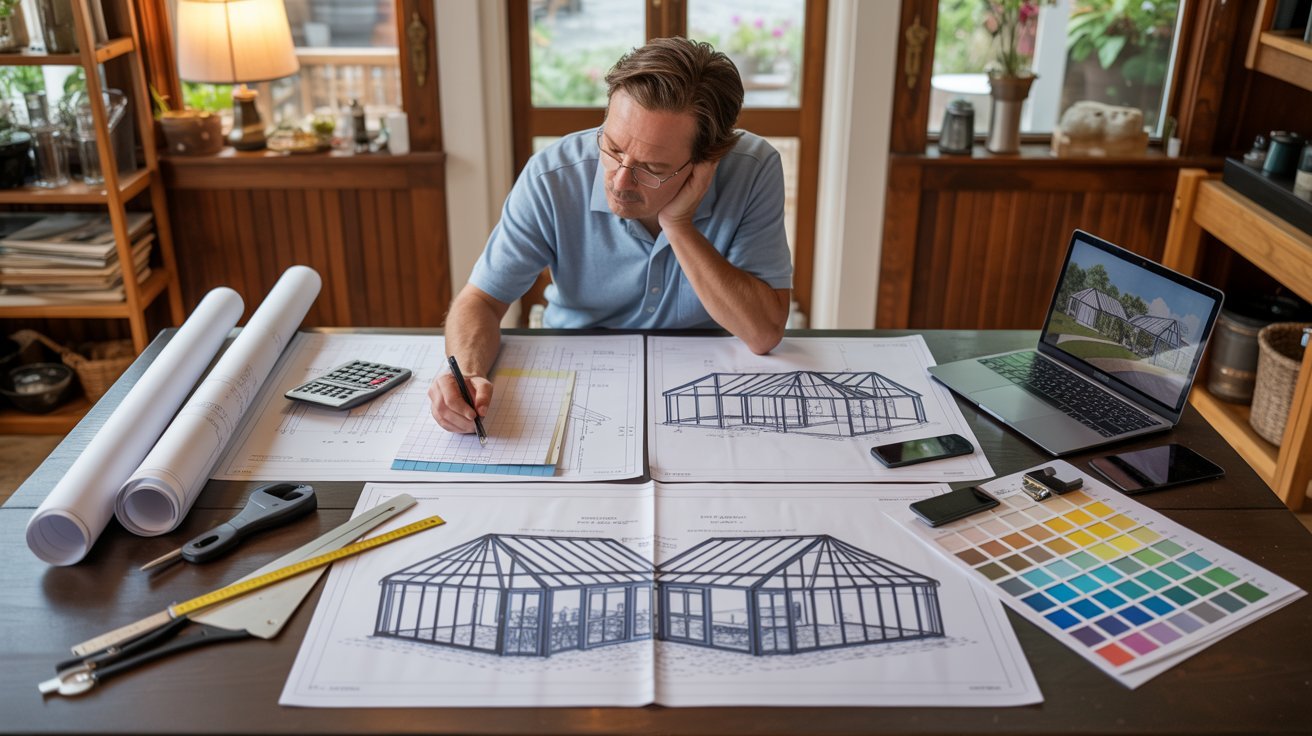
Planning ahead means looking at both upfront costs and what you gain over time.
Installation Cost
Space Size Larger areas need more materials and labor, which raises the total cost.
Material Type Cheaper options may not last as long and can cost more in repairs later.
Labor Rates Rates vary by location. Get a few quotes before committing to anyone.
Site Conditions Uneven ground or extra prep work will add to your overall budget.
Permits Check local rules. Inspections and permits may apply in your area.
Long-Term Value
Fewer Repairs Quality work from the start keeps ongoing maintenance costs low.
Lower Energy Bills Modern materials help reduce heating and cooling costs over time.
Property Value A well-installed structure reflects positively when it comes time to sell.
Longer Lifespan Less frequent replacement means you get better value for your money.
Benefits of Creating a Year-Round Greenhouse Space
With the right setup, you can grow through every season without much trouble.
Insulation and Heat Control
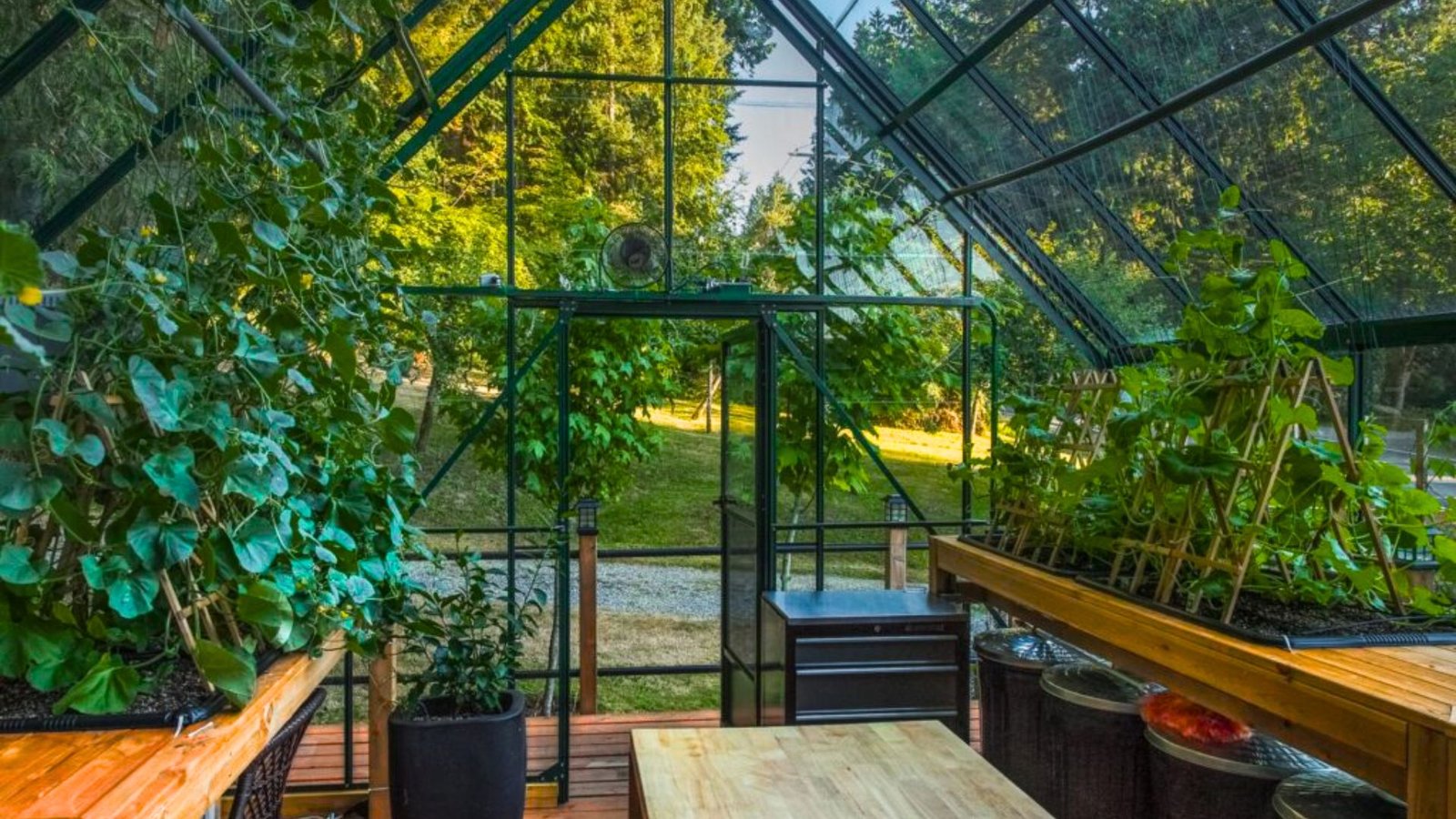
Use double-wall polycarbonate panels to hold heat in winter. They outperform single glass panes.
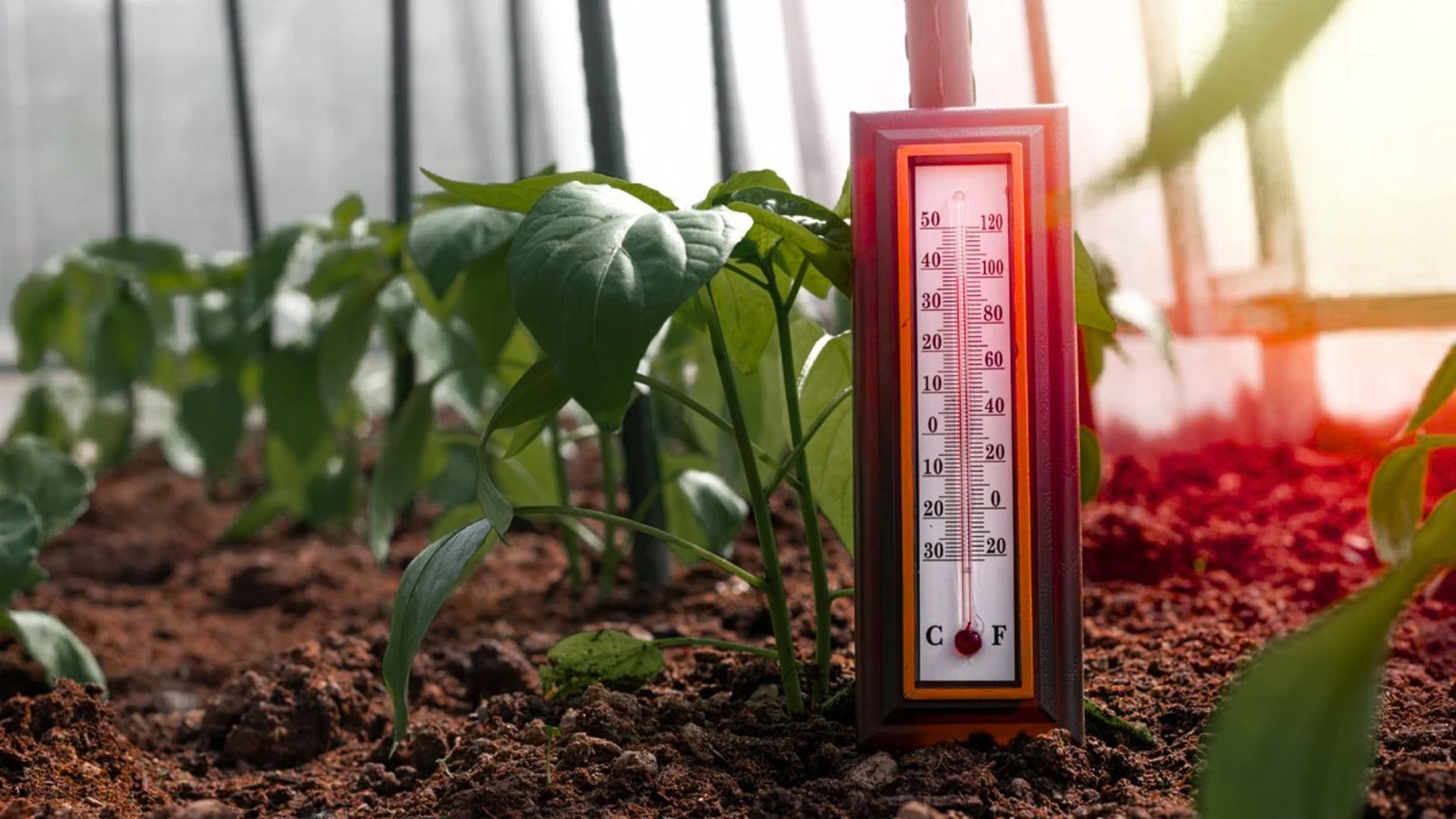
Add a small heater with a thermostat for cold nights to keep temperatures steady without wasting energy.
Lighting and Summer Care
Install grow lights for darker months. Full-spectrum LEDs give plants the light they need when sunlight is low.
Use shade cloth in summer to cut down on heat, and water your plants early in the morning to keep them healthy.
Watering and Maintenance
A drip irrigation system keeps watering consistent and saves you time every day.
Key Planning Tips for Success
A greenhouse gives you more control over what you grow and when.
- Pick a spot with at least six hours of sunlight. South-facing areas work best.
- Know what you want to grow before you start. Clear goals save time and money.
- Go bigger than you think you need. Most growers wish they had more space.
- Make sure your greenhouse has good airflow. Vents and fans prevent heat buildup.
- Keep simple records of what you plant. This helps you improve each season.
Conclusion
Starting a greenhouse is one of the best decisions you can make for your garden. I started small with just a few shelves and some basic tools, and it changed the way I grow food completely.
Once you see your first winter harvest, you will never look back. Whether you are just planning or already growing, every small step counts.
Got a greenhouse tip that worked for you? Drop it in the comments. We would love to hear what is growing in your space!
Frequently Asked Questions
What is the best location for a greenhouse?
Place your greenhouse where it gets at least six hours of sunlight daily. South-facing spots work best for most climates.
How do I keep my greenhouse warm in winter?
Use double-wall polycarbonate panels and a small heater with a thermostat. This combo keeps temperatures stable on cold nights.
Can I grow vegetables in a greenhouse all year?
Yes, with grow lights and proper insulation, year-round growing is very manageable. The right setup makes a big difference.
How often should I water plants in a greenhouse?
Watering depends on plant type and season. A drip irrigation system helps keep moisture levels steady without overwatering.
Do I need a large space to build a greenhouse?
No, even a small greenhouse can produce a good amount of food. Start small and expand as you grow.