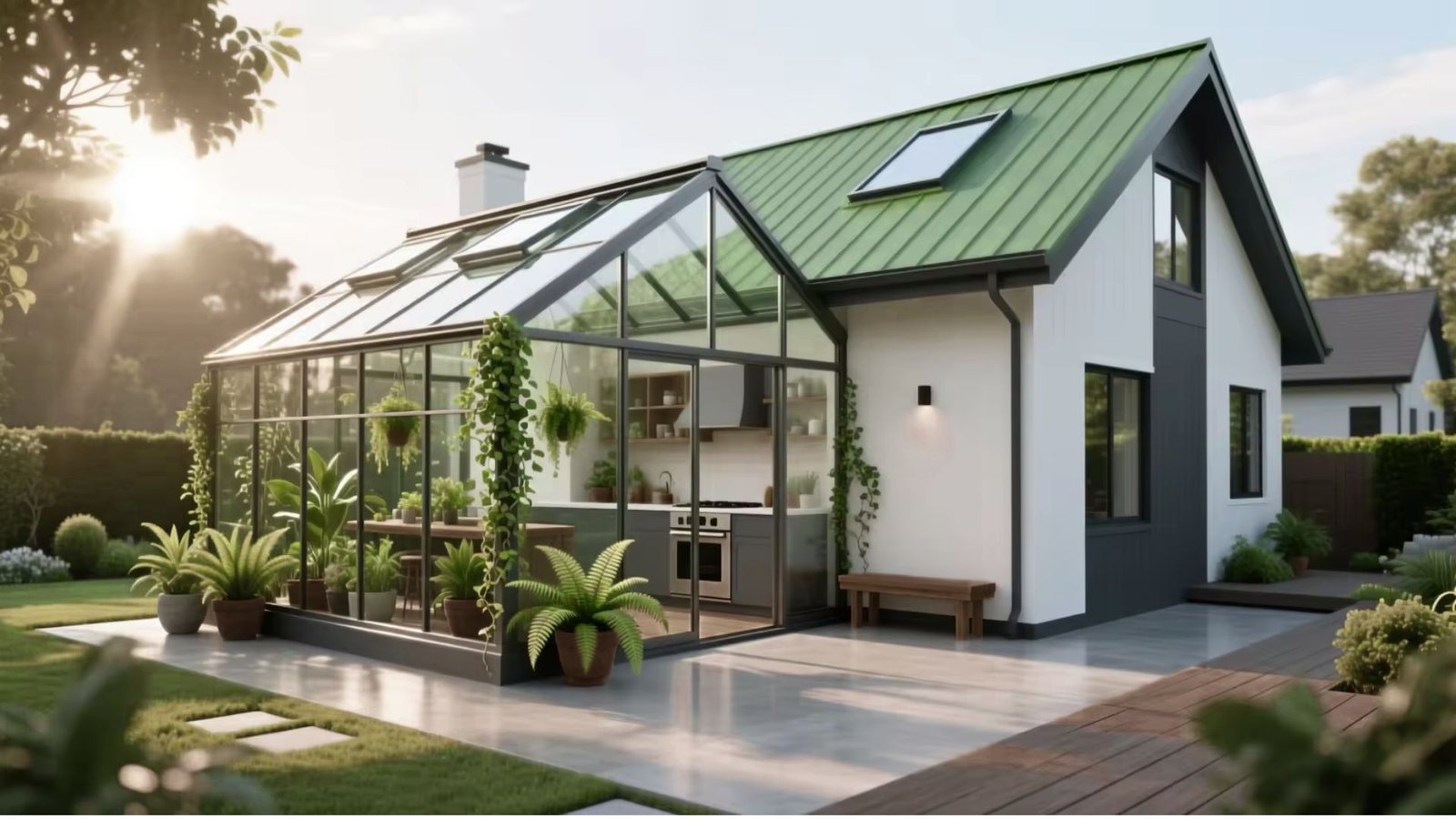
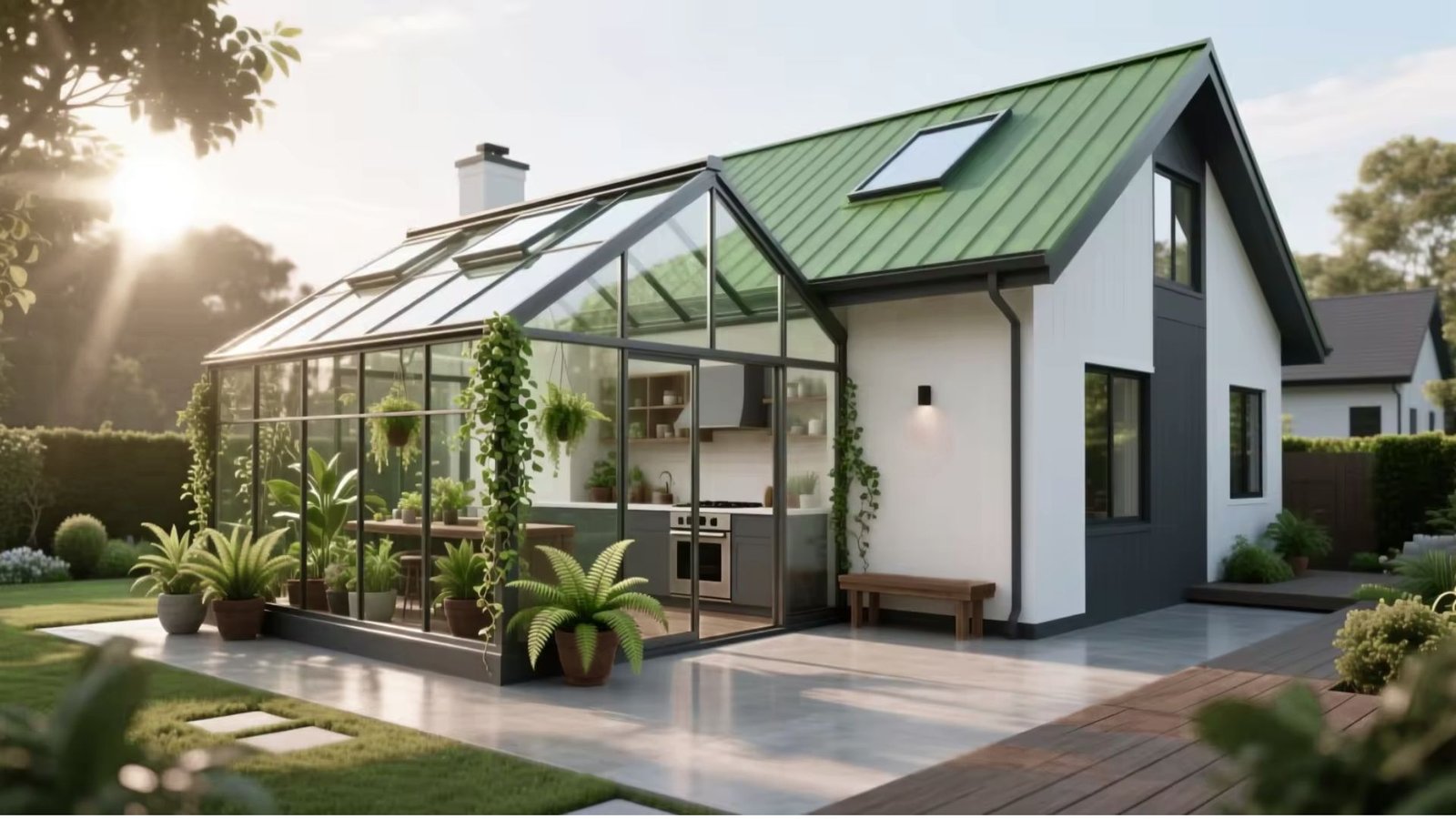
Buying a temperature controlled greenhouse is not as simple as picking the biggest one you can afford.
I have helped many people work through this decision. Trust me, the right choice comes down to a few key factors.
In this guide, you will learn what to look for, how to manage costs, and which climate control features actually matter.
We will cover size options, heating and cooling systems, and smart buying tips.
By the end, you will know exactly what fits your space and budget.
What is a Temperature Controlled Greenhouse System?
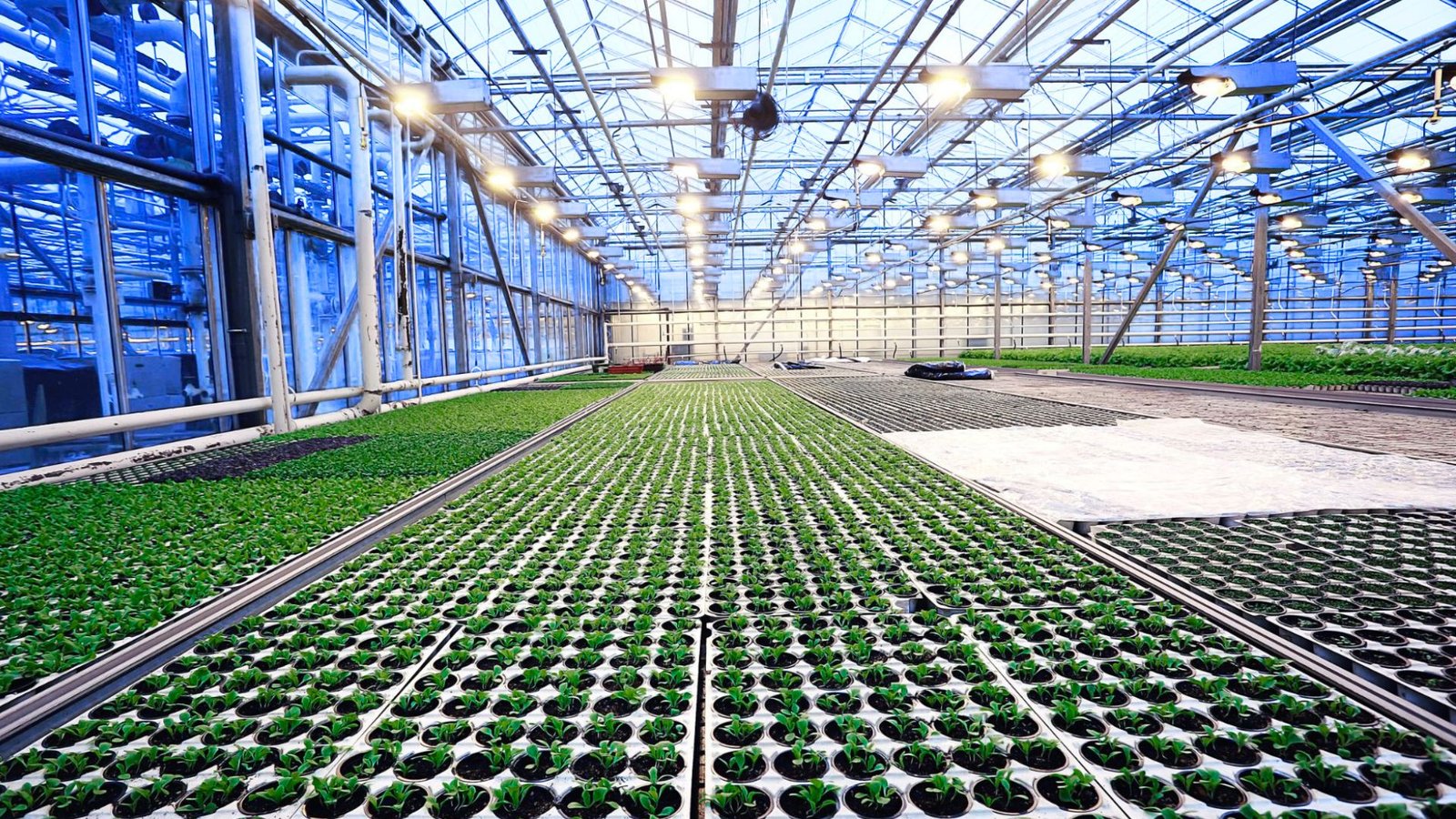
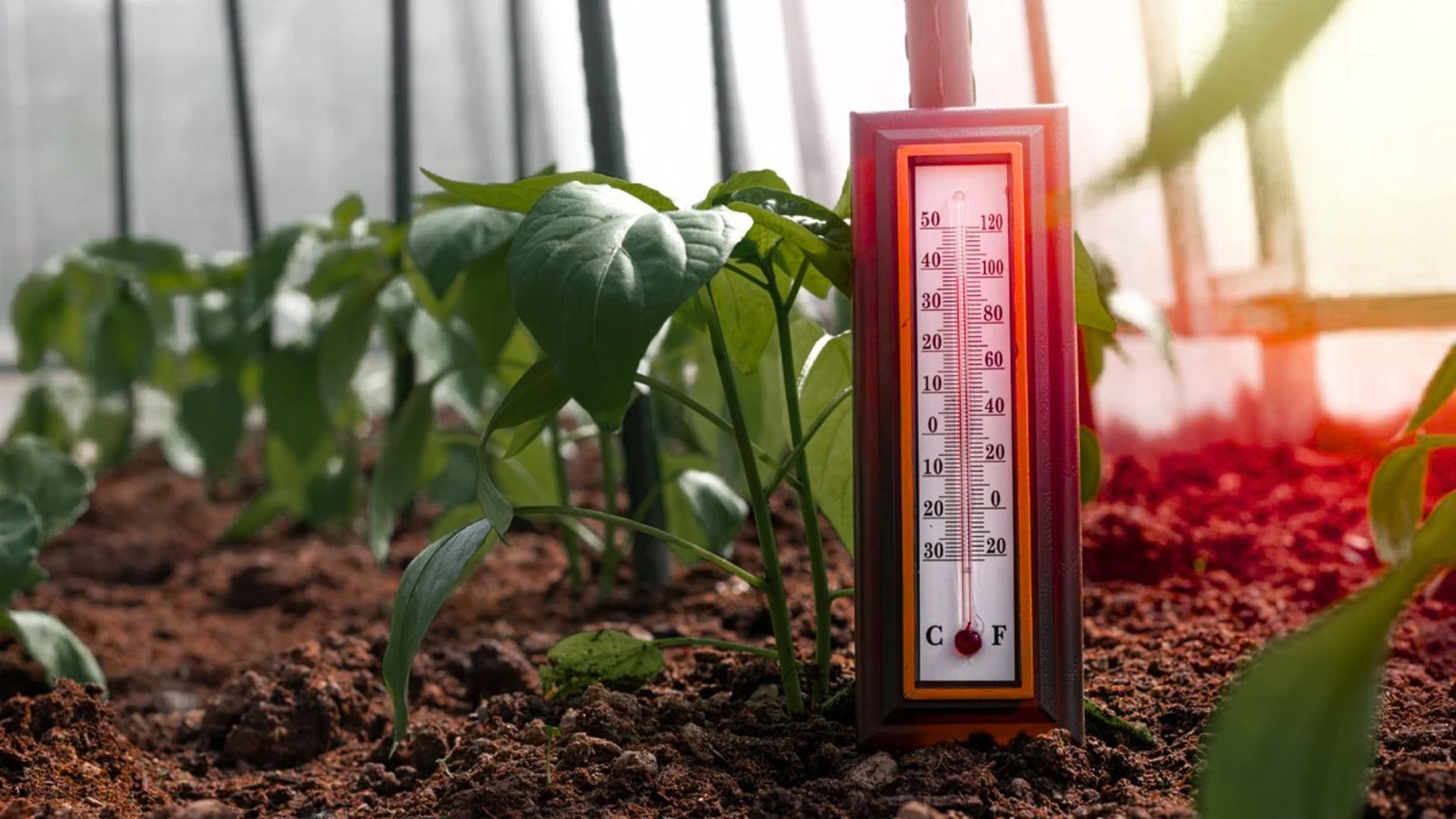
A temperature controlled greenhouse system keeps plants growing in a stable indoor climate all year. It uses sensors, heaters, fans, and automated controllers to manage heat levels inside the structure.
When temperatures rise too high, cooling systems activate. When they drop, heaters turn on. This gives growers full control over their crop conditions, no matter what the weather is like outside.
Temperature Controlled Greenhouse Systems
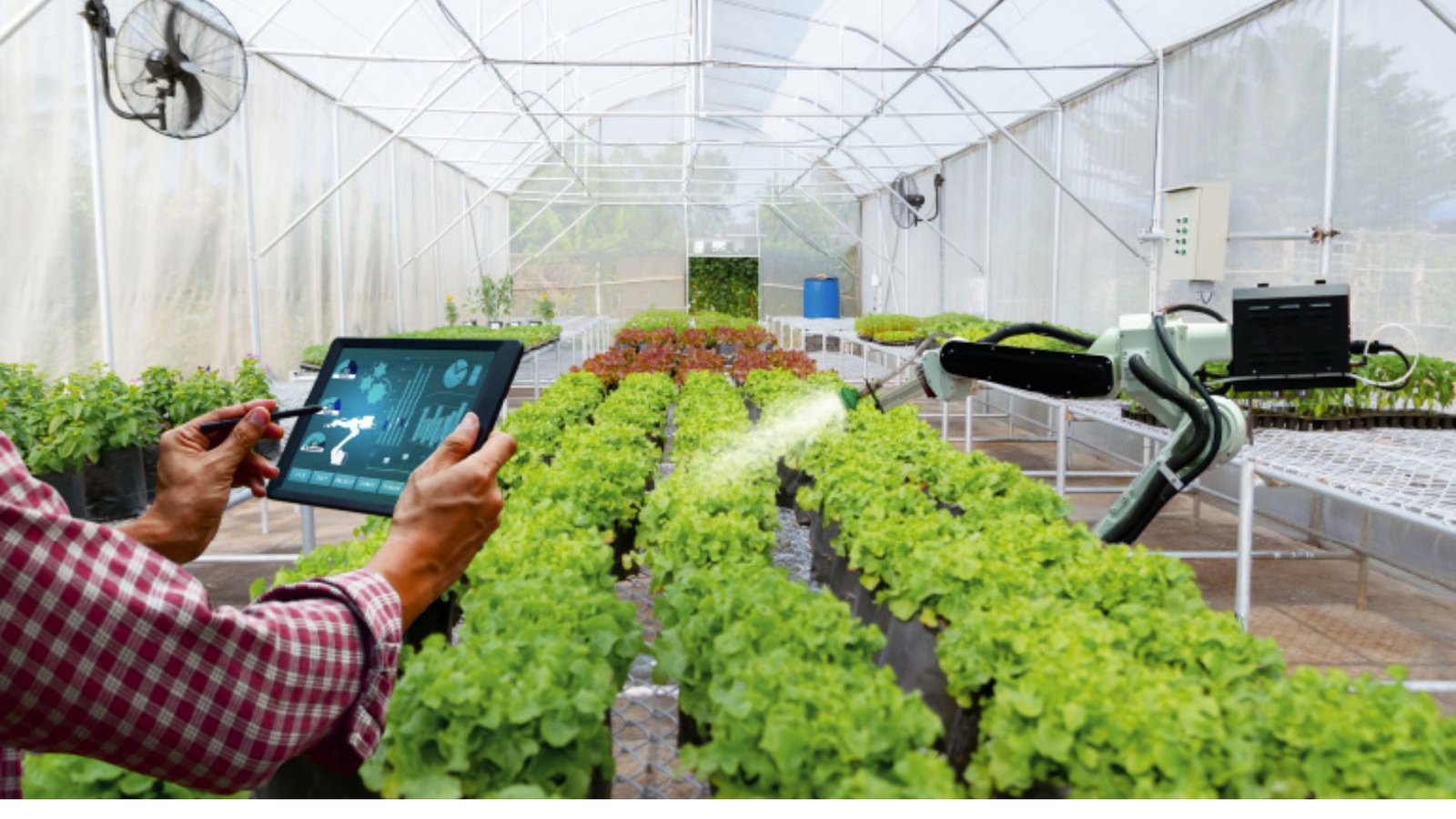
The right temperature control systems keep your greenhouse stable, healthy, and productive through every season and weather change.
Keeping the right temperature inside a greenhouse is not always easy. The wrong setup can stress your plants or slow their growth. The good news is that the right systems make this much simpler.
Temperature Controlled Greenhouse Fan
A fan does more than just move air around. It keeps the temperature even across the whole greenhouse.
Without airflow, hot spots form near the roof and cold spots settle near the floor. A good fan spreads the air so every plant gets the same conditions.
Circulation fans work well for smaller spaces. Exhaust fans pull hot air out when temperatures rise too high. Many fans now come with built-in thermostats that turn them on and off automatically.
Temperature Controlled Greenhouse Vent
Vents are one of the simplest ways to manage heat buildup inside a greenhouse. When the temperature rises, opening a vent lets hot air escape naturally.
Roof vents work best since heat rises. Side vents help bring in fresh, cooler air from outside. Together, they create a steady airflow that keeps things balanced.
Manual vents work fine for smaller greenhouses. For larger spaces, motorized vents connected to a thermostat make the process hands-free and more reliable.
How to Build a Temperature Controlled Greenhouse
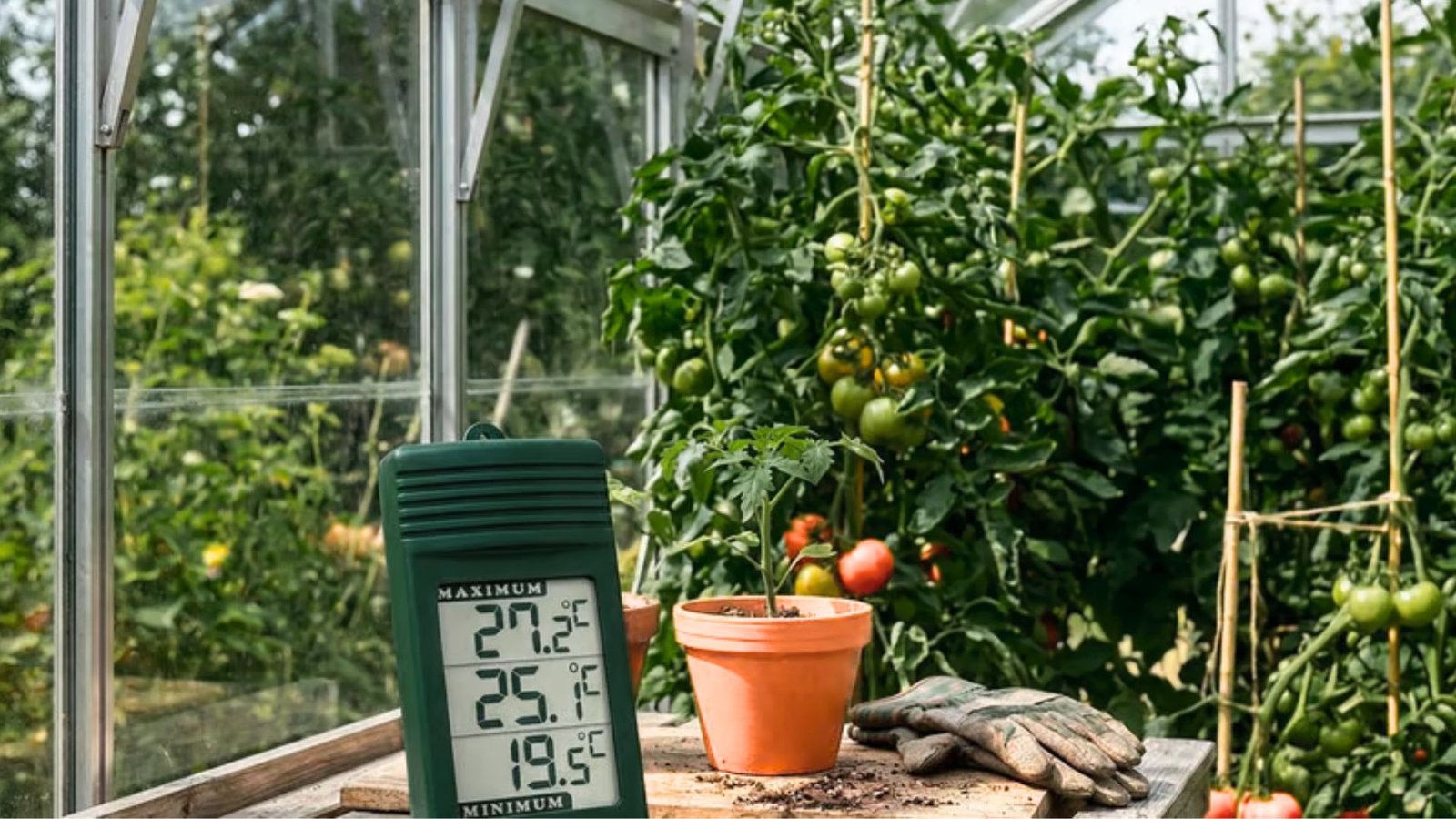
Learn the key steps to build a temperature controlled greenhouse that keeps your plants healthy all year round.
Building a temperature controlled greenhouse is simpler than it sounds. The right structure, setup, and materials do most of the work.
Choosing the Right Greenhouse Structure
Pick a size that matches your needs. Smaller spaces are easier to heat and cool.
Freestanding greenhouses offer better airflow control. Lean-to designs save space and use walls for added insulation.
Choose a shape that allows good air circulation to avoid hot or cold spots.
Heating, Cooling, and Ventilation Setup
A good heating, cooling, and ventilation setup keeps your greenhouse comfortable in every season.
Place an electric or gas heater evenly across the space for consistent warmth in colder months.
Roof and side vents push hot air out naturally, while exhaust fans add extra cooling on hot days. A thermostat holds everything together by maintaining steady temperatures automatically.
Best Materials for Insulation
Choosing the right insulation materials makes a big difference in how well your greenhouse holds heat. Double-wall polycarbonate panels are a popular choice because they trap warmth effectively while blocking harsh UV rays.
Insulated glass is another solid option for colder climates where heat loss is a constant concern.
Thermal screens and weather stripping around doors and vents add an extra layer of protection, keeping warm air in and cold air out.
DIY Temperature Controlled Greenhouse Setup
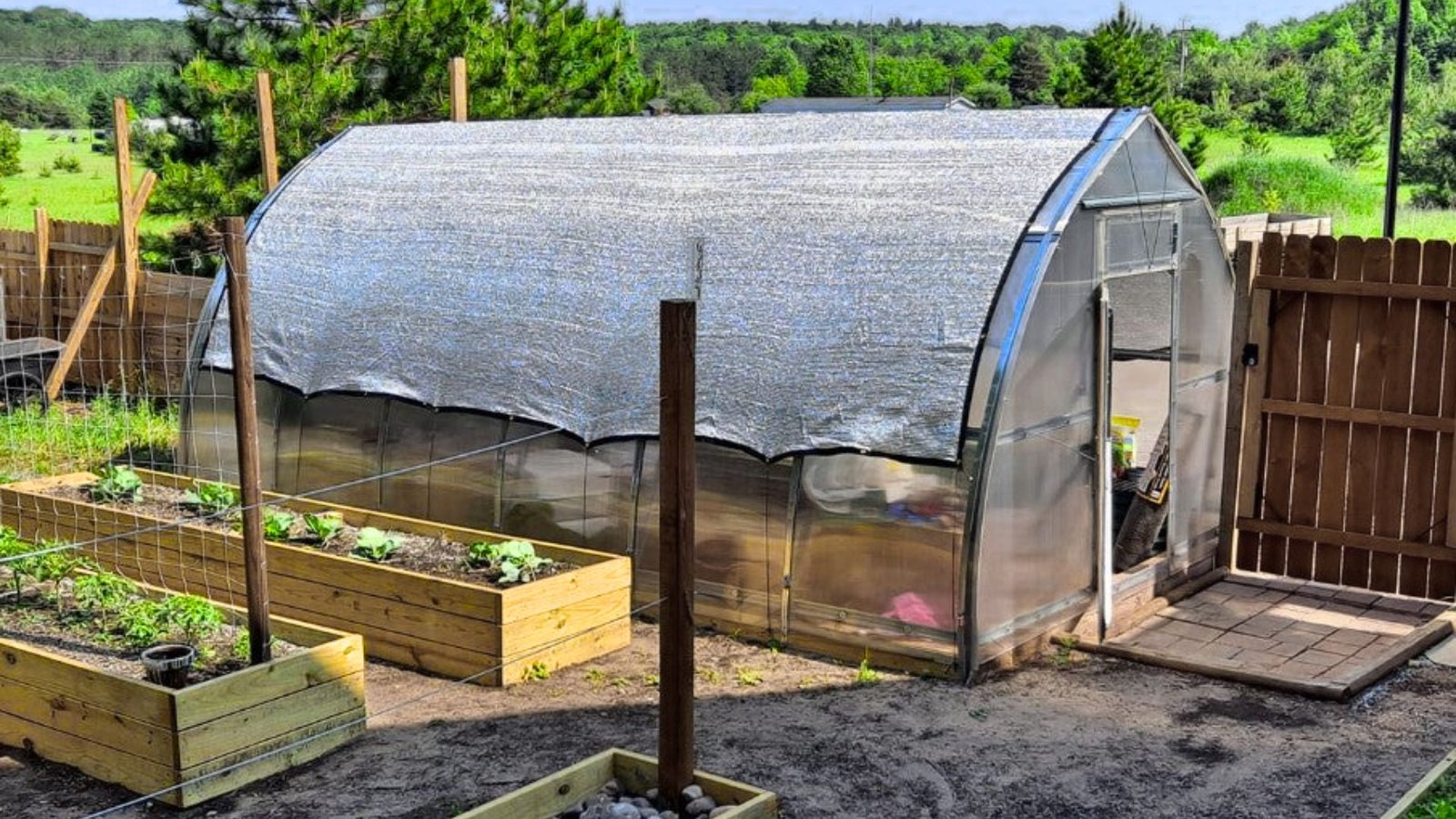
Build your own temperature controlled greenhouse at home with simple tools, smart planning, and budget-friendly ideas that actually work.
Budget-Friendly DIY Ideas
A PVC pipe frame with polyethylene plastic sheeting is one of the cheapest ways to start. It is easy to build and lightweight.
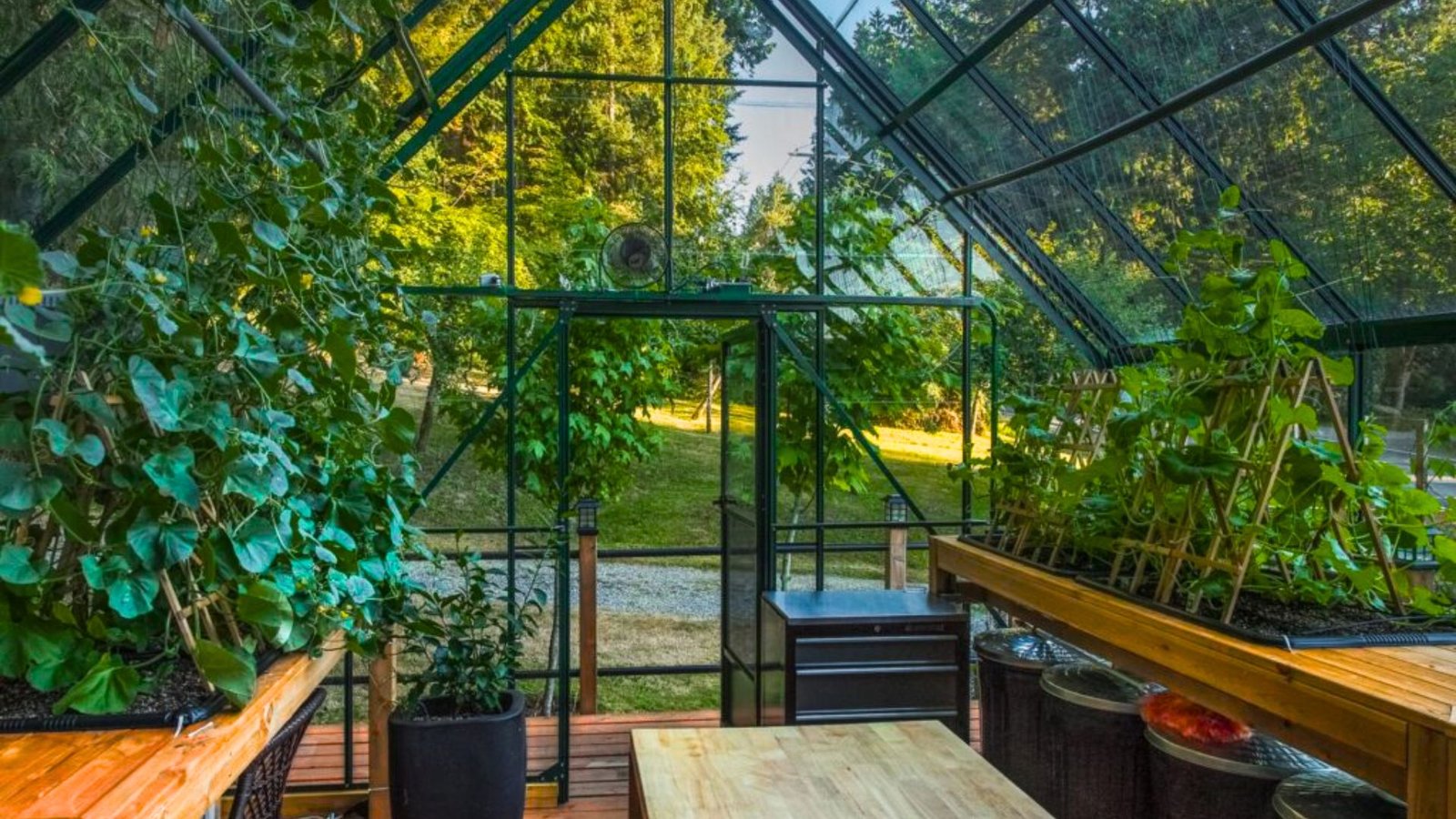
Use a thermostat-controlled fan for airflow. It kicks in automatically when the temperature gets too high.
Recycle old windows and wooden pallets for walls. A small electric heater with a built-in thermostat handles cold months well.
Solar-powered vents are a smart add-on. They keep air moving without raising your electricity bill.
Common DIY Greenhouse Mistakes
Poor ventilation is the biggest problem. Heat builds up fast without proper airflow and harms your plants.
Skipping insulation lets warm air escape and cold air in. Seal all gaps in walls and covers.
Avoid shaded spots.
Good direct sunlight makes temperature control much easier.
Do not overcrowd your plants. Too many in one space blocks air circulation.
Check your thermostat every day. Sudden temperature swings happen fast, especially when seasons change.
Best Small Temperature Controlled Greenhouse Options
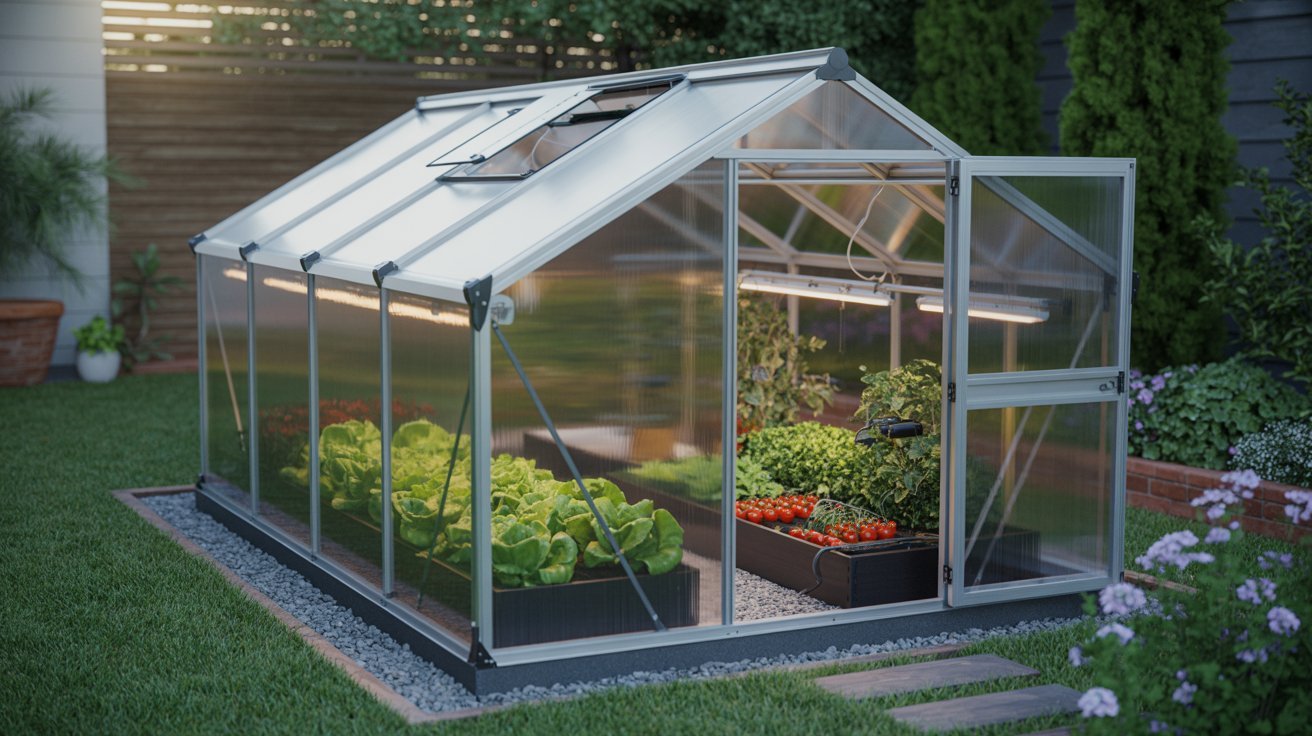
Find the best small temperature controlled greenhouse that fits your space, budget, and growing needs with ease.
Features to Look For
Check for good insulation first, as double-wall panels or insulated glass hold heat better during cold nights. Look for built-in vents or fans that prevent overheating and keep air moving in warmer months.
A reliable thermostat saves you from constant checking, and digital controls make temperature management even easier. Finally, pick a sturdy aluminum or steel frame that holds up well in wind and rain.
Energy-Efficient Small Greenhouses
Less space means less energy to heat or cool, which is one big reason small greenhouses are a smart choice.
Double-layer polycarbonate panels trap heat well and block harsh UV rays, making them a solid material option. Solar-powered ventilation fans cut electricity use while keeping air fresh inside.
Sealing all doors and windows properly also makes a real difference, since even small gaps raise heating bills over time.
Pairing your greenhouse with a compact energy-efficient heater keeps running costs low without sacrificing comfort for your plants.
Temperature Controlled Greenhouse for Sale: Buying Guide
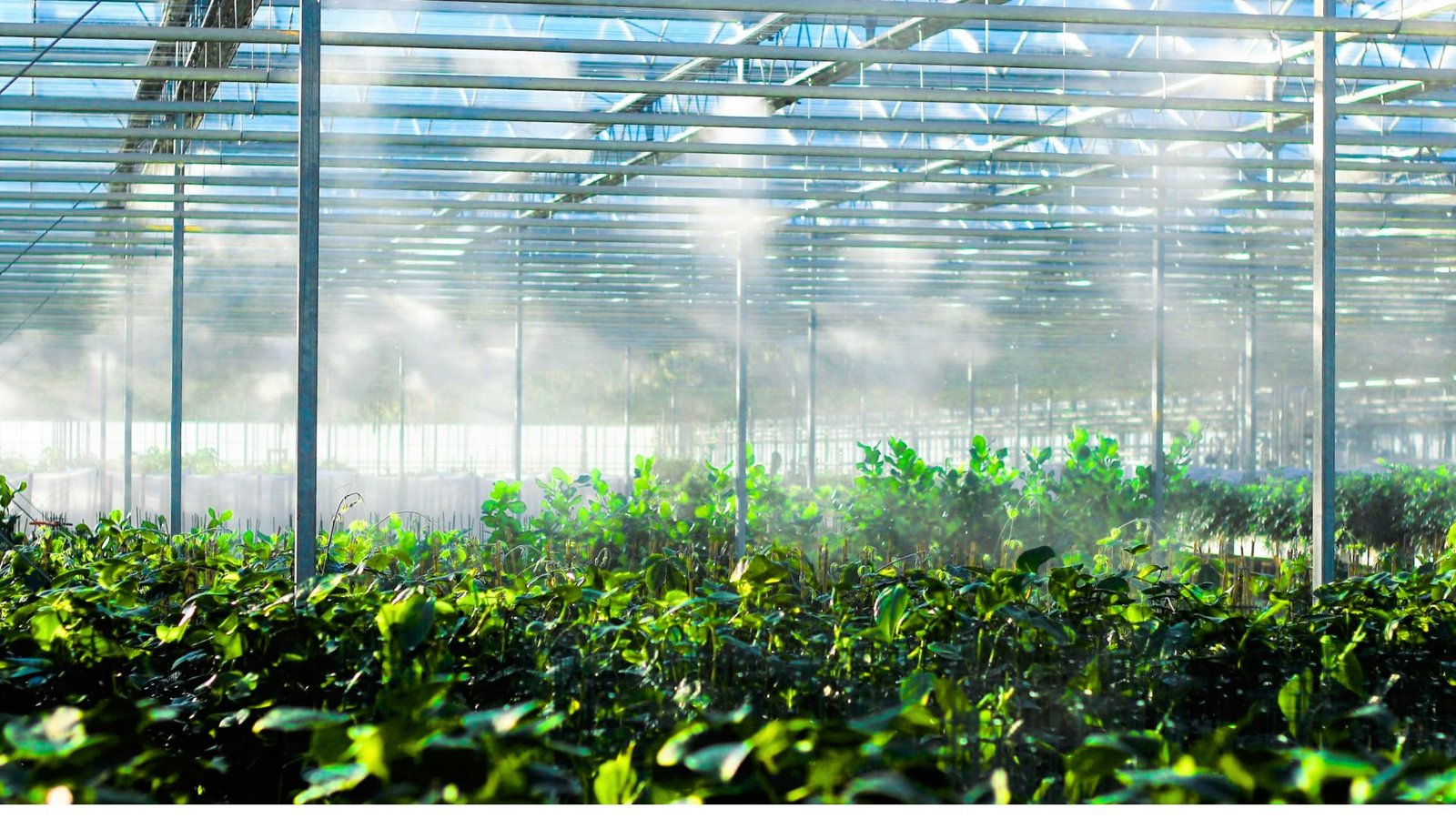
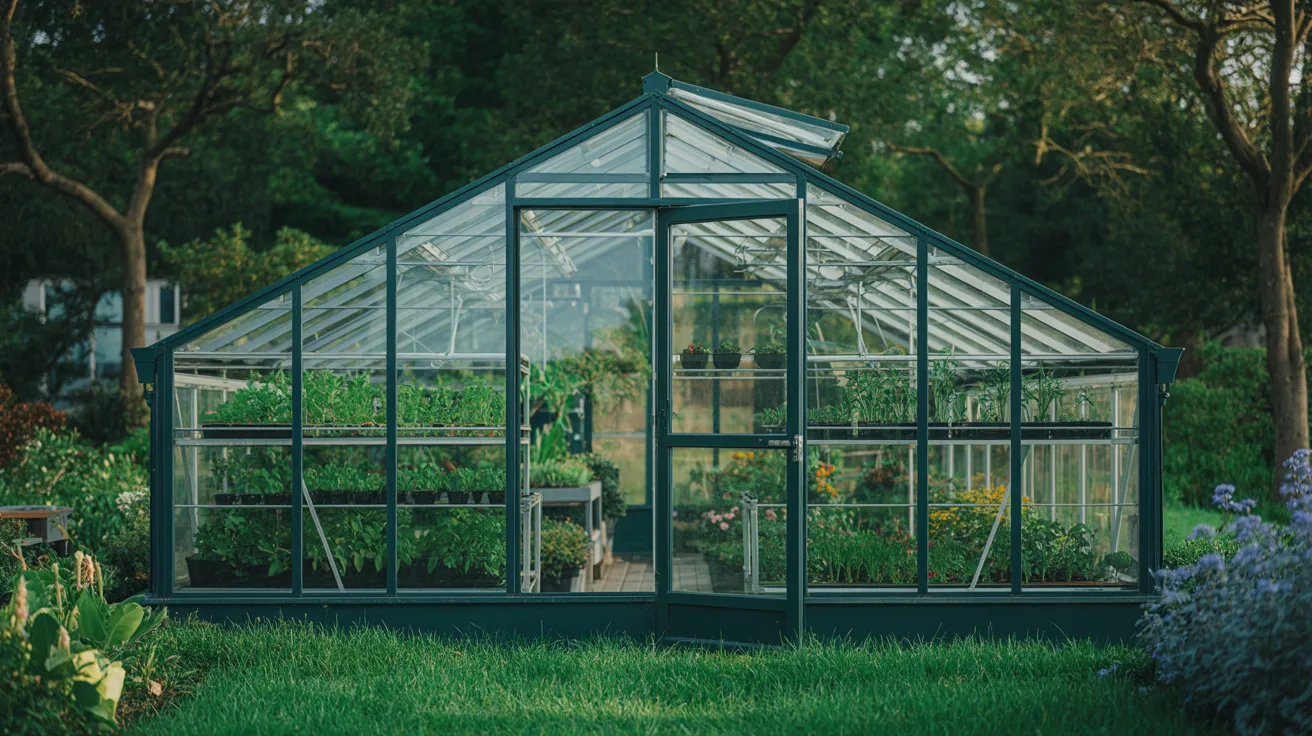
When buying a temperature controlled greenhouse, the first thing to consider is cost and size. Small greenhouses cost less upfront and are easier to manage, making them a good starting point for beginners.
Large greenhouses offer more growing space but come with higher heating and cooling costs. Budget planning should cover the purchase price, installation fees, and monthly energy bills. Before buying, check that the size fits your yard without creating space or access problems.
Climate control features matter just as much as size. A good thermostat should hold a steady temperature without needing constant manual checks.
Proper ventilation keeps air moving so plants stay healthy and heat does not build up inside. For cold climates, electric or gas heaters are a reliable choice. In warmer regions, fans and shade cloth help keep temperatures from climbing too high.
Automated systems can adjust conditions on their own and save a lot of time, though they do cost more upfront. The best approach is to match the climate control features to your local weather and the specific plants you plan to grow.
Tips to Improve Greenhouse Efficiency
Smart habits and the right setup help your greenhouse use less energy and grow better plants all year.
- Position your greenhouse where it gets the most sunlight during the day. A south-facing spot usually works best in most climates.
- Keep your glass or panels clean. Dirt and dust block more light than most people realize.
- Roof vents are one of the best options. Hot air rises naturally and escapes through the top, pulling cooler air in from the sides.
- Add thermal mass like water barrels or stone flooring. They absorb heat during the day and release it slowly at night.
- Seal any gaps around doors, vents, and frames. Even small cracks let warm air out and cold air in.
Conclusion
When I first looked into buying a temperature controlled greenhouse, I was overwhelmed by all the options. But breaking it down by size, budget, and climate features made everything much clearer.
The right greenhouse does not have to be the most expensive one. It just has to fit your space, your plants, and your lifestyle.
I hope this guide helped you feel more confident about your choice.
Drop a comment below and tell me what you are planning to grow. I would love to know!
Frequently Asked Questions
What is a temperature controlled greenhouse?
It is a greenhouse that uses heating and cooling systems to keep a steady temperature inside. This helps plants grow well in any season or climate.
How much does a temperature controlled greenhouse cost?
The price varies based on size, materials, and climate control features. Smaller models can start at a few hundred dollars, while larger ones cost much more.
What heating system works best for a greenhouse?
Electric and gas heaters are both popular choices for cold climates. The best option depends on your local weather and how much you want to spend.
Do I need an automated system for my greenhouse?
Not always, but it does make managing temperature much easier. Automated systems are a good investment if you have a large greenhouse or grow sensitive plants.
How do I keep energy costs low in a temperature controlled greenhouse?
Seal gaps around doors and frames to stop warm air from escaping. Adding thermal mass like water barrels also helps hold heat without extra energy use.