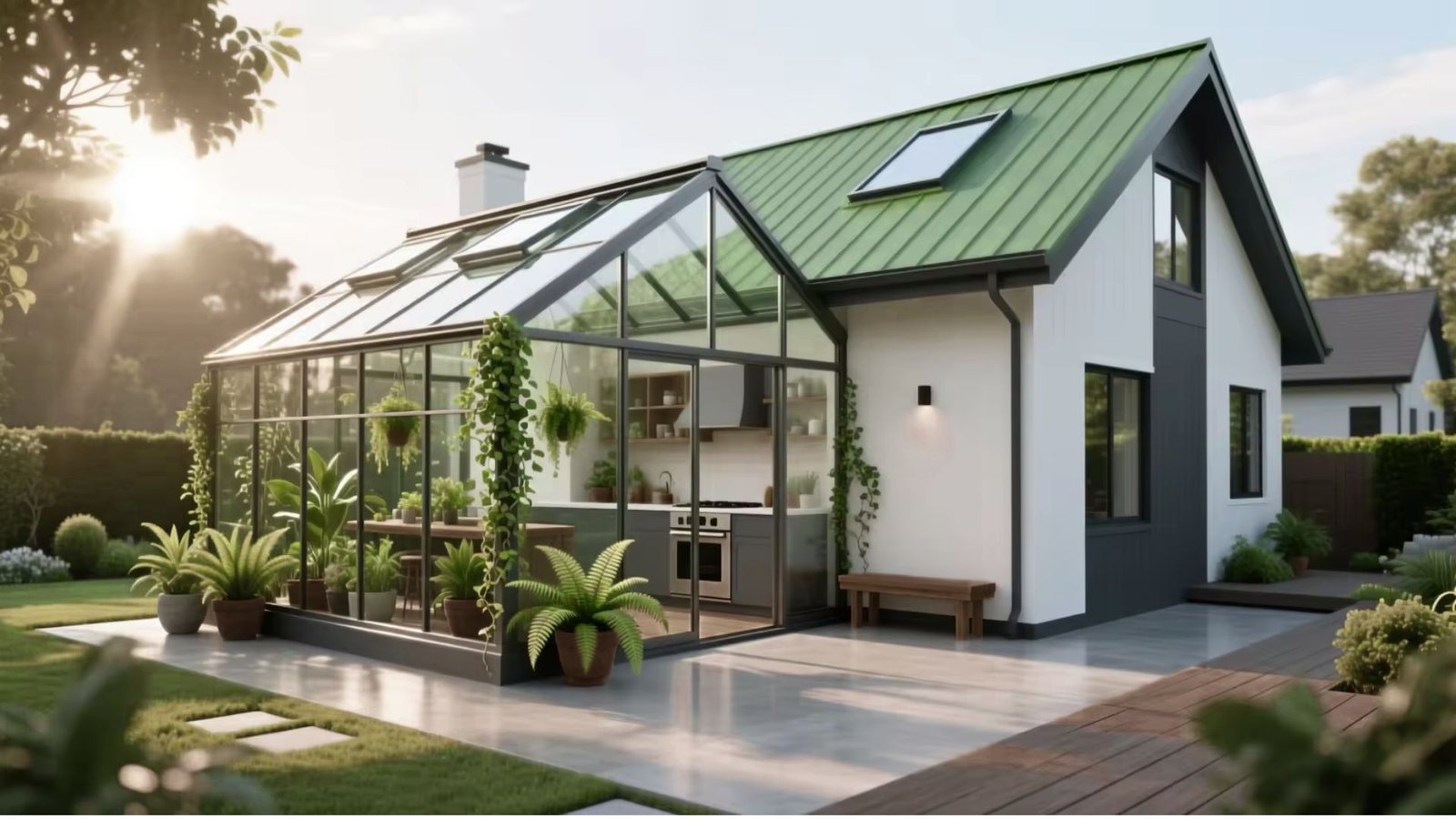
Building a greenhouse sounds straightforward, but small mistakes can cost you time, money, and a full growing season.
I've built and researched enough to know where most people go wrong.
This guide covers the four biggest DIY greenhouse mistakes: uneven ground, poor ventilation, weak materials, and sizing errors and shows you exactly how to avoid them before they become expensive problems.
What to Know Before Building a DIY Greenhouse
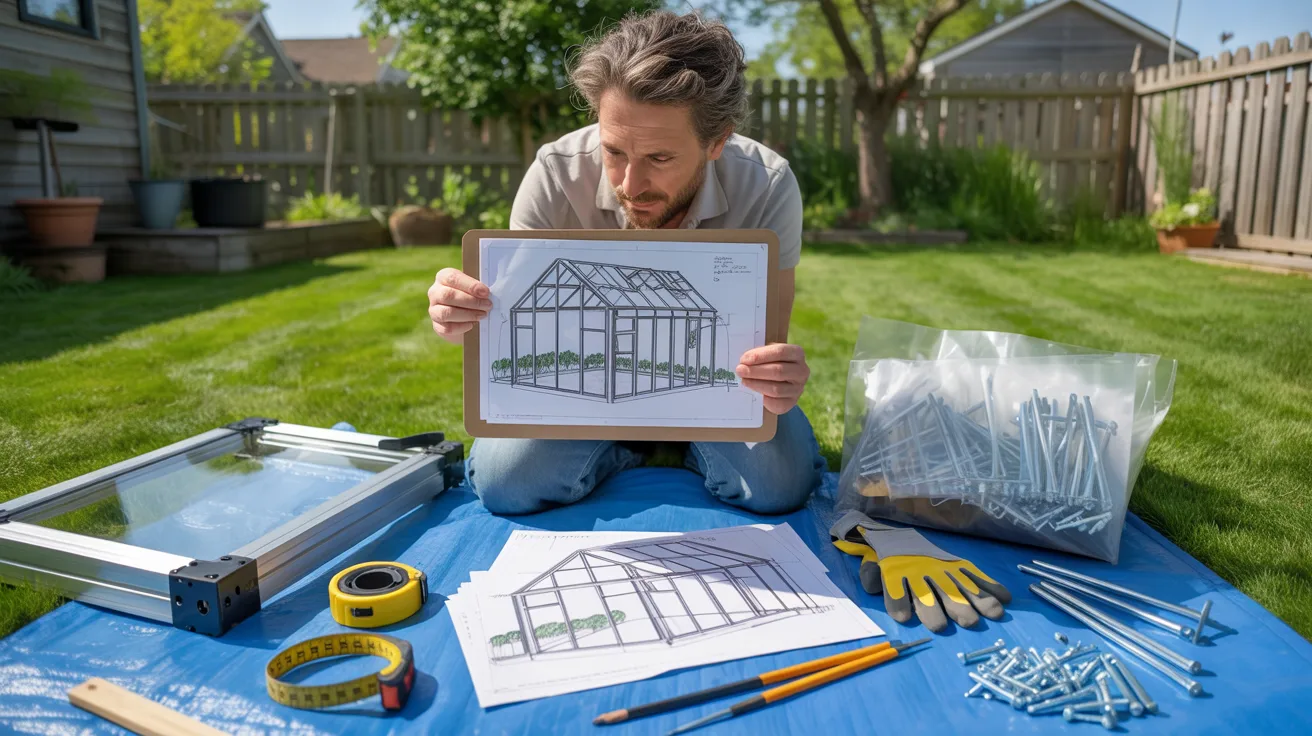
Building a greenhouse yourself is more involved than most people expect.
I made plenty of mistakes on my first build, and a little planning upfront would have saved me a lot of time and money.
Here is what you actually need to know before you start.
Choosing the Right Location
Pick the flattest, most open spot in your yard. The closer it is to your house, the easier it is to run water and power to it.
Avoid spots under trees. Falling leaves block light and damage glazing over time. Also think about wind.
A greenhouse in a fully exposed spot loses heat fast, so a fence or hedge on the windy side helps a lot.
Understanding Sunlight and Ventilation
Most plants need at least six hours of direct sun daily. Orient the long side of your greenhouse facing south to get the most out of natural light through the day.
Ventilation is just as important.
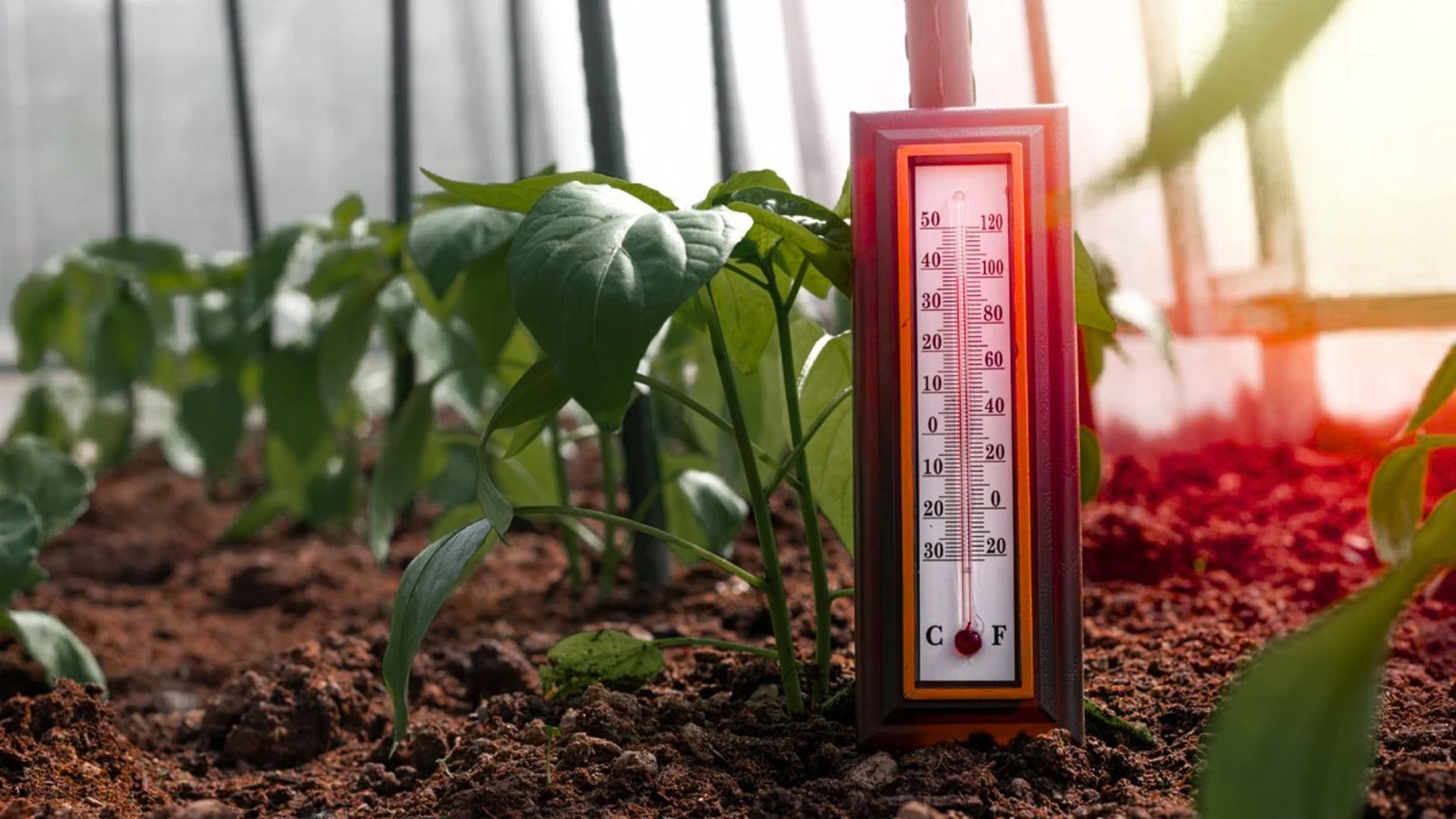
Temperatures inside can spike well above 100°F on a sunny day.
Roof vents let hot air escape while cooler air comes in through the sides. Aim for vent space that covers at least 15 to 20 percent of your total floor area.
Common Planning Mistakes Beginners Make
Skipping permits: Check with your local zoning office first. Many areas require one, and getting flagged after the build is a costly fix.
Going too small: You will fill the space faster than you think. When in doubt, size up.
Poor drainage: Standing water leads to root rot and muddy floors. Gravel or slightly sloped concrete solves this easily.
Cheap glazing: Single-pane glass loses heat quickly and cracks in hail. Twin-wall polycarbonate costs more upfront but lasts much longer.
DIY Greenhouse Plans That Are Easy to Follow
Lean-to: Attaches to an existing wall. Cheaper to heat and great for smaller yards.
Hoop house: Bent PVC with plastic film. The most affordable option and a solid choice for seed starting.
A-frame:The most common style. Easy to frame and works well with most glazing materials.
Gothic arch: Curved roof that sheds snow better. Worth considering if you get heavy winters.
Whatever plan you choose, make sure it includes a full materials list, foundation details, and ventilation specs before you commit to it.
Best Materials for a DIY Greenhouse
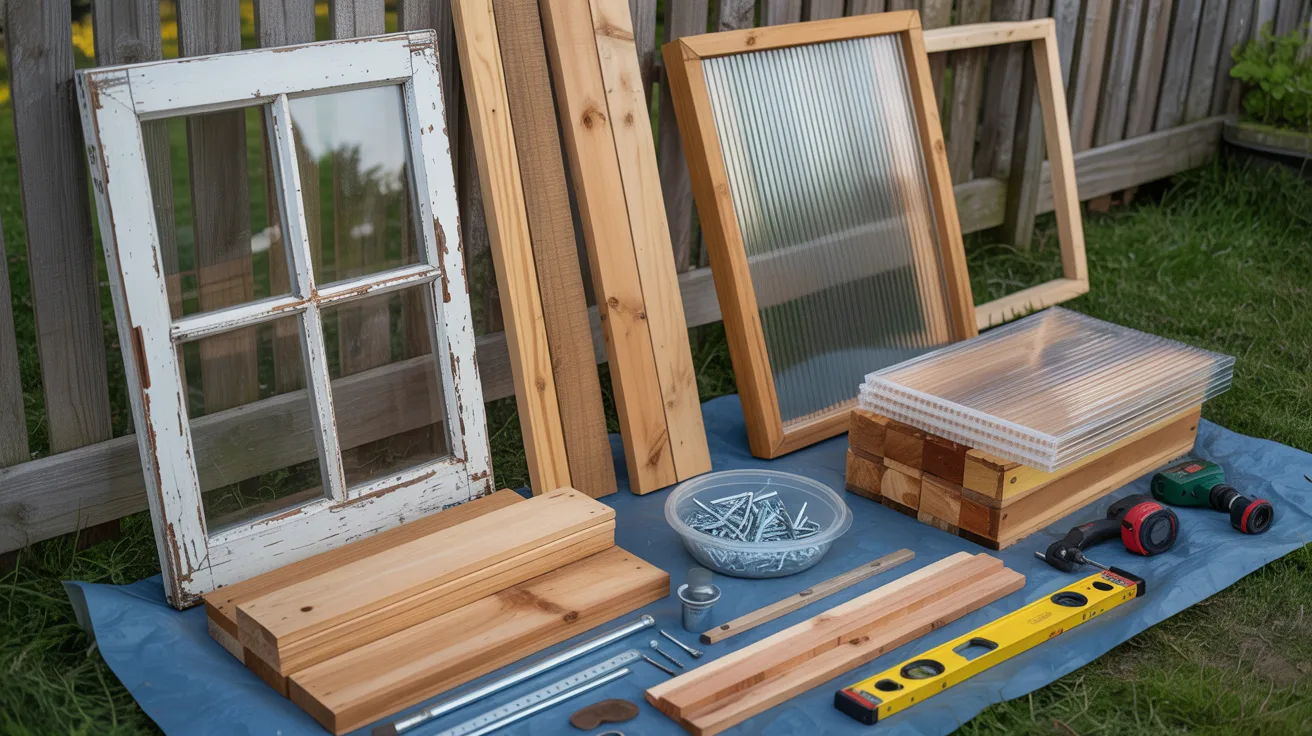
Picking the right materials can make or break your DIY greenhouse. The wrong choice leads to leaks, rot, or a collapsed frame.
The right one gives you a solid growing space that holds up season after season.
Using Old Windows and Doors
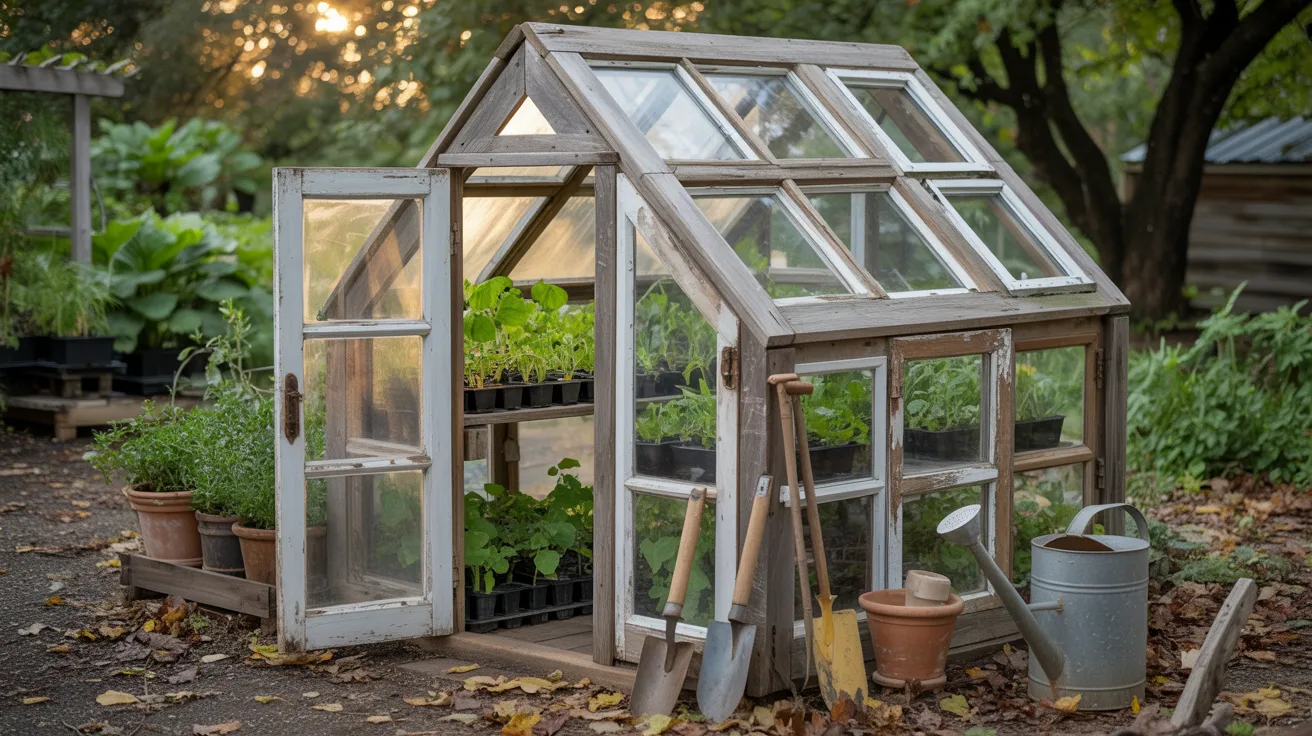
Old windows and doors are one of the cheapest ways to build a greenhouse. Salvage yards, Facebook Marketplace, and curbside pickups are great places to find them.
Glass panels hold heat well and let in plenty of light. The catch is sizing.
Old windows rarely match up, so you'll need a wooden frame to fill the gaps. Also check for lead paint on anything pre-1978 before you start building.
Wood vs Metal Greenhouse Frames
Wood is easier to cut, cheaper upfront, and great for first-time builds. Cedar and redwood hold up well outdoors. The downside is a shorter lifespan.
Metal (aluminum or galvanized steel) lasts much longer and handles heavy snow better. It costs more and needs specialized tools, but it won't warp or rot.
For a beginner, wood is the smarter starting point.
Best Roofing Materials for Weather Protection
Polycarbonate panels are the best all-around pick. They are lightweight, shatter-resistant, and insulating. Go with 6mm or 8mm twin-wall thickness.
Poly film is the most affordable option but only lasts 3 to 5 years before it needs replacing.
Glass gives the best light but is heavy and breaks easily. Better suited for permanent builds.
Skip clear plastic tarps. They tear fast and won't hold up through real weather.
Cheap DIY Greenhouse Material Ideas
You don't need to spend a lot to get a working greenhouse going.
PVC pipes bend easily into hoop frames and cost very little. Cover them with poly film and you're set.
Wood pallets can be broken down for wall framing. Just make sure they are marked HT, not MB, before using them near food crops.
Bamboo poles work well in warmer climates as a lightweight framing option.
Plan your design first, then hunt for secondhand materials before spending anything new. Most of what you need is already out there for cheap.
How to Build a DIY Greenhouse Step-by-Step
Building a greenhouse yourself is simpler than it looks. I did mine over the weekend. You get full control over the size, layout, and growing conditions.
Follow each step below and you will have a solid structure ready to use.
Step1: Preparing and Leveling the Ground
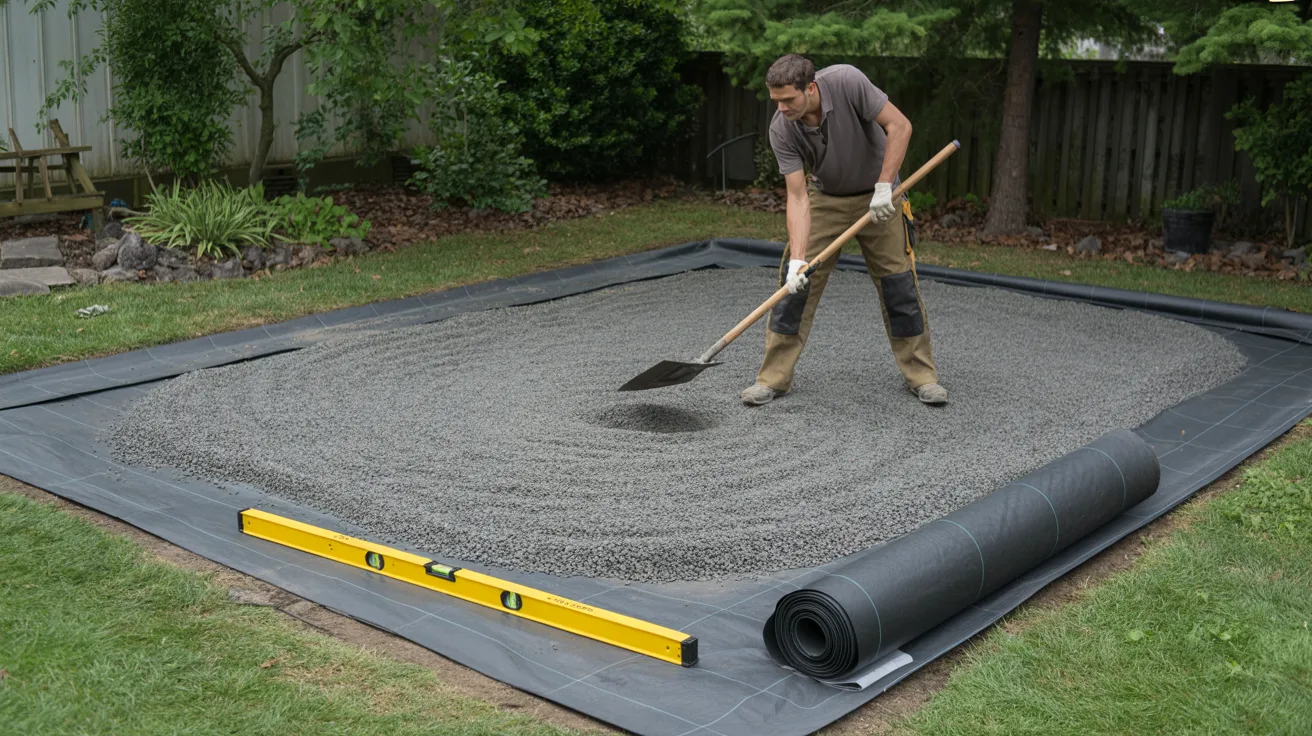
Mark your footprint with stakes and string. Clear out all grass, weeds, and rocks.
Use a spirit level to find low and high spots, then fill and tamp with compacted gravel or sand until the surface is flat.
Step 2: Framing the Structure Correctly
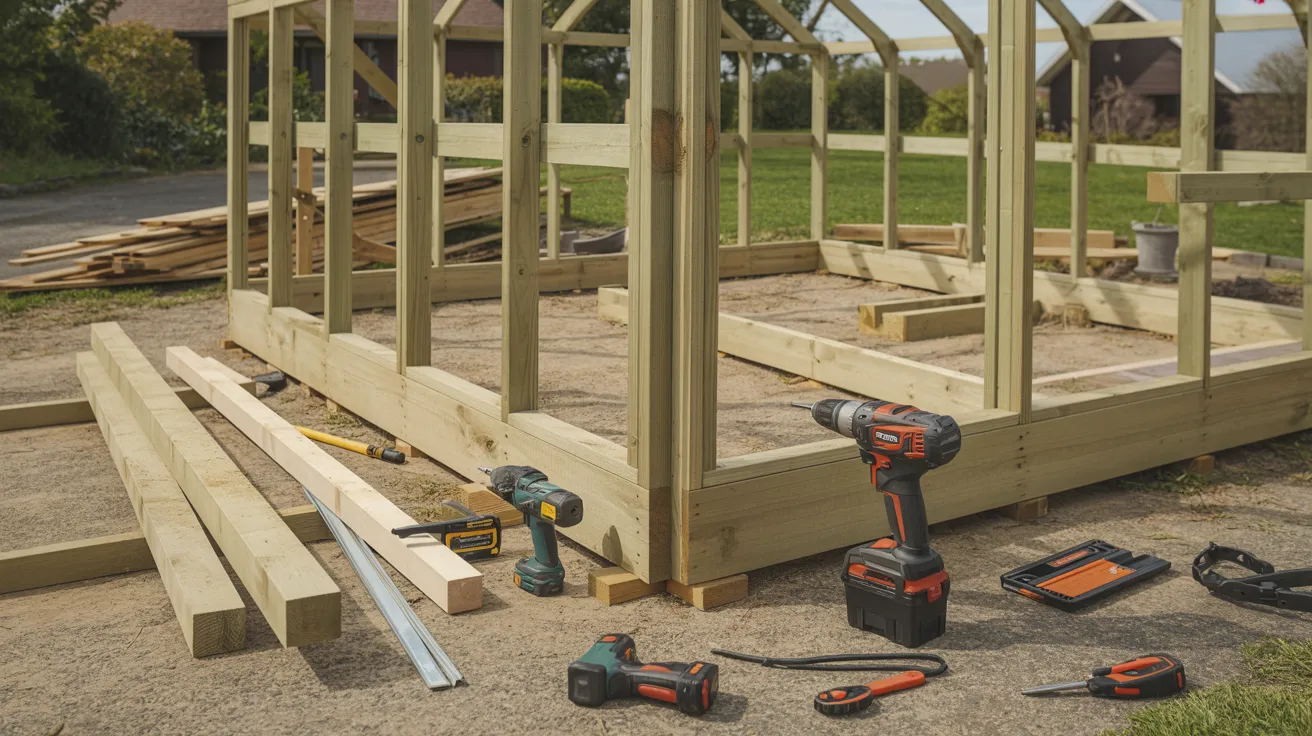
Attach vertical posts to the foundation 2 to 4 feet apart. Level each one before securing. Add horizontal rails across the walls, then install the ridge beam at the top center.
Brace every corner diagonally to handle wind load.
Step 3: Installing Windows, Doors, and Roof Panels
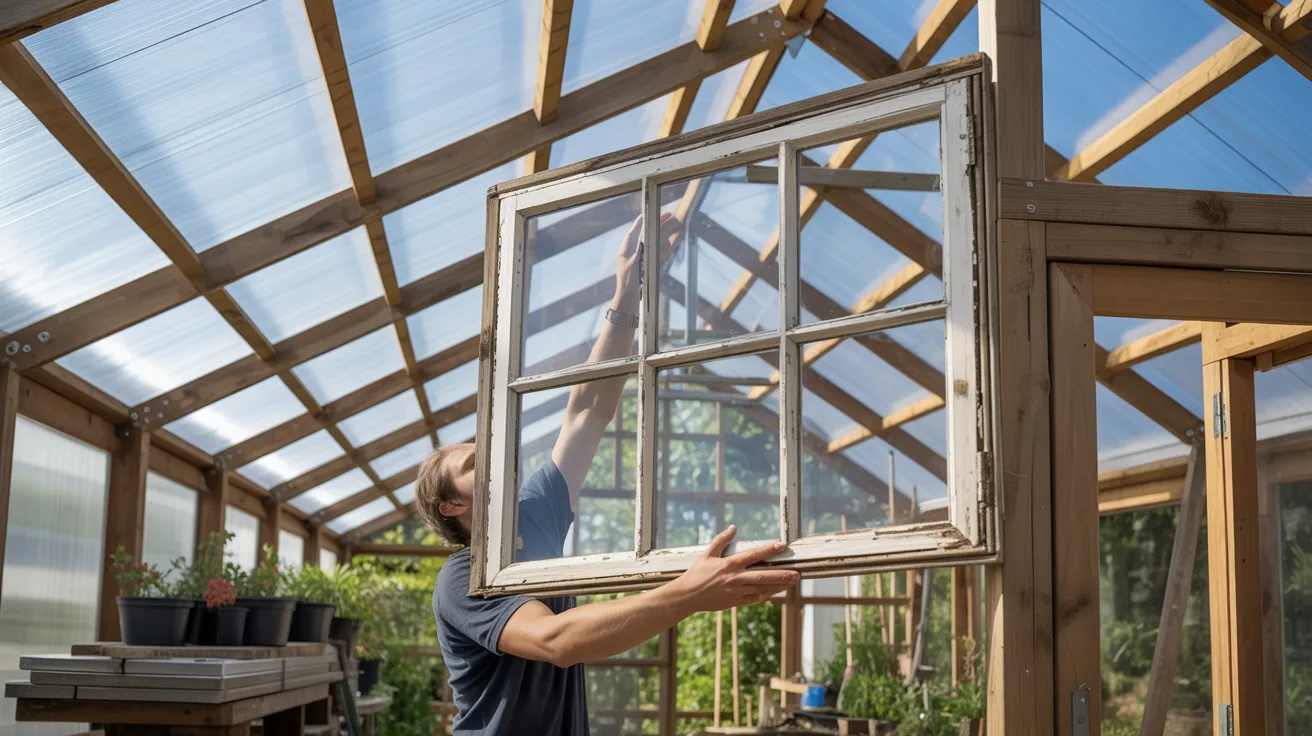
Frame door openings 1 to 2 inches larger than the door. Place windows on opposite walls so air moves through freely.
Aim for ventilation openings at around 15 to 20 percent of your floor area. Caulk every frame once it is installed.
A 6:12 pitched roof drains rain and snow well. Use polycarbonate panels with channels running vertically for drainage. Apply glazing tape under each panel edge.
Install at least two roof vents near the ridge and add automatic vent openers for hands-free temperature control.
Step 4: Sealing Gaps and Preventing Leaks
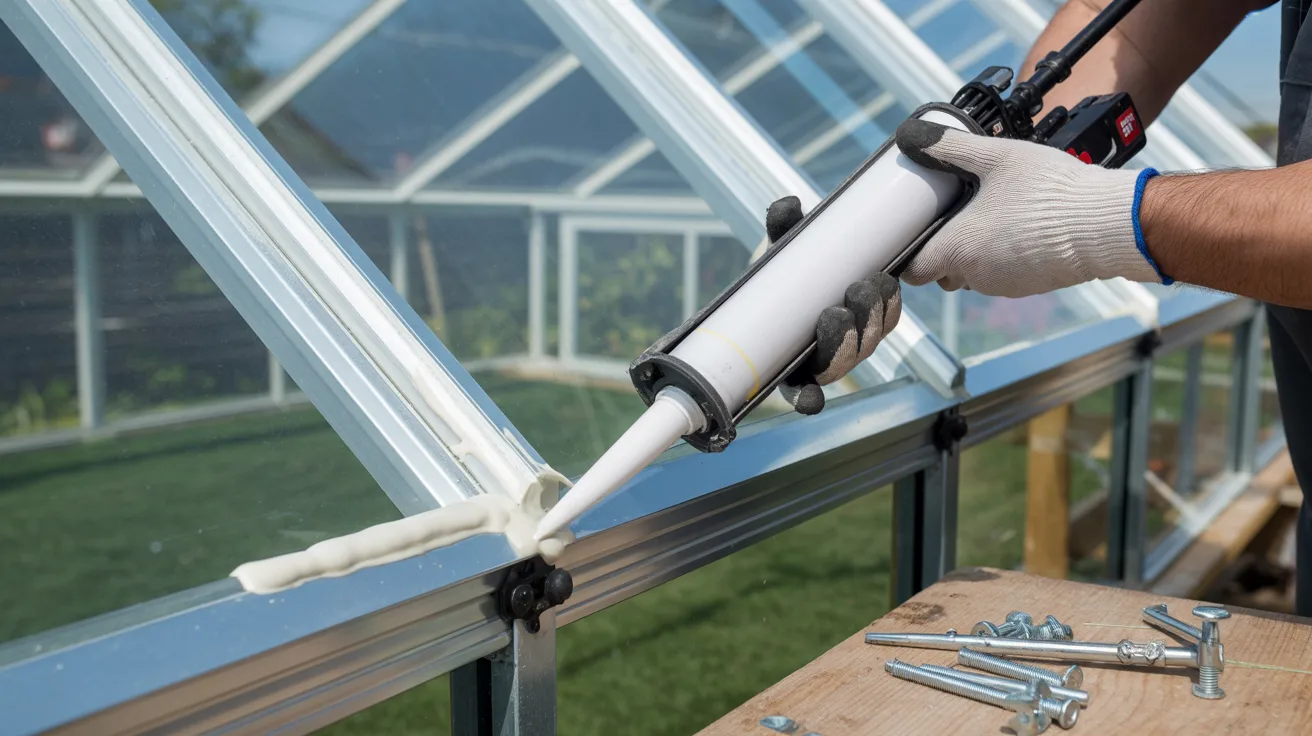
Check every seam on a bright day so gaps are easy to spot. Use UV-resistant greenhouse silicone along all joints. Fit U-channel end caps on open panel edges.
Add foam weatherstripping to doors and windows. Seal the base where the frame meets the ground.
DIY Greenhouse Ideas for Different Spaces
Not every yard looks the same, so not every greenhouse should either. Here are simple ideas based on the space you actually have.
Small DIY Greenhouse Ideas
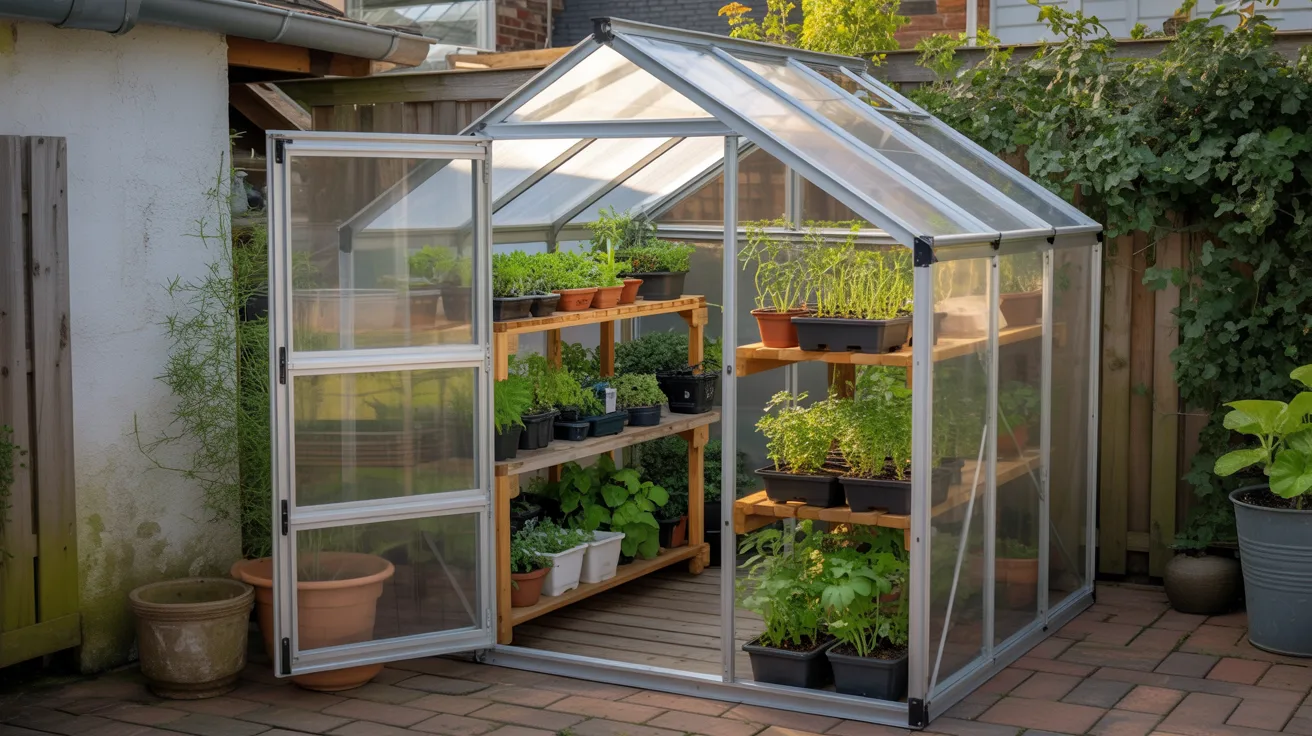
You do not need a big yard or budget to grow plants year-round.
A lean-to greenhouse attaches to an existing wall and fits in a 4×8 foot space. A hoop house costs under $100 and goes up in a single afternoon.
Cold frames sit directly over plants and protect them from frost. For balconies, a zippered mini greenhouse cabinet works well and folds away when not needed.
Rustic Greenhouses With Reclaimed Windows
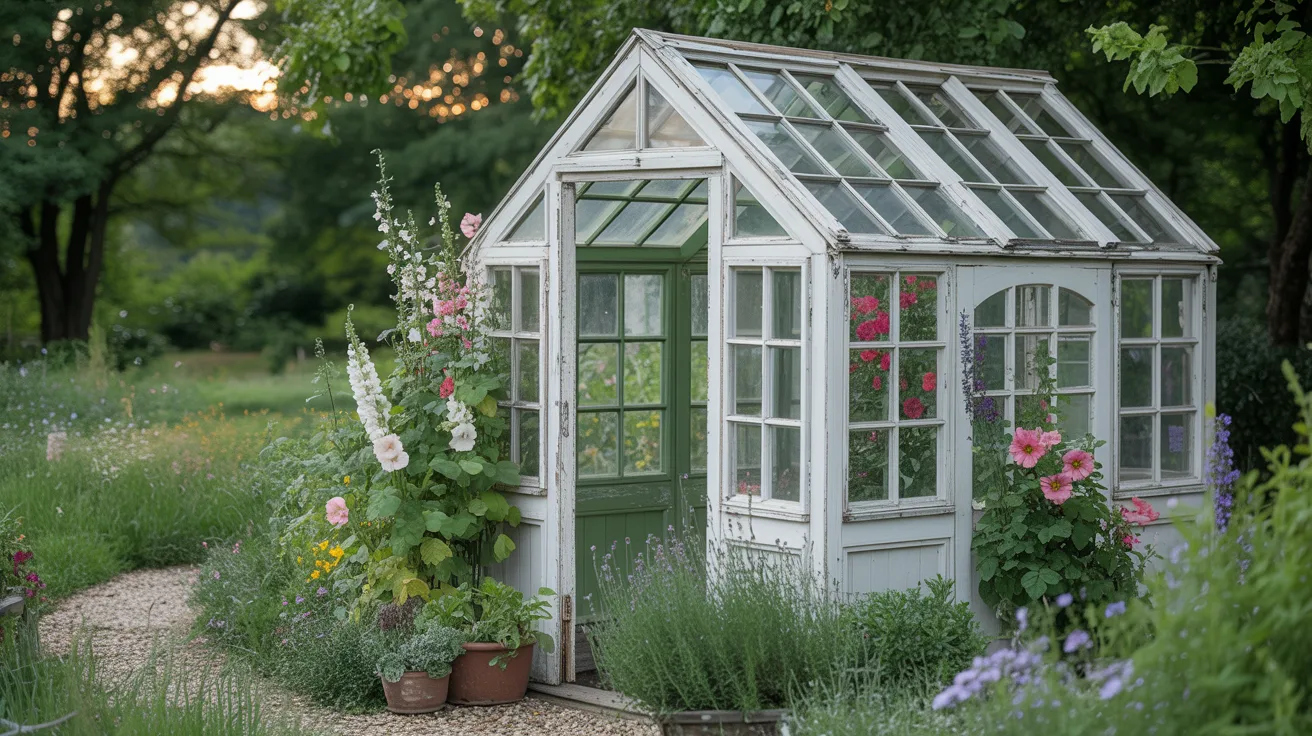
Old windows are cheap, hold heat well, and look great in a DIY build.
Build a 2×4 lumber frame and fit the windows in like a puzzle. Use cedar for the frame since it resists rot. Add roof vents for airflow and seal all joints with outdoor caulk.
Avoid windows with lead paint if you plan to grow food inside.
Cheap DIY Greenhouse Ideas That Still Look Good
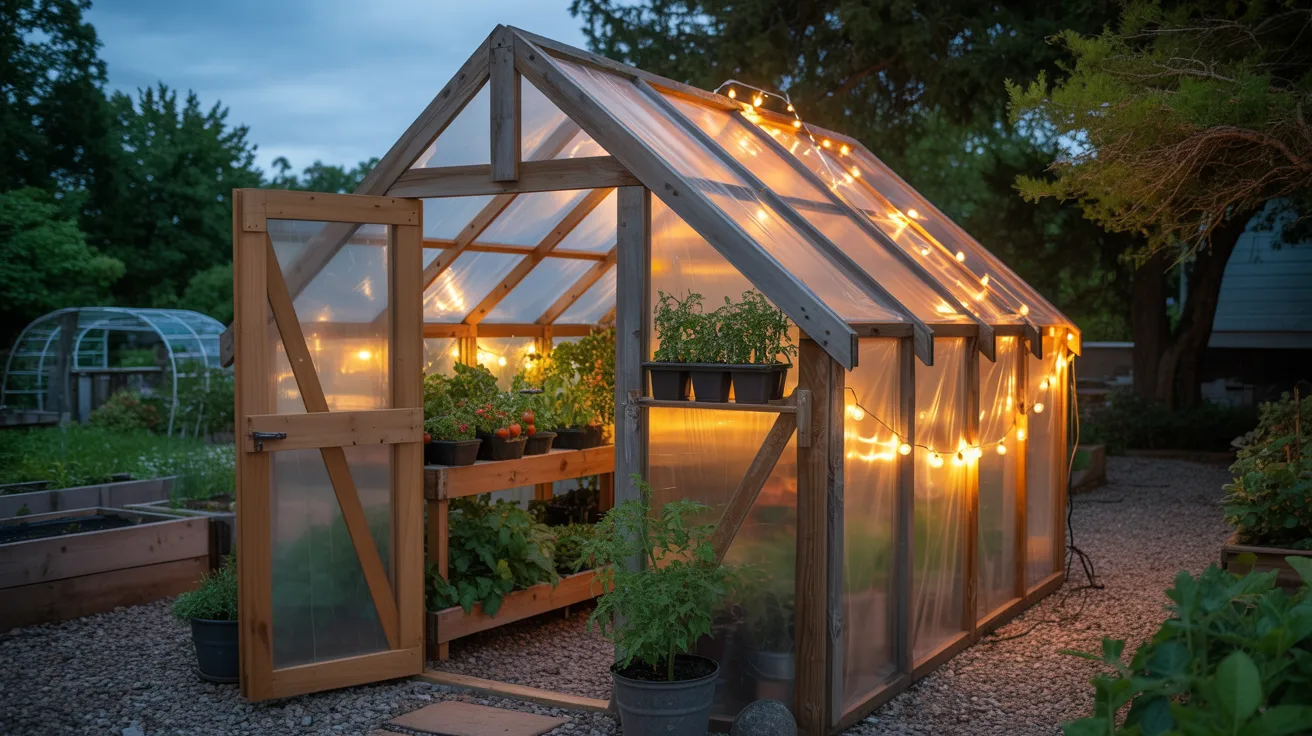
A PVC hoop house costs $150 to $300 and works well for most growing needs. Cattle panel greenhouses last longer and hold their shape without extra support.
Pallet greenhouses cost almost nothing if you source materials for free.
Buy plastic by the roll, insulate the north wall with bubble wrap, and collect rainwater from the roof to keep ongoing costs low.
DIY Greenhouse Shelves and Interior Setup Tips
A good greenhouse setup makes growing easier and keeps plants healthier. Smart shelving, proper drainage, and good airflow all help maximize space and prevent problems.
Best DIY Greenhouse Shelves for Storage
Use wooden, wire, or PVC shelves to keep pots off the ground and improve airflow. Place taller shelves along the north wall and keep enough aisle space for easy movement.
Potting Bench and Workspace Ideas
A simple waist-height potting bench keeps tools and soil organized. Add a lower shelf or pegboard for extra storage if space allows.
Easy Watering and Drainage Solutions
Drip irrigation systems save time and water plants evenly. Make sure shelves drain properly and avoid letting pots sit in standing water.
Mistakes to Avoid When Building a DIY Greenhouse
A few bad calls during the build can ruin your entire setup. Here are the most common ones to watch out for.
Building on Uneven Ground
Skipping proper ground prep is a costly mistake. Gaps in the base let in cold air and pests, doors won't close right, and water pools instead of draining. Always level the ground before you build. Use concrete footings or adjustable base plates if needed.
Ignoring Ventilation Needs
Heat builds up fast inside a greenhouse. Without proper airflow, temperatures spike, humidity rises, and plants suffer. Add roof vents and side panels to keep air moving. Aim for vent space equal to about 20% of your floor area.
Choosing Weak or Untreated Materials
Regular wood rots fast in a humid greenhouse. Thin plastic sheeting tears within one season. Use pressure-treated lumber, cedar, or redwood for framing. Go with twin-wall polycarbonate panels instead of basic plastic. They last longer and hold up to UV damage.
Making the Greenhouse Too Small
Most people outgrow a small greenhouse in one season. Overcrowding limits airflow and makes working inside frustrating. Build bigger than you think you need.
A 6×10 or 8×12 ft structure gives you real room to grow without feeling cramped.
Conclusion
Building a DIY greenhouse is one of those projects that teaches you something new at every step.
I made a few of these mistakes myself before figuring out what actually works. The good news is that none of them are hard to fix once you know what to look for.
Take your time with the planning, choose solid materials, and build with room to grow.
Have questions or tips from your own build? Drop them in the comments. I'd love to hear how your greenhouse turns out.
Frequently asked questions
What is the best size for a beginner DIY greenhouse?
A 6×8 or 8×10 ft greenhouse works well for most beginners. It gives you enough space to grow without overwhelming you on the first build.
What materials work best for a DIY greenhouse frame?
Pressure-treated lumber, cedar, or powder-coated aluminum are solid choices.
How many vents does a DIY greenhouse need?
Aim for vent space equal to about 20% of your total floor area. Roof vents combined with side vents give you the best airflow control.
How do I keep my greenhouse warm in winter?
Use twin-wall polycarbonate panels for better insulation and seal any gaps in the frame. A small electric heater or thermal mass like water barrels can also help hold heat overnight.
How long does a DIY greenhouse last?
A well-built greenhouse using quality materials can last 10 to 20 years or more. The key is starting with the right frame and covering materials from day one.