
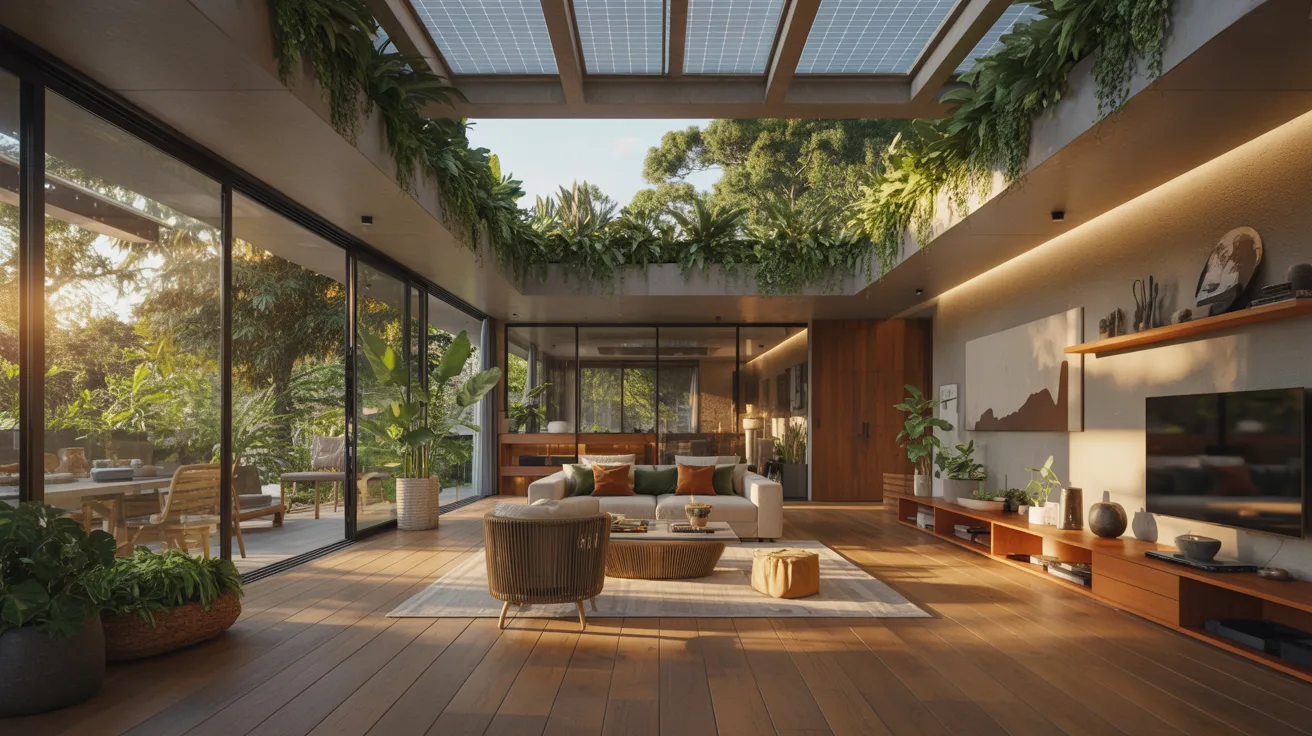
Sustainable interior design does not have to be complicated. I have spent a good amount of time figuring out what actually works at home, and I want to share that with you.
In this post, I will cover smart technology that cuts energy waste and low-waste design choices that improve how your home feels every day.
Whether your goal is cleaner air, lower bills, or just a more thoughtful space, this guide breaks it all down simply.
No jargon. No overwhelm. Just real, practical ideas you can start using today.
What Is Sustainable Interior Design?
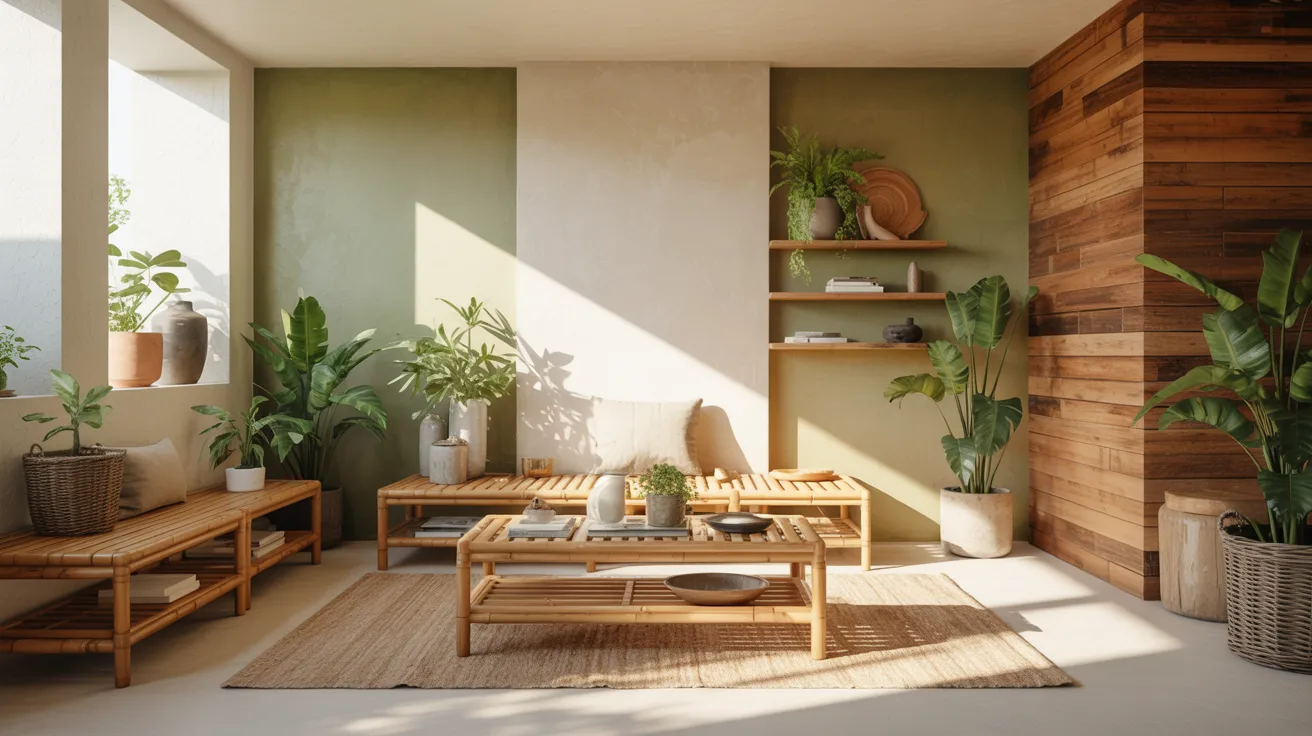
Sustainable interior design is about making thoughtful choices for your home that are good for both people and the planet.
It focuses on using materials that last, like wood, bamboo, stone, or recycled content, so fewer replacements are needed and less waste ends up in landfills.
It also means sourcing products responsibly, making the most of natural light, and choosing low-VOC paints and finishes to keep indoor air clean and safe for your family.
The benefits are practical and easy to see over time. Energy bills go down when a home is designed with efficiency in mind.
Interiors hold up longer when quality materials are chosen from the start.
Indoor air quality improves when harmful chemicals are left out of the equation. And home value can rise as more buyers look for spaces that are cost-effective to maintain.
Sustainable interior design is not about overhauling everything at once.
It is about being more intentional with the choices you make, one room at a time, and knowing that those small decisions add up to a much bigger impact over time.
Why Does Sustainable Interior Design Matters?
Good design is not just about how a space looks. It is also about how it works for the people inside it and the world outside it.
The Environmental Impact of Traditional Interiors
Traditional interiors rely on materials that quietly damage the environment.
Non-recycled wood contributes to deforestation, synthetic paints release toxins long after installation, and fast furniture sends tonnes of waste to landfills every year.
Manufacturing these materials consumes large amounts of energy and water, while long supply chains add to carbon emissions.
The choices made inside a home ripple outward in ways that are easy to overlook.
How Sustainable Design Improves Indoor Air Quality
The air inside a home can be more polluted than the air outside, largely because of the materials used in conventional interiors.
Carpets, adhesives, paints, and synthetic furniture often release volatile organic compounds that cause headaches and respiratory issues over time.
Sustainable design cuts down on these risks by prioritizing low-VOC paints, natural fibers, non-toxic finishes, and better ventilation systems that reduce the buildup of pollutants and moisture.
The Connection Between Sustainability and Wellness
How a space is built has a direct effect on how people feel inside it. Sustainable design prioritizes natural light, open airflow, and materials that do not irritate the senses, all of which support better physical and mental health.
Natural materials like wood, stone, and linen have a calming quality, and studies show they can lower stress and improve mood.
Living in a space built with conscious choices tends to create a quiet sense of ease that is hard to find any other way.
Sustainable Interior Design Materials for Eco-Friendly Homes
The materials you choose for your home shape both your health and your environmental footprint.
Reclaimed Wood, Bamboo, and Natural Stone
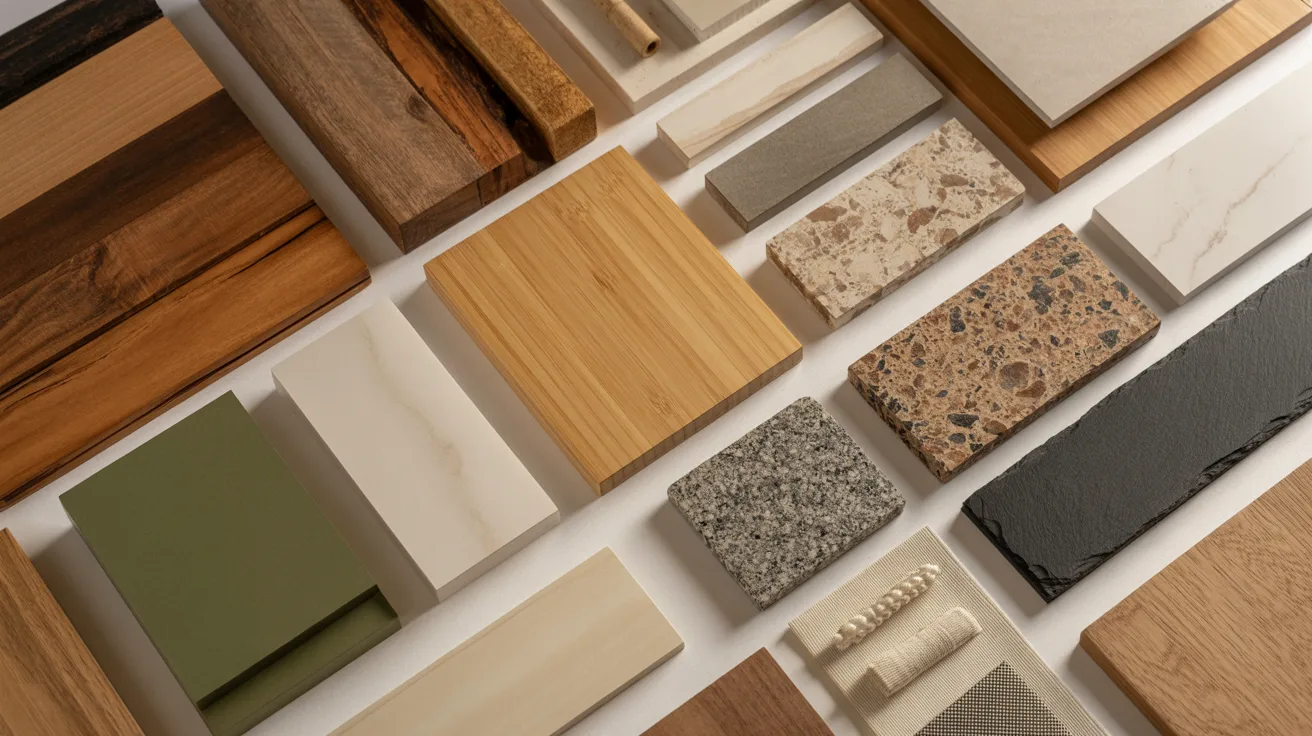
Reclaimed wood reuses timber from old structures, saving trees and adding natural character to floors and walls.
Bamboo grows fast, stays durable, and works well for flooring and furniture.
Natural stone like slate or granite lasts decades with little maintenance and contains no synthetic chemicals.
Organic and Recycled Textiles
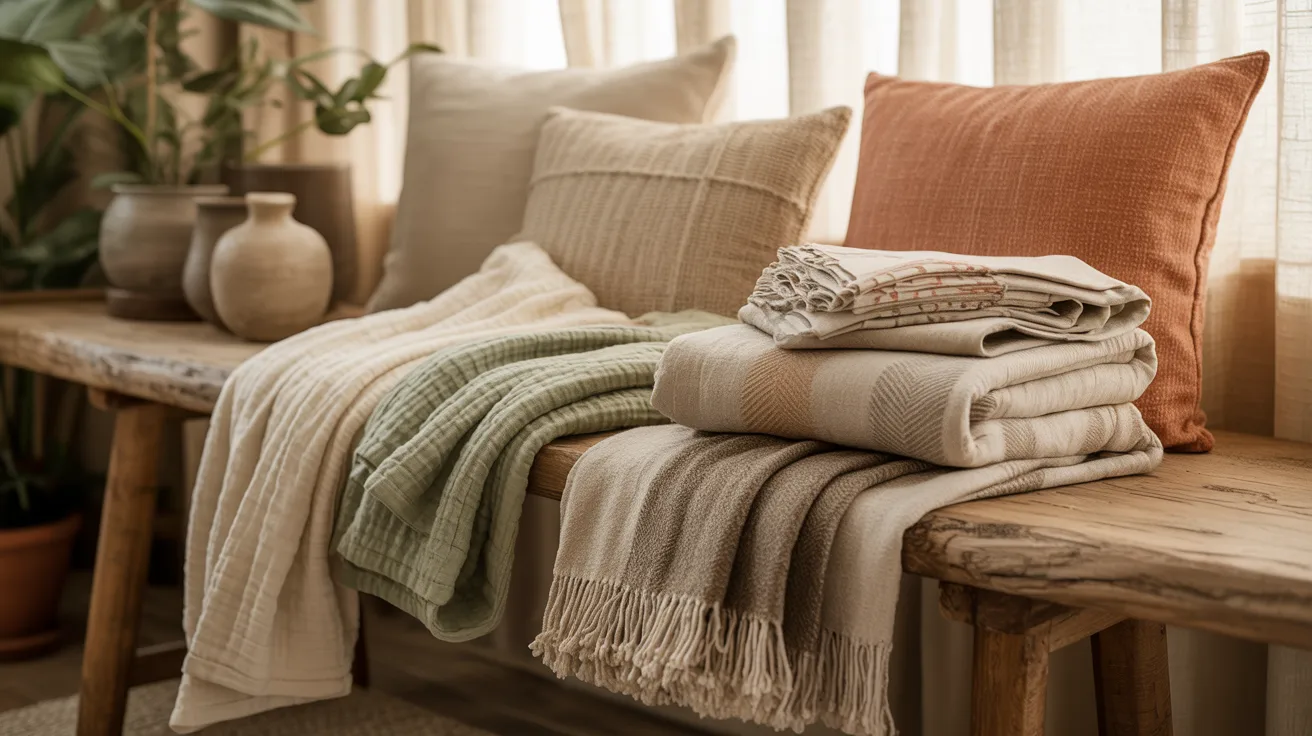
Organic cotton, linen, and wool are grown or raised without harmful chemicals.
They are safer for indoor air and better for the soil. Recycled textiles made from reclaimed fibers or plastic bottles cut down on waste without sacrificing quality.
Low-VOC Paints and Non-Toxic Finishes
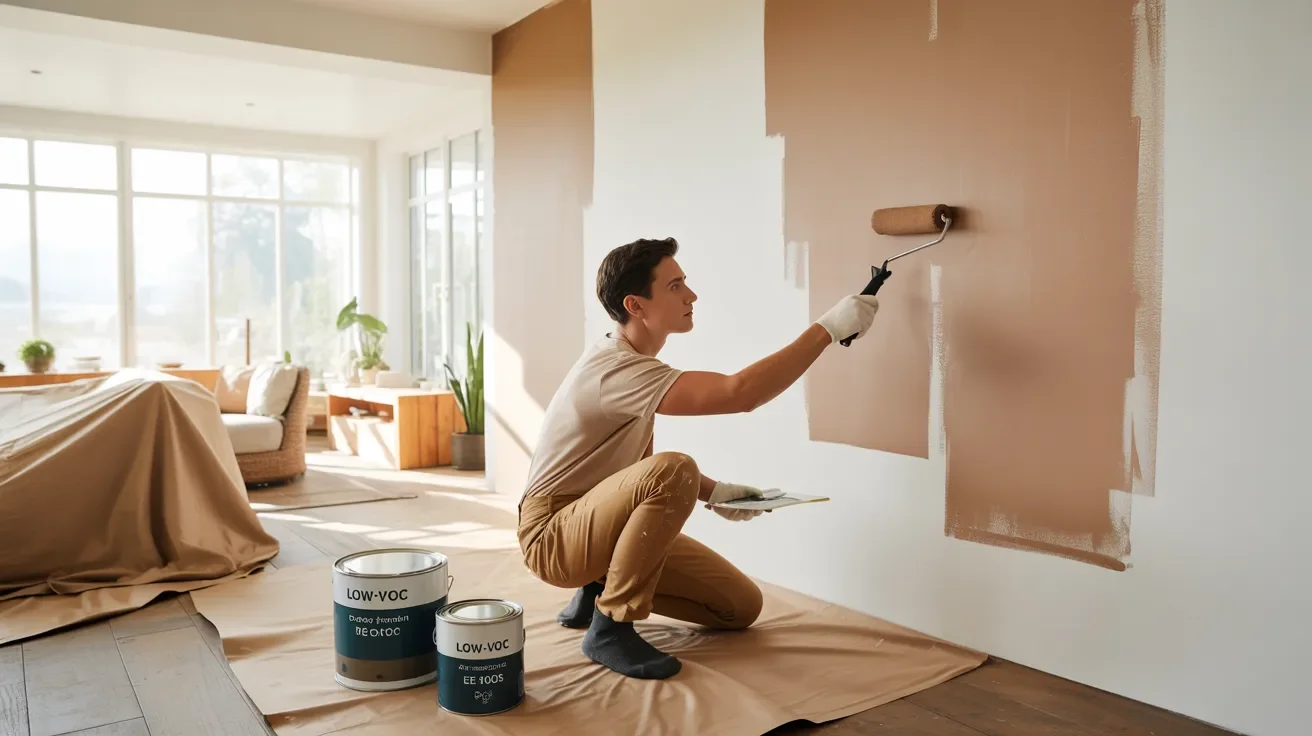
Standard paints release gases that linger in your home long after drying. Low-VOC and zero-VOC paints perform just as well without the health risks.
Natural finishes like linseed oil or clay plaster are also good options and biodegrade safely.
Materials to Avoid
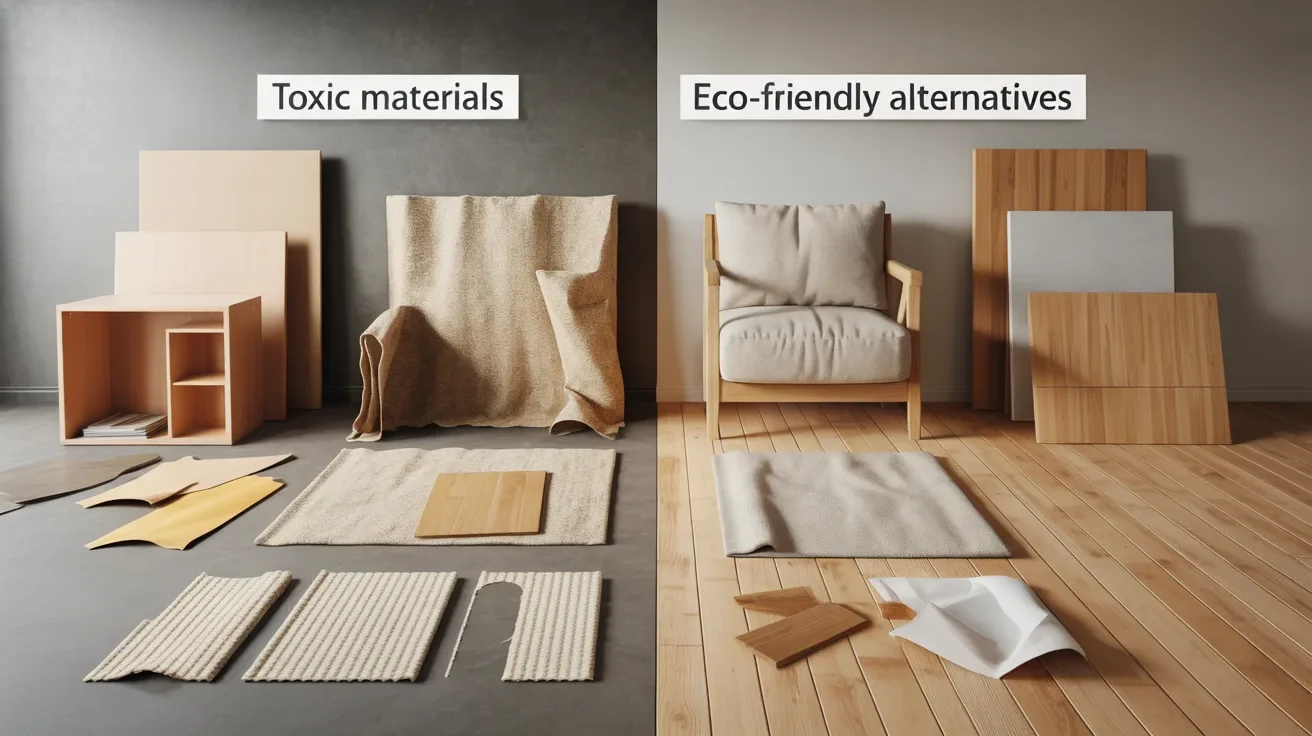
Skip vinyl flooring, which is made from PVC and releases toxic compounds. Avoid cheap particleboard that uses formaldehyde-based glues.
Stay away from synthetic carpets and insulation with halogenated flame retardants.
These materials affect both indoor air quality and long-term environmental health.
Sustainable Furniture and Decor Choices
Making your home greener starts with what you put inside it. Here is how to shop smarter and style responsibly.
Choosing Eco-Friendly Furniture
Choose furniture made from FSC-certified wood, bamboo, and natural materials like organic cotton or wool.
Avoid synthetic foam and high-VOC finishes that release harmful chemicals. Buying locally also helps reduce shipping emissions.
Second-Hand, Vintage, and Upcycled Decor
Secondhand and vintage furniture reduce waste and save resources. Thrift stores and online marketplaces often offer durable solid wood pieces at low prices.
Simple updates like paint or new hardware can easily refresh old furniture.
Sustainable Lighting and Energy-Efficient Design
LED bulbs use less energy and last much longer than traditional bulbs. Maximize natural light by keeping windows open and using mirrors to reflect sunlight.
Choose fixtures made from recycled or sustainable materials, and use smart dimmers or timers to reduce energy waste.
Examples of Sustainable Interior Design
Sustainable design is a smarter way to build spaces that look good and do less harm.
Minimalist and Timeless Interiors
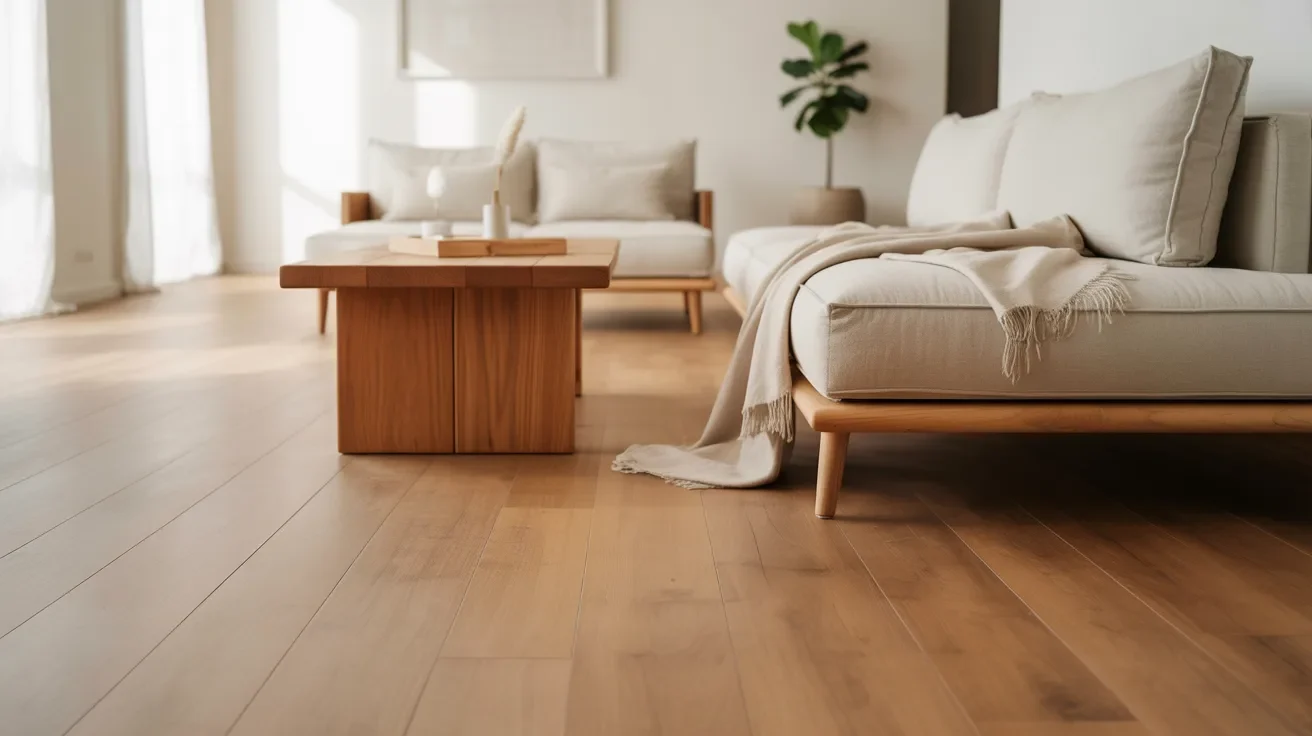
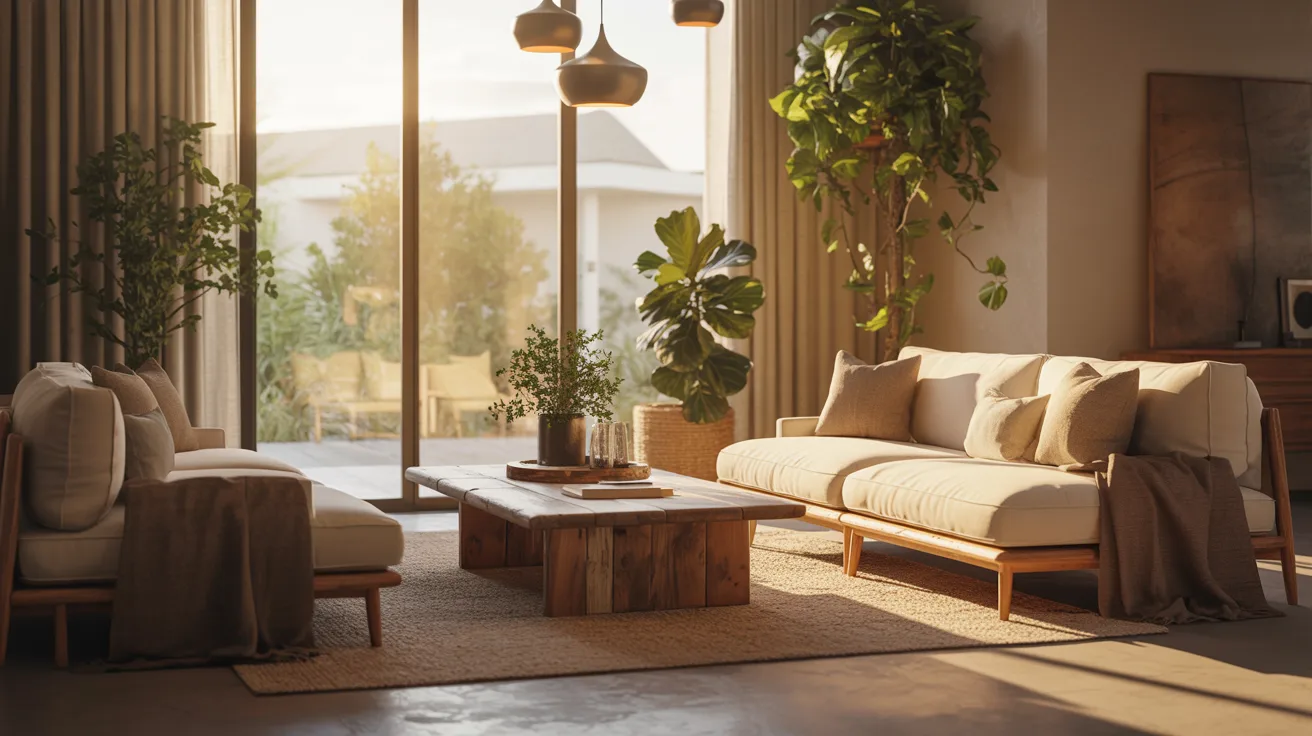
Minimalist spaces focus on fewer, high-quality pieces that last longer. Natural materials, neutral colors, and multi-use furniture help reduce clutter and unnecessary waste.
Biophilic and Nature-Inspired Design
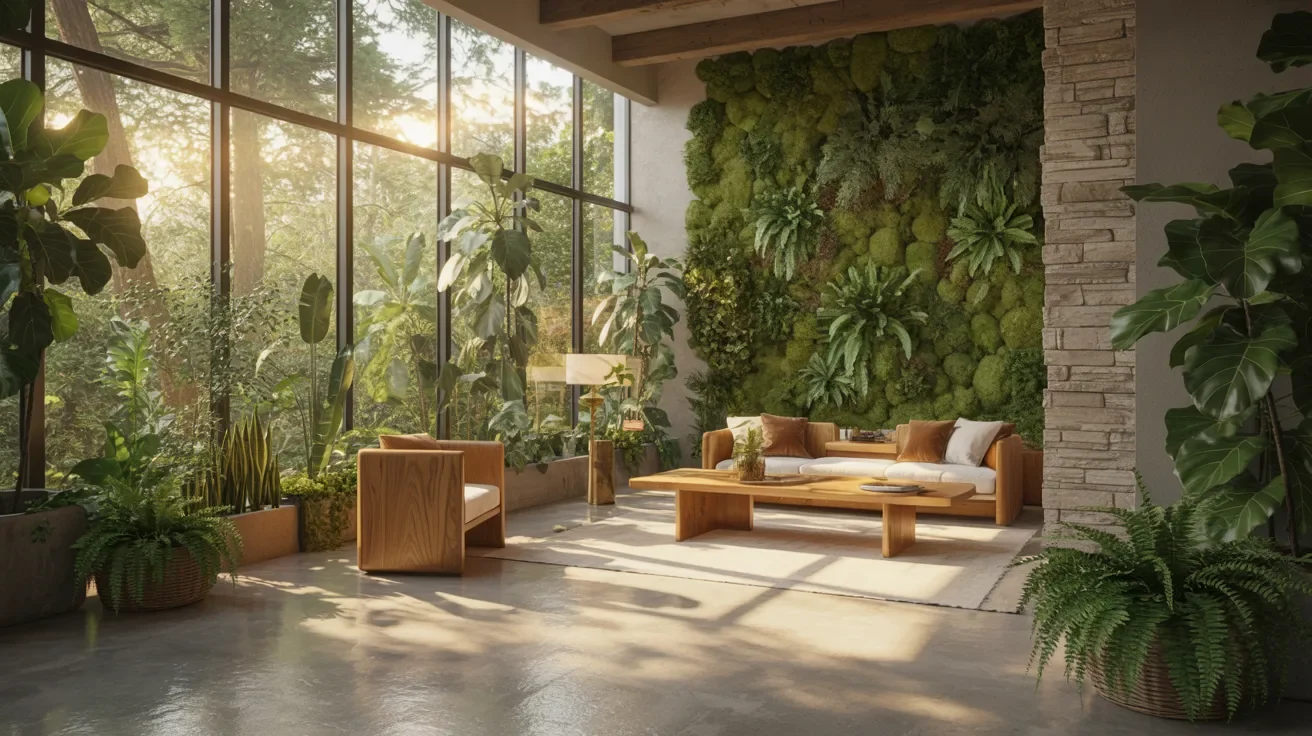
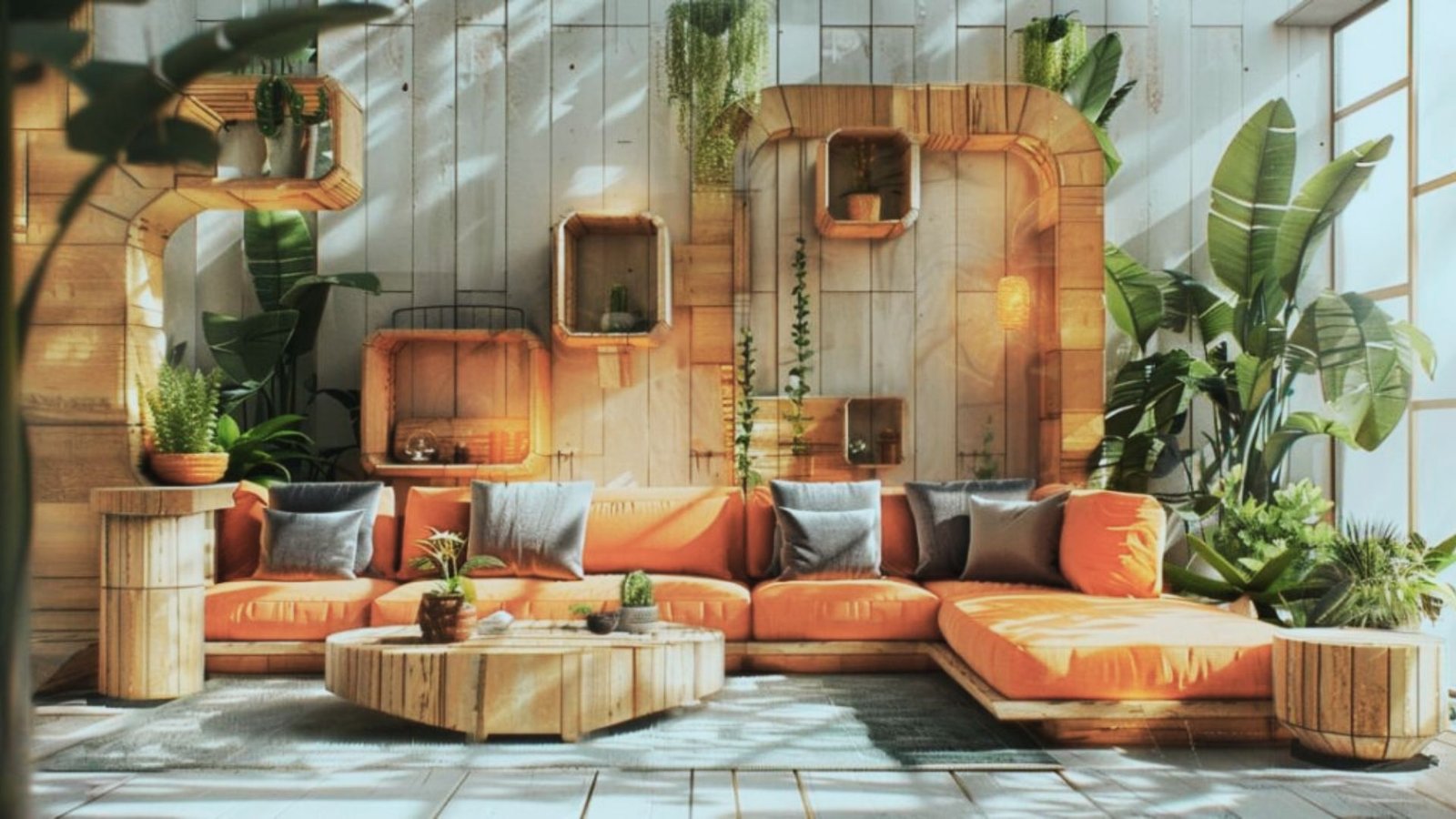
Nature-inspired interiors use plants, natural light, and materials like bamboo, jute, and wood to create calming, eco-friendly spaces with better air quality.
Sustainable Small-Space Design Ideas
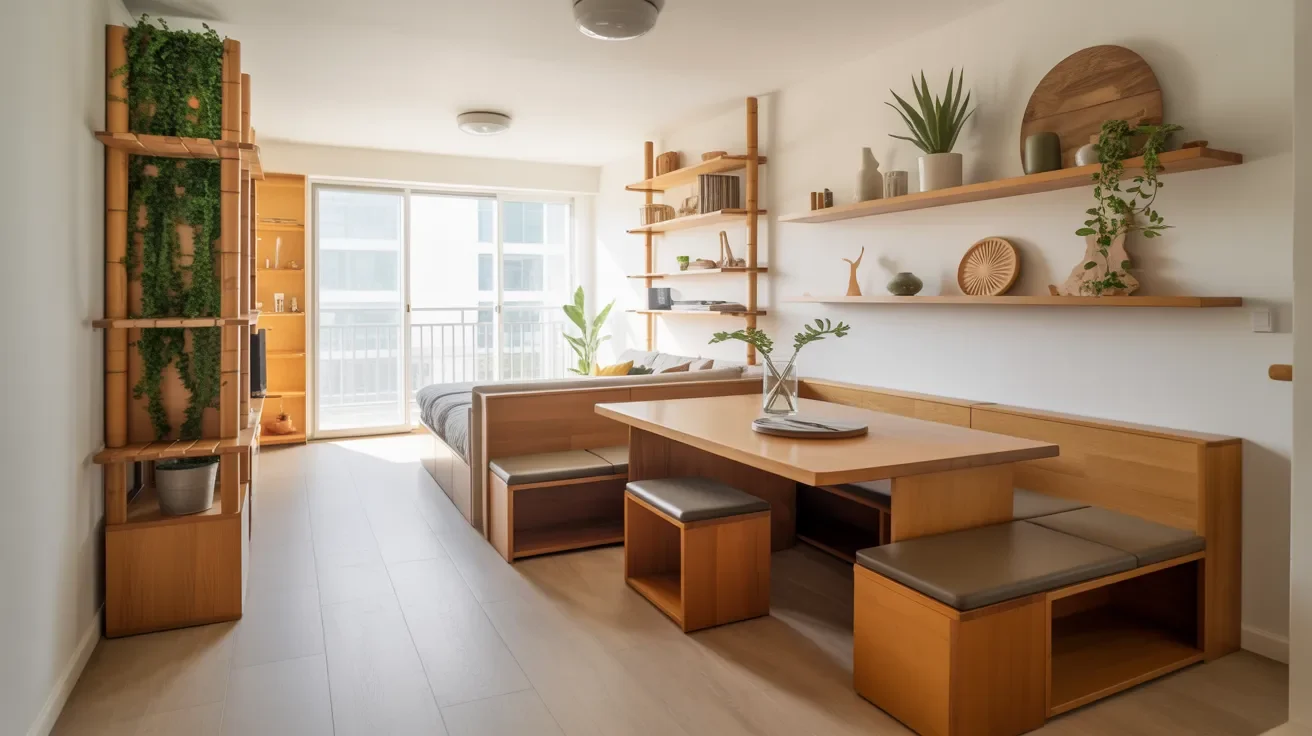
Small homes naturally use fewer resources. Multi-functional furniture, vertical storage, secondhand pieces, and low-VOC paints help maximize space while reducing waste.
How to Start a Sustainable Interior Design Project
Starting a sustainable home project does not have to be complicated. Small, thoughtful choices add up faster than you think.
Planning a Sustainable Home Makeover
Before you buy anything, look at what you already own. Go room by room. Write down what is working, what needs replacing, and what can be repurposed. Old furniture can be repainted.
A bookshelf from one room might work perfectly in another.
Once you know what stays, set a clear budget. Sustainable products can cost more upfront, but they last longer. Also, do not try to redo everything at once. Start with one room.
That keeps the process manageable and stops you from making rushed decisions.
Shopping Local and Ethical Brands
Local makers and small businesses are worth your attention. Buying nearby cuts down on shipping emissions and often means better craftsmanship.
Look for brands that are upfront about where their materials come from. If a brand’s website gives you zero information about its supply chain, move on.
Thrift stores are also a smart move. A solid wood side table from a secondhand shop beats a flat-pack version that falls apart in two years.
Certifications to Look for in Sustainable Products
A lot of brands use words like “eco-friendly” without any proof. That is greenwashing. Here are the labels actually worth trusting:
FSC: Confirms wood came from responsibly managed forests.
GREENGUARD Gold: Tests for low chemical emissions. Important for furniture, paints, and flooring.
OEKO-TEX Standard 100: Checks textiles like rugs and curtains for harmful substances.
Sustainable Interior Design Firms and Professional Expertise
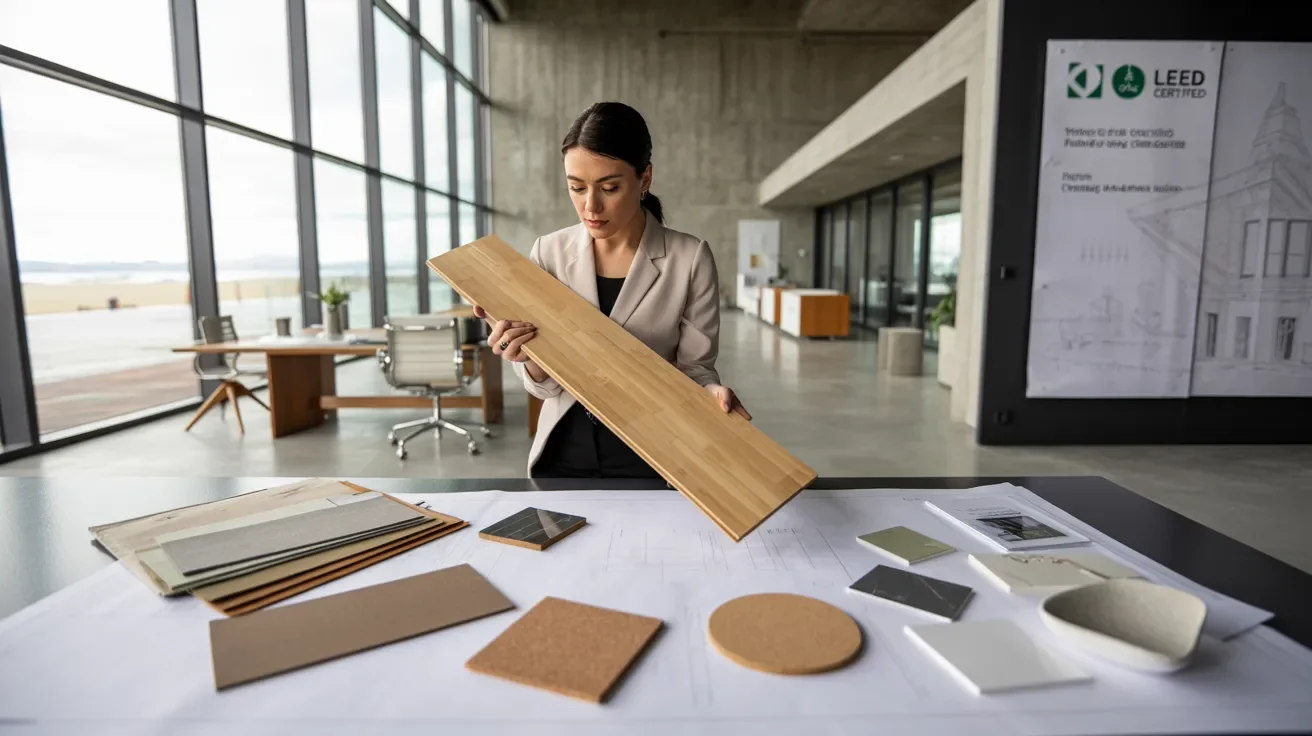
Sustainable interior design firms focus on creating healthier and more eco-friendly spaces by considering everything from material selection to indoor air quality.
They use low-impact materials such as reclaimed wood, recycled metal, and low-VOC paints while working with responsible suppliers to support sustainable production practices.
Many firms also hold certifications like LEED, WELL, BREEAM, or Green Globes, which demonstrate expertise in energy efficiency, water conservation, indoor air quality, and sustainable material selection.
The Future of Sustainable Interior Design
Sustainable interior design is becoming the standard for modern homes, with technology and wellness-focused choices shaping the future of living spaces.
Smart home systems, energy-efficient lighting, motion sensors, and water-saving fixtures help reduce energy use and lower utility costs while making homes more convenient.
At the same time, homeowners are prioritizing healthier interiors through low-VOC paints, natural lighting, indoor plants, and non-toxic materials that improve indoor air quality and overall well-being.
Low-waste living is also gaining popularity, with more people choosing secondhand furniture, modular designs, and upcycled decor to reduce landfill waste and create long-lasting, adaptable spaces
Conclusion
Sustainable interior design does not have to be overwhelming. I started small too.
Swapping out old bulbs, adding a few plants, and choosing secondhand pieces made a real difference in how my home felt. Once you start, it is hard to stop.
The best part is that every small choice counts. So pick one idea from this post and try it this week.
If this got you thinking, drop a comment below or share it with someone who loves their home as much as you do.
Frequently asked questions
What is sustainable interior design?
Sustainable interior design means creating living spaces using eco-friendly materials, energy-saving methods, and low-waste choices that are better for your home and the environment.
How can smart technology help make a home more eco-friendly?
Smart thermostats, motion-sensor lighting, and water monitors automatically cut down on energy and water waste without any extra effort from you.
What are low-VOC paints and why do they matter?
Low-VOC paints release fewer harmful chemicals into the air, making them a much safer option for indoor air quality, especially in homes with kids or pets.
Is sustainable interior design expensive?
Not at all. Buying secondhand furniture, switching to LED bulbs, and adding indoor plants are all simple, budget-friendly ways to get started without spending much.
What is the easiest first step toward a more sustainable home?
Swapping old bulbs for LED ones is the simplest starting point, and from there you can slowly bring in recycled materials, smarter fixtures, and low-waste furniture pieces.