I have spent a lot of time looking into solar energy, and one question kept coming up. Are solar energy audits actually worth it?
Short answer? Yes. And I will show you exactly why.
In this blog, I cover what a solar energy audit is, how it works, what inspectors check, and whether you should hire a pro or do it yourself.
I have seen homeowners skip this step and regret it later. A good audit saves you money before you spend it.
Let’s get into everything you need to know.
What Are Solar Energy Audits?
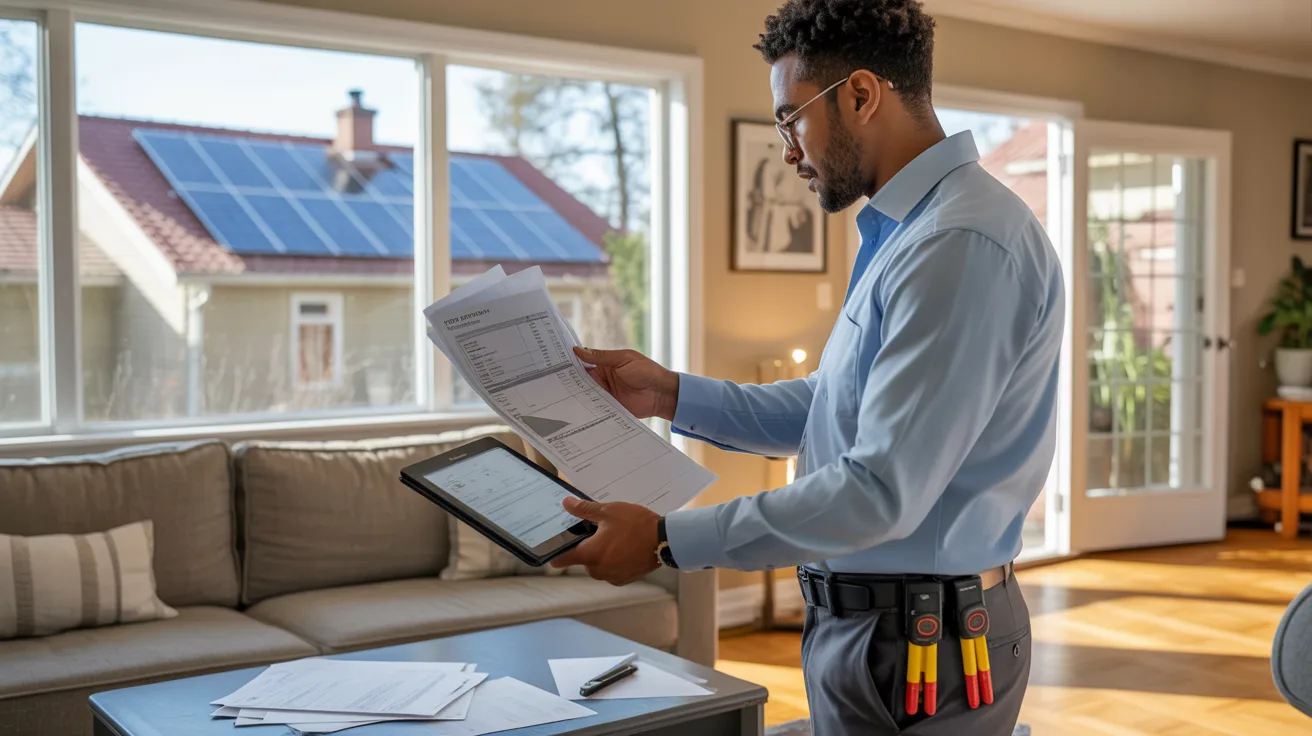
A solar energy audit is a professional evaluation of your home or building to check how well it can support a solar panel system.
How a Solar Energy Audit Works
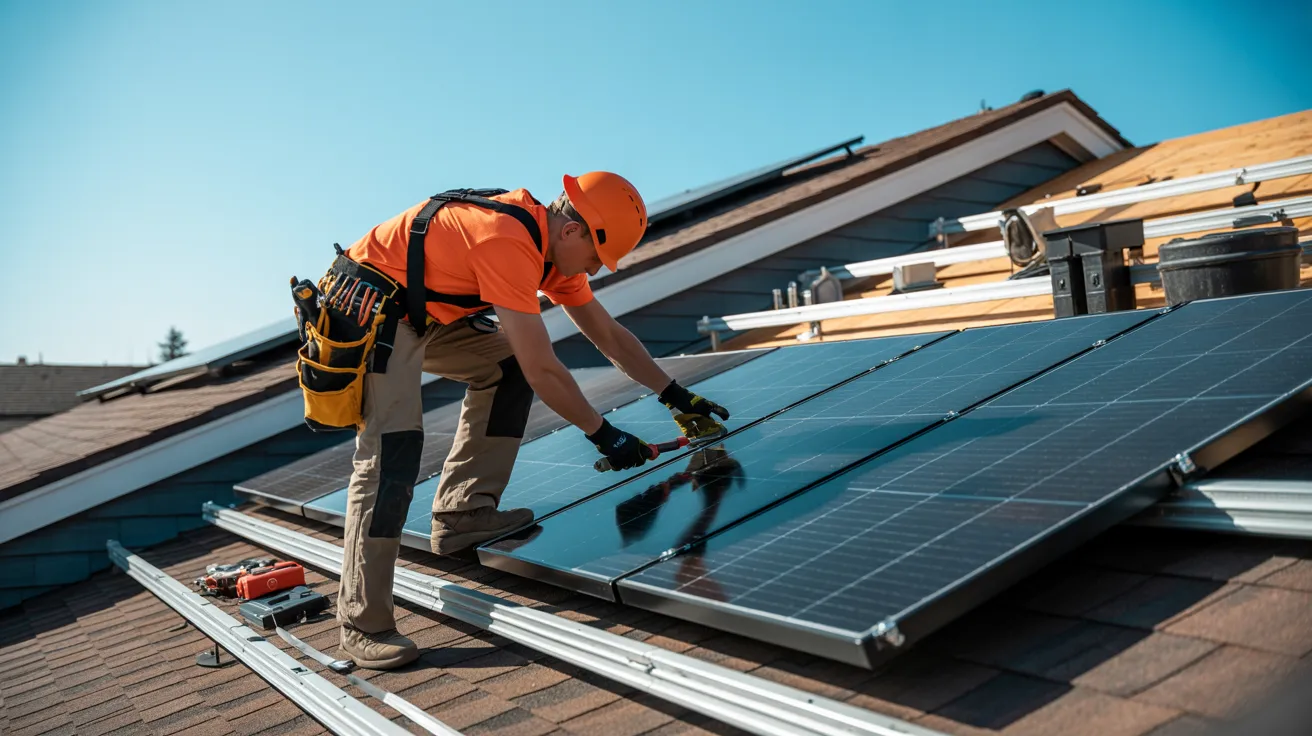
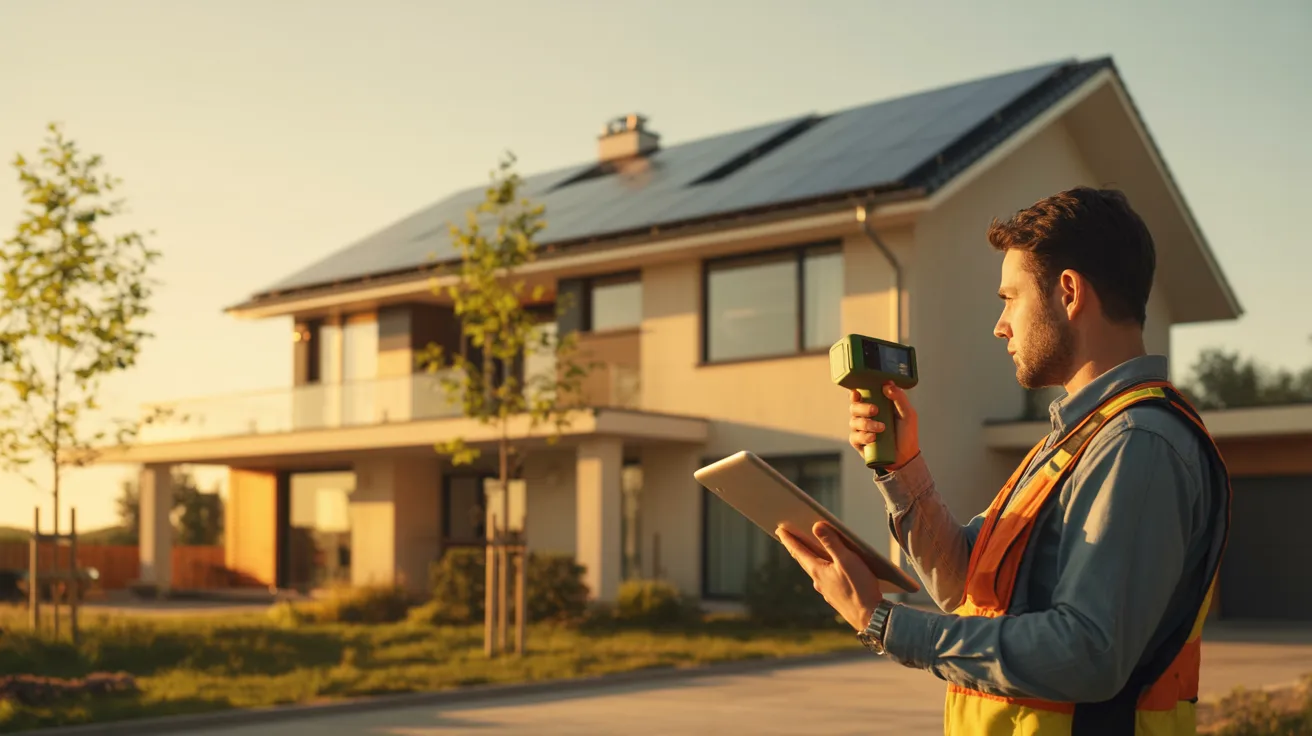
A solar energy audit starts with a site visit from a certified energy assessor or solar specialist. They review your electricity bills to understand your average monthly usage. Then they inspect your roof, walls, and windows to spot areas where energy is being lost.
After the physical inspection, they run calculations to figure out how much solar capacity your home needs. You get a report at the end with clear findings and next steps.
What Inspectors Check During the Audit
Inspectors cover a lot of ground during a solar energy audit.
Here is what they typically look at:
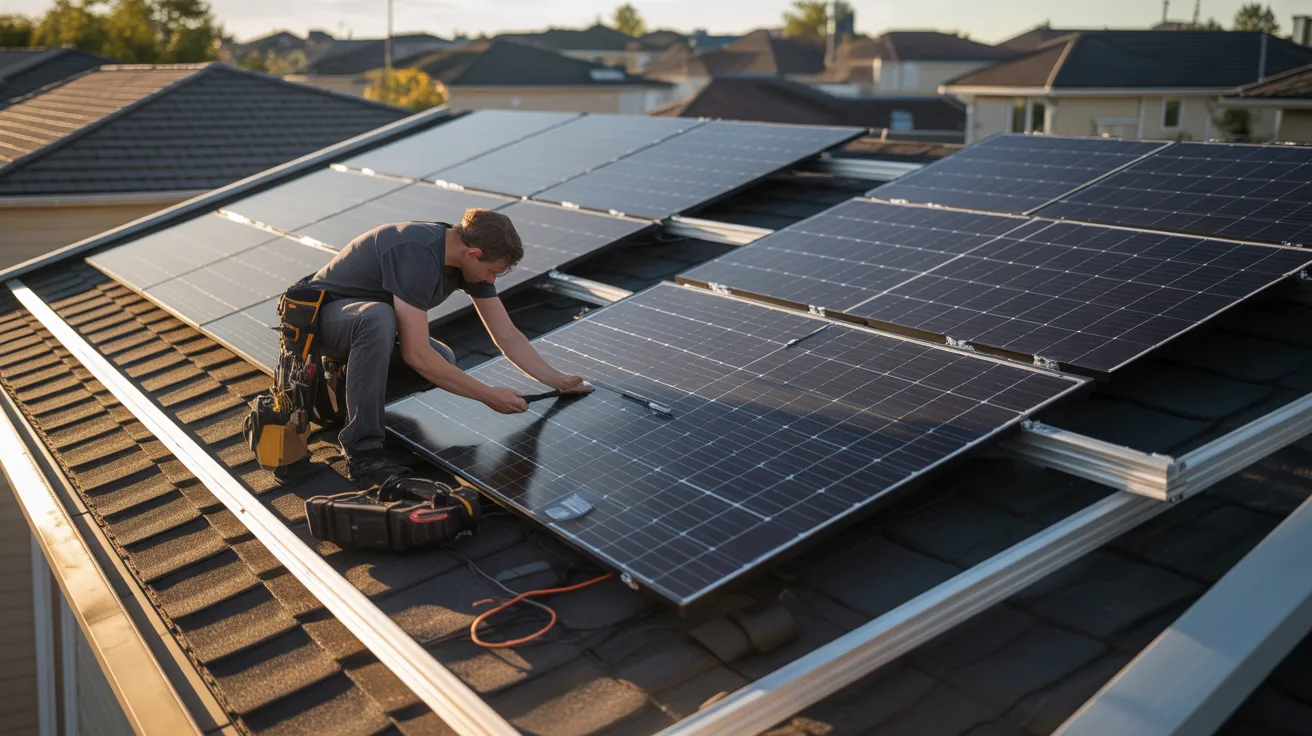
Roof condition and orientation: They check the age, material, and angle of your roof. South-facing roofs with minimal shade work best for solar panels.
Energy consumption patterns: Your electricity bills show peak usage times and overall monthly load.
Insulation and air sealing: Poor insulation means your home loses heat or cool air, which drives up energy demand before solar even enters the picture.
Existing electrical system: The inspector checks your breaker panel and wiring to see if upgrades are needed before installation.
Shading and obstructions: Trees, chimneys, or nearby buildings can reduce solar output significantly. Inspectors flag these early.
Benefits of Solar Energy Audits
A solar energy audit helps you make smarter choices before going solar. It looks at your energy use, roof condition, and utility bills to give you real data that saves money and avoids costly mistakes.
Below are three solid reasons why getting an audit before going solar is worth your time.
Lower Energy Bills
A proper audit shows exactly where your home is losing energy. Once you fix those gaps, your solar system does not have to work as hard. That means lower bills from day one.
Better Solar System Sizing
Most people either oversize or undersize their solar setup. An audit gives you the actual numbers so you get the right system for your home. No overspending, no shortfalls.
Improved Home Comfort and Efficiency
An audit often flags insulation problems and air leaks. Fix those first, and your home stays cooler in summer and warmer in winter without extra effort.
Common Problems Found During Solar Energy Audits
A solar energy audit looks at your whole home, not just the panels. Most homeowners are surprised by what gets flagged.
Air Leaks and Poor Insulation
Gaps around windows, doors, and walls let air escape constantly. Poor insulation adds to the problem. Your heating and cooling systems end up working overtime, and your solar output cannot keep up with the demand.
Sealing leaks and fixing insulation reduces the load on your whole system.
Inefficient Appliances and Lighting
Old appliances quietly drain power every day. An aging refrigerator or washer uses far more electricity than a newer model. Most people do not notice until they see the numbers.
Incandescent bulbs waste energy as heat. Switching to LED is one of the simplest fixes an audit will flag.
Roof and Shading Issues
Cracked or worn shingles affect how safely panels can be mounted. Auditors always check roof condition before anything else.
Shading is a big performance issue too. Even a small shadow from a tree or chimney can cut output noticeably. Auditors track sun exposure across the day to find what is blocking your panels and when.
Professional vs DIY Solar Energy Audits
Not every solar audit is the same. Knowing who should do yours can save you time, money, and a lot of guesswork.
Benefits of Professional Audits
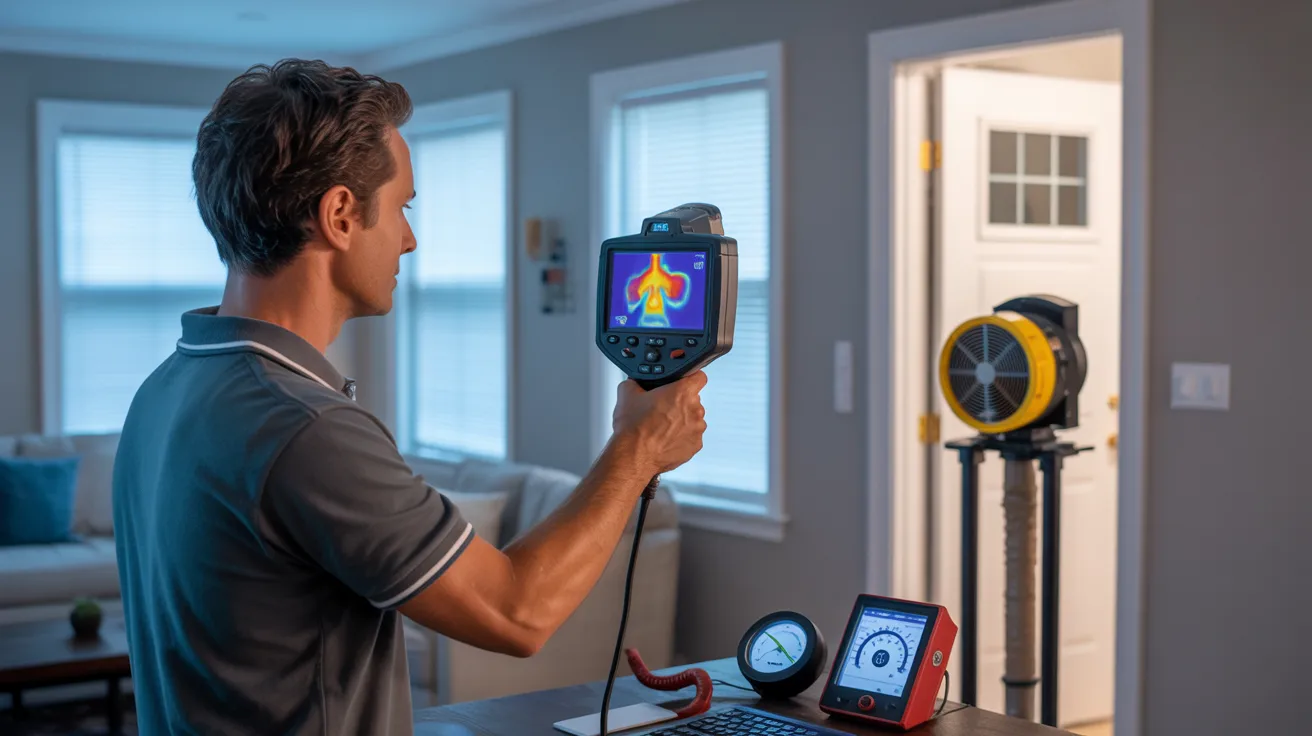
Hiring a certified energy auditor brings a level of accuracy that is hard to match on your own.
Professionals use thermal imaging cameras, blower door tests, and advanced diagnostic tools to find problems you cannot see with the naked eye. They check insulation gaps, air leaks, shading issues, and roof conditions all at once.
A pro also gives you a written report with clear recommendations. That report can support rebate applications, financing, and solar installation quotes.
If your home is older or has complex wiring, a professional audit is the smarter call. Mistakes in energy planning can cost far more than the audit itself.
Limits of DIY Inspections
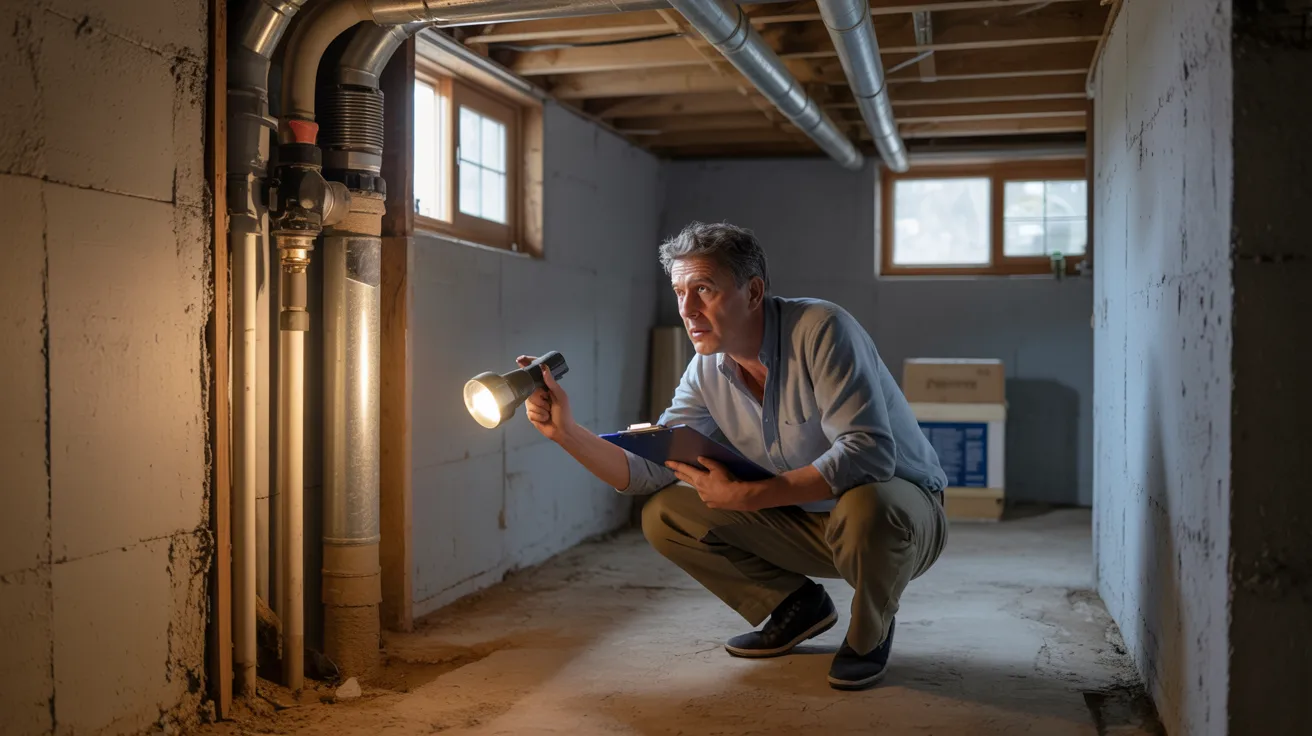
A DIY inspection works fine for a basic overview. You can check your energy bills, look for obvious drafts, and swap out old bulbs. That is a good starting point.
But DIY has real limits. You will miss hidden air leaks, insulation problems behind walls, and shading patterns that only show up at certain times of day.
Without proper tools, your findings stay surface level. That can lead to poor solar placement decisions or oversized systems that do not perform as expected.
Are Solar Energy Audits Worth It?
A solar energy audit helps you see exactly how much energy your home uses and where it goes. It shows you if solar panels would actually make sense for your property before you spend any money on installation.
Let’s be honest, the upfront cost of solar panels is not small, and that is exactly why getting an audit first makes a lot of sense.
It looks at your current electricity bills, roof condition, sun exposure, and overall energy consumption, giving you a clear idea of what size system you would need and what your actual savings could look like over time.
Most homeowners who go solar see a return on investment within 6 to 10 years, and after that, the electricity you generate is basically free. Over a 25-year panel lifespan, that adds up to serious savings.
The audit also tells you if your home is solar ready or if you need to fix things first, like poor insulation or an outdated electrical panel.
Skipping this step often leads to oversized or undersized systems that do not perform as expected.
So yes, spending a few hundred dollars on an audit before committing to a $15,000+ installation is a smart move.
Conclusion
I will be honest with you. I put off getting a solar audit for almost a year because I thought it was just another unnecessary expense. But once I finally did it, the report showed me three energy leaks I had completely missed.
That one audit saved me from buying an oversized system.
If you are thinking about going solar, start with a solar energy audit first. It is the smartest step you can take.
Have questions? Drop them in the comments below. I would love to help.
Frequently asked questions
What is a solar energy audit and why do I need one?
A solar energy audit is a professional check of your home to see how well it can support solar panels. It helps you avoid costly mistakes before you commit to an installation.
How long does a solar energy audit take?
Most solar energy audits take between two to four hours depending on the size of your home. You get a full report with findings and next steps shortly after.
How much does a solar energy audit cost?
A professional solar energy audit typically costs between $150 and $400. That small upfront cost can save you thousands by making sure you get the right solar system for your home.
What problems can a solar energy audit find?
Auditors commonly flag air leaks, poor insulation, shading issues, roof damage, and outdated electrical panels. Fixing these before going solar helps your system perform better from day one.
Can I do a solar energy audit myself?
You can do a basic check by reviewing your energy bills and looking for obvious drafts or leaks. But a professional audit uses thermal imaging and diagnostic tools that catch hidden problems a DIY inspection will miss.