
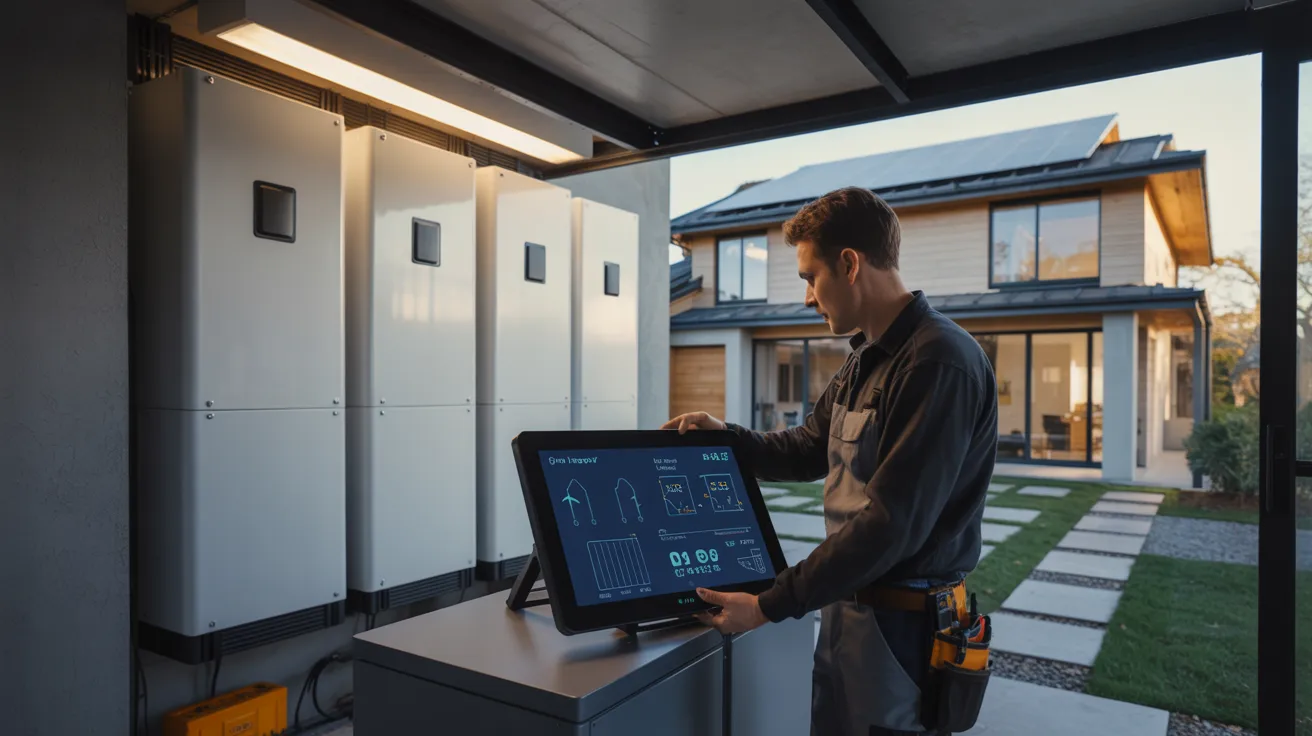

Your roof warranty can disappear faster than you think. One wrong hire, one missed clause, and your coverage is gone.
I have been through this, and I want to help you avoid the same mistakes.
In this post, I will walk you through exactly how to keep your warranty intact. We will cover how to hire the right installers, why talking to your roofer matters, and what to look for in the fine print.
These are simple steps. But most homeowners skip them.
With years of home maintenance experience, I can tell you that protecting your warranty starts before the first shingle goes up.
Do Solar Panels Affect Roof Warranty Coverage?
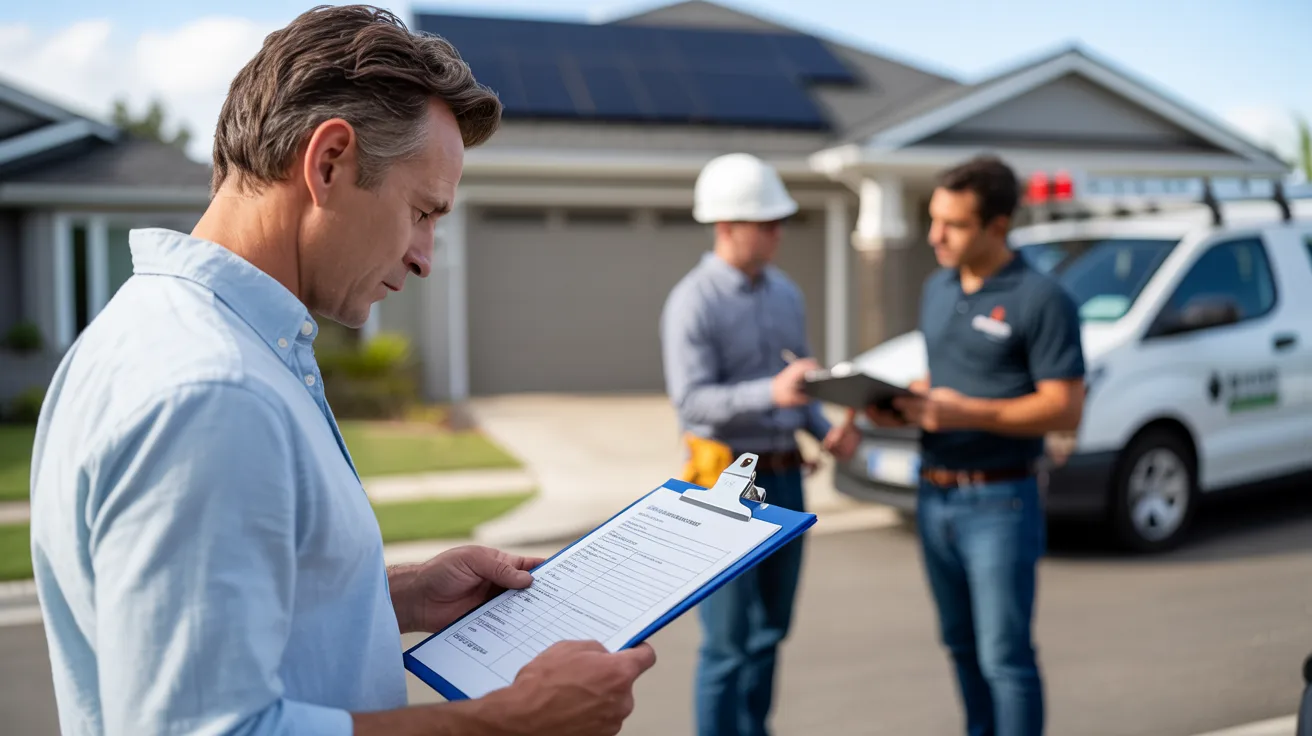
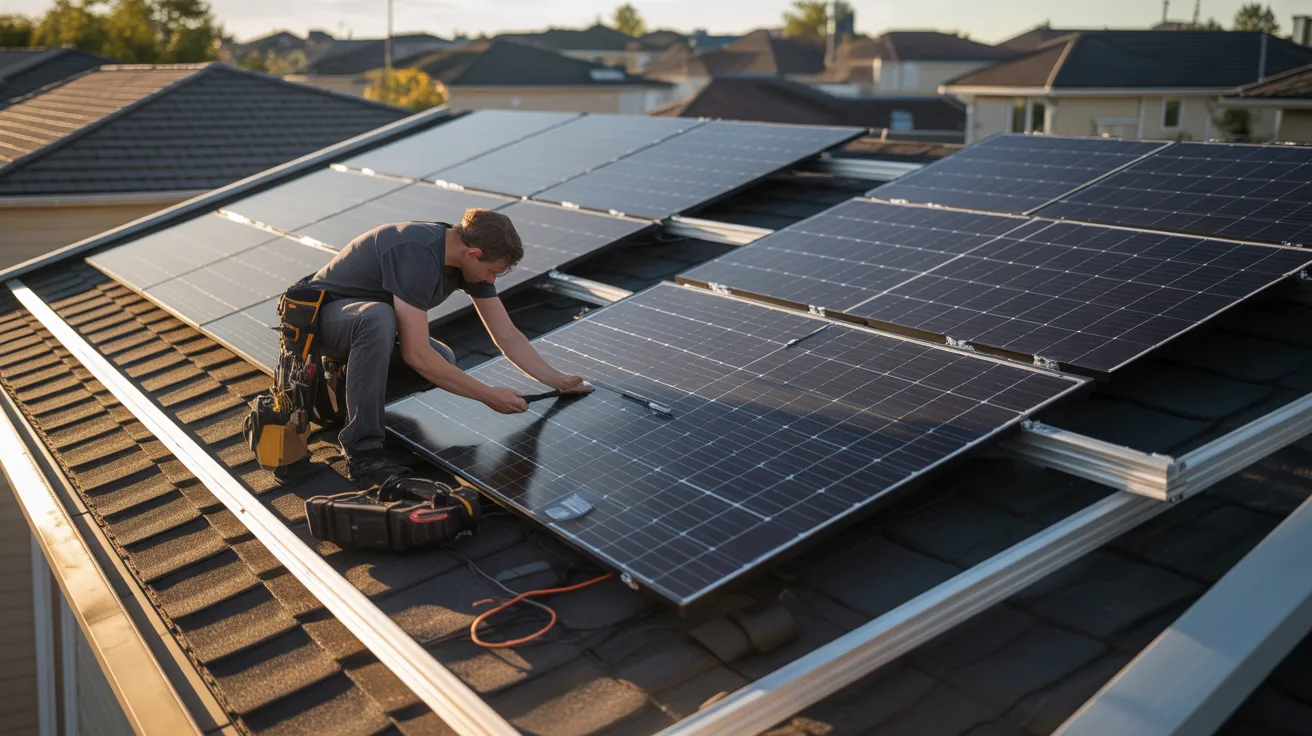
Solar panels do not automatically void a roof warranty, but improper installation can create problems.
Some roofing manufacturers allow solar installations if certified contractors handle the work, while others may limit coverage after roof modifications.
Before installing solar panels, review your roofing warranty carefully. Check whether third-party roof penetrations are allowed and ask if certified installers are required.
It is also important to confirm that the solar company carries liability insurance and offers a workmanship warranty.
Many solar companies work with roofing manufacturers to keep warranties valid through approved installation methods. Asking these questions before installation can help you avoid costly warranty issues later.
A solar system is a long-term investment, so protecting your roof warranty should always be part of the planning process.
Understanding Roof Warranties
A roof warranty can save you thousands of dollars if something goes wrong. Here is what you need to know before signing anything.
Material Warranty
This warranty comes directly from the manufacturer. It covers defects in the roofing materials themselves, like shingles that crack, curl, or fail before their expected lifespan.
Most material warranties run anywhere from 20 years to a lifetime. But read the fine print. Many of them are prorated, which means the coverage amount drops every year.
So if your shingles fail in year 15 of a 30-year warranty, you might only get 50% of the replacement cost covered.
Keep your purchase receipts and installation records. Manufacturers often ask for proof before honoring a claim.
Workmanship Warranty
This one comes from your roofing contractor, not the manufacturer. It covers installation errors, things like improper flashing, poor sealing, or incorrect shingle placement.
Workmanship warranties are usually shorter, often between 1 and 10 years. The length depends on the contractor.
A strong workmanship warranty is a good sign. It means the contractor stands behind their work. Always ask for this in writing before the job starts. Verbal promises do not hold up when there is a leak.
Do Solar Panels Void Roof Warranty?

Solar panels can affect your roof warranty, but it depends on how they are installed and who does the work.
When Solar Panels Do Not Void Coverage
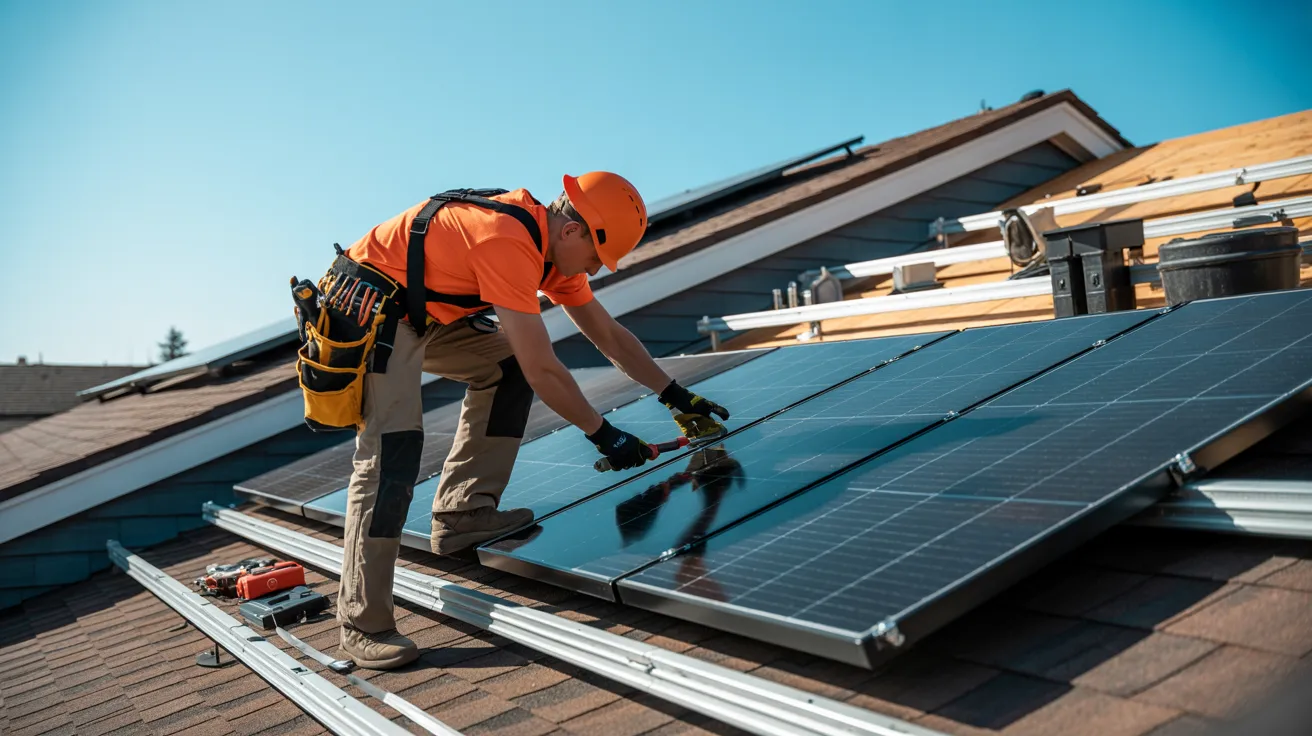
Most roof warranties stay intact when a licensed, certified installer handles the job. Roofing manufacturers often allow solar panel installations as long as the work follows their approved methods.
Some manufacturers even have partnerships with solar companies, so the installation does not touch the warranty at all.
Getting written confirmation from your roofing manufacturer before installation is a smart move. If they approve the process, you are covered.
Situations That Can Void a Roof Warranty
Hiring an uncertified contractor is the fastest way to lose your roof warranty. Improper drilling, wrong fasteners, or cutting through flashing can all cause damage that voids coverage.
Some manufacturer warranties also have a clause that cancels coverage if any third party works on the roof without prior approval.
Importance of Proper Installation
Good installation protects both your solar investment and your roof. A certified solar installer knows how to work around roofing materials without causing leaks or structural issues.
Always ask your installer for documentation. Keep records of the work done. This protects you if a warranty claim comes up later.
Common Solar Installation Mistakes That Affect Warranties
Bad installation decisions can void your solar warranty before you ever notice a problem.
Roof Penetration Issues
Every time a mounting bolt goes through your roof, it creates a potential water entry point. If those spots are not sealed correctly, moisture gets in and causes rot and leaks.
Most warranties require penetrations to follow specific guidelines. Wrong hardware or incorrect placement gives manufacturers grounds to deny your claim.
Improper Flashing and Sealing
Flashing blocks water around roof penetrations. When installed wrong, rain gets in fast.
Gaps or loose edges are common with rushed jobs. A leak caused by bad flashing is usually labeled an installation error, and that means the repair cost falls on you.
Poor Installation Practices
Loose wiring, wrong panel angles, and unsecured mounting racks all count as poor practice. Panels that are not mounted properly can shift during wind or heavy rain.
Manufacturers check installation records when claims are filed. If the work was done outside approved methods, they can reject the claim outright.
Always hire a certified installer. It is the only way your warranty actually holds up.
How to Protect Your Roof Warranty

Your roof warranty is only as good as how well you maintain it. Here is what you need to do to keep it intact.
Hire Certified Installers
This is the first thing most homeowners get wrong. They hire whoever gives them the lowest quote, not realizing that an uncertified contractor can void a manufacturer’s warranty before the job is even done.
Most roofing brands require installation by a certified contractor to honor their warranty.
If someone without that certification puts your roof on, the manufacturer has every right to walk away from any future claims.
Always ask for proof of certification before signing anything.
Coordinate With Your Roofer
Your roofer and your warranty should be on the same page. Talk to your contractor about what the warranty covers and what it does not. Some warranties require specific installation steps or approved materials.
If your roofer does something outside those guidelines, even by accident, it can cost you coverage later.
Review Warranty Terms Before Installation
Read the fine print before the work begins, not after. Check what triggers a void, how long coverage lasts, and what maintenance is required on your end.
A five-minute read now can save you thousands in denied claims down the road.
Conclusion
Protecting your roof warranty does not have to feel overwhelming. I learned this the hard way after skipping the fine print on my first home.
A simple check before installation could have saved me a lot of stress.
Take it one step at a time. Hire the right people, ask questions, and read those terms before anyone climbs up there.
If this helped you, drop a comment below or share it with someone who is planning a roof job soon. And check out our related posts on home maintenance tips that actually work.
Frequently asked questions
What voids a roof warranty?
Using uncertified contractors or unapproved materials during installation can void your roof warranty immediately.
How long does a typical roof warranty last?
Most roof warranties last anywhere from 10 years to a lifetime, depending on the manufacturer and materials used.
Can I install roofing myself without voiding the warranty?
In most cases, yes, DIY installation voids the manufacturer’s warranty since certified contractor installation is usually required.
What should I check in my roof warranty terms?
Look for coverage duration, maintenance requirements, approved materials, and conditions that could cancel your coverage.
Does homeowner’s insurance cover roof warranty issues?
No, homeowner’s insurance and roof warranties are separate. Insurance covers damage while warranties cover defects in materials or installation.