Geothermal systems can cut your energy bills by a huge margin. But picking the right one is where most people get stuck.
I have spent time researching and breaking down exactly how these systems work, what they cost, and what fits different homes.
This guide covers everything from system types to installation costs, land requirements, and long-term savings.
You will also find real answers on tax credits, climate performance, and water quality factors.
No confusing technical jargon. Just clear, practical information you can actually use. Whether your home is big or small, there is a geothermal option that fits.
Let me help you figure out which one that is.
Introduction to Geothermal Heat Pump Systems
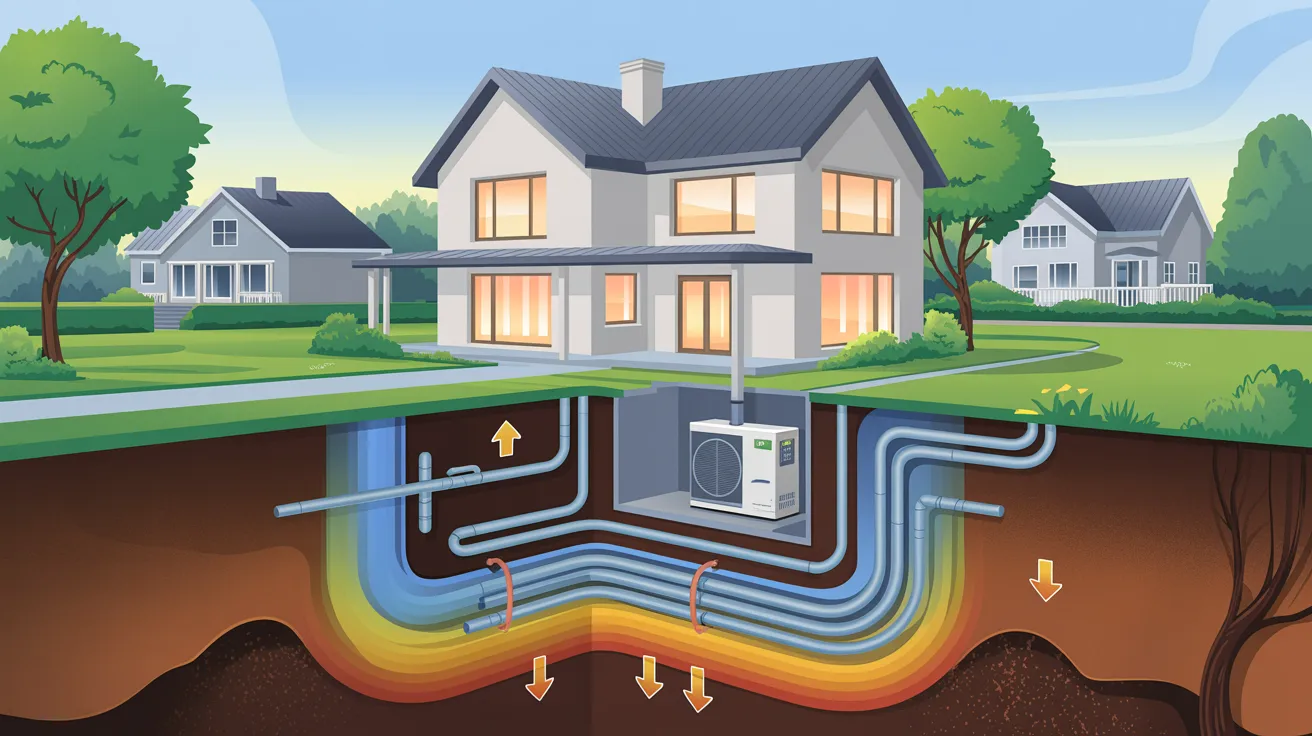
Geothermal heat pumps use the earth’s stable underground temperature to heat and cool homes efficiently year-round.
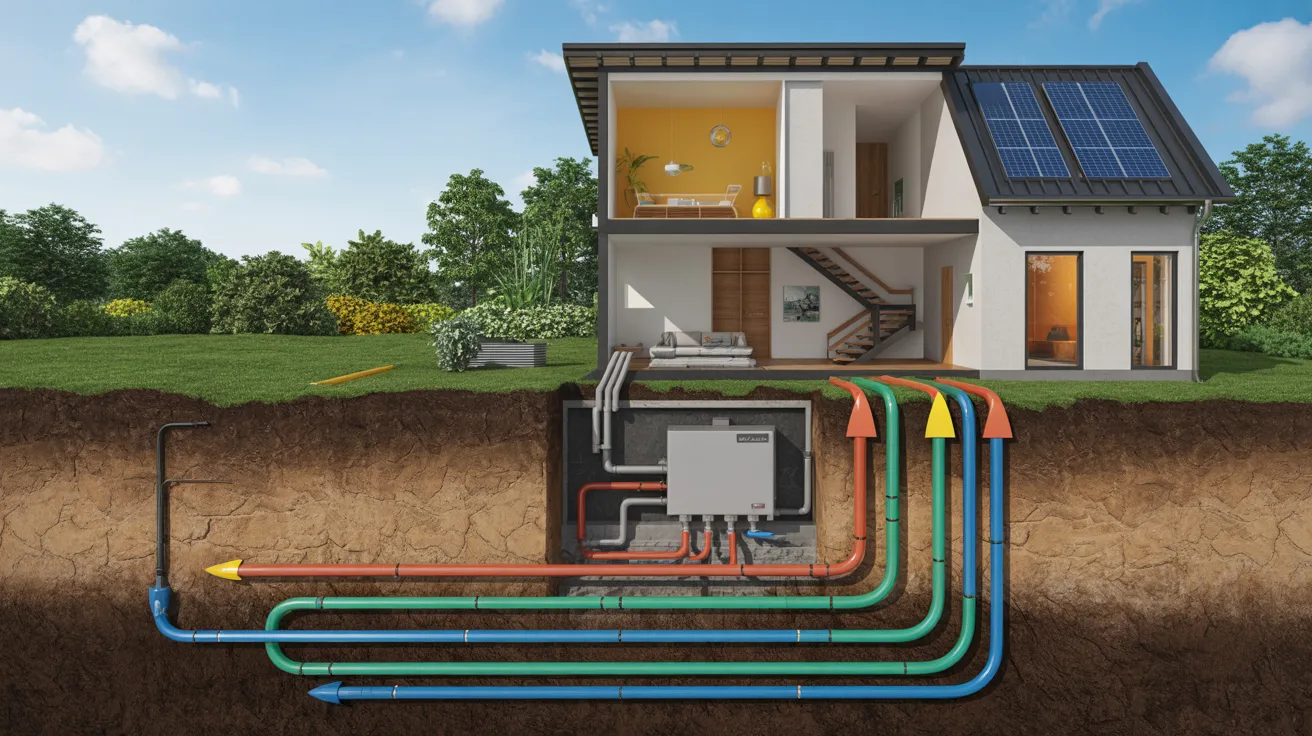
Instead of burning fuel, they transfer heat between your home and the ground. In winter, they pull heat indoors, while in summer, they move heat back underground.
These systems come in two main types: open loop and closed loop. Open loop systems use water from wells or surface sources, while closed loop systems circulate fluid through sealed underground pipes.
The right choice depends on your property size, water availability, local regulations, and overall installation budget.
What Is an Open Loop Geothermal Heat Pump?
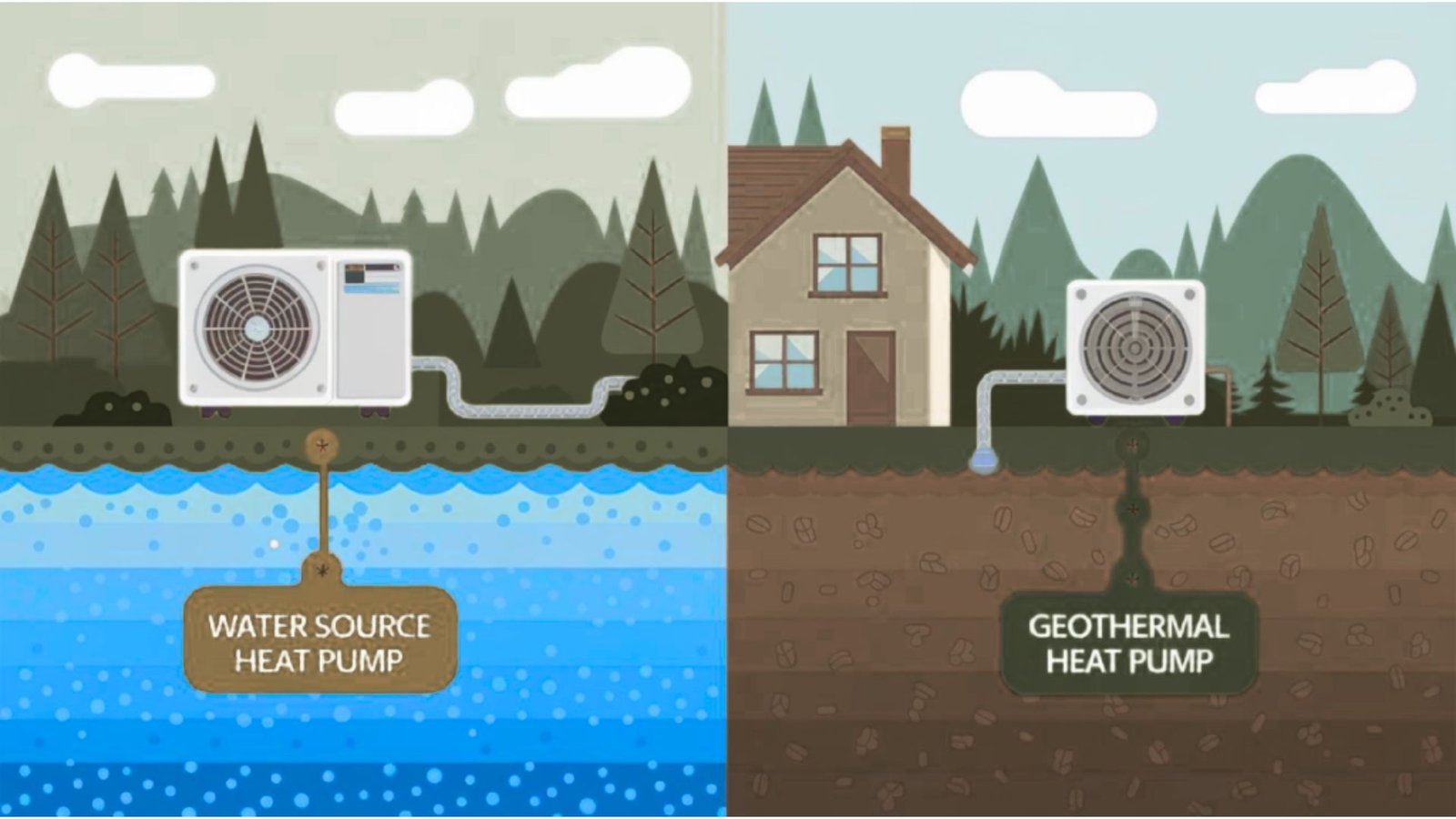
An open loop geothermal heat pump pulls water directly from a natural source, uses it for heating or cooling, and then discharges it elsewhere.
How Open Loop Systems Work
Here is the basic idea. The system draws groundwater or surface water from a well, pond, or lake. That water passes through a heat exchanger inside the heat pump. The system either pulls heat from the water (for heating) or dumps heat into it (for cooling).
After the exchange, the water is sent back into the ground through a return well, or released into a surface body of water.
The water itself is not the refrigerant. It just carries thermal energy. The heat pump does the actual work of moving that energy where you need it.
Water Source Requirements
Not every property qualifies for an open loop setup. You need a reliable water source with enough flow rate to keep the system running. Most systems need at least 1.5 gallons per minute per ton of capacity.
Water quality matters too. High mineral content, iron, or sediment can clog or corrode the heat exchanger over time. A water test before installation is a smart move.
Local regulations also play a role. Some areas have rules about how much groundwater you can draw or where discharge water can go.
Pros and Cons of Open Loop Systems
These systems can save you real money over time. Here is what works in their favor and what to watch out for.
Pros:
- Lower upfront cost compared to closed loop systems
- Higher efficiency since groundwater stays at a stable temperature year-round
- Works well on properties with strong, clean water sources
- Simpler installation in many cases
Cons:
- Water quality issues can cause long-term maintenance problems
- Not suitable for all properties or locations
- Discharge requirements vary by state and county
- Pumping costs add to long-term operating expenses
- Drought or dropping water tables can affect performance
What Is a Closed Loop Geothermal System?
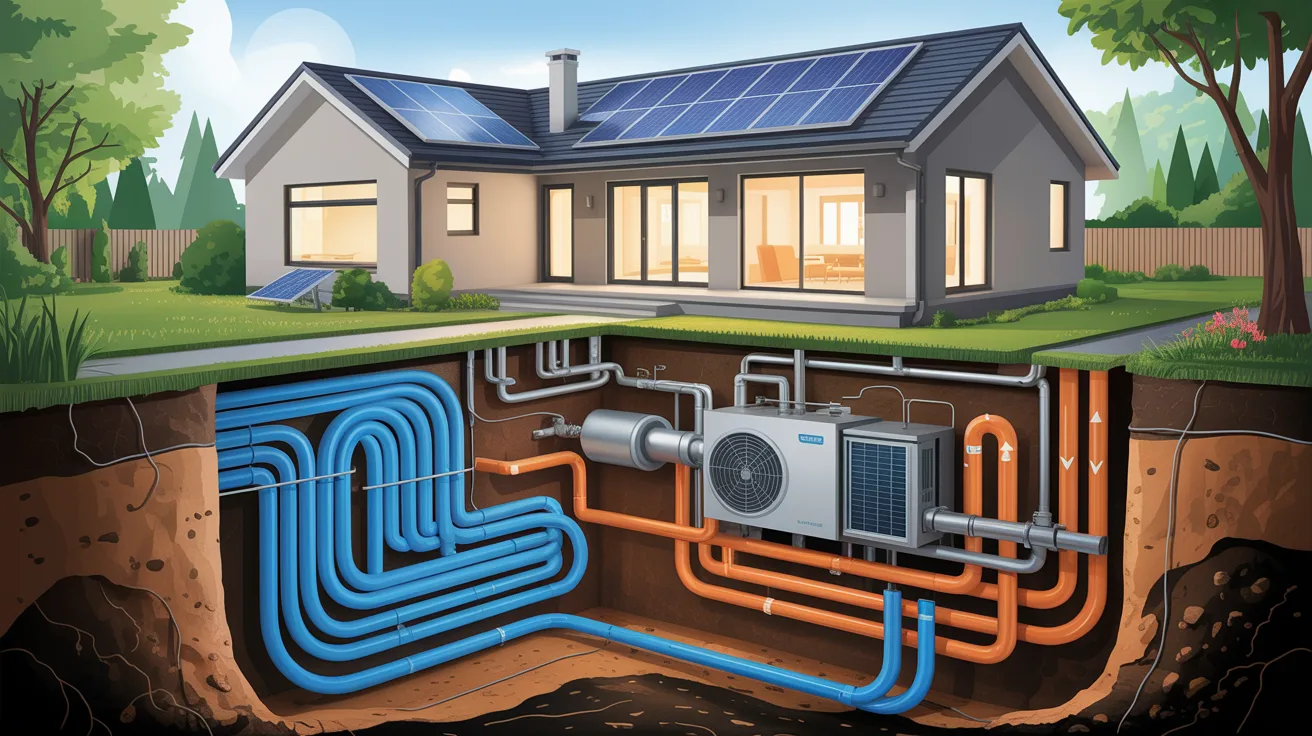
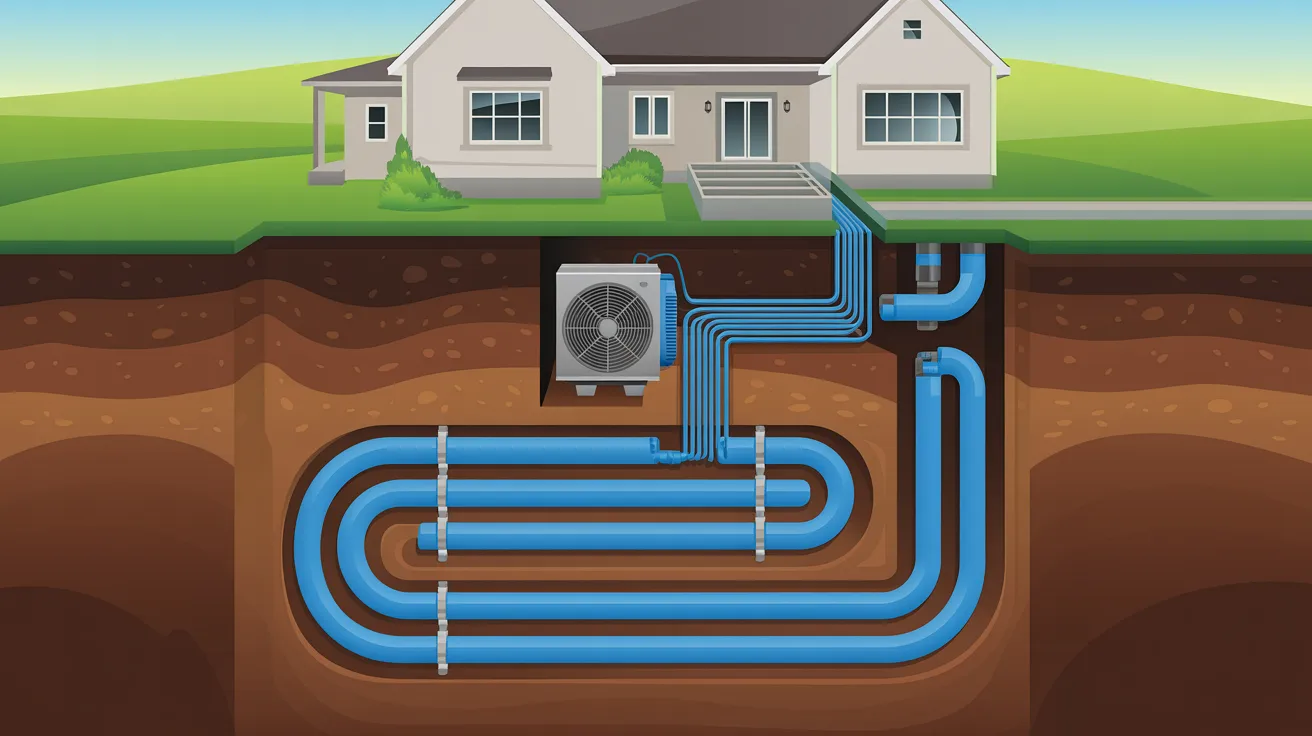
A closed loop geothermal system uses buried pipes filled with fluid to pull heat from the ground and move it into your home.
How Closed Loop Systems Work
The system runs fluid through buried pipes. The ground holds a steady temperature year-round, usually between 45°F and 75°F.
In winter, the fluid absorbs ground heat and carries it to a heat pump inside your home. In summer, the process reverses. Indoor heat gets pushed into the cooler ground.
No fuel. No flames. Just fluid moving through pipes.
Types of Closed Loop Systems
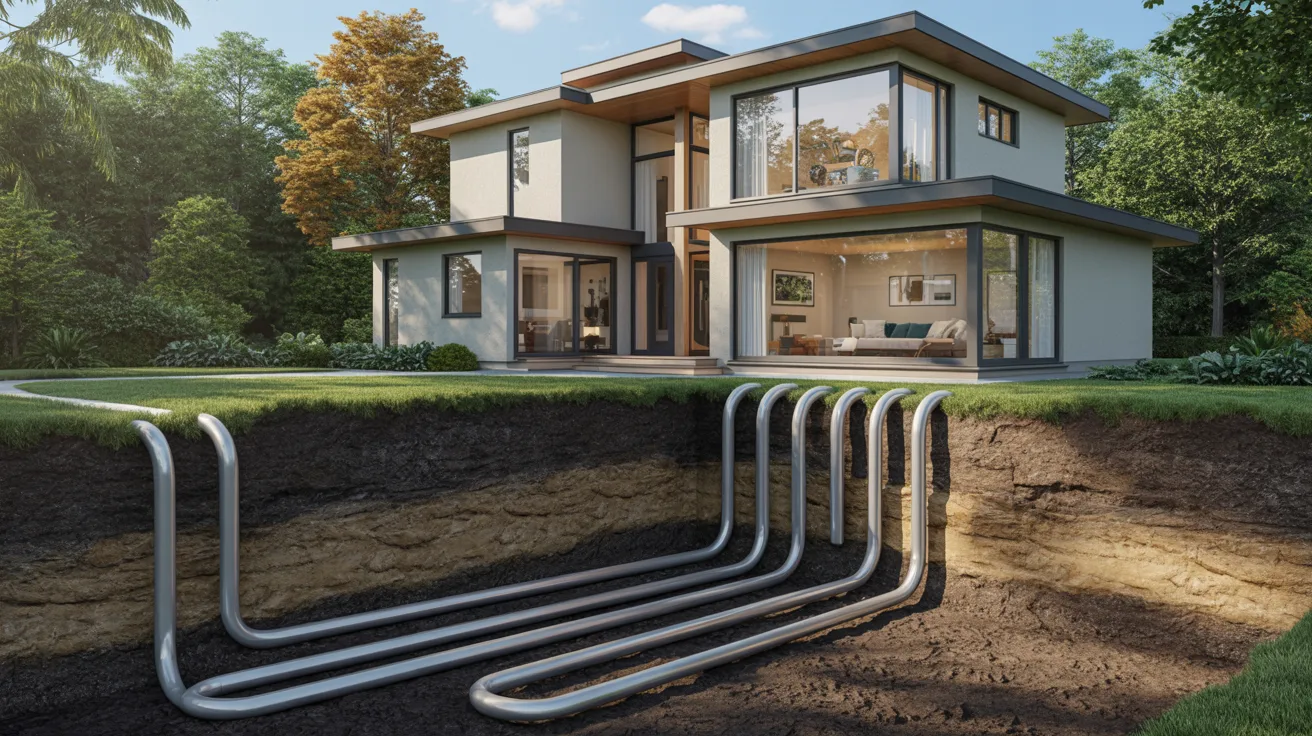
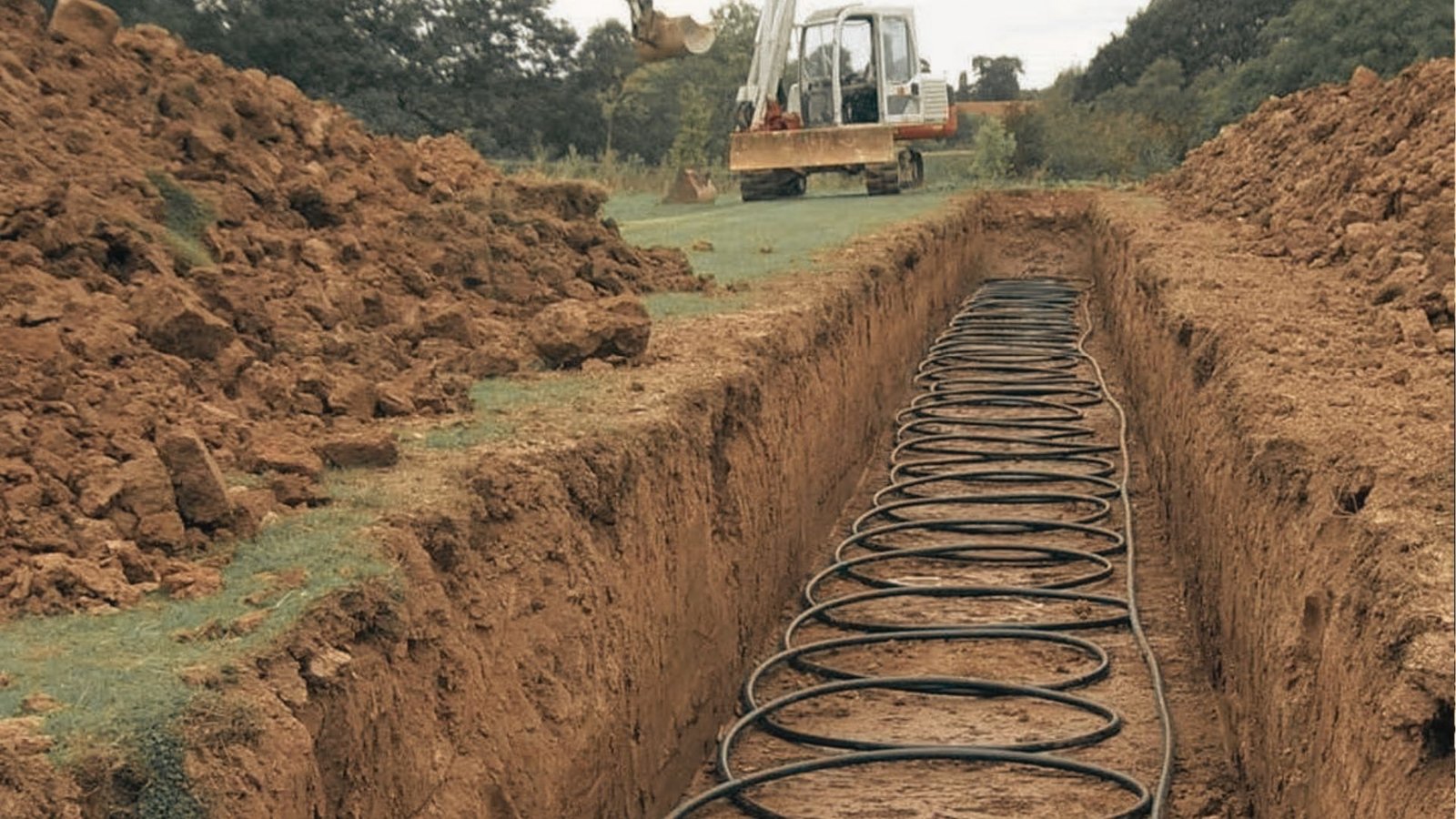
Horizontal loops use trenches dug four to six feet deep. Best for homes with open yard space.
Vertical loops use deep drilled holes, sometimes 100 to 400 feet down. Good for smaller properties.
Pond loops sink coiled pipes into a nearby body of water. Works well if you have water access on your land.
Pros and Cons of Closed Loop Systems
Knowing both sides helps you make a smarter call. Here is a straight look at what closed loop systems do well and where they fall short.
Pros:
- Lower energy bills long-term
- Works in most climates
- Ground loops can last 50+ years
- Quiet, no outdoor unit needed
Cons:
- High upfront cost, often $10,000 to $30,000
- Yard disruption during installation
- Needs a certified installer
The savings add up over time, but the starting cost is something to plan for.
Open Loop Geothermal Heat Pump vs Closed Loop
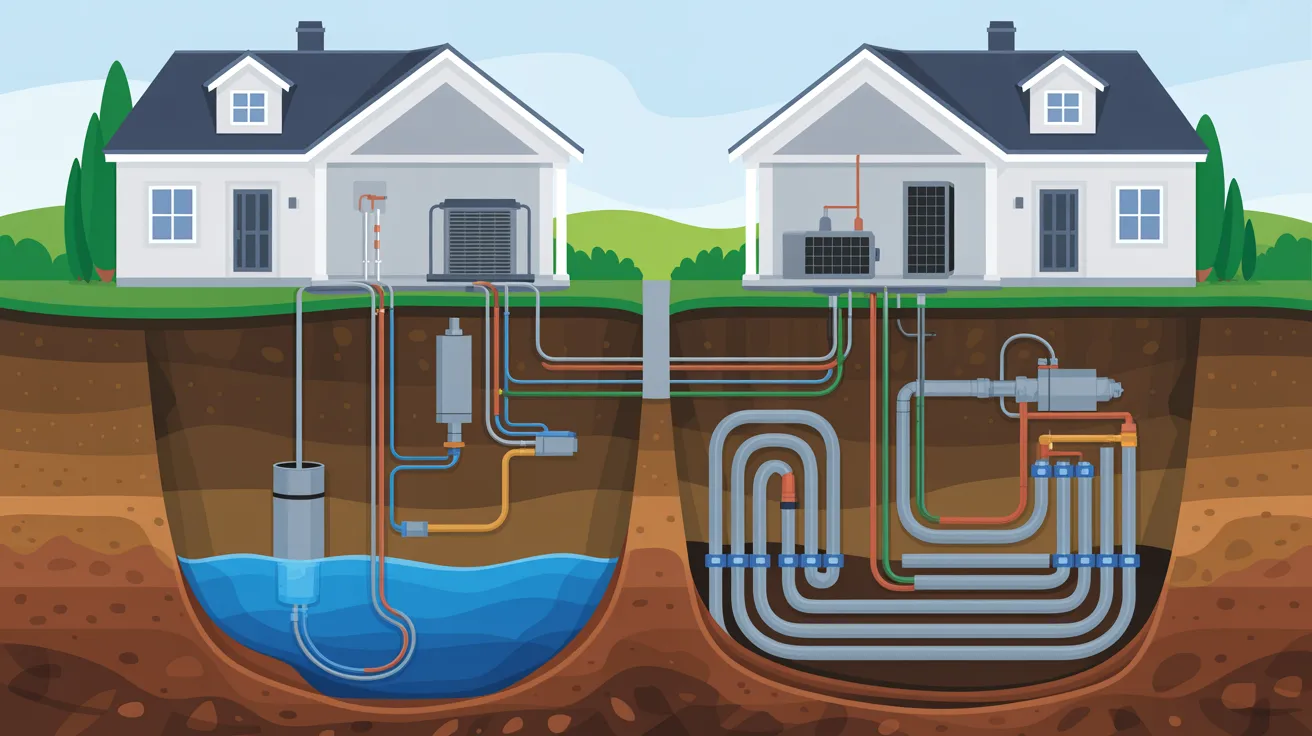
Open loop and closed loop geothermal systems both use earth’s natural heat but operate differently.
Open loop systems use groundwater, while closed loop systems circulate fluid through sealed underground pipes.
Your choice depends on property size, water availability, budget, maintenance needs, and environmental impact, as both provide efficient heating and cooling.
Installation Costs
Open loop geothermal systems usually cost $10,000–$20,000 because they use existing groundwater and require less installation work.
Closed loop systems cost $15,000–$30,000 or more due to trenching or drilling for underground pipes.
Open loop suits properties with good groundwater access, while closed loop works better for limited space or poor water quality.
Energy Efficiency
Open loop geothermal systems are slightly more efficient because stable groundwater temperatures reduce heat pump workload, often achieving a COP of 4.0 or higher.
Closed loop systems lose some heat through pipe circulation but still outperform traditional HVAC systems.
Both options significantly lower energy costs and provide highly efficient long-term heating and cooling.
Maintenance Requirements
Open loop systems need more regular attention. Groundwater carries minerals, sediment, and sometimes bacteria.
Over time, these can clog heat exchangers, corrode components, and reduce performance.
You may need to flush the system, clean filters, or treat the water depending on your local water quality.
Closed loop systems are simpler to maintain. The sealed fluid inside rarely needs changing, and there is no exposure to groundwater contaminants.
Routine checkups every few years are usually enough to keep things running smoothly.
If you want a lower-maintenance setup over time, closed loop wins on that front.
Environmental Impact
Open loop systems can raise concerns depending on how discharge water is handled. If not managed properly, releasing used groundwater can affect local aquifers or surface water.
Some regions have strict regulations around water withdrawal and discharge for this reason.
Closed loop systems have a smaller environmental footprint in most cases.
The sealed fluid stays contained, there is no groundwater draw, and the impact on local water sources is minimal.
Both systems are far greener than fossil fuel-based heating. They produce no direct emissions during operation. But if environmental responsibility is a top priority for you, closed loop is generally the cleaner long-term option.
System Lifespan
Both geothermal systems last 20–25 years at the heat pump level. Closed loop systems often last longer overall because their underground HDPE pipes can exceed 50 years with minimal maintenance.
Open loop systems rely on water quality and pump condition, making them more vulnerable to corrosion and earlier component replacement over time.
How to Choose the Right Geothermal System
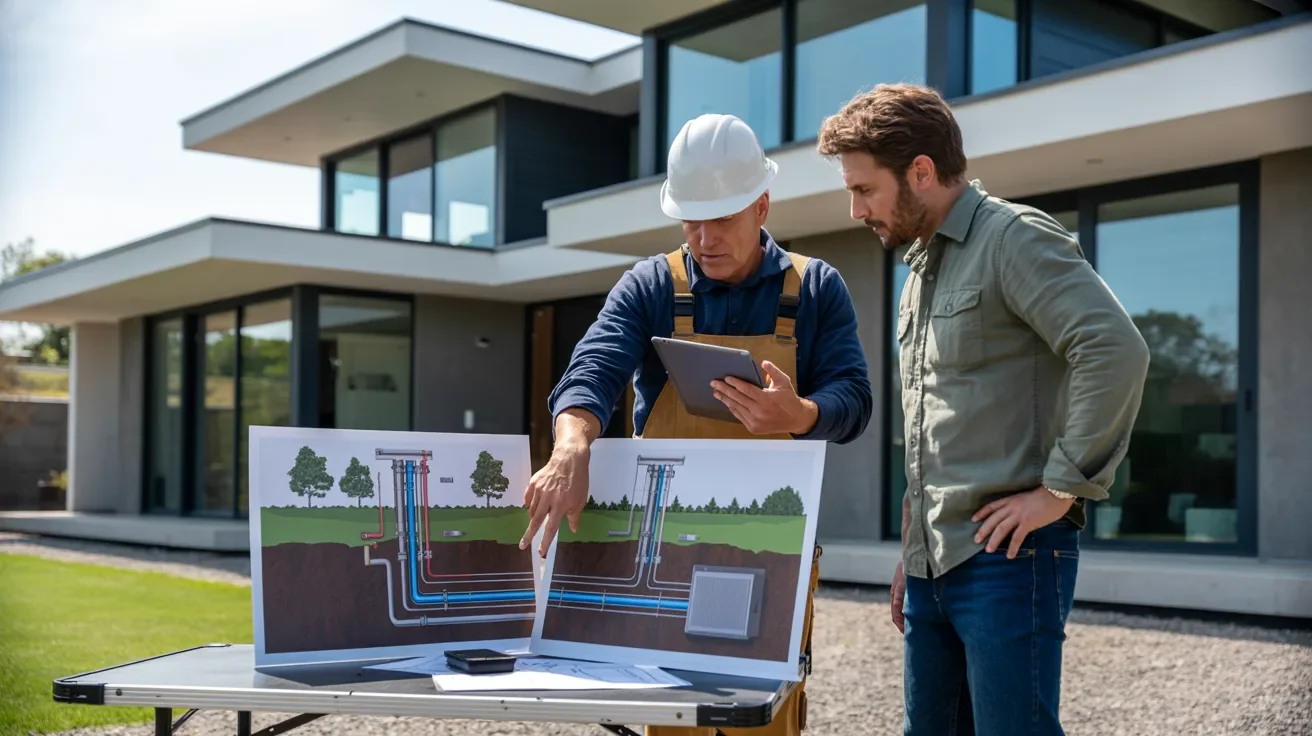
Picking the right geothermal system is not a one-size-fits-all decision. A few key factors will shape which setup works best for your home.
Property Size and Land Availability
Horizontal loop systems need a good amount of outdoor space to work. If your yard is small, a vertical loop drilled deep underground is a better fit.
Properties near lakes or ponds can use a pond loop system, which cuts down on drilling costs.
Groundwater and Water Quality
Open-loop systems pull water directly from a well or aquifer. This only works if your groundwater is clean and available in enough volume.
Poor water quality can damage the heat pump over time, so always test your water before going this route.
Budget and Long-Term Costs
Upfront costs for geothermal are higher than a standard HVAC system. But the savings on monthly energy bills add up fast.
Most homeowners recover the initial cost within 5 to 10 years. Federal tax credits and local rebates can also bring that number down.
Think about your property, your water source, and your budget together. That gives you a clear path to the system that fits your situation best.
Conclusion
Choosing a geothermal system felt overwhelming to me at first. So many options, so many numbers.
But once I broke it down by my property size, water quality, and budget, it got a lot simpler.
If you are thinking about making the switch, start small. Look at your land, check your water, and run the numbers.
You might be surprised how affordable it can be long-term.
Have questions or already gone geothermal? Drop a comment below. I would love to hear what worked for you!
Frequently asked questions
What is the most common type of geothermal system used in homes?
The horizontal loop system is the most widely used, as it works well for properties with enough outdoor space.
How long does a geothermal system last?
The heat pump lasts around 20 to 25 years, while the underground loops can hold up for 50 years or more.
Is geothermal heating and cooling energy efficient?
Yes, geothermal systems pull heat from the ground instead of generating it, which cuts energy use significantly.
Can a geothermal system work in cold climates?
Yes, the ground temperature stays stable year-round, so the system runs efficiently even in freezing conditions.
Does installing a geothermal system qualify for tax credits?
Yes, the U.S. federal government offers a tax credit for geothermal installations, with some states adding extra rebates too.