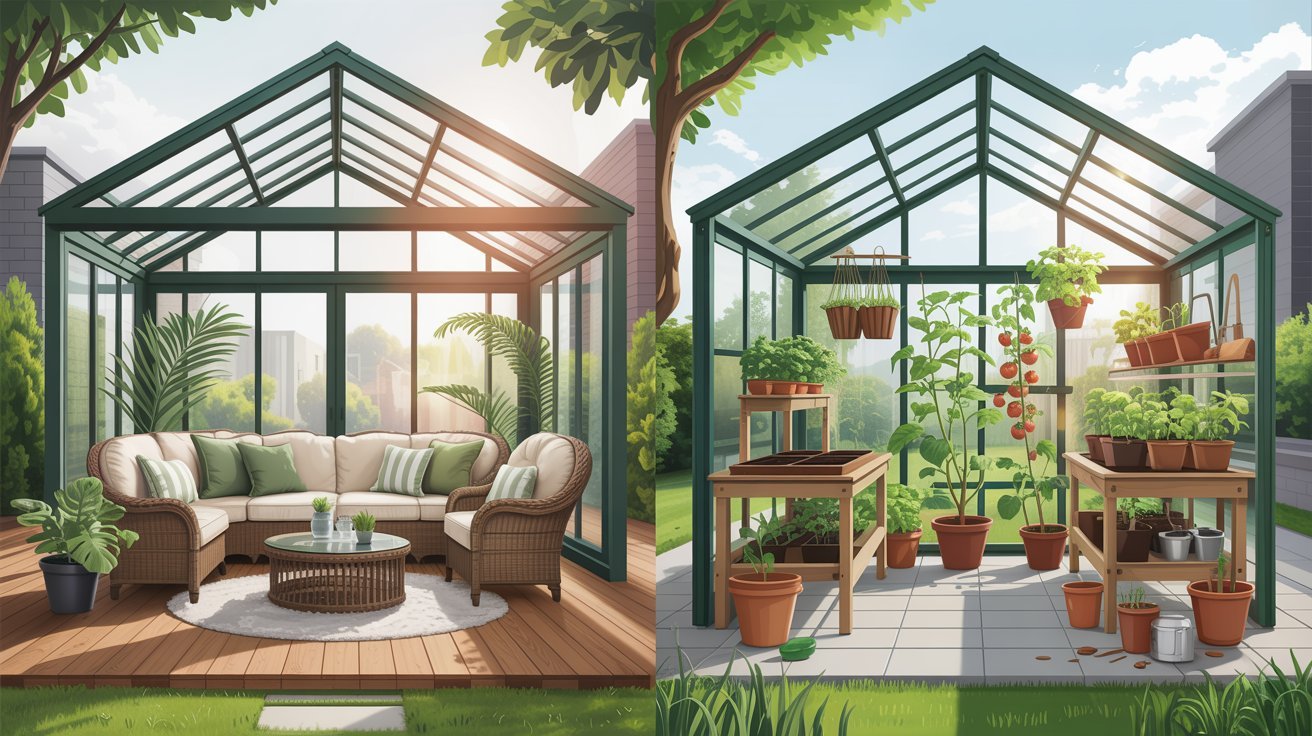
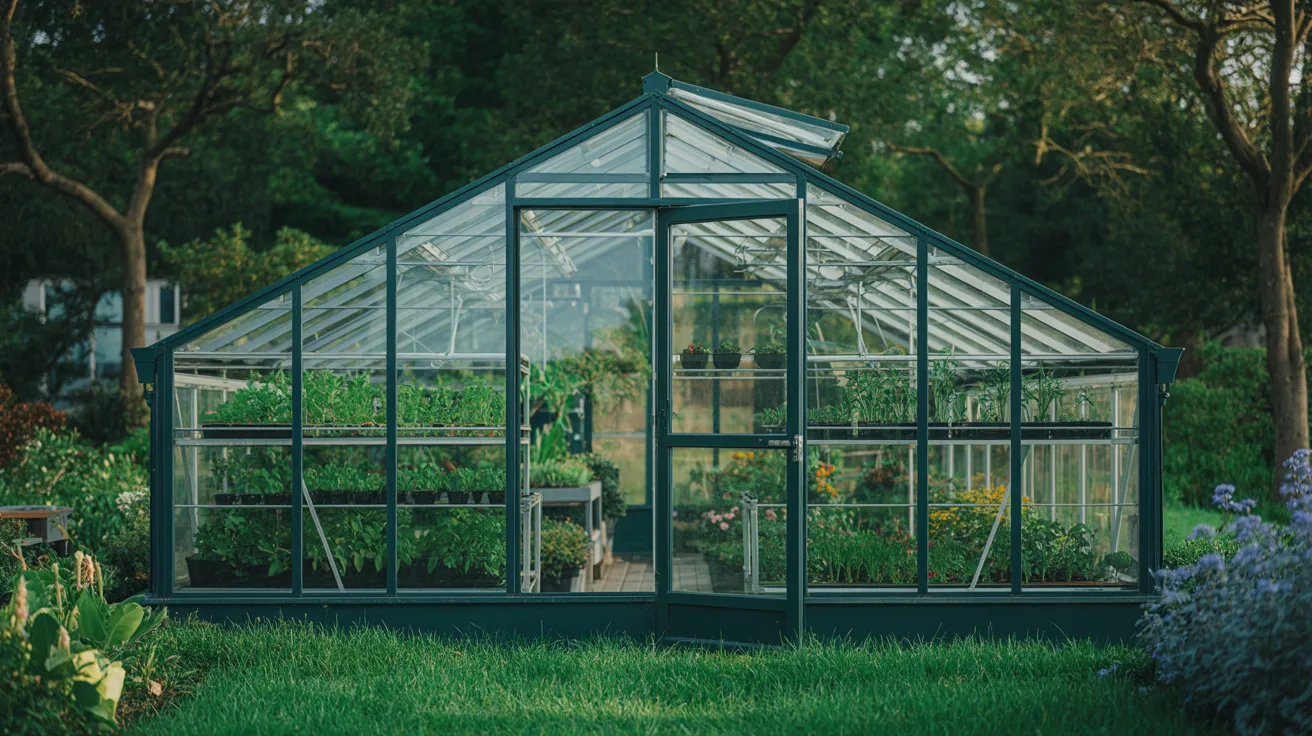
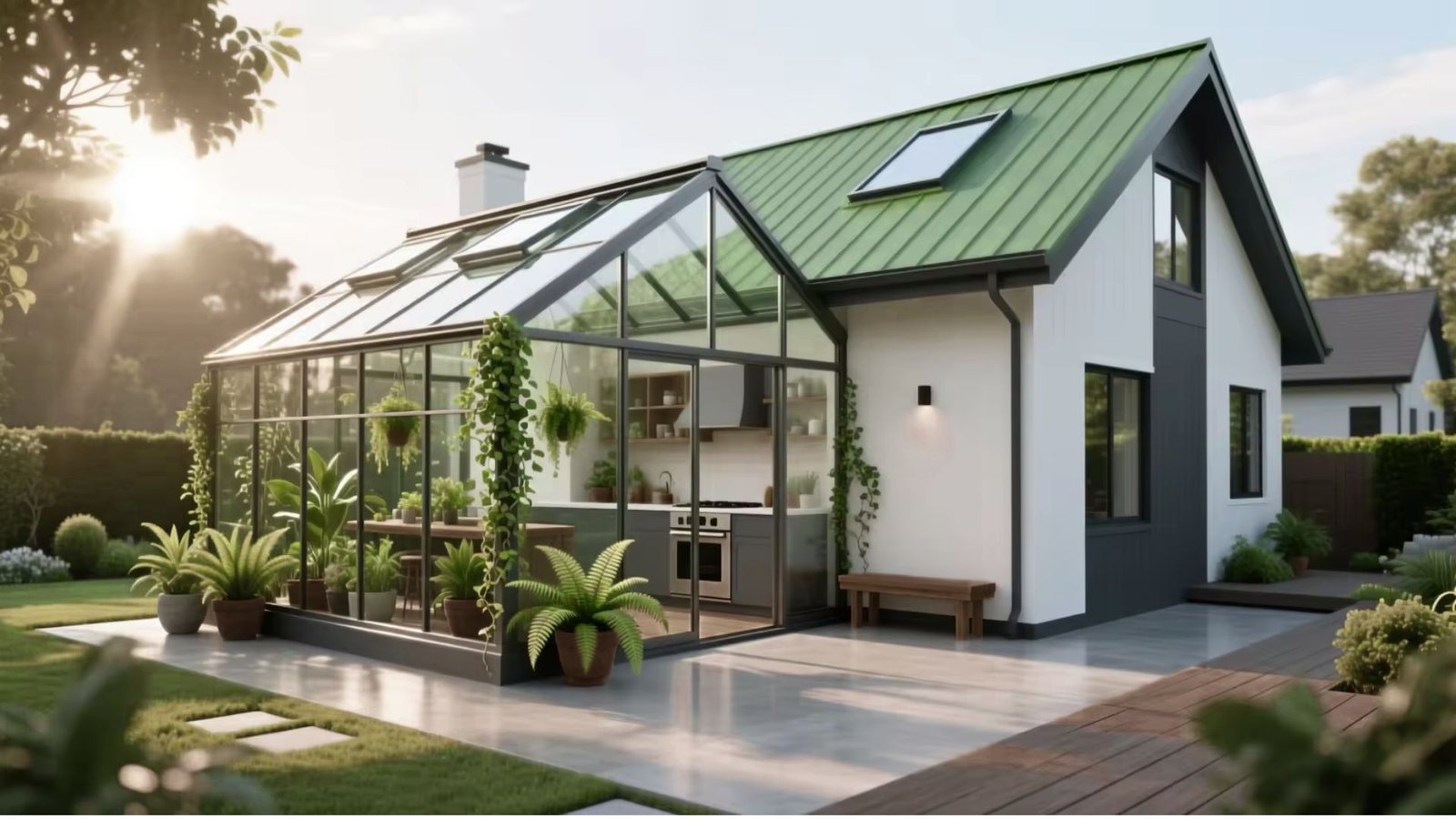
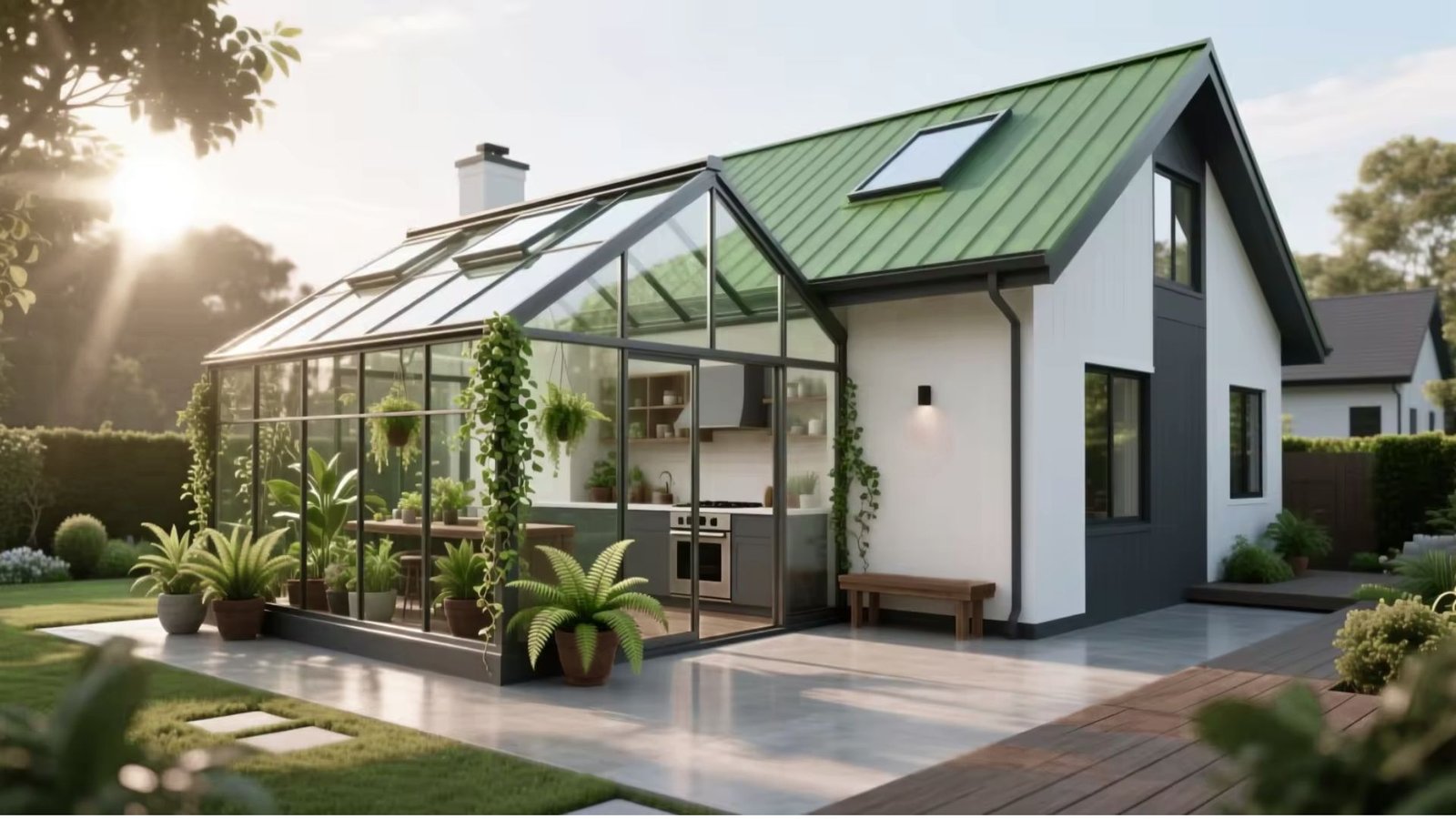
Running a greenhouse room is rewarding, but problems come up along the way. Mold, moisture, and temperature swings can stress your plants fast and set back weeks of hard work.
Many growers face these exact issues and are not sure where to start fixing them. This guide walks you through stopping mold buildup and keeping temperatures steady across all seasons.
You do not need fancy tools or expert knowledge to get results. Simple, practical steps are often all it takes to turn things around.
Whether your setup is big or small, these tips will help you get your greenhouse room back in good shape.
What Is a Greenhouse Room?
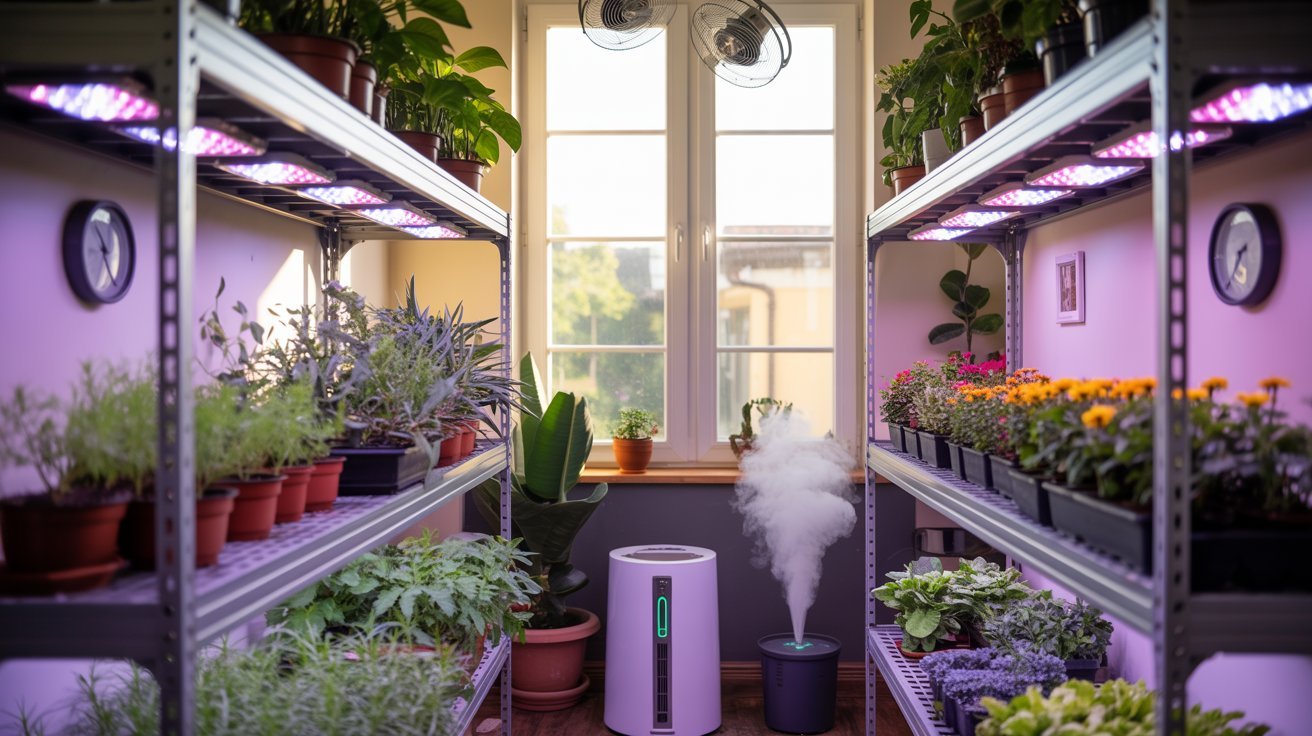
A greenhouse room is a dedicated indoor space designed to grow plants year-round. It uses natural light, controlled temperature, and humidity to create the right conditions for plants to thrive.
Unlike outdoor gardens, a greenhouse room gives you full control over the growing environment, which means weather and seasonal changes no longer limit what you can grow or when.
It can be set up in a spare room, sunroom, or converted garage. Most setups include grow lights, shelving, ventilation systems, and temperature controls to keep conditions steady.
Some growers also add humidity monitors and irrigation systems to take the guesswork out of daily plant care. The result is a productive, protected space where plants get everything they need to grow strong and healthy all year long.
Indoor Greenhouse Room vs Traditional Greenhouse
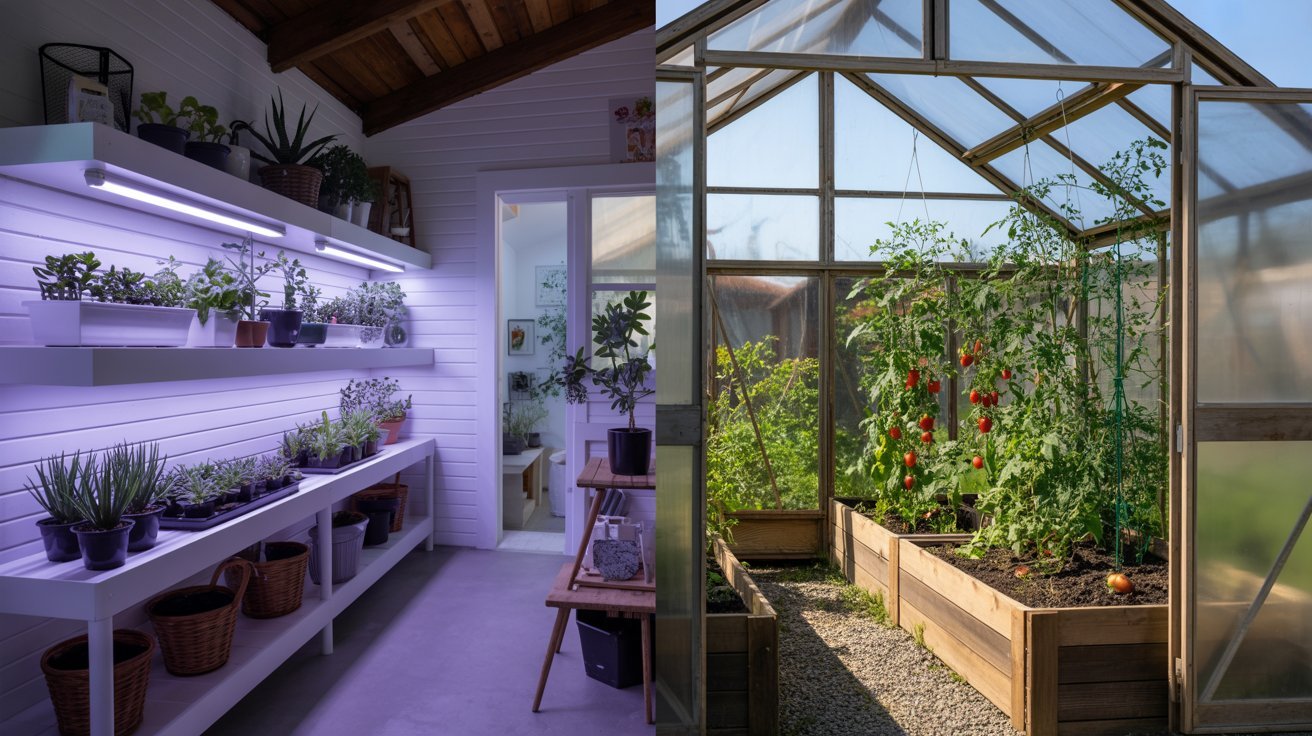
A traditional greenhouse is a separate outdoor structure made of glass or polycarbonate panels. It depends on natural sunlight and airflow but requires more maintenance and space.
An indoor greenhouse room is built within your home. It benefits from existing insulation and climate control, making temperature management easier.
However, it may need grow lights due to limited direct sunlight.
Traditional greenhouses offer more space. Indoor rooms offer more convenience and control.
Benefits of a Greenhouse Room in House
A greenhouse room lets you grow fresh plants year-round while improving your home’s air quality, value, and overall feel.
Fresh Food and Plant Protection
A greenhouse room gives you the ability to grow fresh vegetables, herbs, and flowers in any season, while shielding plants from frost, pests, and harsh weather.
Having homegrown produce within reach reduces grocery bills and puts fresher food on your table.
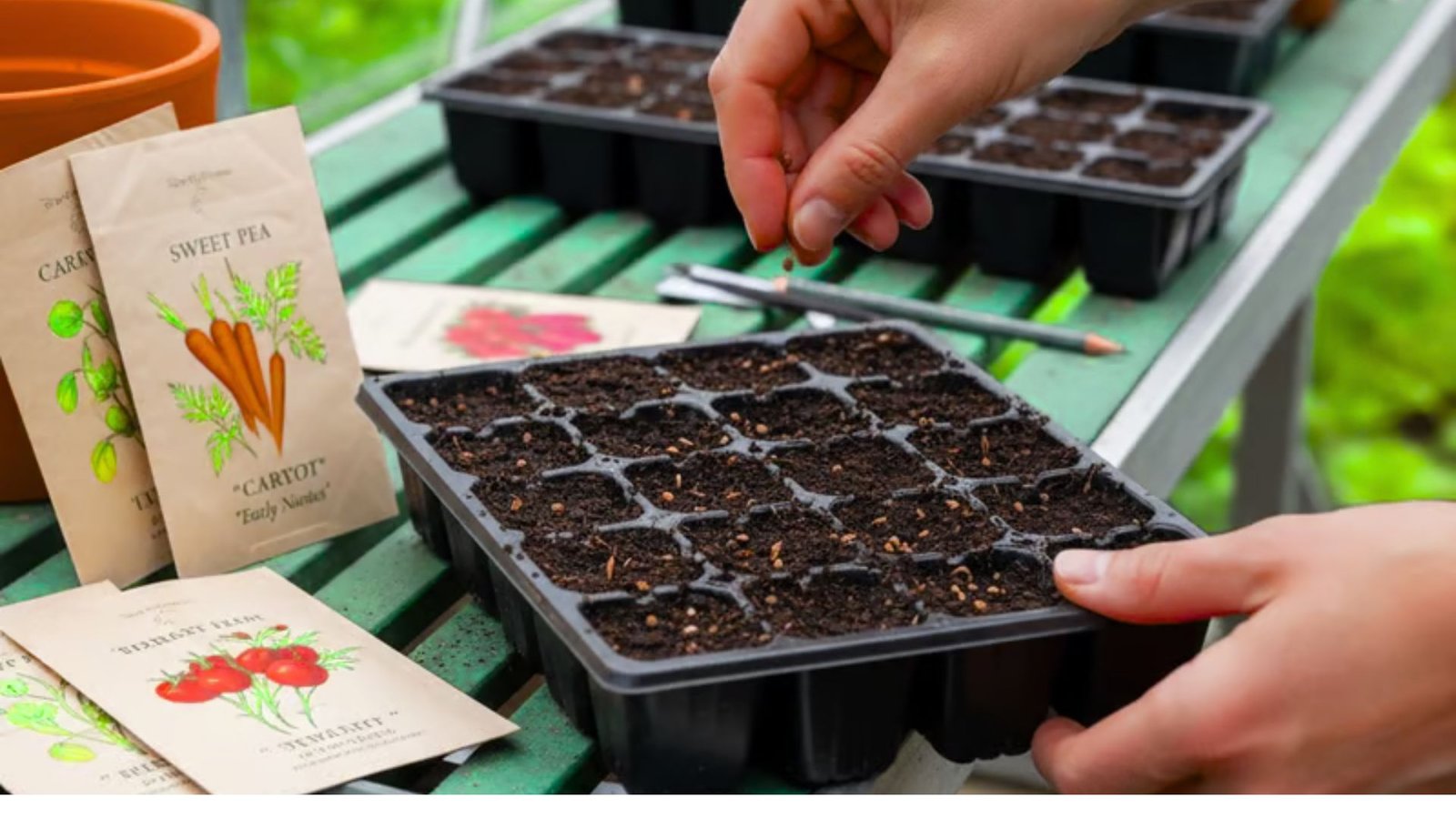
It also works well as a seed starting space, giving seedlings a strong start before they move outside.
Better Air and Mental Well-Being
Plants inside a greenhouse room filter indoor air by releasing oxygen, improving the air quality around your home.
Beyond the practical side, it adds appeal to your property and gives you a calm green space that helps reduce stress and lift your mood.
Best Greenhouse Room Ideas for Your Home
A greenhouse room lets you grow plants indoors all year round. It works in any home size and turns unused space into a lively green area.
Modern Indoor Greenhouse Room Designs
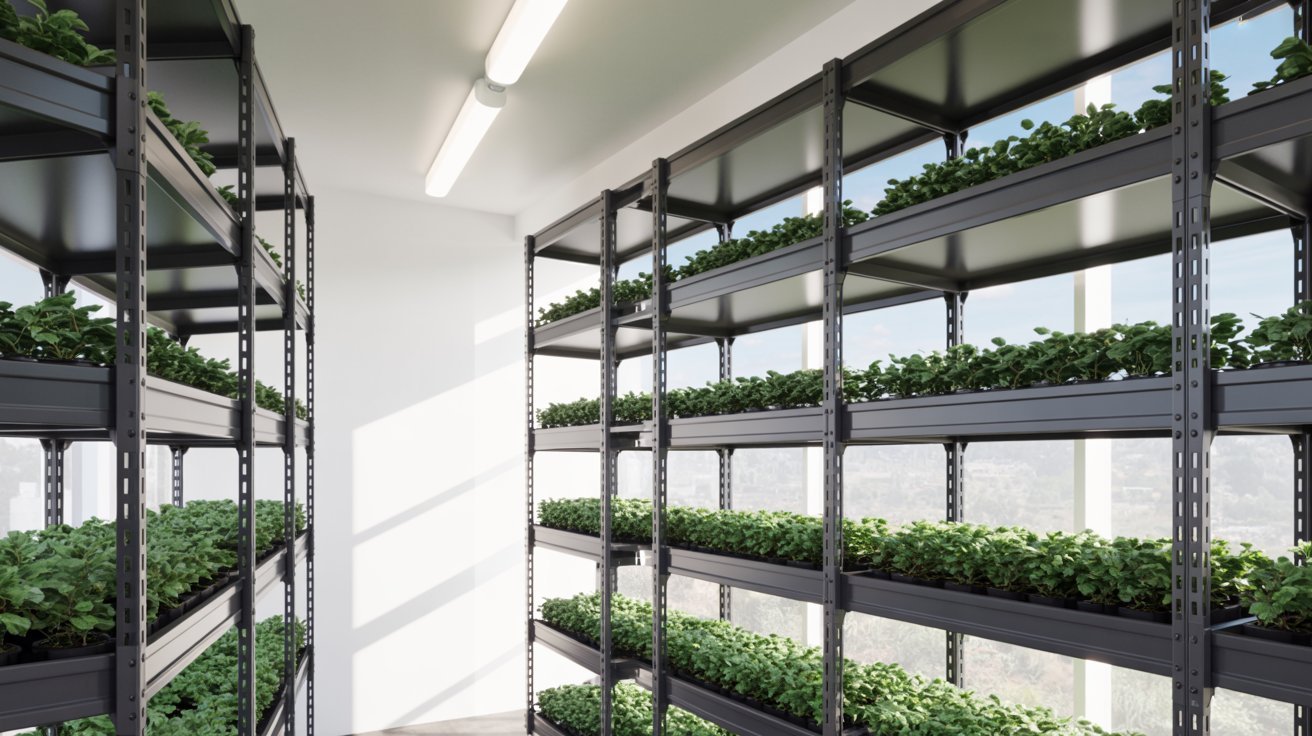
Modern indoor greenhouse rooms use clean lines, open shelving, and vertical space to keep things simple and functional.
Steel-framed shelves hold multiple plant tiers without blocking light. Add grow lights where sunlight falls short.
Use sealed wood or concrete flooring to handle spills easily.
Keep walls white and fixtures matte black. Let the plants do the talking.
Glass Greenhouse Room Concepts
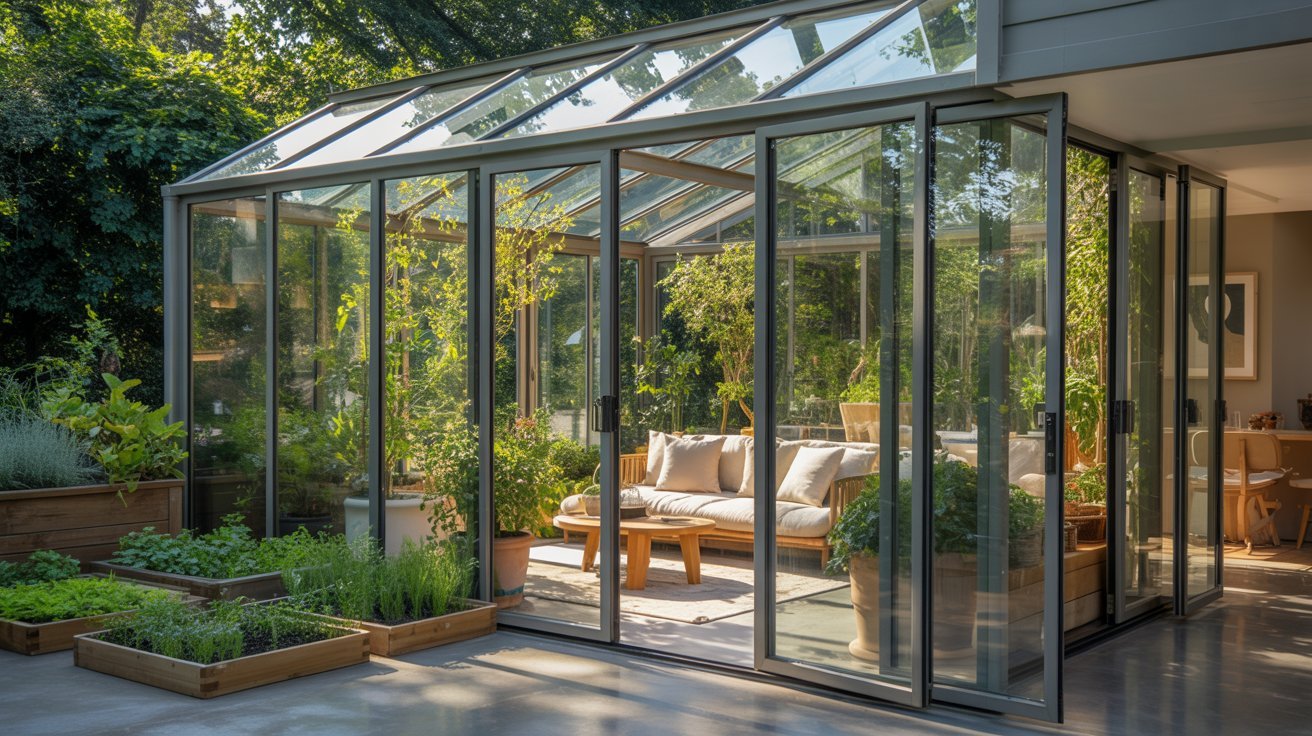
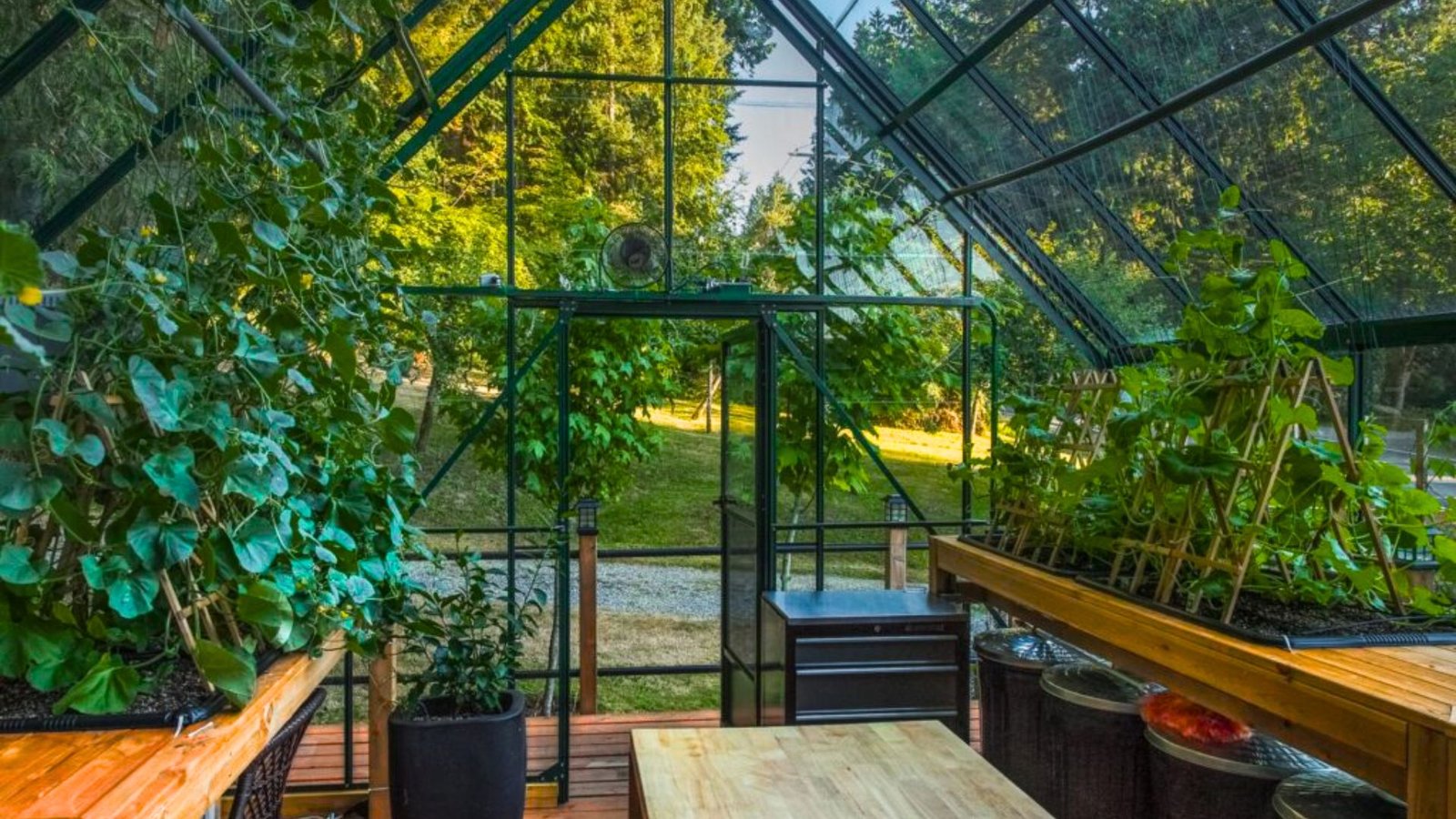
Glass greenhouse rooms pull in maximum natural light and work best along south-facing walls or as a home extension.
Floor-to-ceiling tempered glass gives full sun exposure all day. Add roof vents or louvered windows to control heat buildup.
Use raised beds or climbing plants to fill the space without crowding the floor.
A bench or two turns it into a calm sitting spot surrounded by greenery.
Small Interior Greenhouse Room Setups
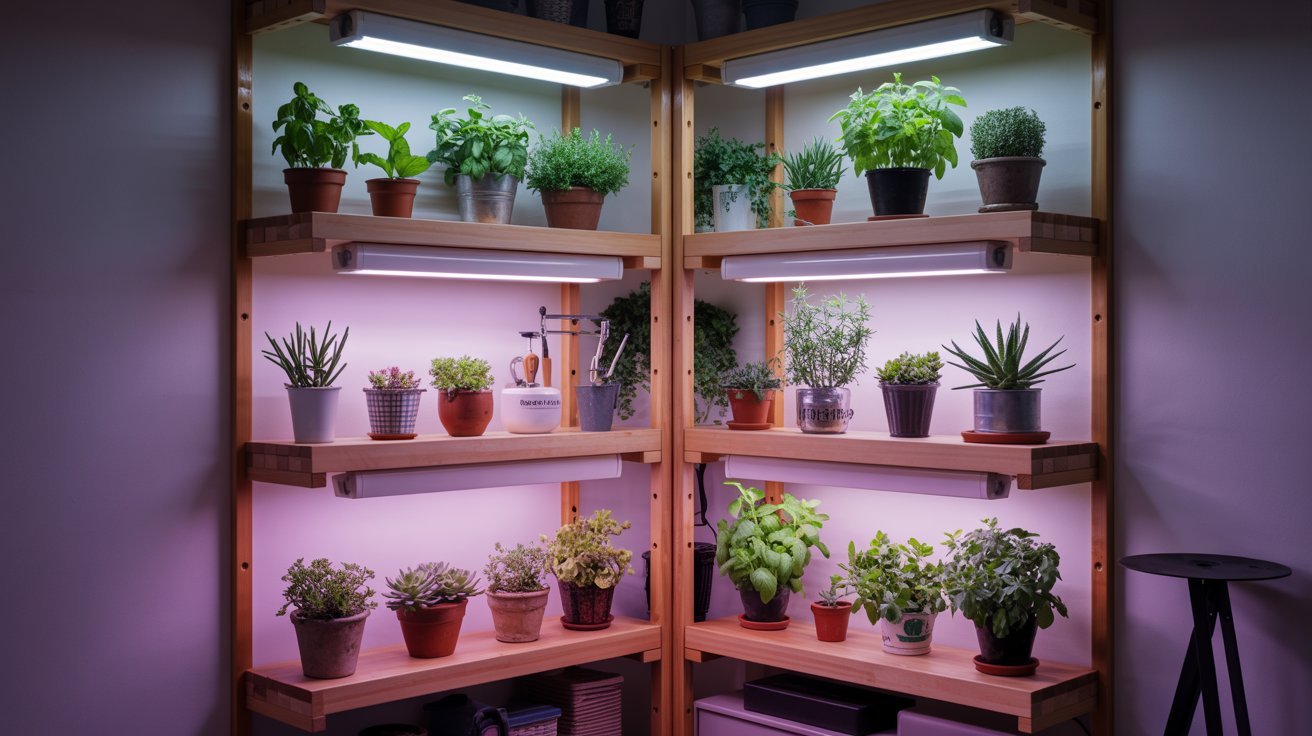
Small greenhouse setups fit into tight spaces like bay windows, sun porches, or large closets.
Wall-mounted shelves keep pots off the floor and organized by light needs. LED grow lights fill gaps where sunlight does not reach.
Humidity trays and small fans keep moisture and airflow balanced.
Stick to compact plants like herbs, succulents, and small ferns. A small space, when planned well, grows just as much as a larger one.
How to Build an Indoor Greenhouse Room
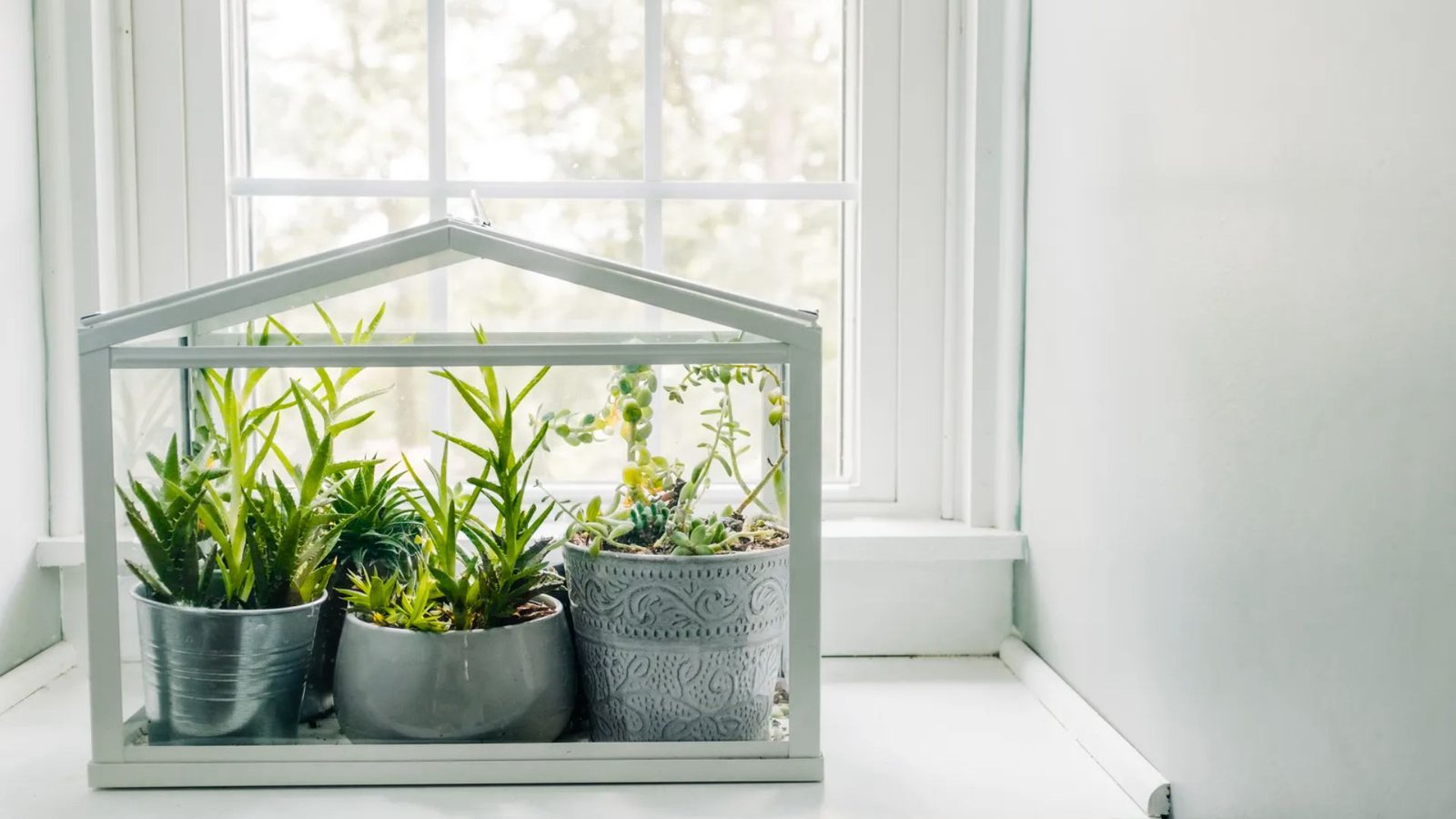
Building an indoor greenhouse room lets you grow plants all year long. With the right setup, any spare space in your home can work well for growing.
Choosing the Right Space
Pick a room with easy access to water and electricity. Basements and spare bedrooms work well. Make sure the floor handles moisture without warping.
Keep foot traffic low to protect plants from stress and pests.
Lighting, Ventilation, and Humidity
Use LED grow lights for energy-efficient coverage. Set up an intake fan at the bottom and an exhaust fan at the top for steady airflow.
Keep humidity between 50% and 70%, and maintain temperatures between 65°F and 80°F. Use a hygrometer and thermometer to track both.
Best Materials for a House Greenhouse Room
Use white paint or reflective panels on walls to maximize light. Go with sealed concrete or rubber flooring to handle moisture.
Choose metal wire shelving for good airflow. Use plastic pots with drainage holes. Add foam board insulation in garages or basements to keep temperatures steady.
Greenhouse Room Addition Options
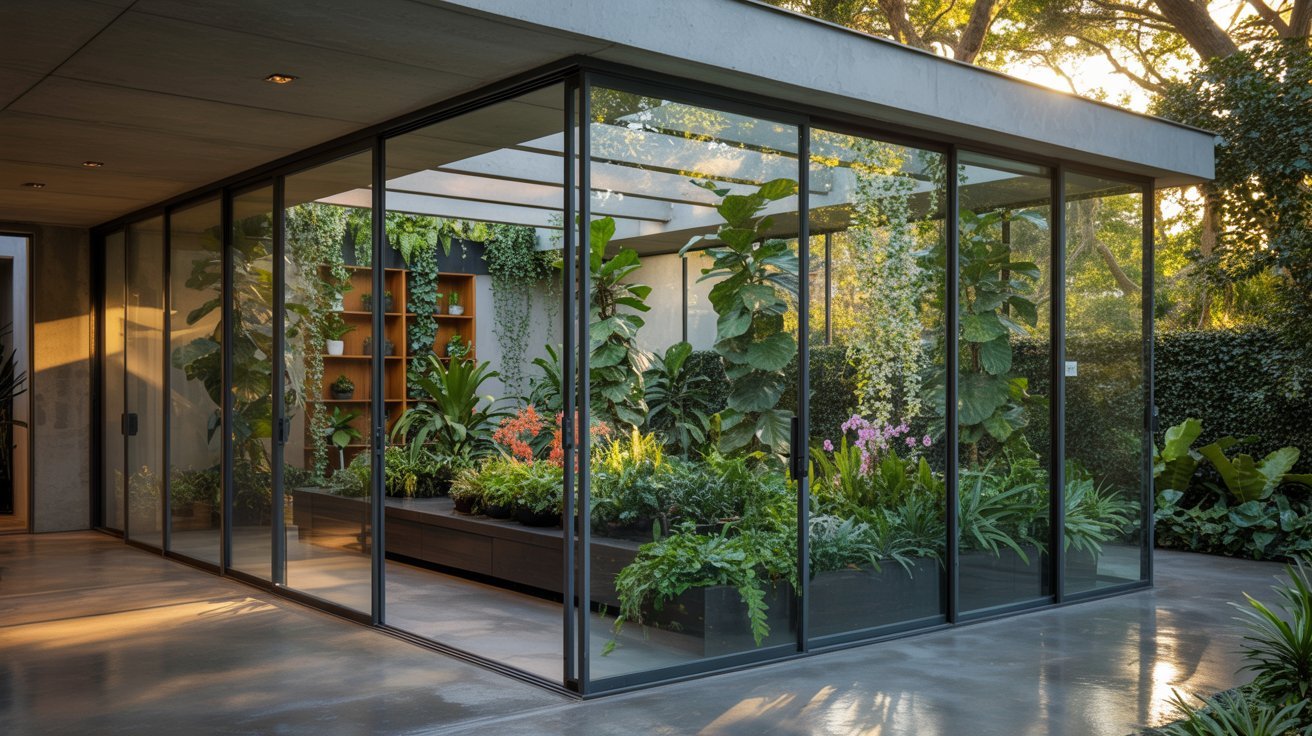
A greenhouse room addition gives your home extra space, natural light, and a great spot to grow plants year-round.
Adding a greenhouse room creates a bright space for growing herbs, flowers, or vegetables in any season. You can attach one to your home, use a kit, or apply creative ideas to fit your budget and space.
Greenhouse Room Attached to House
An attached greenhouse connects directly to your home, so you can tend plants without going outside. Built along a south-facing wall, it gets strong natural light all day.
Many people also use it as a reading nook or breakfast area. Costs vary by size, but it adds both comfort and property value.
Greenhouse Room Addition Kits
Greenhouse room addition kits come with pre-cut parts and clear instructions. Most can be assembled over a weekend with basic tools, cost less than custom builds, and can be expanded later. Always check local permit rules before buying.
There are many ways to add on and make the space work for you. Grow shelves near windows suit herbs and seedlings in small spaces. A potting bench with grow lights works well for serious gardeners.
A vertical garden wall saves floor space in compact areas. Whatever setup you choose, good light and proper ventilation keep plants healthy and prevent moisture problems.
Best Plants for a Greenhouse Room
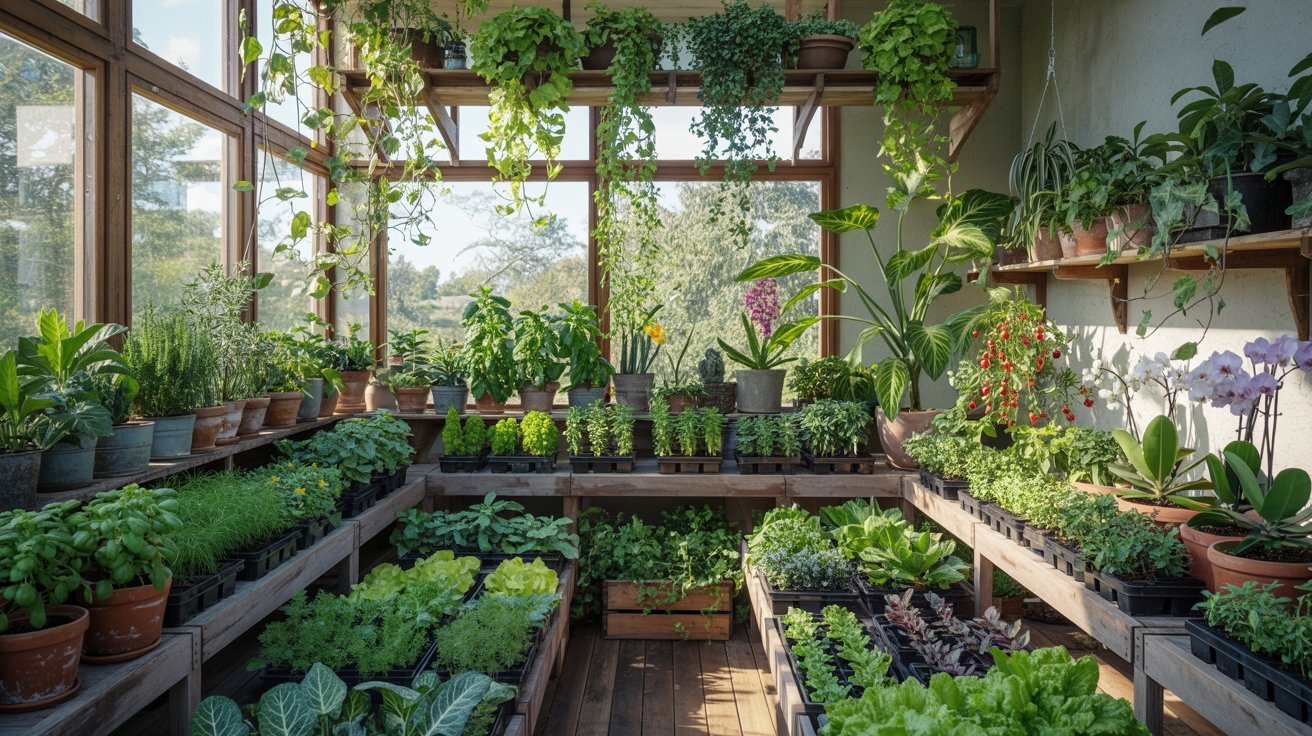
A greenhouse room lets you grow plants year-round in controlled conditions. The right plant choices make your space both useful and visually interesting.
Herbs like basil, mint, and parsley grow fast with little care. Tomatoes, cucumbers, and peppers thrive in greenhouse warmth.
Leafy greens like lettuce do well in cooler corners. Keep a steady watering routine and check for pests regularly.
Tropical and decorative plants add bold color and shape to your space. Monstera, anthuriums, and birds of paradise need warm temperatures, indirect light, and some humidity.
Orchids are easy to manage with proper drainage. Trailing plants like pothos fill vertical space with very little effort.
Common Tips Greenhouse Room Problems
Running a greenhouse comes with its own set of challenges. Knowing what to watch for helps you act early and keep your growing space healthy.
- Mold spreads fast when air stays wet. Open vents and windows regularly to keep air moving.
- Check the soil before watering. Overwatering leads to mold and root damage.
- Remove dead leaves and debris often. Wet plant material encourages mold growth.
- If mold appears, treat the area quickly with diluted vinegar or a plant-safe antifungal spray.
- In summer, use shade cloth and open vents early to stop heat from building up.
- In winter, use a small heater or thermal blankets to keep nighttime temperatures stable.
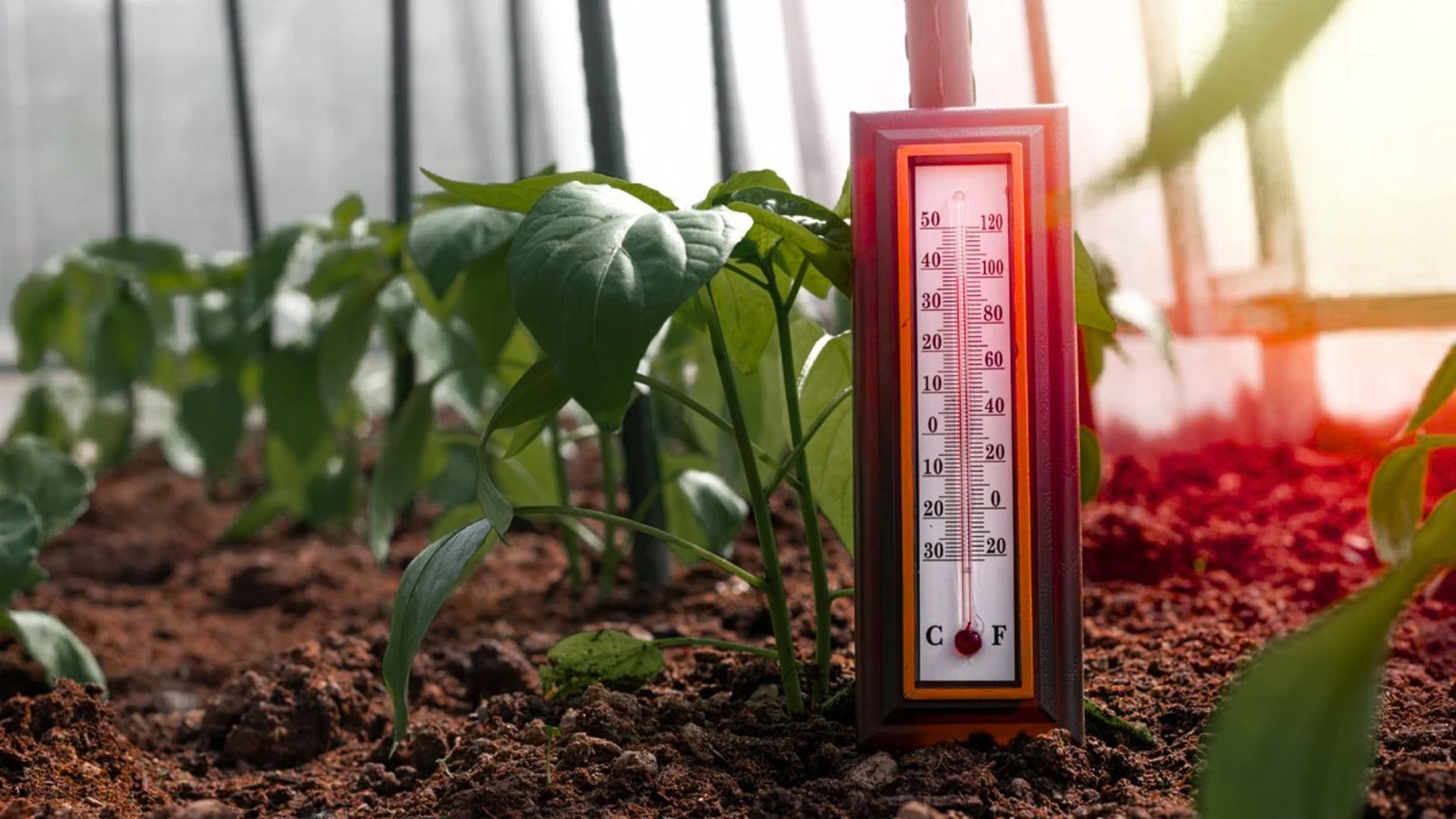
- Use a min-max thermometer to track temperature changes and keep day to night swings as small as possible.
Conclusion
Taking care of a greenhouse room is not always perfect, and that is completely fine. I have seen how one small fix, like adding a vent or adjusting watering habits, can change everything for your plants.
Start small. Pick one problem and work on it this week.
If you found this helpful, share it with a fellow grower or drop a comment below. I would love to hear how your greenhouse room is coming along. Your experience might help someone else too.
Frequently Asked Questions
What causes mold to grow in a greenhouse room?
Mold grows when humidity stays high and air does not move freely. Improving ventilation and reducing overwatering can stop it from spreading.
How do I control the temperature in my greenhouse room during summer?
Use shade cloth to block direct sunlight and open vents early in the morning. This helps release trapped heat before it builds up too much.
How often should I water plants in a greenhouse room?
Always check the soil before watering. Water only when the top layer feels dry to avoid root rot and mold growth.
What is the best way to keep a greenhouse room warm in winter?
A small heater works well for keeping nighttime temperatures stable. Thermal blankets placed over plant beds also help hold warmth close to the roots.
How do I know if my greenhouse room has a temperature problem?
Use a min-max thermometer to track daily highs and lows. Large swings between day and night temperatures are a clear sign that adjustments are needed.