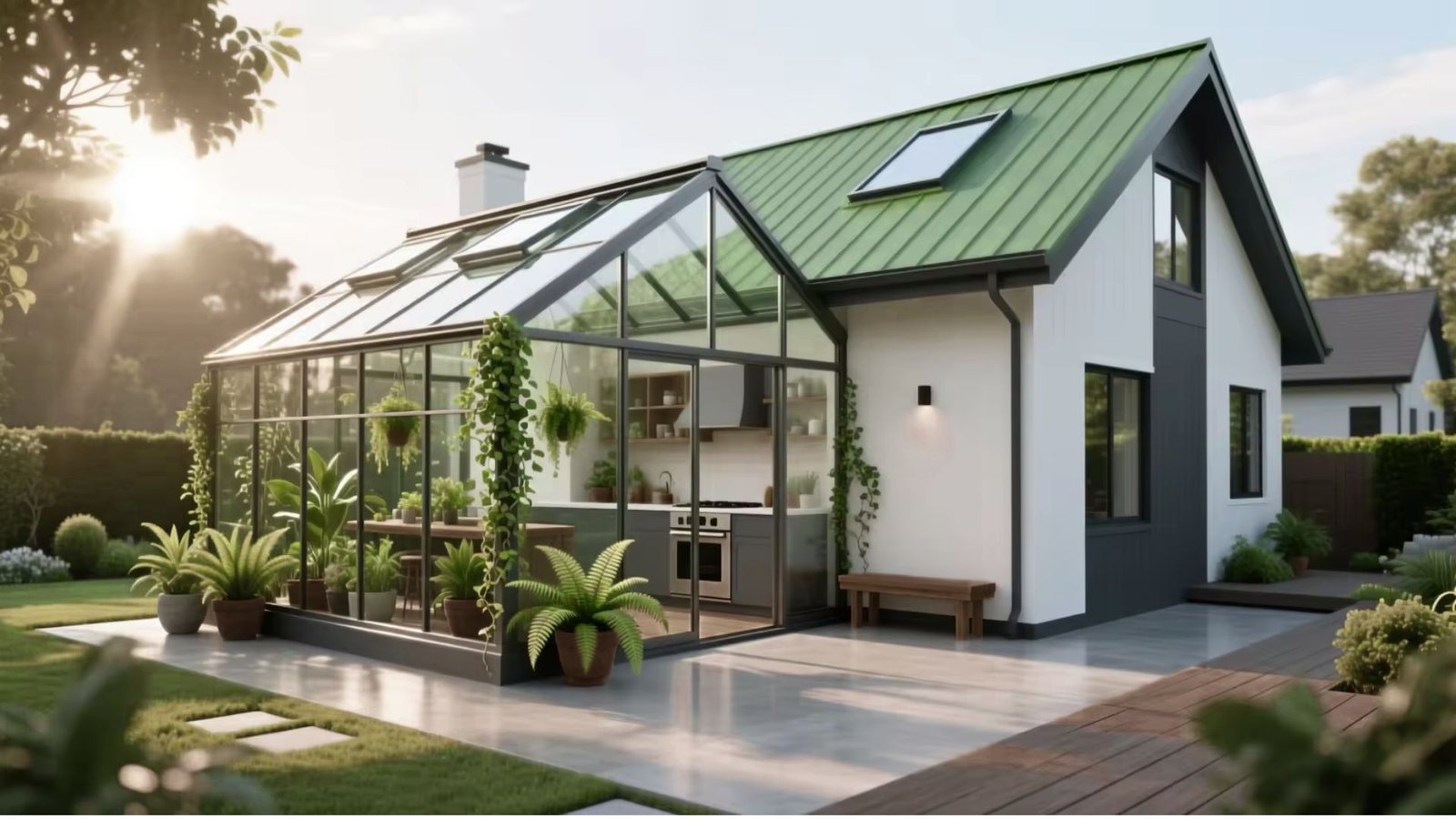
I have grown plants in all kinds of setups. Trust me, picking the right greenhouse structure matters more than most people think.
If you have been looking into even span greenhouses, you are in the right place.
In this blog, I will break down exactly what an even span greenhouse is, how it works, and whether it suits your space and budget.
No fluff. Just clear, useful information.
By the end, you will know if this structure is worth your time and money.
What Is an Even Span Greenhouse?
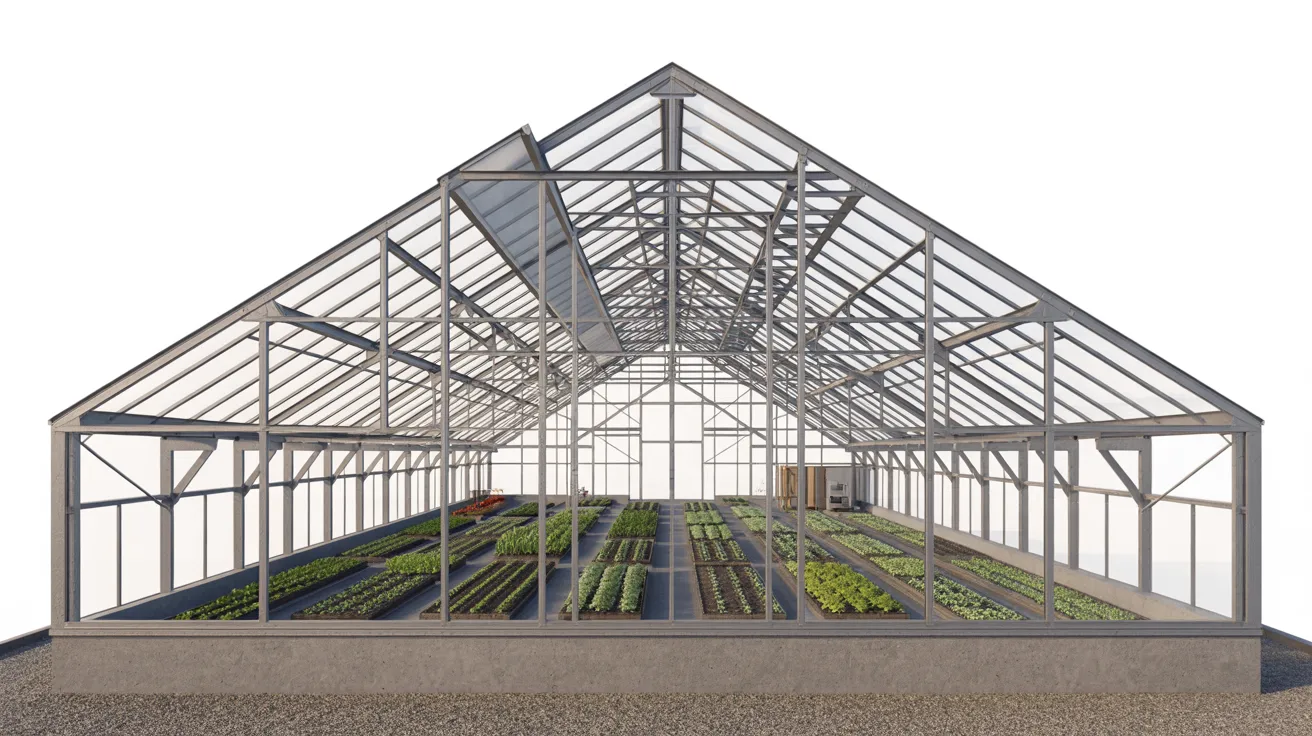
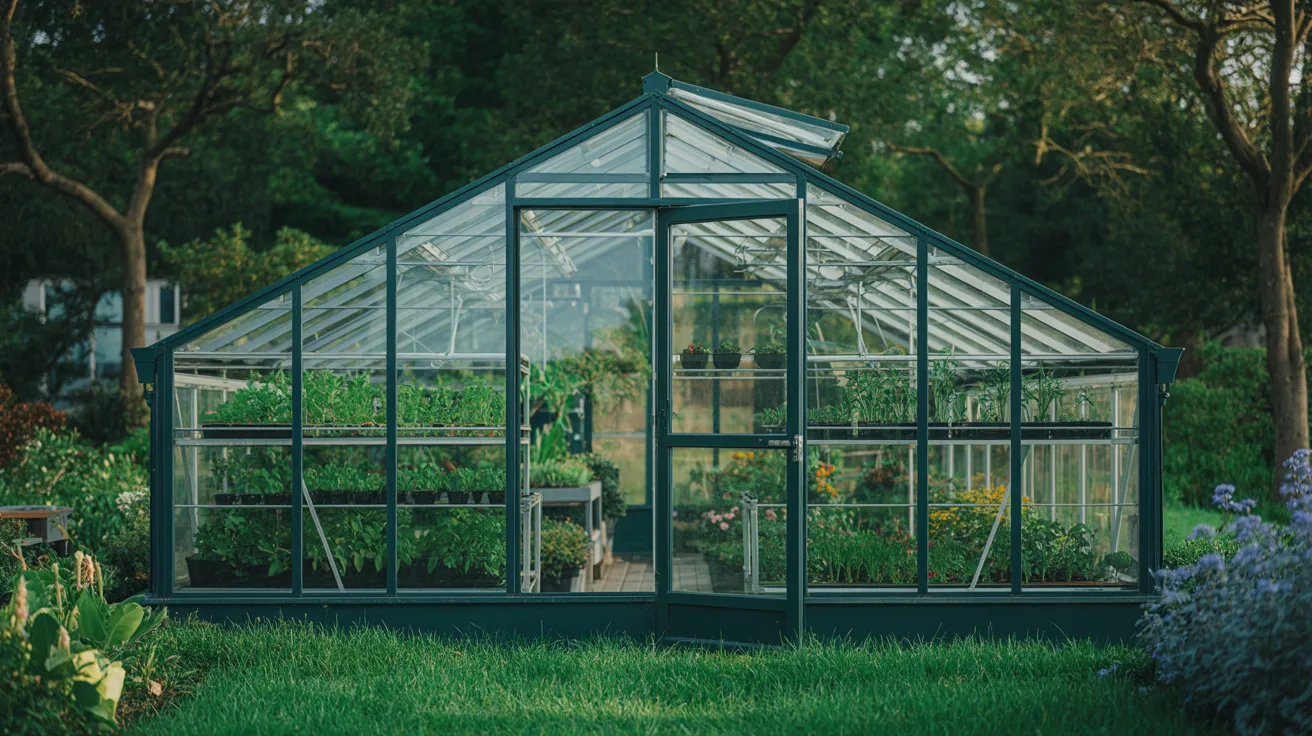
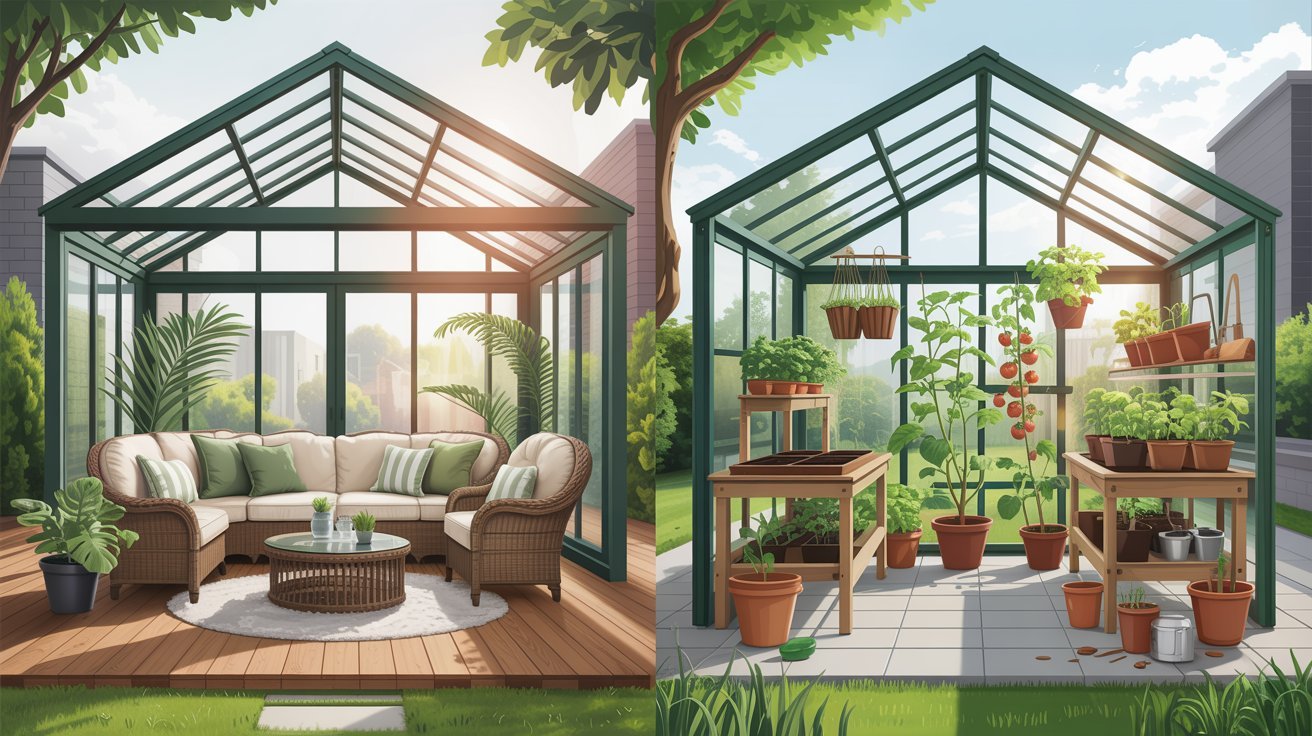
An even span greenhouse is a freestanding structure where both sides of the roof slope down at the same angle from a central ridge.
Think of it like a house shaped like a peaked roof with equal slopes on both sides.
It sits on its own, not attached to any building. That means you can place it anywhere in your yard or property.
The symmetrical shape gives you plenty of growing space and makes it easier to maintain compared to other greenhouse styles.
Main Features of an Even Span Greenhouse
Here are the key features that make an even span greenhouse stand out:
Symmetrical Roof: Both sides of the roof are equal in width and pitch. This keeps the structure balanced and stable.
Freestanding Design : It does not need to lean against a wall or building. You get full access from all sides.
Good Light Distribution: The equal roof slopes let sunlight reach plants on both sides evenly throughout the day.
Versatile Size Options: You can build it small for a backyard or scale it up for larger growing needs.
Strong Structure: The balanced shape holds up well against wind and snow load.
Even Span Greenhouse Diagram Explained
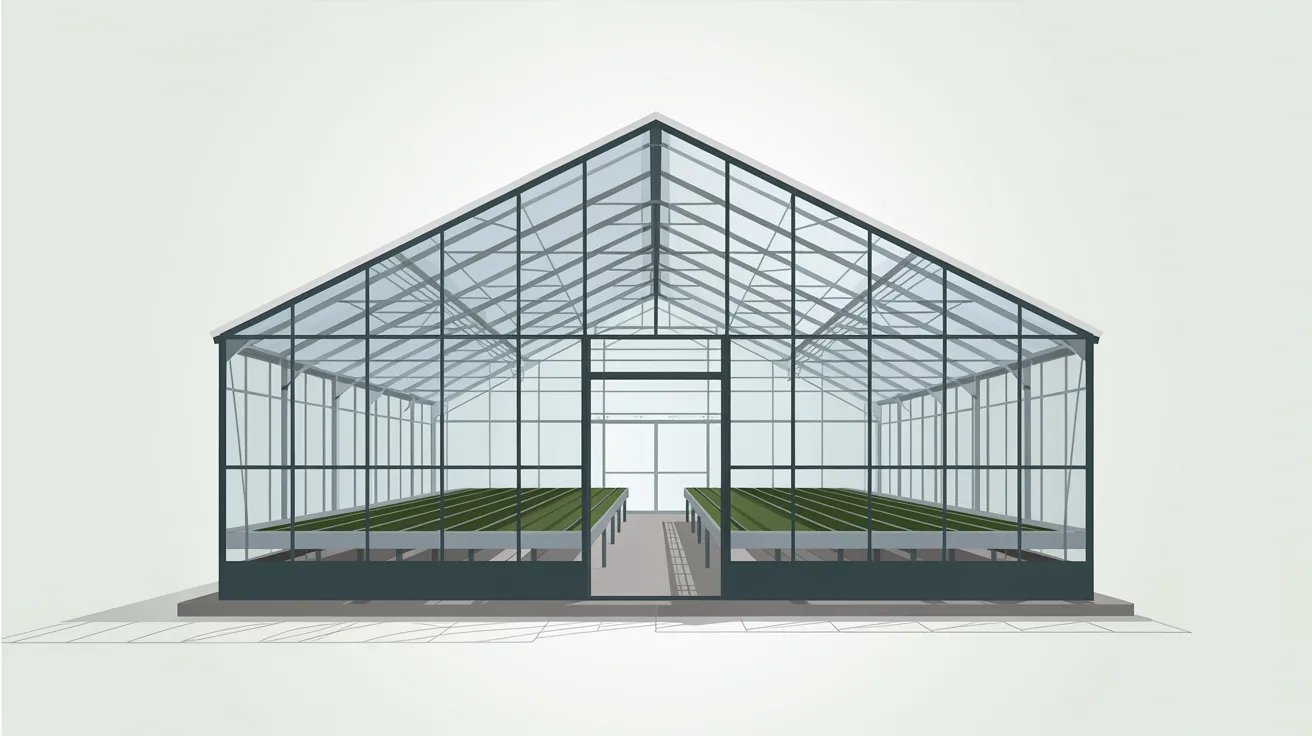
An even span greenhouse has a symmetrical roof with two equal sides sloping down from a central ridge. It is one of the most common greenhouse shapes used by home gardeners and commercial growers alike.
Structure and Roof Design
Both sides of the roof are the same width and slope at the same angle, meeting at a center ridge. This spreads weight evenly and allows rain or snow to slide off both sides at the same rate.
The walls on each side are equal in height, which keeps the interior open and maximizes usable growing space.
Common Materials Used
Frames are usually built from wood, aluminum, or galvanized steel.
Wood works well for smaller backyard setups but needs regular upkeep to avoid rot. Aluminum is lightweight, rust-free, and easy to assemble. Galvanized steel is the strongest option and handles harsh weather well.
For the covering, glass offers the best light transmission. Polycarbonate panels are lighter and more impact-resistant. Polyethylene film is the most budget-friendly pick for seasonal use.
The right material depends on your climate, budget, and how long you plan to use the space.
Types of Even Span Greenhouses
Even span greenhouses come in two main forms: freestanding and attached. Each type suits different spaces, budgets, and growing needs.
Freestanding Even Span Greenhouse
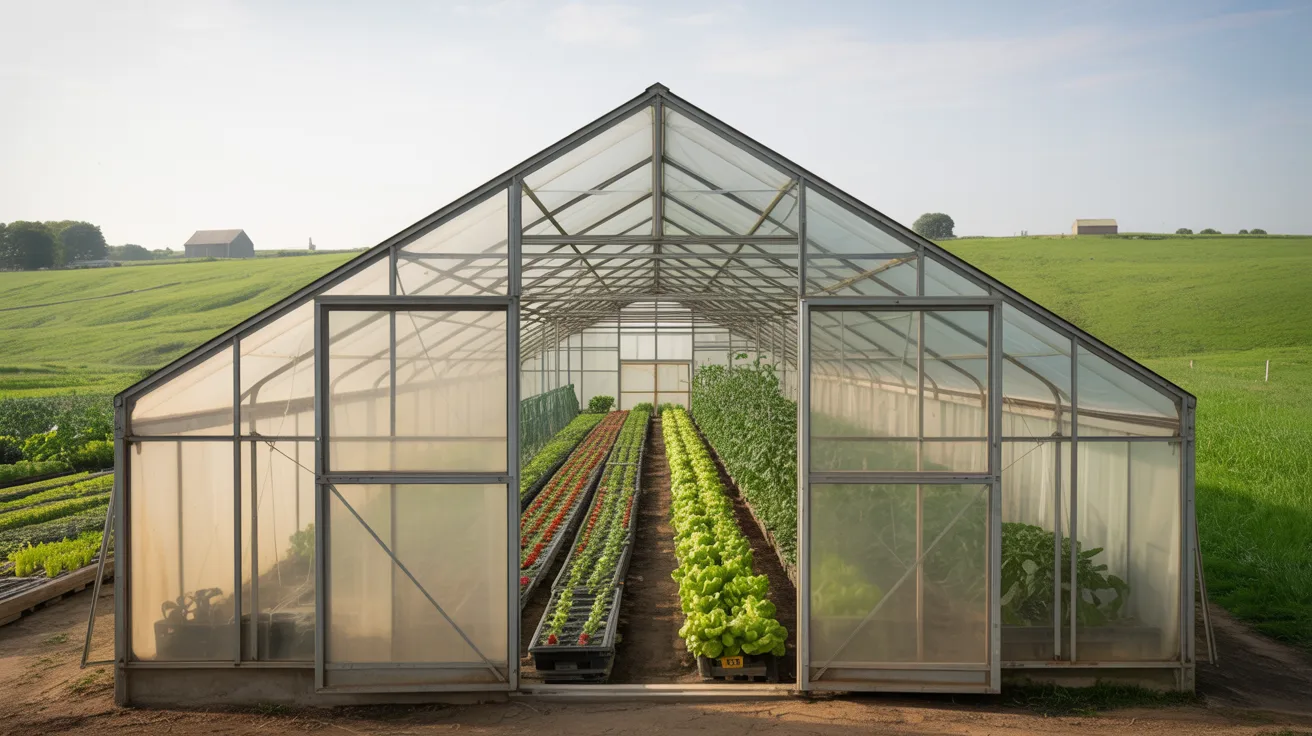
A freestanding even span greenhouse stands completely on its own, with no connection to any other building. This gives you full control over placement and sunlight exposure.
You can position it anywhere on your property to get the best light throughout the day. These structures work well for commercial growers and serious hobbyists who need plenty of growing room.
The main thing to plan for is utility access. Running water, electricity, and heating to a separate structure can add to your setup costs.
Attached Even Span Greenhouse
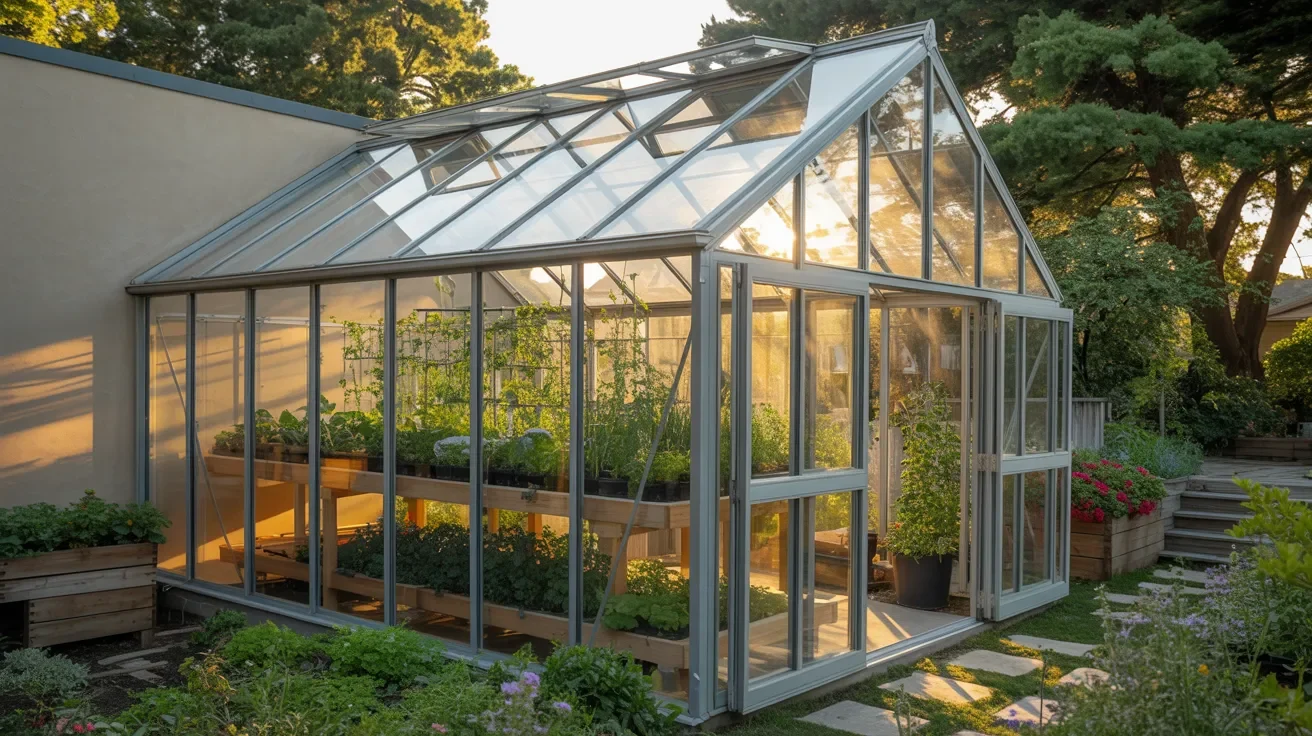
An attached even span greenhouse connects directly to an existing building, usually your home or a shed. One wall is shared, which cuts down on construction costs.
The shared wall also helps with insulation. Heat from your home can carry over into the greenhouse, which lowers your heating bills in colder months.
This type works well for home gardeners with limited yard space. It keeps everything close and easy to access.
The equal pitch on both sides of the roof lets sunlight reach every corner of the growing space. Plants along the north wall get nearly as much light as those in the center.
Pros and Cons of Even Span Greenhouse
Knowing the strengths and weak spots of a structure helps you plan better. Here is an honest look at both sides.
|
Pros |
Cons |
|
Provides even sunlight distribution for consistent plant growth |
Higher construction costs due to stronger structural support |
|
Strong symmetrical frame handles wind, rain, and snow well |
Requires more open space than attached greenhouse styles |
|
Better natural ventilation through the high central ridge |
One roof side may receive less winter sunlight |
|
Open interior offers more usable growing and working space |
Additional ventilation systems may be needed in warm climates |
|
Works well for both home gardening and commercial farming |
Expansion is harder compared to modular greenhouse designs |
|
Supports stable growing conditions across different climates |
Heating costs can be higher during colder months |
Best Uses for an Even Span Greenhouse
An even span greenhouse works well for a wide range of growing needs, from backyard gardens to large-scale farming operations.
Home Gardening
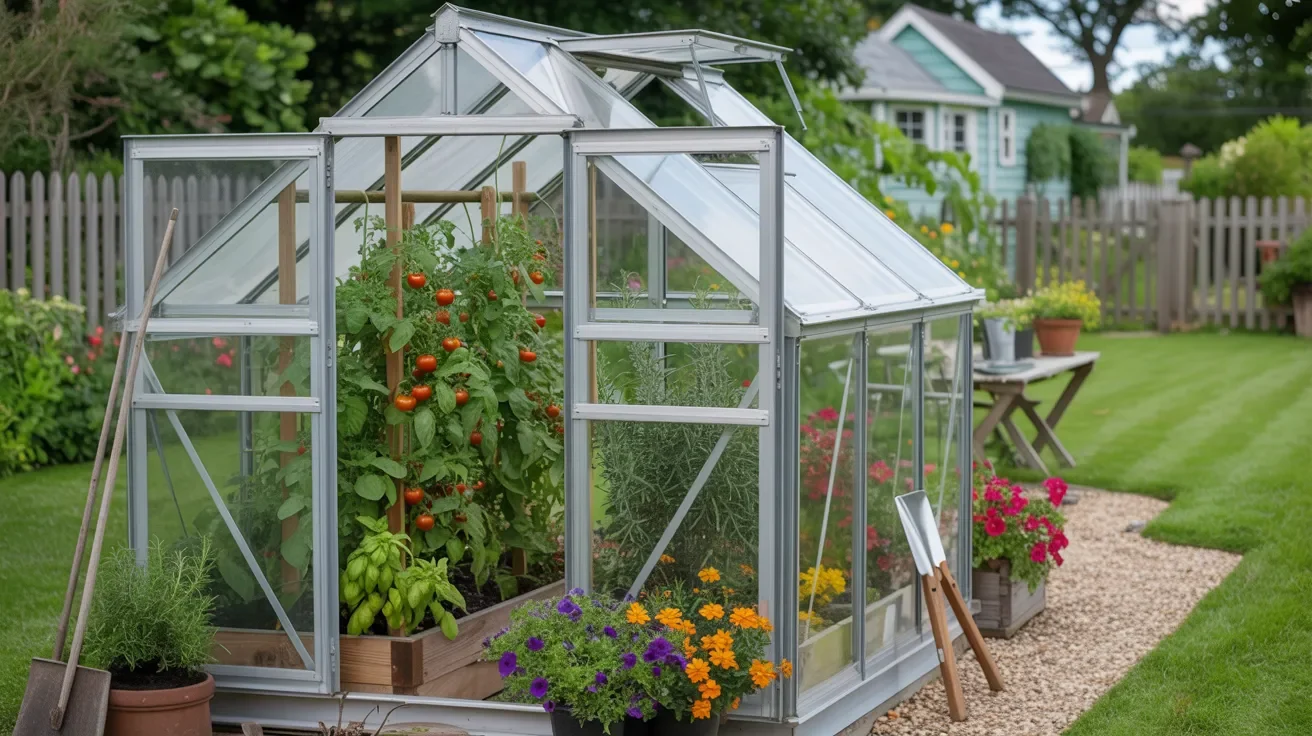
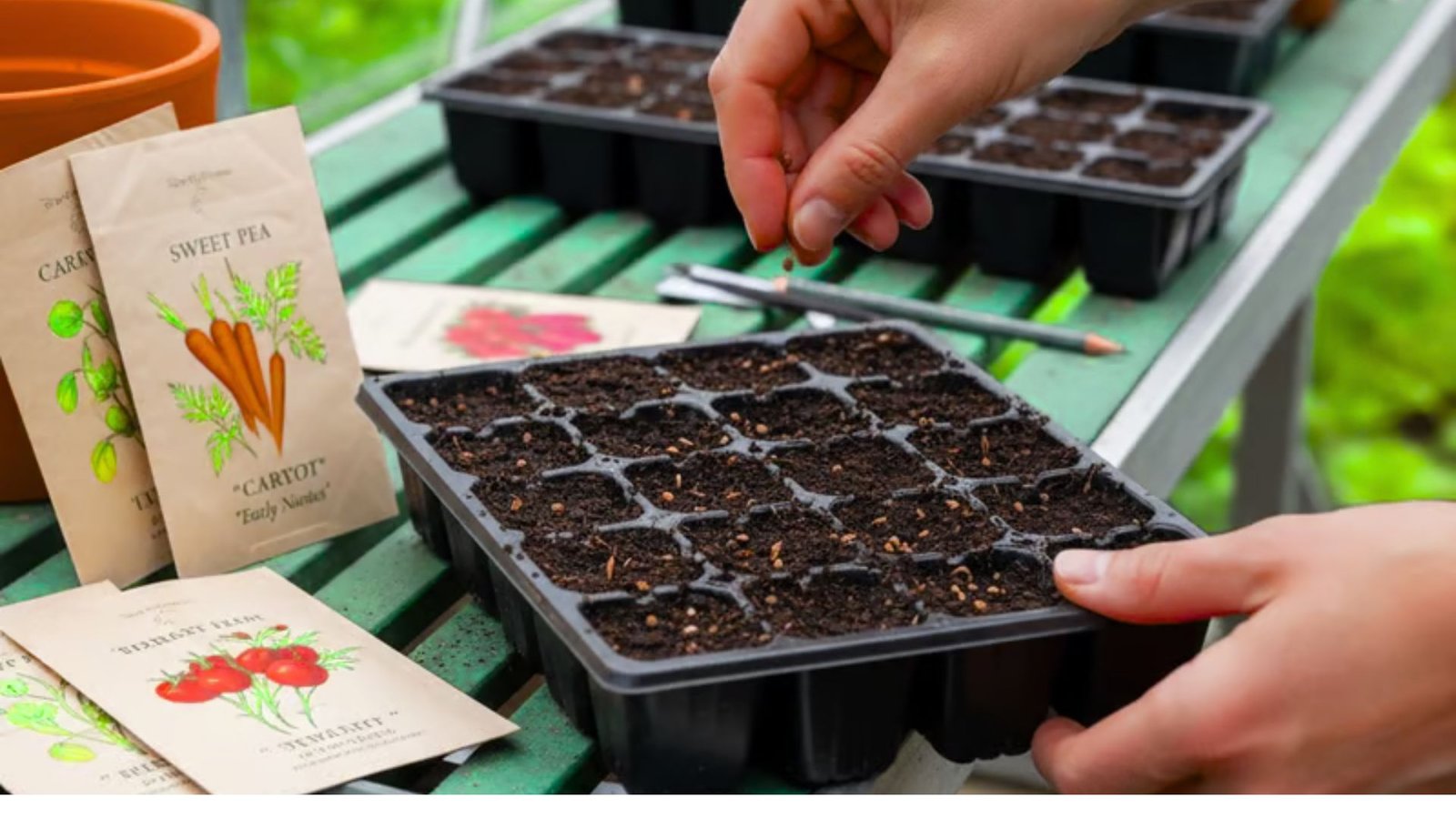
This structure gives home growers full control over growing conditions. You can start seeds early, grow vegetables through winter, or keep tropical plants alive in colder months. The symmetrical roof spreads sunlight evenly to both sides, so plants get consistent light all day long.
Commercial Farming
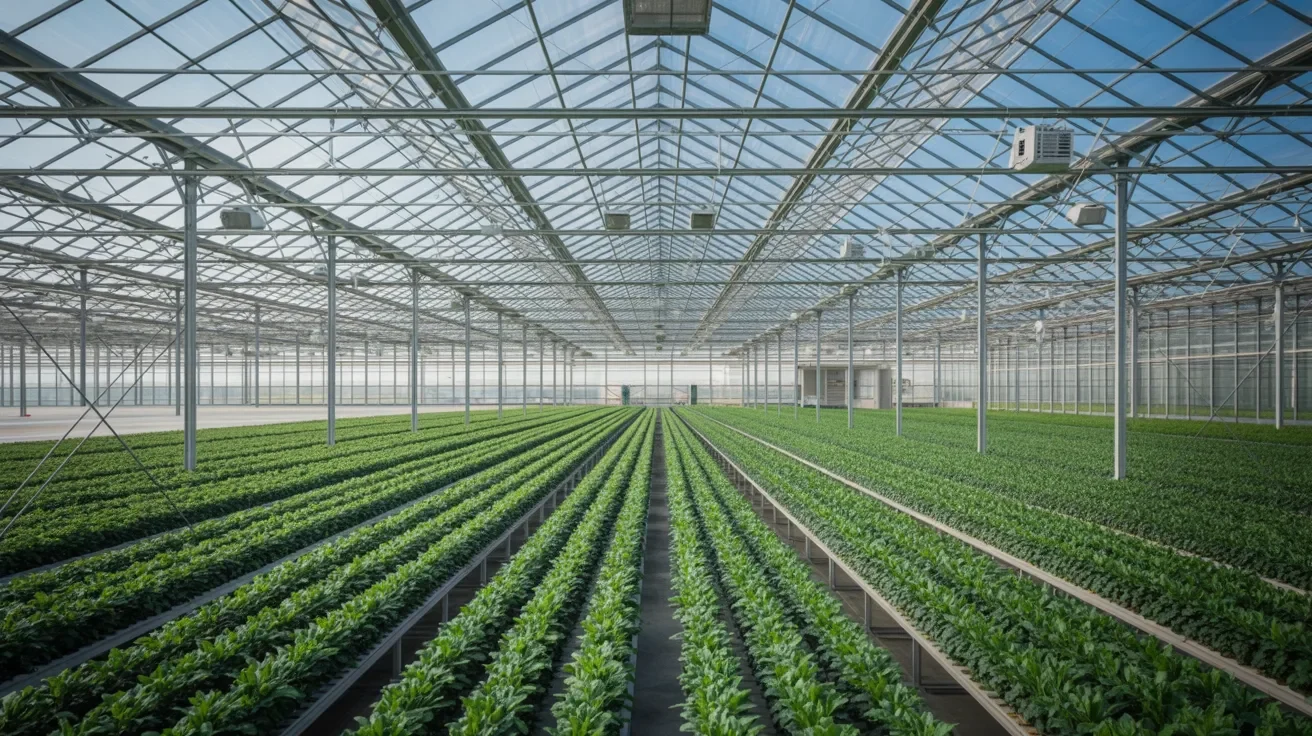
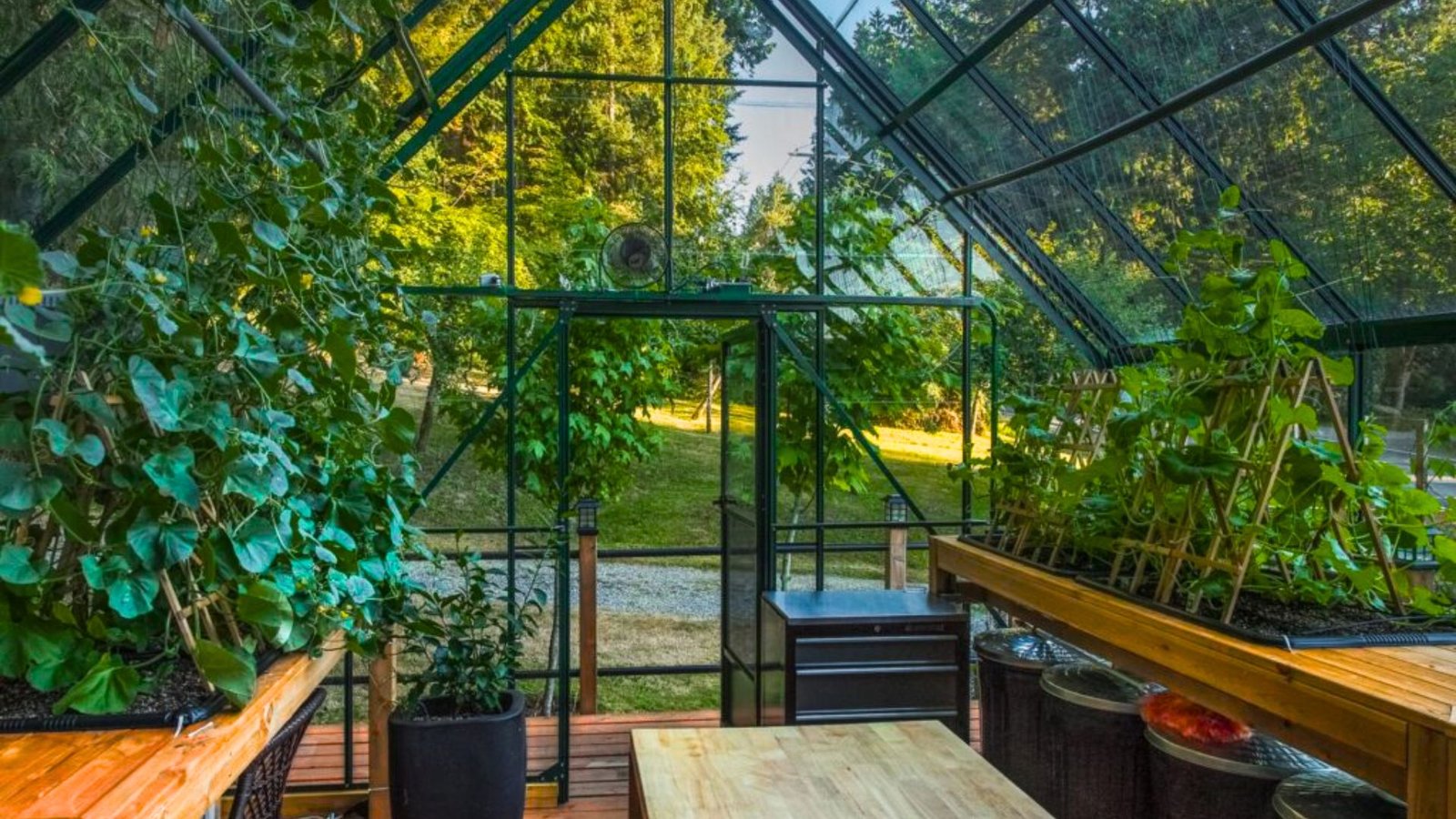
For commercial growers, space and efficiency matter most. The wide, open interior makes it easy to set up crop rows, irrigation lines, and growing benches. Airflow and light distribution stay consistent, which helps crops grow faster and more reliably.
Nurseries and Research
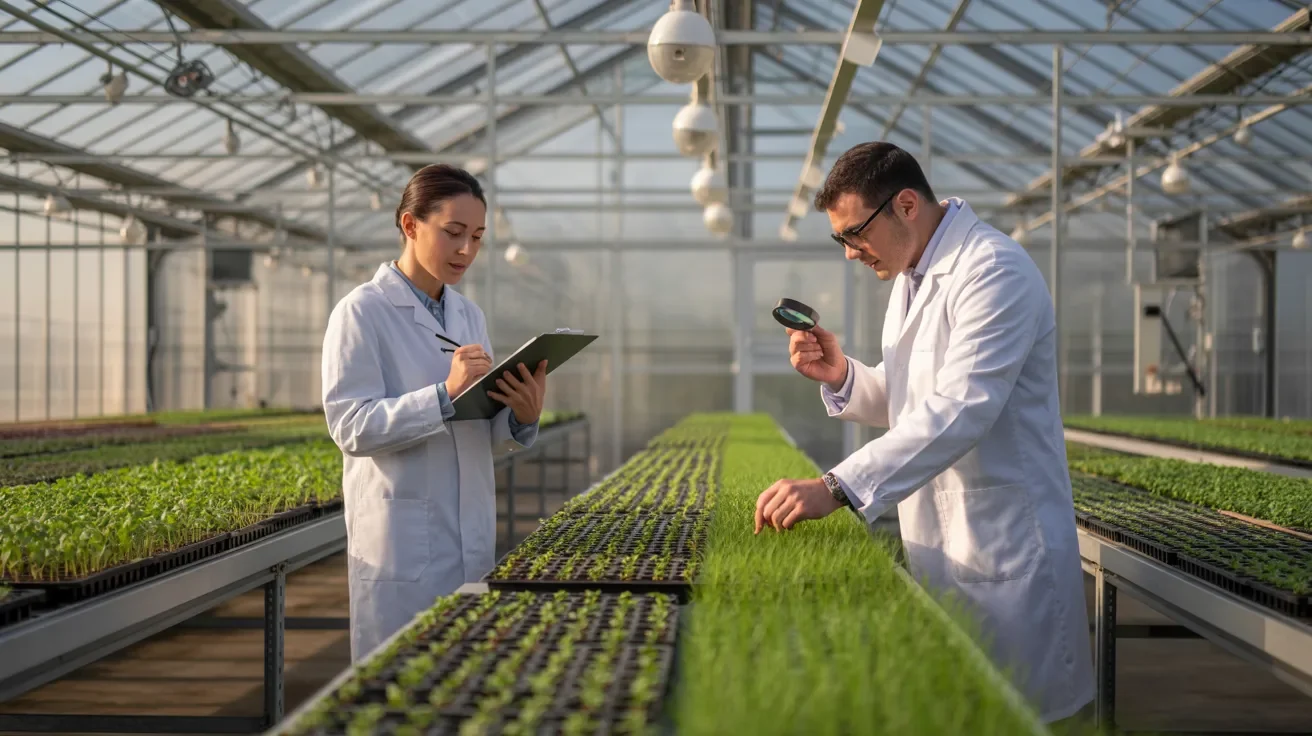
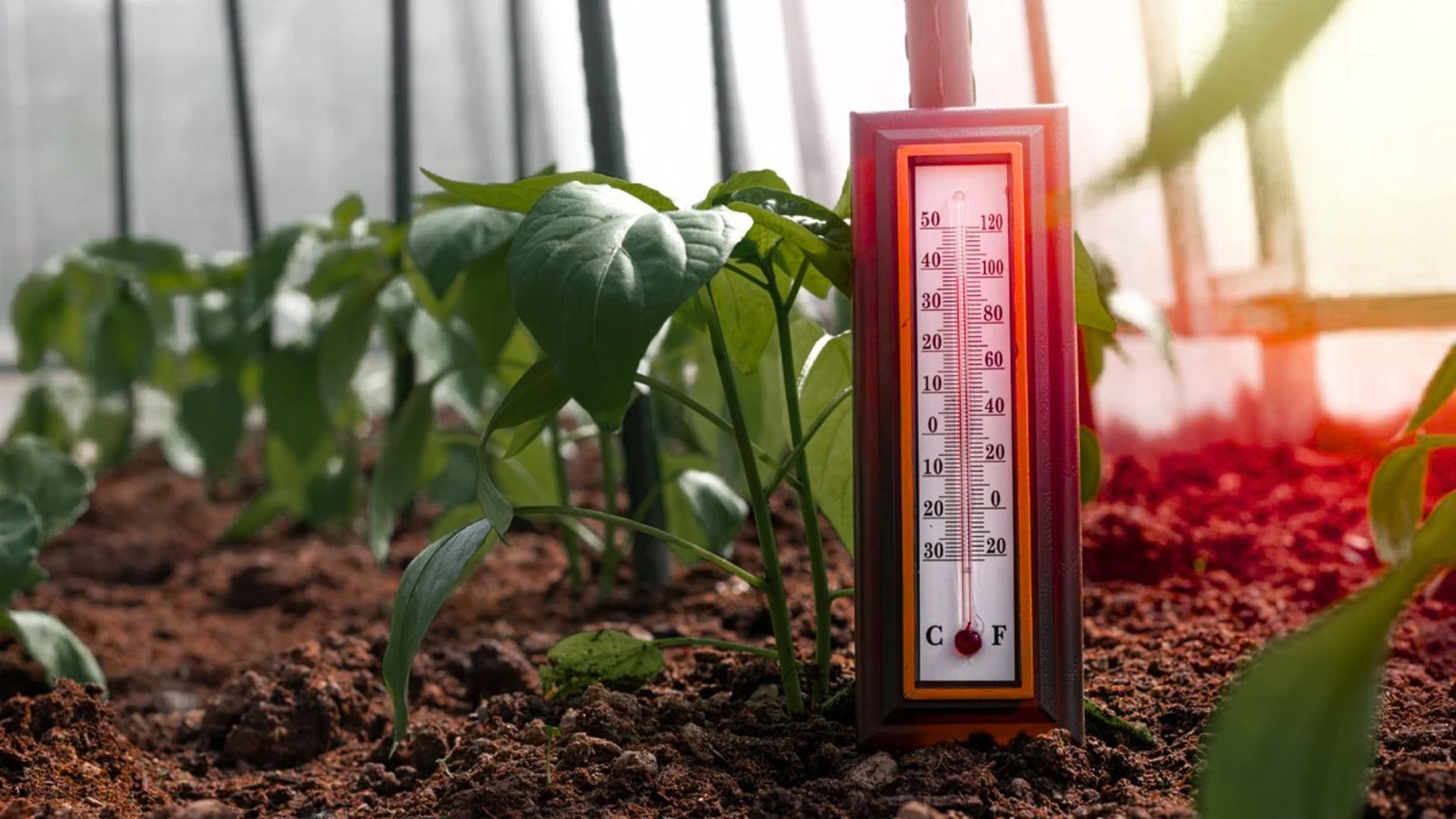
Nurseries use this greenhouse type to grow large batches of young plants in a controlled setting. Even light distribution helps seedlings develop at a steady pace. Research facilities also prefer this design because temperature, humidity, and light can all be managed closely for accurate plant studies.
Even Span Greenhouse vs Other Greenhouse Types
Not all greenhouses work the same way. Here is how the even span compares to two popular options.
Even Span vs Lean-To Greenhouse
A lean-to is built against a wall and has one sloping roof. It saves space but limits light and airflow.
An even span stands alone with two equal roof sides. It pulls in more sunlight from both directions and gives you better ventilation and growing room.
For casual growing, a lean-to works. For serious results, the even span does more.
Even Span vs Hoop House
A hoop house uses curved frames and plastic sheeting. It is cheap and fast to set up but loses heat quickly and the plastic breaks down over time.
An even span uses rigid panels and holds temperature far better. It also handles tough weather without issues.
Hoop houses are fine for short seasons. Even span greenhouses are built to last.
Is an Even Span Greenhouse Right for You?
Choosing the right greenhouse structure is a big decision. An even span greenhouse looks like a standard house, with two equal-sloping roof sides and a centered ridge. It works well for growers who need space, stability, and a design that holds up in rough weather.
But it is not for everyone.
Factors to Consider Before Choosing
Before you commit, think through a few things.
Space available: Even span greenhouses need a decent footprint. They are freestanding, so you need open ground on all sides. If your yard is tight, this style may feel too bulky.
Budget: The symmetrical frame requires more materials than a lean-to. Build costs and heating costs both run higher.
Crop type: If you plan to grow tall plants or a wide mix of crops, the even span gives you good vertical room and floor space to work with.
Climate: The pitched roof sheds snow and rain well. For growers in colder or wetter regions, this is a real advantage.
Long-term plans: Some even span models can be extended lengthwise as your growing needs grow.
Conclusion
Honestly, once I understood what an even span greenhouse actually was, everything clicked for me.
If you are thinking about getting into greenhouse growing, this structure is one of the most practical starting points out there.
Equal roof slopes, solid build, great space inside. It just makes sense.
Have you ever grown anything in a greenhouse before? I would love to hear about it.
Drop a comment below and let me know. And if this helped you, share it with a fellow gardening fan!
Frequently asked questions
What is an even span greenhouse?
It is a freestanding structure with two equal roof slopes meeting at a central ridge, much like a standard house shape.
How is an even span greenhouse different from a lean-to greenhouse?
Unlike a lean-to that leans against a wall, an even span stands fully on its own with two equal roof sides.
What can you grow in an even span greenhouse?
You can grow vegetables, herbs, flowers, and fruit crops thanks to the spacious interior and good vertical clearance.
Is an even span greenhouse good for cold climates?
Yes, the pitched roof sheds snow and rain well, and with proper insulation it holds heat through colder months.
How much does an even span greenhouse cost to build?
Costs vary by size and materials, but it generally runs higher than a lean-to due to the larger freestanding frame.