



I have spent years researching home heating options, and biomass stoves keep coming up as one of the most practical choices for homeowners today.
So, what is a biomass stove? Simply put, it is a heating device that burns natural materials like wood, pellets, or agricultural waste to produce heat for your home.
In this guide, I will cover how biomass stoves work, the types available, key benefits and costs, and how to know if they suit your home.
Let me break it all down for you clearly.
What is a Biomass Stove
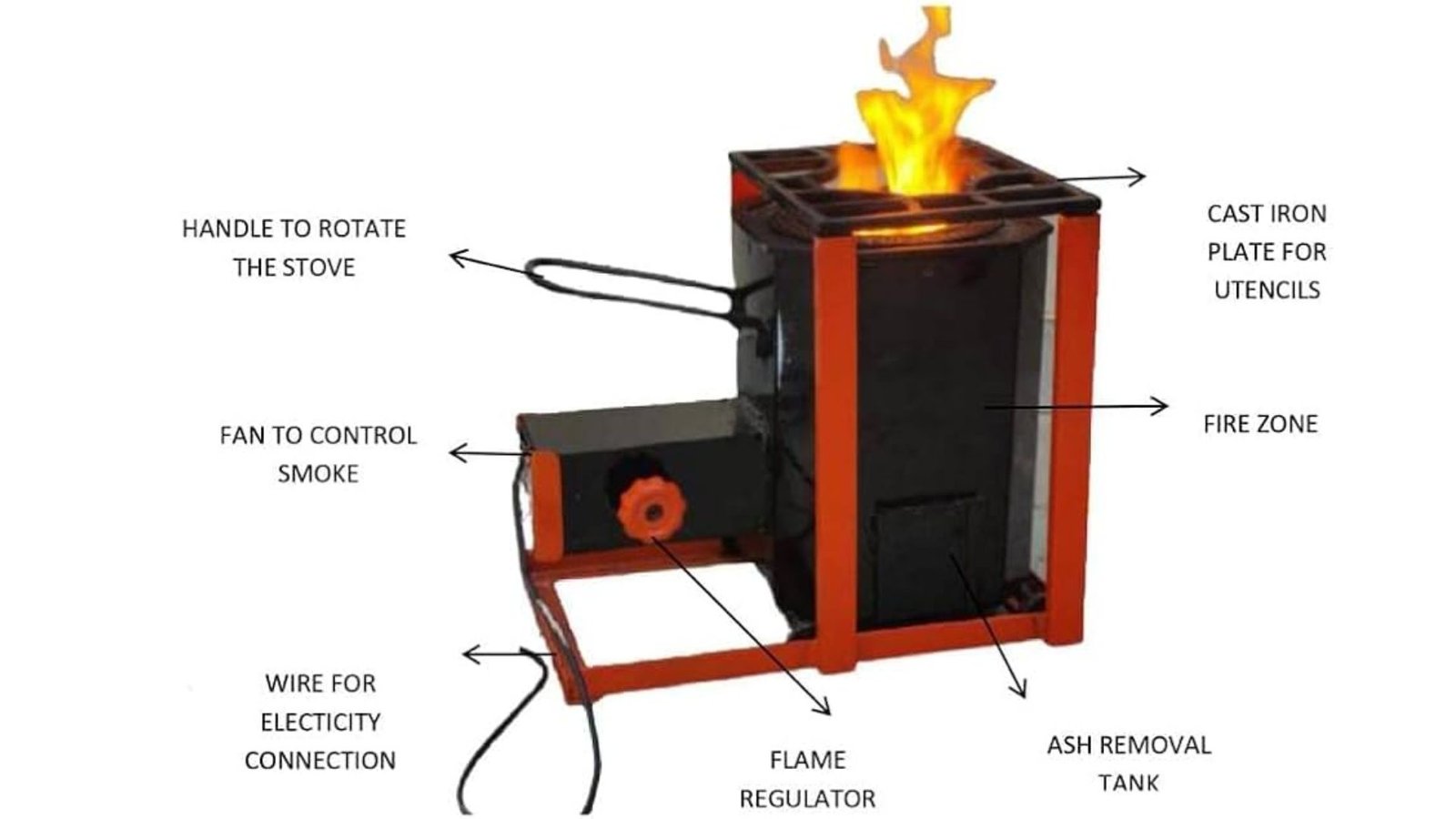
A biomass stove burns natural, plant-based materials to heat your home in a cleaner and more affordable way.
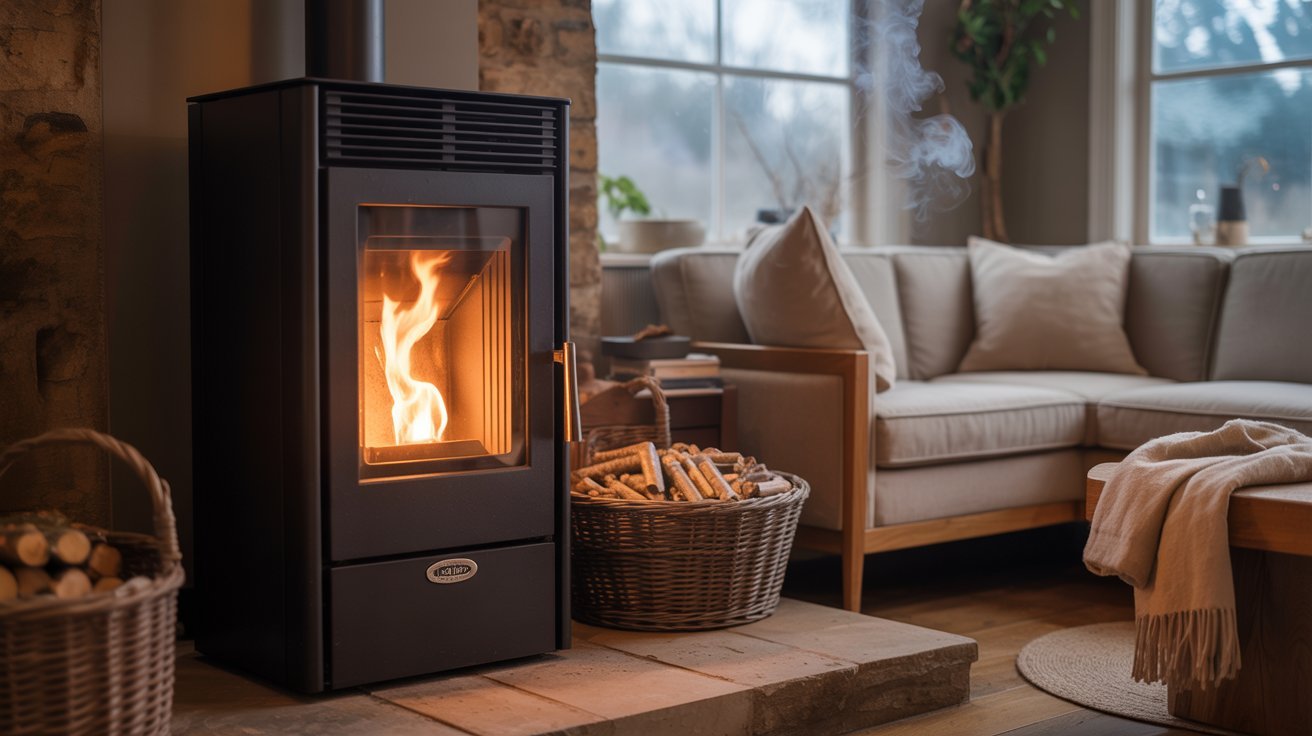
A biomass stove is a heating appliance that burns organic materials such as wood pellets, logs, or agricultural waste to generate heat.
It works much like a traditional wood-burning stove but is designed to burn processed fuels more efficiently.
They are classed as a renewable heating option because the carbon released during burning is roughly equal to what the plant absorbed while growing. This makes them a better option compared to burning coal or gas.
Biomass stoves produce heat through combustion, which is the controlled burning of organic fuel inside a sealed chamber.
Here is how it works:
Step 1: Fuel such as wood pellets is loaded into the stove, either manually or through an automatic hopper system.
Step 2: The stove ignites the fuel using a small electric element or manual lighting.
Step 3: The fuel burns inside the firebox, releasing heat energy.
Step 4: A fan or natural convection pushes warm air into the room or a connected water system.
Step 5: Ash collects in a drawer at the bottom, which you empty regularly.
Modern biomass stoves burn fuel at high temperatures. This reduces smoke, lowers emissions, and gets more heat from every kilogram of fuel.
Many models have built-in thermostats so the stove manages itself automatically.
Benefits of Biomass Stoves
Biomass stoves offer real advantages for homeowners looking to cut costs and reduce their environmental impact.
-
Lower Carbon Heating Option
-
Reduced Dependence on Fossil Fuels
-
Quiet and Automatic Operation
-
Fuel Availability in the UK
Biomass fuel is considered carbon neutral. The plants used to make it absorb carbon while growing.
Burning them simply releases that same carbon back. No new carbon is added long term.
This makes it a much cleaner choice than gas or oil, which release carbon stored underground for millions of years.
Biomass fuel prices, especially wood pellets, tend to be more stable than gas or oil. You can buy it in bulk and store it at home.
This gives you more control over your heating costs. For rural homes without mains gas, a biomass stove is often the most practical and affordable option available.
Most modern biomass stoves run almost silently. An automatic hopper feeds pellets into the firebox at a set rate. You just load the hopper and set your temperature.
Some models connect to a smartphone app or wall thermostat, making them very easy to manage day to day.
Wood pellets and other biomass fuels are easy to find across the UK. Order online, collect locally, or get bulk bags delivered to your door.
Buying in bulk during summer saves money, as prices are lower when demand drops.
What is Biomass Fuel?
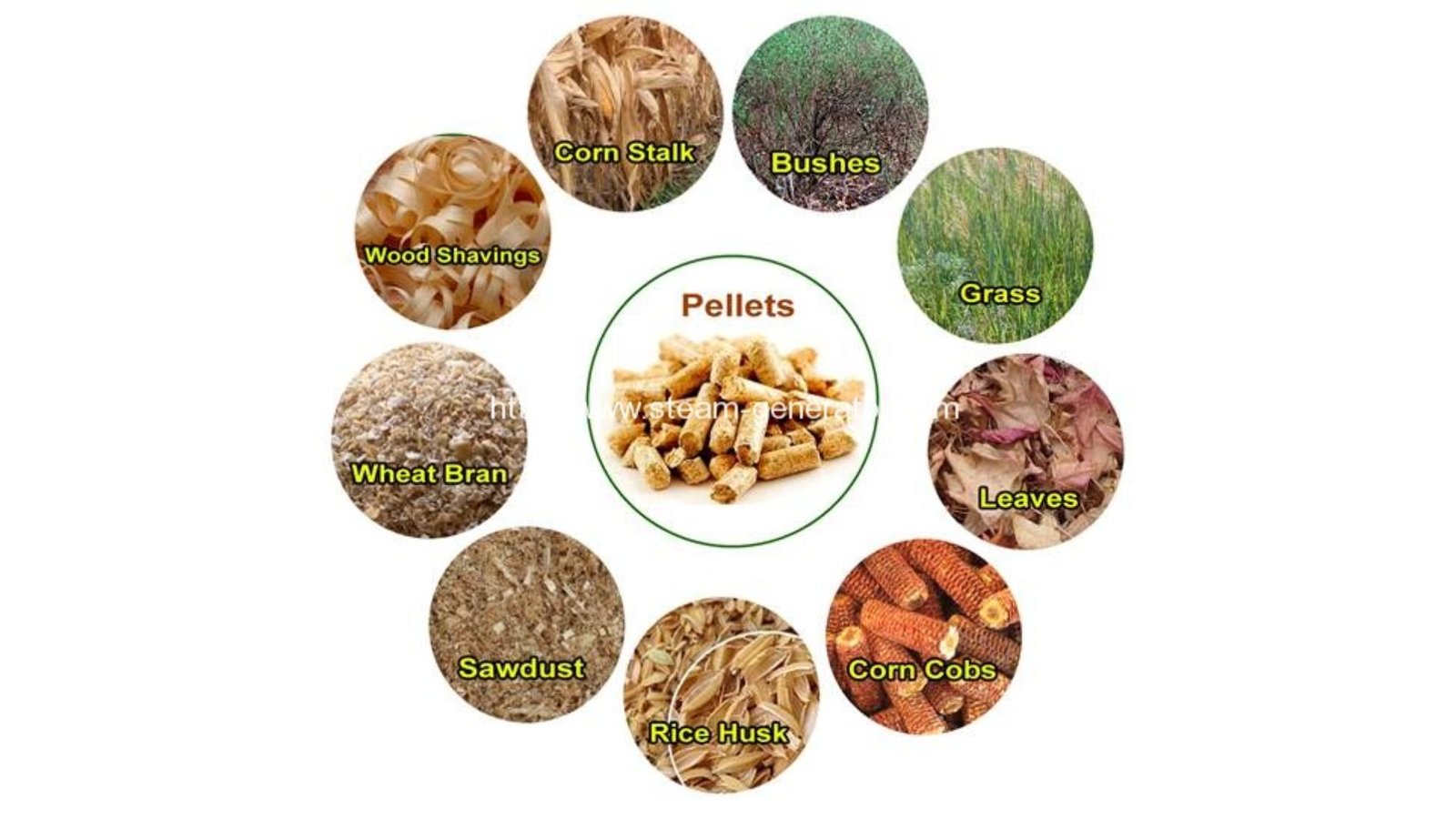
Biomass fuel is any organic, plant-based material that can be burned to produce heat.
- Wood Pellets: The most widely used biomass fuel in the UK. Made by compressing sawdust and wood shavings under high pressure with no added chemicals. They burn efficiently and produce very little ash, making them ideal for automatic feeding systems.
- Corn Pellets: Made from compressed dried corn. They burn well but produce slightly more ash, so you may need to clean the stove more often.
- Hemp Pellets: A newer option made from compressed hemp plant material. They burn cleanly and are considered very sustainable because hemp grows quickly and requires little water or pesticide.
- Olive Husks: A byproduct of olive oil production with a high energy density, meaning they produce a lot of heat per kilogram. More common in southern Europe but available from UK specialist suppliers.
- Nut Shell Pellets: Made from compressed shells of nuts such as sunflower seeds or peanuts. They burn at high temperatures and have a good energy output.
Biomass Stove vs Log Stove
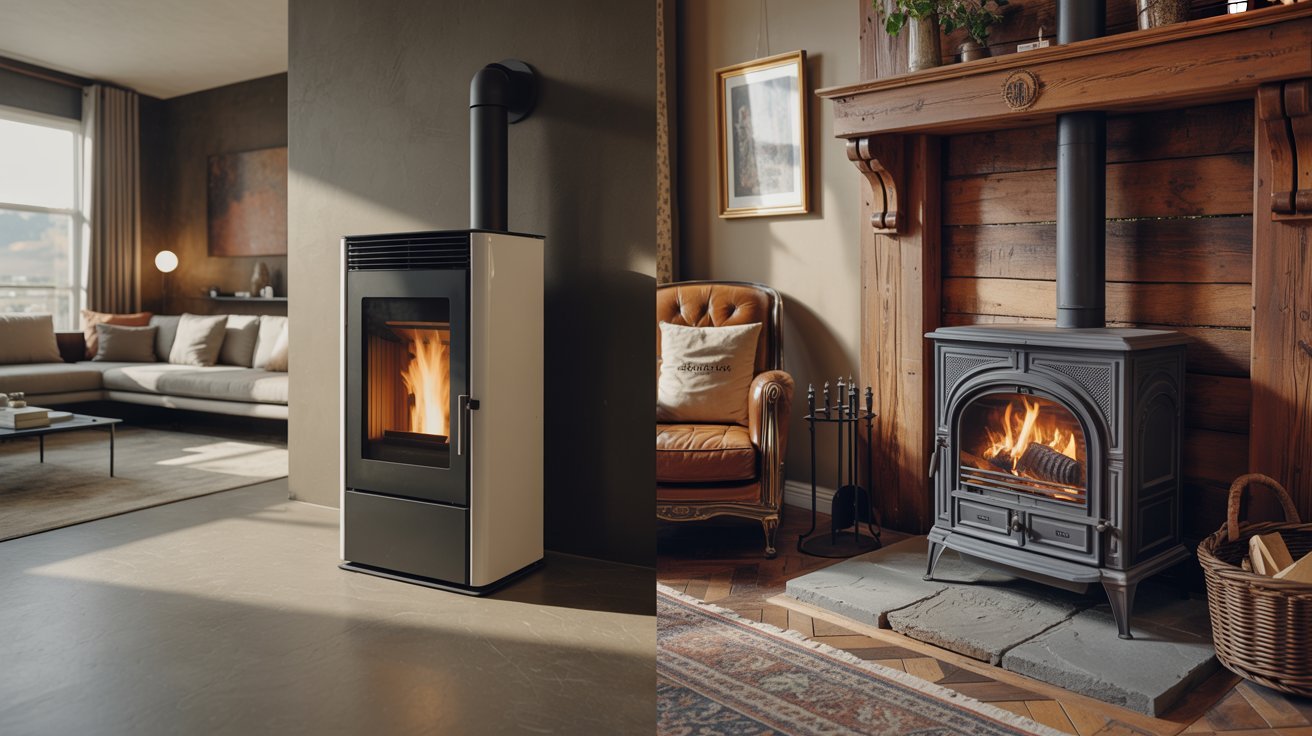
Choosing between the two depends on your lifestyle, budget, and how much effort you want to put into managing your heating.
Main Differences Between the Two:
|
Feature |
Biomass Stove |
Log Stove |
|
Fuel Type |
Wood pellets, corn, hemp, olive husks |
Seasoned or kiln-dried logs |
|
Ignition |
Often automatic or electric start |
Manual lighting required |
|
Fuel Feeding |
Automatic hopper in many models |
Manual loading by hand |
|
Efficiency |
85 to 95 percent |
70 to 85 percent |
|
Emissions |
Lower, especially with pellets |
Higher, depends on wood quality |
|
Upfront Cost |
Higher |
Generally lower |
|
Automation |
High, thermostat and timer options |
Low, fully manual |
How Biomass Heating Systems Work
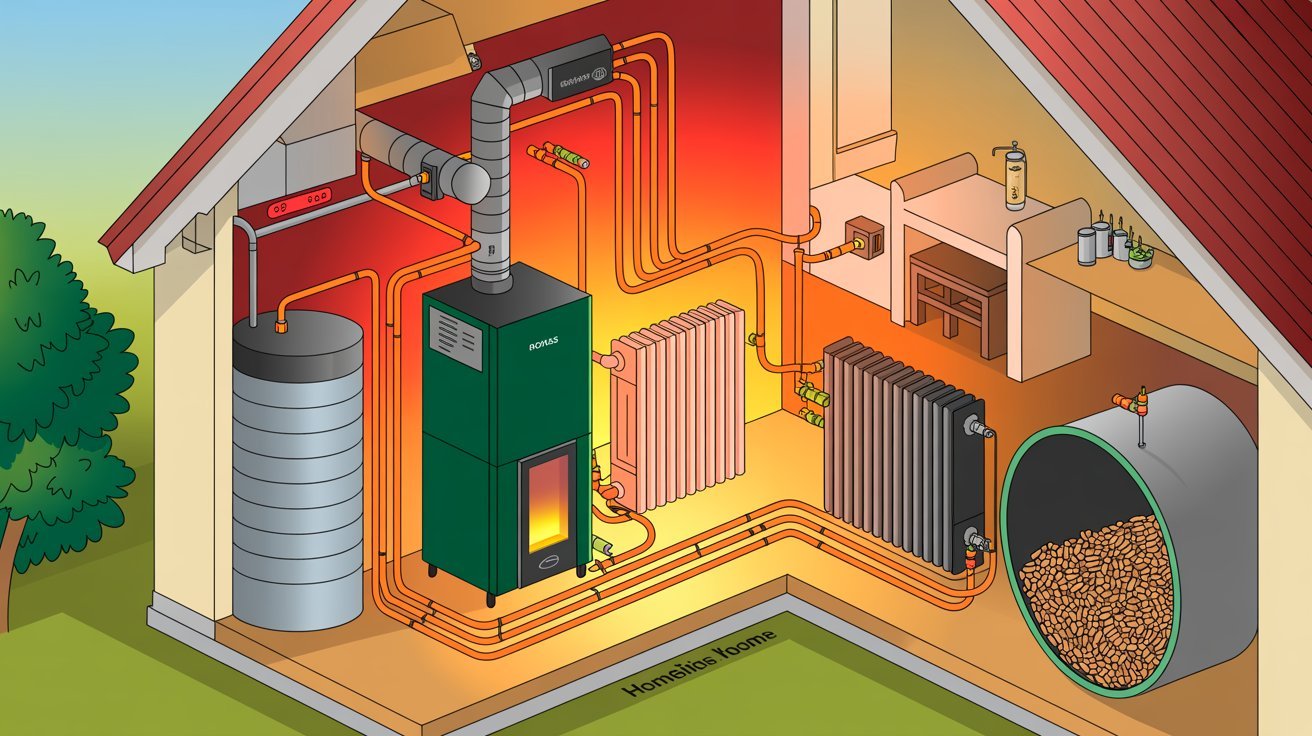
The right setup depends on the size of your home and what you need the system to do.
Biomass Stoves for Single Rooms
A standalone biomass stove sits in a room and heats that space directly through natural convection or a built-in fan.
This is a good option if you want to heat a living room or kitchen without changing your main heating system. It is also the most affordable entry point into biomass heating.
Biomass Boilers for Whole Homes
A biomass boiler works like a gas or oil boiler but burns wood pellets or logs instead. It heats water that is pumped around your home through radiators and hot water taps.
These systems are larger and require more space, but they can replace your existing central heating completely.
They are particularly popular in larger homes and rural properties without mains gas.
Back Boiler Options for Hot Water
Some biomass stoves include a back boiler, which is a water jacket built into the stove.
As the stove heats the room, it also heats water that can be sent to a hot water cylinder or a small number of radiators.
This is a cost-effective way to get some central heating benefit from a single stove without installing a full boiler system.
Biomass Stove Installation Basics
Getting a biomass stove installed correctly is important for safety, performance, and compliance with UK regulations.
Many biomass stoves can be fitted into an existing fireplace opening. The stove connects to the existing chimney using a flue liner, which is usually installed at the same time as the stove.
Not every fireplace is suitable though. A qualified installer will assess the opening size and chimney condition before fitting.
If you do not have a chimney, you may still install a biomass stove using a balanced flue system.
This runs twin-wall flue pipes through an external wall or roof. It brings fresh air in from outside for combustion and sends exhaust gases back out, removing the need for a traditional chimney.
Biomass fuel takes up space. You will need a dry, accessible storage area near the stove or boiler.
Most suppliers recommend keeping at least one to two tonnes of pellets in storage to avoid running out during winter.
This typically requires around two to three square metres of floor space.
If you live in a Smoke Control Area, you must use a DEFRA Exempt Appliance. Not all biomass stoves qualify, so check before buying.
You can search the DEFRA Exempt Appliances list online. Using a non-exempt appliance in a smoke control area can result in a fine.
Biomass Stove Costs and Fuel Prices
Understanding costs helps you plan your budget and decide if biomass heating is right for your home.
Average Biomass Boiler Costs:
|
System Type |
Approximate Cost (Installed) |
|
Standalone Pellet Stove |
£3,000 to £6,000 |
|
Standalone Log Stove |
£1,500 to £4,000 |
|
Biomass Boiler (Auto-feed) |
£10,000 to £20,000 |
|
Biomass Boiler (Manual Log) |
£7,000 to £14,000 |
|
Back Boiler Stove |
£4,000 to £8,000 |
Pellet Fuel Costs:
|
Purchase Type |
Approximate Cost |
|
15kg Bag (Single) |
£8 to £12 |
|
Bulk Bag (approx. 500kg) |
£200 to £280 |
|
Per Tonne (Delivered) |
£280 to £380 |
Buying in bulk reduces cost per kilogram significantly. Prices vary by season and supplier.
Log Fuel Costs:
|
Log Type |
Approximate Cost |
|
Seasoned Hardwood (per cubic metre) |
£90 to £130 |
|
Kiln-Dried Logs (per cubic metre) |
£130 to £180 |
|
Ready-to-Burn Nets (per bag) |
£6 to £12 |
Kiln-dried logs cost more but burn more efficiently and produce less smoke than poorly seasoned wood.
Government Grants and Funding
The UK government has offered support through schemes like the Boiler Upgrade Scheme (BUS), which provides grants to help offset installation costs for eligible homes.
Grant amounts and eligibility rules change, so check the current details on the GOV.UK website or speak to an accredited installer.
Some local councils also offer additional support for low-income households or rural properties.
Maintenance Requirements for Biomass Systems
A biomass stove needs regular attention to keep it running safely and efficiently. Most tasks are straightforward.
-
Cleaning and Ash Removal
-
Chimney and Flue Sweeping
-
Annual Servicing
How often you empty the ash pan depends on fuel type and usage. Wood pellets produce very little ash, so the drawer may only need emptying once a week.
Log stoves and olive husk stoves produce more ash and may need daily attention. Keeping the glass clean with a damp cloth or specialist cleaner also helps you monitor the fire easily.
The flue and chimney should be swept at least once a year, ideally before the heating season begins in autumn.
A blocked or dirty flue reduces efficiency and can be a fire hazard.
Always use a HETAS-registered chimney sweep to ensure the job is done properly and your insurance stays valid. If you burn logs rather than pellets, consider sweeping twice a year.
Your biomass stove or boiler should have a full service once a year from a qualified engineer.
During a service, the engineer checks seals, gaskets, ignition systems, fans, and sensors. They also clean internal components and flag parts that need replacing.
Regular servicing keeps the system running efficiently, extends its lifespan, and keeps it safe to operate.
Conclusion
After researching home heating for years, I can see why a biomass stove continues to attract homeowners looking for reliable and lower-cost warmth.
It offers efficient heating, flexible fuel choices, and better control over energy use without making daily life complicated.
If you can picture cosy evenings with steady heat and lower fuel worries, this option is worth exploring.
I’d love to hear your thoughts or experiences, so leave a comment below or explore more home heating guides to help choose the right setup for your home.
Frequently Asked Questions
What fuel does a biomass stove use?
A biomass stove can burn wood pellets, logs, hemp pellets, olive husks, and other plant-based fuels.
Wood pellets are the most common because they burn cleanly and efficiently.
Are biomass stoves expensive to run?
Running costs depend on fuel prices and how often you use the stove.
Buying pellets or logs in bulk usually helps reduce long-term heating costs.
Do biomass stoves need a chimney?
Many biomass stoves use an existing chimney with a flue liner installed.
Homes without chimneys can often use a balanced flue system instead.
How often should a biomass stove be cleaned?
Pellet stoves may only need ash removal once a week, while log stoves need more regular cleaning.
Annual servicing and chimney sweeping also help maintain safe performance.
Is a biomass stove better than a log stove?
A biomass stove offers more automation and higher efficiency than most log stoves.
Log stoves are usually cheaper upfront but require more manual work each day.