I’ve spent time researching sustainable prefab homes, and honestly, they surprised me. They cost less, build faster, and leave a smaller footprint than traditional construction.
If you’re looking for eco-friendly and energy-efficient options, you’re in the right place.
In this blog, I’ll walk you through what makes prefab homes sustainable, the best eco-friendly options on the market, and the energy-saving features worth knowing.
With years of research into green housing, I’ll help you find the right fit.
What Are Sustainable Prefab Homes?
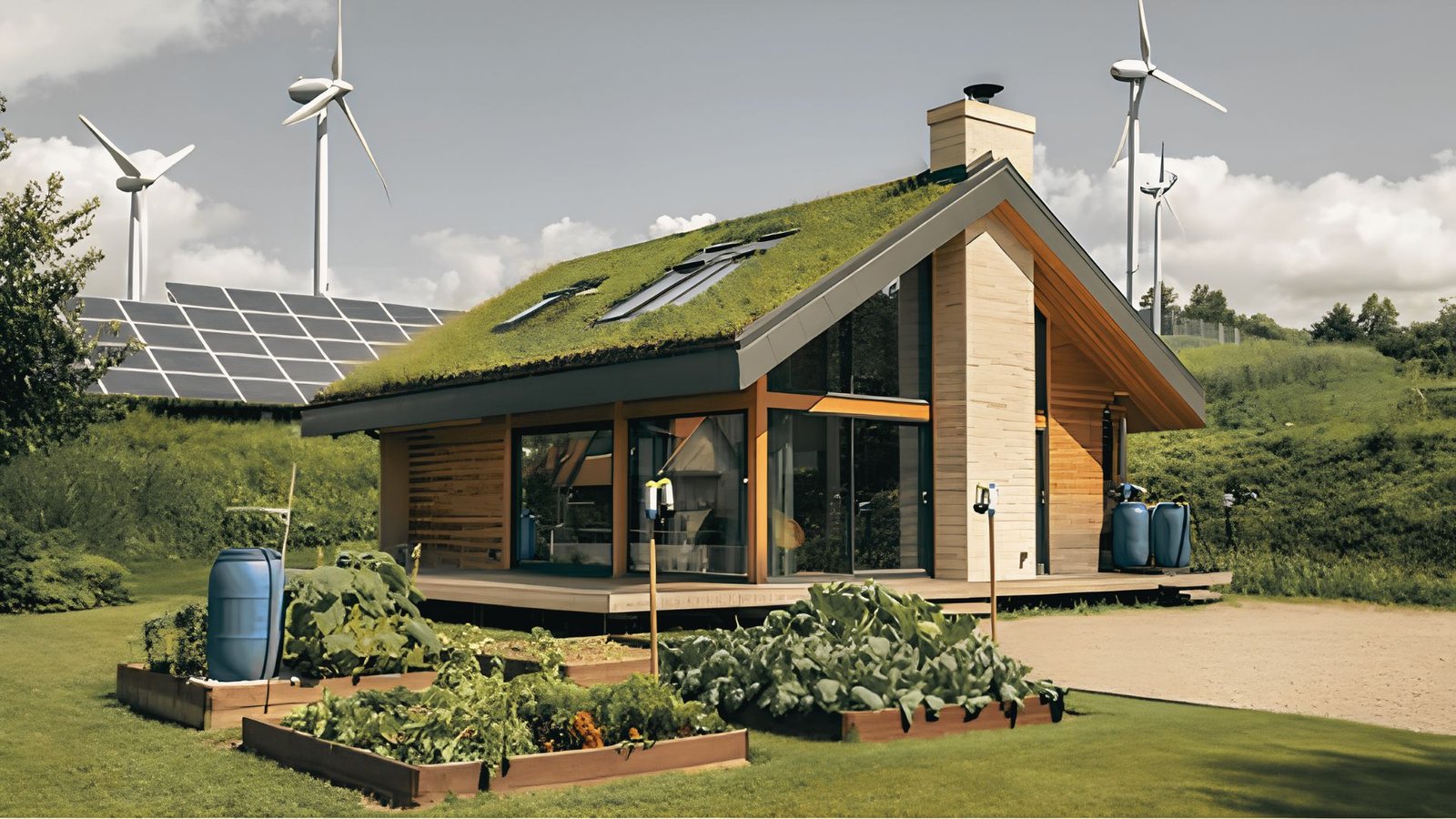
Sustainable prefab homes are factory-built houses made with eco-friendly materials and energy-saving systems to lower your environmental impact.
Difference Between Traditional and Prefab Homes
Traditional homes are built on-site from scratch. This takes months and creates a lot of waste.
Prefab homes are built in a factory, then assembled on your land. The process is faster, cleaner, and more cost-effective. The result looks just like a traditionally built home.
Why Sustainable Prefab Homes Are Growing in Demand
Energy bills are rising. Construction costs are climbing. And more people care about the environment.
Sustainable prefab homes solve all three. They cost less to build, use less energy, and produce far less waste. That’s why demand keeps growing.
Features Found in Modern Sustainable Prefab Homes
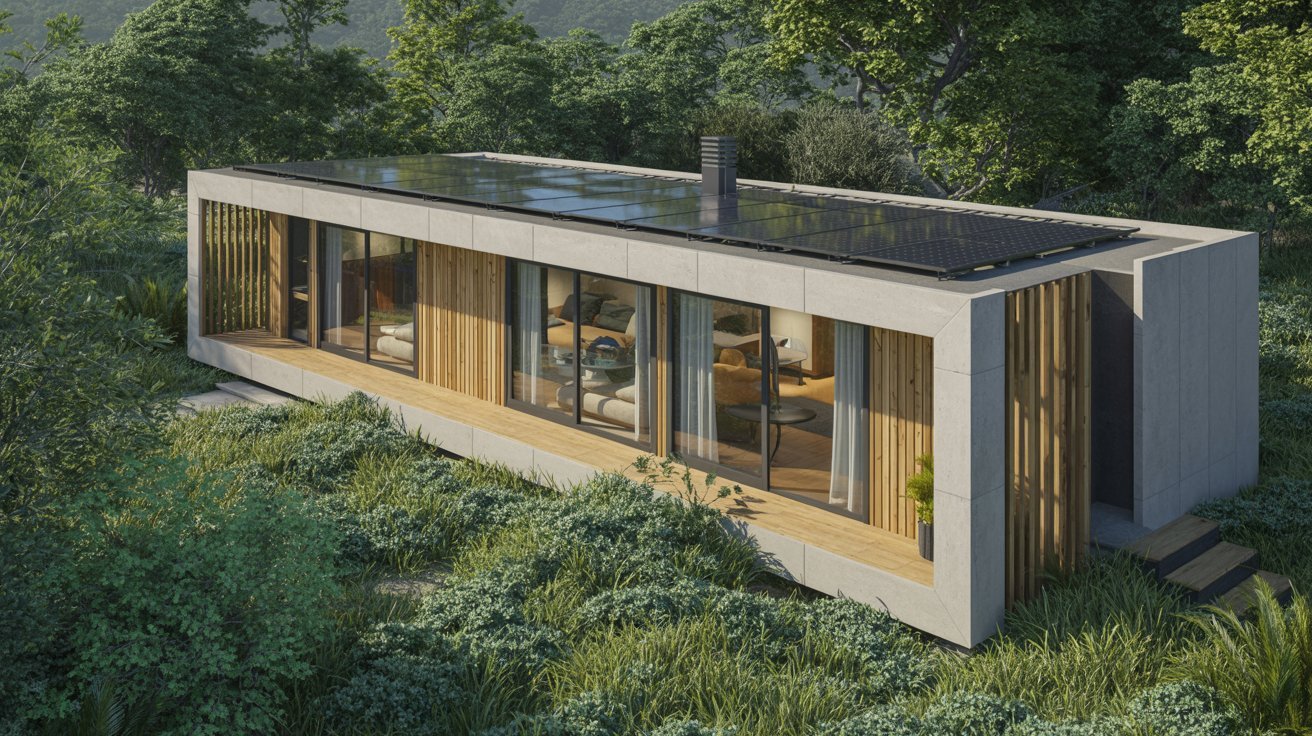
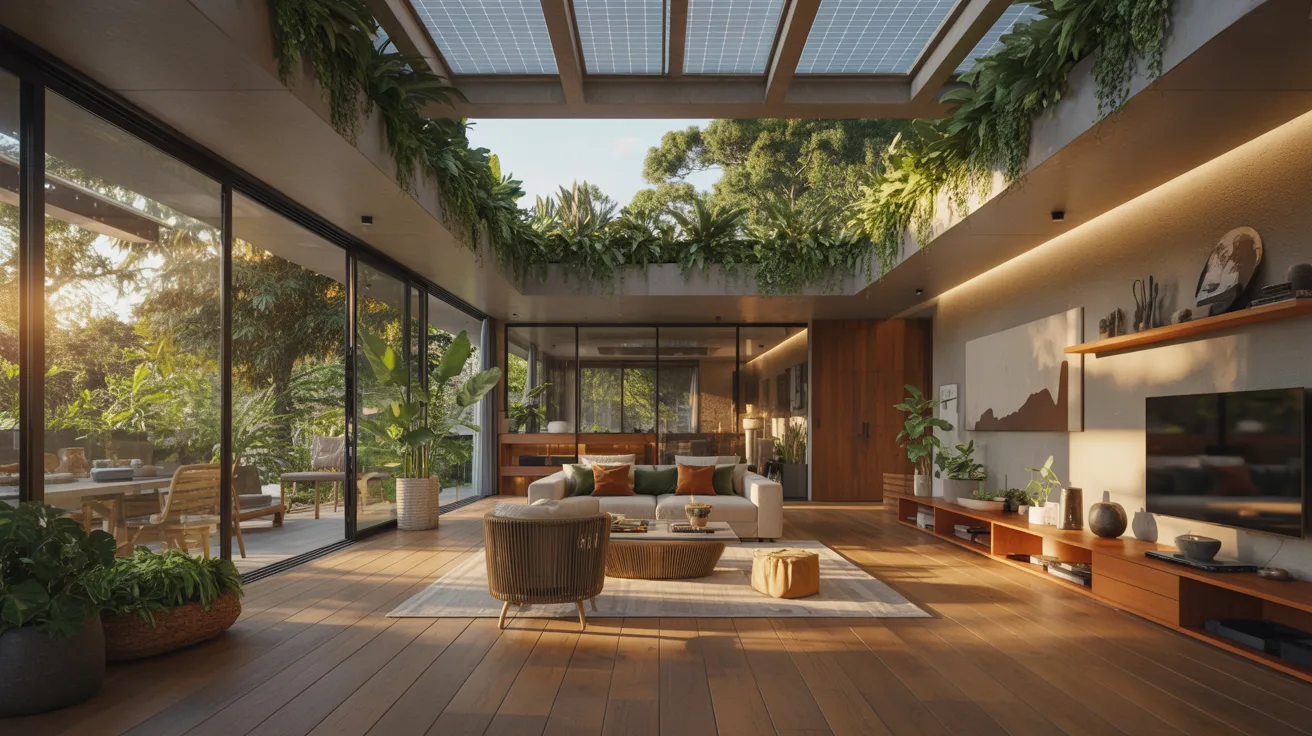
Modern sustainable prefab homes come packed with smart, eco-friendly features that save energy, cut costs, and support healthier living.
-
Solar-Ready Roofing Systems
-
Smart Home Technology
-
Water-Saving Systems
-
Healthy Indoor Materials
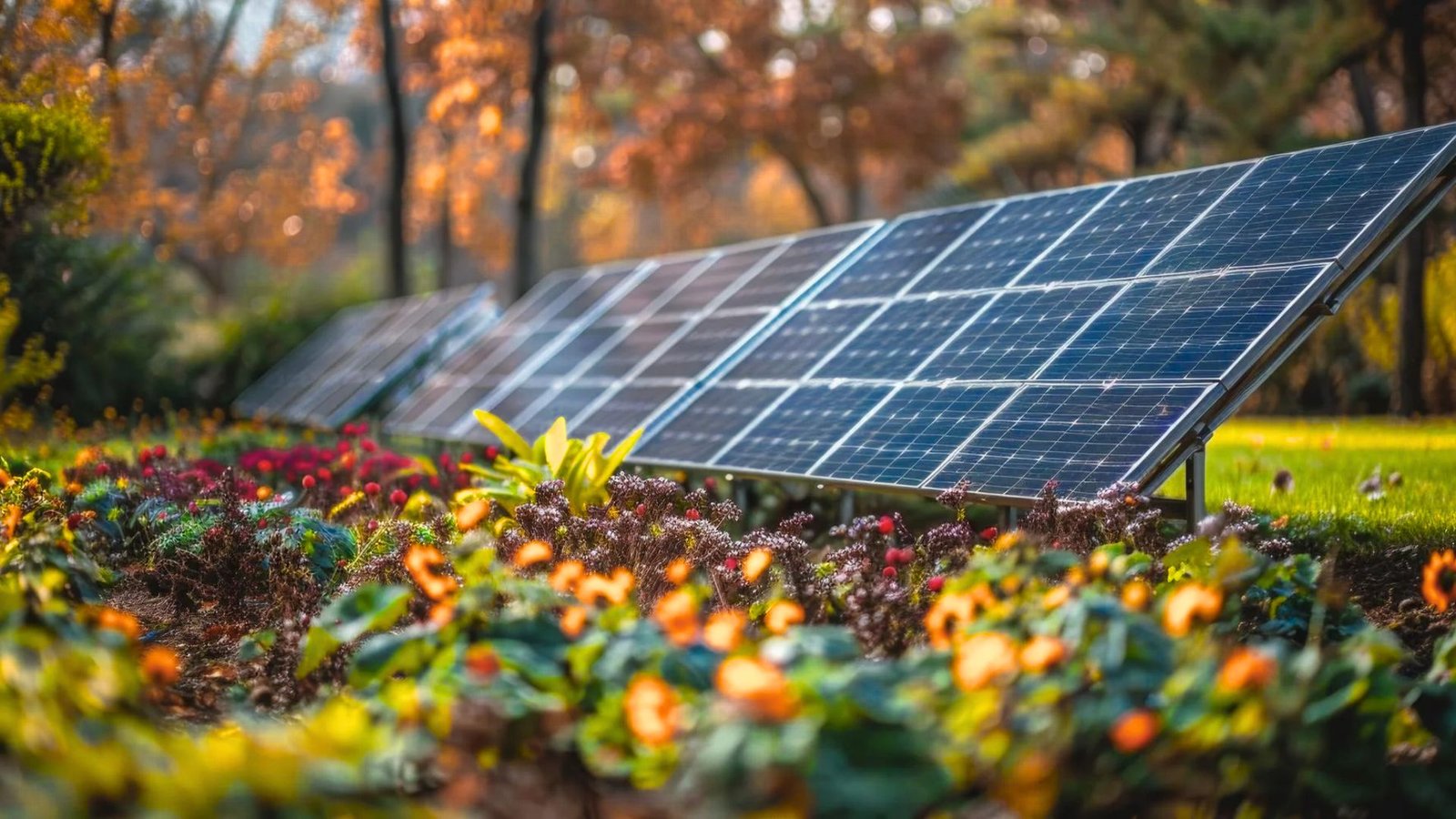
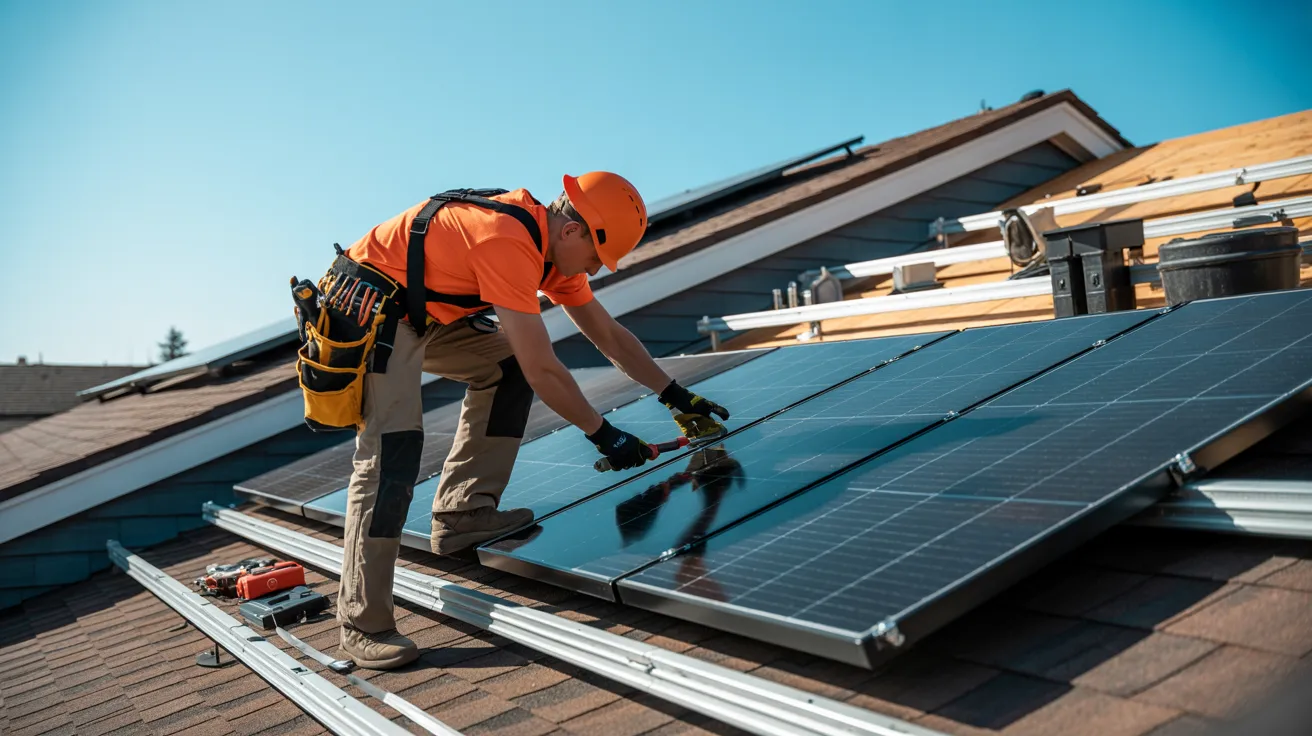
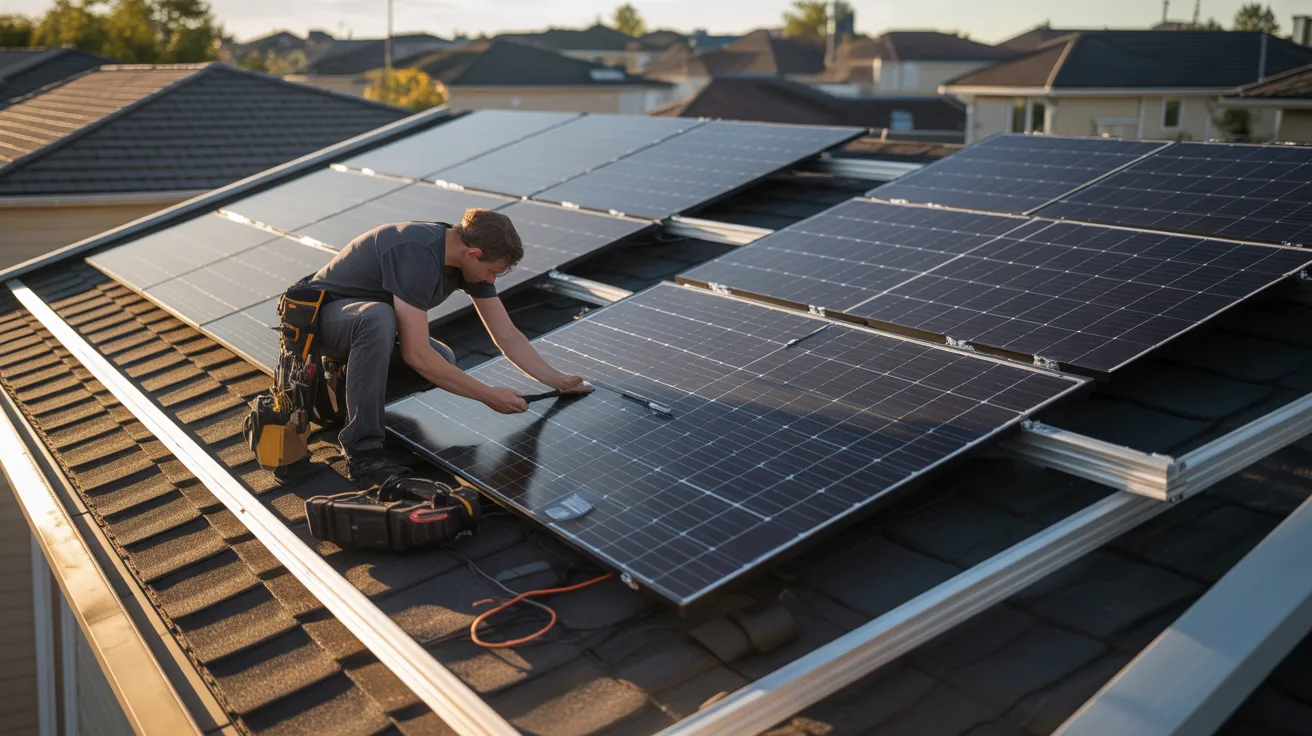
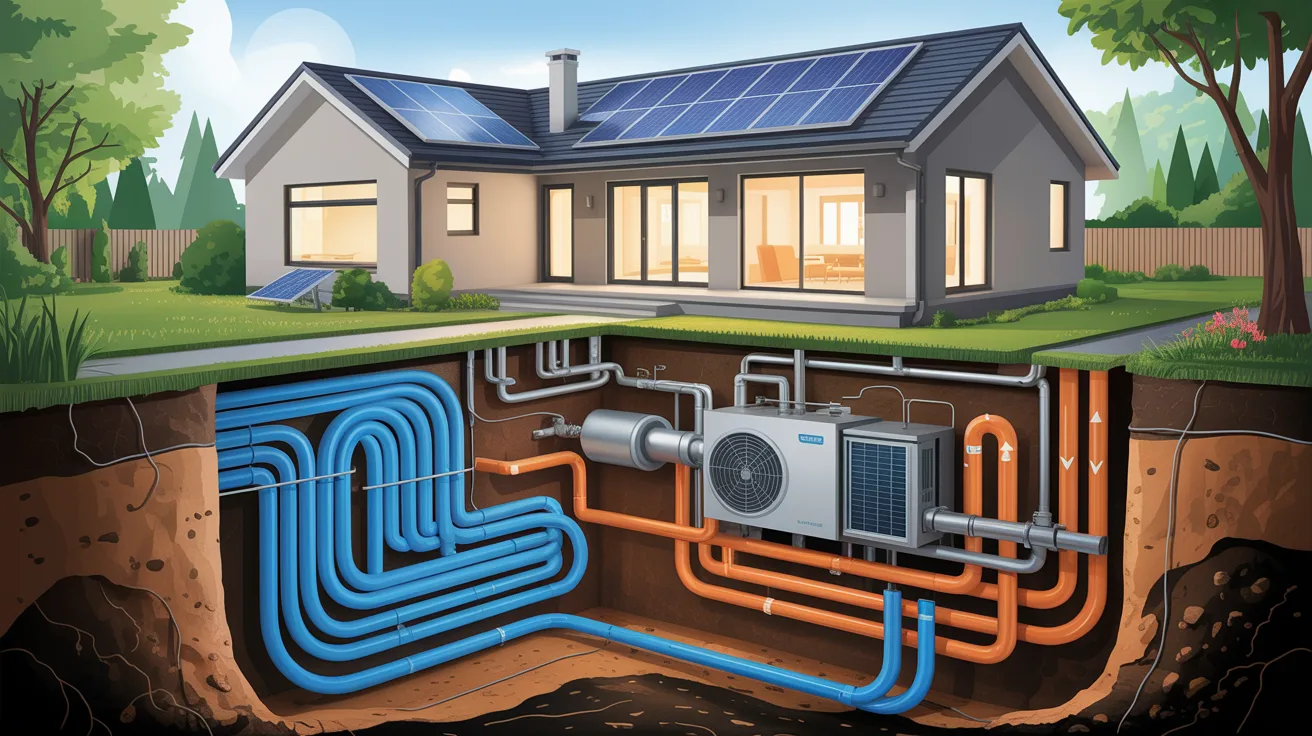
Most modern prefab homes are built with roofs that can support solar panels from day one. You don’t need costly upgrades later.
The roof structure, wiring, and mounting points are already in place. This makes adding solar panels faster and cheaper. Over time, it helps lower your electricity bills significantly.
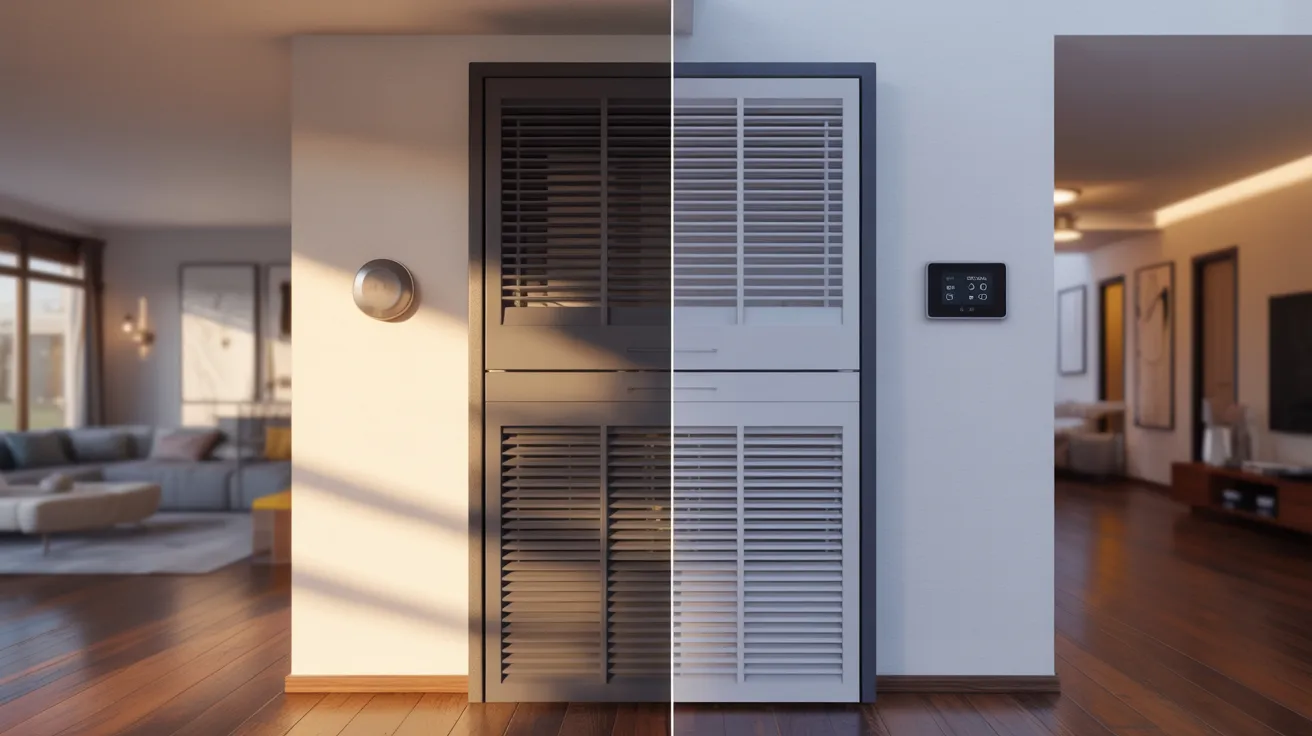
Many sustainable prefab homes include built-in smart systems. These control lighting, heating, cooling, and energy use from your phone.
Smart thermostats adjust the temperature based on your schedule. This stops energy from being wasted when no one is home. Small changes like this add up to real savings every month.
These homes often include low-flow fixtures, rainwater collection setups, and greywater recycling systems.
Together, they reduce how much water the home uses daily. This is good for both the environment and your water bill.
Sustainable prefab homes use materials that are low in toxins. This includes paints, insulation, and flooring that don’t release harmful chemicals into the air.
Better air quality inside the home means a healthier space for you and your family. This is one feature that often gets overlooked but matters a lot in daily life.
Best Sustainable Prefab Homes Available Today
The market for sustainable prefab homes is growing fast, with good options across the USA, Australia, and beyond.
Modern Sustainable Prefab Homes in the USA
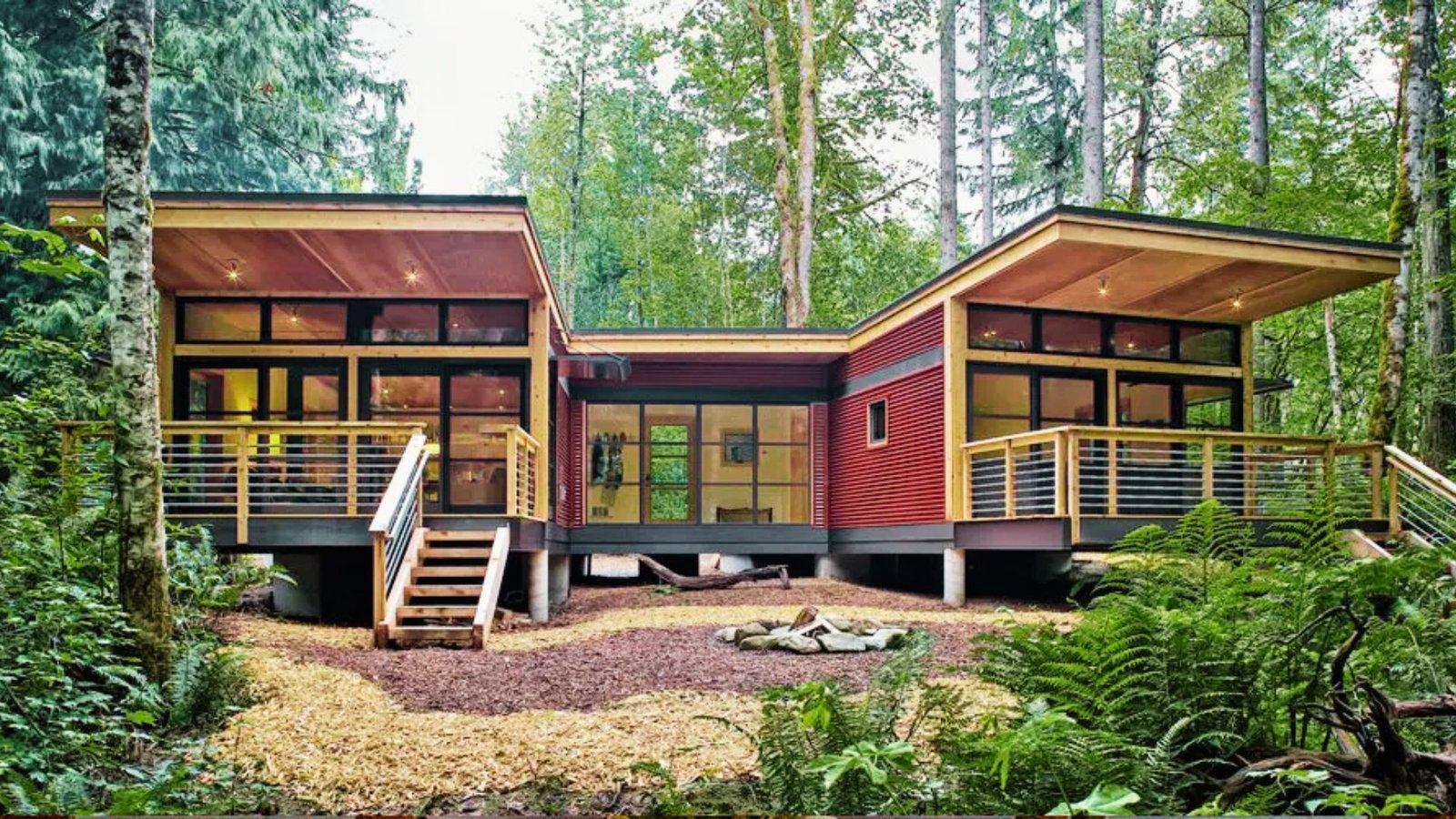
The USA has a strong and growing prefab home market. Brands like LivingHomes, Method Homes, and Dvele are leading the way.
These homes use solar panels, recycled materials, and high-grade insulation. Many meet or exceed energy efficiency standards.
Prices vary by size and location, but they are often cheaper than traditional builds.
Sustainable Prefab Homes Australia Trends
Australia is seeing a rise in prefab home interest. Buyers want homes that handle heat well and use less power.
Many builders now focus on passive cooling, solar energy, and water-saving systems. The trend is moving toward smaller, smarter homes that work with the climate, not against it.
Sustainable Prefab Homes Perth Market Overview
Perth has a hot, dry climate. This makes energy efficiency a top priority.
Local prefab builders in Perth focus on solar-ready designs, good ventilation, and materials that hold up in heat. Demand has increased as buyers look for faster, greener building options.
Sustainable Prefab Homes Durango Options
Durango, Colorado sits at high altitude with cold winters and warm summers. Prefab homes here are built to handle both.
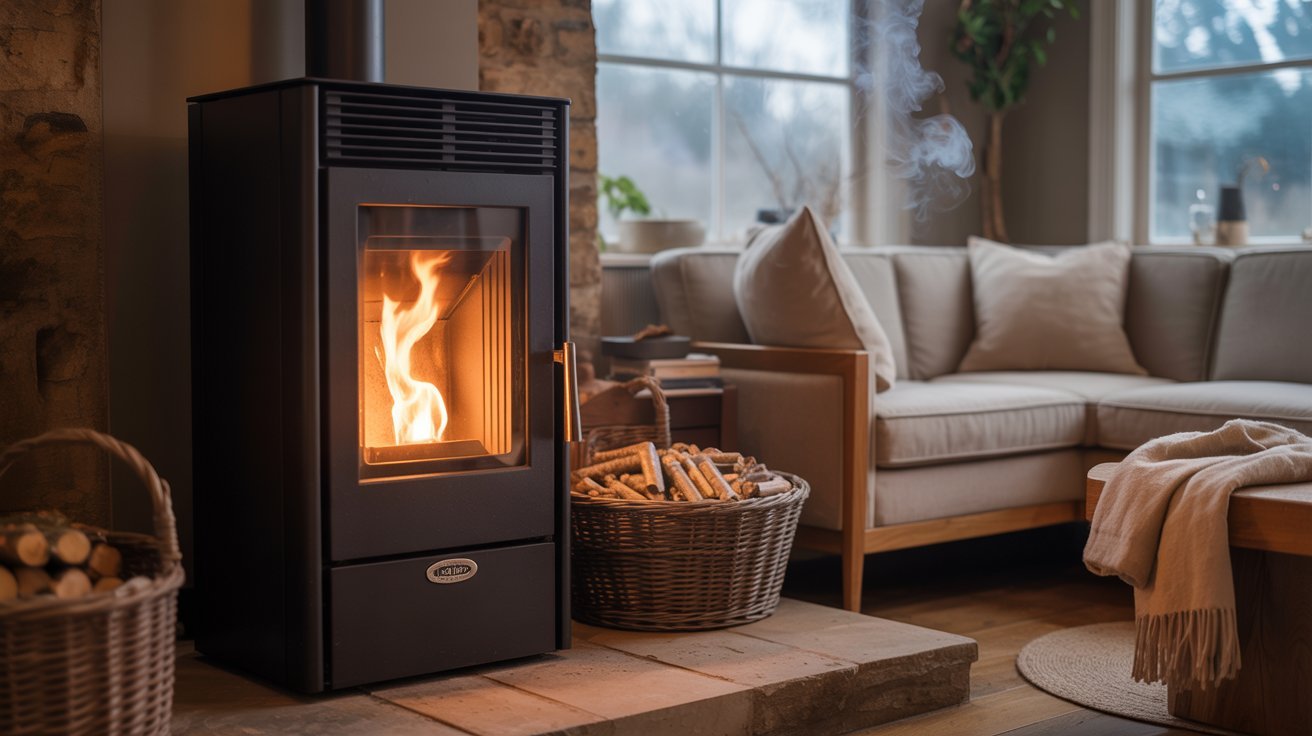
Builders focus on strong insulation, airtight construction, and energy-efficient heating. It is a growing market for eco-conscious buyers who want mountain living without high energy costs.
Affordable Sustainable Prefab Homes for Different Budgets
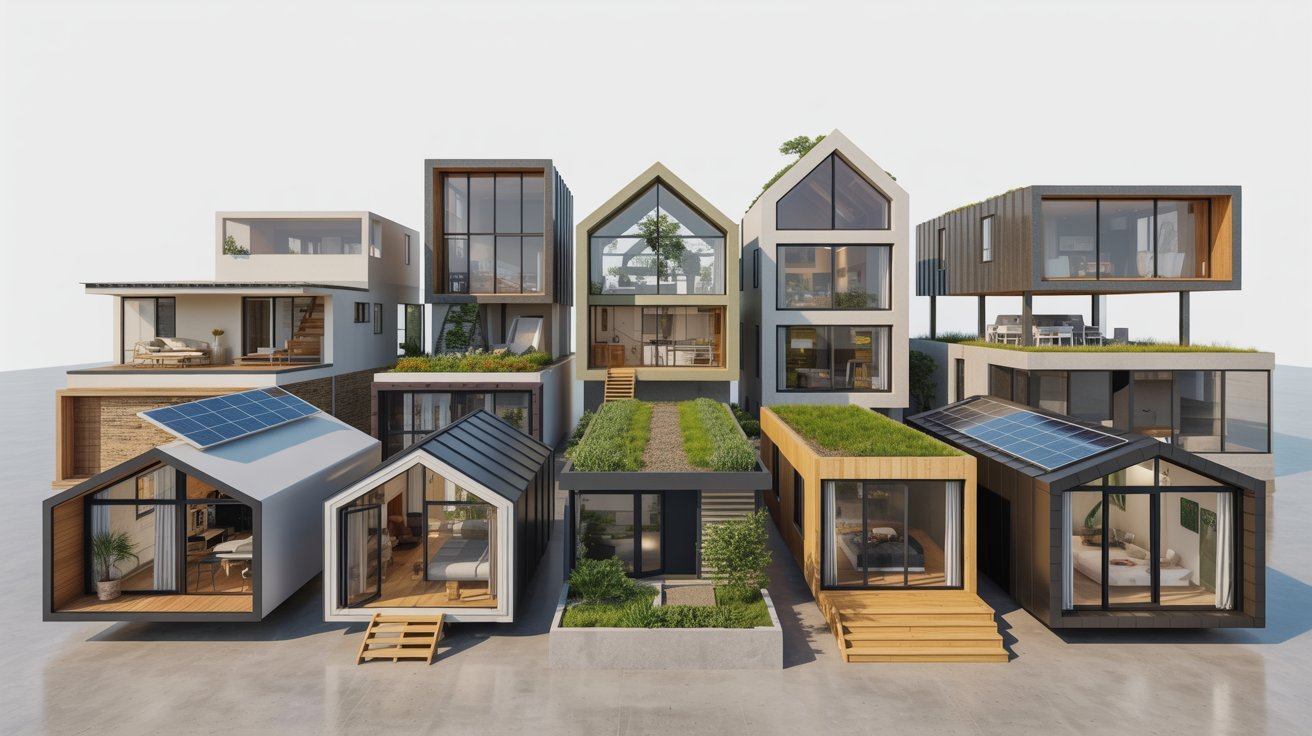
Sustainable prefab homes come in a range of sizes and prices, making eco-friendly living possible for most budgets.
Small Modular Homes
Small modular homes are a great starting point. They are compact, energy-efficient, and cost less to build and maintain.
Many start at around $50,000 to $100,000. They work well for singles, couples, or anyone looking to downsize without giving up comfort.
Family-Sized Prefab Homes
Larger prefab homes are built to fit a growing family. They come with multiple bedrooms, open living areas, and strong insulation.
Prices typically range from $150,000 to $300,000 depending on size and materials. Many models include solar panels and energy-saving systems as standard.
Luxury Sustainable Prefab Homes
Luxury prefab homes offer high-end finishes with a focus on sustainability. Think triple-glazed windows, green roofs, and smart energy systems.
These homes can cost $400,000 or more, but they offer long-term savings on energy and upkeep.
Cost Factors to Consider
Price is not just about the home itself. You also need to account for, Land and site preparation, Delivery and installation, Permits and local fees, Utility connections.
Knowing these costs upfront helps you plan better and avoid surprises later.
Sustainable Materials Used in Prefab Construction
The materials used in sustainable prefab homes make a big difference for the environment and your energy bills.
- Recycled and Reclaimed Materials: Many prefab builders use recycled steel, reclaimed wood, and repurposed materials. These are given a second life instead of ending up in a landfill. It also cuts down on the energy needed to produce new raw materials.
- Sustainably Sourced Timber: Wood is common in prefab construction, but not all wood is equal. Sustainably sourced timber comes from responsibly managed forests where trees are replanted after harvesting. Look for FSC (Forest Stewardship Council) certification when checking a builder’s materials.
- Energy-Efficient Insulation: Good insulation keeps your home warm in winter and cool in summer. Sustainable prefab homes often use insulation made from sheep’s wool, recycled denim, or cork. These options are natural, non-toxic, and help lower your energy costs every day.
- Bamboo: Bamboo grows much faster than traditional timber, making it a highly renewable option. It is strong, lightweight, and works well for flooring, framing, and wall panels in prefab builds.
- Low-VOC Paints and Finishes: Standard paints release harmful chemicals into the air over time. Low-VOC (volatile organic compound) paints and finishes used in sustainable prefab homes keep indoor air cleaner and safer for your family.
Factors to Consider Before Buying a Sustainable Prefab Home
Buying a sustainable prefab home is a big decision. Knowing what to check beforehand saves you time, money, and stress.
Local Building Regulations
Every area has its own building rules. Some regions have strict codes for prefab homes. Before you commit, check with your local council or planning department.
Make sure your chosen home design meets local standards. Skipping this step can cause costly delays later.
Climate and Site Conditions
Where you live matters. A home built for a warm climate may not perform well in a cold one.
Check your site’s soil, slope, and sun exposure. These factors affect how your home sits, drains, and uses energy day to day.
Energy Goals and Lifestyle Needs
Think about how you want to live. Do you want solar panels? Low energy bills? A smaller carbon footprint?
Be clear about your goals before choosing a design. This helps you pick a home that actually fits your daily life.
Builder Reputation and Certifications
Not all prefab builders are equal. Look for builders with strong reviews and verified certifications like LEED or Passive House.
Certifications show that the home meets real energy and sustainability standards. Always ask for proof before signing anything.
Conclusion
When I first looked into sustainable prefab homes, I was skeptical. But the more I learned, the more it made sense.
Lower costs, less waste, and real energy savings. That’s hard to argue with.
If you are thinking about a greener way to live, this is worth looking into seriously.
Found this helpful? Share it with someone planning to build or buy a home. And if you have questions, drop them in the comments. I read every single one.
Frequently Asked Questions
Are sustainable prefab homes cheaper than traditional homes?
In many cases, yes. Factory-built construction reduces labor costs, shortens build time, and creates less material waste, which helps lower overall expenses.
How long do sustainable prefab homes last?
A well-built prefab home can last just as long as a traditional house. Strong materials and modern construction methods help these homes handle different weather conditions over time.
Can sustainable prefab homes run on solar power only?
Yes, many prefab homes are designed for solar panel systems and battery storage. Some homeowners even choose off-grid setups for lower energy dependence.
Are sustainable prefab homes good for cold climates?
Yes. Many prefab homes use high-quality insulation and airtight construction to keep indoor temperatures stable during winter and summer months.
What should I check before buying a sustainable prefab home?
Look at local building rules, site conditions, builder certifications, and energy-saving features. These factors affect long-term performance and overall costs.