Geothermal heat pumps can lower energy bills, reduce emissions, and provide reliable heating and cooling for decades. Still, many homeowners are unsure about the upfront cost, installation process, and whether the system is truly worth it for their home.
This guide breaks everything down in simple terms. You’ll learn how geothermal heat pumps work, the different system types, installation costs, long-term savings, maintenance needs, and available tax credits.
I’ve researched the real advantages and drawbacks to help you avoid confusion and make a practical, informed decision before investing in a geothermal system.
Understanding Geothermal Heat Pump Systems
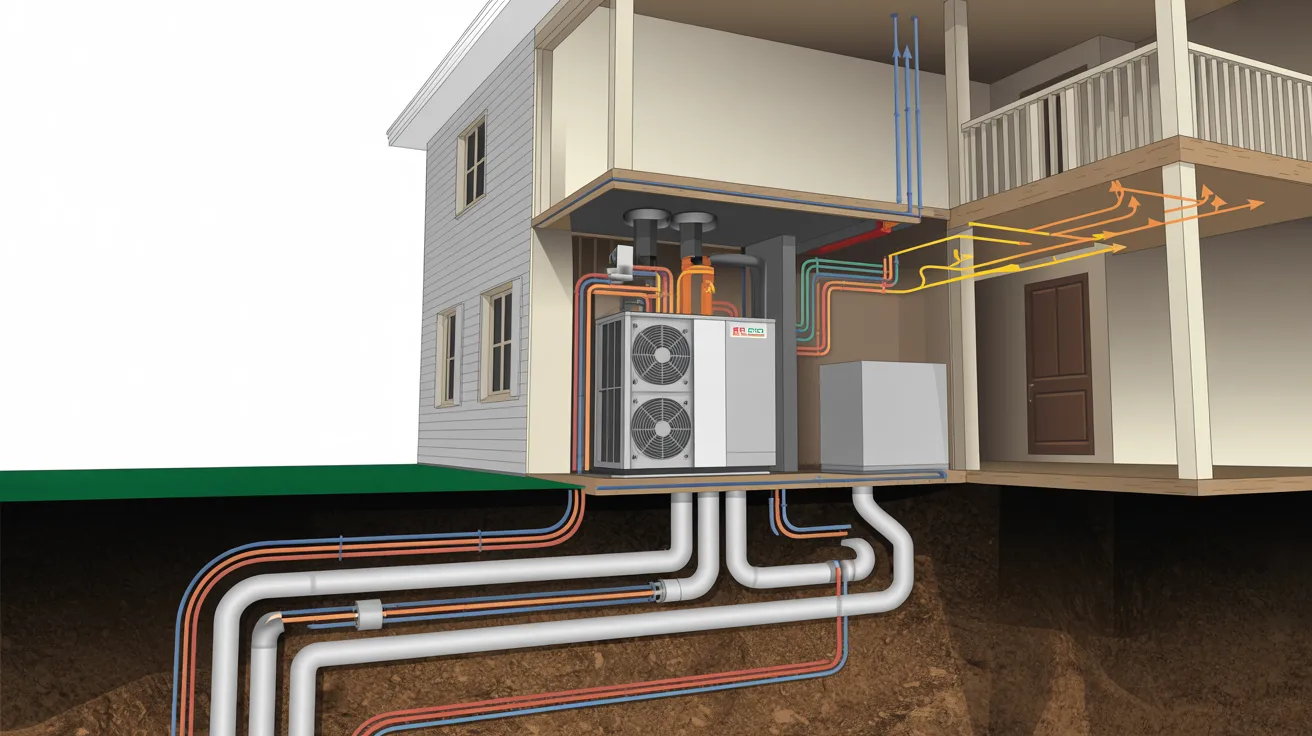
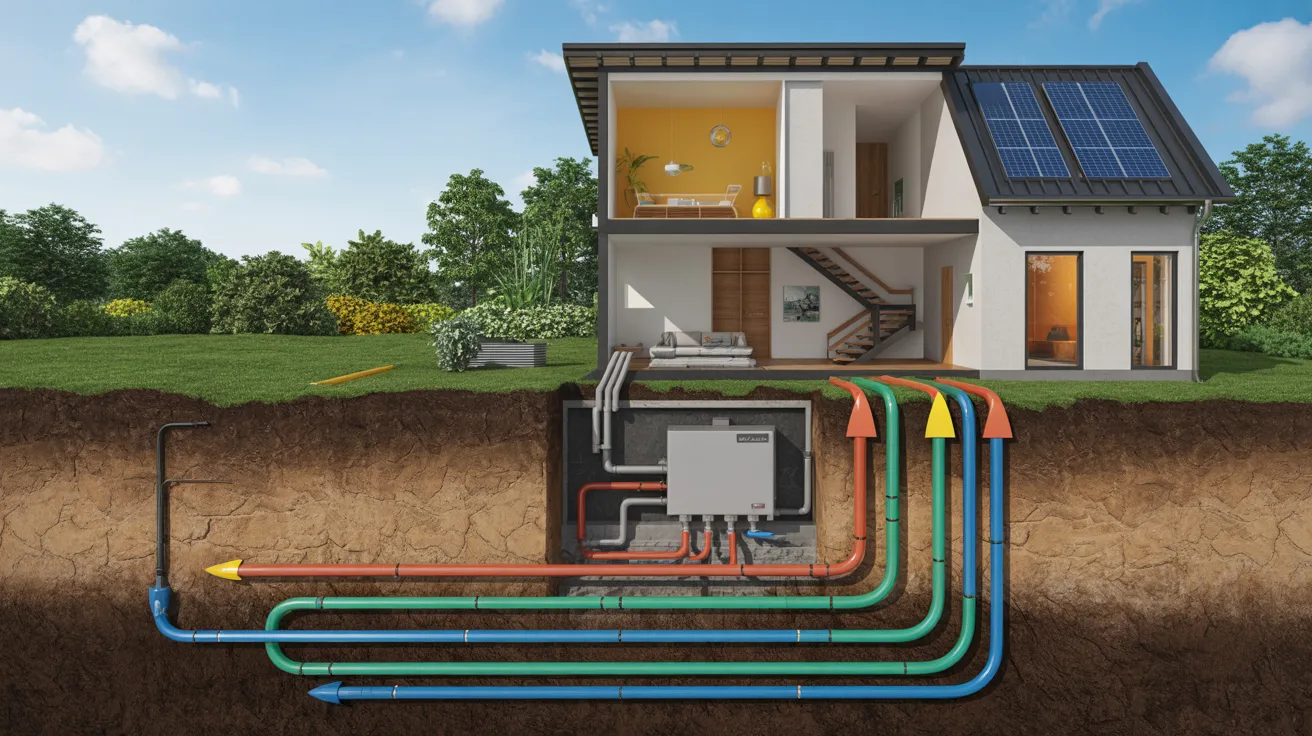
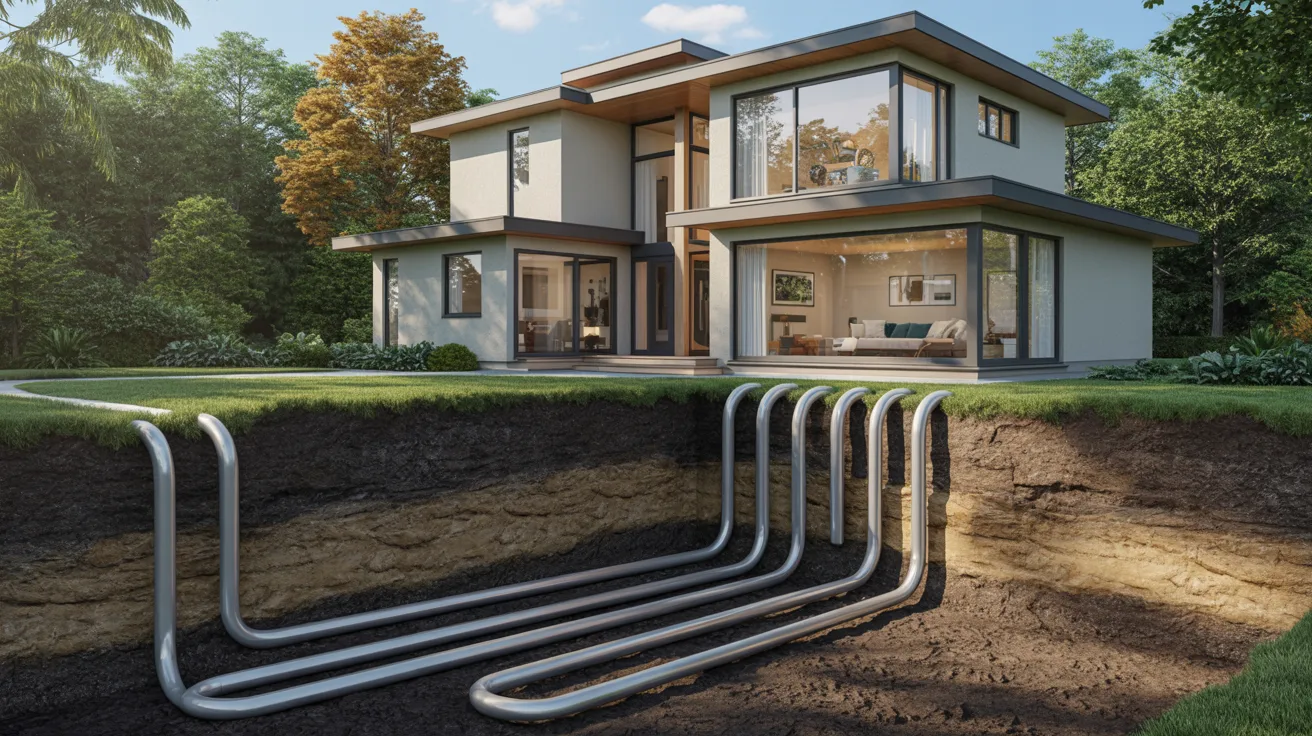
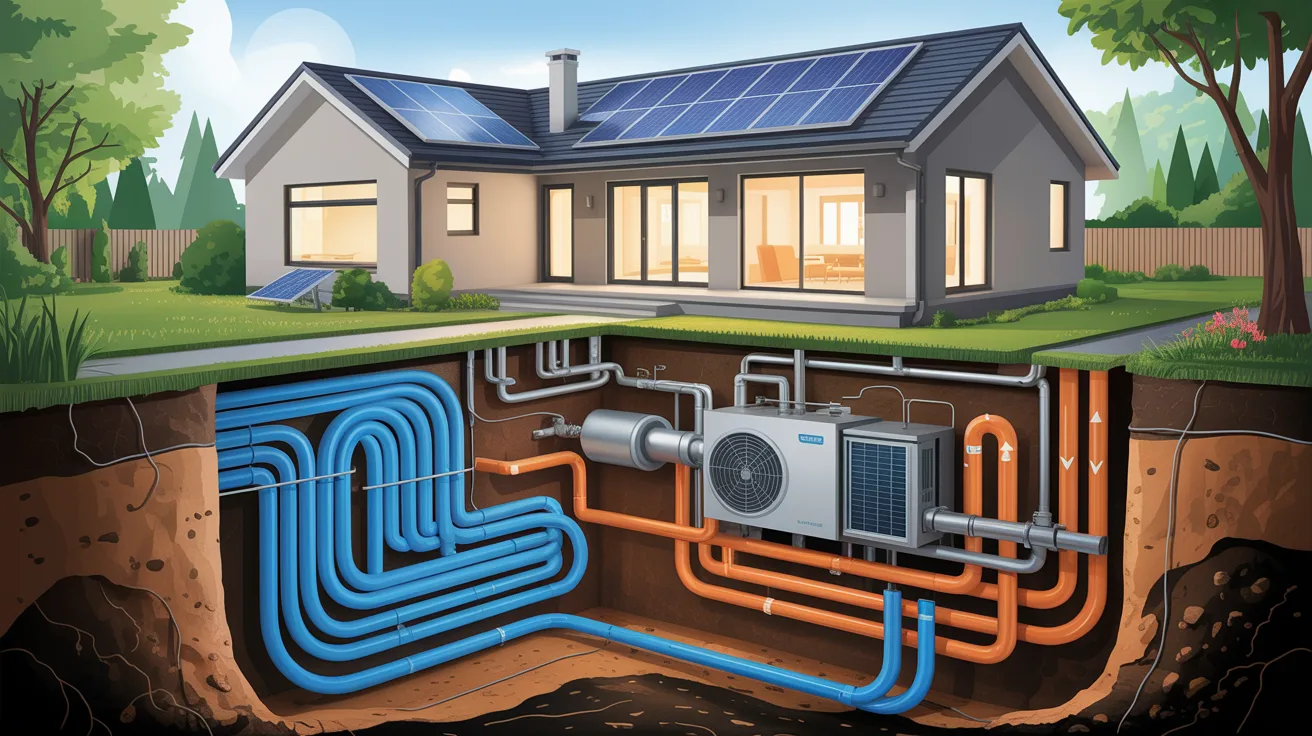
A geothermal system has three main parts: the ground loop, the heat pump unit, and the air delivery system. The ground loop carries fluid through buried pipes to move heat to or from the earth.
The heat pump transfers that heat, and the air delivery system spreads it through your home.
In winter, the fluid absorbs heat from the ground and brings it inside. In summer, the process reverses and heat is pushed back into the earth. The ground stays at a steady temperature all year, making this exchange reliable in any season.
Traditional HVAC systems rely on outdoor air, which makes them struggle in extreme weather. Geothermal systems connect to the stable ground instead and move existing heat rather than creating it.
This takes far less energy and results in lower bills and less wear on equipment over time.
Major Advantages of Geothermal Heat Pumps
Geothermal heat pumps have grown in popularity because they cut energy costs while keeping your home comfortable in every season. The upfront cost is higher, but the long-term savings make it worthwhile for many homeowners.
High Energy Efficiency and Lower Energy Bills
Traditional furnaces burn fuel to create heat. Geothermal systems simply move heat from the ground into your home, which takes far less energy. Most homeowners see a noticeable drop in heating and cooling bills after installation.
Exact savings depend on your climate, insulation, and local utility rates, but geothermal consistently ranks among the most efficient HVAC options available.
Long Lifespan and Low Maintenance Costs
The underground loop can last 50 years or more because it stays protected below the surface. The indoor heat pump unit also tends to outlast standard furnaces and AC units.
With fewer exposed parts and less mechanical stress, maintenance is simpler and less frequent over time.
Reliable Heating and Cooling in All Climates
Traditional heat pumps struggle when outdoor temperatures drop sharply. Geothermal systems do not have that problem.
A few feet underground, temperatures stay stable throughout the year. That consistency keeps performance steady whether it is freezing outside or the middle of a hot summer.
Quiet and Space-Saving Operation
There is no outdoor condenser unit sitting beside your home making noise. The heat pump unit stays indoors, and the ground loop is buried out of sight.
The system runs quietly, which many homeowners appreciate, especially in bedrooms or living areas close to HVAC equipment.
Improved Indoor Air Quality and Home Safety
Because geothermal systems do not burn fuel, there is no risk of carbon monoxide leaks or combustion-related hazards inside your home.
The air stays cleaner, and you do not have to worry about gas lines or fuel storage. For families with young children or allergy concerns, this is a real practical benefit.
Reduced Carbon Emissions and Environmental Benefits
Geothermal systems use a small amount of electricity but produce no direct emissions at your home.
Over time, this reduces your household carbon footprint considerably compared to gas or oil-based heating.
As the electrical grid continues to add more renewable sources, the overall impact of running a geothermal system gets cleaner too.
Increased Property Value and Long-Term Savings
Homes with geothermal systems tend to sell at higher prices because buyers recognize the lower operating costs.
The system adds value not just financially but also in terms of comfort and energy independence.
Over the full lifespan of the system, total savings often exceed the initial installation cost by a wide margin.
Financial Benefits of Geothermal Heat Pumps

Geothermal systems cost more to install than traditional HVAC, but the financial picture changes significantly over time. Lower monthly bills, tax credits, and long-term savings add up in ways that make the investment practical for many homeowners.
Lower Monthly Heating and Cooling Costs
Once a geothermal system is running, monthly energy costs drop noticeably. Because the system moves heat rather than generates it, it uses less electricity to do the same job.
Many homeowners report savings of 30 to 60 percent on heating and cooling bills compared to conventional systems.
Reduced Dependence on Fossil Fuels
Geothermal systems do not rely on natural gas, propane, or heating oil. This matters when fuel prices rise unexpectedly.
Your heating and cooling costs become more predictable because they are tied to electricity rates rather than volatile fuel markets.
Federal Tax Credits and Local Incentives
The federal government currently offers a tax credit for geothermal heat pump installations. Many states and utility companies also offer rebates or additional incentives.
These programs can significantly reduce your out-of-pocket installation costs. It is worth checking current federal and local programs before making a decision.
Understanding Return on Investment
Payback periods for geothermal systems typically range from 5 to 10 years depending on system size, local energy costs, and available incentives.
After that point, the savings are essentially pure return. Given that the system can last 25 years or more, most homeowners come out well ahead financially over the full lifespan.
Disadvantages of Geothermal Heat Pumps
Geothermal systems offer real benefits, but they are not the right fit for every home or budget. Before moving forward, it helps to understand the limitations honestly.
Higher Upfront Installation Costs
The biggest drawback is the initial price. Installing a geothermal system costs significantly more than replacing a conventional furnace or air conditioner.
A large part of that cost comes from drilling or digging for the ground loop. Total installation costs vary based on property type, system design, and local labor rates.
Property and Land Requirements
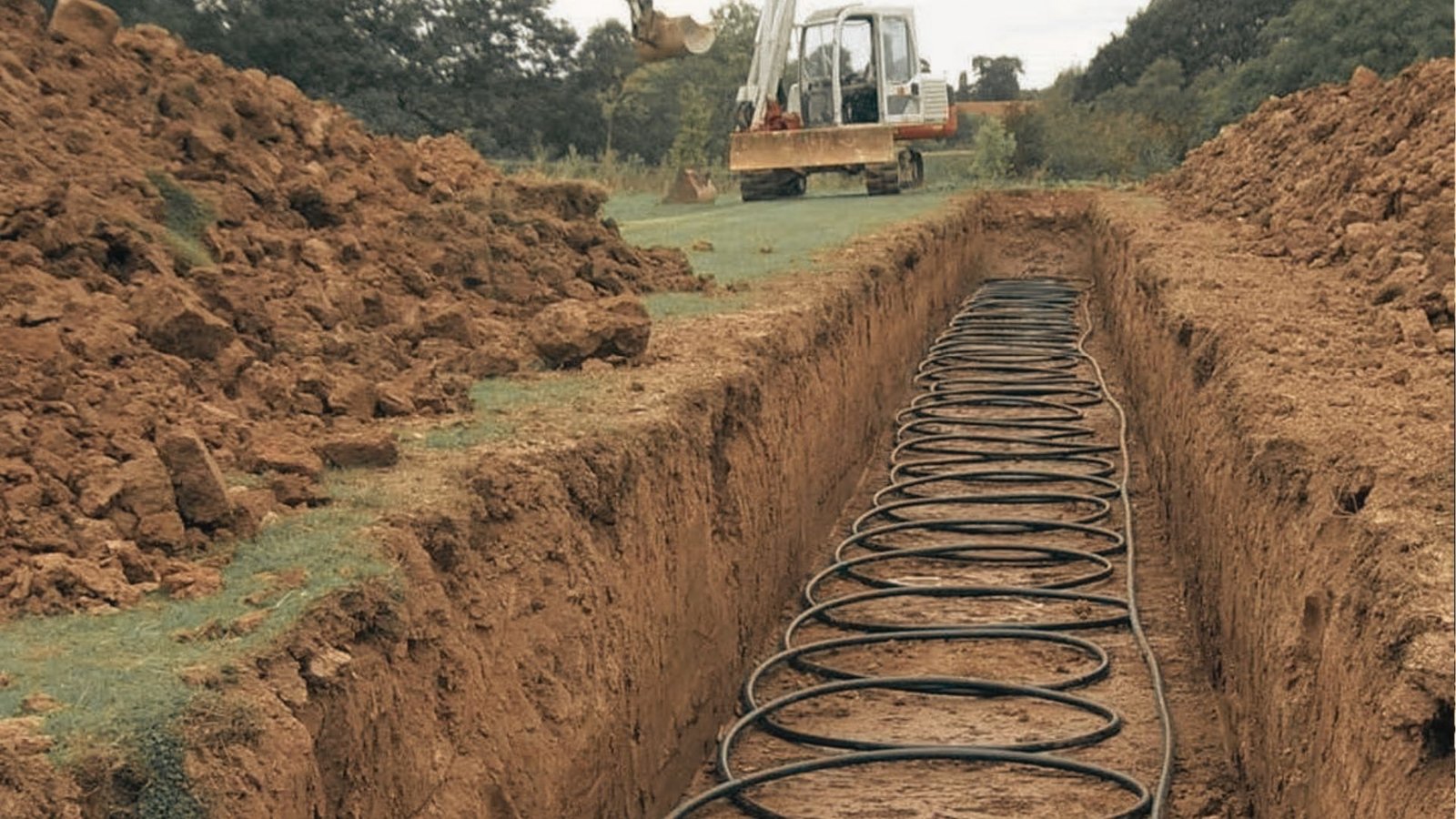
Not every property works well for geothermal. Horizontal loop systems need enough open land for trenching. Vertical systems require deep drilling access.
Smaller properties are not automatically disqualified, but the installation approach may become more complex and expensive depending on the site.
Dependence on Electricity for Operation
Geothermal systems still need electricity to run the heat pump and circulating pumps. If your local electricity rates are very high, or if you experience frequent power outages, this is worth factoring into your decision.
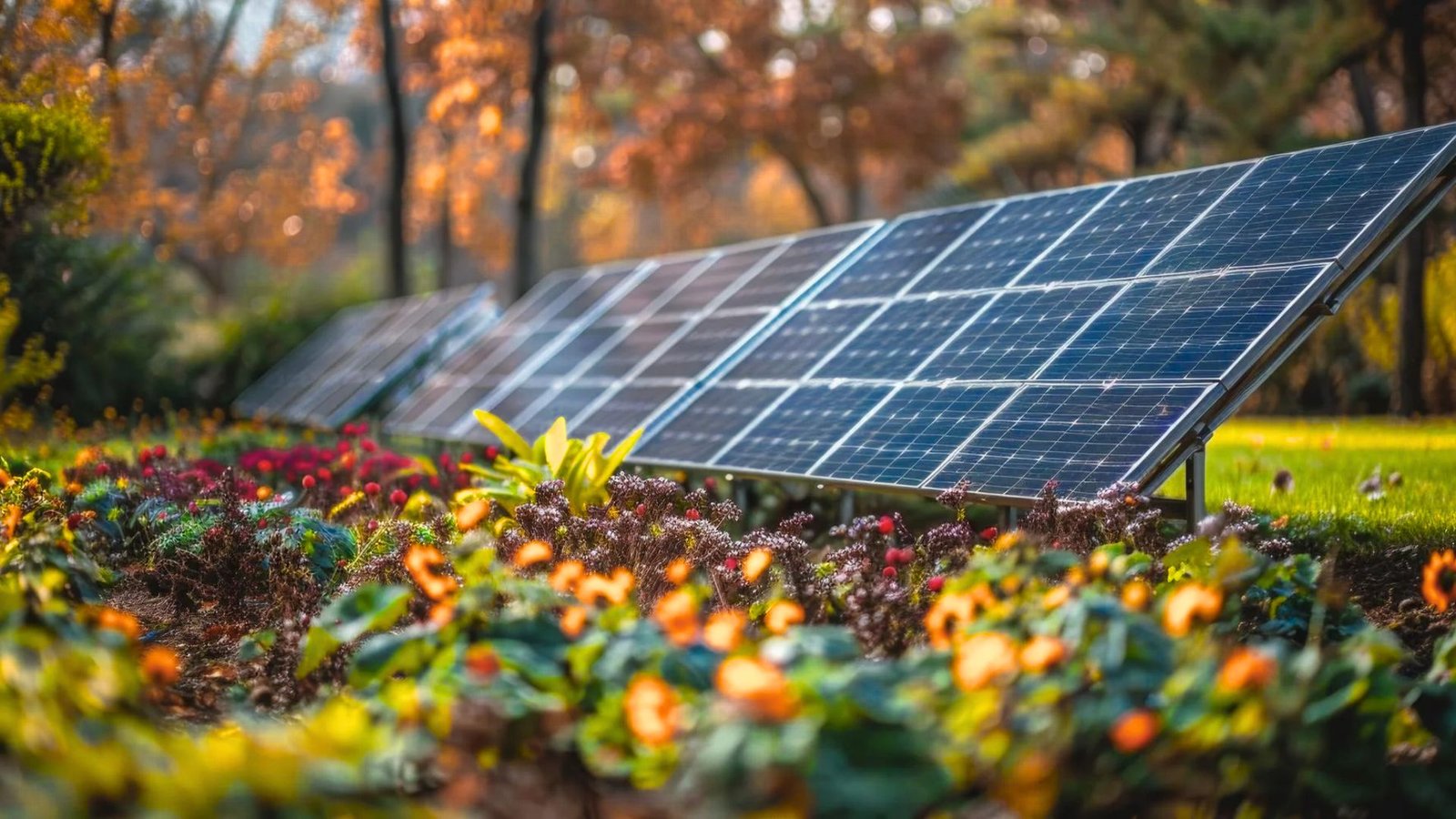
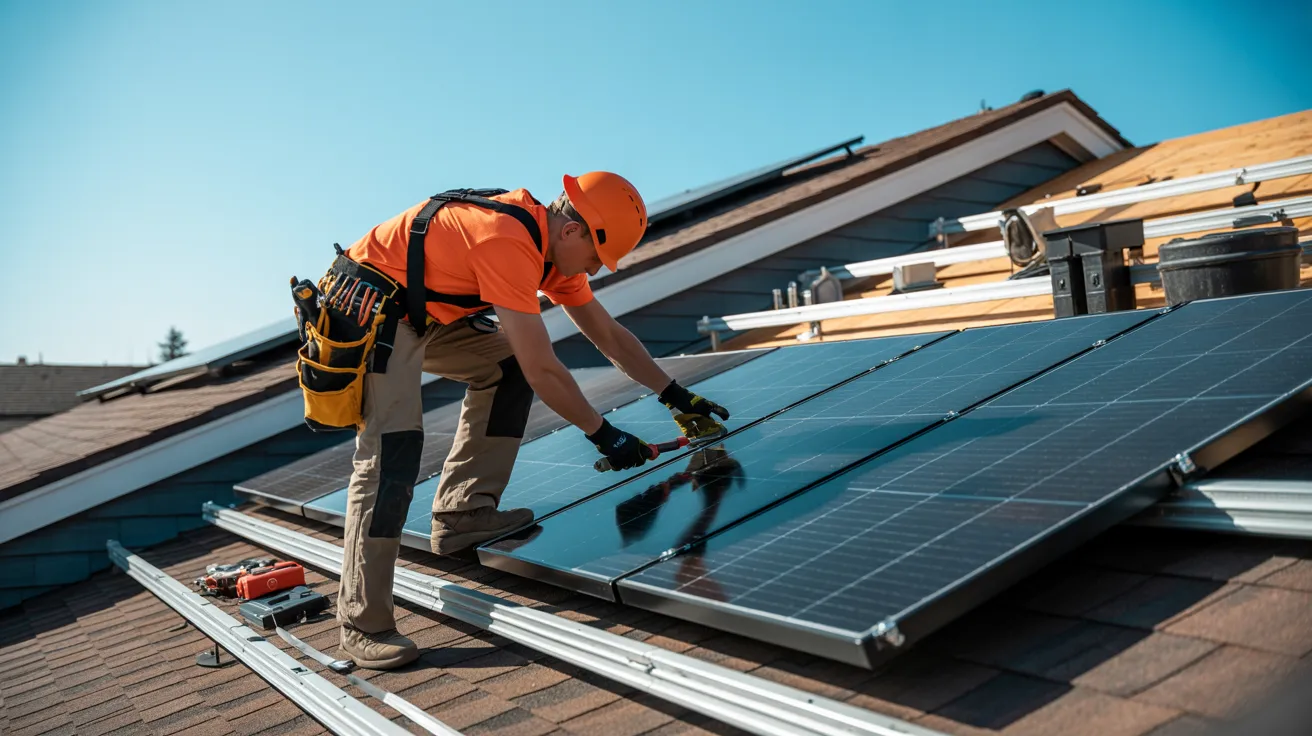
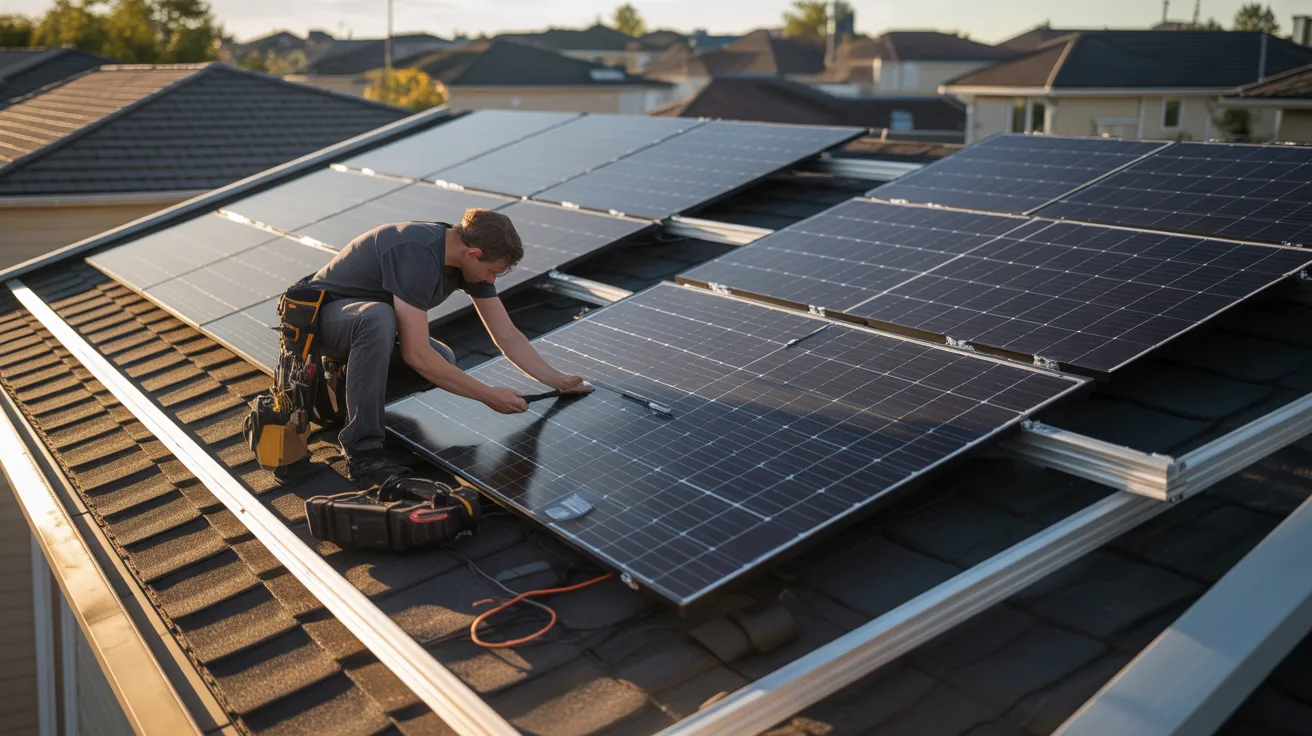
Pairing the system with solar panels can help offset this dependency.
Installation Complexity and Skilled Labor Needs
This is not standard HVAC work. A poorly designed or improperly installed system will underperform and cost more to operate.
Choosing an experienced installer with geothermal-specific training is critical. Always ask about certifications, previous installations, and references before signing a contract.
Temporary Landscaping and Drilling Disruptions
Installing the ground loop involves digging or drilling on your property. This can disrupt your yard, driveway, or landscaping during the installation process.
Most properties recover well after the work is complete, but the short-term disruption is something to plan for ahead of time.
Types of Geothermal Heat Pump Systems
There is no single geothermal setup that works for every home. The right system depends on your property size, soil conditions, and local geography. Here is a quick look at the main options.
Horizontal Loop Systems
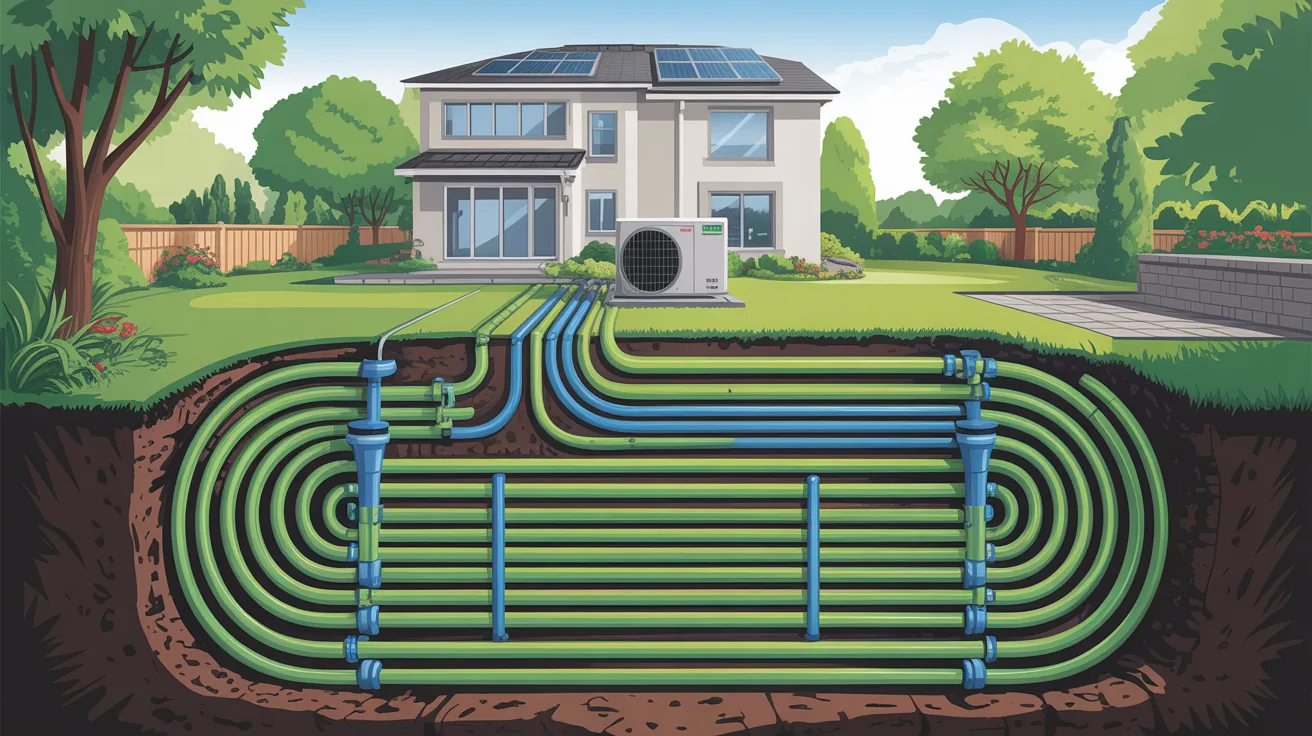
These systems use pipes laid in long trenches dug a few feet below the surface. They work well on larger properties with enough open land.
The installation cost is generally lower than vertical systems because drilling deep is not required.
Vertical Loop Systems
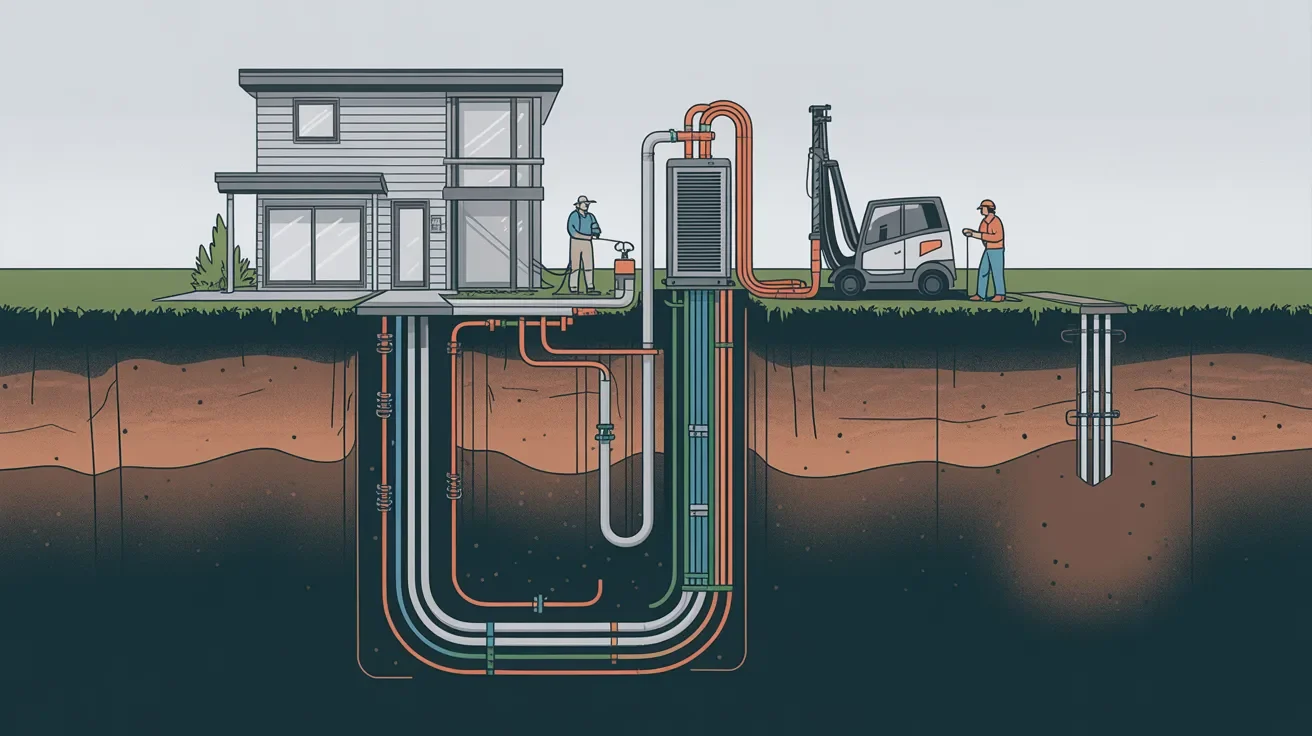
When land space is limited, vertical loops are drilled straight down rather than laid out horizontally. This approach works for smaller properties and urban settings.
The drilling process costs more, but the surface footprint is much smaller.
Pond and Lake Loop Systems
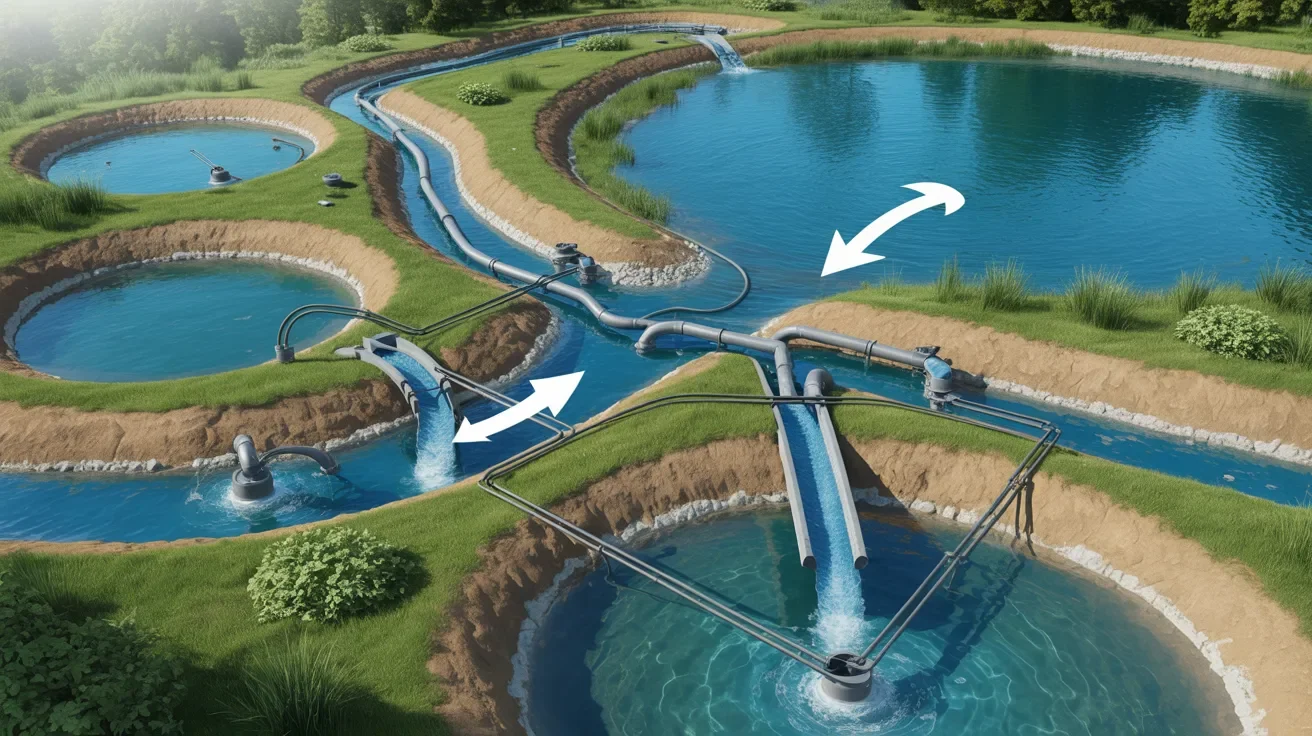
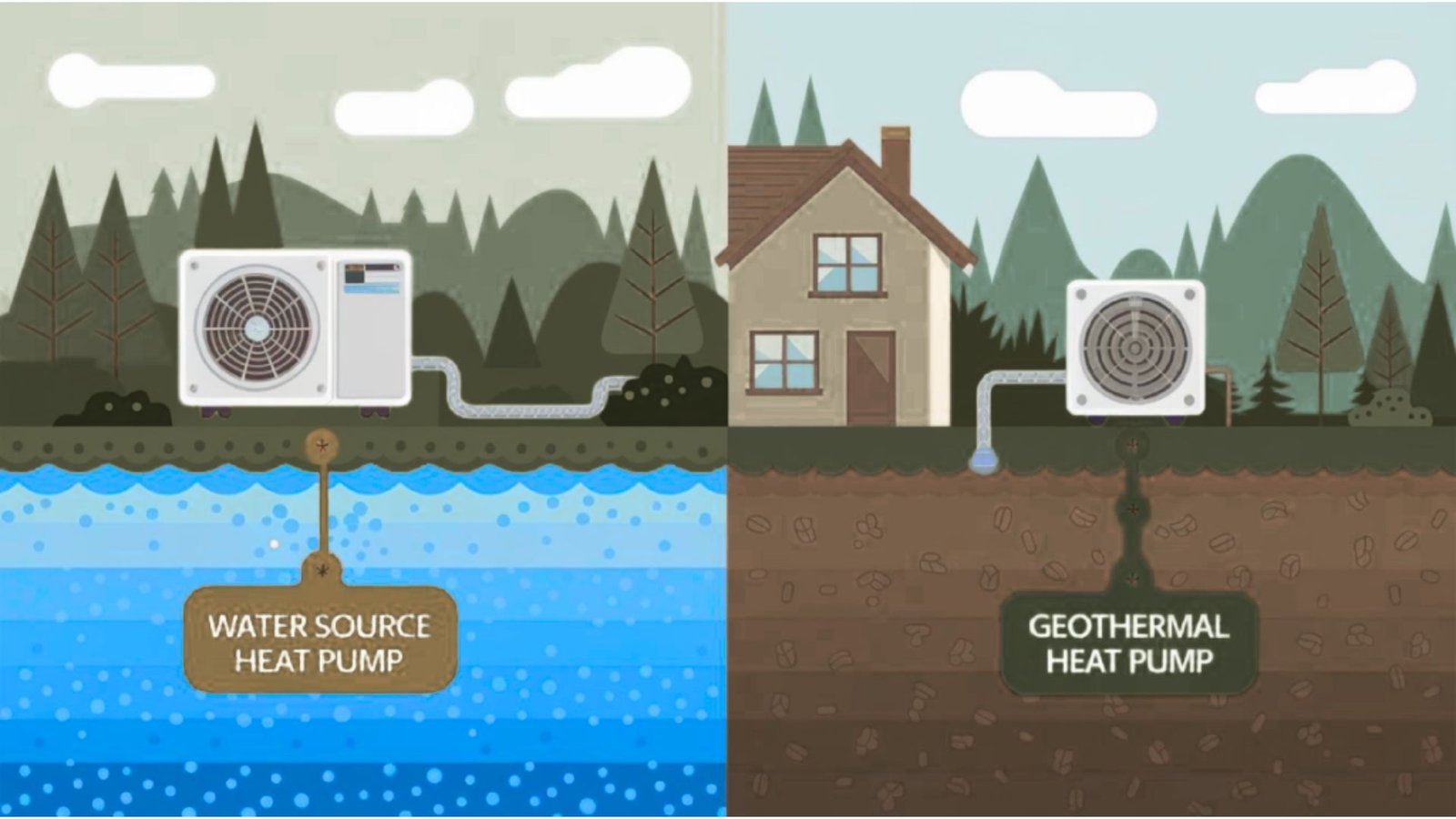
If your property sits near a body of water, a pond or lake loop can be a cost-effective option. The pipes are submerged in the water rather than buried in the ground.
Water conducts heat well, which makes this system efficient when the conditions are right.
Open-Loop Systems
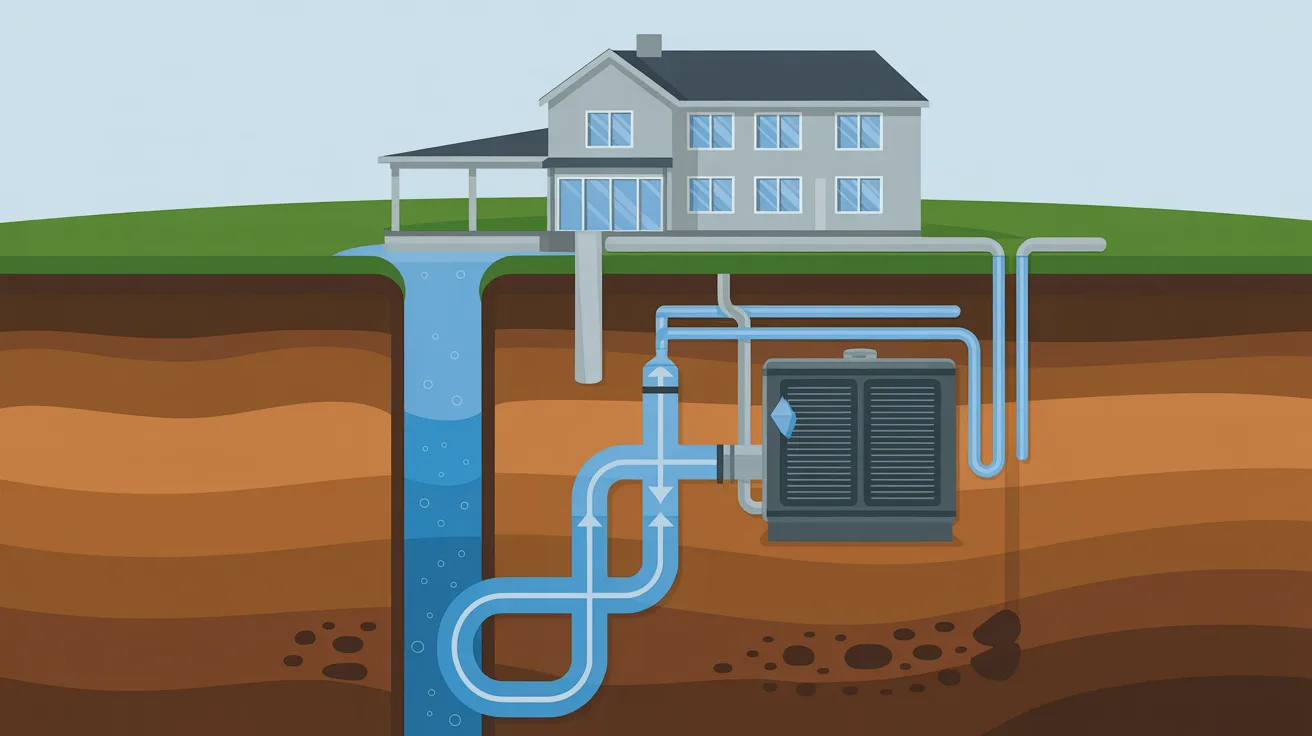
Open-loop systems use groundwater directly as the heat exchange fluid. Water is drawn from a well, passes through the system, and is then discharged back into the ground or a nearby water source.
These systems work well where groundwater is plentiful and clean, but local regulations and water quality need to be checked first.
Geothermal Heat Pumps vs Traditional HVAC Systems
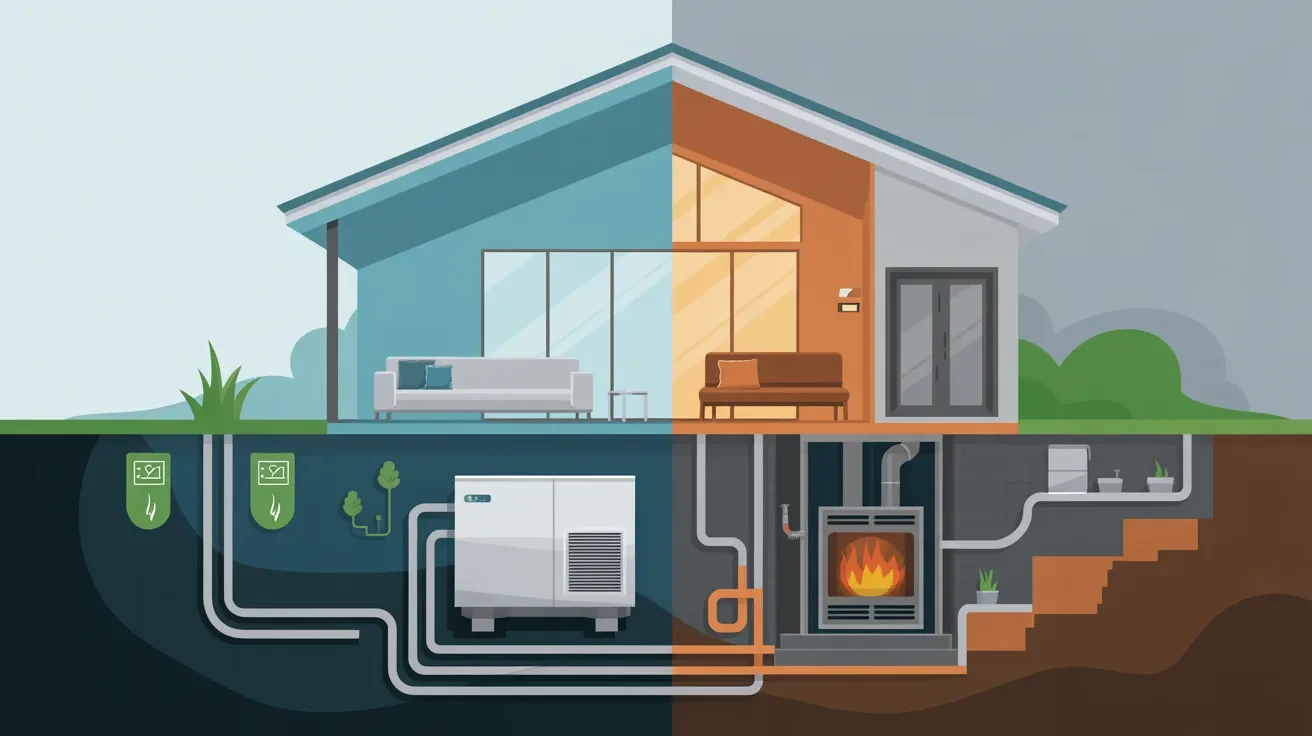
Both systems heat and cool your home, but they work in very different ways. Understanding those differences helps you make a more informed decision.
Geothermal vs Furnaces and Boilers
Furnaces and boilers generate heat by burning fuel like natural gas, propane, or oil. Geothermal systems transfer heat instead of creating it.
That difference is why geothermal uses far less energy for the same result. Operating costs are typically lower over time, even though the upfront investment is higher.
Geothermal vs Air-Source Heat Pumps
Air-source heat pumps pull heat from outdoor air. They work well in mild climates but lose efficiency when temperatures drop sharply.
Geothermal systems pull heat from the ground, where temperatures stay stable regardless of weather.
This makes geothermal more consistent and reliable in regions with cold winters or extreme summers.
Differences in Cost, Efficiency, and Maintenance
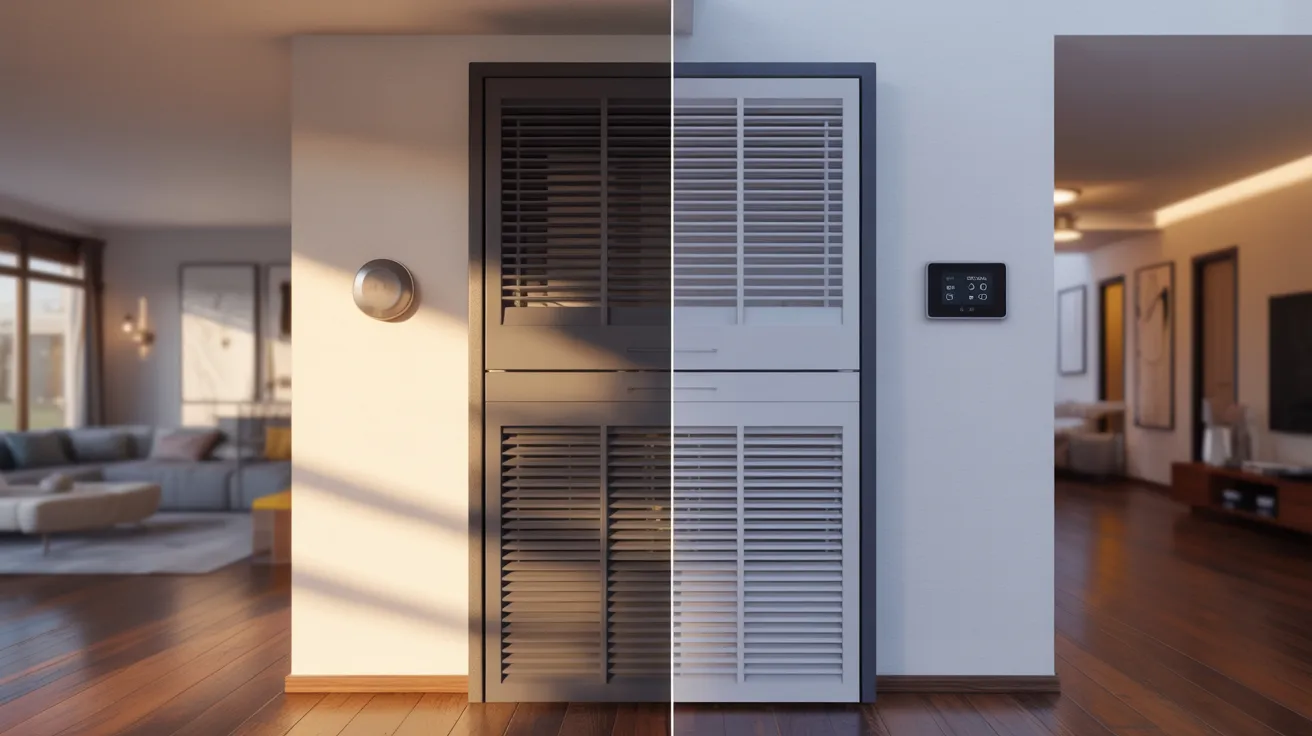
Geothermal systems cost more to install but less to operate and maintain over time. Air-source and fuel-based systems are cheaper upfront but come with higher ongoing costs and more frequent repairs.
Over a 10 to 20 year period, geothermal often ends up being the more cost-effective choice when all factors are added up.
Is a Geothermal Heat Pump Right for Your Home?
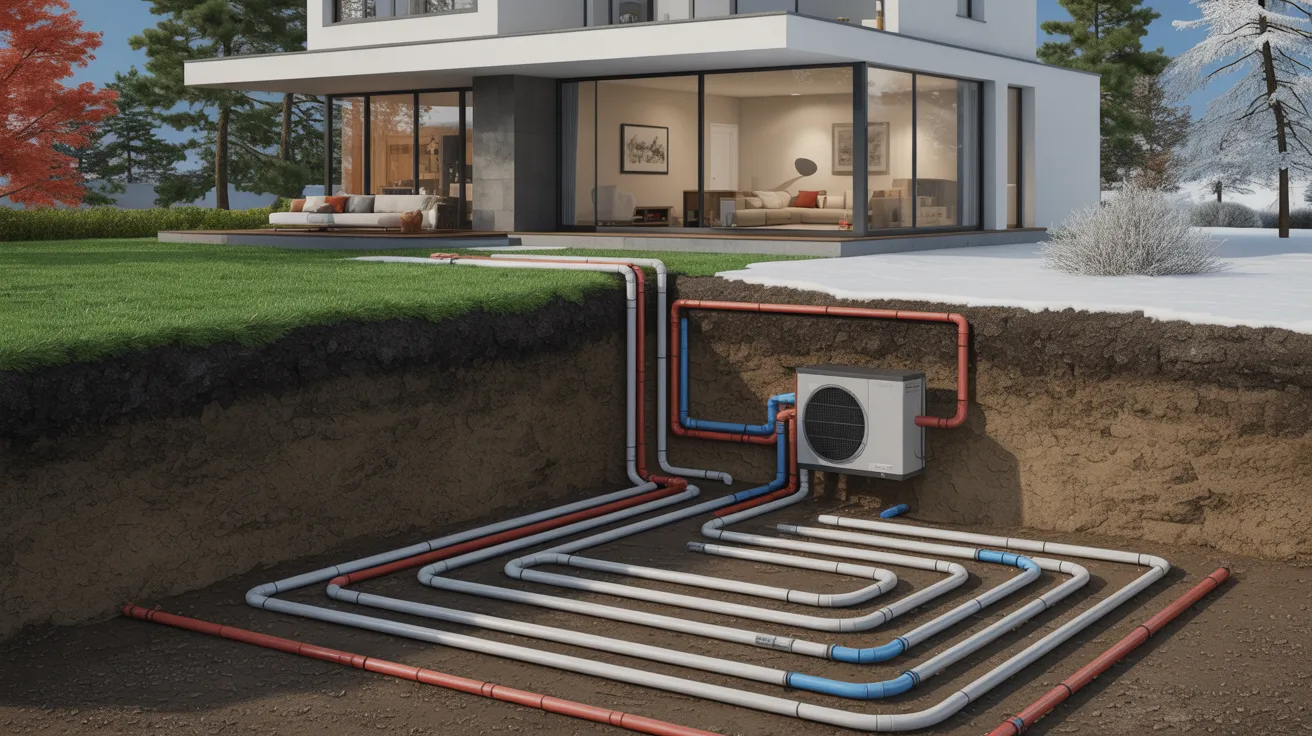
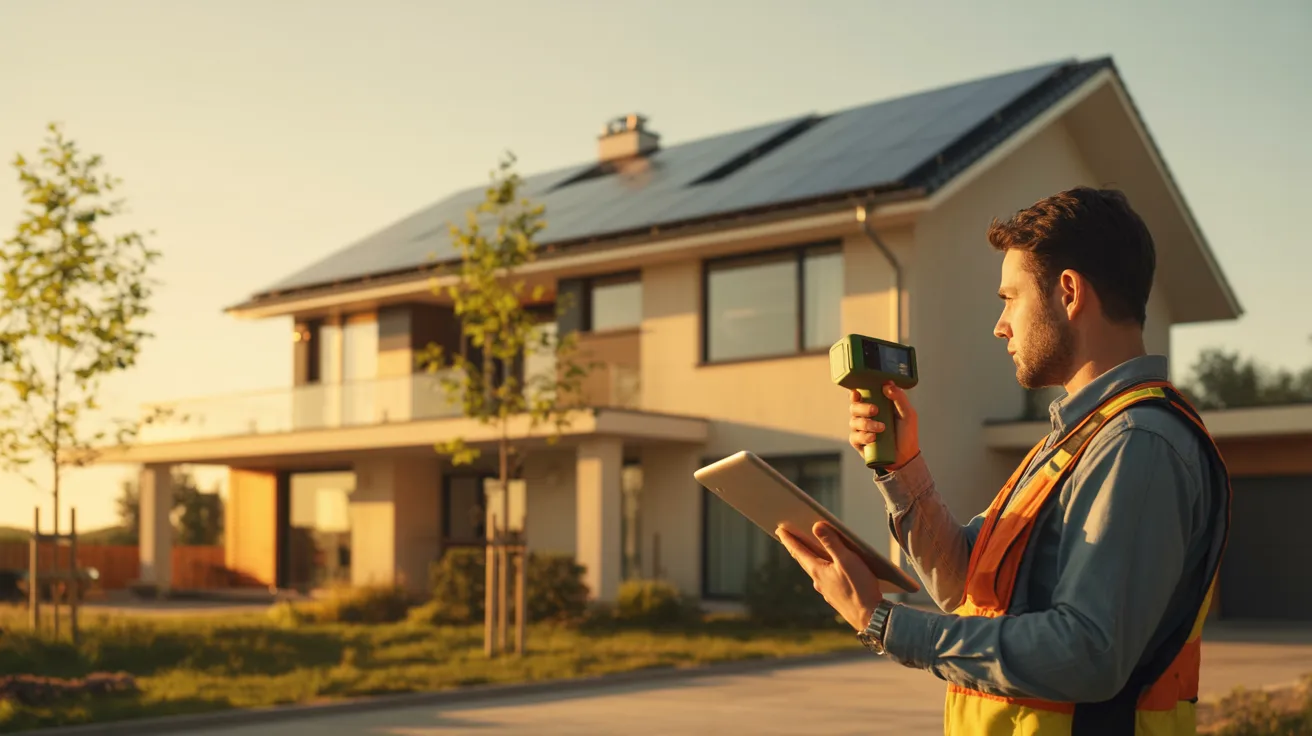
Geothermal works best in homes with enough land for loop installation and a need for both heating and cooling. New construction is often the ideal scenario since the ground loop can be installed before landscaping is done.
Before committing, think about your property size, soil type, local energy costs, and how long you plan to stay. If your heating and cooling bills are high and you have the land for it, the numbers usually work in your favor.
When talking to a contractor, ask how many geothermal systems they have installed and what loop type they recommend for your property.
Ask for references, a written estimate, and a realistic payback timeline. A good contractor will give you straight answers without overpromising.
Tips for Getting the Most from a Geothermal System
A geothermal system is a long-term investment. Getting the most out of it starts with good decisions before and during installation.
- System sizing matters more than most homeowners realize. An oversized or undersized system will not perform efficiently, so always start with a proper load calculation.
- A load calculation should account for your home’s square footage, insulation levels, window placement, and local climate before any installation begins.
- Geothermal installation is specialized work, so look for contractors with geothermal certifications and a track record of completed projects in your area.
- Spending more time on the installer selection upfront can save a lot of headaches later, since not every HVAC contractor has the training to do this well.
- Geothermal systems are relatively low maintenance but not zero maintenance. Change air filters regularly, schedule heat pump inspections every few years, and check loop fluid levels periodically.
The Future of Geothermal Heating and Cooling
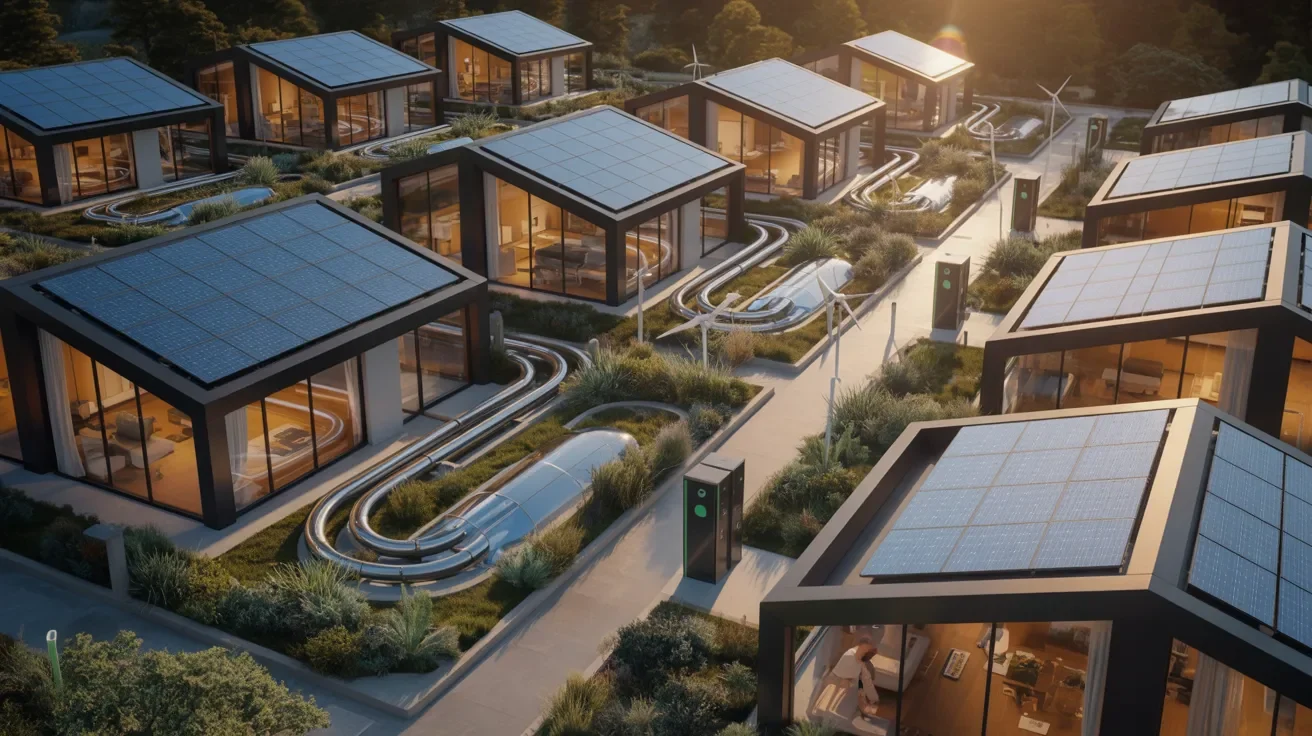
Interest in geothermal technology has been growing steadily, and the industry is moving in some promising directions.
Rising Demand for Renewable HVAC Solutions
As energy costs rise and environmental awareness grows, more homeowners and builders are looking for alternatives to fossil fuel-based heating.
Geothermal is well positioned to meet that demand because it is reliable, efficient, and produces no direct emissions.
Combining Geothermal with Solar Energy
Pairing a geothermal system with rooftop solar is becoming more common. Solar panels can offset the electricity the heat pump needs to operate, pushing the system closer to net-zero energy use.
For homeowners focused on energy independence, this combination makes a lot of sense.
Advancements in Geothermal Technology
Drilling technology is getting more efficient, which is helping to bring installation costs down. Newer heat pump designs are also more compact and easier to integrate into existing homes.
As the technology continues to improve, geothermal will likely become accessible to a wider range of homeowners.
Conclusion
Geothermal heat pumps are not the easiest yes or no decision, but they are worth thinking through carefully. I remember speaking to a contractor for the first time and being surprised by how much the long term numbers actually made sense.
If you are considering upgrading your HVAC system, start small. Check your local incentives, get one site evaluation, and go from there.
Have questions or already made the switch? Drop a comment below. I would love to hear how it is working out for you.
Frequently Asked Questions
How long does a geothermal heat pump system last?
The indoor heat pump unit typically lasts 20 to 25 years. The underground loop system can last 50 years or more with little to no maintenance needed.
Can a geothermal system heat and cool my home?
Yes, geothermal systems handle both heating and cooling. The same ground loop and heat pump unit manages both functions throughout the year.
Do I need a large yard to install a geothermal system?
Not necessarily. Horizontal loops need more space, but vertical loop systems work well on smaller properties. A contractor can assess your land and recommend the right approach.
Are there financial incentives for installing geothermal?
Yes. The federal government offers a tax credit for qualified geothermal installations. Many states and utility companies also provide rebates or additional incentives that can lower your total cost.
Is a geothermal system loud or disruptive to live with?
No. There is no outdoor unit running near your home. The indoor heat pump operates quietly, and most homeowners notice very little noise during normal operation.