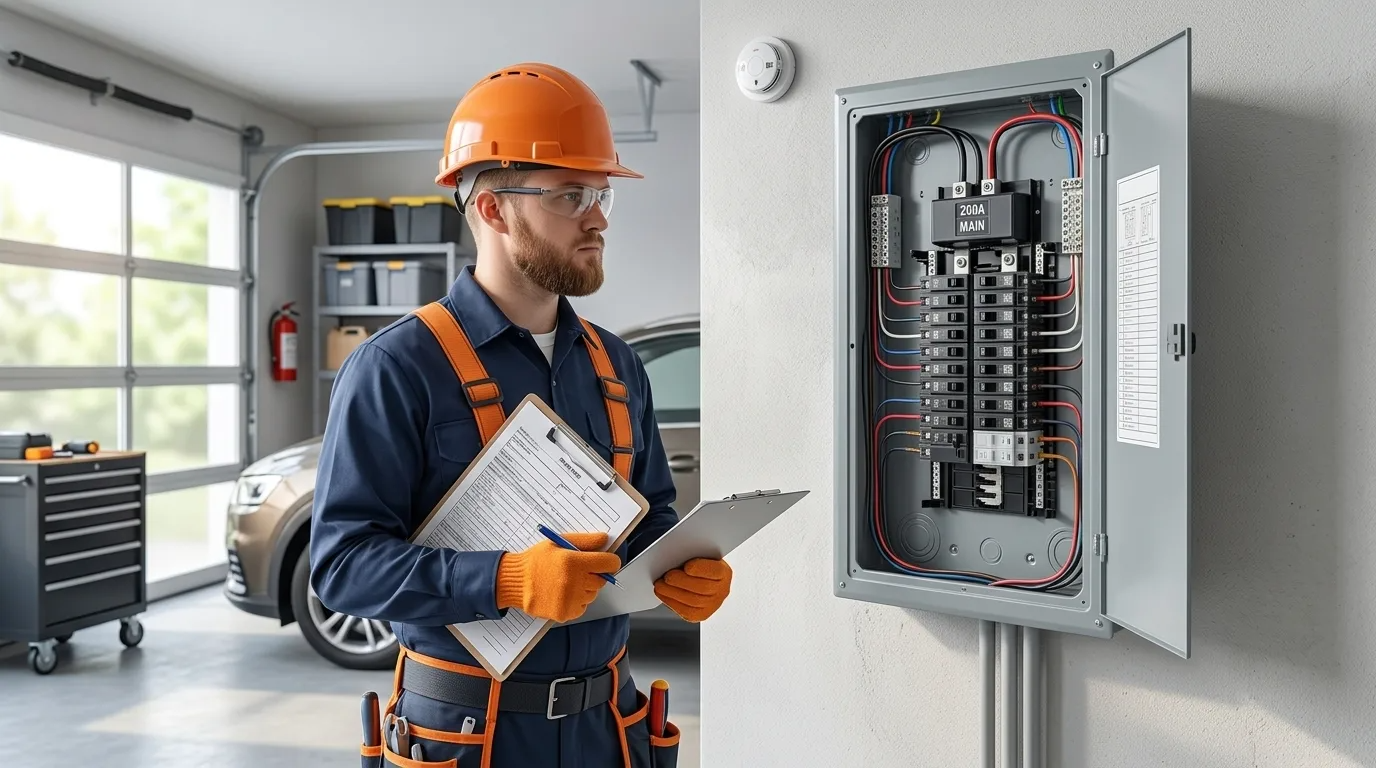
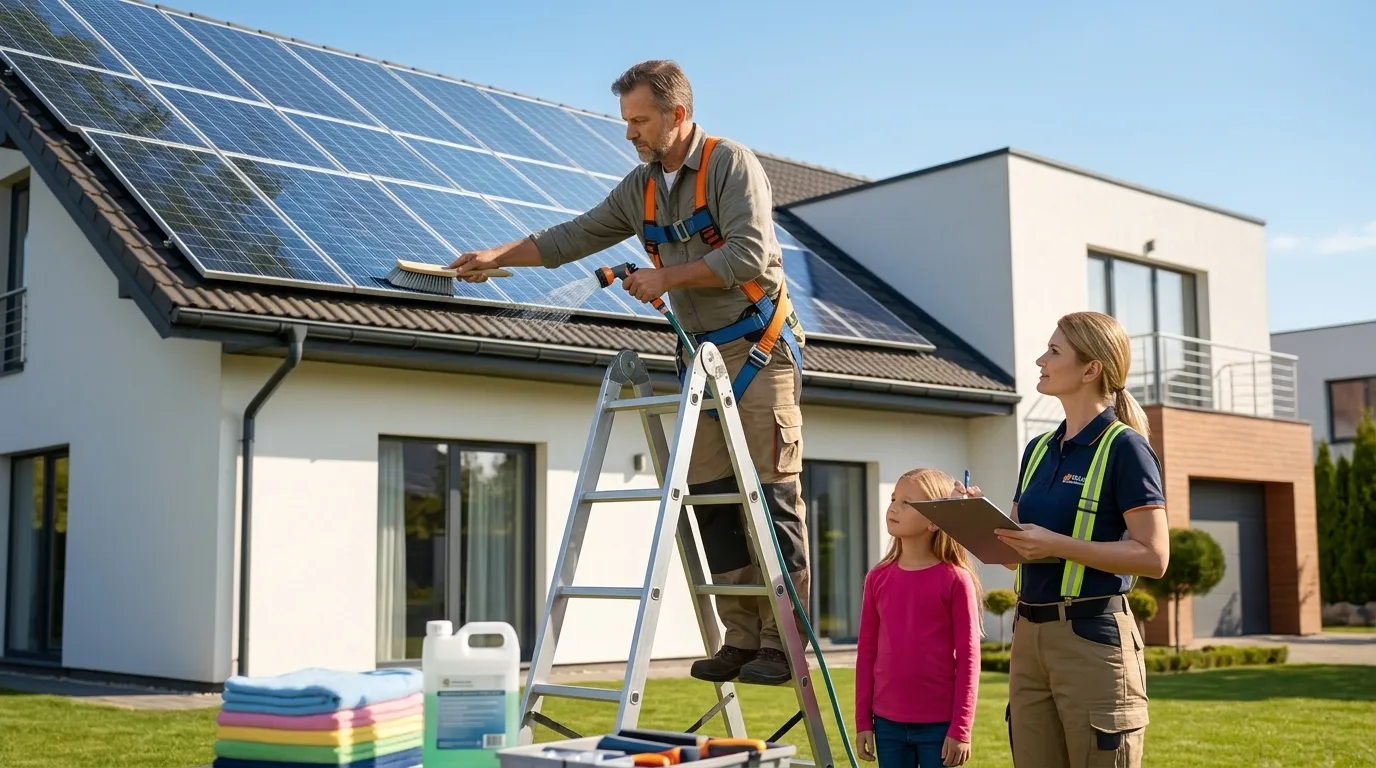
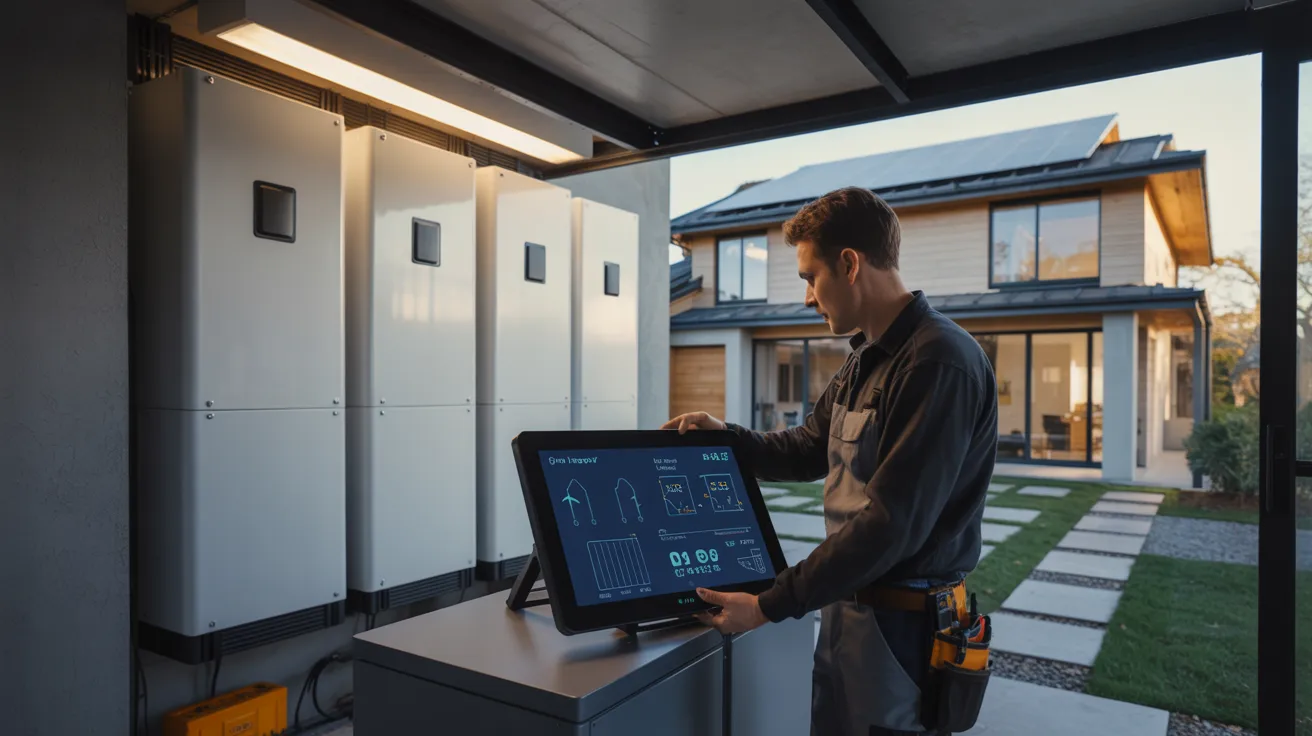
Choosing between community solar and rooftop solar is not as simple as it sounds. Both options help you save on electricity and support clean energy. But they work very differently.
This article breaks down exactly how each option works, what it costs, and who it suits best. We cover pros, cons, savings, and what happens if you move.
I have spent time researching both options across different home types and budgets. By the end, you will know which solar path makes the most sense for you.
What Is Rooftop Solar?
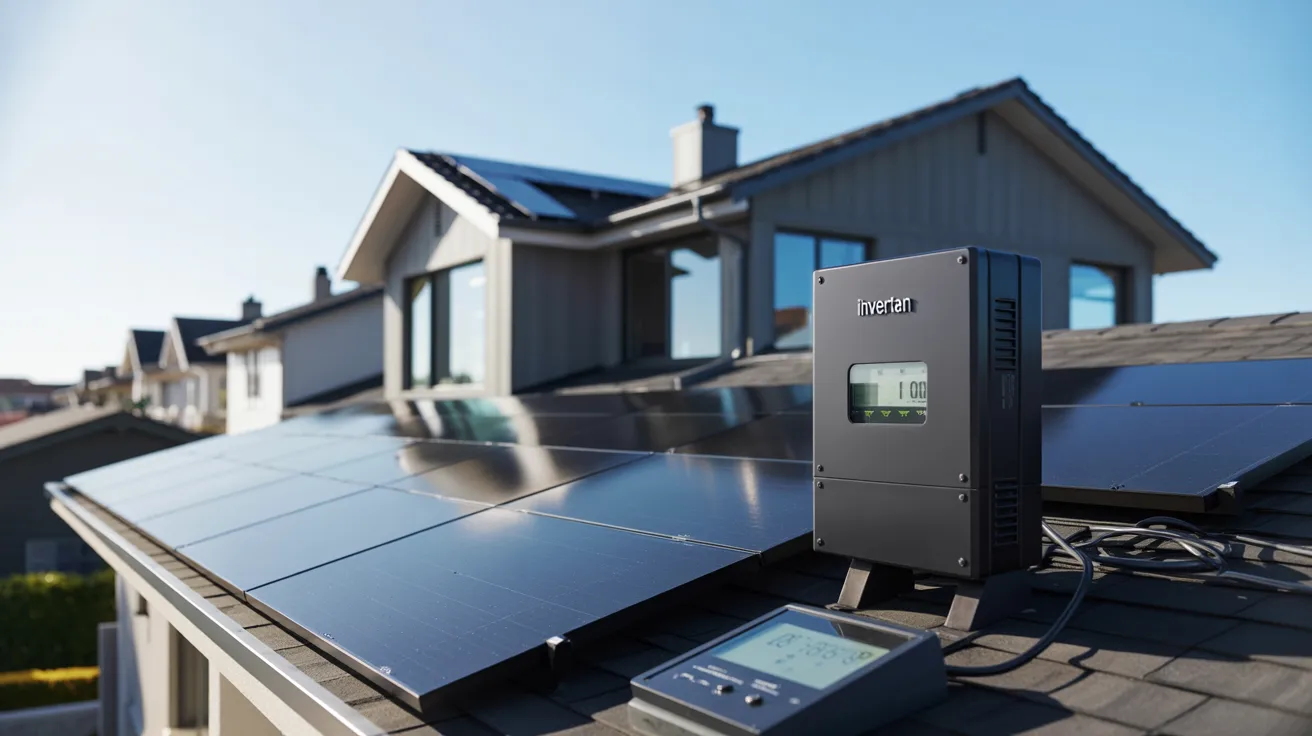
Rooftop solar means installing panels directly on your home to generate your own electricity from sunlight.
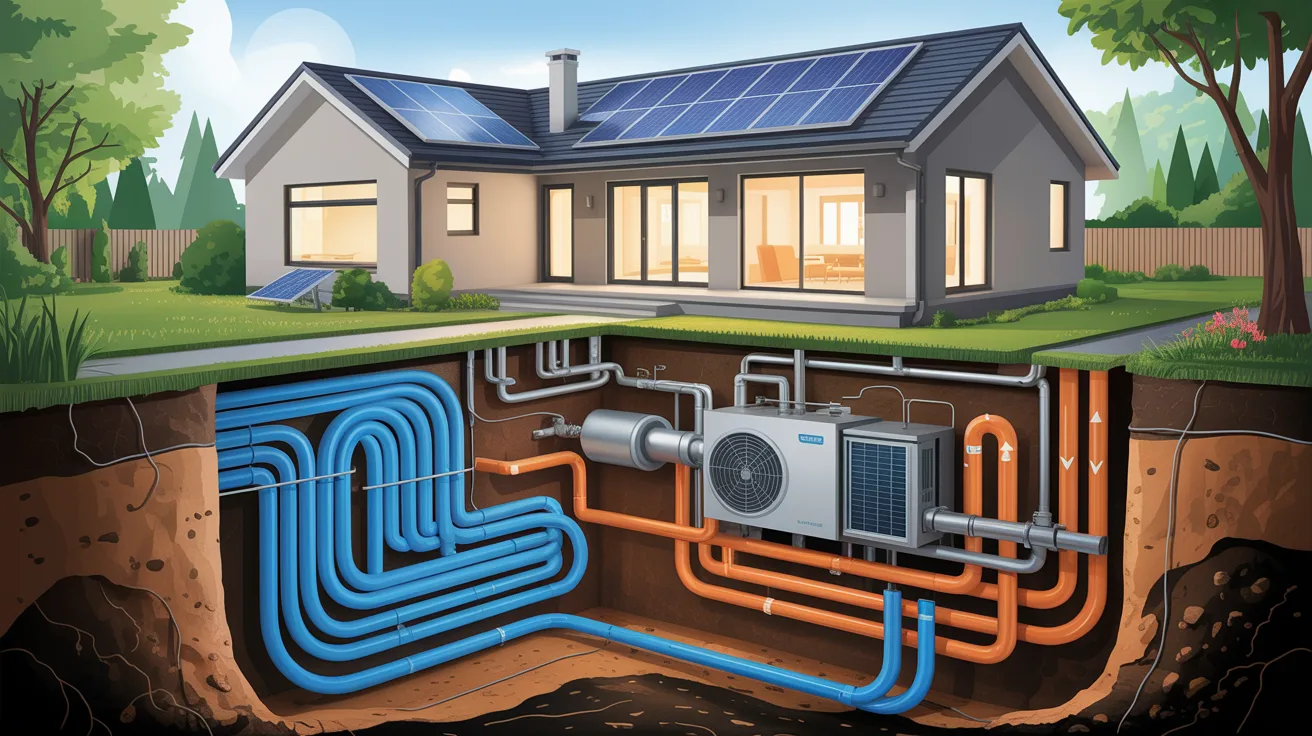
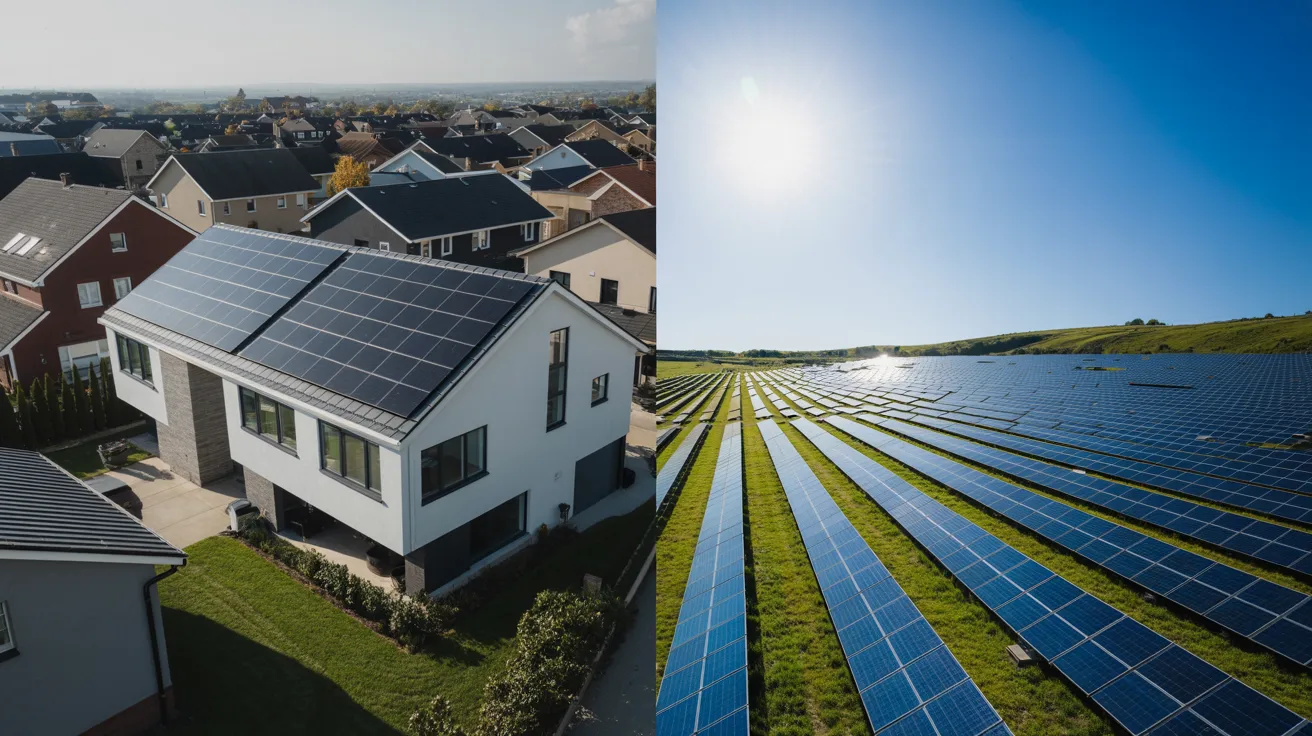
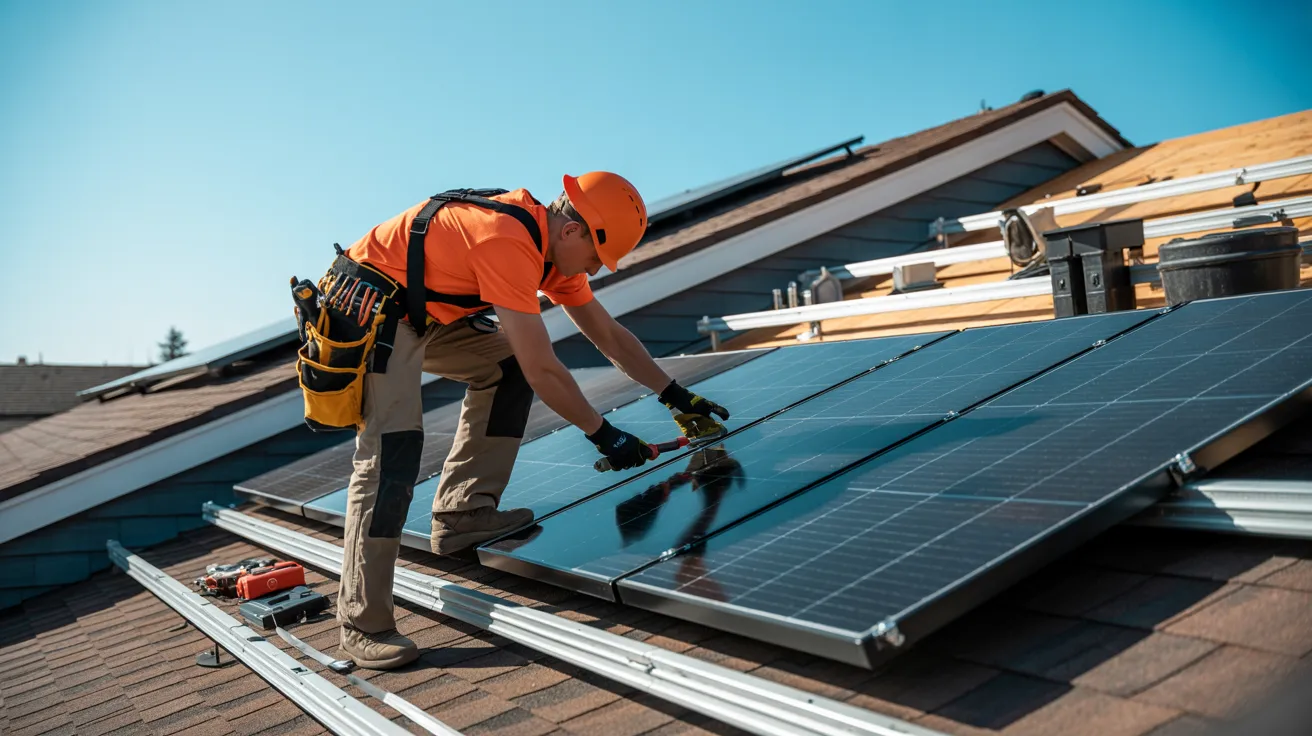
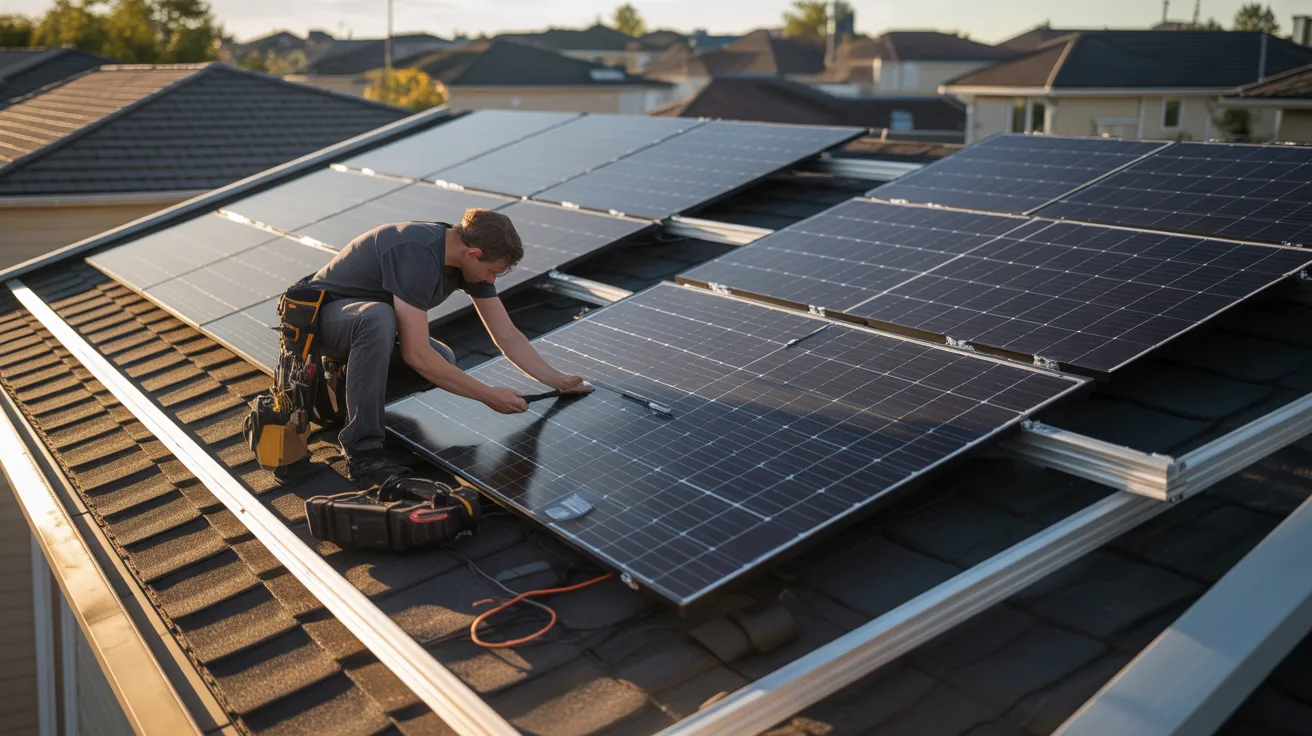
Solar panels sit on your roof and convert sunlight into electricity. This power runs your home directly, and any extra goes back to the grid through net metering. You own the system, and over time, the savings can be significant.
Main components include:
- Solar panels
- Inverter
- Mounting system
- Battery storage (optional)
- Utility meter
Rooftop solar works best for homeowners who own their home, have a south-facing roof with good sun exposure, and want long-term energy savings with full control over their system.
Pros and Cons of Rooftop Solar
Rooftop solar offers strong long-term savings but comes with real upfront costs and responsibilities.
|
Pros |
Cons |
|
Lower long-term electricity costs after payback |
High upfront installation cost ($15,000 to $30,000) |
|
Access to 30% federal tax credit and state rebates |
Roof must be in good condition and face the right direction |
|
Increases home resale value |
Heavy shade or wrong roof angle reduces efficiency |
|
Provides energy independence from the grid |
Maintenance and repairs are your responsibility |
|
Protects against rising utility rates |
Long-term financial commitment required |
|
Strong long-term return on investment |
Not suitable for renters or apartment dwellers |
What Is Community Solar?
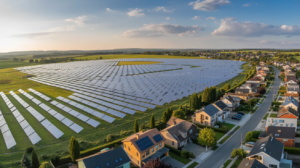
Community solar lets people buy into a shared solar farm and receive credits on their electricity bill without installing anything.
Instead of putting panels on your roof, you subscribe to a portion of a larger solar farm nearby. The energy generated gets credited to your utility bill each month. You do not need to own a home or have a suitable roof.
Community solar comes in two models. The subscription model means you pay a monthly fee and get bill credits. The ownership model means you purchase a share of the solar farm outright.
This option works well for renters, condo owners, and homeowners with shaded or older roofs.
Pros and Cons of Community Solar
Community solar is easy to access and has no installation costs, but the long-term savings are smaller.
|
Pros |
Cons |
|
No upfront equipment or installation costs |
No ownership benefits or home value increase |
|
Open to renters and apartment owners |
Smaller savings (5% to 15% bill credits only) |
|
Flexible subscriptions with low commitment |
Federal tax credit does not apply in most cases |
|
No roof condition or sun exposure required |
Not available in all states or utility areas |
|
Easy to cancel or adjust your plan |
You depend on the solar farm operator |
|
Supports clean energy without major investment |
Savings depend on program terms and utility rates |
Community Solar vs Rooftop Solar Cost Comparison
Rooftop solar costs more upfront but delivers bigger savings. Community solar is cheaper to start and easier to manage.
|
Factor |
Rooftop Solar |
Community Solar |
|
Upfront Cost |
$15,000 to $30,000 |
$0 |
|
Monthly Savings |
50% to 90%+ |
5% to 15% |
|
Payback Period |
6 to 10 years |
Ongoing credits |
|
Tax Credits |
Yes (30% federal) |
Rarely |
|
Long-Term ROI |
High |
Moderate |
Financing options for rooftop solar include solar loans, leases, and power purchase agreements. Community solar typically requires no financing.
Environmental Impact of Community Solar vs Rooftop Solar
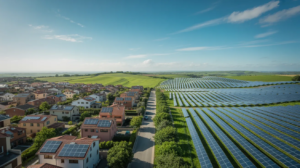
Both options reduce carbon emissions. The difference is mostly in scale and land use.Rooftop solar uses space that already exists on your home. It adds no new land use and generates clean energy right where it is consumed.
Community solar farms are built on dedicated land, sometimes on agricultural or open areas, which can raise concerns about land use.Both options reduce reliance on fossil fuels and lower carbon emissions.
Community solar programs often make renewable energy accessible to more people, which supports broader clean energy growth across the country.
Community Solar vs Rooftop Solar: Which Option Fits Your Situation
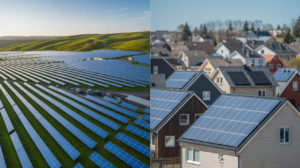
Community Solar vs Rooftop Solar: Which Option Fits Your Situation Your living situation, roof condition, and budget decide which solar option works best for you.
Best Solar Option for Homeowners Who Own Their Property
If you own your home and your roof gets good sunlight, rooftop solar is the stronger financial choice. You get full ownership of the system, access to the federal tax credit, and the highest long-term savings.
Over time, your electricity costs drop significantly and your home value goes up. Rooftop solar puts you in complete control of your energy production.
Why Community Solar Is the Top Choice for Renters
Most renters cannot install solar panels because they do not own the building. Community solar solves this problem. You simply sign up for a program, and credits appear on your electricity bill each month.
There is no installation, no equipment, and no need to ask your landlord for anything. It is the most practical way for renters to participate in clean energy.
Solar Options for Apartments and Condos
Rooftop solar is rarely possible in apartments or condos. Shared roofs, building rules, and limited space make installation difficult or impossible. Community solar is built for situations like this.
You subscribe to a share of a nearby solar farm and get bill credits without touching your building at all. It is a clean and simple option for multi-unit residents.
Community Solar vs Rooftop Solar for Rural and Urban Areas
Rural homeowners usually have more roof space, fewer obstructions, and stronger sunlight. This makes rooftop solar a great fit for most rural properties. Urban homeowners often deal with shaded roofs, smaller roof sizes, and nearby buildings that block sunlight.
Community solar works better in these cases because the solar farm is built in an open location with maximum sun exposure.
What Happens to Your Solar Plan When You Move
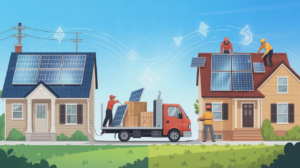
Moving affects both options differently, and it is worth thinking about this before you commit.
How Rooftop Solar Affects Your Home Sale
A rooftop solar system can increase your home’s sale price. Buyers often see it as a value-added feature that lowers their future electricity bills. If you own the system outright, the process is straightforward.
If you have a solar loan, it may need to be paid off at closing or transferred to the buyer. Leased systems require the buyer to take over the lease agreement, which can sometimes slow down the sale process.
How to Cancel or Transfer a Community Solar Subscription
Community solar programs are generally flexible when it comes to moving. Most programs allow cancellation with 30 to 90 days of advance notice. Some programs let you transfer your subscription to a new address if it falls within the same utility service area.
Always read the terms of your subscription agreement before signing up so you know what to expect if you move.
Which Solar Option Is More Flexible When Relocating
Community solar wins on flexibility. You are not tied to a physical system on your roof, so moving is much simpler. Rooftop solar requires more planning, especially if financing is involved.
However, rooftop solar often adds real value to your home sale, which can offset the extra steps. If you move frequently, community solar is the lower-risk option.
Key Factors to Consider Before Choosing Solar

Key Factors to Consider Before Choosing Solar Before going solar, check your budget, roof condition, energy usage, and local policies first.
How Much Budget Do You Need for Each Solar Option
Rooftop solar typically costs between $15,000 and $30,000 before incentives. Financing options like solar loans, leases, and power purchase agreements can reduce the upfront burden.
Community solar requires no upfront investment at all. You pay a monthly subscription fee and receive bill credits in return.
If your budget is tight right now, community solar is a good way to start saving on energy costs without a large financial commitment.
Does Your Roof Qualify for Solar Panels
Not every roof is ready for solar panels. Age, condition, material, angle, and sun exposure all play a role.
A roof that is more than 15 years old may need repairs or replacement before installation, which adds to the cost.
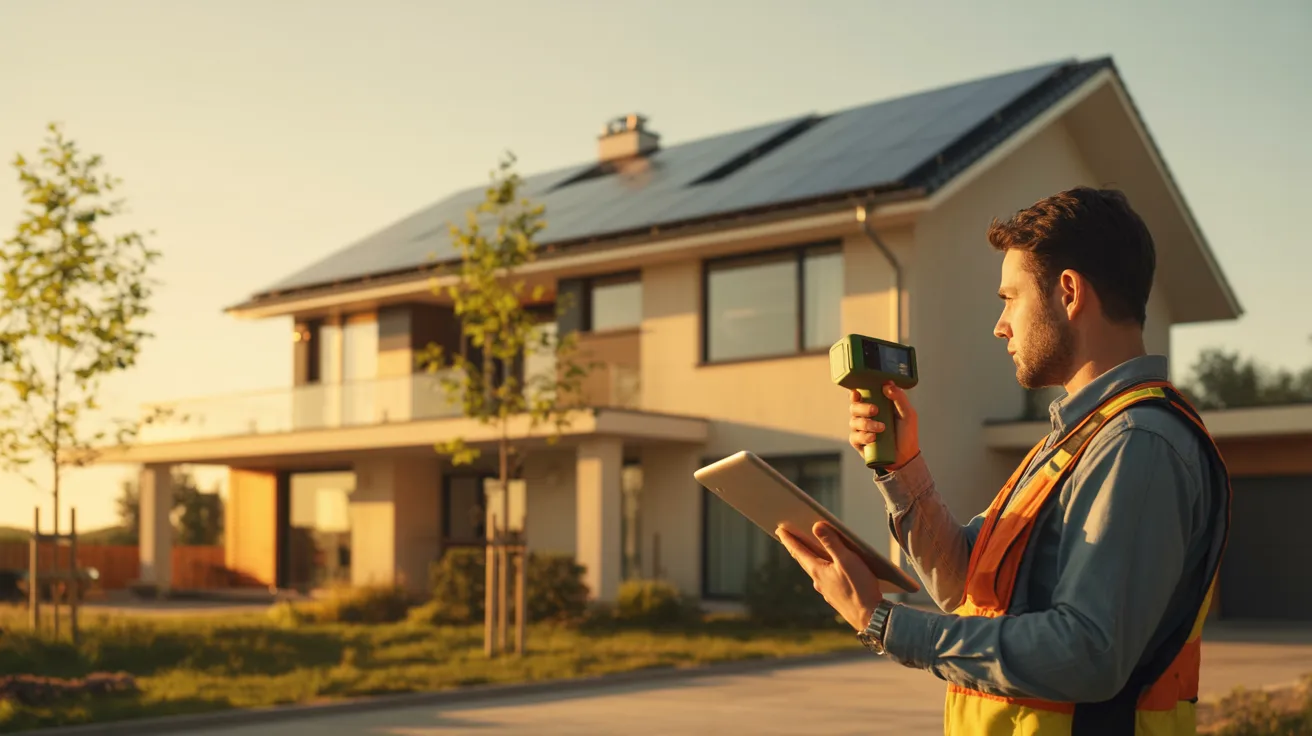
Heavy shade from trees or nearby buildings also reduces the system’s efficiency. Getting a professional roof assessment before committing to rooftop solar is always a smart move.
How Your Energy Usage Affects Your Solar Savings
The more electricity you use, the more you stand to save with rooftop solar. High-usage households see the fastest payback periods and the biggest long-term gains.
Lower-usage households may not need a full rooftop system. In those cases, community solar credits may cover enough of the bill to make financial sense without the added complexity of owning a system.
How Local Solar Policies Impact Your Decision
Your state’s solar policies directly affect how much you save. Net metering rules determine how much credit you get for sending excess power back to the grid.
Some states offer strong net metering, which makes rooftop solar even more profitable. Community solar availability is also determined by state policy and utility programs.
Not all states have active community solar programs, so checking local availability is the first step before making any decision.
Community Solar vs Rooftop Solar: Which Is the Better Choice

Neither option is better for everyone. It comes down to your specific situation.
Rooftop solar makes the most sense when you own your home, have a roof in good condition, and plan to stay for at least 7 to 10 years. The long-term savings, tax credits, and added home value make it a strong financial move.
Community solar works better when you rent, have a shaded roof, or want a low-commitment way to save on energy bills. The savings are smaller, but the process is simple and the risk is low.
In some states, you can use both. Homeowners with rooftop panels can also subscribe to a community solar program for extra bill credits. Check with your utility company to see if this is allowed in your area.
Conclusion
I have looked at both sides of the community solar vs rooftop solar debate for a while now, and honestly, there is no one-size-fits-all answer. Rooftop solar wins on long-term savings.
Community solar wins on accessibility. Your budget, roof condition, and location will guide the right choice.
If this helped you think it through, drop a comment below and tell me which option you are leaning toward. Share this post with someone who is also comparing their solar options right now.
Frequently Asked Questions
Is community solar cheaper than rooftop solar?
Community solar has no upfront cost, making it cheaper to start. However, rooftop solar saves more money over the long term once the system pays for itself.
Can renters participate in community solar?
Yes. Community solar is one of the few solar options available to renters. You simply subscribe to a program and receive credits on your electricity bill each month.
Does rooftop solar increase home value?
Research shows that homes with solar panels tend to sell faster and at higher prices. The added value depends on your location, system size, and local housing market.
What happens to my community solar subscription when I move?
Most programs allow you to cancel with advance notice. Some let you transfer the subscription to a new address if it falls within the same utility service area.
Are there tax credits for community solar?
In most cases, the federal 30% solar tax credit does not apply to community solar subscriptions. Rooftop solar owners who purchase their system outright are the ones who typically qualify for this credit.