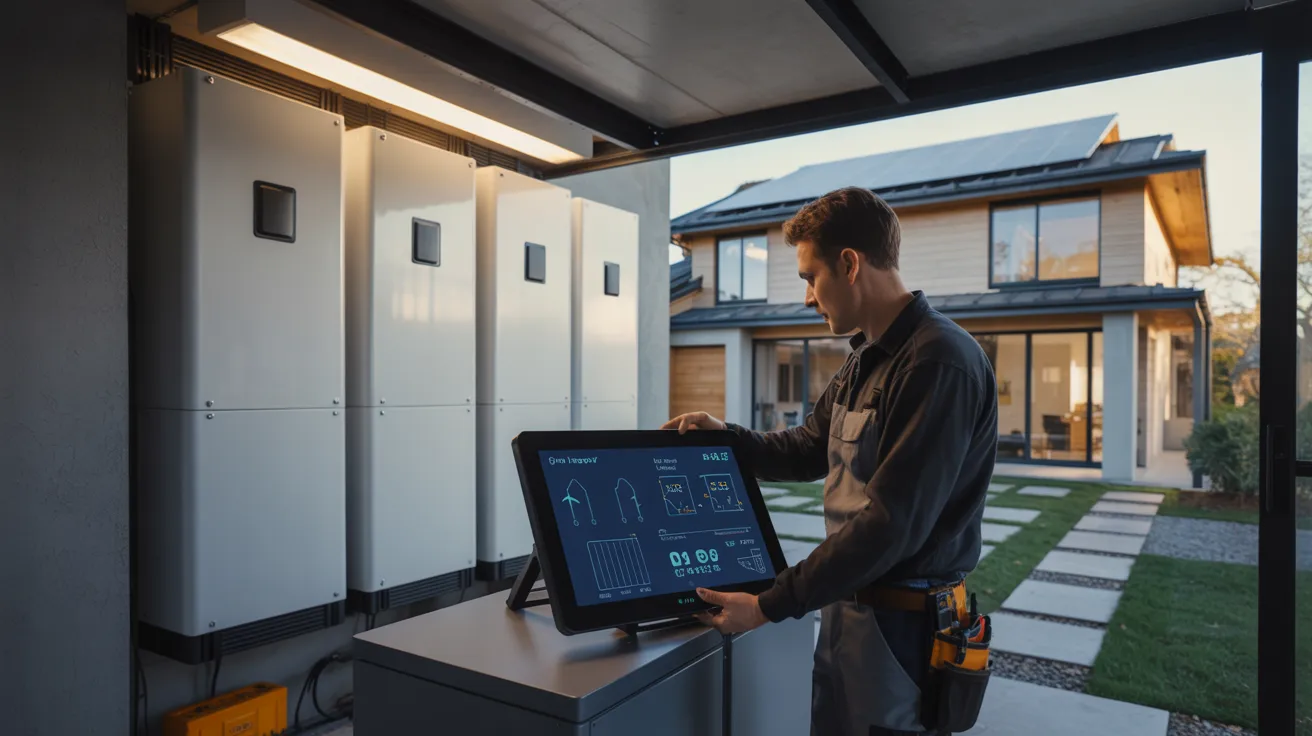
Thinking about mobile home solar panels? You are in the right place.
I have helped many homeowners sort through this topic, and I know how confusing it can get. This guide keeps it simple.
We will walk through practical tips for going solar, key things to check before installation, and common questions answered clearly. No fluff. No complicated terms.
Just real, straightforward advice you can actually use.
By the end, you will know exactly what steps to take next and feel confident moving forward.
Why Are More Mobile Home Owners Are Switching to Solar?
Energy bills are a growing problem for mobile home owners. Many older mobile homes are not energy efficient, which makes monthly costs higher than they should be.
Solar panel prices have dropped a lot over the years, making it a realistic option for more people. Grid power is also unreliable in many rural areas, so solar gives homeowners a dependable backup.
Federal and state incentives have made the switch even easier. Tax credits and rebates help reduce the upfront cost, making solar more reachable than ever before.
Can You Put Solar Panels on a Mobile Home Easily?
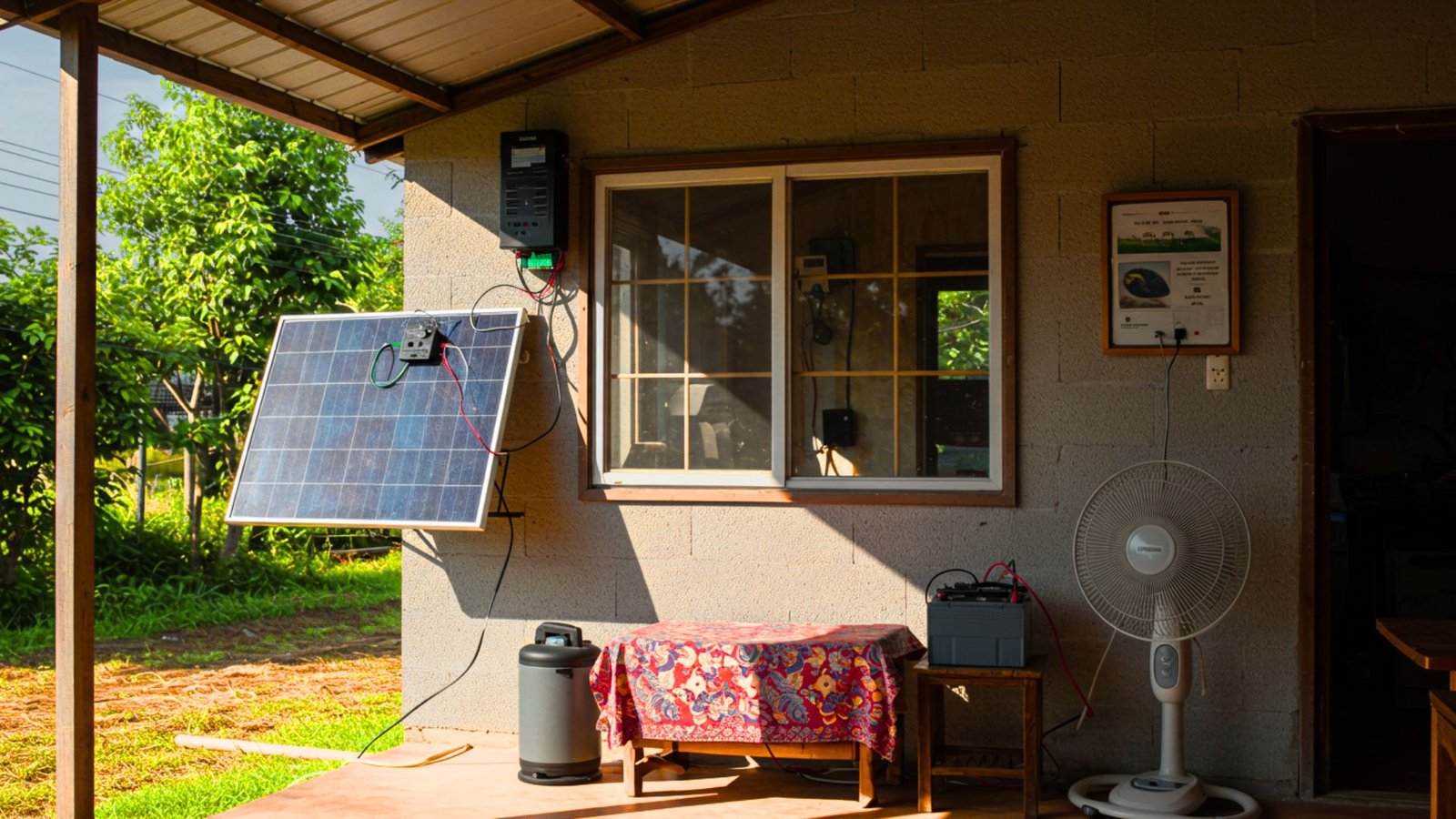
Solar panels on a mobile home are more possible today than ever before. Here is what you need to know before getting started.
Understanding the Basics of Mobile Home Solar Systems
A mobile home solar system works just like one on a regular house. Panels catch sunlight and turn it into electricity.
The main parts are solar panels, an inverter, a battery, and a charge controller. You can go off-grid or stay connected to your utility company.
Factors That Affect Installation Difficulty
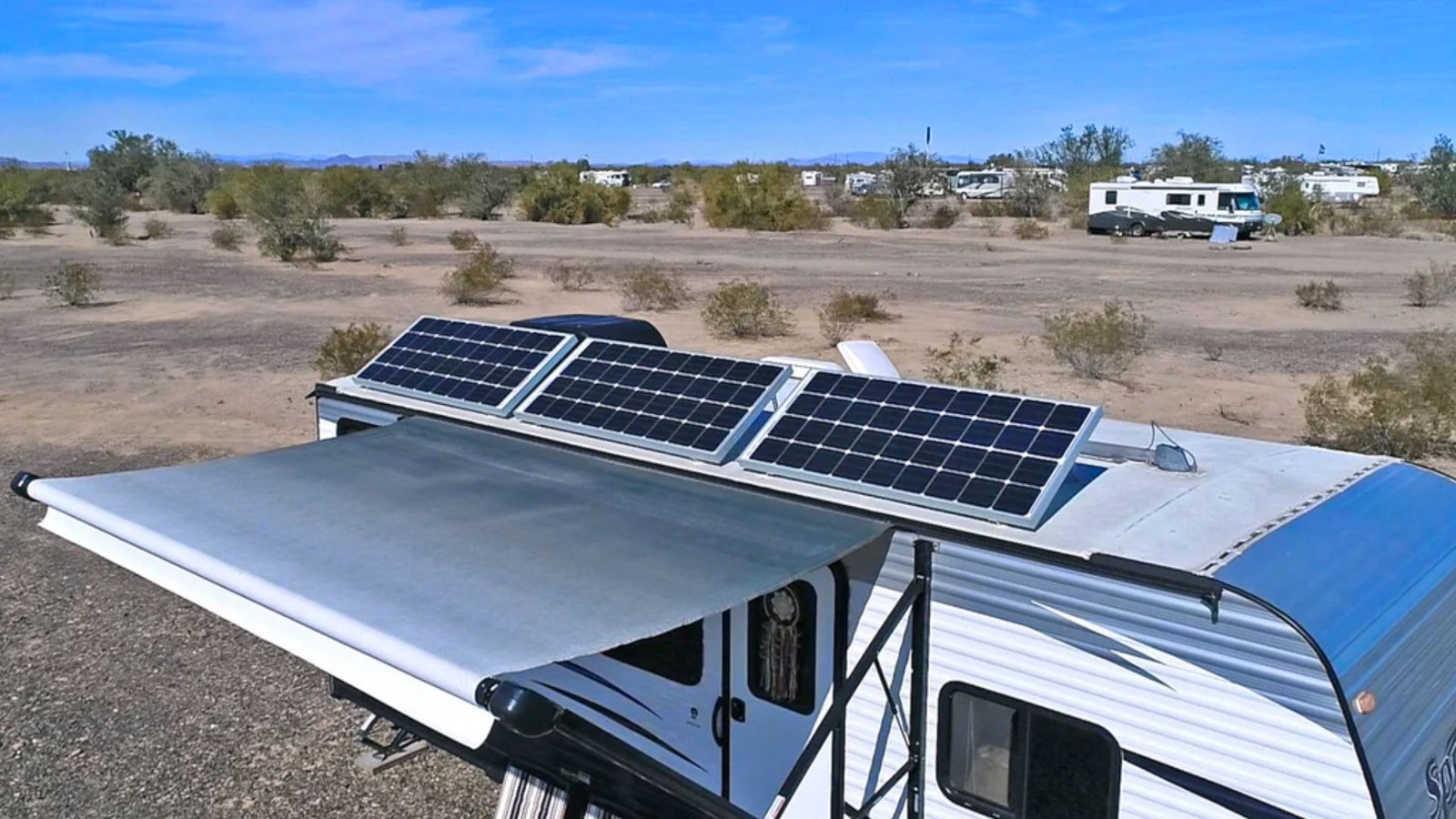
Your roof condition, local park rules, and home wiring all affect how easy installation will be. Ground-mounted systems are simpler since they skip roof work.
Roof-mounted panels save yard space but need proper brackets. Always work with an installer who has mobile home experience.
Can Mobile Homes Support Rooftop Solar Panels?
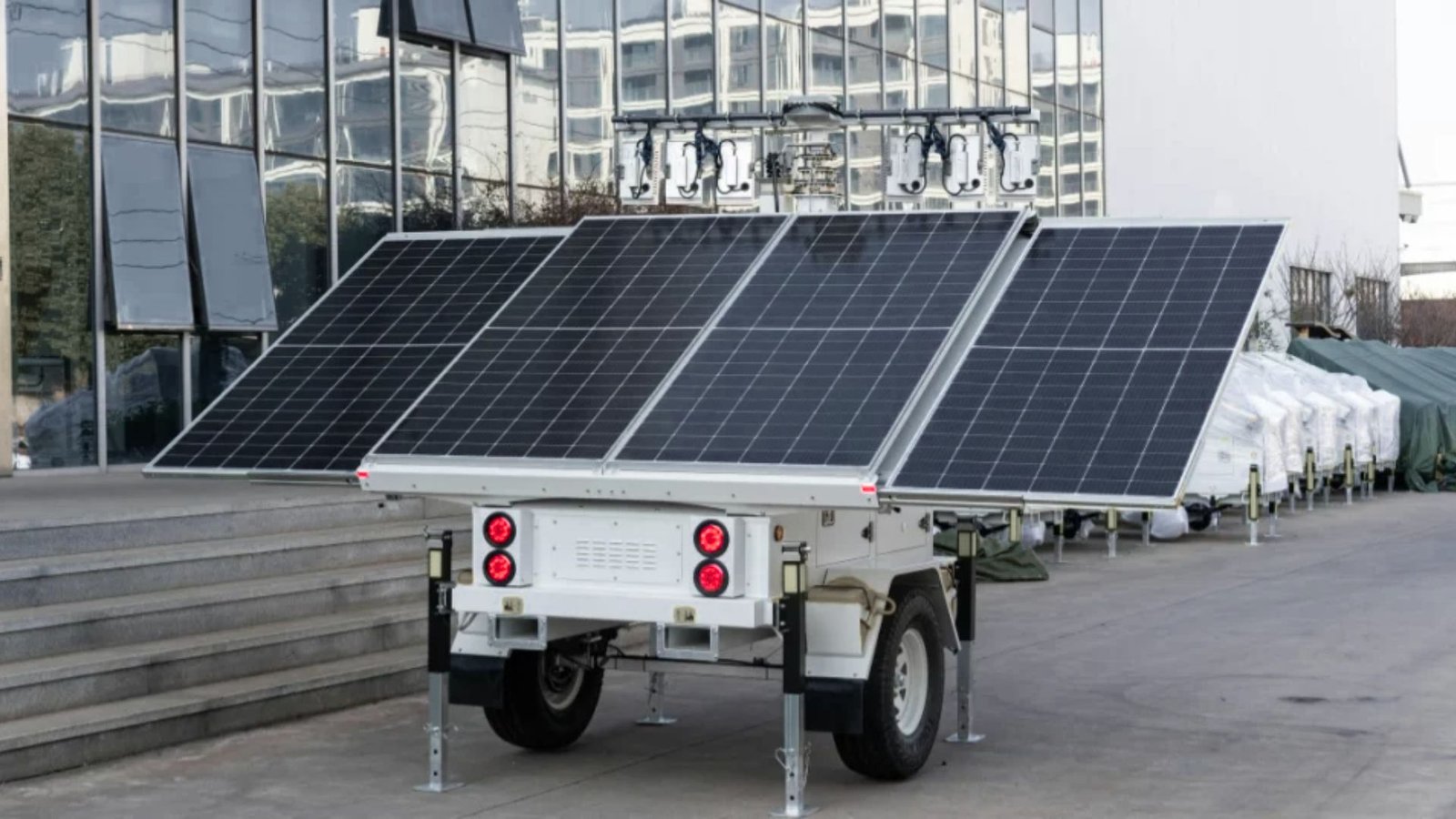
Mobile home owners often ask if their roof can handle solar panels. The answer depends on a few key factors.
Structural Limitations of Mobile Home Roofs
Most mobile homes are built with lighter materials than regular houses. Their roofs are not designed to carry the full weight of a solar system.
Low roof pitch can also reduce sunlight exposure and lower energy output. A licensed engineer should inspect your roof before any installation begins.
Local Building Codes and Permit Requirements
Manufactured homes built after 1976 must follow federal HUD standards. Rooftop changes need to stay within those guidelines.
Some local inspectors may flag solar installations as conflicting modifications. Skipping permits can lead to fines or forced removal of the system.
If your roof is not a good fit, ground-mounted panels or carport-style canopies are solid options. Always get a professional opinion before spending any money.
Ground-Mounted Solar Systems for Mobile Homes
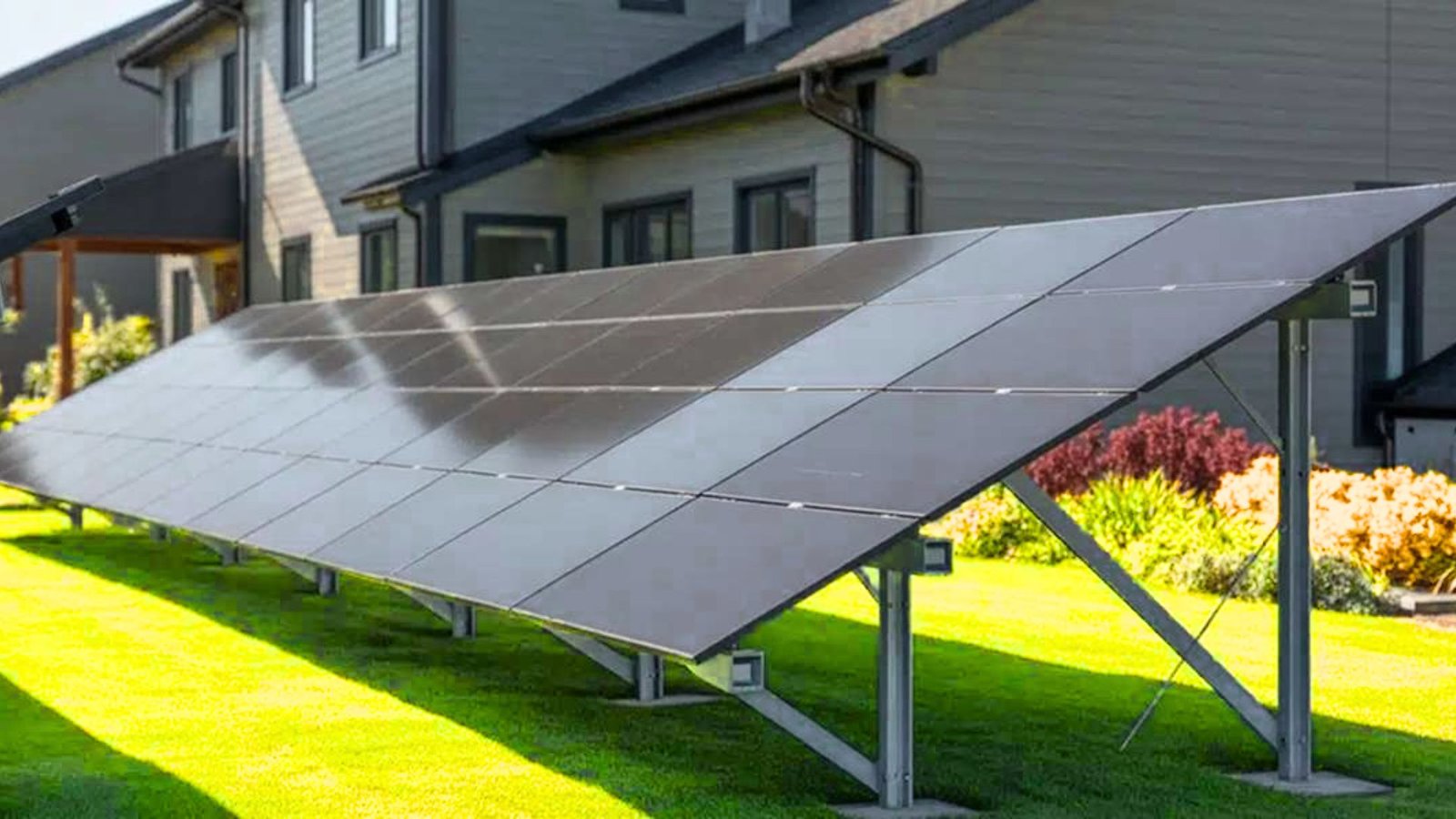
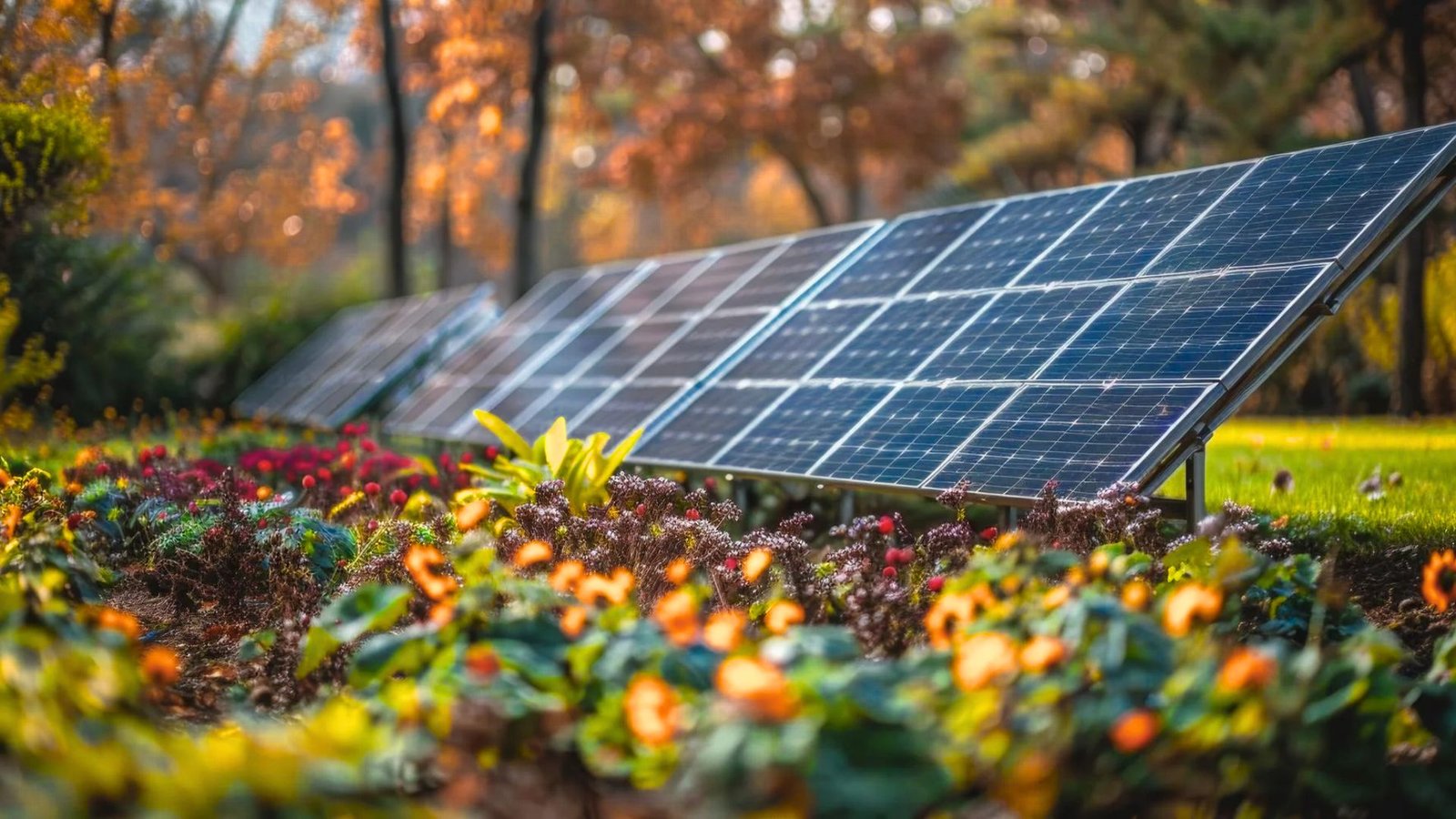
Ground-mounted solar panels give mobile home owners a flexible way to generate clean energy without touching the roof.
Why Ground-Mounted Solar Is Often Recommended
Many mobile home roofs are too thin or sloped to hold solar panels safely. Roof installation can also void your warranty.
Ground-mounted systems keep the roof completely untouched and are easier to maintain since no one needs to climb on a fragile surface.
Benefits of Flexible Panel Placement
You choose where the panels go based on sunlight, not roof direction. Shading from trees or buildings is easier to avoid on open ground. You can also add more panels over time without running out of space.
Space Requirements and Installation Considerations
A standard setup needs around 200 to 400 square feet of clear, flat land. Cables run underground from the panels to your home, which adds some cost.
Local permits are usually required, so check your zoning rules first. The soil also needs to be stable enough to hold the mounting system securely.
Alternative Ways to Install Solar Panels
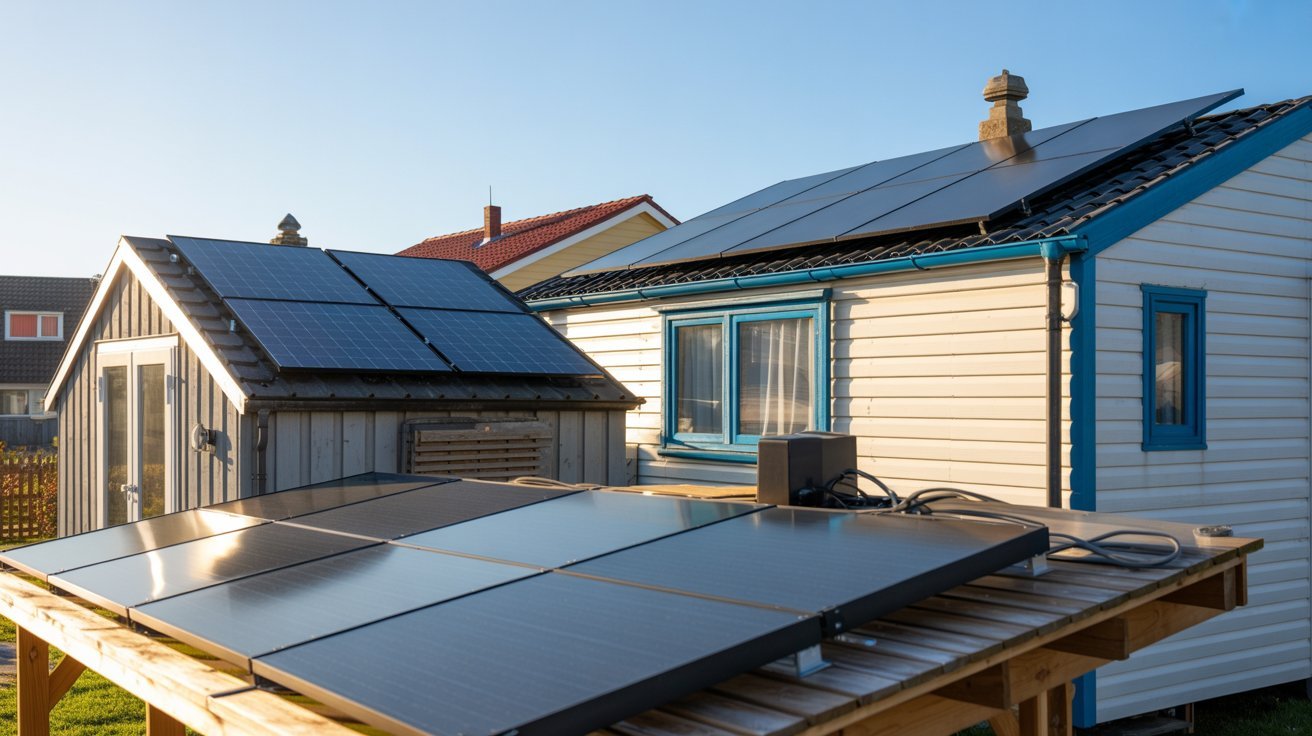
Not every home has a south-facing roof. Solar energy works in more ways than one.
Using Garages, Sheds, or Patio Roofs
Your main roof is not the only option. Garages, sheds, and covered patios can work just as well.
They often get good sunlight and are easier to access. Just make sure the structure is sturdy enough to hold the panels.
Combining Solar Panels With Backup Batteries
Panels only produce power when the sun is out. A battery stores extra energy for use at night or during outages.
Even one storage unit can cover basic needs like lighting and a refrigerator. Many homeowners find the long-term savings worth the upfront cost.
How Much Solar Power Does a Mobile Home Need?
Going solar in a mobile home is simpler than you think. Here is how to figure out the right system size for your space.
Look at your monthly power bill and divide the total kWh by 30 to get your daily average. You can also list every device, note its wattage, and multiply by daily hours of use. Getting this number right helps you avoid buying a system that is too small or too large.
Air conditioners, water heaters, and dryers use the most power. Most locations get 4 to 6 peak sun hours a day. A home using 15 kWh daily needs around 3,000 watts of panels.
Smaller homes may need a 2 to 4 kW system, while larger ones may need 6 kW or more.
What Does Installation Actually Cost?
Here is a clear breakdown of what you can expect to spend and save when going solar on a mobile home.
|
Factor |
Details |
|
Total Cost |
$8,000 to $20,000 depending on size and panel type |
|
System Size |
Most mobile homes need a 3 kW to 8 kW system |
|
Battery Storage |
Adds an extra $5,000 to $15,000 on top of base cost |
|
Federal Tax Credit |
Covers 30% of your total installation cost |
|
Monthly Savings |
Can cut your electricity bill by 50% to 100% |
|
25-Year Savings |
Homeowners can save between $20,000 and $40,000 |
Tips to Improve Solar Efficiency in Mobile Homes
Small changes can help your solar system perform better every day. Here are five simple tips to get more out of your setup.
- Seal gaps around windows and doors with caulk and weatherstripping to reduce energy waste.
- Add insulation to walls, floors, and ceilings to keep your home comfortable without overworking your panels.
- Replace old appliances and bulbs with Energy Star options and LED lighting to lower daily power use.
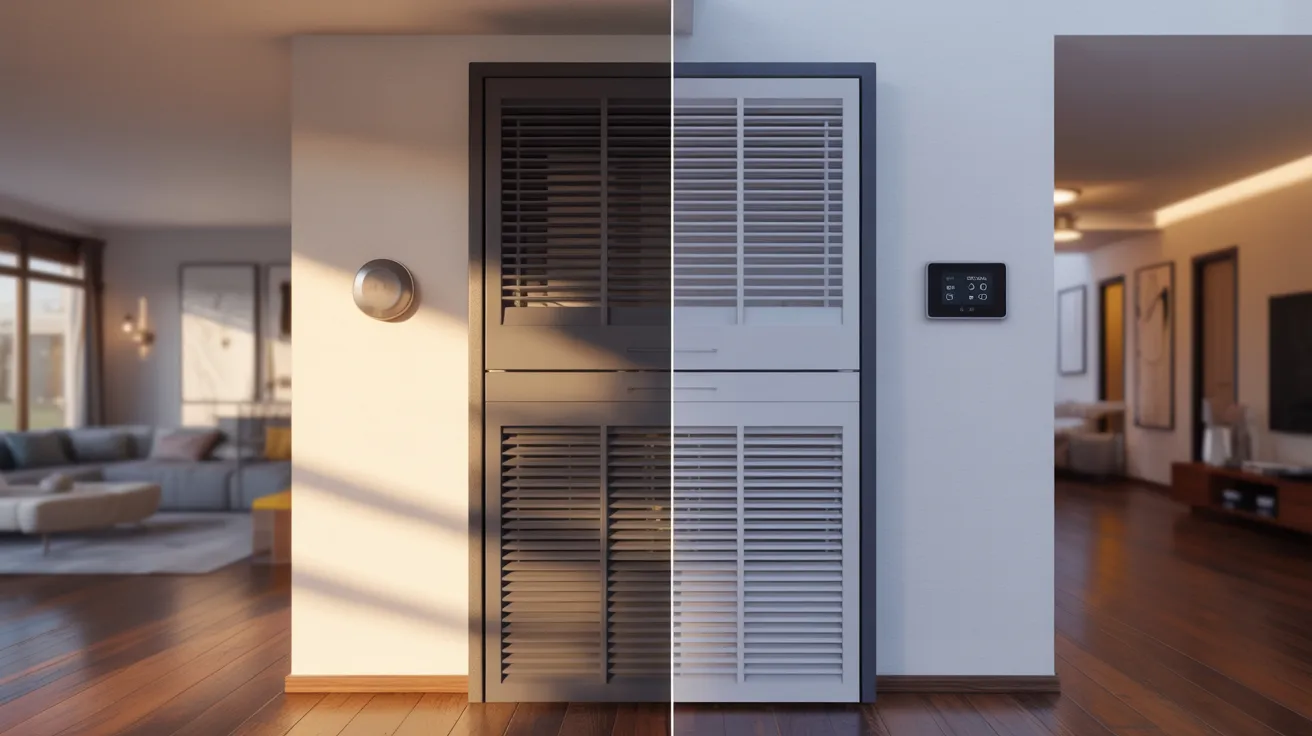
- Install a smart thermostat so heating and cooling only run when you actually need them.
- Track your daily energy use regularly so you can spot waste early and adjust before it adds up.
Is Solar Worth It for a Mobile Home?
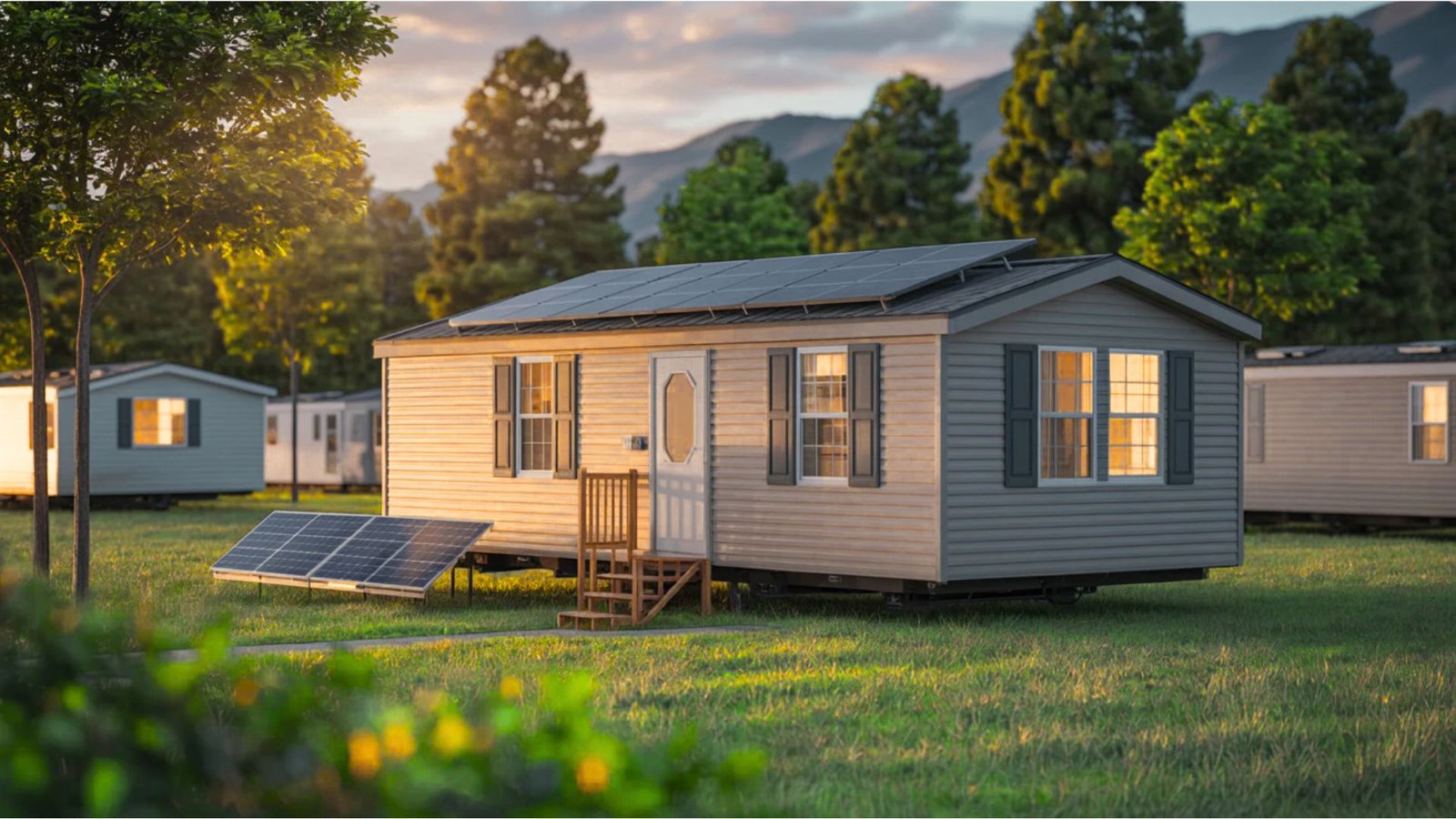
Solar power is a real option for mobile homeowners. It can cut monthly bills and give you more control over your energy use.
Going solar in a mobile home is simpler than you think. Here is how to figure out the right system size for your space.
Look at your monthly power bill and divide the total kWh by 30 to get your daily average. You can also list every device, note its wattage, and multiply by daily hours of use. Getting this number right helps you avoid buying a system that is too small or too large.
Air conditioners, water heaters, and dryers use the most power. Most locations get 4 to 6 peak sun hours a day. A home using 15 kWh daily needs around 3,000 watts of panels. Smaller homes may need a 2 to 4 kW system, while larger ones may need 6 kW or more.
Conclusion
Switching to solar on a mobile home felt overwhelming to me at first too. But once you break it down step by step, it starts to make real sense.
You do not need a big house to benefit from solar power. Mobile home solar panels can cut your bills and give you more control over your energy.
Start small, ask questions, and do not rush the process. You will figure it out.
Have you looked into solar for your mobile home? Drop a comment below and share your thoughts!
Frequently Asked Questions
Can I put solar panels on a mobile home?
Yes, you can. Many mobile homeowners are already using solar panels to cut down on energy costs. Just make sure your roof is in good condition before installation.
How many solar panels does a mobile home need?
It depends on how much energy you use each month. On average, a mobile home needs around 6 to 10 panels to cover basic power needs.
Are mobile home solar panels worth the cost?
Yes, they are. Over time, the savings on your electricity bill can more than cover what you paid upfront. Many homeowners start seeing returns within a few years.
Do I need a battery with my mobile home solar system?
You do not have to, but it is a smart addition. A battery stores extra power for nighttime or cloudy days and keeps your home running during outages.
What type of solar panels work best for mobile homes?
Lightweight and flexible panels tend to work well for mobile homes. They put less stress on the roof and are easier to install compared to standard rigid panels.