I’ve tested solar lights in my own yard, and the question I kept coming back to was simple: how long do solar lights last before they stop working?
Most people buy them, set them up, and forget about them until they start dimming.
In this blog, I’ll walk you through the average lifespan of solar lights, what shortens it, and how to make them last longer.
I’ve researched this closely, so you’ll get straight, honest answers you can actually use.
How Long Do Solar Lights Last on Average?
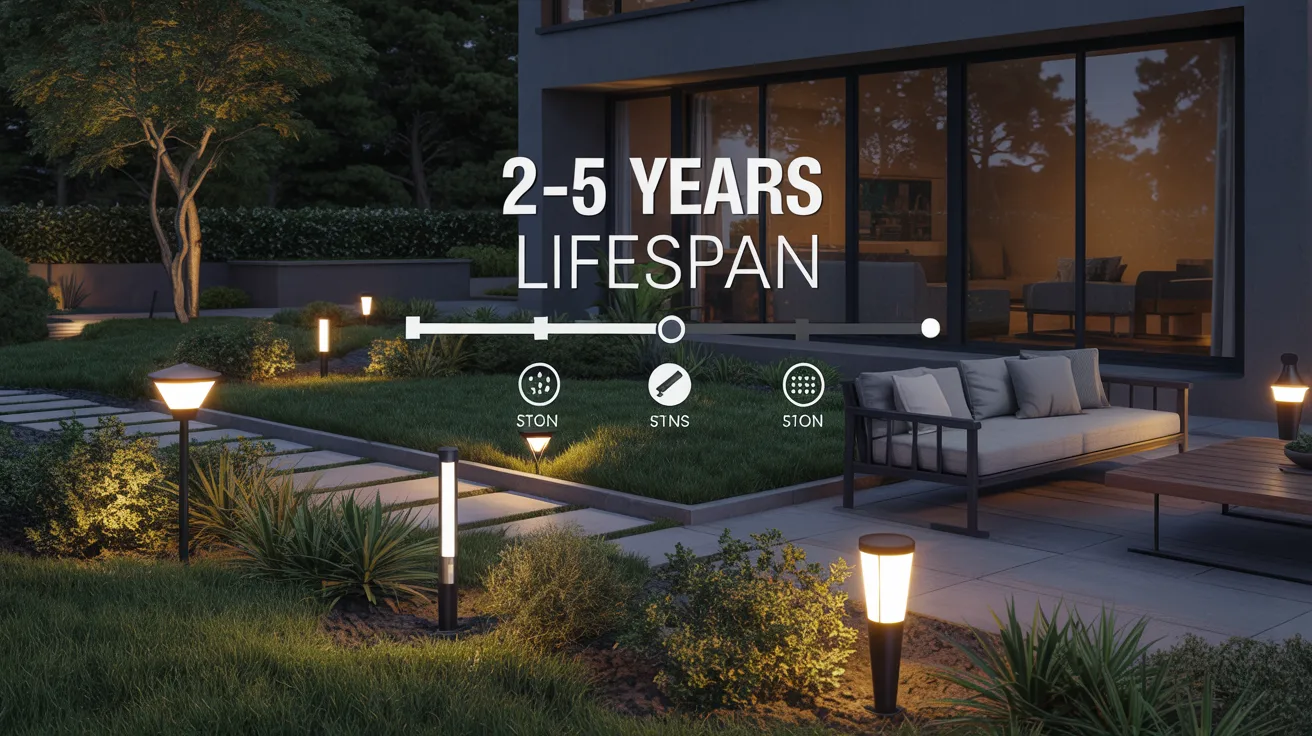
Solar lights are reliable and low-maintenance, but their lifespan depends on battery quality, usage, and weather conditions.
Most solar lights last between 2 to 5 years, though the fixture itself can hold up much longer. The battery is what gives out first, but the good news is that most are replaceable.
On a full charge, expect 6 to 10 hours of runtime at night, with premium models stretching to 12 hours.
Runtime also shifts with the seasons since longer summer days mean better charging, while shorter winter days can cause early dimming.
What Affects How Long Solar Lights Last?
Several factors decide whether your solar lights last years or quit within a few months.
1. Battery Quality and Battery Type
The battery is the first thing to wear out. Lithium-ion batteries last longer and handle cold weather better. NiMH batteries are cheaper but lose capacity faster.
Either way, battery quality has the biggest impact on lifespan.
2.Solar Panel Quality and Charging Efficiency
A weak panel means the battery never fully charges, which wears it out faster. Better panels convert more sunlight and hold their efficiency longer.
If your lights are dimming too early, the panel is usually the problem.
3.Build Quality and Waterproof Protection
Solar lights sit outside all year. Moisture is their biggest enemy. Lights with an IP65 rating or higher keep water out much better.
Once water gets into the battery or circuit board, the light is done.
4.Weather and Climate Conditions
Heat speeds up battery wear. Cold reduces how much charge a battery holds. Mild climates are easier on solar lights.
Harsh winters or intense summers can cut the lifespan significantly.
5.Usage Patterns and Lighting Modes
Running lights on full brightness all night drains the battery faster. Using a lower setting or motion-sensor mode puts less stress on the battery.
That one change alone can add months to how long your lights last.
How Long Do Solar Lights Last in Real Outdoor Conditions?
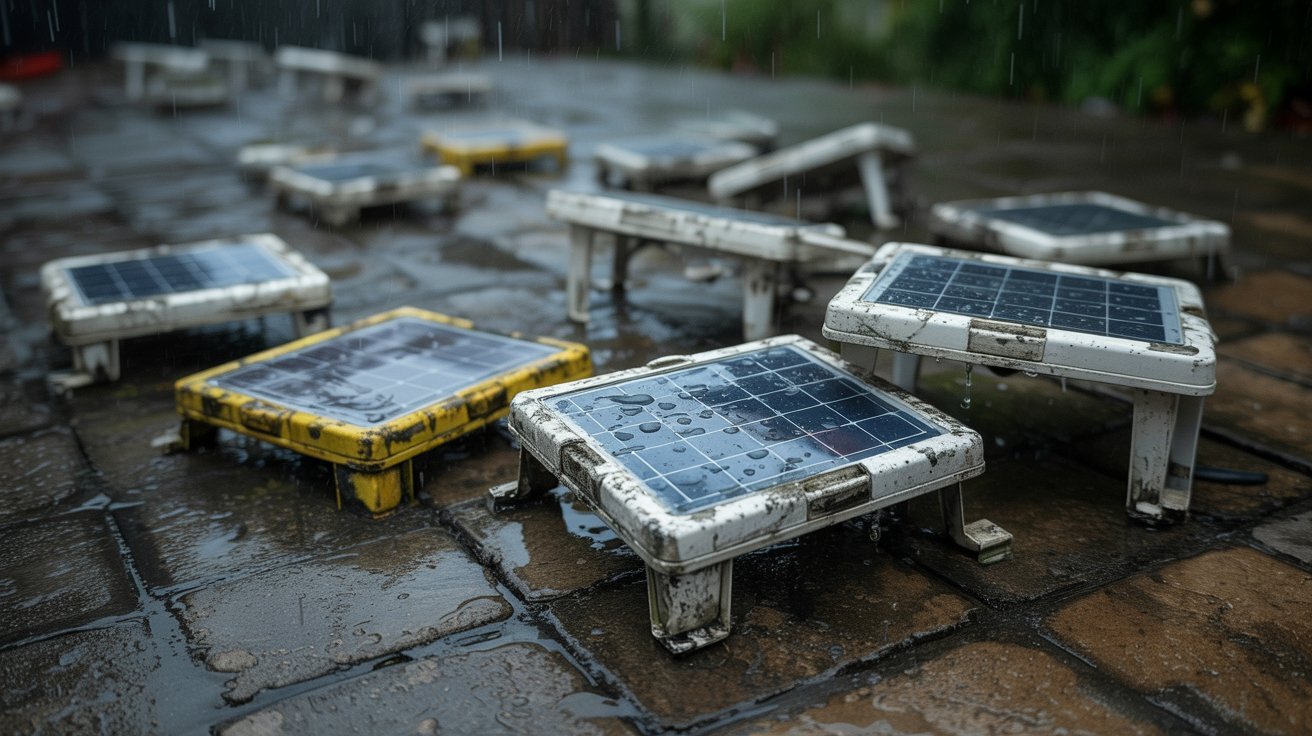
Solar lights face a lot outdoors. Climate and build quality decide how long they actually hold up.
Heat degrades batteries fast. In areas crossing 35°C to 40°C regularly, budget lights show issues within 12 to 18 months. Better-built options with heat-resistant casings last 2 to 3 years.
Rain and humidity weaken seals and disrupt charging cycles over time. IP65-rated lights survive 3 to 5 monsoon seasons. Cheaper housing cracks and lets moisture in much sooner.
Dust and pollution cut panel efficiency by 15% to 25% if ignored. Coastal salt air corrodes metal parts faster. A quick wipe-down every few weeks keeps performance on track.
UV exposure breaks down plastic slowly. Housing yellows, seals shrink, and panel covers get scratched over time. Most lights show wear between years 3 and 5.
UV-stabilized materials can stretch that to 5 to 7 years.
How Long Do Different Types of Solar Lights Last?
Not all solar lights last the same. Here is a quick breakdown by type so you know what to expect.
1. Solar Garden Lights
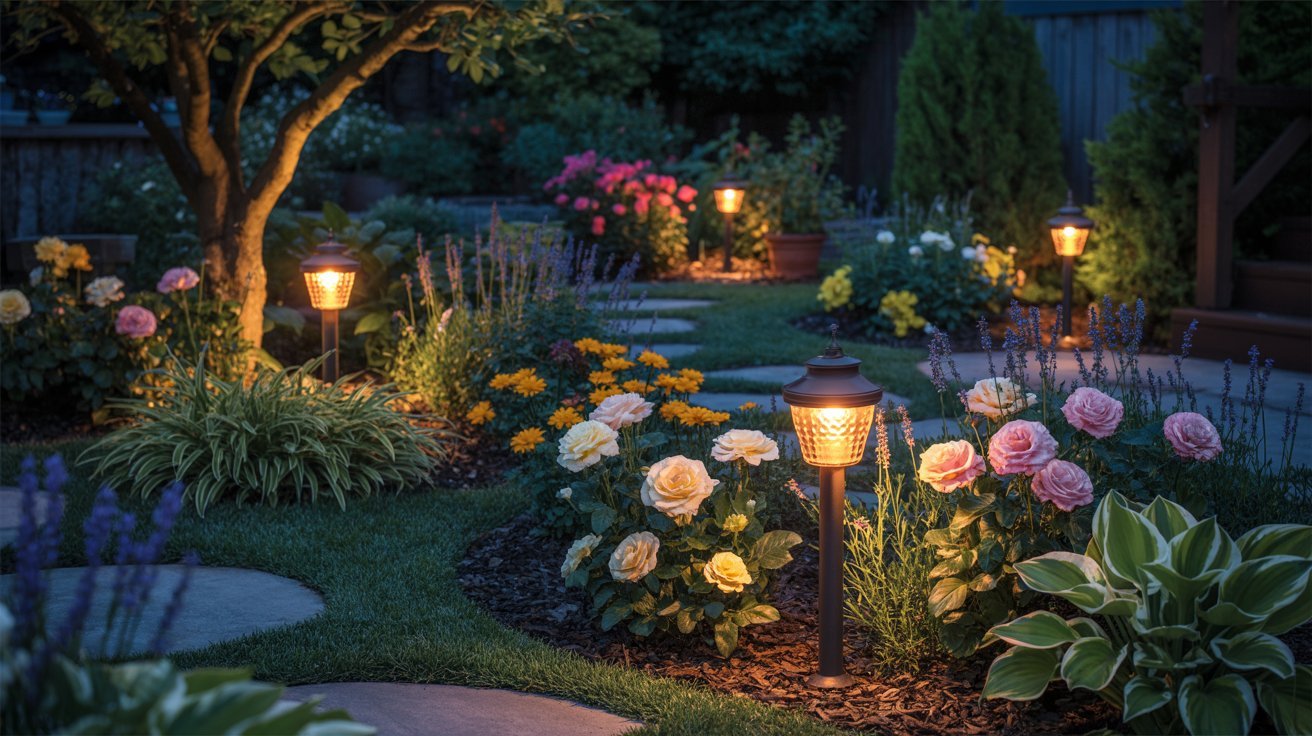
Most garden lights last 2 to 5 years. Battery quality is the biggest factor. Cheaper models start losing charge within the first year. Replace the batteries every couple of years and the fixture itself can last much longer.
2. Solar Pathway Lights
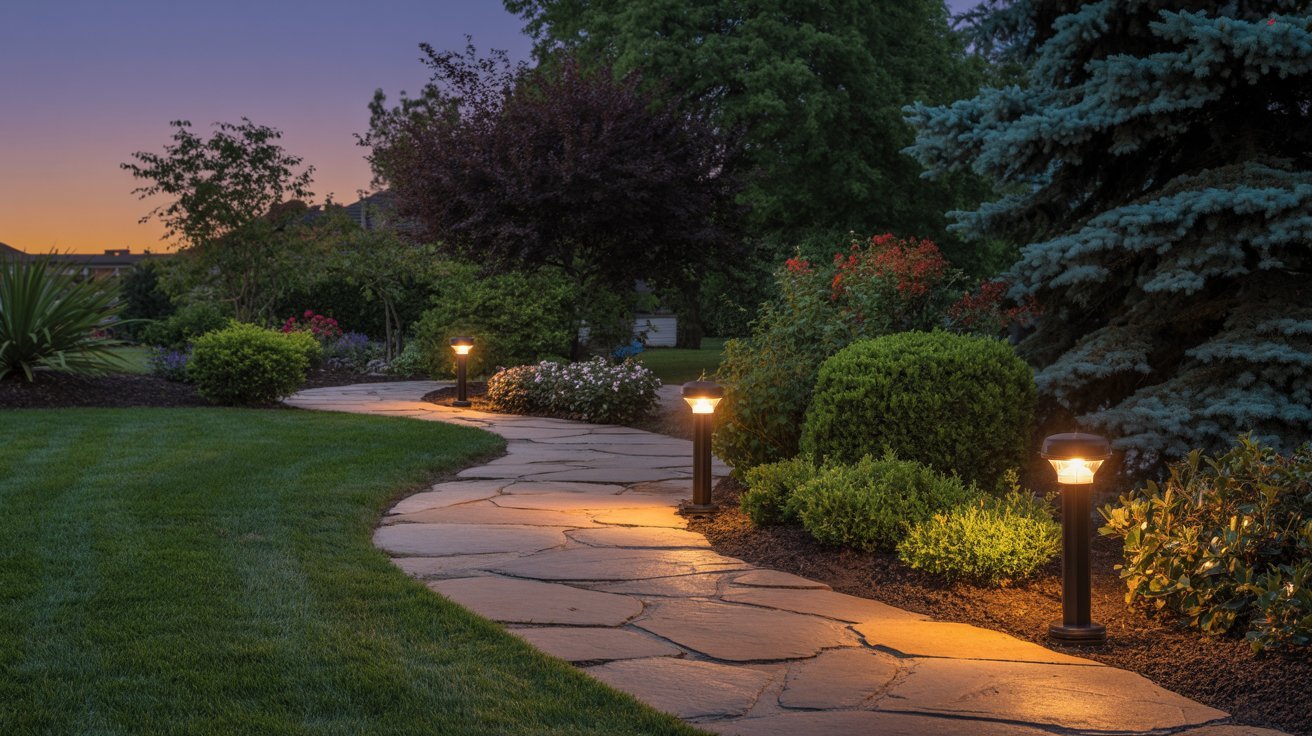
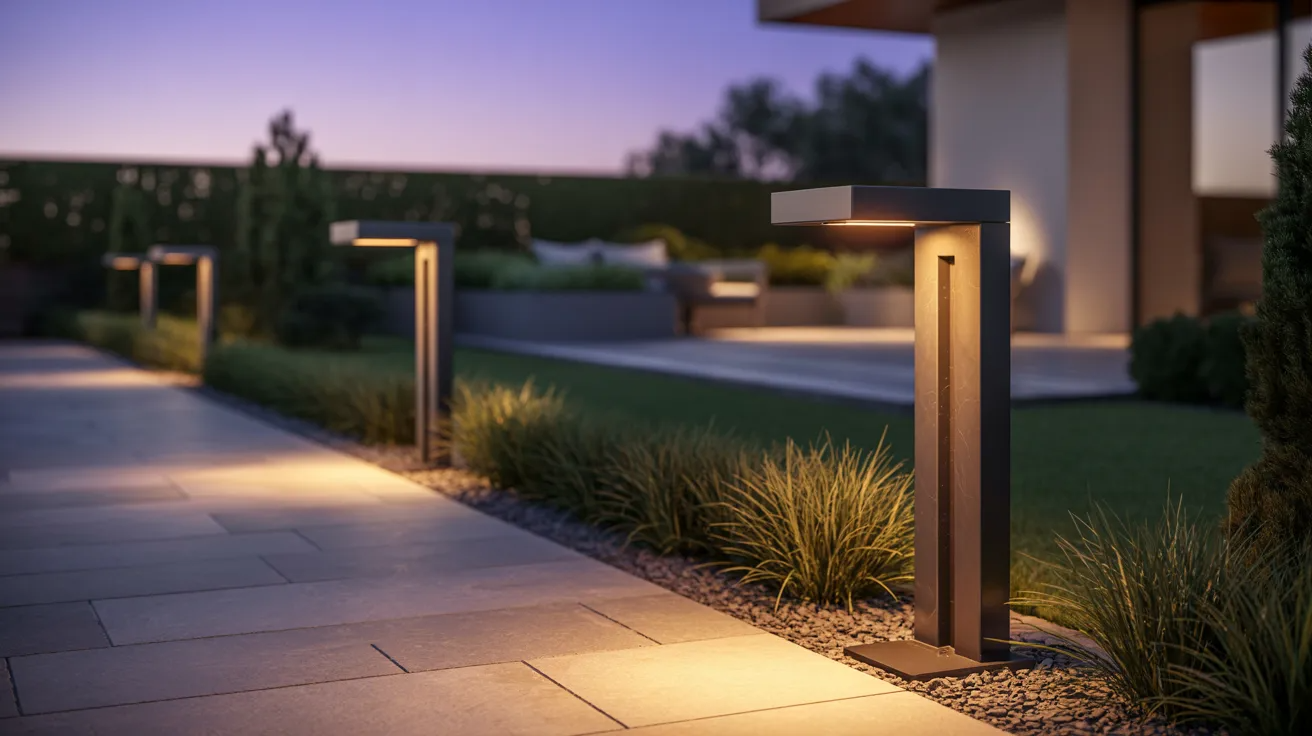
Pathway lights take more wear from ground-level exposure. Expect around 2 to 4 years. The LED usually outlasts the battery. Look for an IP65 waterproof rating if you live somewhere with heavy rain.
3. Solar Flood Lights
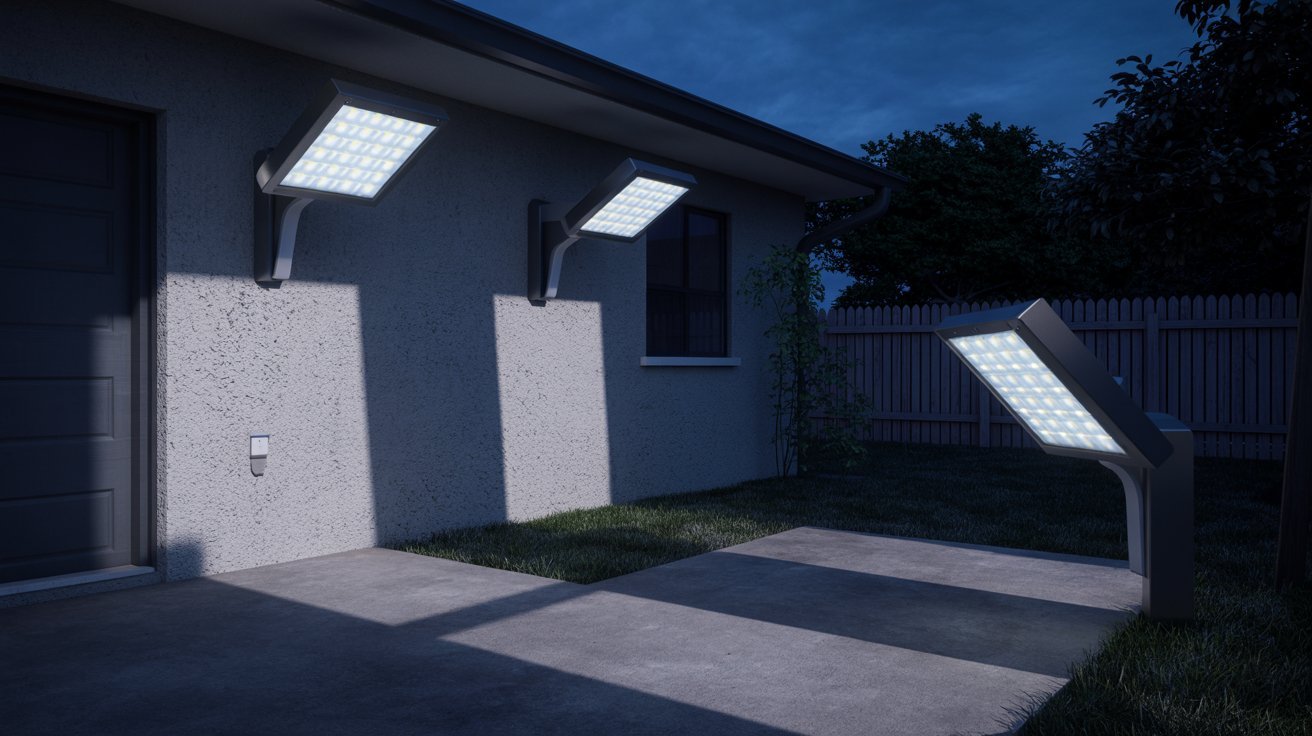
These are built tougher and last 3 to 7 years. Bigger panels and stronger batteries help them hold up. Just keep the solar panel clean since dust cuts charging efficiency fast.
4. Solar Motion Sensor Lights
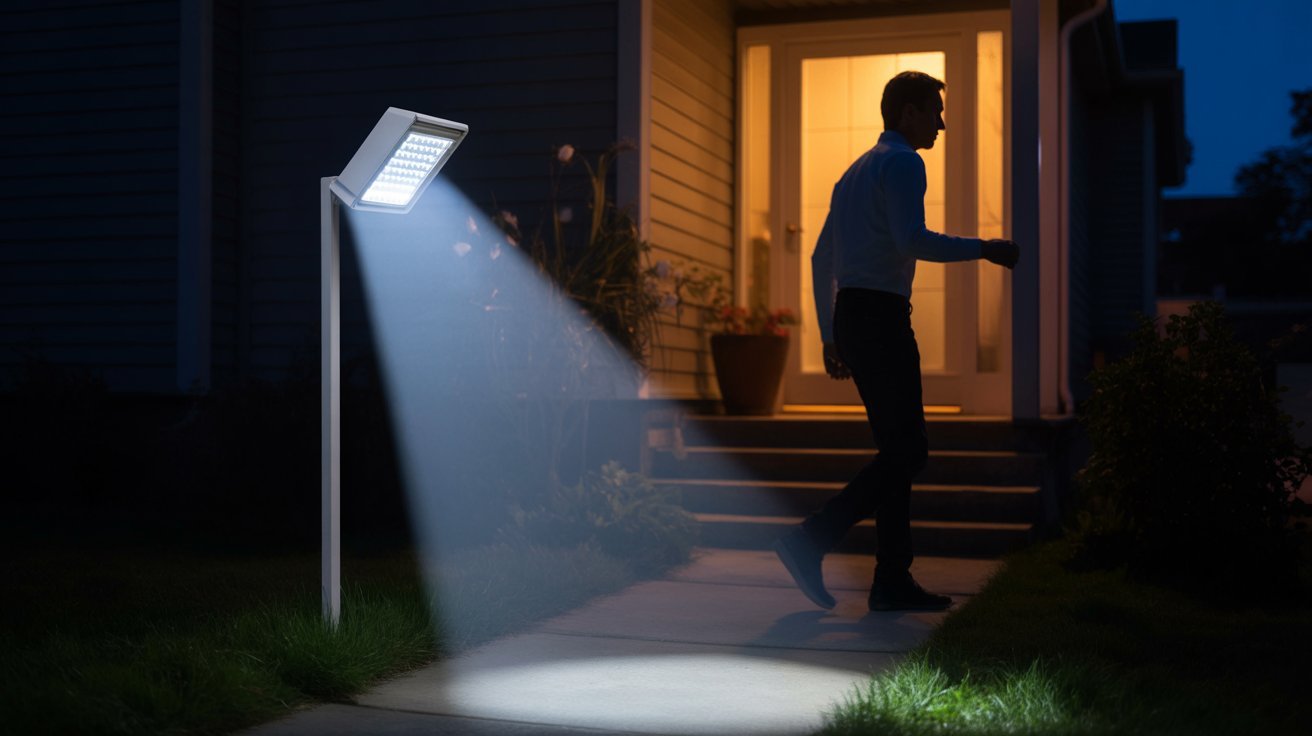
Because they only switch on when triggered, the battery lasts longer. Most quality models run well for 3 to 5 years. The motion sensor tends to wear out before the light itself does.
5. Solar Street Lights
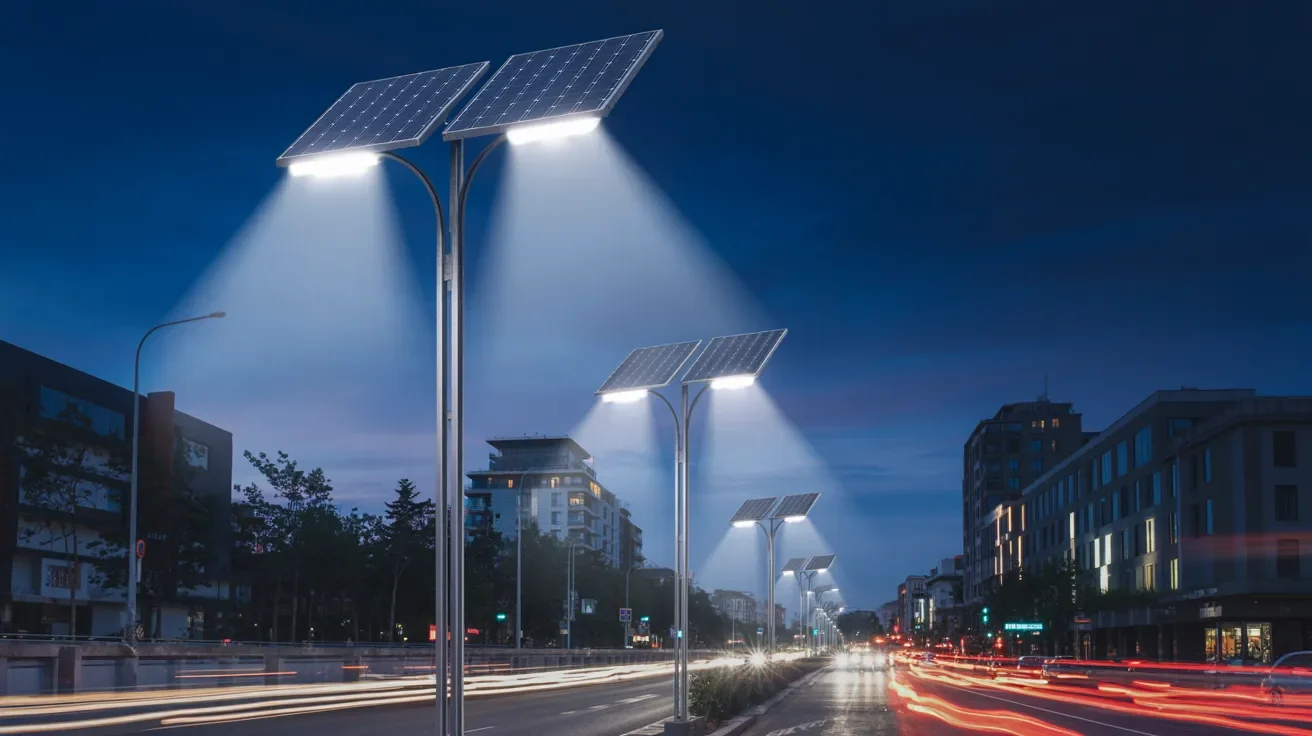
These are commercial-grade and built to last. A well-maintained street light can go 5 to 10 years. They use lithium iron phosphate batteries and LED modules rated for 50,000+ hours, so performance stays steady for a long time.
Signs Your Solar Lights Are Reaching the End of Their Lifespan
These warning signs will tell you when your solar lights are starting to fail.
- Dim or Weak Lighting
- Solar Lights Not Lasting Through the Night
- Reduced Charging Performance
- Flickering or Sensor Failure
- Water Damage and Corrosion
How to Make Solar Lights Last Longer
Small habits make a big difference in keeping your solar lights working well for years.
Clean Solar Panels Regularly
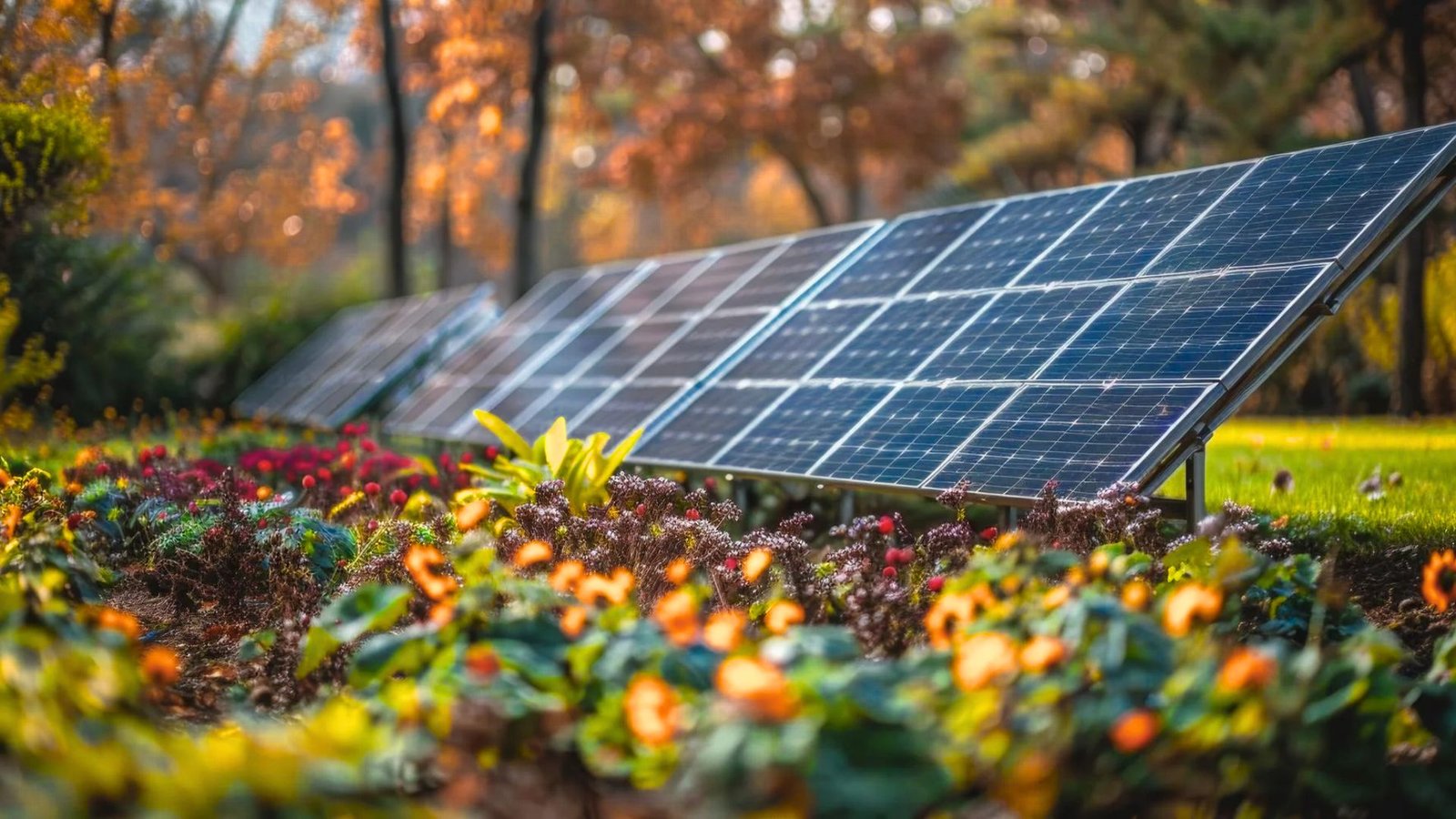
Dirt, dust, and bird droppings block sunlight from reaching the panel. When that happens, your lights charge poorly and dim faster than they should.
Wipe the panels with a damp cloth every couple of weeks. You do not need any special cleaner.
Install Solar Lights in Direct Sunlight
This is the most common mistake people make. They place solar lights in shaded spots and then wonder why the battery dies by 9 PM.
Solar panels need at least 6 to 8 hours of direct sun each day. Check the area at different times before you install anything.
Replace Batteries When Needed
Solar lights use rechargeable batteries, and those batteries wear out over time. Most last about one to two years before they start holding less charge.
If your lights are dimming earlier in the night or not turning on at all, the battery is usually the problem. Swap it out with a fresh one of the same type.
Protect Solar Lights From Extreme Weather
Heavy rain, snow, and intense heat all wear down solar lights faster. Not every light is built to handle harsh conditions year-round.
If you live somewhere with freezing winters, bring your solar lights indoors during the coldest months. For rain-prone areas, check that your lights carry an IP65 rating or higher.
Choose High-Quality Solar Lights
Budget solar lights often use low-grade panels and weak batteries. They look fine in the store but stop working well within a season.
Spending a bit more upfront saves you money over time. Look for lights with stainless steel or ABS plastic housing, higher lumen output, and a decent battery capacity.
Cheap vs Premium Solar Lights: Which Last Longer?
Not all solar lights are built the same. Here is how lifespan changes across price ranges.
|
Type |
Price Range |
Lifespan |
Key Features |
|
Budget |
Under $20 |
1 to 2 years |
Low-capacity batteries, UV-prone panels, cheap plastic housing |
|
Mid-Range |
$20 to $60 |
3 to 5 years |
Lithium-ion batteries, stronger housing, LEDs rated up to 50,000 hours |
|
Commercial-Grade |
$60 and above |
10 to 25 years |
Monocrystalline panels, LiFePO4 batteries, IP67-rated housing, smart charging controllers |
The value case is simple. A cheap light you replace every 18 months ends up costing more than a quality light that runs for five or ten years.
How to Choose Solar Lights That Last Longer
Not all solar lights are built the same. Some die out after one season. Here is what actually makes them last.
Choose LiFePO₄ Batteries
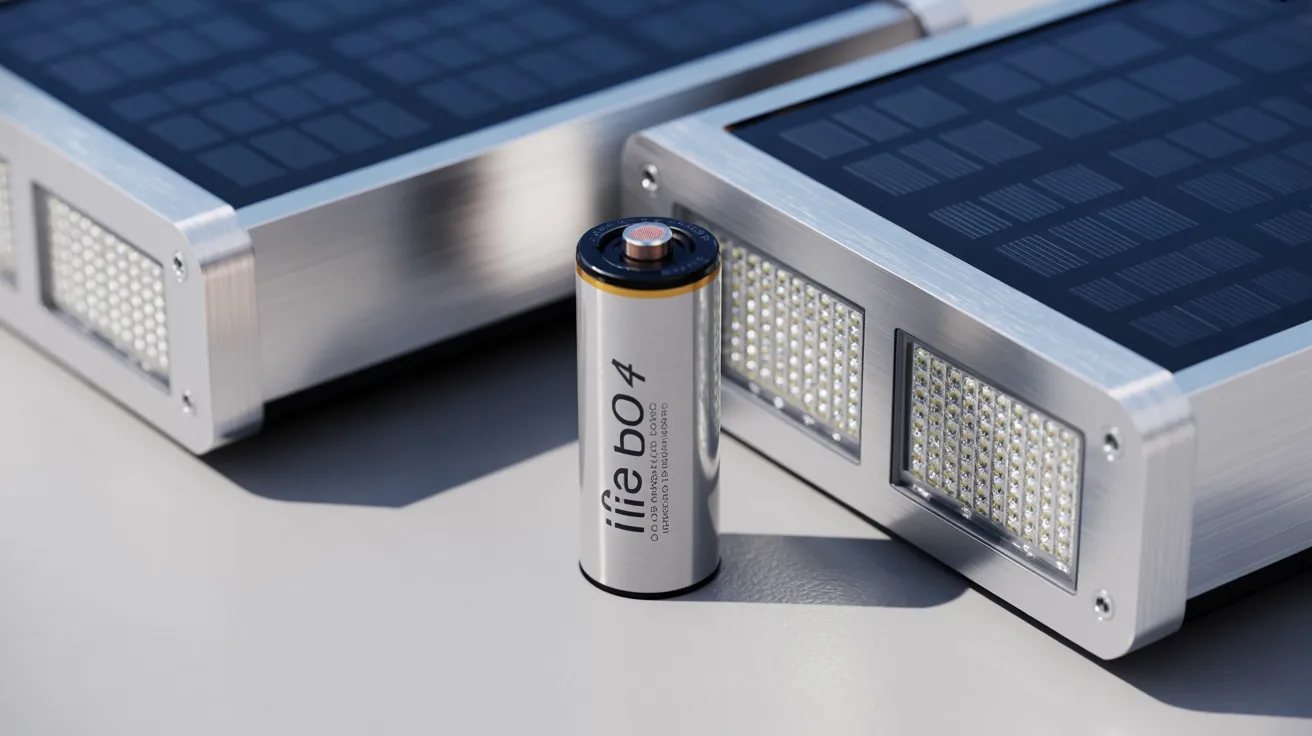
Most cheap solar lights use NiMH or Li-ion batteries that wear out fast. LiFePO₄ batteries handle heat and cold much better and last through 2,000+ charge cycles. That is a big difference over time.
Look for IP65 or Higher Waterproof Ratings
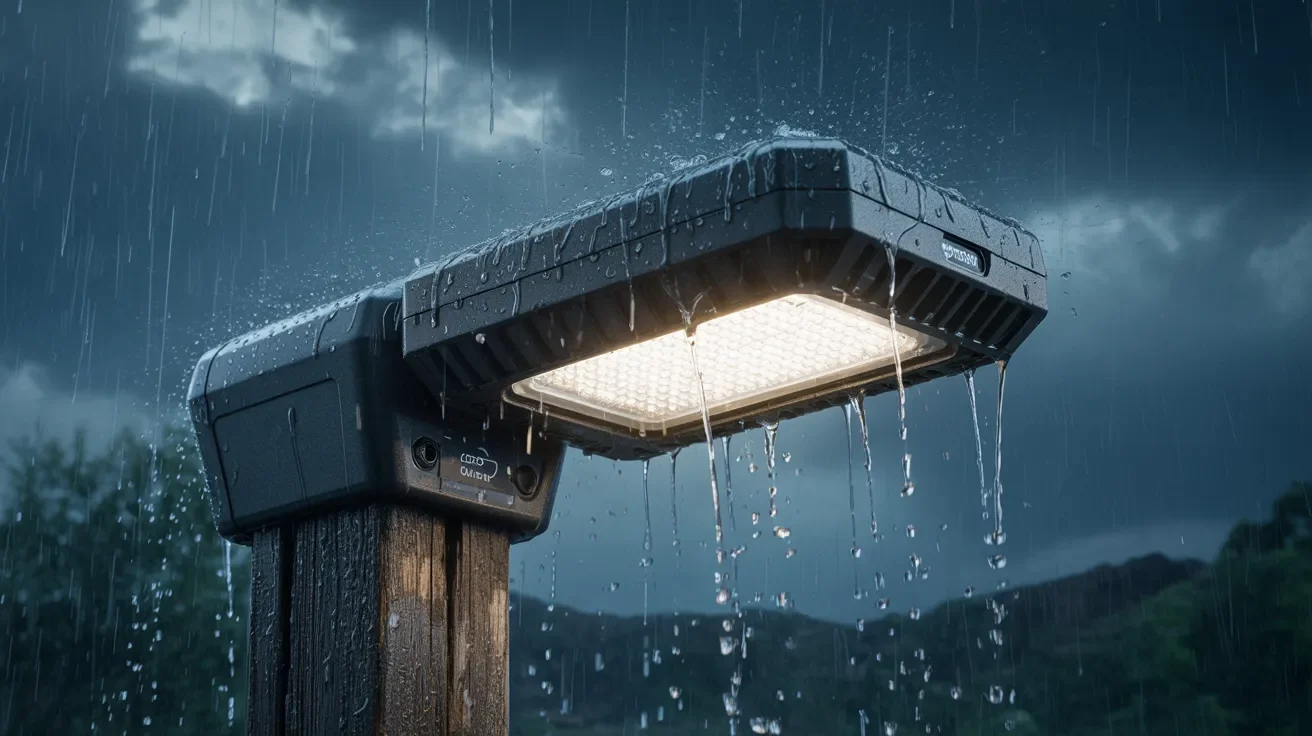
IP65 means fully dust-tight and protected against water jets. That is the minimum worth buying. No IP rating listed usually means poor sealing.
Pick Monocrystalline Solar Panels
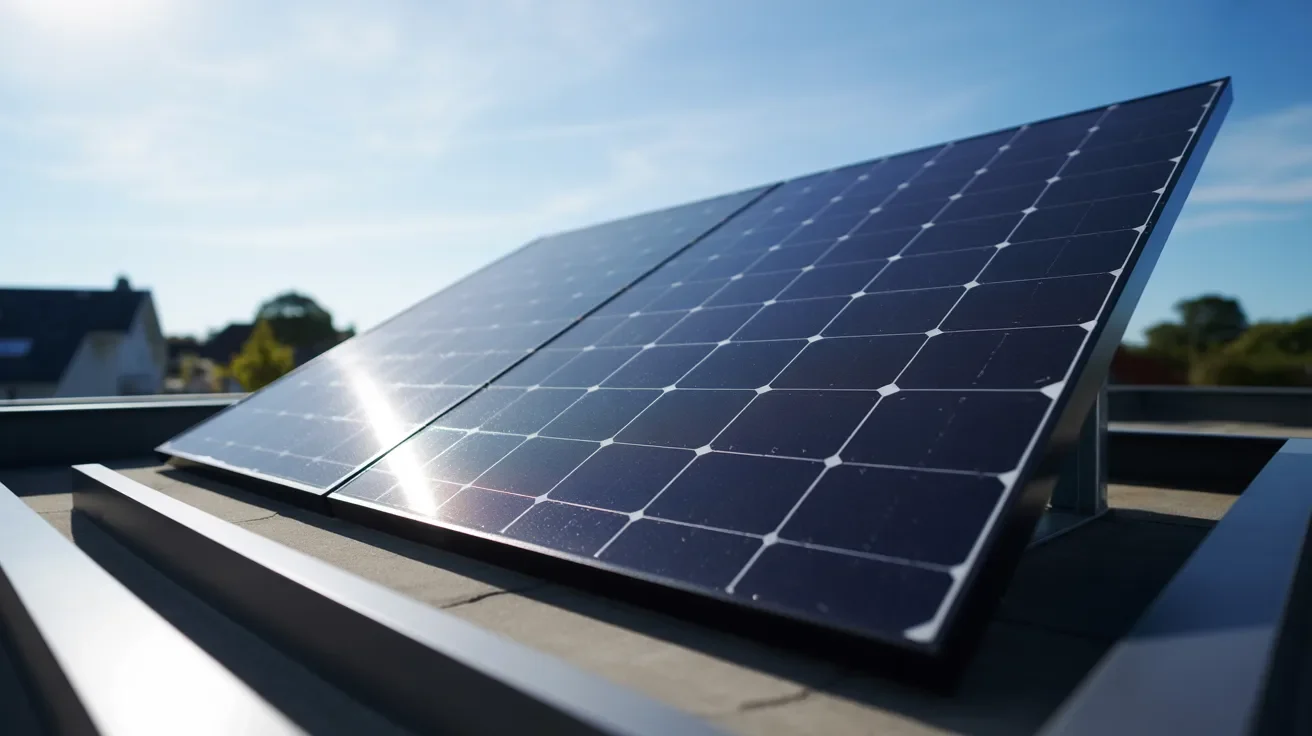
These panels charge more efficiently, even on cloudy days. They are easy to spot by their solid dark color. Polycrystalline panels cost less but underperform when sunlight is weak.
Choose Replaceable Battery Designs
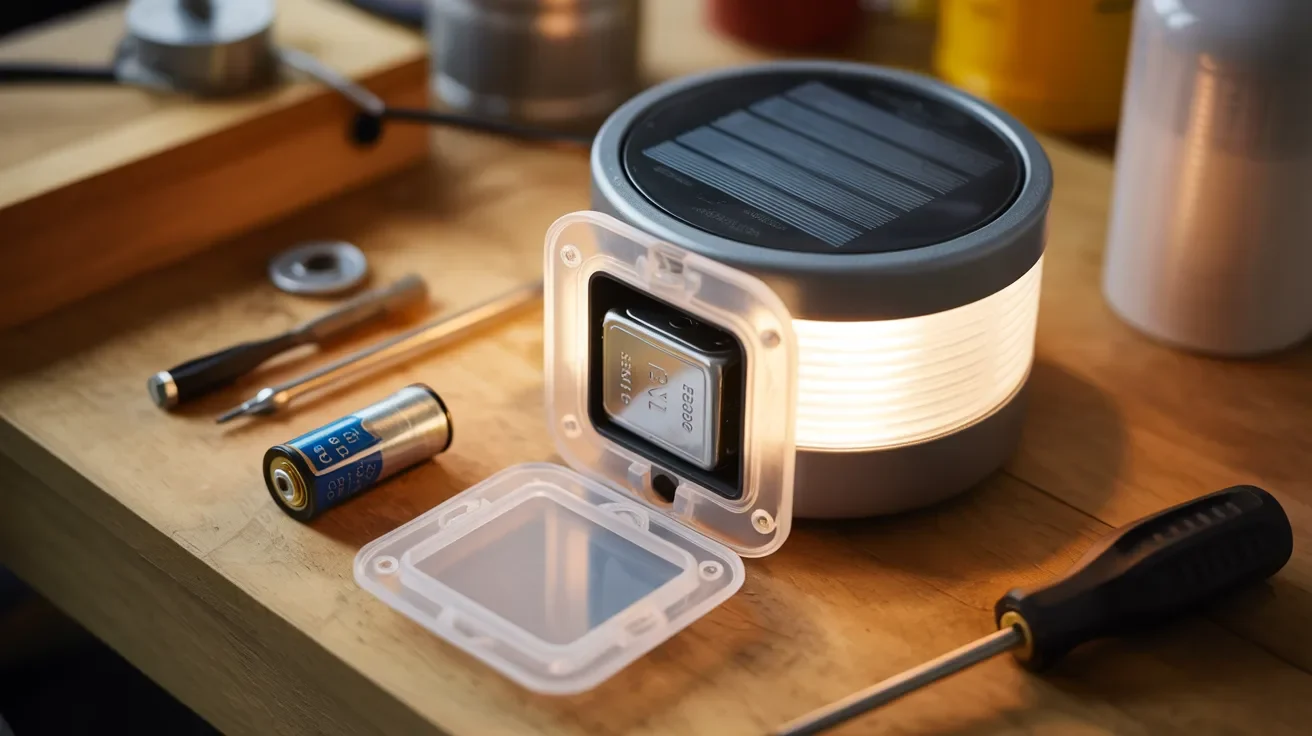
Some lights are sealed shut. When the battery dies, the whole light is done. A replaceable battery can add two to three years to the product’s life.
Select Durable Aluminum Housing
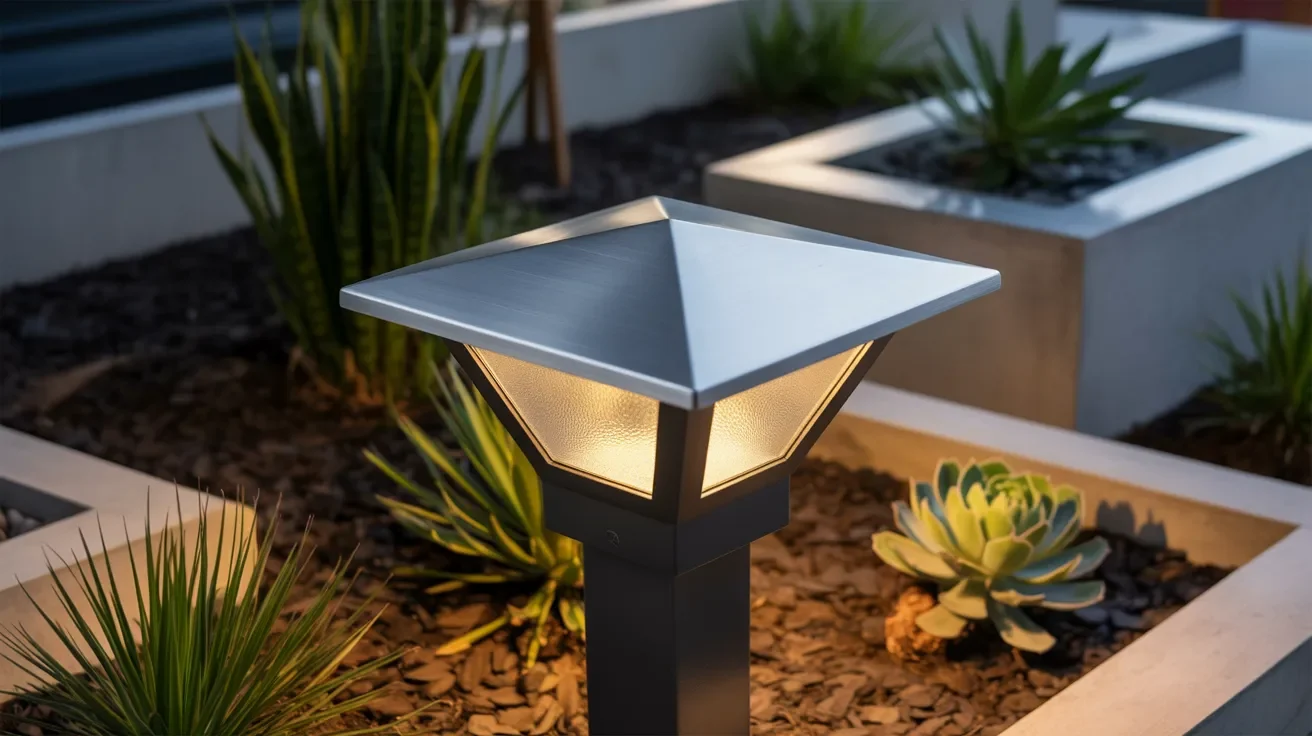
Plastic casings crack from UV and cold. Aluminum holds up through every season, handles heat better, and keeps the LED running longer.
Are Solar Lights Worth It Long Term?
Once installed, solar lights run on sunlight with no added monthly cost.
A single outdoor light on grid power can cost $10 to $20 per year in electricity multiplied across several fixtures and it adds up fast.
Solar lights also skip wiring, trenching, and permit costs entirely.
Most quality solar lights use LED bulbs lasting 25,000+ hours, and batteries only need replacing every 3 to 5 years at very little cost.
If you spend $150 on four good solar path lights and save $25 per year on electricity, you break even in six years. Everything after that is pure savings.
Conclusion
Now you know how long solar lights last and what actually affects their life. Honestly, I learned this the hard way after replacing cheap solar path lights two summers in a row.
Once I switched to quality panels and started cleaning them monthly, the difference was night and day.
Small habits really do add years to these lights. If you found this helpful, drop a comment below.
I’d love to hear how long your solar lights have been running. And if you know someone setting up outdoor lighting, share this post with them!
Frequently asked questions
How long do solar lights typically last?
Most solar lights last between 2 to 5 years, depending on the quality of components and how well they are maintained.
What factors affect the lifespan of solar lights?
Sunlight exposure, weather conditions, battery quality, and the durability of the solar panel are the key factors that determine how long solar lights last.
How long do the batteries in solar lights last?
The rechargeable batteries in solar lights typically last 1 to 2 years before they need to be replaced to restore full performance.
Do solar lights last longer with proper maintenance?
Yes, regularly cleaning the solar panel and storing lights indoors during extreme weather can noticeably extend their working life.
When should you replace solar lights instead of repairing them?
If the solar panel is cracked or the light fails even after a fresh battery replacement, buying a new unit is the more practical option.