Solar lights are great until they stop working the way you expect. Slow charging, dim output, batteries dying too soon. I’ve dealt with all of it.
This guide covers how to charge solar lights without sun, the mistakes that hurt performance, and simple fixes that actually work.
I’ve spent years testing solar lights hands-on. I know what goes wrong and why.
Here’s what you’ll find inside, No fluff. No complicated steps. Just clear, practical advice that gets your solar lights working again.
Can Solar Lights Charge Without Direct Sunlight?
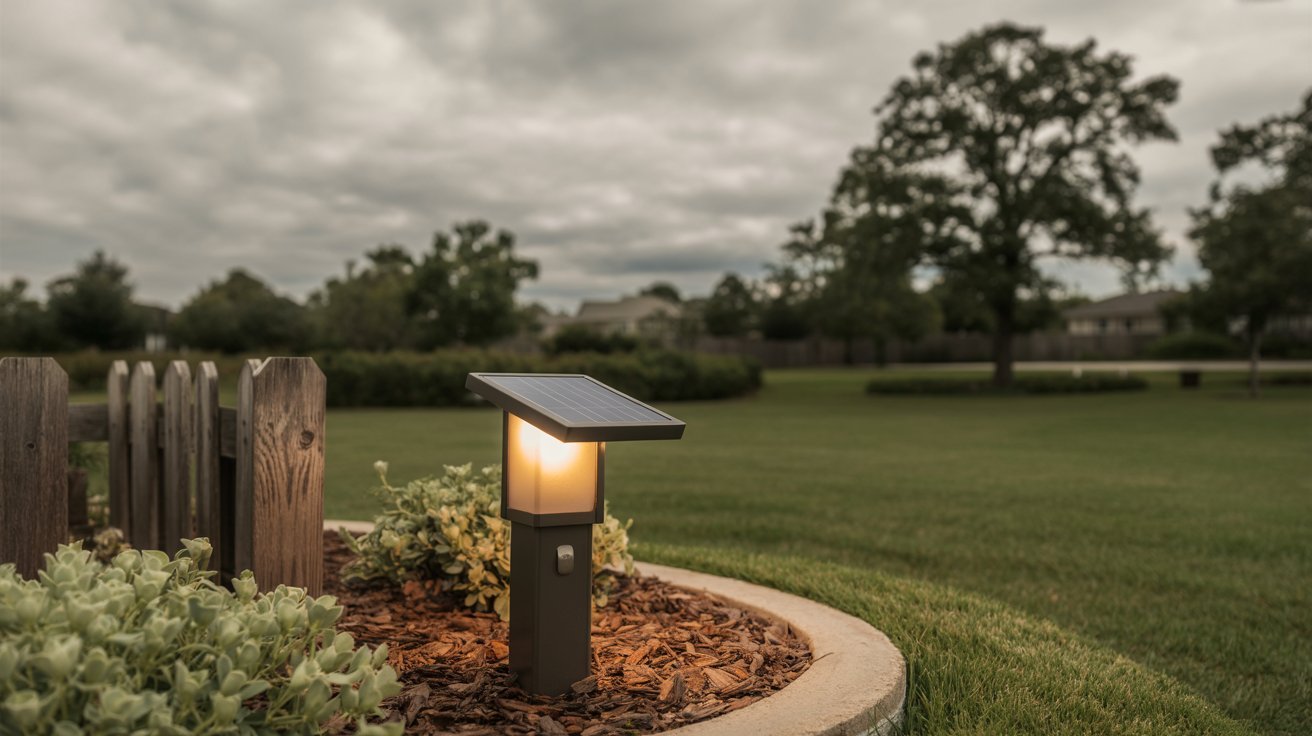
Solar lights don’t need direct sunshine to charge. They can absorb diffused light too, just at a slower rate.
Solar panels work by converting light into electricity through photovoltaic cells. More light means a faster charge. Less light means a slower one. Artificial light can technically do the job, but it’s too slow to be practical.
On cloudy or rainy days, some light still gets through. Panels charge at roughly 10 to 25 percent of their normal rate. The built-in battery covers the gap, storing energy from sunnier days to keep the light running at night.
If you get several overcast days back to back, the battery will drain and the light may not last all night.
Best Ways to Charge Solar Lights Without Sun
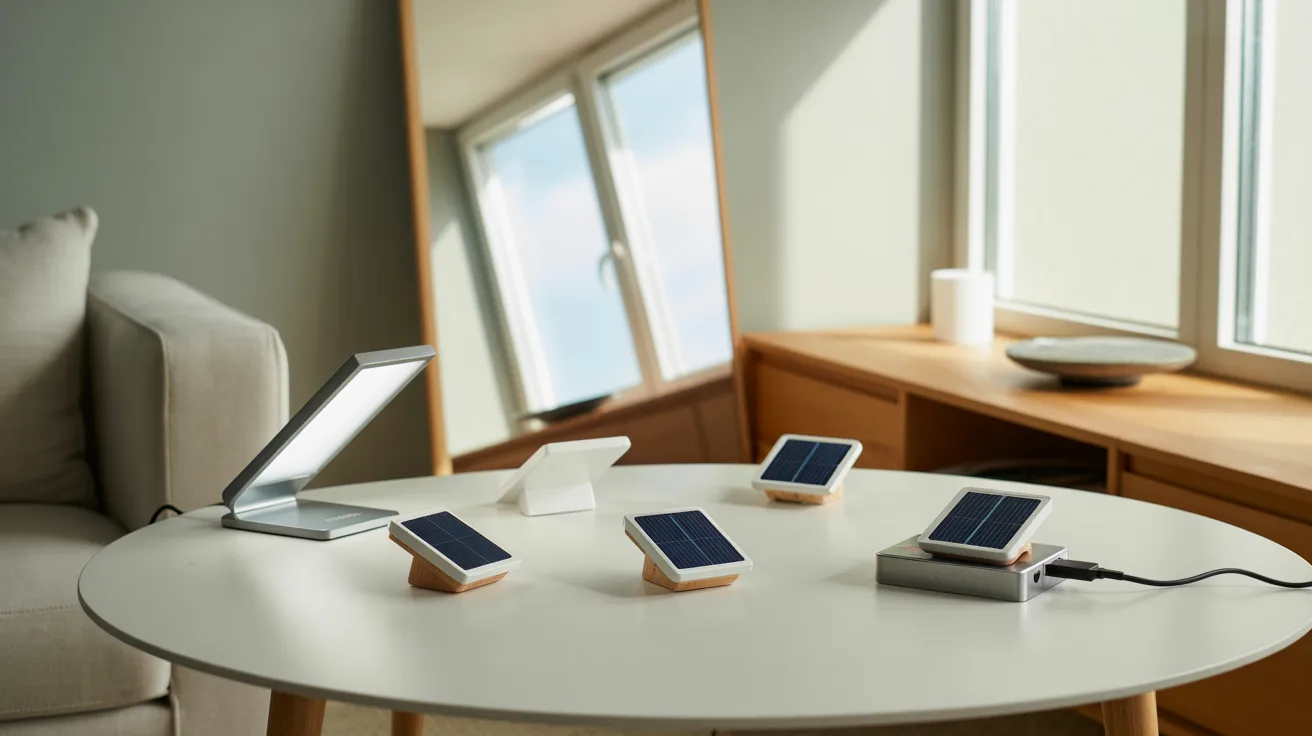
No sun? No problem. Here are simple, practical ways to keep your solar lights charged indoors and outdoors.
1. Charge Solar Lights With LED Bulbs
LED bulbs emit light in wavelengths that solar panels can absorb and convert into energy. Place the solar light directly under the LED bulb with the panel facing upward, about 12 to 20 inches away. It is not as powerful as sunlight, but it works.
Plan for around 10 to 12 hours of charging time to get a decent result. Leaving it overnight is the easiest approach.
2. Use Incandescent Bulbs for Faster Charging
Incandescent bulbs produce a broader light spectrum that is closer to natural sunlight, making them slightly more effective than LEDs for charging solar panels.
A 60-watt or higher bulb gives the best output. Since these bulbs run hot, keep them away from flammable surfaces and make sure there is good airflow around the setup.
3. Try Fluorescent or CFL Lighting
Fluorescent and CFL bulbs produce a mix of visible wavelengths that solar panels can pick up. Use a higher-wattage CFL and position the panel directly beneath it.
Remove any lampshades that might reduce light exposure. The more direct the contact, the faster the charge.
4. Charge Solar Lights Through USB or Wall Outlet
Many modern solar lights come with a USB port that lets you charge the battery directly. Use the original cable or a compatible one and plug it into a standard wall charger or power bank.
Avoid fast chargers unless the manufacturer specifically recommends them, as they can damage the battery over time.
5. Place Solar Lights Near a Window
Indirect sunlight through a window still carries enough energy to charge a solar panel on a clear day. South-facing windows get the most consistent light throughout the day in the Northern Hemisphere.
East-facing windows work well in the morning, and west-facing ones are better in the afternoon.
6. Use Mirrors or Reflective Surfaces
Mirrors and reflective materials bounce available light back onto the solar panel, increasing total light exposure without needing a stronger source. Set up a mirror or a sheet of aluminum foil at an angle beside the panel, directing light onto its surface.
Even in low-light conditions, this small adjustment can speed up charging noticeably.
7. Charge Solar Lights During Cloudy Weather
Solar panels do not need direct sunshine to work. They respond to light intensity, and diffused light on cloudy days is still enough for a partial charge. Place the light in the most open spot available, away from shade caused by trees or buildings.
Tilting the panel toward the brightest part of the sky helps catch as much ambient light as possible.
How Long Does It Take to Charge Solar Lights Without Sunlight?
Charging solar lights indoors takes longer than using sunlight, but it works.
Under a strong LED or incandescent bulb, most solar lights need around 10 to 12 hours to reach a decent charge. LED bulbs are the better pick since they give more light output without much heat.
A few things affect charging speed. The closer the solar panel is to the bulb, the faster it charges. Keep it within 12 to 20 inches if you can. Bulb brightness matters too, a 100-watt bulb charges much faster than a dim 40-watt one.
Battery condition counts as well. An old battery charges slower and holds less power. If your lights are not responding well, the battery might need replacing.
Do Solar Lights Charge on Cloudy or Rainy Days?

Yes, solar lights still charge on cloudy or rainy days, just not as quickly as in full sunlight.
Can Solar Panels Work in Low-Light Conditions?
Yes, they can. Solar panels respond to light, not direct sun. On overcast days, diffused light still reaches the cells and charges the battery.
The output drops though. On a heavy overcast day, panels may produce only 10% to 25% of their normal capacity. Enough to maintain a charge, but not always enough to fully refill a drained battery.
How Weather Affects Charging Performance
Cloudy days and light rain slow charging but do not stop it. Heavy storms are different. Thick clouds block most light, so charging almost stops entirely.
Rain does have one upside. It cleans dust off the panels, which helps them perform better once the sun returns.
What to Expect During Winter Months
Winter brings shorter days, a lower sun, and more clouds. All of that means less charging time.
Your lights will likely still work, just for fewer hours each night. Keeping panels clean and placed in the sunniest spot helps a lot during this time.
In regions with very long, dark winters, solar lights may struggle to stay charged for extended periods. That is simply the limit of how the technology performs in low-light climates.
Common Mistakes to Avoid
Small errors in solar light use can quietly kill your charging efficiency over time.
- Weak bulbs barely charge solar panels. Use a strong, full-spectrum LED or incandescent light pointed directly at the panel.
- Distance kills charging speed. Keep the panel as close to the light source as safely possible.
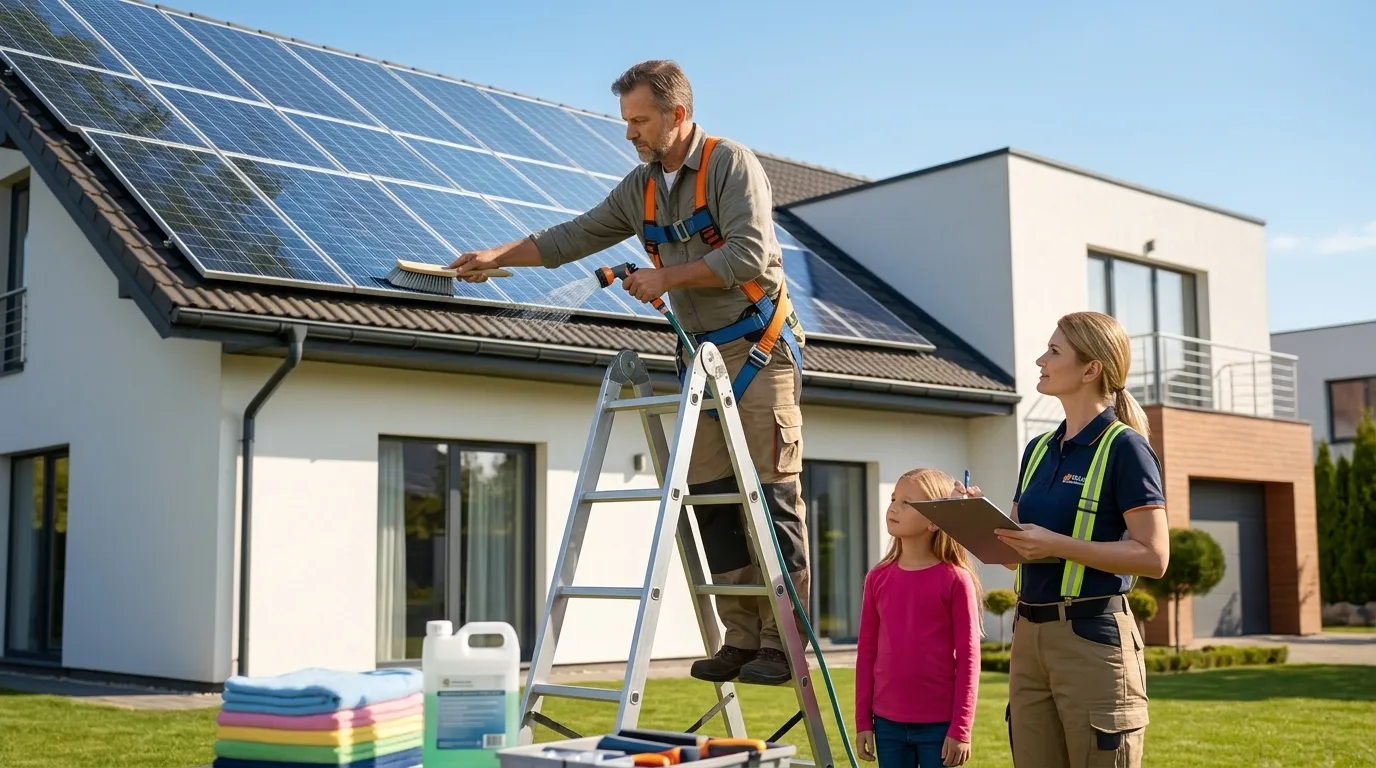
- Dust and grime block light fast. Wipe your panel down every week or two with a damp cloth.
- A cracked or swollen battery holds no charge. Check it regularly and swap it out when needed.
- Skipping routine checks lets small problems grow. A quick look at your setup every few weeks keeps things running right.
Benefits of Charging Solar Lights Without Sun
Knowing how to charge solar lights without sunlight keeps them working when the weather does not cooperate.
Keeps Outdoor Lighting Functional Year-Round

Cloudy weeks and bad weather do not have to mean dark nights. When you know how to charge solar lights using artificial sources or reflected light, your outdoor areas stay lit even through long stretches of overcast skies.
It is a simple way to stay prepared.
Useful During Winter and Emergencies

Winter months bring shorter days and less direct sunlight. In areas with heavy snow or fog, solar lights can struggle to charge at all.
Having a backup charging method, whether that is a bright indoor lamp or a window with indirect light, keeps things running without interruption.
Same goes for power outages or emergencies where you need reliable lighting fast.
Reduces Dependence on Grid Electricity
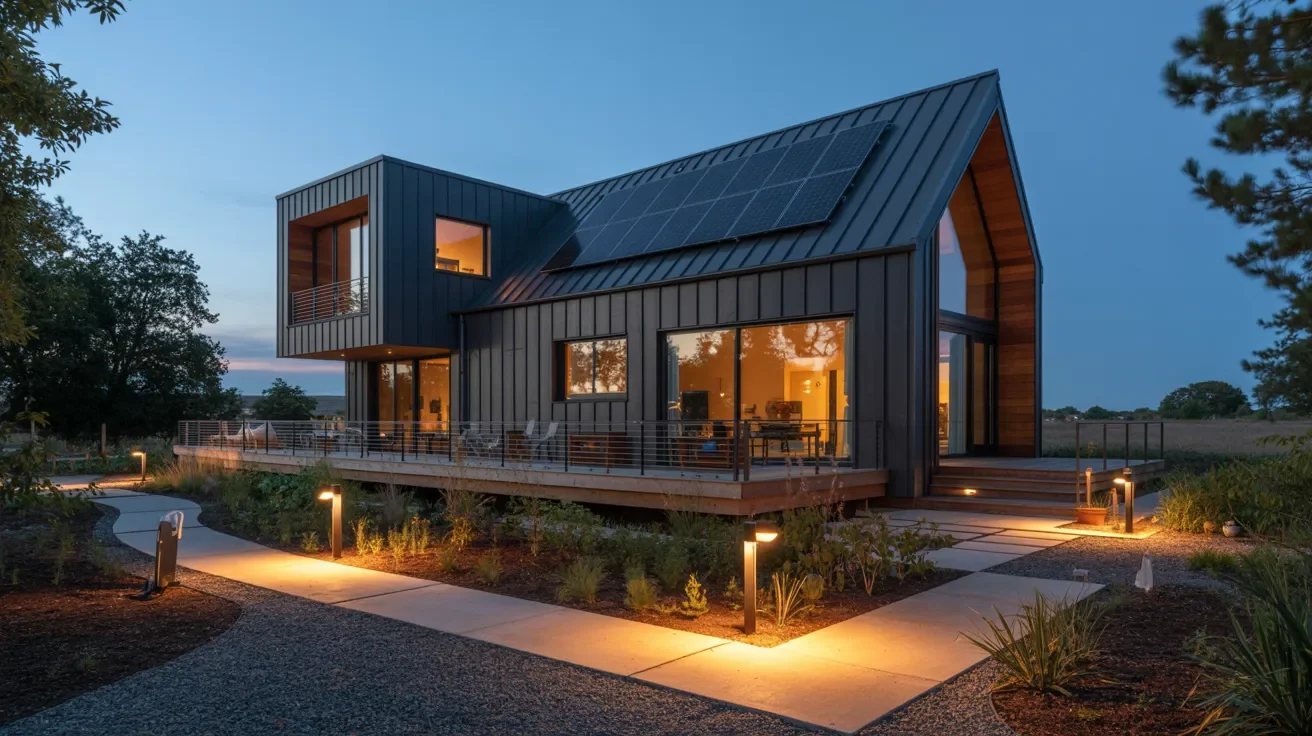
The whole point of solar lights is to cut down on electricity use. When you learn to charge them using reflected sunlight, indirect light, or low-energy artificial sources, you keep that benefit intact.
You are not plugging into the grid just because a cloud rolled in. That adds up to real savings over time.
Tips to Make Solar Lights Charge Faster
A few easy habits can make a real difference in how fast your solar lights charge.
- Clean panels absorb more light. A quick wipe with water and a soft cloth every couple of weeks does the job.
- Angle your panel toward the brightest part of the sky. Even small position changes can speed up charging.
- Shadows add hours to your charge time. Check for branches, walls, or furniture blocking the panel during peak daylight.
- Let your light fully drain every few months before giving it a full charge. This keeps the battery working at full capacity.
- Most batteries need replacing every one to two years. If your light dims early or won’t turn on, a fresh battery is usually the fix.
Conclusion
Getting the most out of your solar lights does not have to be complicated.
I used to ignore my panels for weeks and then wonder why my garden went dark by 9 PM. A quick clean and a better placement spot changed everything.
Small steps really do add up. Try one or two of these tips this week and see what happens.
Got a trick that works for you? Drop it in the comments below. And if this helped, share it with someone who uses solar lights too.
Frequently Asked Questions
Can solar lights charge on cloudy days?
Yes, solar panels still pick up light even when the sky is overcast. Charging is slower on cloudy days, but it does not stop completely.
How long does it take to fully charge solar lights?
Most solar lights need around six to eight hours of direct sunlight for a full charge. This can vary depending on the panel size and battery capacity.
Can I charge solar lights indoors using artificial light?
Yes, a strong full-spectrum LED or incandescent bulb placed close to the panel can work. It will not be as fast as sunlight, but it gets the job done in a pinch.
How often should I replace the battery in my solar light?
Most solar light batteries last around one to two years before they start losing performance. If your light is dimming early or not turning on, it is time for a new battery.
Why are my solar lights not lasting through the night?
The most common reasons are a dirty panel, a weak battery, or poor placement during the day. Clean the panel, check the battery, and make sure it gets enough direct light to fix the issue.