Trying to choose between a heat pump and a geothermal system? You are not the only one stuck on this big decision.
Both can heat and cool your home, but they work in very different ways. The right pick depends on your budget, space, and long-term plans.
In this blog, you will learn about upfront costs, efficiency, installation needs, and long-term savings. We will also share honest expert tips to guide your choice.
Backed by years of HVAC research and real homeowner feedback, this guide gives you clear and trusted answers.
Understanding the Debate Around Heat Pumps and Geothermal
When it comes to clean home heating, heat pumps and geothermal systems often come up in the same talk. Both work well, but they are not the same.
Heat pumps pull warmth from the air outside your home. They cost less to install and fit most homes with ease. This makes them a popular pick for many families.
Geothermal systems work by using heat from deep in the ground. They cost more upfront, but they save more money in the long run. They also last longer than most other systems.
The real debate is about value over time. Some owners want lower starting costs, while others want bigger savings later. Your home size, land space, and budget all play a role in the final choice.
Why More Homeowners Are Finding Alternative HVAC Systems
More people today are moving past old heating and cooling setups. Rising power bills and growing concern for the planet are big reasons behind this shift.
Old gas and oil systems cost a lot to run and release fumes that harm the air. Newer HVAC systems give steady airflow, better room control, and run much quieter.
Government rebates and tax credits also make the switch easier on the wallet. With long-term savings on the table, more owners are giving these systems a fair look.
What Is the Difference Between Heat Pumps and Geothermal?

Both systems heat and cool your home in smart ways, but they pull energy from different sources and work in their own way.
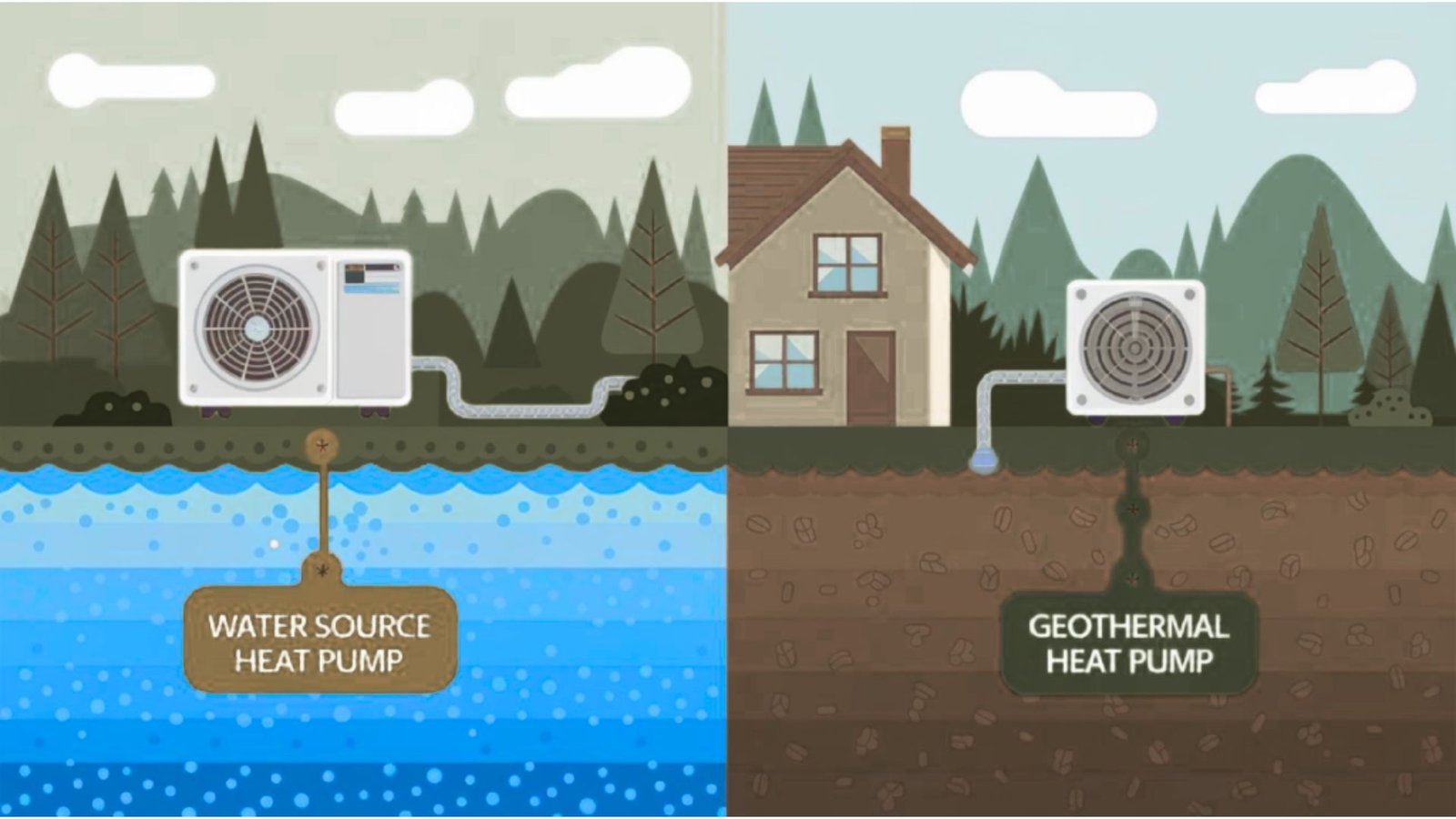
How Air Source and Geothermal Heat Pumps Work
Air source heat pumps move heat between your home and the outside air. In winter, they pull warm air indoors, and in summer, they push it back out.
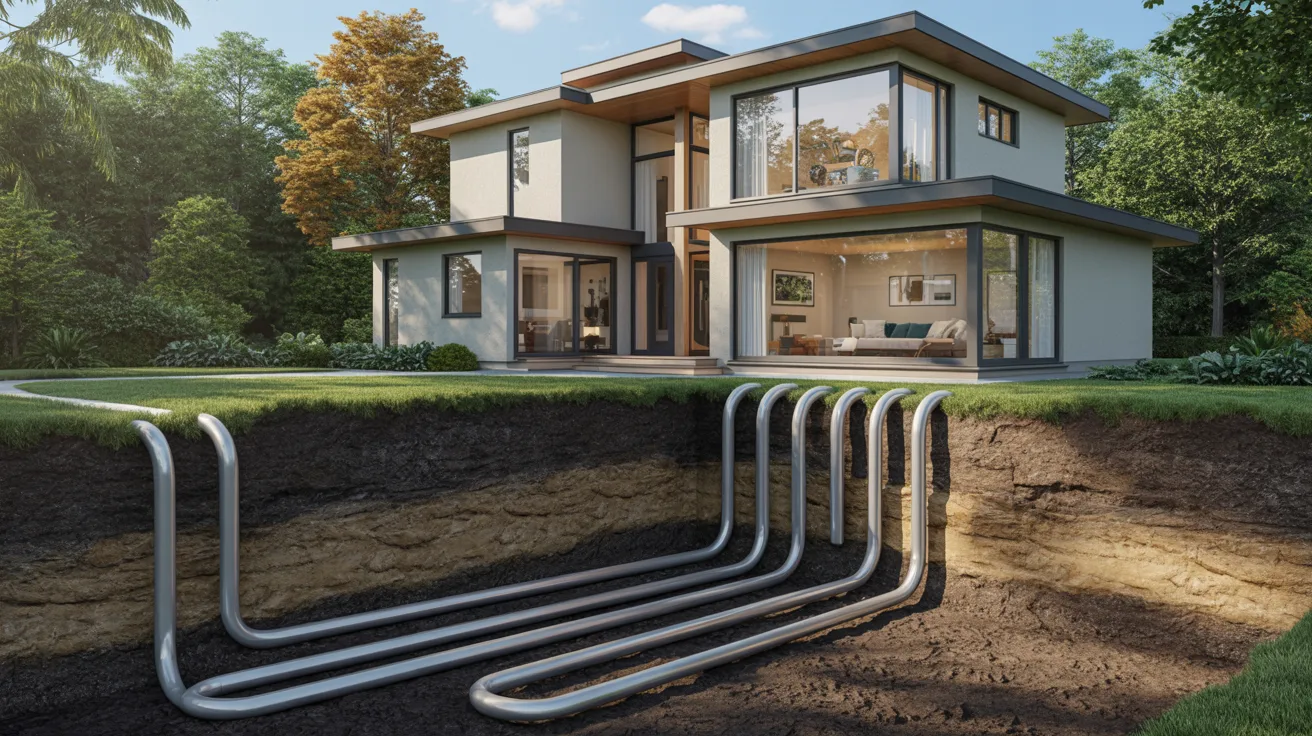
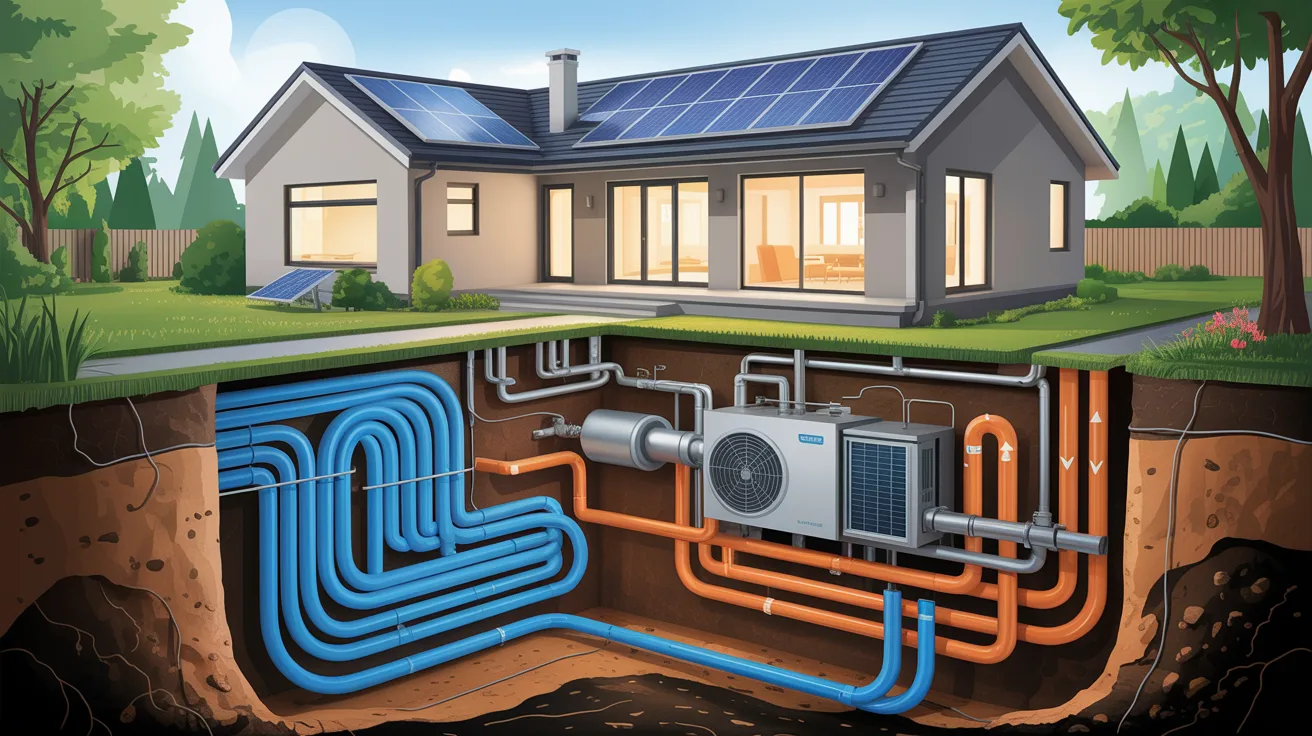
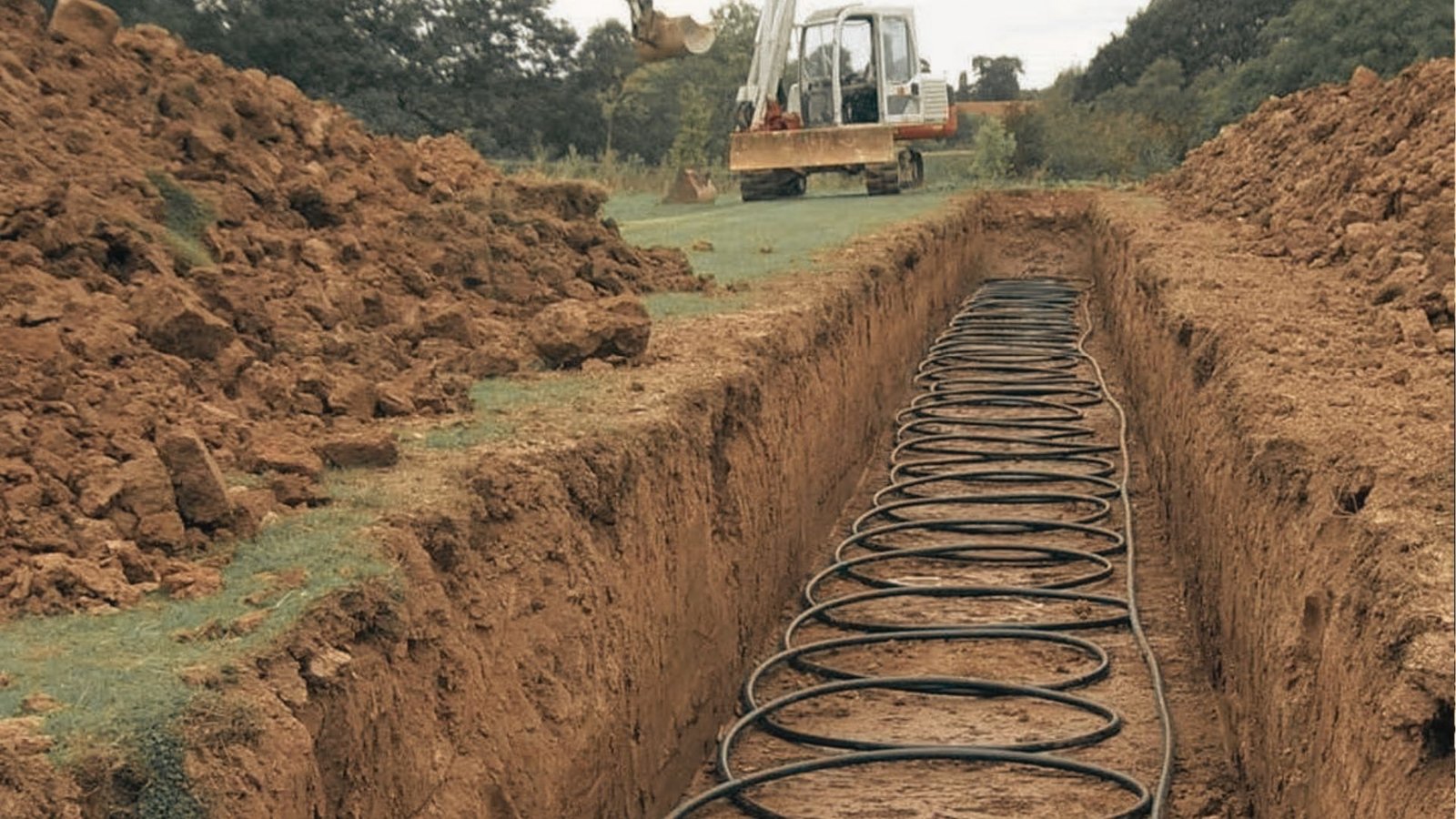
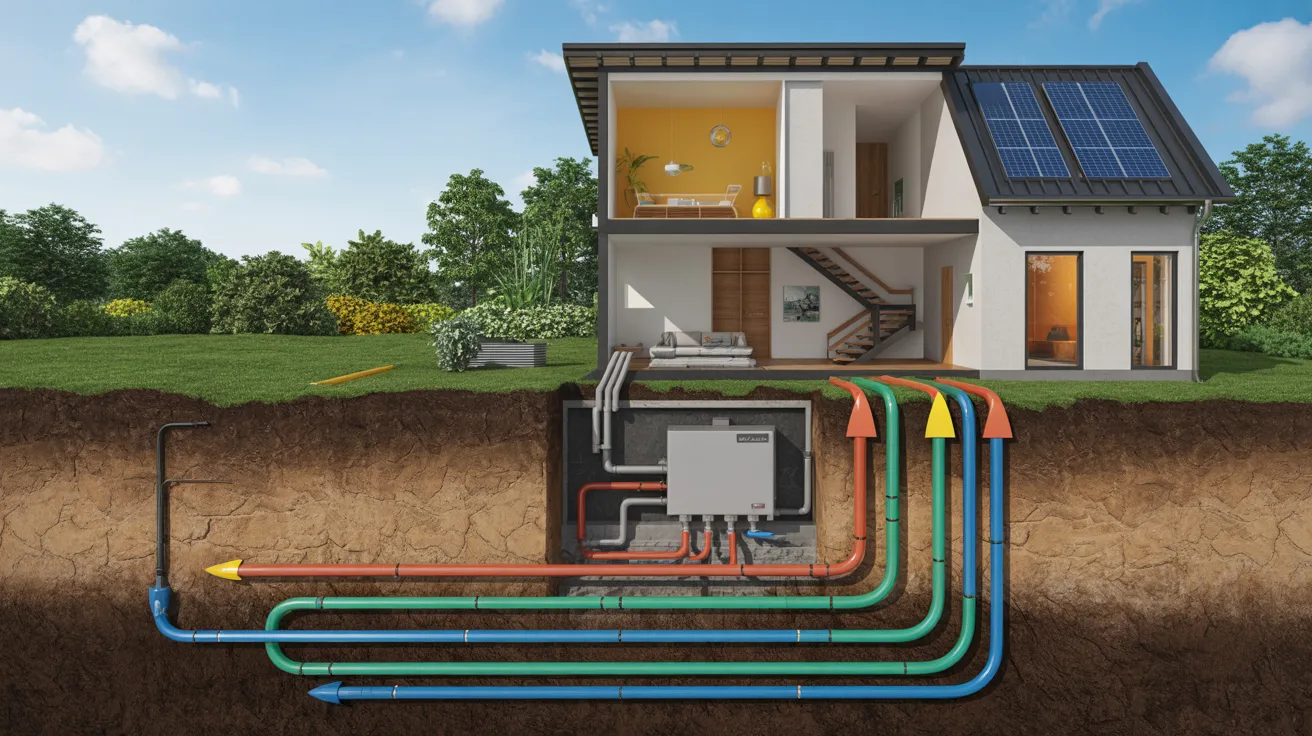
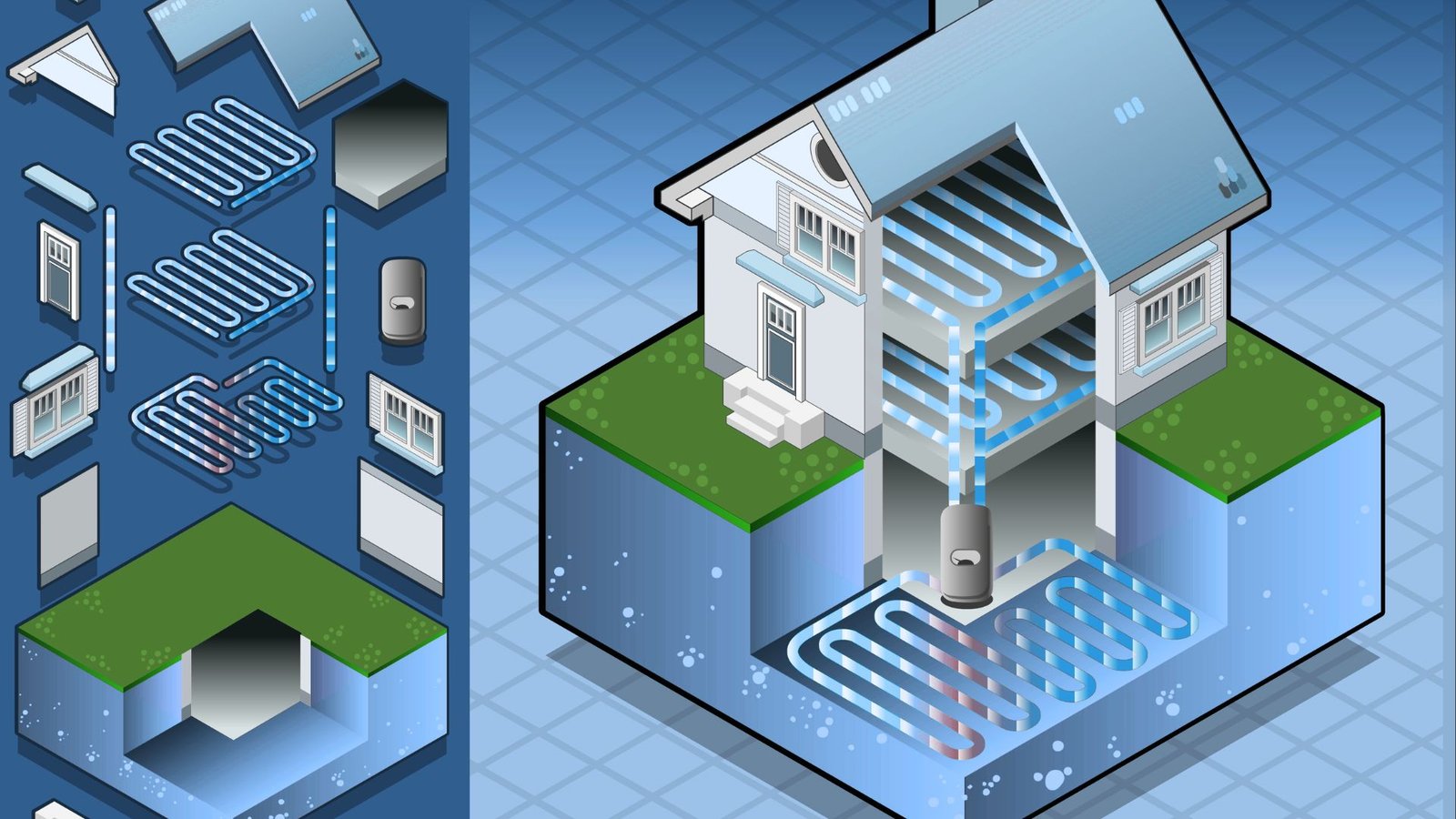
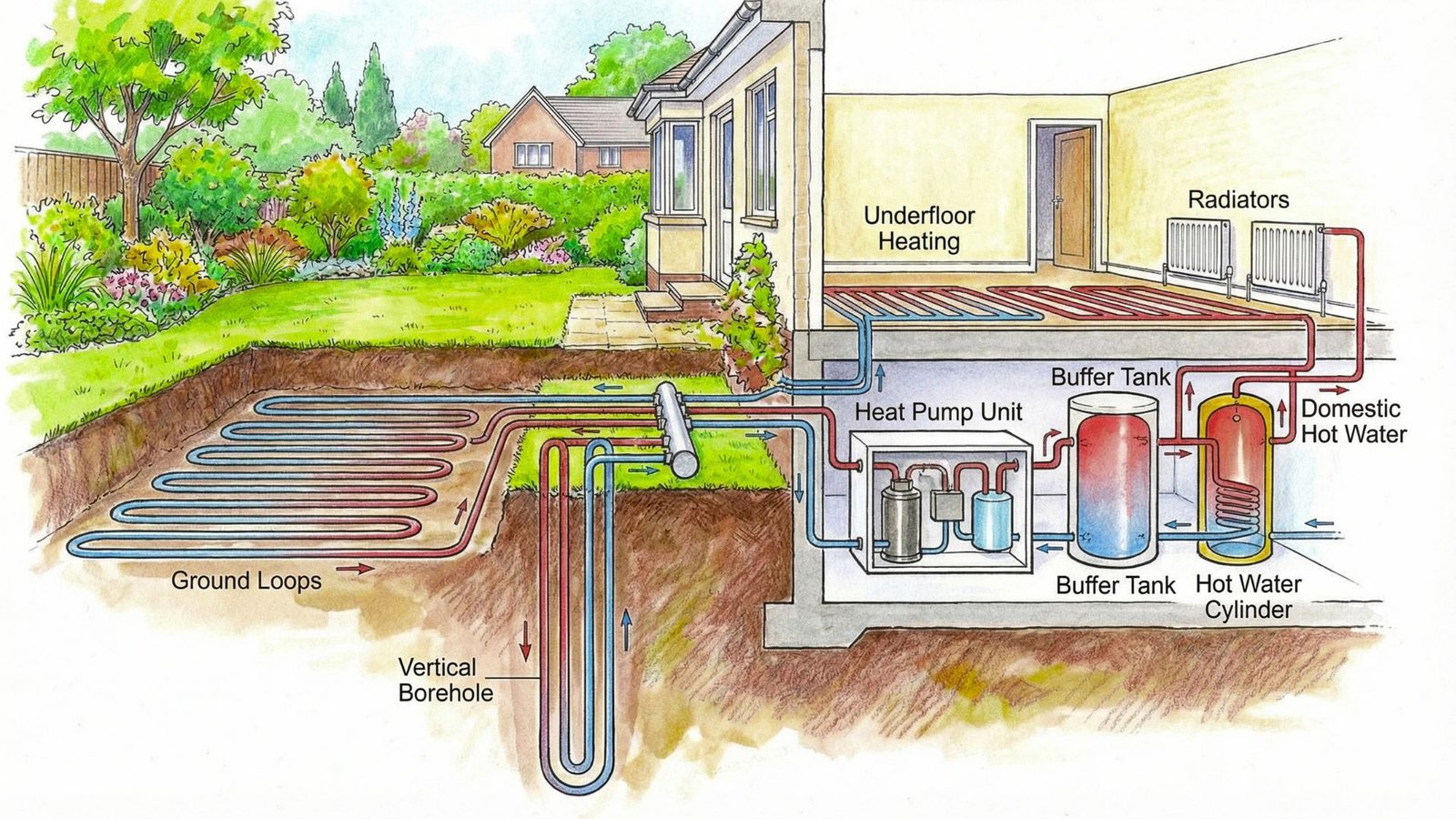
Geothermal heat pumps use the steady warmth found deep in the ground. A loop of pipes buried under your yard moves heat in or out of your home all year long.
Air Source vs Ground Source: Core Differences
The main gap is where each system pulls heat from. Air source units use outdoor air, while ground source units use the earth. Air source heat pumps cost less at the start and fit small spaces well.
Geothermal needs more land and a bigger budget upfront, but it lasts up to 25 years and works great in any weather.
Heat Pumps vs Geothermal: Honest Insights on Efficiency

Both systems save energy, but real performance depends on your local climate, home design, and daily power use.
How Climate Impacts System Performance
Your local weather plays a big role in how well your system works. Air source heat pumps pull heat from outdoor air, so they struggle in very cold winters.
Geothermal systems do not face this problem since they use steady ground heat. This is why they perform well in both hot summers and freezing winters.
Realistic Energy Savings Homeowners Can Expect
Air source heat pumps can lower your energy bills by 30 to 50 percent compared to older systems.
Geothermal systems go further and cut heating and cooling costs by 40 to 70 percent each year. The upfront cost is higher, but most homeowners earn it back within 10 to 15 years.
The Real Cost of Heat Pumps vs Geothermal
Cost is often the biggest factor when picking between these two systems. Let us break down the real numbers so you can plan with confidence.
|
Factor |
Air Source Heat Pump |
Geothermal System |
|
Upfront Cost |
$4,000 to $8,000 |
$20,000 to $35,000 |
|
Install Time |
1 to 2 days |
1 to 2 weeks |
|
System Lifespan |
12 to 15 years |
20 to 25 years (50+ for loops) |
|
Yearly Maintenance |
$150 to $300 |
$100 to $200 |
|
Monthly Energy Bills |
Moderate savings |
High savings |
|
Federal Tax Credit |
Up to $2,000 |
30% of total cost (through 2032) |
|
State and Utility Rebates |
Often available |
Often available |
|
Total Possible Savings |
Hundreds to a few thousand |
Thousands of dollars |
Heat pumps cost less at the start, but geothermal systems last longer and cut your monthly bills by a bigger amount. Both come with solid tax credits and rebates, so always ask your installer which offers fit your home best.
Pros and Cons of Air Source Heat Pumps and Geothermal Systems
Both systems have strong points and a few weak spots. Knowing them side by side helps you pick the one that fits your home and budget.
Benefits and Drawbacks of Both Systems
Air source heat pumps cost less to install and fit most homes with ease. But they lose power on very cold days and last only 12 to 15 years.
Geothermal systems cut energy bills by a large amount and run very quietly. The downside is the high upfront cost and the need for open yard space to bury the loops.
When Each System Works Best
Air source heat pumps are great for small homes, city lots, and mild weather areas. They suit owners who want quick savings and a simple setup.
Geothermal works best for owners who plan to stay in their home for many years. It handles harsh winters and hot summers with ease, making it a smart long-term pick.
Cold Climate Performance and Environmental Impact
Both systems offer strong heating and green benefits, but their results change based on weather and energy use.
Performance in Cold Climates
Air source heat pumps pull heat from outside air, so they work harder in freezing temperatures. Older models often lose power, and you may need an electric backup heater on very cold days.
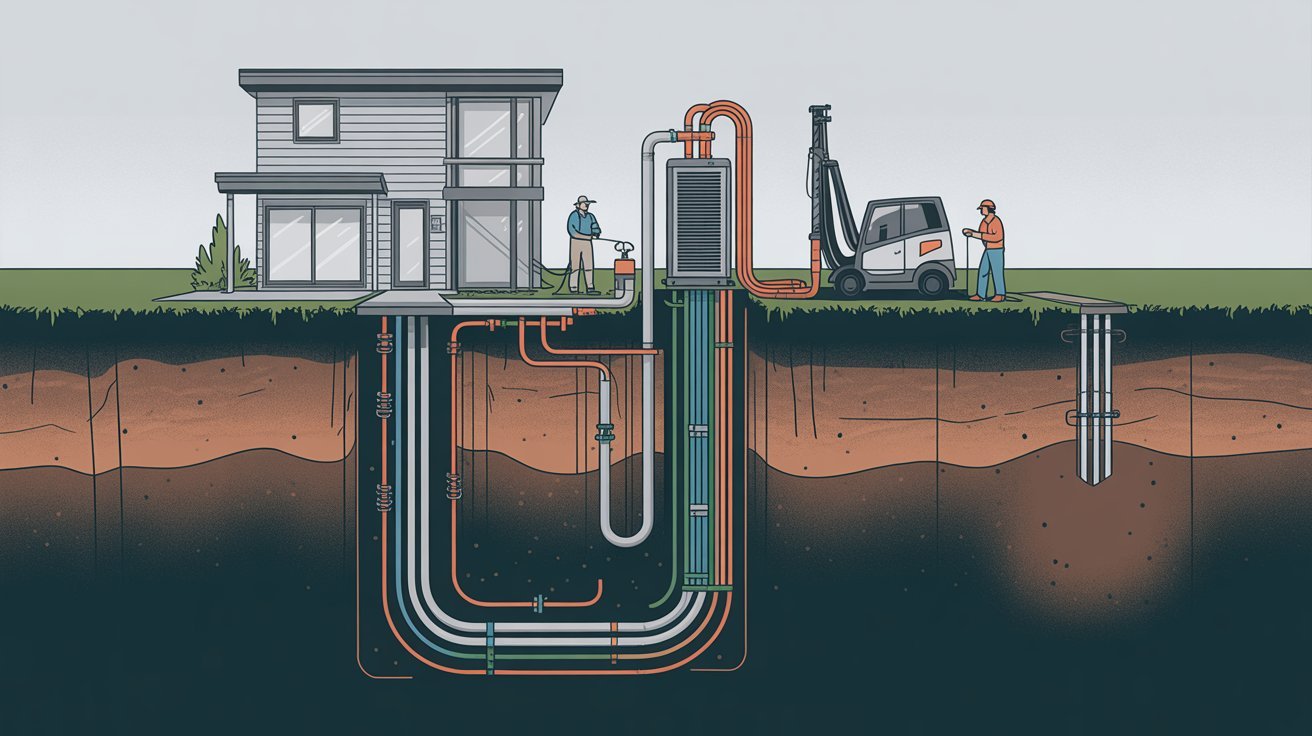
Geothermal systems use steady underground heat, so they stay strong all winter. Snow and ice can freeze the outdoor unit of an air source pump, while geothermal stays safe and reliable below the ground.
Environmental Impact and Long-Term Sustainability
Heat pumps use far less power than old gas or oil heaters, which means lower carbon output. Geothermal systems go even further by pulling heat from the steady ground below, leaving a smaller carbon footprint.
For long-term green living, geothermal often wins since it lasts longer and uses less power. Heat pumps are still a smart pick for lower upfront costs and quick setup.
Lifespan and Maintenance Comparison
Knowing how long each system lasts and what kind of care it needs can help you make a smart choice for your home and budget.
Expected Lifespan and Maintenance Needs
Air source heat pumps last around 15 to 20 years for both indoor and outdoor parts. Geothermal indoor units run for 20 to 25 years, while the underground loops can keep going for 50 years or more.
Both systems need yearly checkups and filter cleaning. But air source units ask for more outdoor care since they face daily weather exposure.
Long-Term Reliability for Homeowners
Geothermal systems face very little weather wear, which means fewer breakdowns over time. Air source heat pumps have a higher risk of repair due to outdoor parts.
If you plan to stay in your home for many years, geothermal offers steady comfort and peace of mind. Air source pumps still work well but may need to be replaced sooner than ground systems.
Tips to Choose the Right System for Your Home
Picking between an air source heat pump and a geothermal system can feel tricky. Use these quick tips to make a smart choice with confidence.
- Check your budget first. Air source heat pumps cost less upfront, while geothermal systems need a bigger budget but save more over time.
- Look at your land size. Geothermal needs open yard space for ground loops, while heat pumps fit small lots and city homes with ease.
- Think about your local weather. Geothermal works great in harsh winters, while air source pumps are best for mild to moderate climates.
- Plan for the long run. If you stay in your home for many years, geothermal pays off well. For short-term plans, go with a heat pump.
- Talk to a local expert. A trained pro can check your home, soil type, and energy needs to guide you to the right system.
Conclusion
Choosing between heat pumps vs geothermal is a big step, but you do not have to figure it out alone. I once helped a friend pick a system, and seeing his lower bills each month made it all worth it.
Think about your home, your budget, and how long you plan to stay. The right choice will keep you cozy for years.
Have questions or your own story to share? Drop a comment below, share this post with a friend, or check out our other guides for more help!
Frequently Asked Questions
Which system lasts longer, a heat pump or geothermal?
Geothermal systems can last 25 years or more, while air source heat pumps usually last around 15 years with proper care.
Is geothermal worth the high upfront cost?
Yes, if you plan to stay in your home long-term. The lower monthly bills and strong performance help you save more over time.
Can heat pumps work in very cold weather?
Modern air source heat pumps work well in cold areas, but they may need backup heat when temperatures drop very low.
Do geothermal systems need a lot of land?
Yes, they need open yard space for ground loops. Homes with small lots may not be the best fit for this system.
How much can I save with a heat pump or geothermal system?
You can save 30 to 60 percent on heating and cooling bills, depending on your home size, climate, and system type.