Geothermal heat pumps can save you real money, but the upfront cost and process can feel confusing. We get it, and this guide clears it all up. We cover how geothermal heat pumps work, which system fits your home, and the tax credits and rebates that lower your costs.
We have spent years helping homeowners understand geothermal systems and make smarter energy decisions.
By the end, you will know what to expect, what you qualify for, and how to move forward without second-guessing yourself.
What Is a Geothermal Heat Pump?
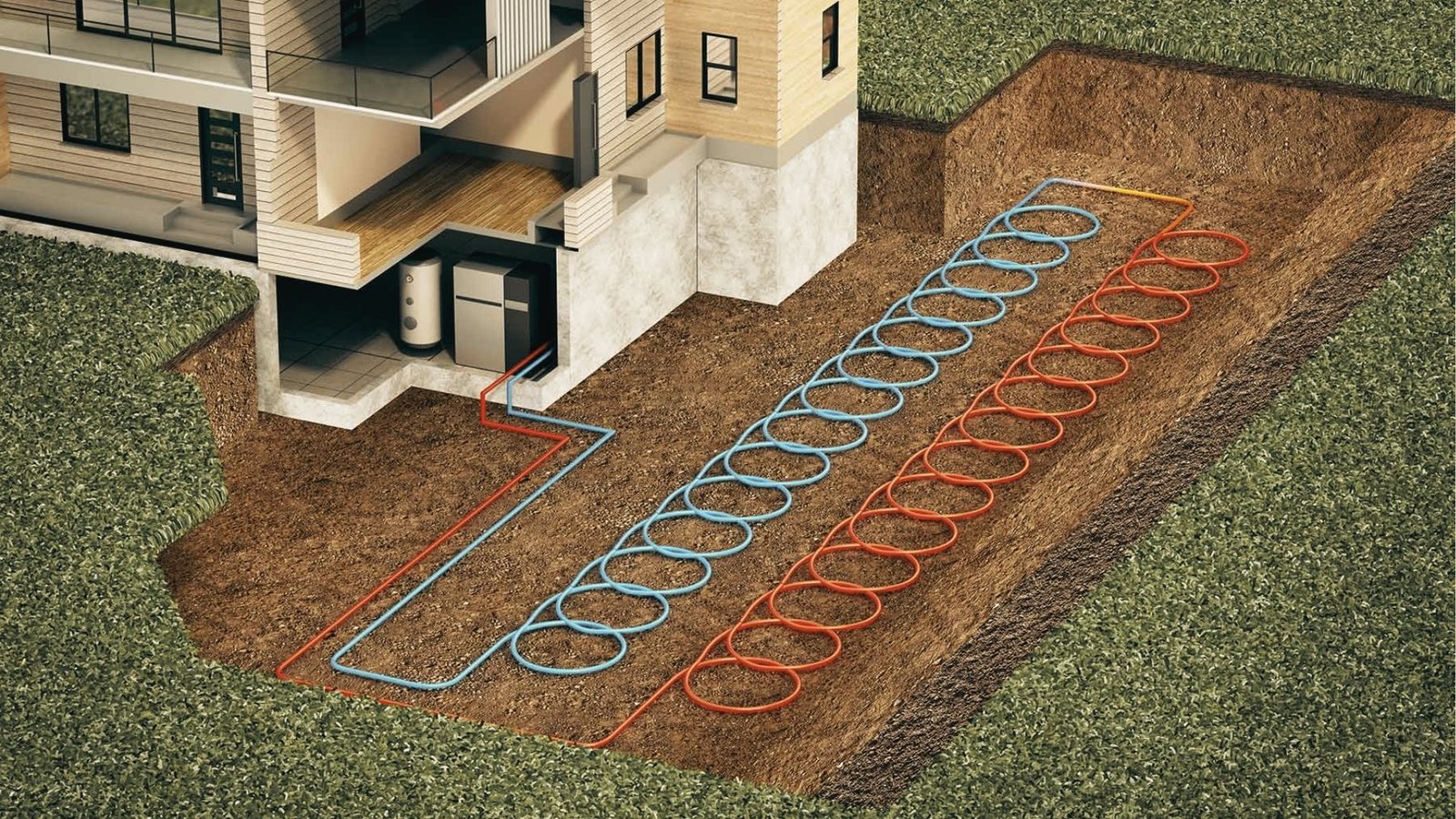
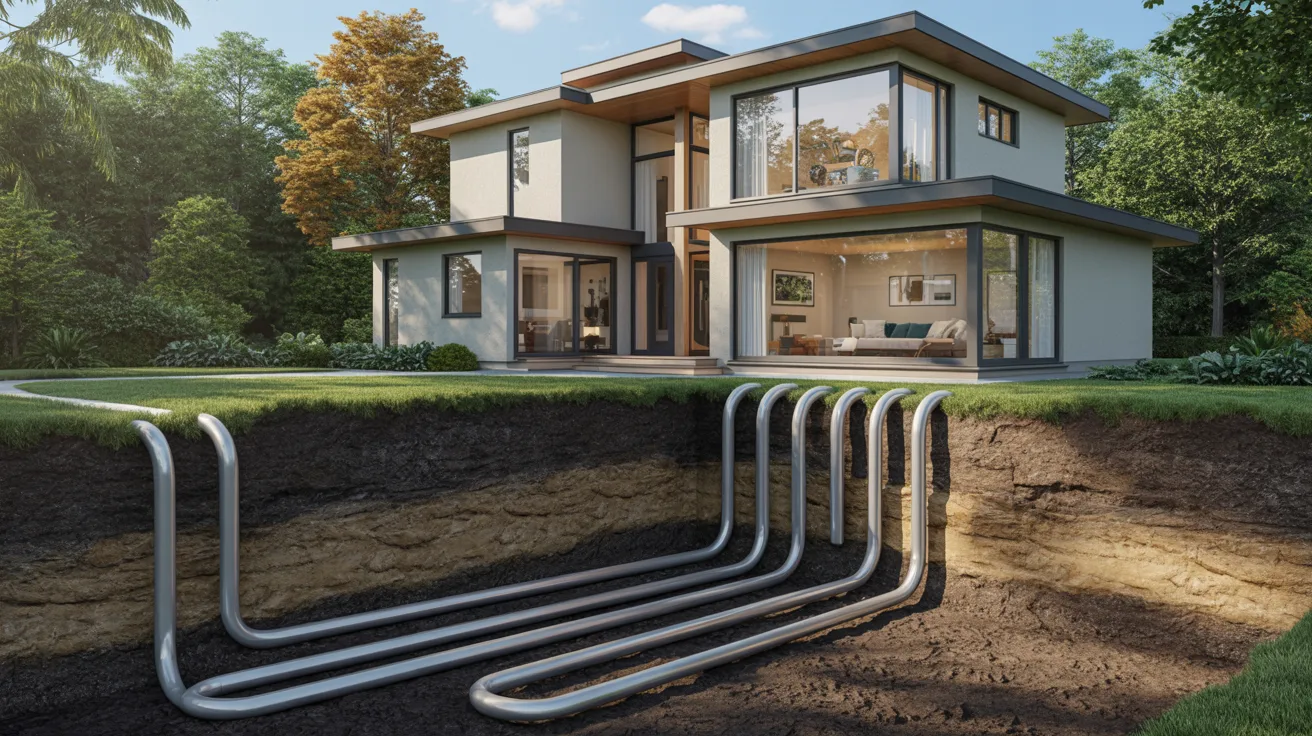
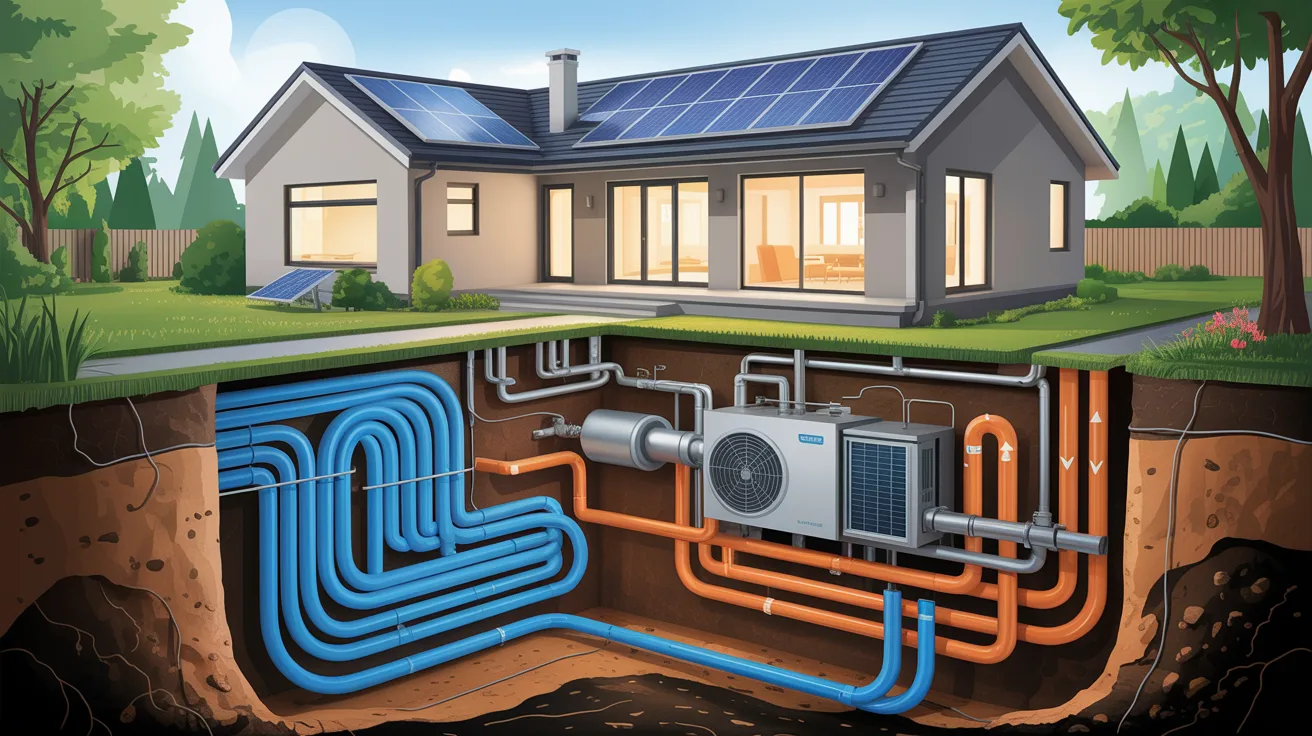
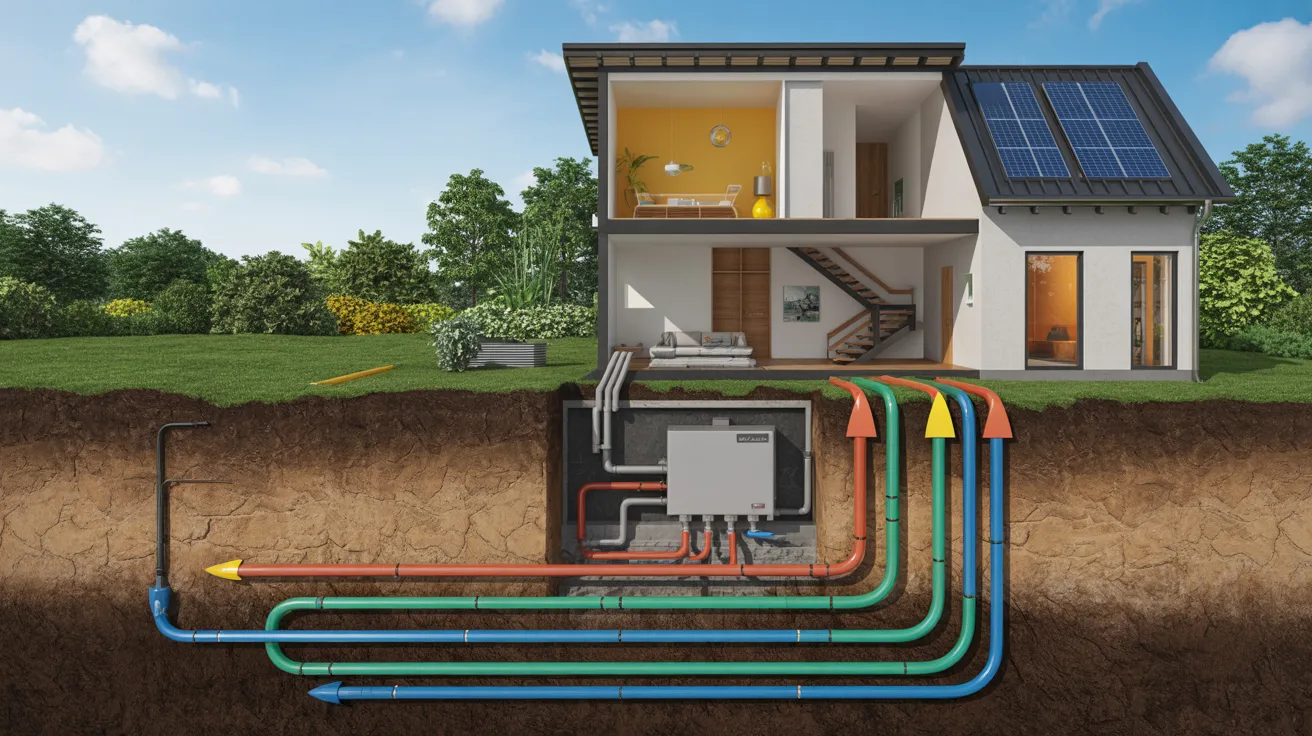
A geothermal heat pump uses stable underground temperatures to heat and cool your home. Buried pipes carry liquid that absorbs heat from the ground in winter and releases it in summer. No fuel is burned.
Ground temperatures stay constant year-round, making these systems more efficient than air-source heat pumps in cold weather. Indoor units last 20 to 25 years and underground loops over 50 years. The main trade-off is higher upfront costs.
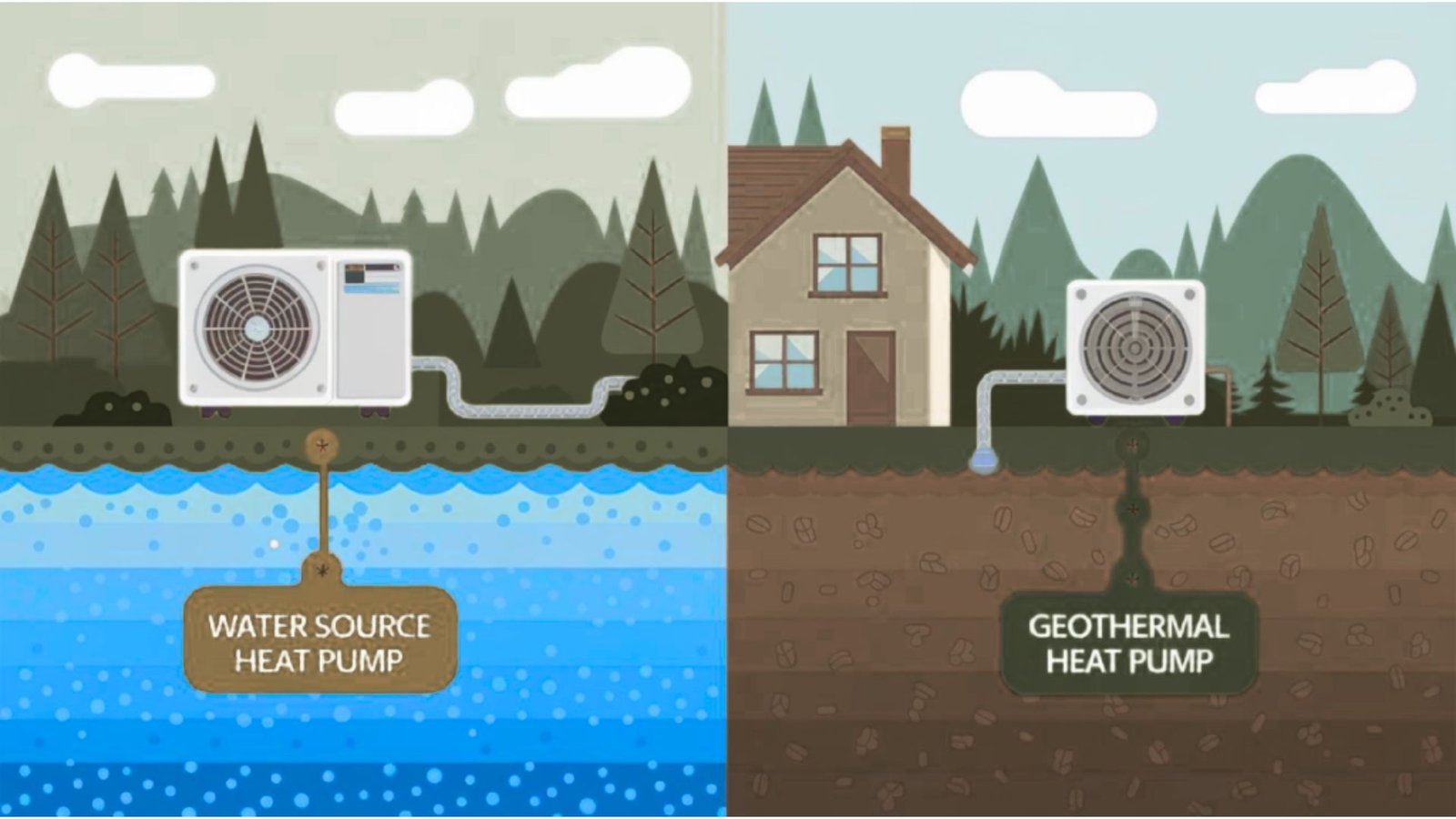
Setups include horizontal loops, vertical loops, pond loops, and open loops, each suited to different property types.
How Much Do Geothermal Heat Pumps Cost Today?
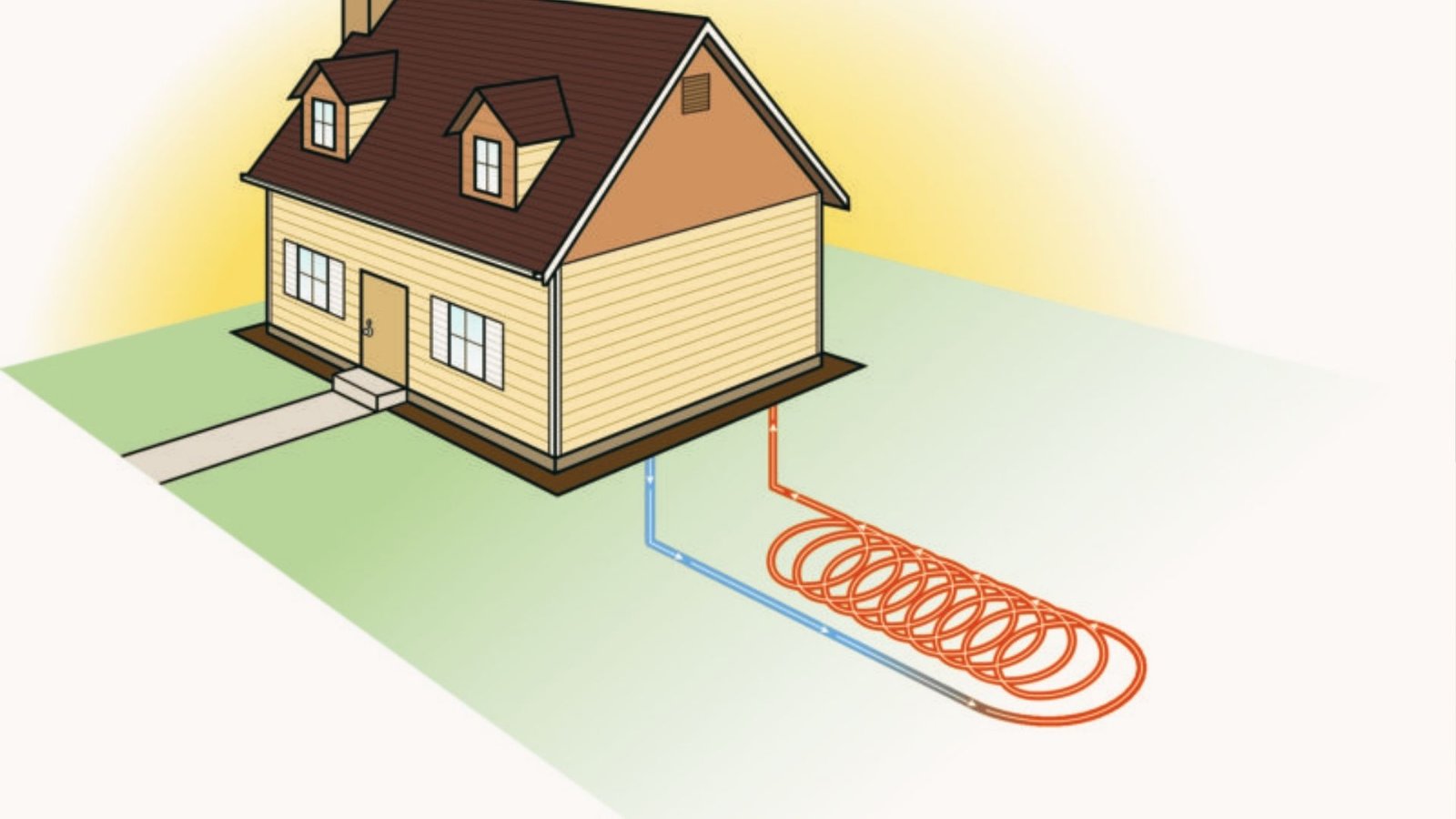
Geothermal heat pumps cost more upfront than traditional systems, but long-term savings often make them worth it.
Average Geothermal Heat Pump Installation Cost
Most homeowners spend between $10,000 and $30,000 for a full geothermal system installation. The average falls around $20,000.
This covers both the equipment and the ground loop installation. Costs vary based on location, home size, and the type of loop system used.
Equipment Costs vs Installation Costs
The heat pump unit itself typically runs between $3,000 and $8,000. Installation, which includes drilling or digging and laying the ground loops, makes up the bulk of the total cost.
Ground loop work alone can run $5,000 to $15,000 or more. Labor and site conditions play a big role in the final number.
Geothermal Heat Pump Cost by Home Size
A smaller home under 1,500 square feet may cost around $10,000 to $15,000. A mid-size home between 1,500 and 2,500 square feet usually falls in the $15,000 to $25,000 range.
Larger homes above 2,500 square feet can push costs to $30,000 or beyond. Bigger spaces need more capacity, which means more equipment and more ground loop length.
Why Geothermal Systems Cost More Upfront
The higher cost comes down to the ground loop installation. Drilling vertical boreholes or digging horizontal trenches takes specialized equipment and skilled labor. This is not a standard job like installing a furnace or central air unit.
That said, geothermal systems cut monthly energy bills significantly. Most homeowners see savings of 30% to 60% on heating and cooling costs.
Combined with federal tax credits and state incentives, the payback period often falls between 5 and 10 years.
Geothermal Heat Pump Cost by Loop Type
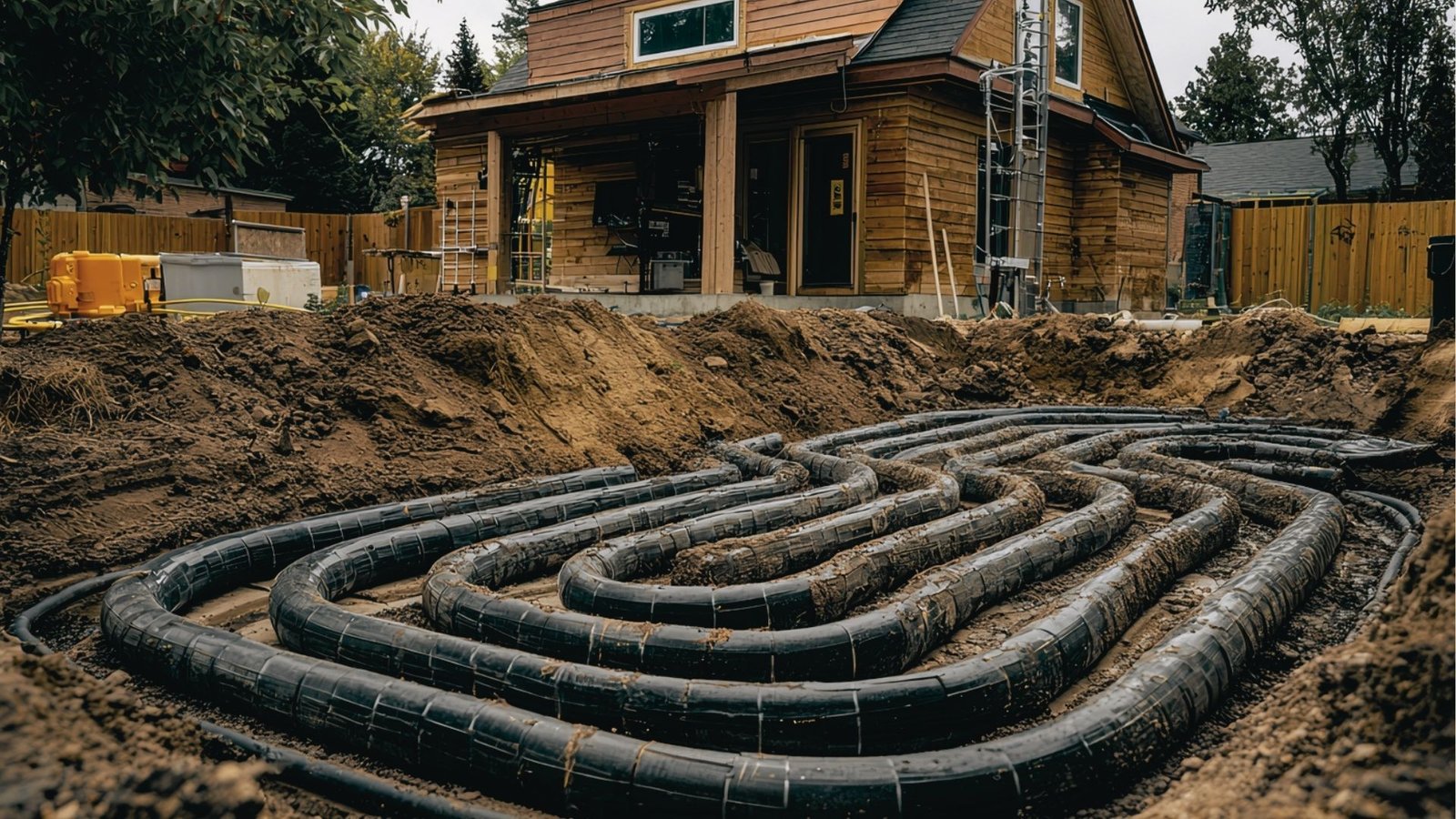
The total cost of a geothermal heat pump depends heavily on which loop system your property needs.
Horizontal Loop System Costs
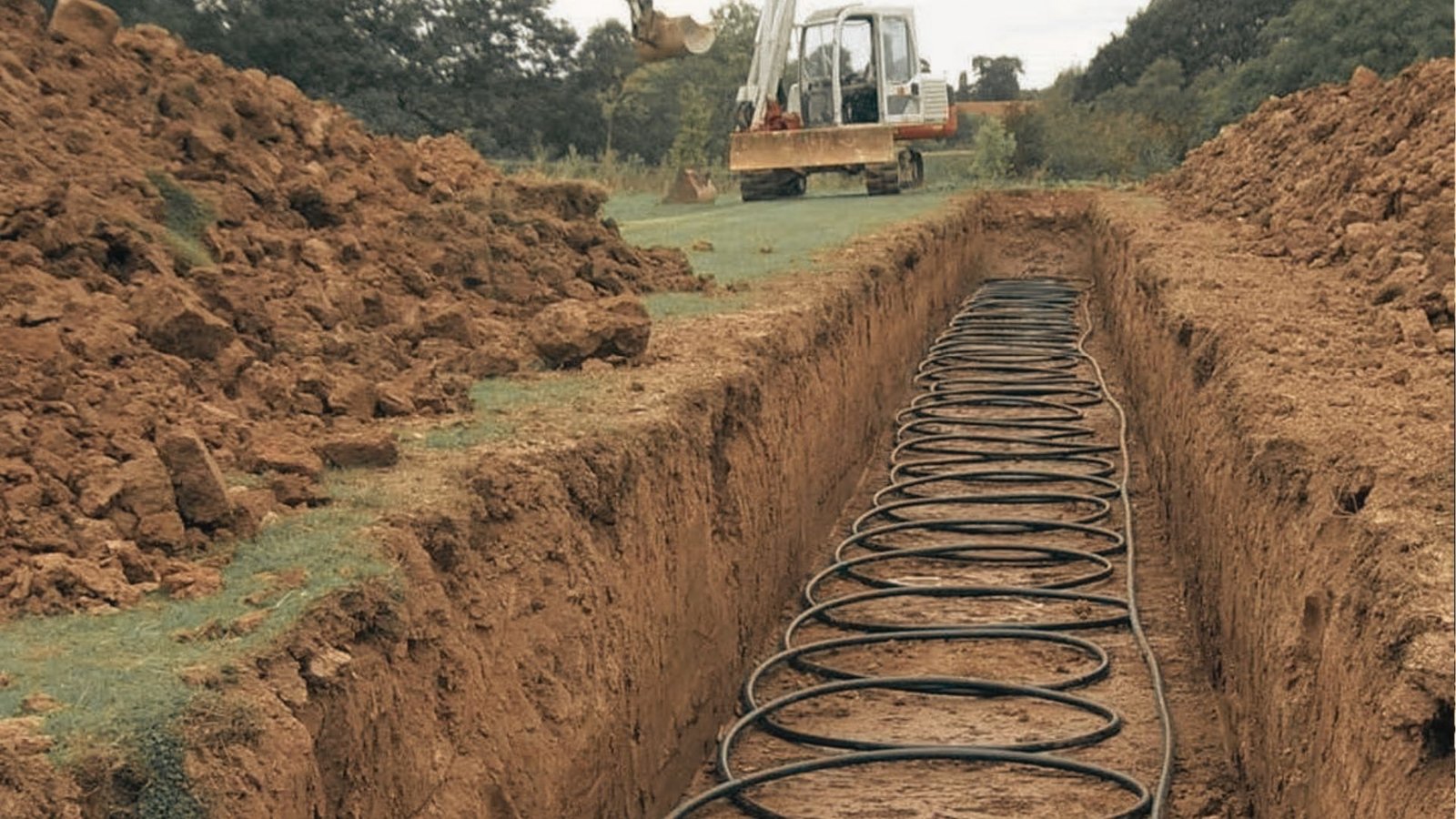
A horizontal loop system is the most affordable option to install. Costs typically run between $10,000 and $20,000 for an average home. Pipes are laid in trenches about 4 to 6 feet deep across a large area of land.
The lower drilling cost keeps prices down. However, you need enough yard space to make it work. If your lot is large enough, this is usually the most budget-friendly choice.
Vertical Loop System Costs
Vertical systems cost more because of the deep drilling involved. Expect to pay between $20,000 and $30,000 or more depending on how many boreholes are needed. Each borehole can go 100 to 400 feet deep.
This setup suits homes with limited yard space. The higher cost comes mostly from the drilling equipment and labor required to go that deep into the ground.
Pond Loop System Costs
A pond loop system can be one of the more affordable options when a suitable water body is nearby. Installation costs generally fall between $10,000 and $15,000.
Pipes are coiled and placed at the bottom of a pond or lake. Less excavation is needed, which keeps labor costs lower. Not every property has access to a water body, so this option is not available to everyone.
Open Loop System Costs
Open loop systems are often the least expensive to install, with costs ranging from $10,000 to $18,000. They pull water directly from a well or aquifer, use it for heat exchange, and return it to the source.
The savings come from simpler pipe installation. However, ongoing water testing and local permits can add to the long-term costs. Water quality and local regulations must be checked before choosing this system.
Geothermal vs Air-Source Heat Pump Costs
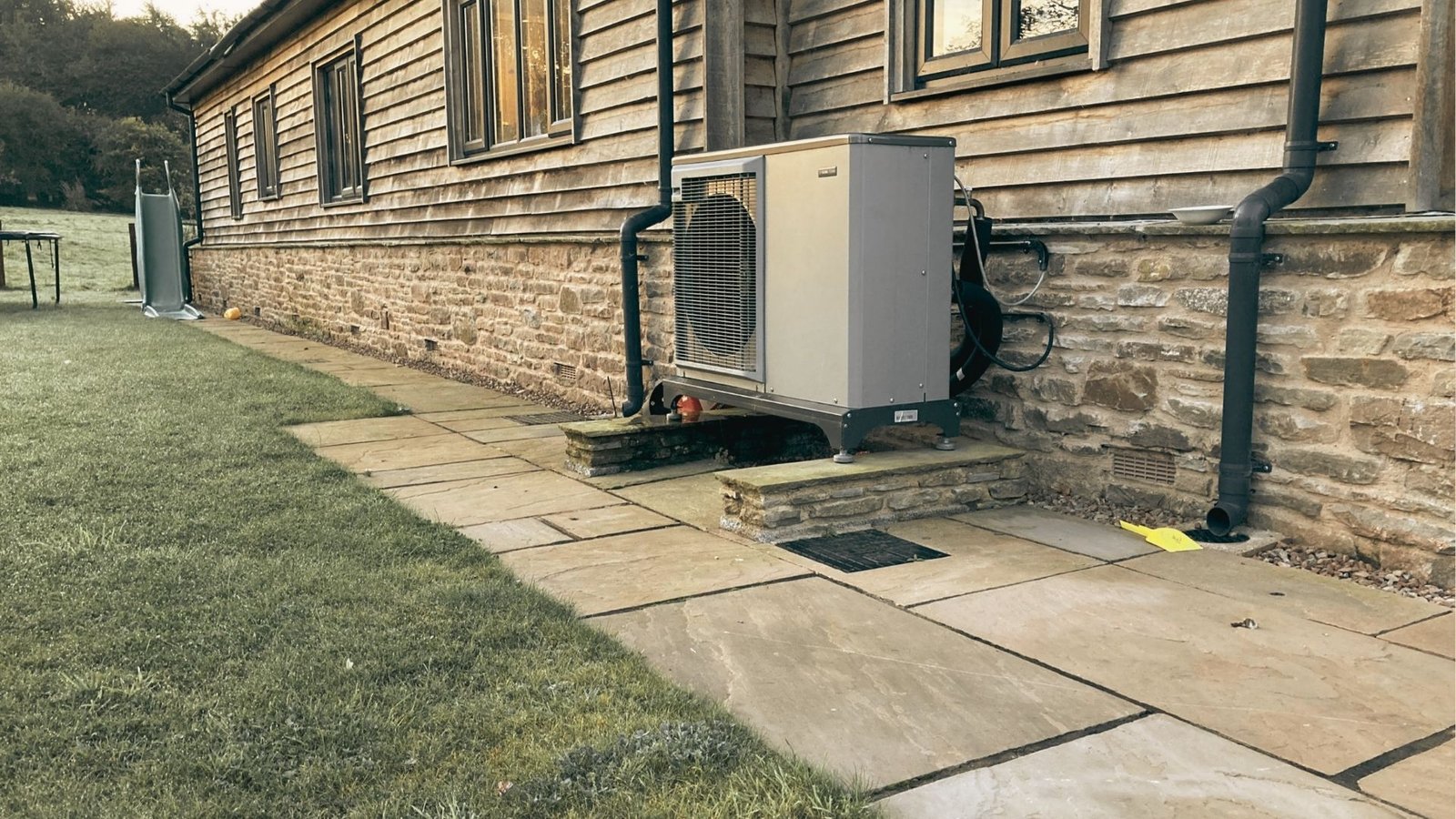
A side-by-side look at installation, energy, maintenance, and long-term costs for both heat pump systems.
|
Cost Factor |
Geothermal |
Air-Source |
|
Installation Cost |
$15,000 to $30,000 |
$4,000 to $8,000 |
|
Energy Efficiency |
300% to 500% |
Lower in cold weather |
|
Monthly Savings |
30% to 60% lower bills |
Moderate savings |
|
Maintenance Cost |
$100 to $300/year |
$100 to $300/year, more repairs |
|
System Lifespan |
20 to 25 years (indoor), 50+ years (loops) |
15 to 20 years |
|
Payback Period |
5 to 10 years |
3 to 5 years |
|
Best For |
Long-term homeowners |
Budget-conscious buyers |
Geothermal costs more upfront but saves more over time. Air-source is cheaper to install and still a solid option for milder climates or tighter budgets.
Factors That Affect Geothermal Heat Pump Costs
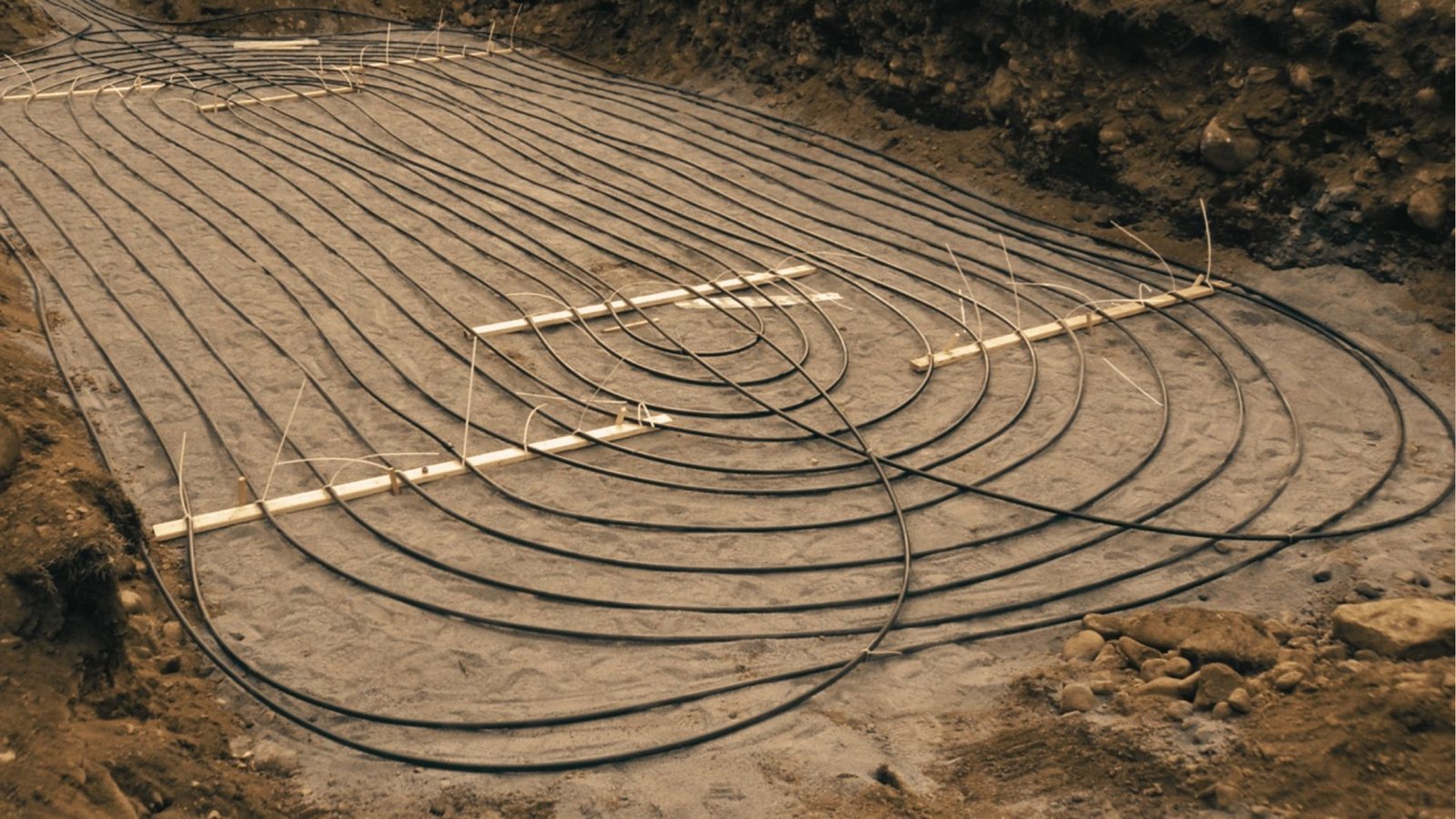
Several property and location factors influence how much you will pay to install a geothermal heat pump system.
Property Size and Available Land
Larger homes need bigger loop systems to meet heating and cooling demands, which increases installation costs. The amount of land you have also matters.
A spacious yard allows for horizontal loops, which are cheaper to install. Smaller properties may require vertical loops drilled deep into the ground, which cost more.
Soil Conditions and Excavation Difficulty
Not all ground is easy to dig through. Rocky or hard soil takes more time and equipment to work with, raising labor costs. Soft, moist soil conducts heat better and is easier to excavate, keeping costs lower.
A site assessment before installation helps determine what you are working with.
Climate and Regional Labor Costs
Homes in colder climates may need larger systems to keep up with heating demand. Labor costs also vary by location.
Installing a geothermal system in a high cost-of-living area will generally run higher than in rural or lower-cost regions.
Existing Ductwork and HVAC Upgrades
If your home already has ductwork in good condition, costs stay lower. If the ducts need repairs or your home has no existing system, you will need to factor in those additional expenses.
Some homeowners also upgrade insulation or install radiant floor heating alongside geothermal, which adds to the total.
Permits and Local Regulations
Most geothermal installations require permits. Fees vary by city and state. Some areas have strict rules around drilling or groundwater use, which can slow down the process or require extra steps.
Checking local regulations early helps avoid surprises during installation.
Are Geothermal Heat Pumps Worth the Cost?
Most homeowners cut energy bills by 30% to 60% after switching to geothermal. On a $2,000 annual energy bill, that is $600 to $1,200 in yearly savings.
Installation runs $10,000 to $30,000, but the 30% federal tax credit plus state rebates bring that down. Most homeowners recover their investment within 5 to 10 years.
Geothermal makes the most sense if your energy bills are high, your climate is extreme, and you plan to stay in the home long term. Air-source heat pumps are a better fit for mild climates or tight budgets, costing $3,000 to $8,000 to install.
Geothermal Heat Pump Tax Credits and Rebates
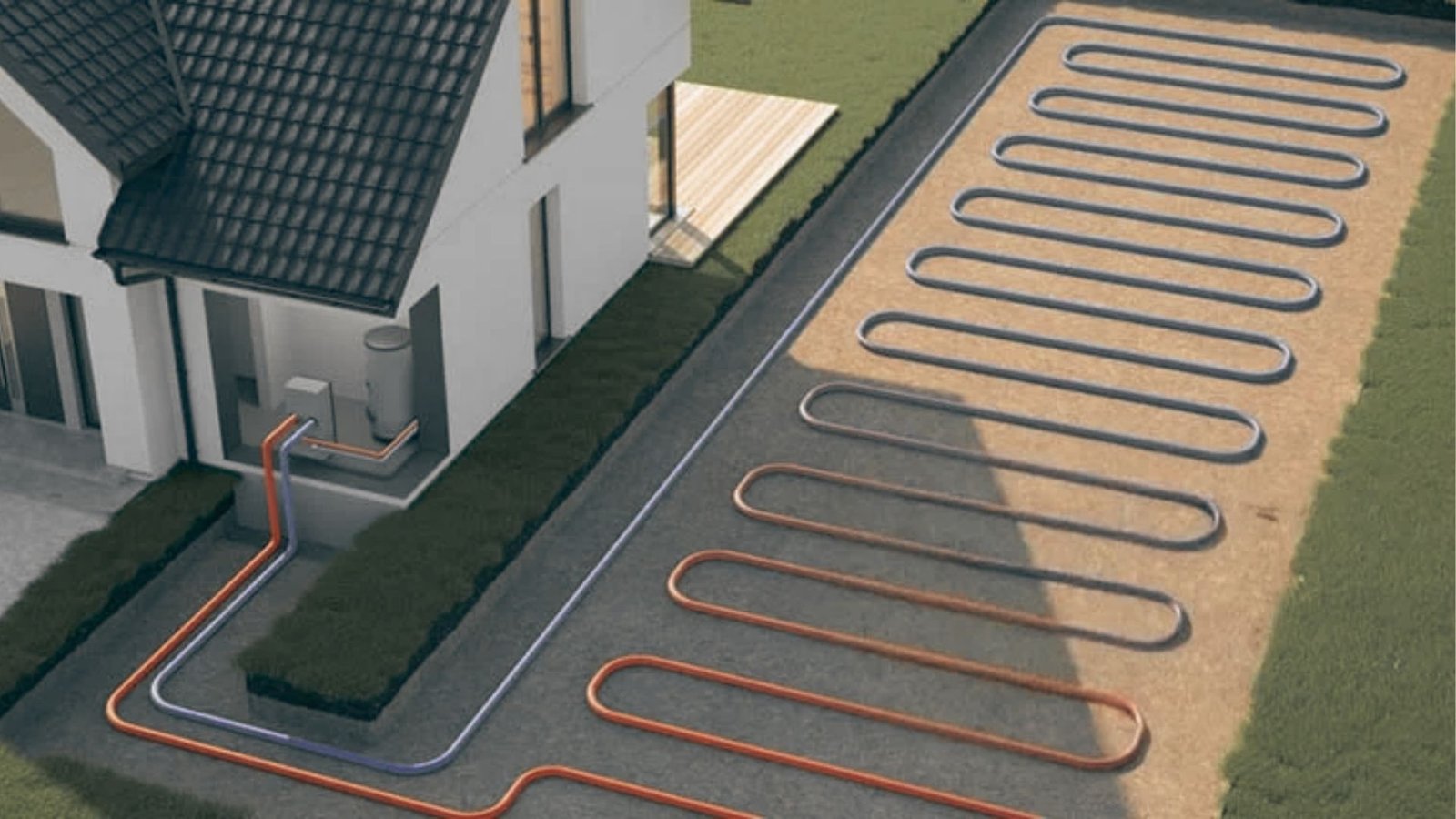
Federal tax credits and state rebate programs can significantly lower the cost of installing a geothermal heat pump at home.
Federal Tax Credit Overview
Under the Inflation Reduction Act, you can claim 30% of your total installation cost as a federal tax credit. This applies through 2032, then drops to 26% in 2033 and 22% in 2034.
It reduces your actual tax bill dollar for dollar, not just your taxable income.
State and Utility Rebate Programs
Many states offer cash rebates, tax credits, or low-interest financing on top of the federal credit. Utility companies often run their own rebate programs too.
Check your state energy office and utility provider’s website to see what is available in your area.
How Incentives Reduce Total Installation Costs
On a $20,000 installation, the 30% federal credit saves $6,000. A state rebate can add another $1,000 to $2,000 in savings.
Combined with lower monthly energy bills, the long-term cost becomes far more manageable.
Pros and Cons of Geothermal Heat Pumps
Geothermal heat pumps offer real long-term value, but they also come with a few trade-offs worth knowing before you invest.
|
Pros |
Cons |
|
Lower energy bills: Saves 30% to 60% on heating and cooling costs compared to conventional systems. |
High installation cost: Upfront costs range from $10,000 to $30,000 or more depending on the setup. |
|
Works in any weather: Draws from stable ground temperatures, so it performs well in extreme cold or heat. |
Not right for every property: Small lots, rocky ground, or poor soil conditions can limit options or raise costs. |
|
Long lifespan: Indoor units last 20 to 25 years. Underground loops can last over 50 years. |
Takes time to break even: It can take 5 to 15 years to recover the upfront cost through energy savings. |
|
Quiet and low maintenance: No noisy outdoor units. Fewer repairs and less upkeep over time. |
Still needs electricity: The system runs on electricity. Environmental benefits depend on your local grid. |
|
Good for the environment: No direct emissions. Moves heat rather than generating it through combustion. |
Conclusion
Switching to a geothermal heat pump felt intimidating at first. But once you understand how it works and what financial help is available, it starts to make a lot of sense.
The ground beneath your home is already doing the work. You just need the right system to use it.
If you are serious about cutting energy bills and going greener, geothermal is worth a real look.
Drop a comment below and tell us what questions you still have. We read every one and we are happy to help.
Frequently Asked Questions
What is a geothermal heat pump and how does it work?
A geothermal heat pump uses stable underground temperatures to heat and cool your home. It moves heat between the ground and your home through buried pipes, without burning any fuel.
How much does a geothermal heat pump cost to install?
Installation typically costs between $10,000 and $30,000 depending on your property and system type. Federal tax credits and state rebates can bring that number down significantly.
What is the federal tax credit for geothermal heat pumps?
The federal tax credit covers 30% of your total installation cost through 2032. This is a dollar-for-dollar reduction in the taxes you owe, not just a deduction.
How long does a geothermal heat pump system last?
Indoor units generally last 20 to 25 years, while underground loops can last over 50 years. This makes geothermal one of the longer-lasting home heating and cooling options available.
Is a geothermal heat pump worth it for my home?
For most homeowners, the long-term energy savings and available incentives make it a smart investment. The higher upfront cost is offset over time through lower monthly energy bills and tax credits.