
Going green at home sounds expensive, but it does not have to be.
Most people think eco-friendly upgrades are out of reach on a tight budget, and that assumption holds many homeowners back from making changes that could genuinely improve their lives.
The good news is that small, practical steps can lead to real savings without breaking the bank.
This article walks you through how to prioritize upgrades based on what you can spend, changes that actually cut bills, and how to pick the right green solutions for your home.
Every tip here is simple, practical, and built around real budgets.
What Are Green Home Features?
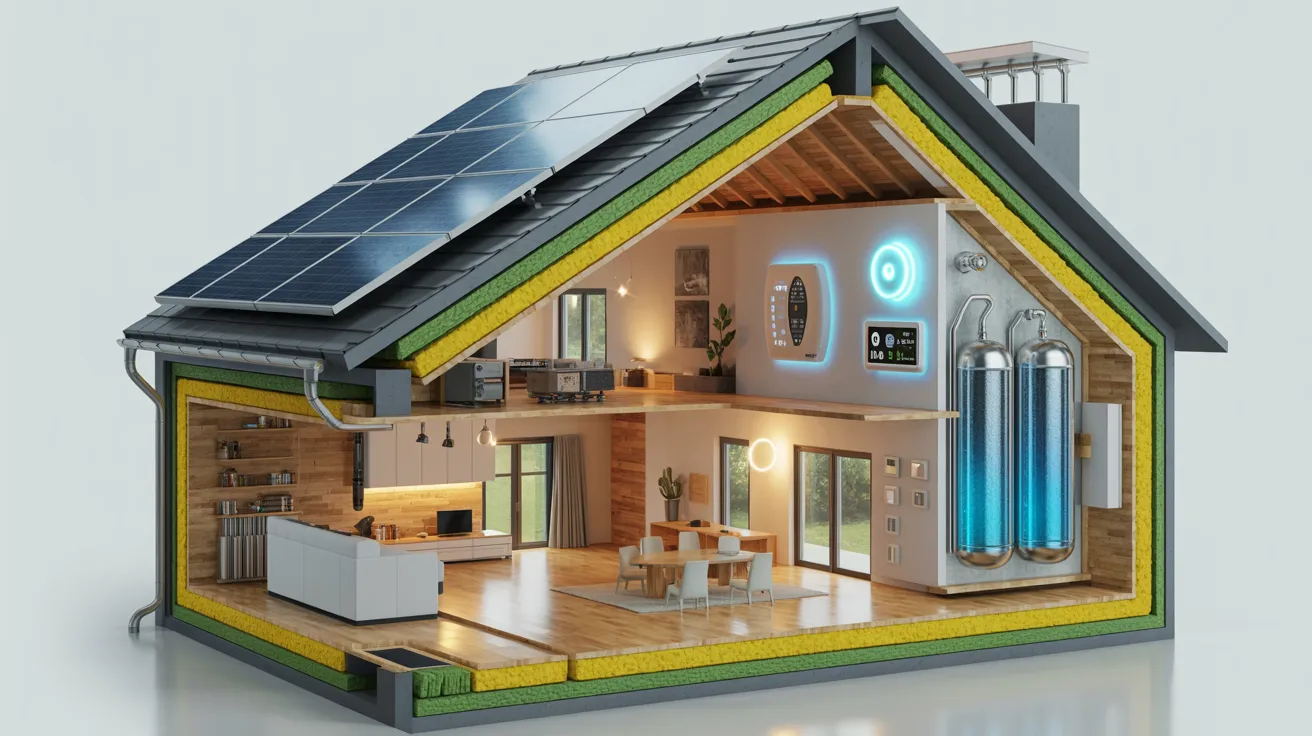
Green home features help reduce energy use, lower utility costs, and support a healthier environment.
Features like energy-efficient windows, insulation, smart thermostats, LED lighting, and Energy Star appliances improve comfort while saving energy.
Water-saving fixtures reduce waste, while sustainable materials, proper ventilation, and non-toxic finishes help create cleaner indoor air and a smaller environmental footprint.
Smart Green Home Features for Modern Living
Make your home work smarter and use less energy with simple tech upgrades that save money daily.
Smart Thermostats for Energy Savings
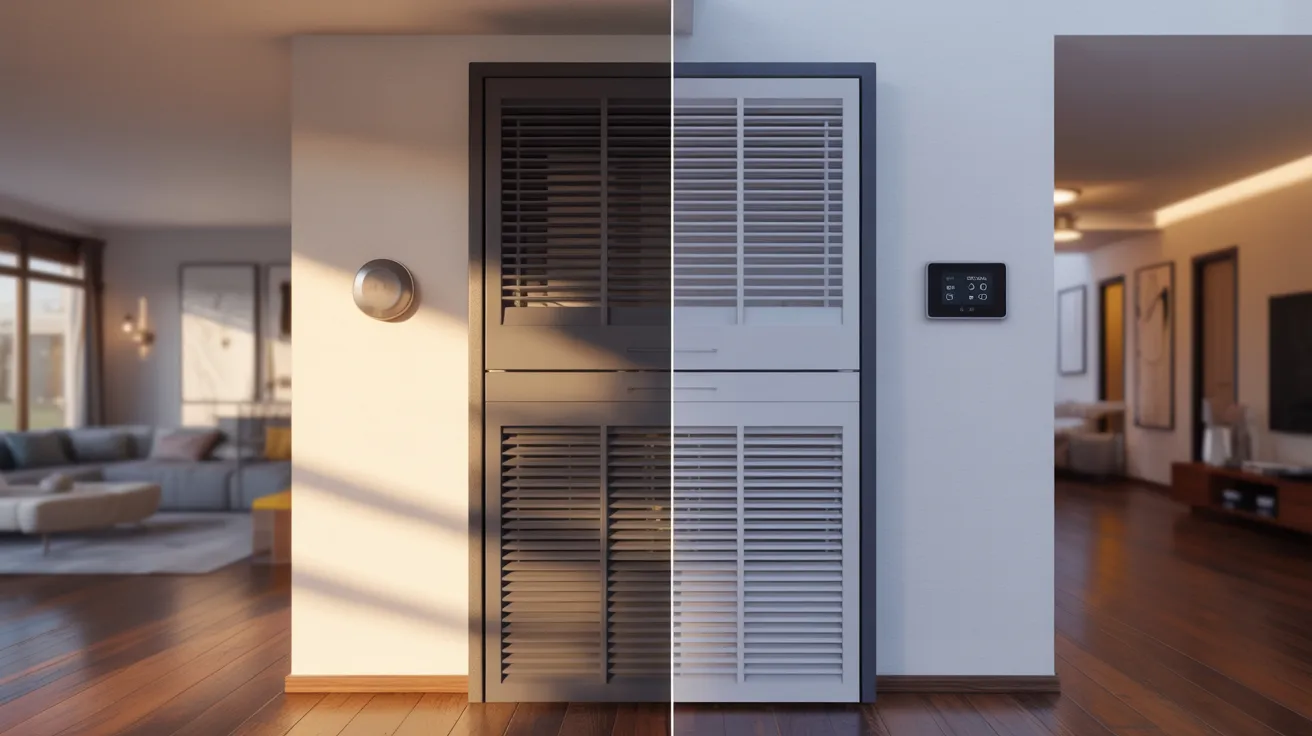
Smart thermostats learn your routine and adjust heating or cooling automatically to save energy. You can control them from your phone, track energy use, and lower bills by up to 15 percent.
Smart Lighting and Motion Sensors
Smart lighting lets you schedule, dim, or control lights remotely. Motion sensors turn lights on only when needed, while LED bulbs use far less energy and last longer.
Home Energy Monitoring Systems
Home energy monitors track electricity use in real time and show which devices use the most power, helping you reduce waste and save money.
Energy-Efficient Appliances Every Home Needs
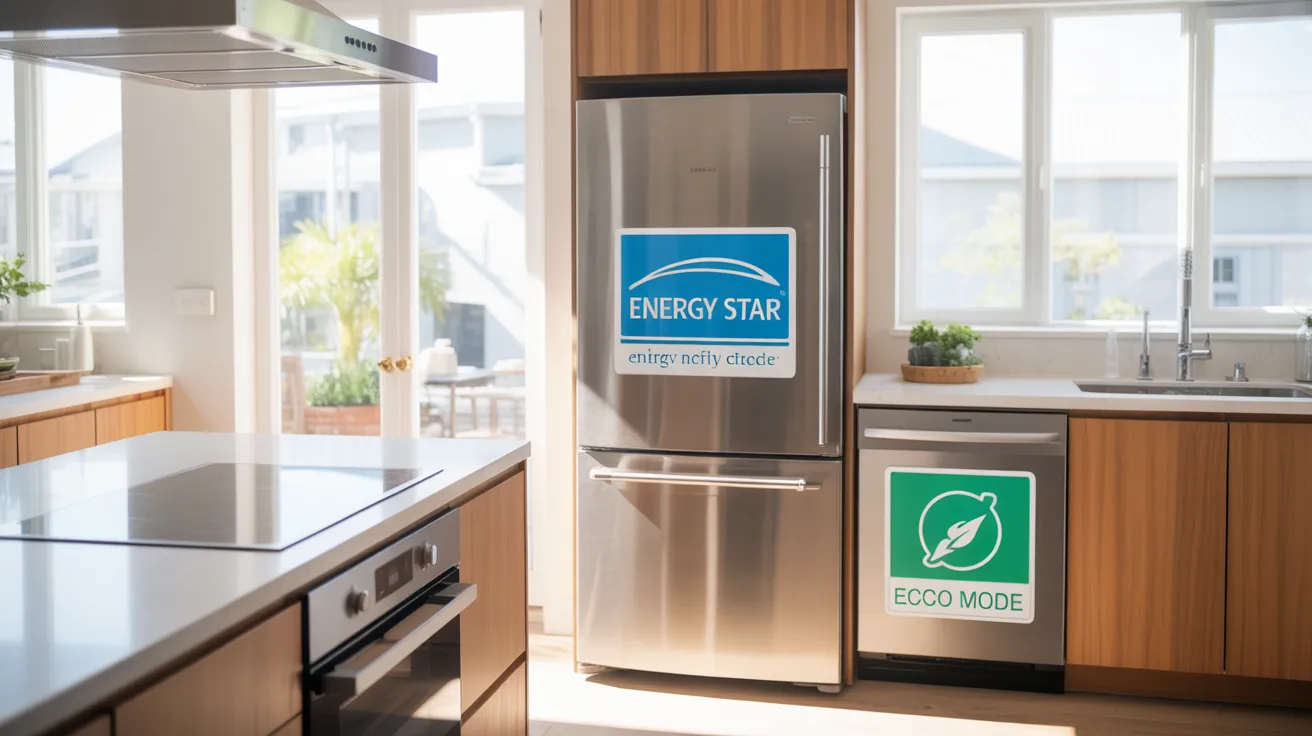
Switching to energy-efficient appliances helps you cut electricity bills, reduce waste, and run a more eco-friendly household.
The Case for ENERGY STAR Appliances
ENERGY STAR is a certification program backed by the U.S. Environmental Protection Agency, marking products that meet strict energy performance standards.
These appliances cost less to run over time, and many utility companies offer rebates on certified products, bringing the purchase price down right away.
Energy-Saving Kitchen Appliances
The kitchen is one of the biggest energy users in any home.
Modern ENERGY STAR refrigerators, induction cooktops, and efficient dishwashers all use significantly less power and water than standard models, with microwaves being the smartest choice for smaller meals.
Efficient Water Heaters and Laundry Systems
Heat pump water heaters cut heating costs by more than half, while tankless models eliminate energy waste by heating water only on demand.
In the laundry room, front-loading washers paired with a heat pump dryer and cold water washing can cut energy use by nearly half.
High-Performance Insulation and Windows
Good insulation and energy-efficient windows help keep your home comfortable while lowering energy bills year-round.
Proper insulation in walls, attics, and floors reduces the strain on heating and cooling systems.
Triple pane windows improve efficiency by slowing heat transfer, reducing noise, and preventing condensation.
Sealing air leaks around windows, doors, and wall joints with caulk or weatherstripping also helps maintain a steady indoor temperature.
Sustainable Heating and Cooling Solutions
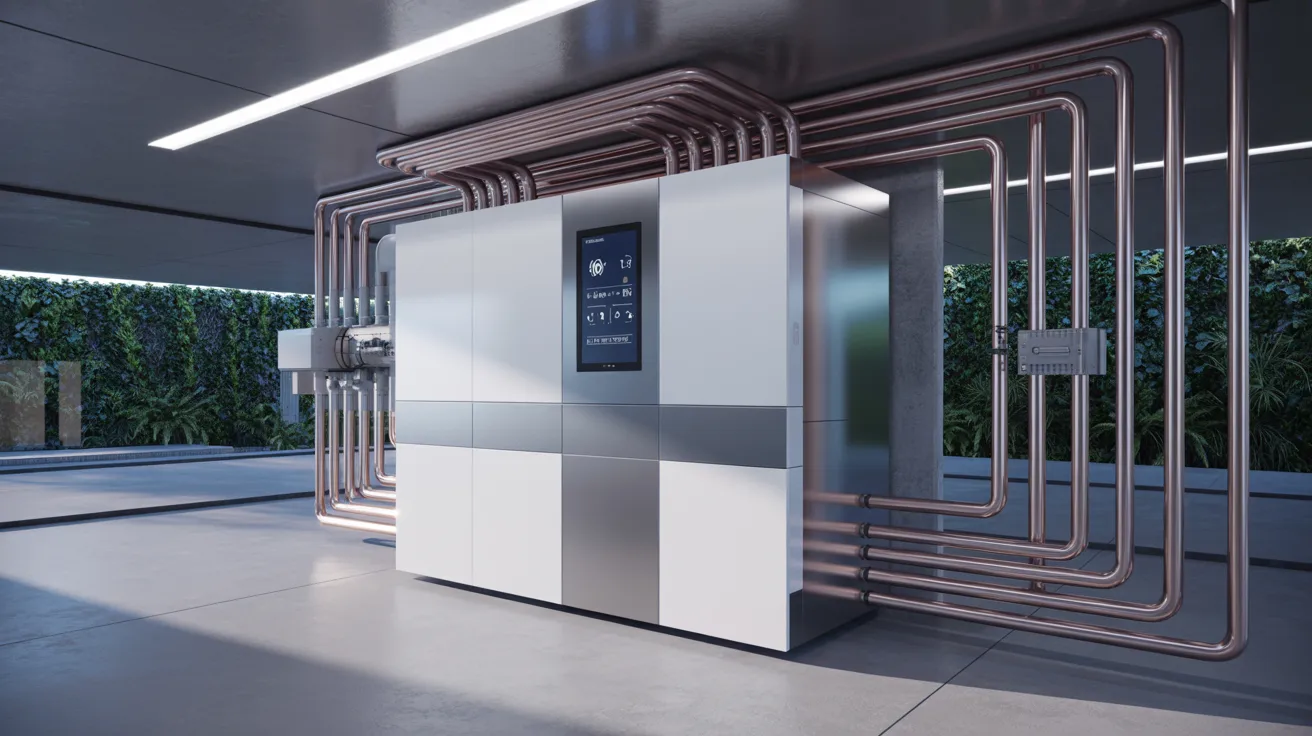
Keep your home comfortable year-round while cutting energy costs and reducing your carbon footprint.
High-Efficiency HVAC Systems
Modern HVAC systems use less energy and perform better than older units.
Higher SEER ratings mean better efficiency, with newer models reaching 20+ compared to older systems rated 8–10.
Features like variable-speed motors reduce energy use by adjusting output as needed. Upgrading can lower heating and cooling costs by 20–50% over time.
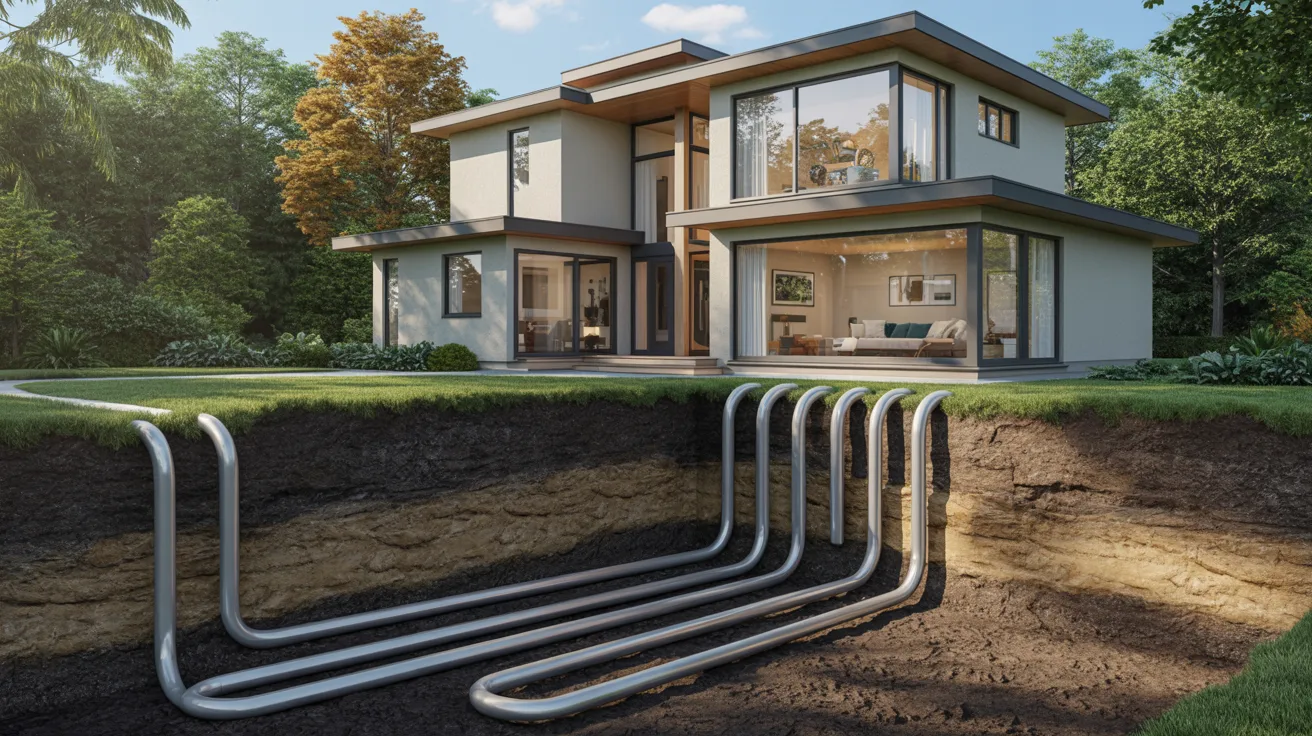
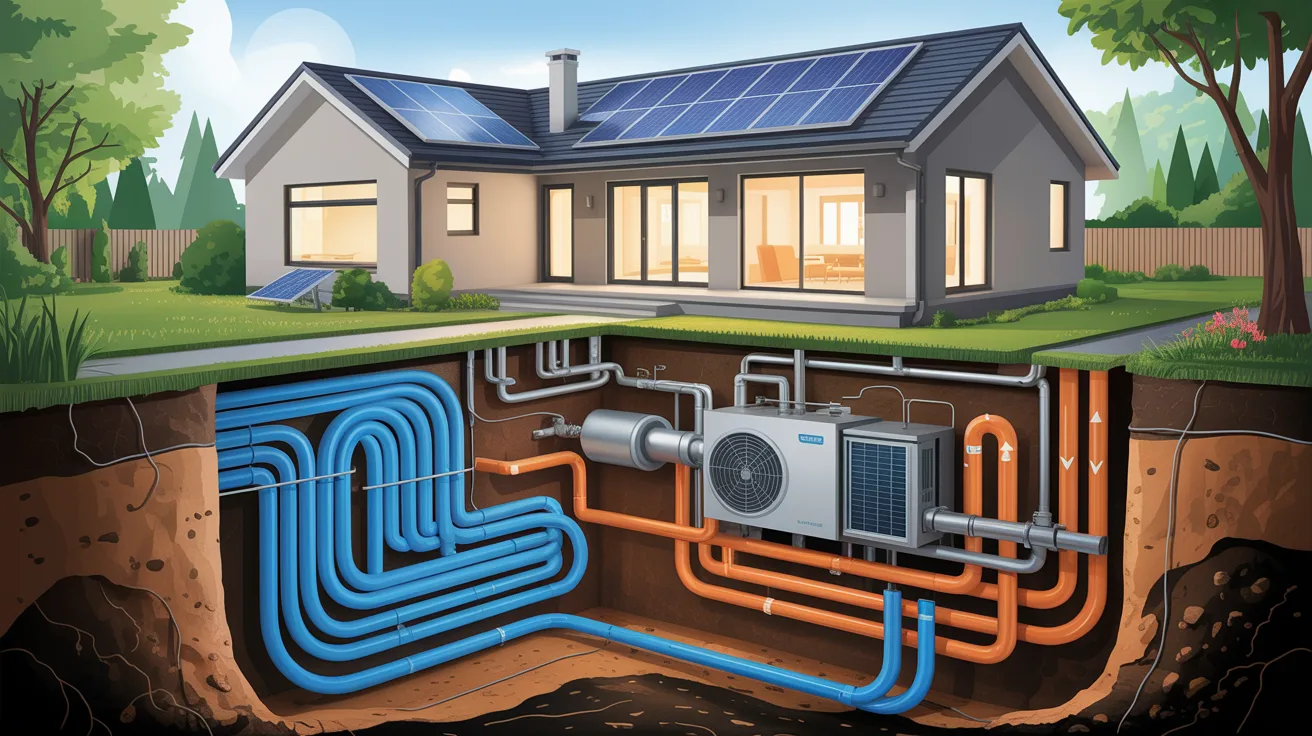
Geothermal Heating and Cooling Systems
The ground beneath your home stays at a fairly constant temperature all year.
Geothermal systems use this to heat your home in winter and cool it in summer through a loop of pipes buried underground.
Since these systems move heat rather than generate it, they are very efficient, producing three to five units of energy for every one unit of electricity used.
Installation costs are higher upfront, but the underground loop can last 50 years or more.
Geothermal systems also produce no direct emissions, giving them a much smaller environmental footprint than gas or oil-based systems.
Renewable Energy Solutions Every Modern Home Needs
Clean energy is no longer just an option. It is a smart, practical choice that helps homeowners save money and reduce their environmental footprint.
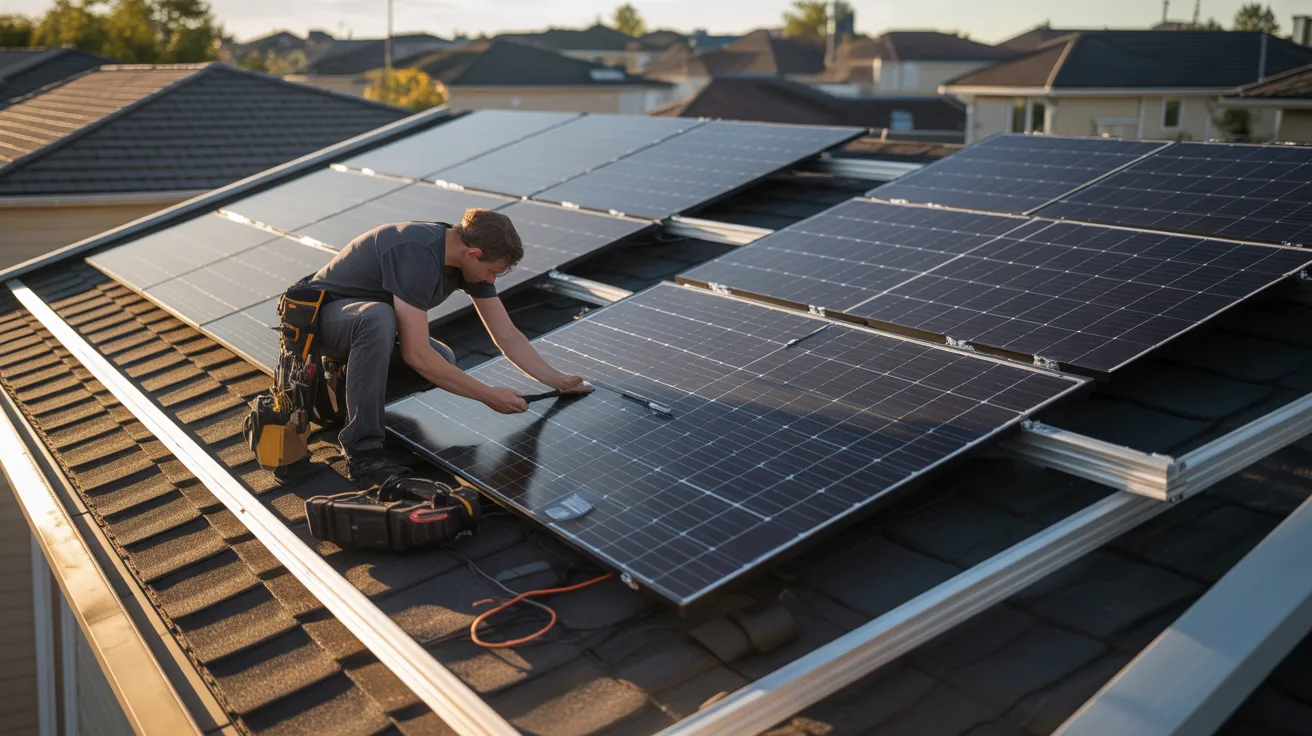
Solar Panels for Clean Energy
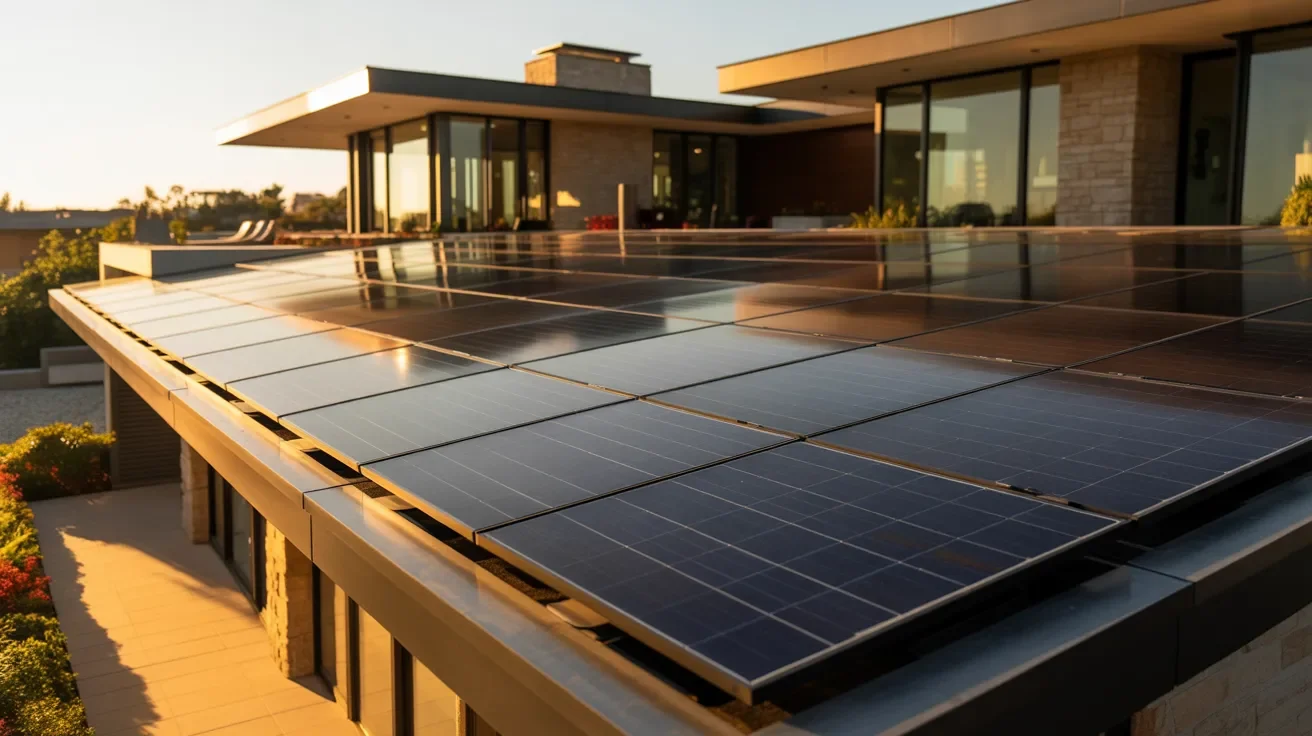
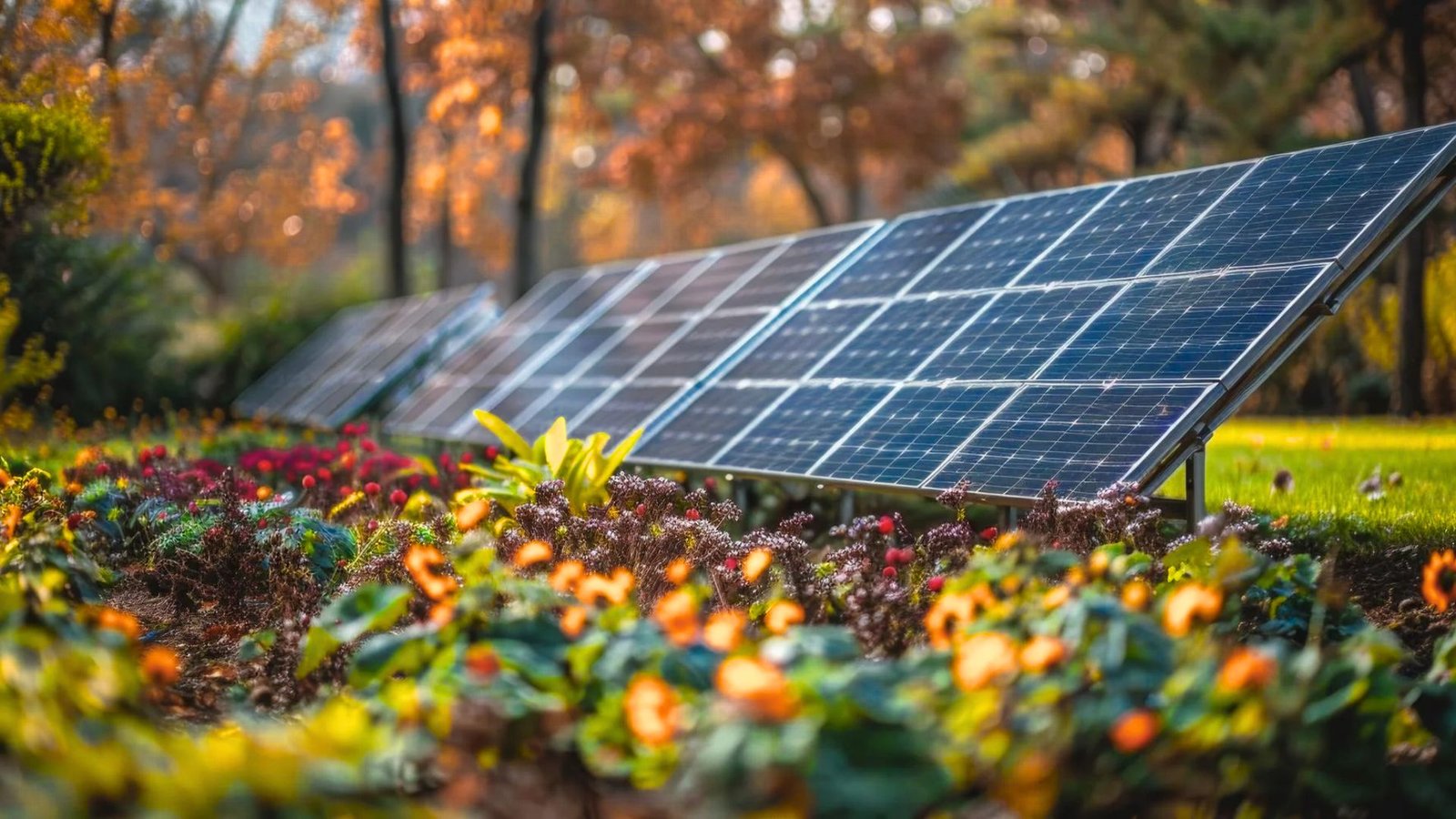
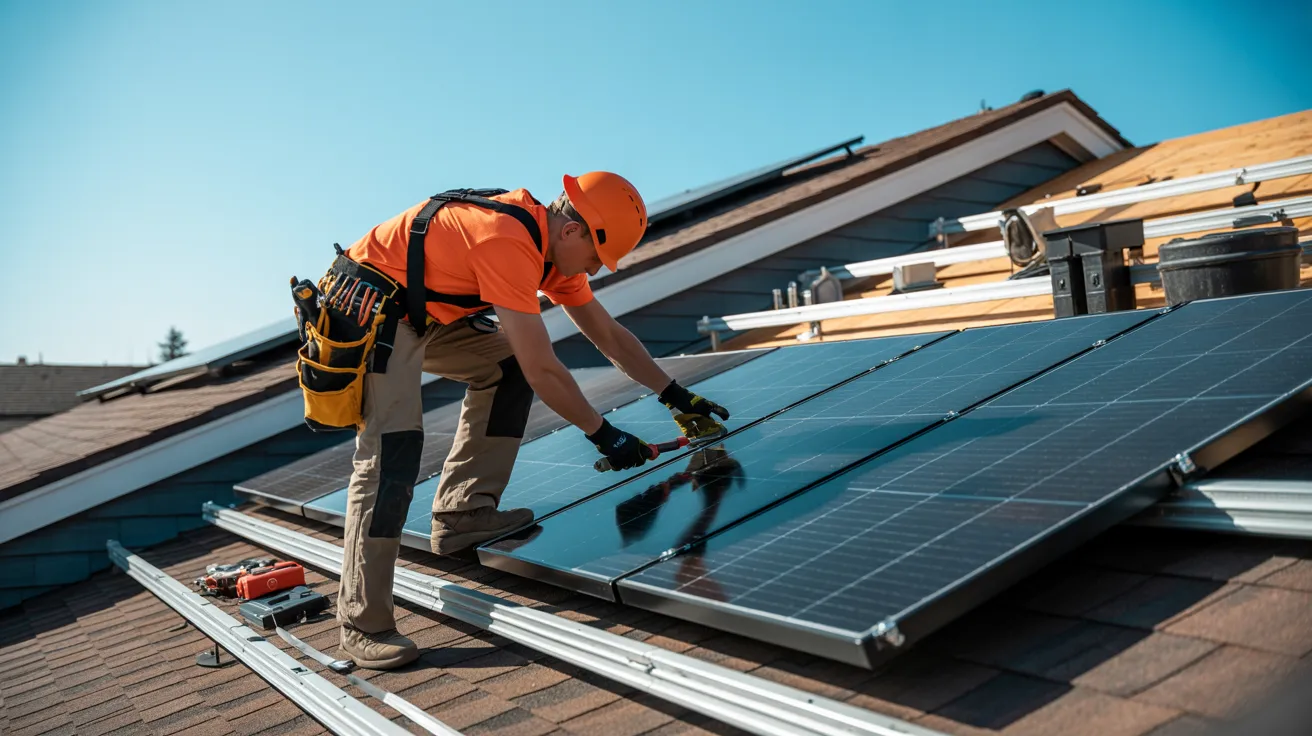
Installing solar panels has become much more affordable over the last decade, with many homeowners seeing a drop in electricity bills within the first month.
Panels work even on cloudy days, require minimal maintenance, and most systems come with warranties lasting 20 to 25 years.
Home Battery Storage Systems
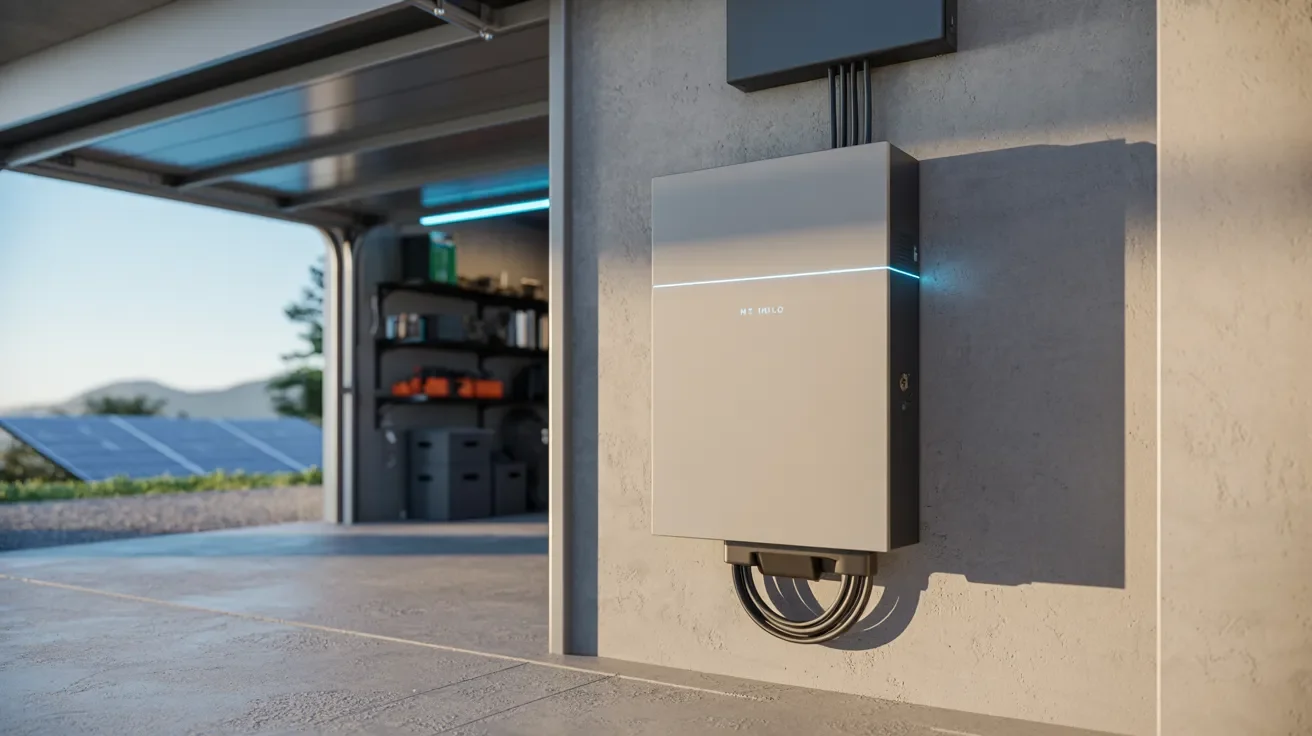
Home battery systems store the energy your solar panels collect during the day so you can use it at night or during a power outage.
They are compact, wall-mounted, and have dropped significantly in price, making them a practical pairing with any solar setup.
Wind Energy Options for Residential Properties
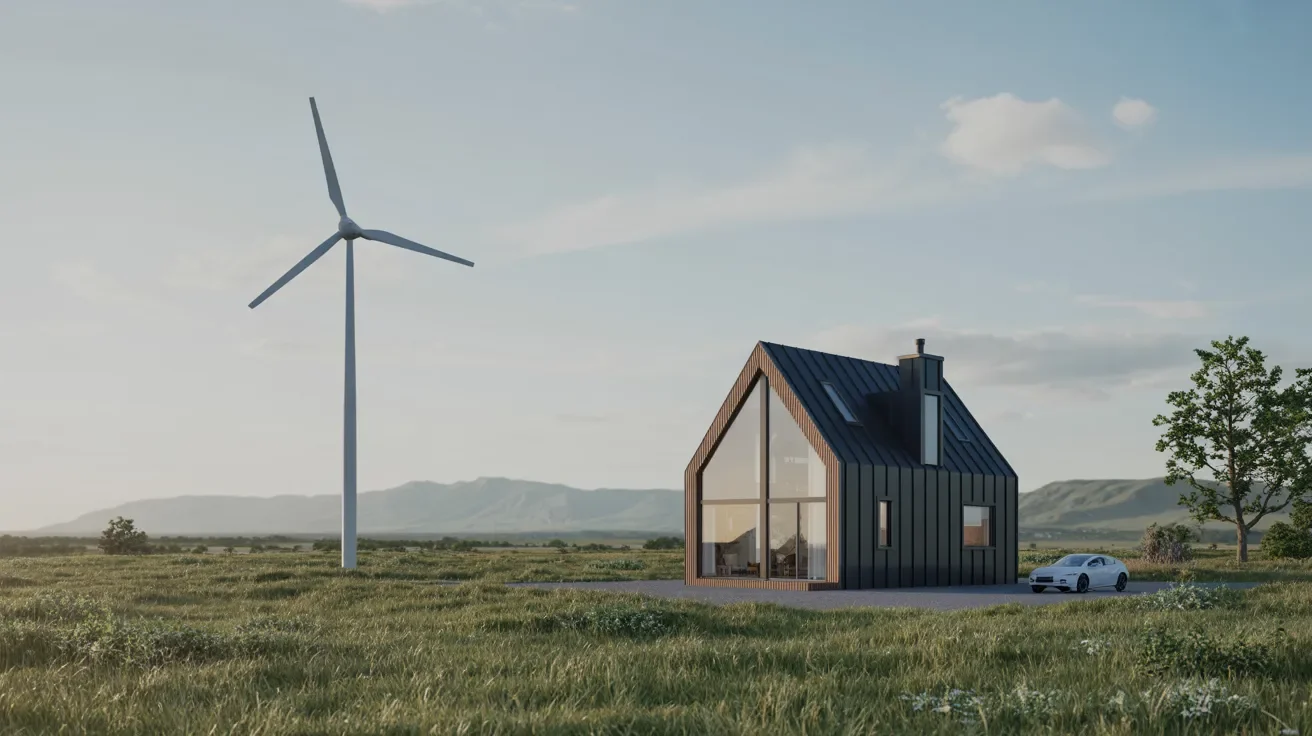
Small wind turbines designed for home use work well in areas with consistent wind and pair effectively with solar since they often generate power at different times.
Before installing one, check local zoning laws and homeowners association rules to confirm placement requirements in your area.
Water-Saving Green Home Features
Smart water use at home cuts bills, protects resources, and supports a healthier planet every day.
Low-Flow Toilets and Faucets
Water waste at home often starts in the bathroom. Older toilets can use up to 6 gallons per flush.
Low-flow toilets use as little as 1.28 gallons per flush, adding up to major savings over time. Low-flow faucets mix air into the water stream, keeping pressure feeling normal while using far less water.
Swapping out a faucet aerator alone can cut water use by up to 30 percent.
Rainwater Harvesting Systems
Rain falls on your roof for free. A harvesting system collects that water before it runs off and stores it for outdoor use such as watering a garden or washing a car.
Rainwater is naturally soft, so plants often respond well to it.
Greywater, the used water from sinks, showers, and laundry, can also be put to good use. Simple systems redirect washing machine water to yard irrigation.
Using greywater for irrigation can cut outdoor water use by half. Many local governments support these systems and offer rebates, so checking local rules before installing is always a smart first step.
Sustainable Materials for Eco-Friendly Interiors
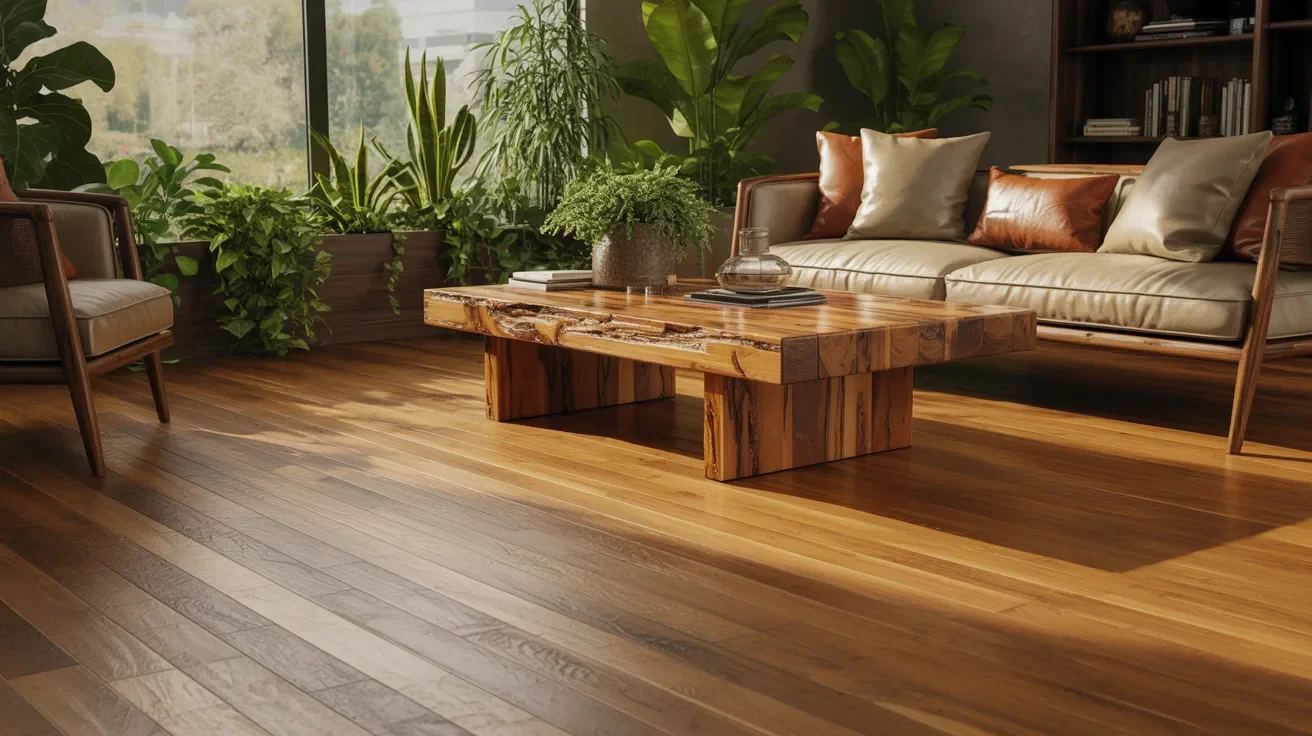
Smart material choices can make your home healthier, greener, and more responsible without sacrificing style.
Bamboo Flooring and Reclaimed Wood: Bamboo grows fast. It can be harvested in just 3 to 5 years, making it a much more renewable option than traditional hardwood. It is also hard-wearing and works well in high-traffic areas.
Recycled Countertops and Sustainable Surfaces: Countertops made from recycled glass, paper composite, or reclaimed stone are gaining popularity. They perform just as well as conventional materials and come in a wide range of finishes.
Low-VOC Paints and Healthier Indoor Materials: Low-VOC and zero-VOC paints contain far fewer harmful chemicals. They are widely available now and come in just as many colors as conventional options.
Affordable Ways to Add Green Home Features
Making your home more eco-friendly does not have to cost a lot. Small, smart steps can lead to real savings and a healthier living space.
Prioritizing Upgrades Based on Budget
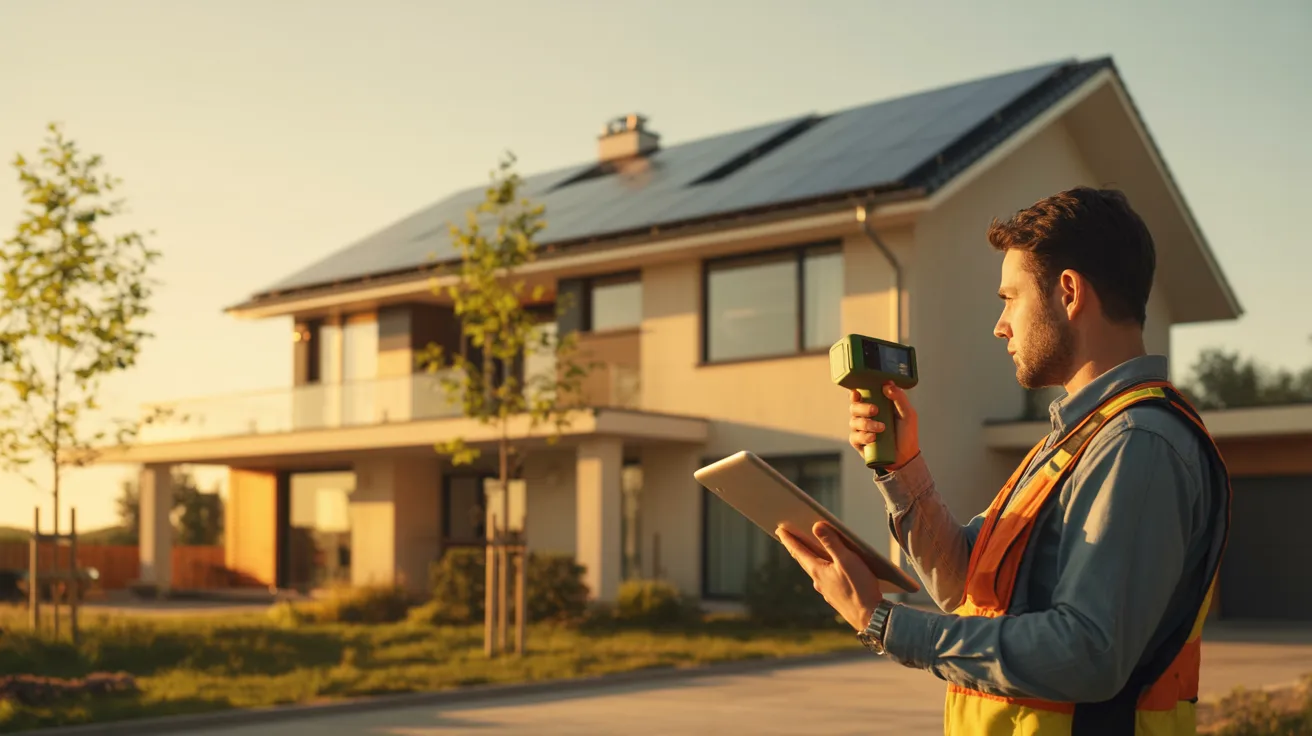
Start by finding where your home wastes the most energy. This could be heating, cooling, lighting, or water use. Once you know the problem areas, you can spend smarter.
A simple rule: stop the waste first, then focus on generating savings.
Small Changes That Make a Big Impact
You do not need a full home overhaul to go green. Switching to LED bulbs, adding a low-flow showerhead, or using power strips to cut standby electricity are all fast, low-cost steps.
Simple habits like thick curtains, draft stoppers, and adjusting your thermostat also help. Each small change adds up to noticeable savings over time.
Choosing the Right Green Solutions for Your Home
The best green upgrade depends on your climate, home type, and energy habits. Hot climates benefit from reflective roofing and shaded windows.
Cold climates gain more from insulation and draft-proofing.
Benefits of Green Homes
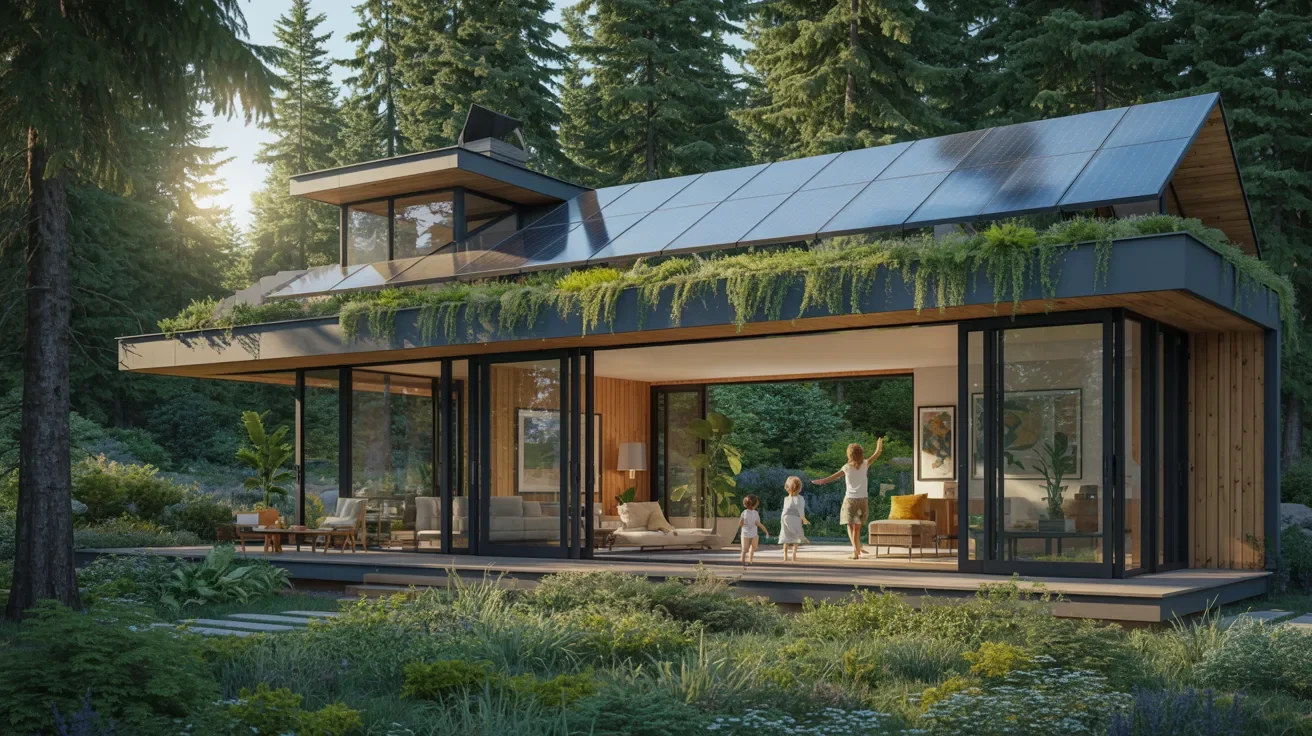
Green homes offer real advantages that go beyond saving energy. They support healthier living and long-term financial gains for homeowners.
Better Indoor Air Quality: Green homes use low-VOC materials and proper ventilation to keep indoor air clean. This reduces harmful chemicals in the air and helps families with allergies or breathing issues feel better at home.
Lower Utility Bills and Energy Costs: Better insulation, efficient appliances, and solar panels cut down on energy and water use. Most green homeowners see a clear drop in monthly bills, and some even earn credits by producing extra energy.
Increased Property Value and Buyer Demand: Green-certified homes sell for more and attract more buyers. As demand for energy-efficient living grows, even small green upgrades can raise your property’s market value.
Conclusion
Going green at home does not have to feel overwhelming. I started with just one LED bulb swap, and it genuinely surprised me how motivating that tiny win felt.
Once you see even a small difference in your bill, you want to keep going.
Pick one change this week, just one, and build from there. Affordable green home features are closer than you think.
Have you tried any of these tips? Drop a comment below and share what worked for you. Someone else might need that exact nudge.
Frequently asked questions
What green home features offer the best return on investment?
Solar panels, smart thermostats, and high-efficiency HVAC systems deliver the strongest returns through reduced monthly utility bills.
How do low-flow fixtures help reduce household water bills?
Low-flow toilets and faucets use far less water per use, saving a family of four thousands of gallons annually and cutting monthly water costs noticeably.
Can green home upgrades improve indoor air quality?
Yes, low-VOC paints, non-toxic materials, and proper ventilation work together to keep harmful chemicals out of the air your family breathes daily.
Do energy-efficient appliances really make a noticeable difference in electricity costs?
ENERGY STAR-certified appliances use considerably less power than standard models, and the monthly savings become clear when combined with smart lighting and energy monitoring.
Is it possible to go green on a tight budget without major renovations?
Yes, swapping to LED bulbs, sealing gaps around doors and windows, and adding a low-flow showerhead are low-cost steps that produce real, measurable results.